



PI3K
Phosphoinositide 3-kinase
PI3K (Phosphoinositide 3-kinase), via phosphorylation of the inositol lipid phosphatidylinositol 4,5-bisphosphate (PI(4,5)P2), forms the second messenger molecule phosphatidylinositol (3,4,5)-trisphosphate (PI(3,4,5)P3) which recruits and activates pleckstrin homology domain containing proteins, leading to downstream signalling events crucial for proliferation, survival and migration. Class I PI3K enzymes consist of four distinct catalytic isoforms, PI3Kα, PI3Kβ, PI3Kδ and PI3Kγ.
There are three major classes of PI3K enzymes, being class IA widely associated to cancer. Class IA PI3K are heterodimeric lipid kinases composed of a catalytic subunit (p110α, p110β, or p110δ; encoded by PIK3CA, PIK3CB, and PIK3CD genes, respectively) and a regulatory subunit (p85).
The PI3K pathway plays an important role in many biological processes, including cell cycle progression, cell growth, survival, actin rearrangement and migration, and intracellular vesicular transport.
PI3K Isoform Specific Products
-
PI3Kα
(233)
View all products
-
PI3Kβ
(162)
View all products
-
PI3Kγ
(182)
View all products
-
PI3Kδ
(200)
View all products
-
PI3KC2α
(8)
View all products
-
PI3KC2β
(12)
View all products
-
PI3KC2γ
(4)
View all products
-
Vps34
(24)
View all products
-
PI3K
(659)
View all products
-
PI3KC3
(1)
View all products
-
p120γ
(1)
View all products
All Product Categories
-
PI3K Inhibitors
(854)
View all products
-
PI3K Agonists
(9)
View all products
-
PI3K Antagonist
(1)
View all products
-
PI3K Activators
(126)
View all products
-
PI3K Modulators
(22)
View all products
-
PI3K Inducers
(3)
View all products
-
PI3K Degraders
(6)
View all products
-
PI3K Controls
(4)
View all products
-
PI3K Substrate
(1)
View all products
-
PI3K Ligands
(9)
View all products
-
PI3K Related Products (1098)
Related Products (1098)

-
Antibodies (16)
-
PI3K Signaling Pathway
-
PI3K Isoform Comparison
-
EGFR-IN-214
 0 ImagesCat. No.: HY-184311CAS No.: 3077316-17-4EGFR-IN-214 is an orally active EGFR inhibitor with an EC50 of 3.353 μM. EGFR-IN-214 blocks the downstream PI3K/Akt signaling pathway, induces intracellular ROS accumulation and Caspase-dependent apoptosis. EGFR-IN-214 exhibits antiproliferative activity in cancer cells and inhibits tumor growth in xenograft models. EGFR-IN-214 can be used in studies related to hepatocellular carcinoma.
-
COX-2/PI3K-IN-2
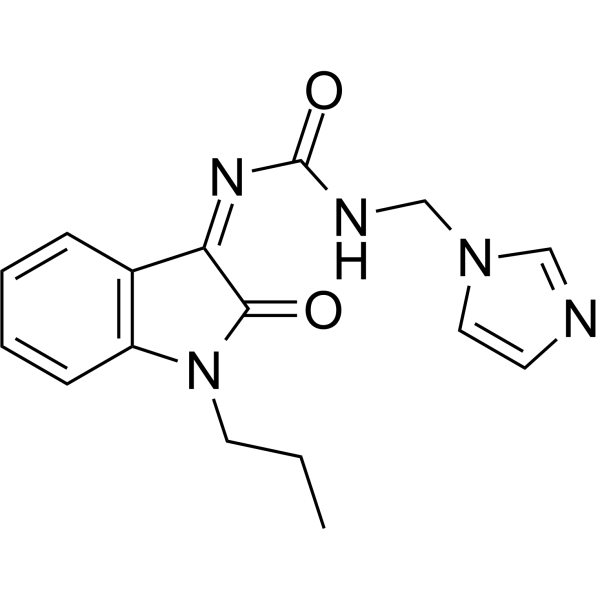 0 ImagesCat. No.: HY-147912CAS No.: 2459938-28-2
-
Toyaburgine
 0 ImagesCat. No.: HY-172259Toyaburgine is a unique isoquinoline compound that exhibits anti-tumor activity. It packs a punch by disrupting the PI3K/AKT/mTOR signaling pathway, causing significant morphological changes and cell death in MIA PaCa-2 cells. On top of that, it puts the brakes on cell migration and colony formation. This compound is showing a lot of promise in the realm of pancreatic cancer research.
-
MEK/PI3K-IN-2
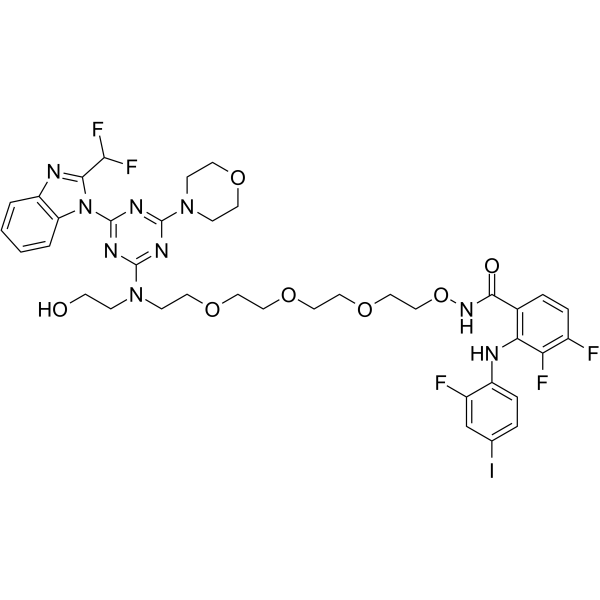 0 ImagesCat. No.: HY-144693CAS No.: 2281803-33-4
-
Leupeptin Ac-LL
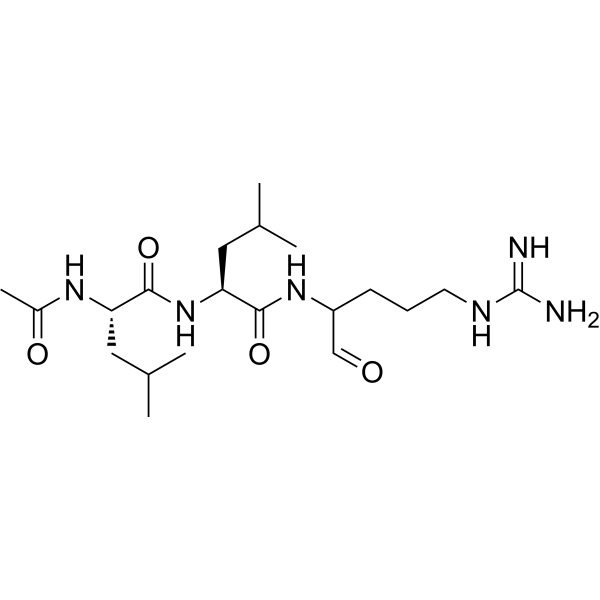 0 ImagesCat. No.: HY-18234BCAS No.: 24365-47-7Leupeptin Ac-LL is a broad-spectrum protease inhibitor. Leupeptin Ac-LL inhibits serine, cysteine and threonine proteases, and regulates autophagy. Leupeptin Ac-LL reduces the expression levels of LC3B, iNOS, Cox-2, Beclin-1 and the level of endopeptidases; increases the levels of p62, Arg 1, Msr 1 and Mrc−1; and blocks the upregulation of p-PTEN, p-NF-κB, p-PI3K, p-Akt, p-p38 and ERK1/2. Leupeptin Ac-LL inhibits NO, ROS, proinflammatory cytokines, the IFN-γ/IL-10 ratio, phagolysosome fusion, mammalian lysosomal hydrolase activity and SARS-CoV-2 replication; and reverses impaired autophagic flux. Leupeptin Ac-LL is applicable to research related to chronic inflammatory diseases, edema, skin tumorigenesis, COVID-19 and respiratory infections.
-
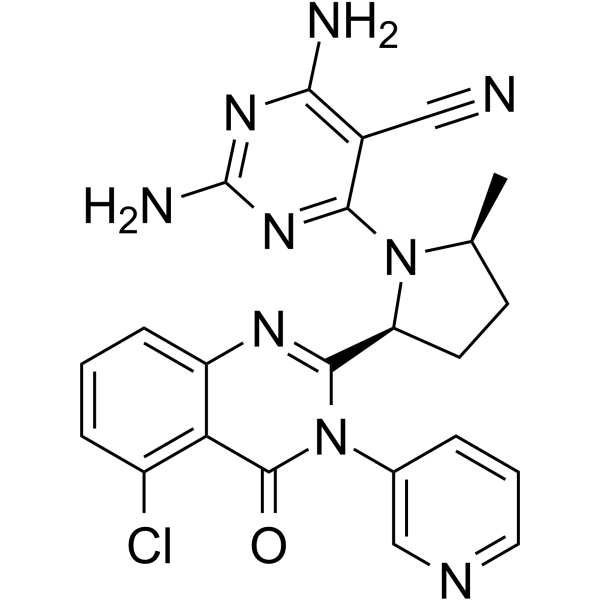
PLAGL2-IN-1
 0 ImagesCat. No.: HY-180281CAS No.: 3099026-16-8PLAGL2-IN-1 is a inhibitor of pleiomorphic adenoma-like protein 2 (PLAGL2) with a Kd of 2.23 µM. PLAGL2-IN-1 suppresses PLAGL2 transcriptional activity, induces G0/G1 cell cycle arrest, and apoptosis, thereby inhibiting hepatocellular carcinoma (HCC) cell proliferation. PLAGL2-IN-1 disrupts extracellular matrix organization and suppresses the PI3K-AKT pathway by reducing AKT phosphorylation. PLAGL2-IN-1 inhibits tumor growth in an HCCLM3 xenograft mouse model. PLAGL2-IN-1 can be used for the research of HCC.
-
PI3Kδ-IN-17
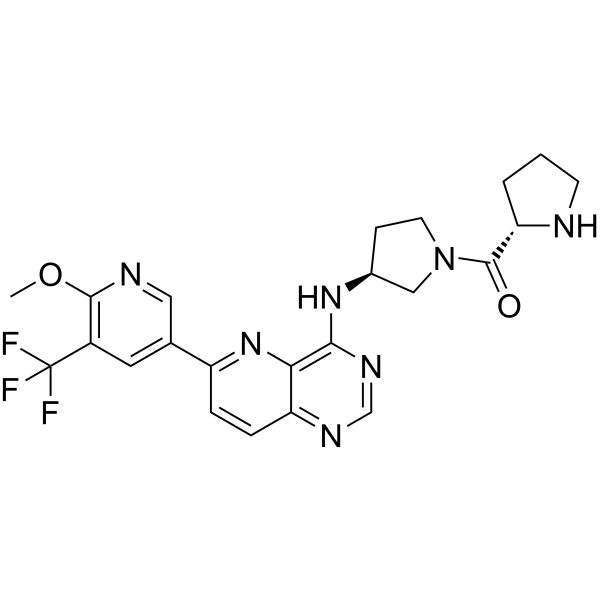 0 ImagesCat. No.: HY-149634CAS No.: 2768181-63-9PI3Kδ-IN-17 (Compound S5) is a potent inhibitor of PI3Kδ, with IC50 of 2.82?nM. PI3Kδ-IN-17 shows strong inhibitory activity of proliferation in SU-DHL-6 cells (IC50 = 0.035 μM).
-
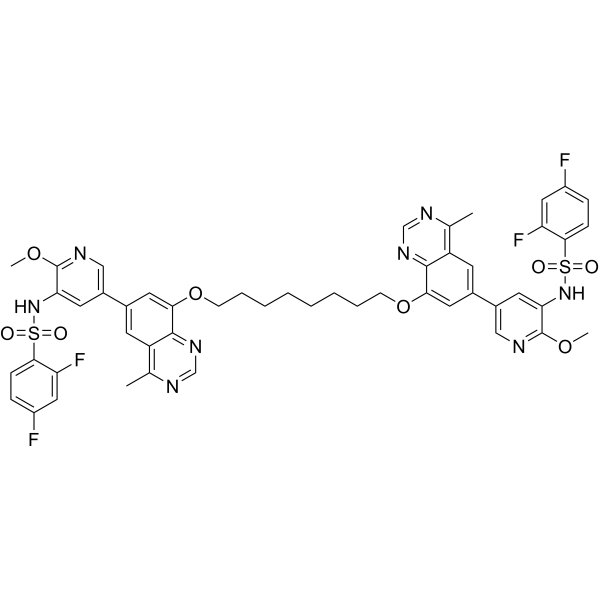
PP487
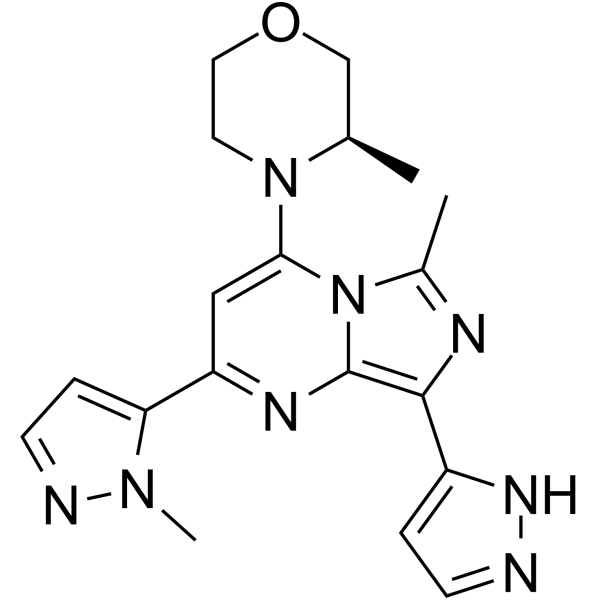
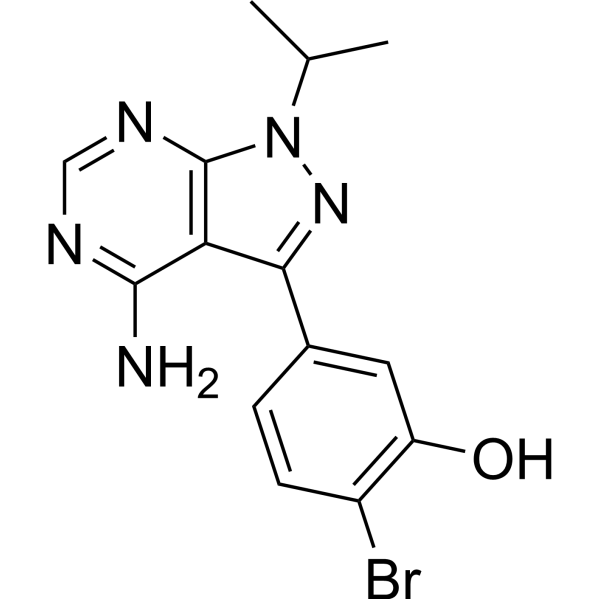 0 ImagesCat. No.: HY-15268CAS No.: 1092787-12-6

-
Arteanoflavone
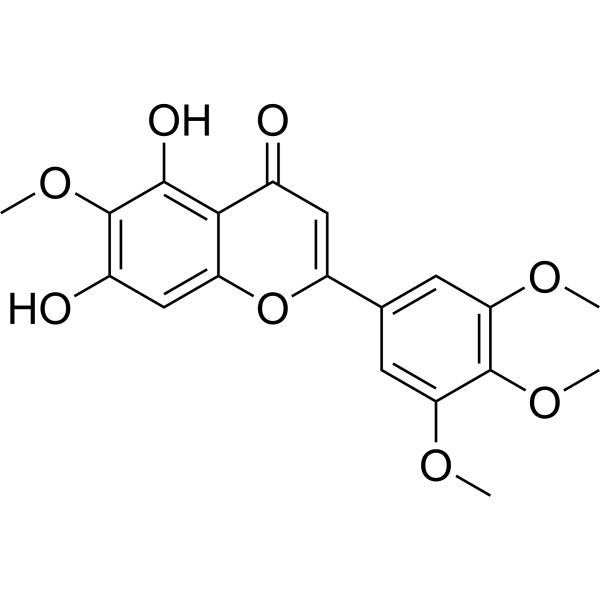 0 ImagesCat. No.: HY-133804CAS No.: 68710-17-8Arteanoflavone, a natural compound that can be isolated from A. iwayomogi, possess inhibitory activities on AGEs formation.
-
PI3Kα-IN-30
 0 ImagesCat. No.: HY-182368PI3Kα-IN-30 is an orally active, selective PI3Kα inhibitor with an IC50 of 2.8 nM. PI3Kα-IN-30 inhibits cancer cell proliferation, as well as the phosphorylation of Akt (S473) and pS6 (S240/244). PI3Kα-IN-30 shows low growth inhibitory activity against normal somatic cell lines at a concentration of 30 μM. PI3Kα-IN-30 induces cancer cell apoptosis and exerts anti-tumor efficacy in xenograft models. PI3Kα-IN-30 can be used for the research of breast cancer.
-
MARY1
 0 ImagesCat. No.: HY-174306MARY1 is a selective 5-HT2BR antagonist with an IC50 of 380 nM and a Ki of 764 nM (human 5-HT2BR). MARY1 induces renal mitochondrial biogenesis (MB) and enhances renal mitochondrial function by increasing mitochondrial respiratory capacity, mitochondrial protein levels, and mitochondrial number in renal proximal tubular cells (RPTCs). MARY1 induces MB through 5-HT2BR and dual PI3K/AKT and RAS/MEK/ERK cell signaling pathways in RPTCs. MARY1 can be used to study renal diseases associated with metabolic and mitochondrial dysfunction.
-
PI3Kδ-IN-20
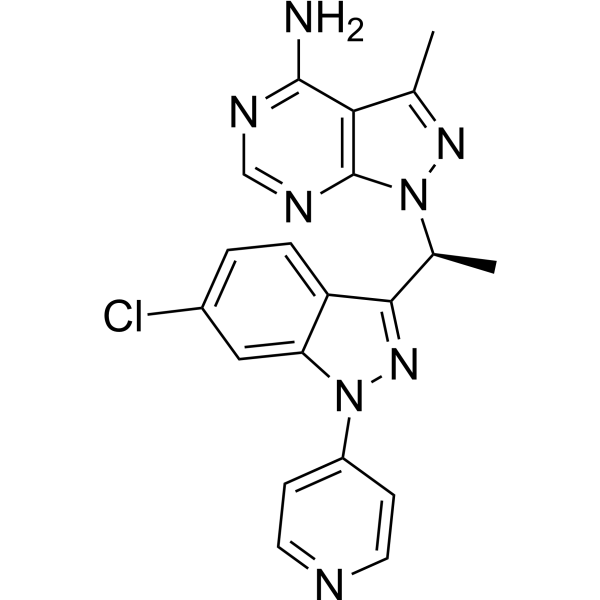 0 ImagesCat. No.: HY-158147CAS No.: 3038178-85-4
-
Phellodendrine chloride (Standard)
 0 ImagesCat. No.: HY-N0735RCAS No.: 104112-82-5Phellodendrine chloride (Standard) is the analytical standard of Phellodendrine chloride (HY-N0735). Phellodendrine chloride is an orally active plant alkaloid. Phellodendrine chloride inhibits the proliferation of KRAS-mutated pancreatic cancer cells by suppressing macropinocytosis and glutamine metabolism, inducing ROS accumulation and mitochondrial apoptosis. Phellodendrine chloride promotes autophagy by activating the AMPK/mTOR pathway, alleviating intestinal damage in ulcerative colitis. Phellodendrine chloride can alleviate gouty arthritis by inhibiting the IL-6/STAT3 signaling pathway. Phellodendrine chloride suppresses allergic reactions by altering the conformation of MRGPRB3/MRGPRX2 protein, thereby inhibiting the activation of PKC and subsequent downstream MAPK and NF-κB signaling. Phellodendrine chloride inhibits the AKT/NF-κB pathway and down-regulates the expression of COX-2, thereby protecting zebrafish embryos from oxidative stress. Phellodendrine chloride has an anti-major depressive disorder (MDD) effect by down-regulating CHRM1, HTR1A, and the PI3K/Akt signaling pathway.
-
LCI40
 0 ImagesCat. No.: HY-183770LCI40 is an orally active dual PI3K/BRD4 inhibitor (PI3Kα IC50 = 0.071 μM, PI3Kβ IC50 = 0.17 μM, PI3Kγ IC50 = 0.66 μM, PI3Kδ IC50 = 0.072 μM, BRD4 BD1 IC50 = 0.19 μM, and BRD4 BD2 IC50 = 1.88 μM. LCI40 inhibits phosphorylation of pAKT (S473) and suppresses c-MYC levels in mantle cell lymphoma cells. LCI40 displays immunomodulatory capacity with minimal toxicity to normal mouse immune cells. LCI40 can be used for the research of mantle cell lymphoma.
-
Anticancer agent 164
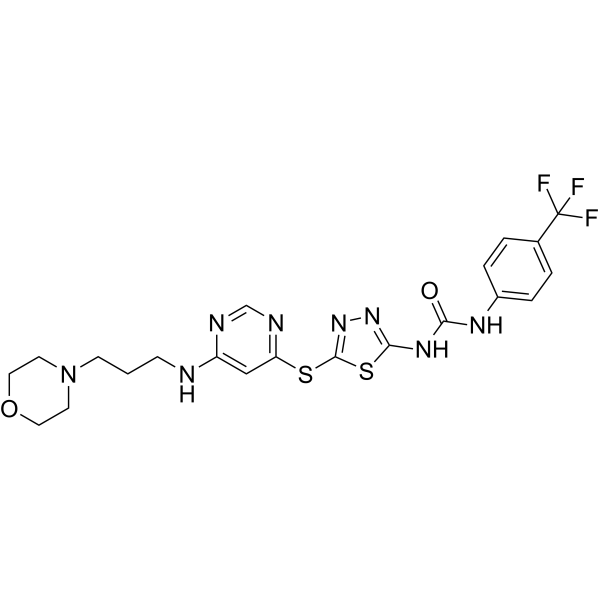 0 ImagesCat. No.: HY-128634CAS No.: 2235393-30-1CML-IN-1 (compound 7) is a potent anticancer agent. CML-IN-1 displays very good induced-apoptosis effect for human chronic myeloid leukemia (CML) cell line K562. CML-IN-1 exerts its effect via a significantly reduced protein phosphorylation of PI3K/Akt signal pathway. CML-IN-1 (compound 4) also inhibits cell proliferation by suppressing the MEK/ERK signaling pathway in colorectal cancer.




