



Potassium Channel
KcsA
Potassium channels are the most widely distributed type of ion channel and are found in virtually all living organisms. They form potassium-selective pores that span cell membranes. Potassium channels are found in most cell types and control a wide variety of cell functions. Potassium channels function to conduct potassium ions down their electrochemical gradient, doing so both rapidly and selectively. Biologically, these channels act to set or reset the resting potential in many cells. In excitable cells, such asneurons, the delayed counterflow of potassium ions shapes the action potential. By contributing to the regulation of the action potential duration in cardiac muscle, malfunction of potassium channels may cause life-threatening arrhythmias. Potassium channels may also be involved in maintaining vascular tone.
All Product Categories
-
Potassium Channel Inhibitors
(686)
View all products
-
Potassium Channel Agonists
(31)
View all products
-
Potassium Channel Antagonists
(39)
View all products
-
Potassium Channel Activators
(243)
View all products
-
Potassium Channel Modulators
(44)
View all products
-
Potassium Channel Chemical
(1)
View all products
-
Potassium Channel Controls
(11)
View all products
-
Potassium Channel Related Products (1149)
Related Products (1149)

-
Antibodies (6)
-
Related Compound Screening Libraries (1)
-
AZD4144
 0 ImagesAZD4144 is an orally active NLRP3 inhibitor (EC50: 0.082 μM). AZD4144 effectively inhibits the release of IL-1β when NLRP3 is overactivated, exerting an anti-inflammatory effect. AZD4144 has low inhibitory effect on hERG and low cardiotoxicity. AZD4144 has the potential to study diseases and conditions associated with NLRP3 inflammasome activation.
-
Indapamide
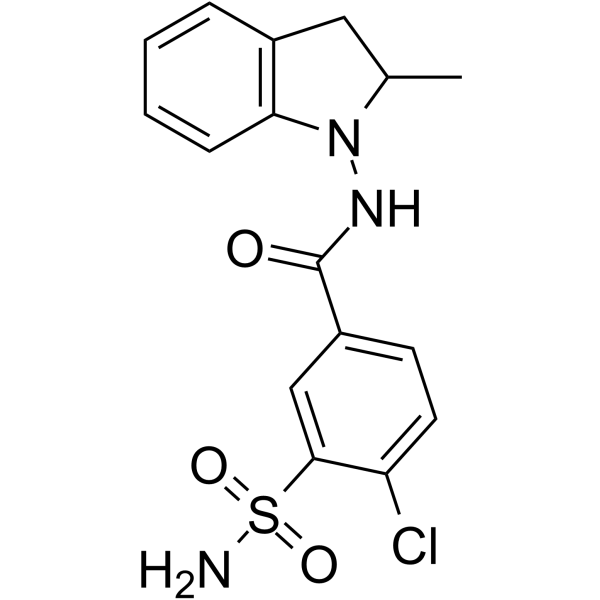 0 ImagesIndapamide is an orally active sulphonamide diuretic agent, that can reduce blood pressure by decreasing vascular reactivity and peripheral vascular resistance. Indapamide is also can reduce left ventricular hypertrophy.
-
Mefloquine
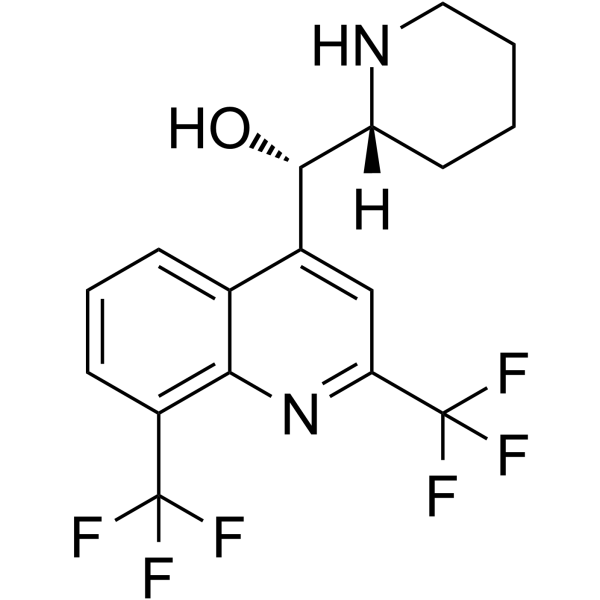 0 ImagesSynonyms: MefloquinMefloquine (Mefloquin), an orally active and potent quinoline antimalarial agent, is an anti-SARS-CoV-2 entry inhibitor. Mefloquine is also a K+ channel (KvQT1/minK) antagonist with an IC50 of ~1 μM. Mefloquine can be used for malaria, systemic lupus erythematosus and cancer research.
-
Glipizide
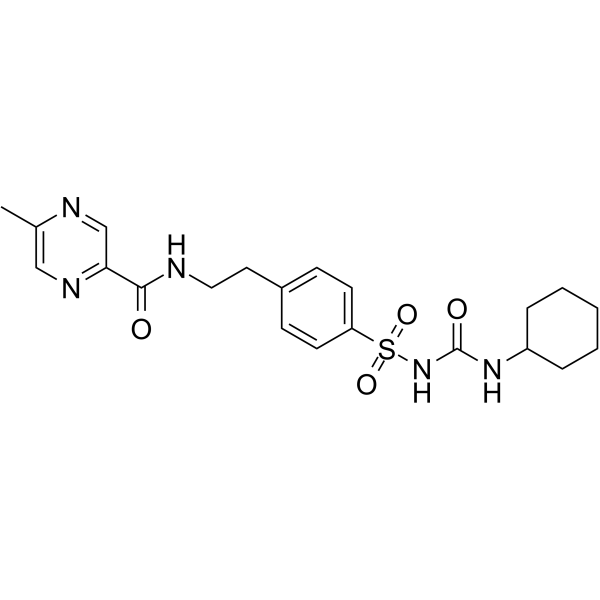 0 ImagesSynonyms: CP 28720; K 4024Glipizide (CP 2872; K 4024)?a potent, orally active and sulfonylurea class anti-diabetic agent and can be used for type 2?diabetes mellitus research but not type 1. Glipizide acts by partially blocking ATP-sensitive potassium?(KATP) channels among β cells of pancreatic islets of Langerhans.
-
Kaurenoic acid
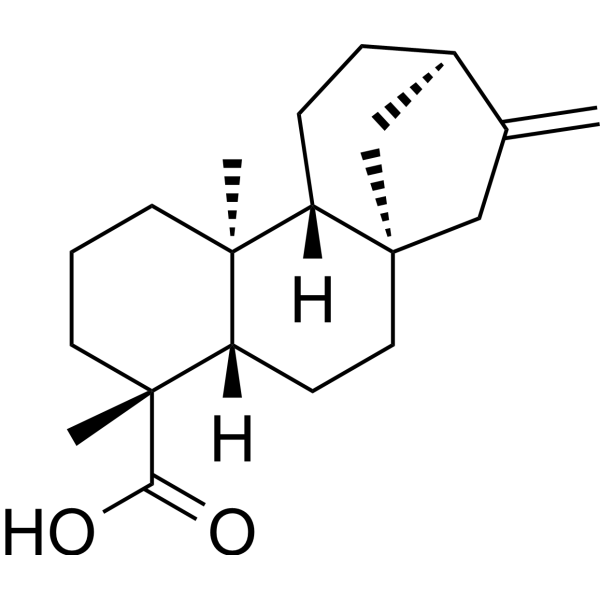 0 ImagesKaurenoic acid is a diterpene derived from Sphagneticola trilobata. Kaurenoic acid has antibacterial, anti-inflammatory, anticonvulsant, analgesic, and aortic vasodilating effects.
-
Uridine 5'-monophosphate disodium salt
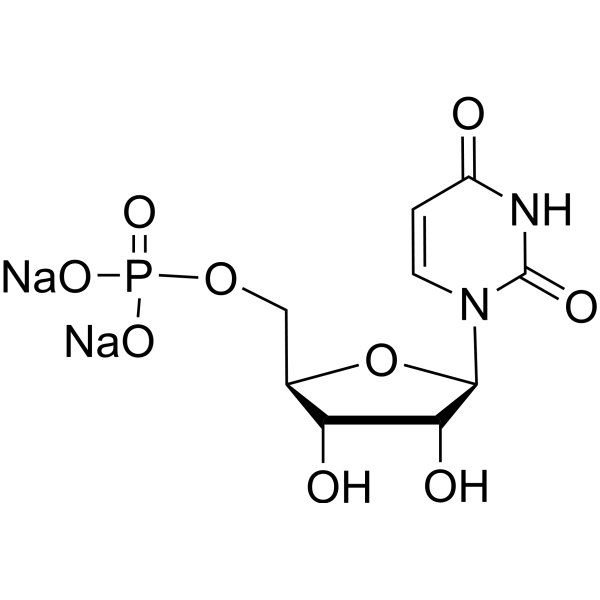 0 ImagesSynonyms: 5'-Uridylic acid disodium saltUridine 5'-monophosphate (5'-Uridylic acid) disodium salt is an orally active mitochondrial ATP-dependent potassium channel activator that has a protective effect on the heart. Uridine 5'-monophosphate disodium salt can promote the synthesis of CDP-choline and induce apoptosis in intestinal epithelial cells, which is beneficial for gut development and reduces diarrhea.
-
Ketanserin tartrate
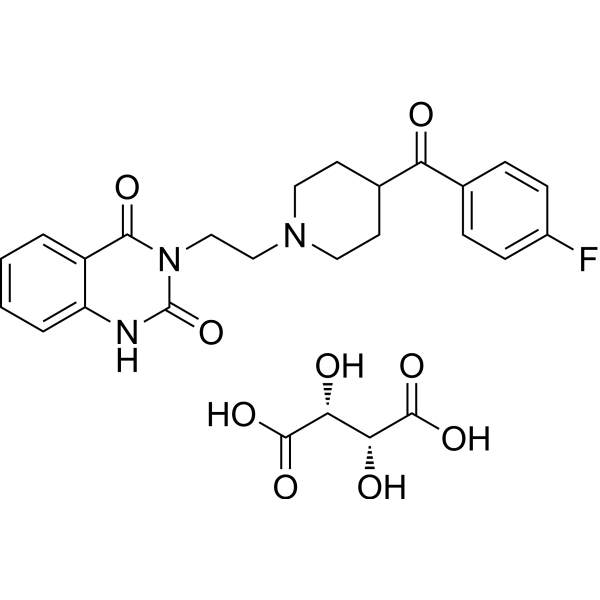 0 ImagesSynonyms: R41468 tartrateKetanserin (R41468) tartrate is a selective 5-HT2 receptor antagonist. Ketanserin tartrate also blocks hERG current (IhERG) in a concentration-dependent manner (IC50=0.11 μM).
-
L-Palmitoylcarnitine-d3 hydrochloride
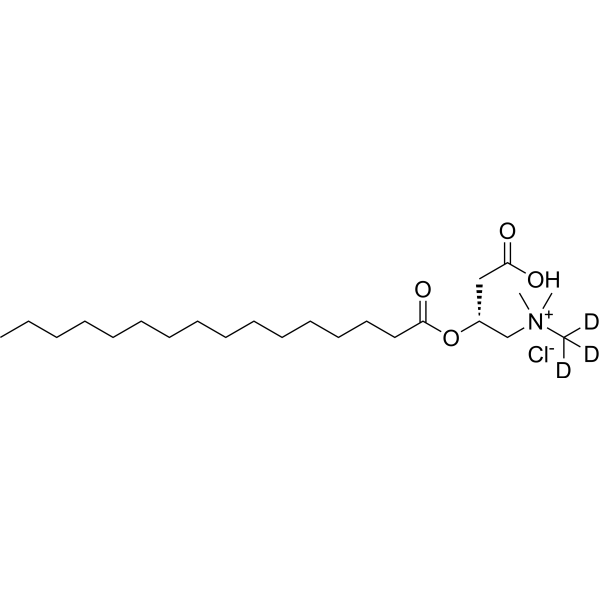 0 ImagesL-Palmitoylcarnitine-d3 hydrochloride is the deuterium labeled L-Palmitoylcarnitine hydrochloride. L-Palmitoylcarnitine hydrochloride, a long-chain acylcarnitine and a fatty acid metabolite, accumulates in the sarcolemma and deranges the membrane lipid environment during ischaemia. L-Palmitoylcarnitine hydrochloride inhibits KATP channel activity, without affecting the single channel conductance, through interaction with Kir6.2.
-
Sodium α-ketoisocaproate
 0 ImagesSynonyms: Sodium 4-methyl-2-oxopentanoate; 2-Ketoisocaproic acid sodium saltSodium α-ketoisocaproate (Sodium 4-methyl-2-oxopentanoate) is an insulin secretagogue. Sodium α-ketoisocaproate undergoes transamination catalyzed by BCAT and BCATm to produce α-ketoglutarate and leucine; it also binds to the SUR1 site to inhibit KATP channel activity, but does not directly affect the Kir6.2 subunit. Sodium α-ketoisocaproate regulates Ca2+ influx. Sodium α-ketoisocaproate exerts insulinotropic activity in pancreatic islets and intact mouse pancreata with sufficient BCATm expression. Sodium α-ketoisocaproate can be used in research related to type 2 diabetes.
-
XE991
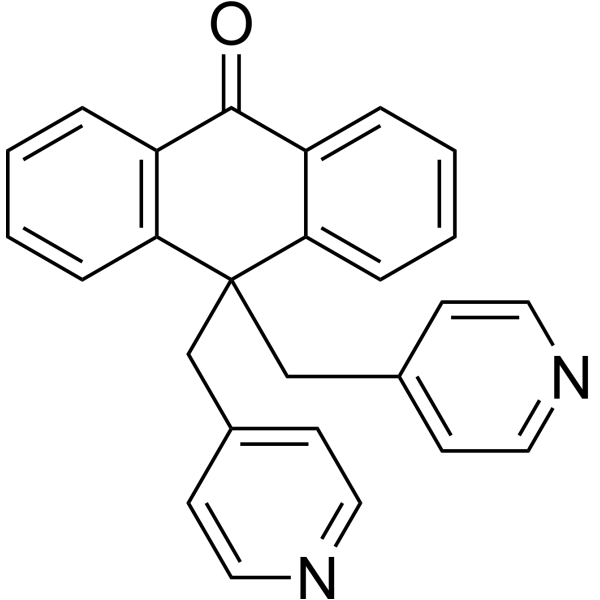 0 ImagesXE 991 dihydrochloride, a Kv7 (KCNQ) channels blocker, potently inhibits Kv7.1 (KCNQ1), Kv7.2 (KCNQ2), Kv7.2 + Kv7.3 (KCNQ3) channel, and M-current with IC50s of 0.75 μM, 0.71 μM, 0.6 μM, and 0.98 μM, respectively.
-
HMR 1556
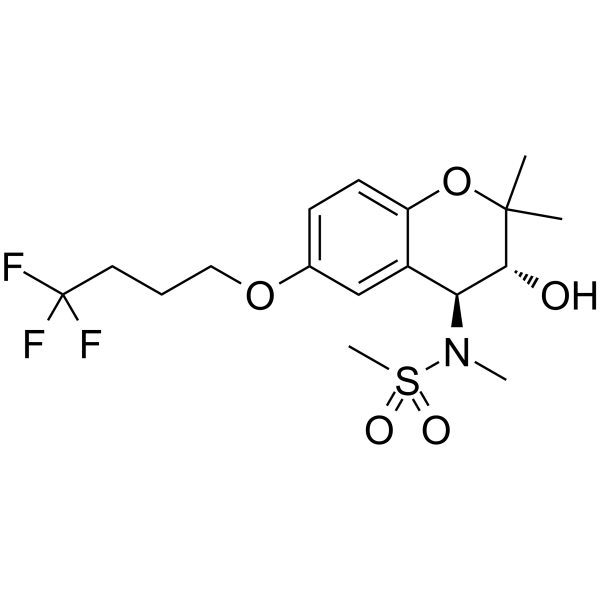 0 ImagesHMR 1556, a chromanol derivative, is a potent IKs blocker with IC50s of 10.5 nM and 34 nM in canine and guinea pig left ventricular myocytes, respectively.
-
Amifampridine
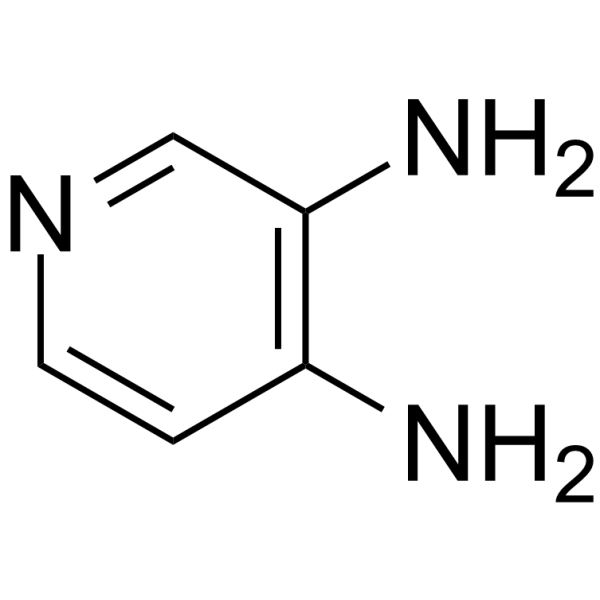 0 ImagesAmifampridine (3,4-Diaminopyridine) is an orally active, potent and cell permeable voltage-gated potassium (Kv) channel blocker (PCB). Amifampridine is efficacy in the reversal of BoNT/A (HY-P79153) intoxication. Amifampridine increases transmitter release from neuromuscular junctions (NMJs). Amifampridine can be used for Lambert-Eaton myasthenic syndrome (LEMS) research.
-
Nateglinide
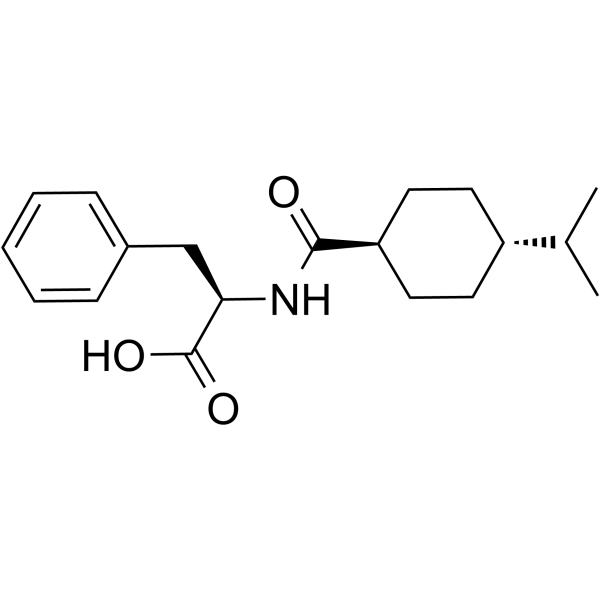 0 ImagesSynonyms: A4166; SenaglinideNateglinide, a D-phenylalanine derivative, is an orally active and short-acting insulinotropic agent and a DPP IV inhibitor. Nateglinide inhibits ATP-sensitive K+ channels in pancreatic β-cells. Nateglinide is used for the treatment of type 2 (non-insulin-dependent) diabetes mellitus.
-
ML365
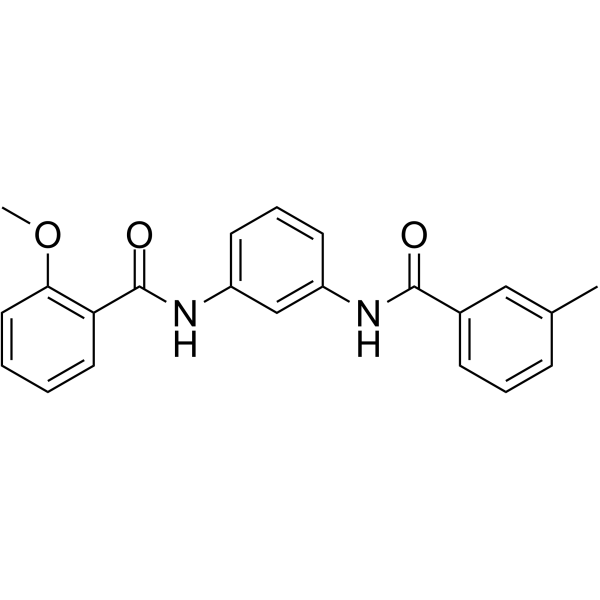 0 ImagesML365 is a selective two-pore domain potassium channel KCNK3/TASK1 inhibitor, with an IC50 of 4 nM. ML365 acts as a pharmacological tool that can be used to examine the specific roles of TASK1 channels.
-
AUT1
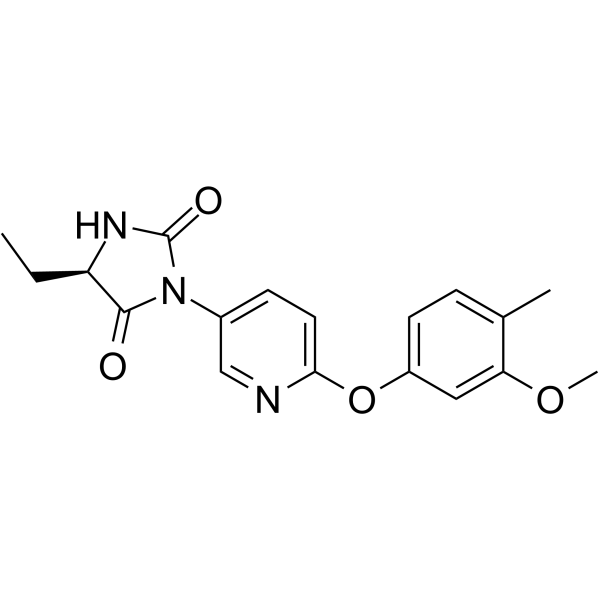 0 ImagesAUT1 is a recombinant human Kv3 channel modulator. AUT1 modulates Kv3.1b and Kv3.2a channels in human recombinant with pEC50 values of 5.33 and 5.31 μM, respectively. AUT1 can be used for the research of disorders associated with dysfunction of inhibitory feedback in corticolimbic circuits, such as schizophrenia.
-
BL-1249
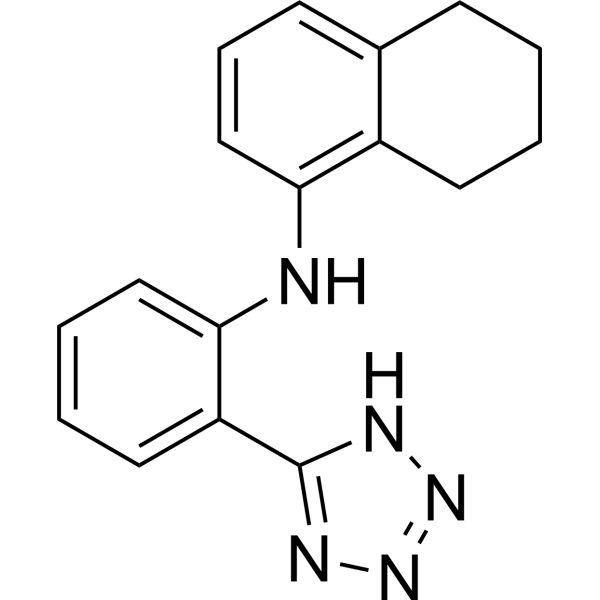 0 ImagesBL-1249 is a nonsteroidal anti-inflammatory agent (NSAID) and a potassium channel activator. BL-1249 potently activates K2P2.1 (TREK-1) and K2P10.1 (TREK-2) with EC50 values of 5.5 μM and 8.0 μM, respectively. BL-1249 extracellular application activates all TREK subfamily members but has no effect on other K2P subfamilies. BL-1249 exhibits more selective for the bladder (EC50 of 1.26 μM) than vascular tissue (EC50 of 21.0 μM).
-
NS-1619
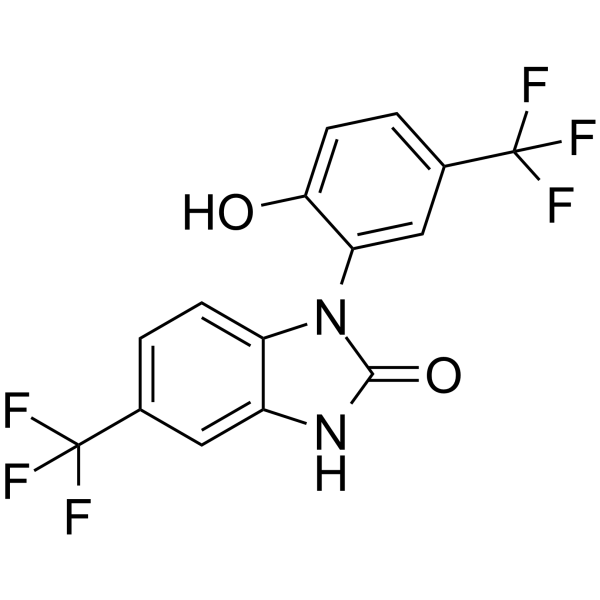 0 ImagesNS-1619 is an opener of large conductance Ca2+-activated K+ (BK) channel. NS-1619 is a highly effective relaxant with an EC50 of about 10 – 30 μM in several smooth muscles of blood vessels and other tissues. NS1619 inhibits proliferation and induces apoptosis in A2780 ovarian cancer cells.
-
ML213
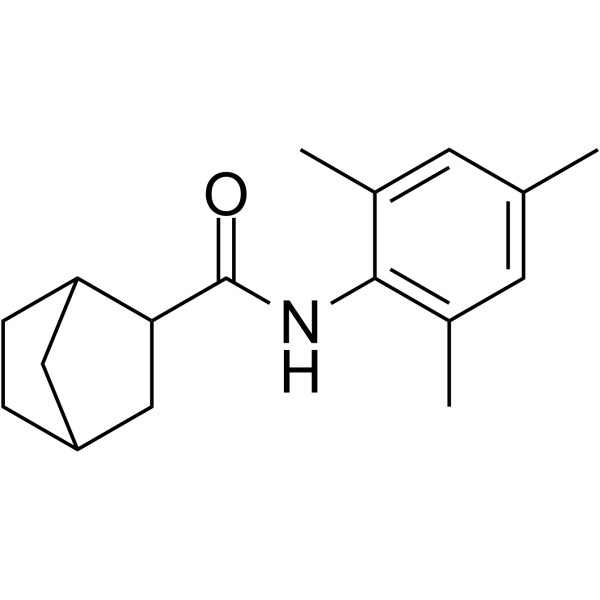 0 ImagesML213 is a selective activator of Kv7.2 and Kv7.4 channels, enhances Kv7.2 and Kv7.4 channels with EC50s of 230 and 510 nM, respectively.
-
CHI3L1-IN-1
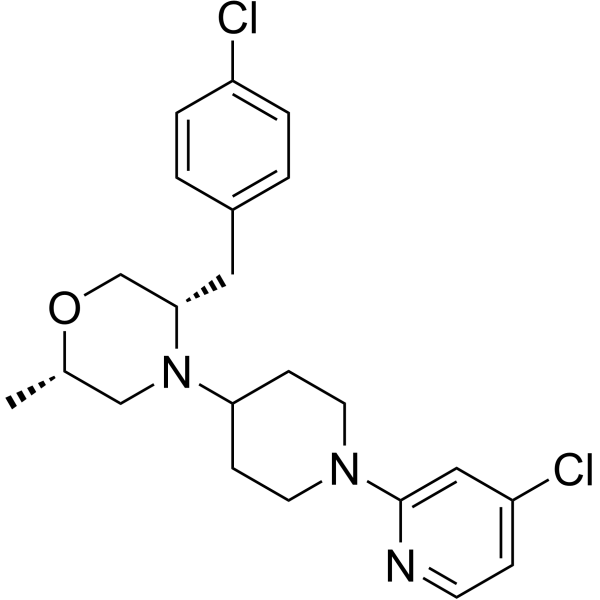 0 ImagesCHI3L1-IN-1 (Compound 30) is an inhibitor for Chitinase-3-like protein 1 (CHI3L1) (YKL-40) with IC50 of 50 nM. CHI3L1-IN-1 inhibits hERG channel with an IC50 of 2.3 μM.




