



Enterovirus Inhibitor
-
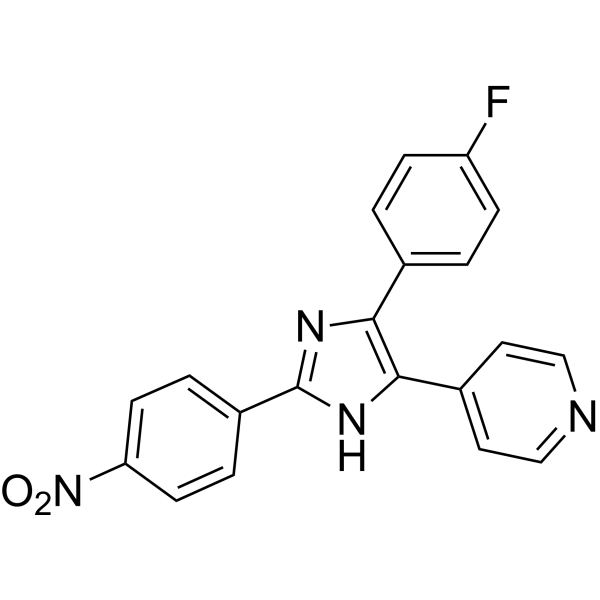
PD 169316
 0 Images
PD 169316 is a potent, cell-permeable and selective p38 MAP kinase inhibitor, with IC50 of 89 nM. PD169316 selectively inhibits the kinase activity of the phosphorylated p38 without hindering upstream kinases to phosphorylate p38. PD169316 shows antiviral activity against Enterovirus71. PD169316 shows antiviral activity against Enterovirus71.
-
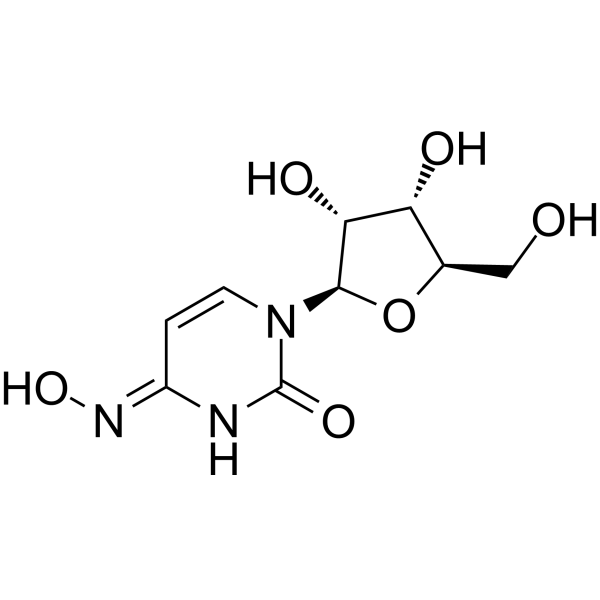
EIDD-1931
 0 Images
EIDD-1931 (Beta-d-N4-hydroxycytidine; NHC) is a novel nucleoside analog and behaves as a potent anti-virus agent. EIDD-1931 effectively inhibits the replication activity of venezuelan equine encephalitis virus (VEEV), Chikungunya virus (CHIKV) and hepatitis C virus (HCV).
-
Golgicide A
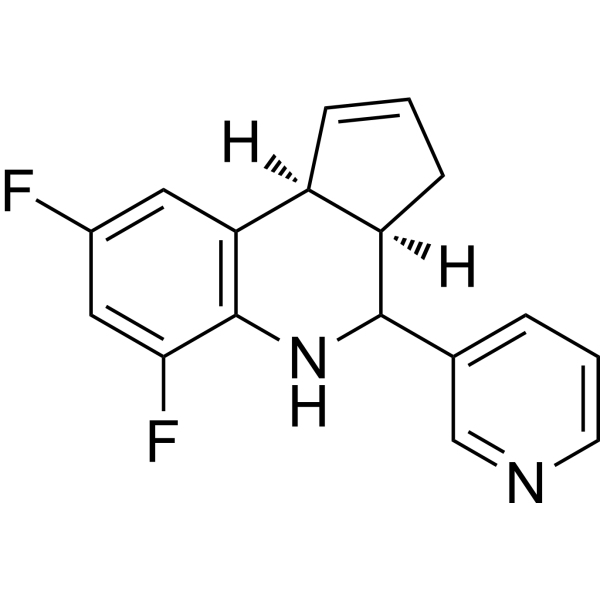 0 ImagesSynonyms: GCA
Golgicide A (GCA) is a potent, highly specific, and reversible inhibitor of the cis-Golgi ADP-ribosylation factor guanine nucleotide exchange factors (ArfGEF) GBF1. Golgicide A drastically reduced replication of coxsackievirus B3 (CVB3) and other human enterovirus species.
-
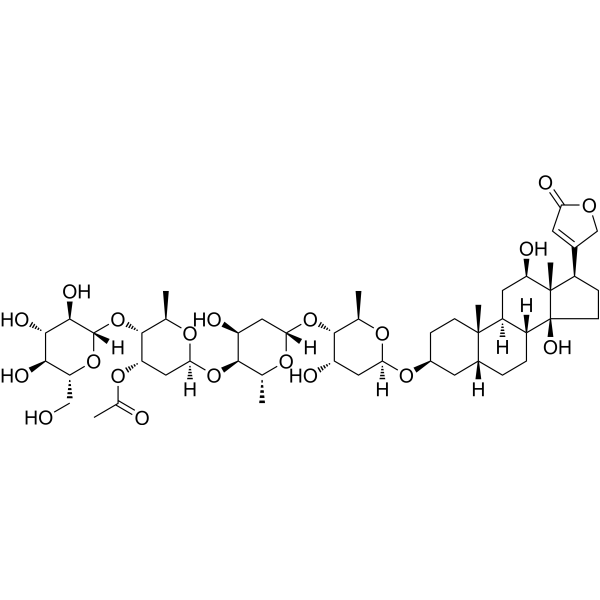
Lanatoside C
 0 Images
Lanatoside C is a cardiac glycoside, can be used in the treatment of congestive heart failure and cardiac arrhythmia.Lanatoside C has an IC50 of 0.19 μM for dengue virus infection in HuH-7 cells. Lanatoside C can effectively inhibit all four serotypes of dengue virus, flavivirus Kunjin, alphavirus Chikungunya, Sindbis virus and the human enterovirus 71.
-
Rupintrivir
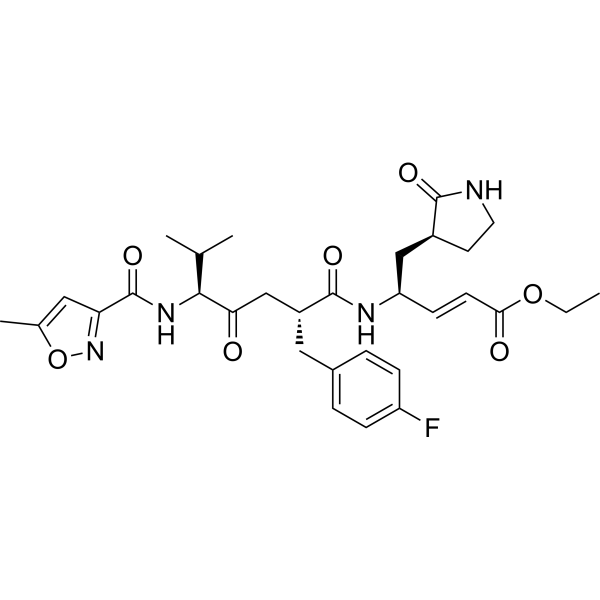 0 ImagesSynonyms: AG7088
Rupintrivirvr (AG7088), an antiviral agent, is a potent, selective and irreversible inhibitor of human rhinovirus (HRV) 3C protease. Rupintrivirvr inhibits replication of a panel of 48 different HRV serotypes in H1-HeLA and MRC-5 cell protection assays, with a mean EC50 of 0.023 μM. Rupintrivirvr shows immune-modulatory effect.
-
Hederasaponin B
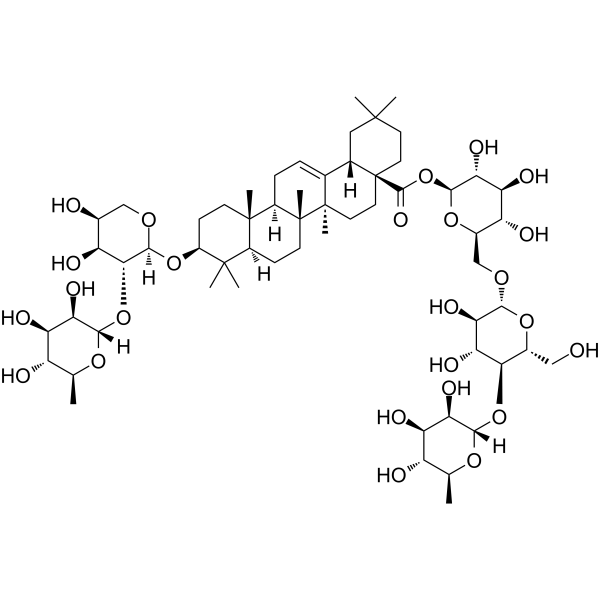 0 Images
Hederasaponin B is an orally active oleanane-type triterpenoid saponin and antiviral agent. Hederasaponin B is isolated from the leaves of Acanthopanax senticosus, Hedera nepalensis var. sinensis, and the rhizomes of Souliea vaginata. Hederasaponin B inhibits the expression of the viral capsid protein VP2 and attenuates virus-induced cytopathic effects. Hederasaponin B exhibits activity against Enterovirus 71 subtypes C3 and C4a. Hederasaponin B shows no hepatoprotective effect against CCl4-induced hepatocyte injury. Hederasaponin B is used in research on hand, foot, and mouth disease.
-
Amylmetacresol
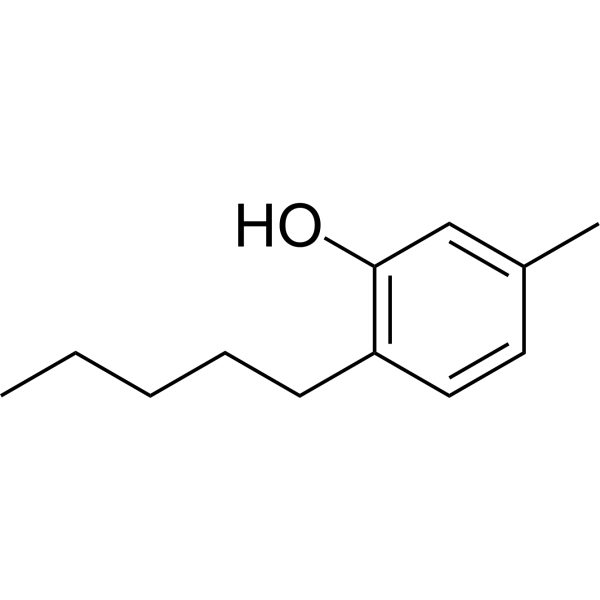 0 Images
Amylmetacresol is a phenolic compound with topical antibacterial and antiviral activity. Amylmetacresol works by destroying the protein structure of the virus surface or interfering with the function of the virus lipid membrane. Amylmetacresol inhibits the attachment and replication of respiratory viruses such as human Rhinovirus 1a and influenza virus A, without significant effect on viruses such as HRV8. Amylmetacresol is mainly applied topically to the throat to relieve viral sore throats. Amylmetacresol is more active against enveloped viruses than non-enveloped viruses.
-
Pleconaril
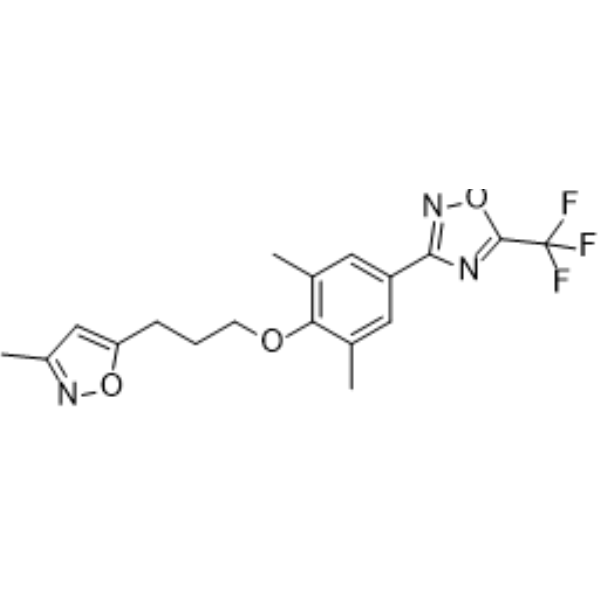 0 ImagesSynonyms: VP 63843; Win 63843
Pleconaril is a picornavirus capsid binding inhibitor that prevents attachment and/or virus uncoating. Pleconaril has potential for use in rhinoviruses and enteroviruses research.
-
Fluticasone propionate
 0 Images
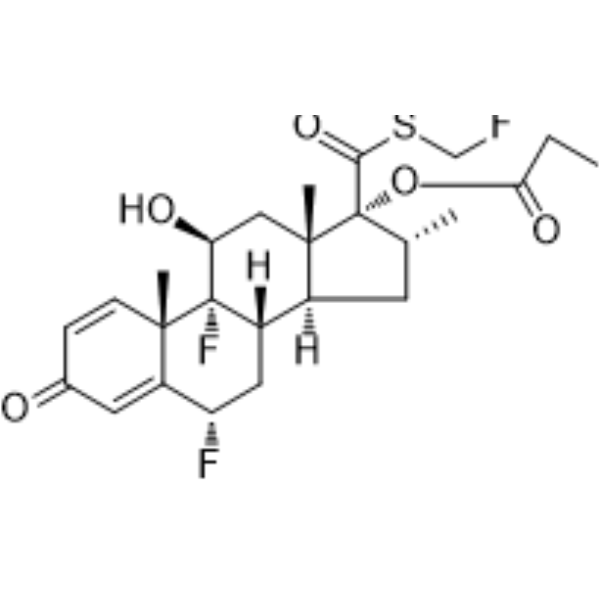
Fluticasone propionate, a potent topical anti-inflammatory corticosteroid, is a selective glucocorticoid receptor agonist, with an absolute affinity (KD) of 0.5 nM. Fluticasone propionate shows little or no activity at other steroid receptors. Anti-viral activity.
-
N4-Acetylcytidine
 0 Images
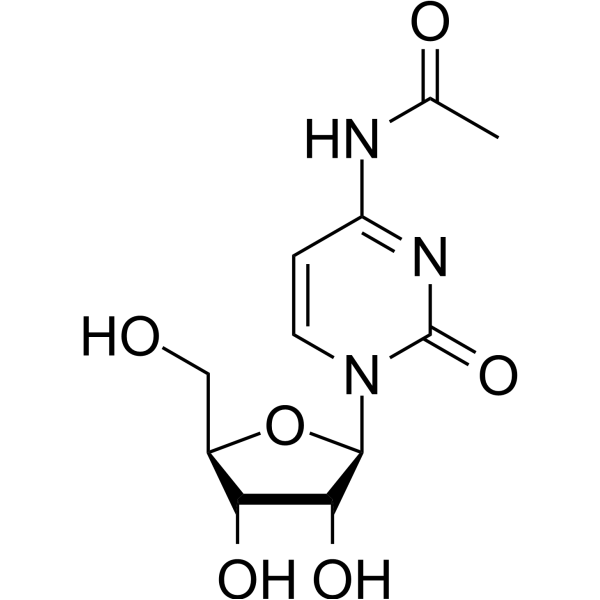
N4-acetylcytidine (N4A) is an endogenous nucleoside metabolite from the degradation of tRNA. N4-Acetylcytidine is formed by N-acetyltransferase 10 and other enzymes. N4-acetylcytidine might sustain NLRP3 inflammasome activation via induction of HMGB1 expression and releasee. N4-Acetylcytidine modifies mRNA, tRNA and rRNA, affecting their stability, translation efficiency (such as enterovirus 71 RNA). N4-Acetylcytidine is used in the study of cancer, neuroinflammatory diseases, viral infections and obesity.
-
Corydaline
 0 Images
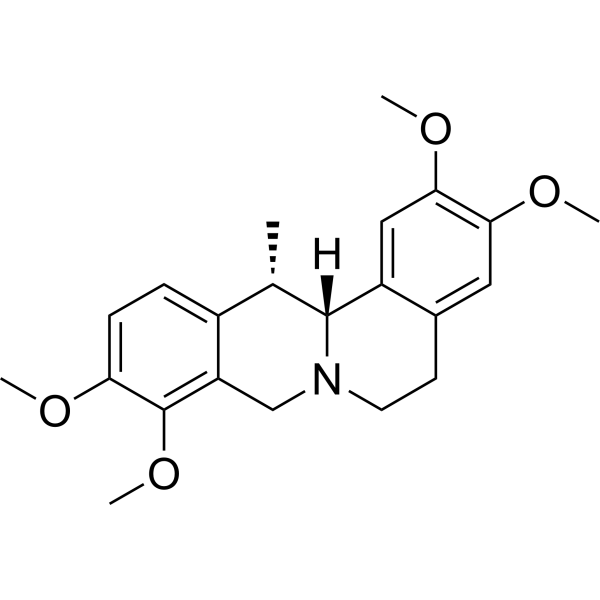
Corydaline ((+)-Corydaline), an isoquinoline alkaloid isolated from Corydalis yanhusuo, is an AChE inhibitor with an IC50 of 226 μM. Corydaline is a μ-opioid receptor (Ki of 1.23 μM) agonist and inhibits enterovirus 71 (EV71) replication (IC50 of 25.23 μM). Corydaline has anti-angiogenic, anti-allergic and gastric-emptying and antinociceptive activities.
-
Levomepromazine
 0 Images
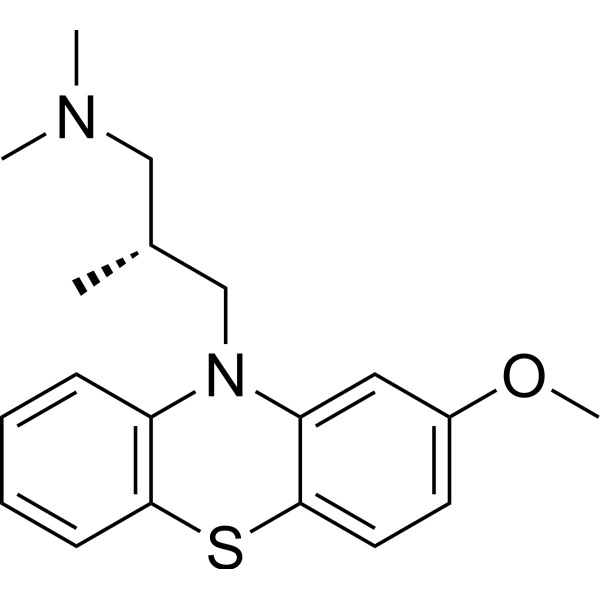
Levomepromazine (Methotrimeprazine) is an orally active antipsychotic compound and Ca2+ release inducer. Levomepromazine inhibits SERCA pump and induces an increase in cytoplasmic Ca2+ levels. Levomepromazine has antagonistic effects on a variety of neurotransmitter receptors, including dopamine, cholinergic, serotonin, and histamine receptors. Levomepromazine can induce adaptive ER stress and autophagy. In addition, Levomepromazine has antiviral, anti-inflammatory, neuroprotective and analgesic, sedative and anti-injurious activities. Levomepromazine can be used in the study psychiatric disorders and relieving nausea and vomiting.
-
7-Hydroxyflavone
 0 Images
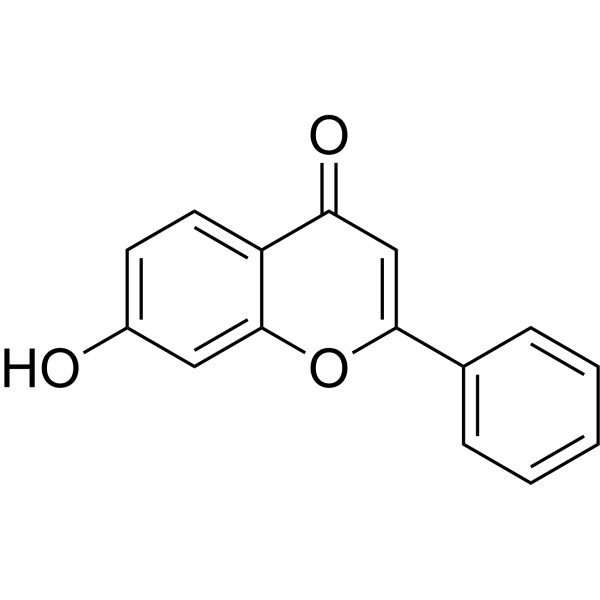
7-Hydroxyflavone is a flavonoid isolated from Clerodendrum phlomidis, with anti-inflammatory activity. 7-Hydroxyflavone protects renal cells from nicotine (NIC)-associated cytotoxicity via the ERK/Nrf2/HO-1 pathway. 7-Hydroxyflavone inhibits PKM2 with an IC50 of 2.12 μM. 7-Hydroxyflavone inhibits COX-2 and 5-LOX with IC50 of 27 µg/mL and 33 µg/mL. 7-Hydroxyflavone is orally active.
-
Lacto-N-fucopentaose I
 0 ImagesSynonyms: LNFP I
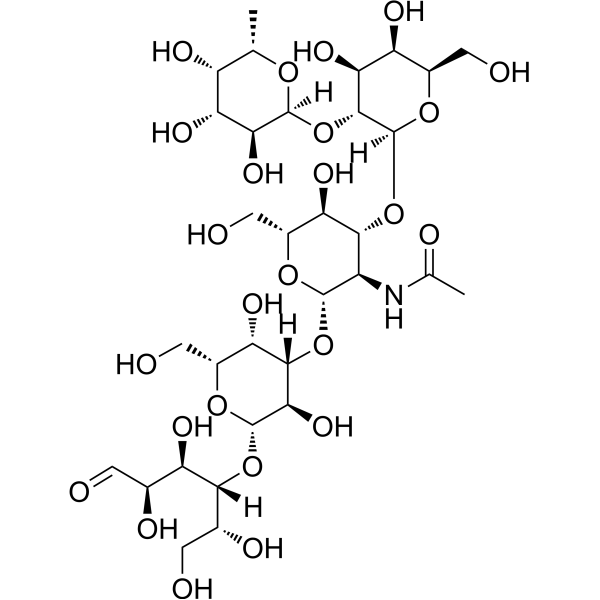
Lacto-N-fucopentaose I (LNFPI) is a human milk oligosaccharide (HMO), possessing antiviral and antibacterial activity. Lacto-N-fucopentaose I can reduce capsid protein VP1 to block virus adsorption, promote CDK2 and reduce cyclin E to recover cell cycle S phase block. Lacto-N-fucopentaose I inhibits ROS production and apoptosis in virus-infected cells. Lacto-N-fucopentaose I can also regulate intestinal microbiota to affect immune system development.
-
Norwogonin
 0 Images
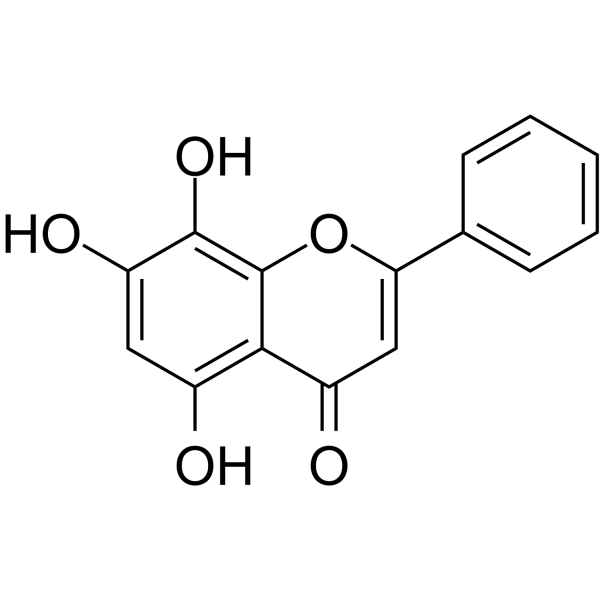
Norwogonin, isolated from Scutellaria baicalensis Georgi, possesses antiviral activity against Enterovirus 71 (EV71) with an IC50 of 31.83 μg/ml
-
3-Fucosyllactose
 0 ImagesSynonyms: 3-Fucosyl-D-lactose
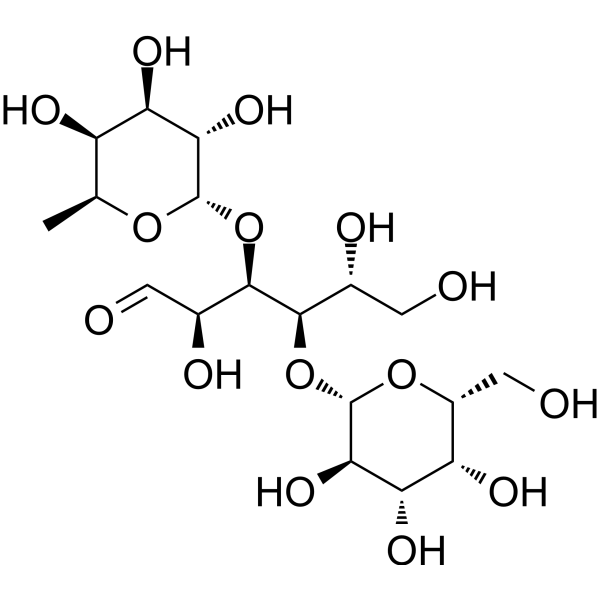
3-Fucosyllactose (3-Fucosyl-D-lactose) is one of the major fucosylated oligosaccharides found in human breast milk. 3-Fucosyllactose shows prebiotic, immunomodulator, neonatal brain development, and antimicrobial function.
-
Prunin
 0 Images
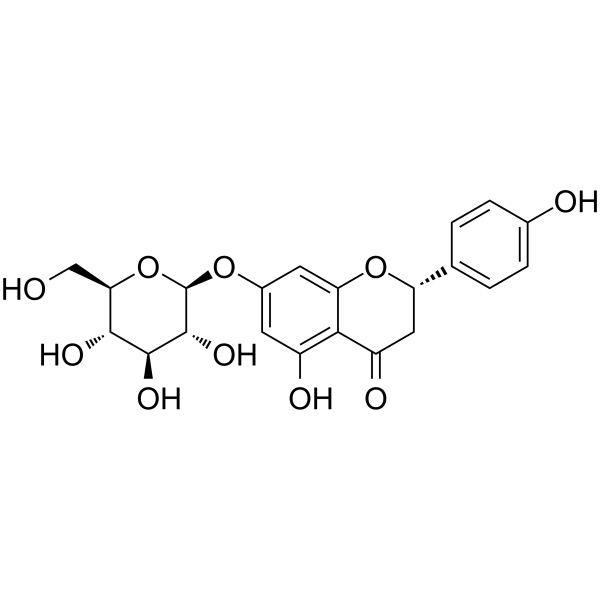
Prunin is a potent inhibitor of human enterovirus A71 (HEVA71). Prunin shows strong inhibitory activity against protein tyrosine phosphatase 1B (PTP1B), with an IC50 of 5.5 μM.
-
cis-Resveratrol
 0 Images
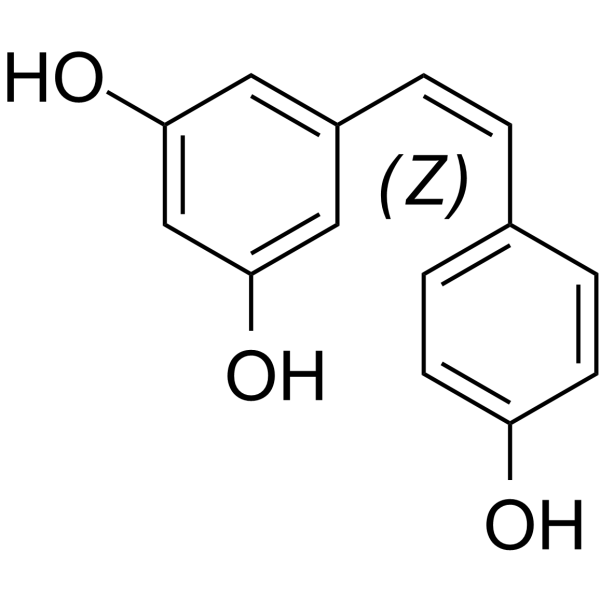
cis-Resveratrol exhibits signifcant antiviral activity. cis-Resveratrol inhibits enteroviruses with IC50s of 12.2 µM and 37.6 µM for coxsackievirus B3 (CVB3) and enterovirus 71 (EV71), respectively. cis-Resveratrol is the inhibitor for NF-κB signaling pathway.
-
NHC-triphosphate tetraammonium
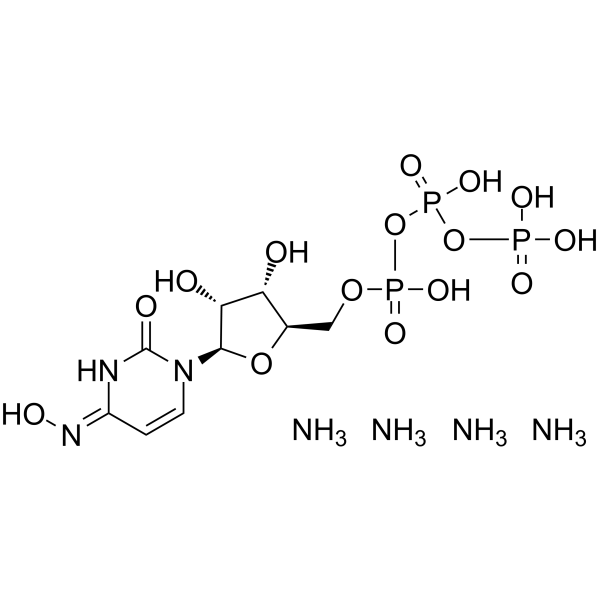 0 ImagesCat. No.: HY-135867E
-
Brilliant Black BN
 0 Images
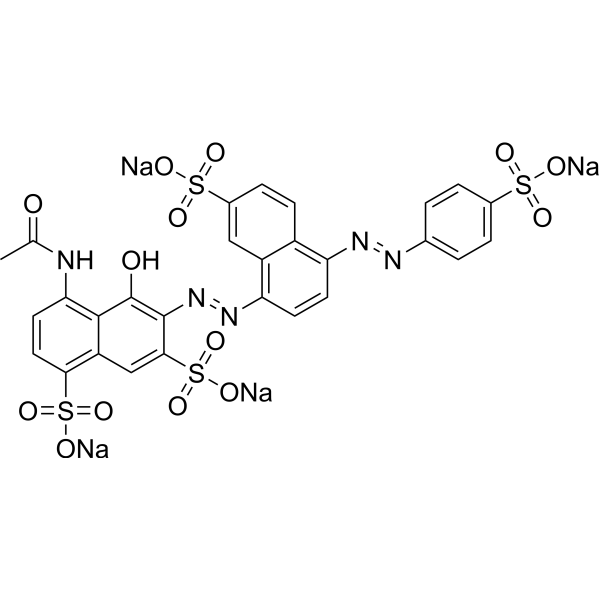
Brilliant black BN (E151) is an azo dye and a food colorant. Brilliant black BN is a promising antiviral agent against EV71 infection via inhibiting the interaction between EV71 and its cellular uncoating factor cyclophilin A. Brilliant black BN has the potential for the investigation of contagious disease.



