



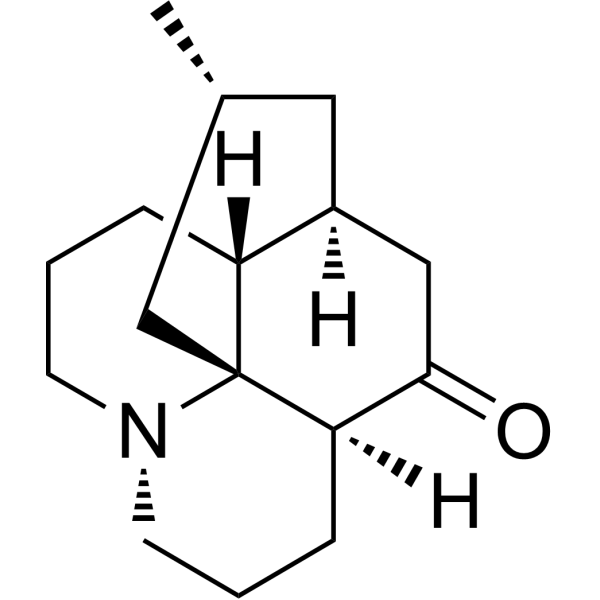
Lycopodine
Lycopodine, a pharmacologically important bioactive component derived from Lycopodium clavatumspores, triggers apoptosis by modulating 5-lipoxygenase, and depolarizing mitochondrial membrane potential in refractory prostate cancer cells without modulating p53 activity. Lycopodine inhibits proliferation of HeLa cells through induction of apoptosis via caspase-3 activation.
For research use only. We do not sell to patients.
- CAS No.: 466-61-5
- Formula: C16H25NO
- Molecular Weight:247.38
-
Storage:
Please store the product under the recommended conditions in the Certificate of Analysis.

To place orders, for customer services and technical support, please contact: MedChemExpress USA
Tel: 609-228-6898 E-mail: [email protected] [email protected]


-
 Biological Activity
-
Chemical Information
- Purity & Documentation
- References
-
 Help & FAQs


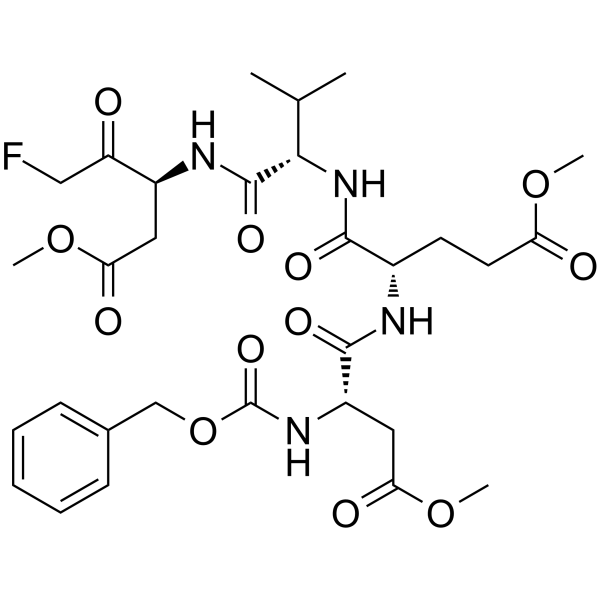
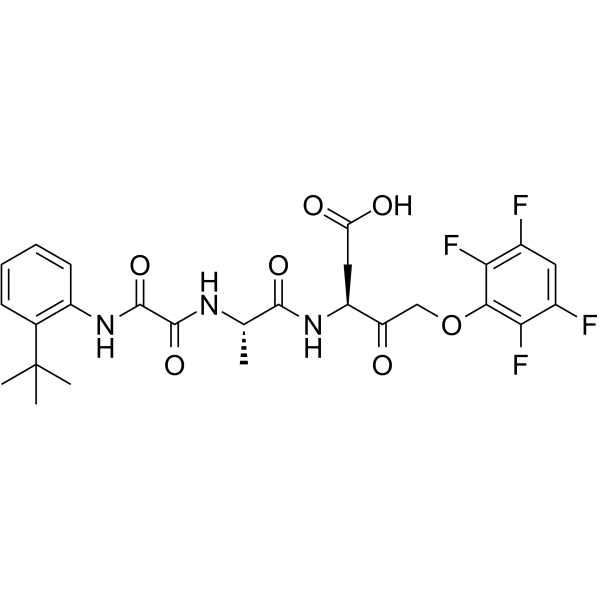
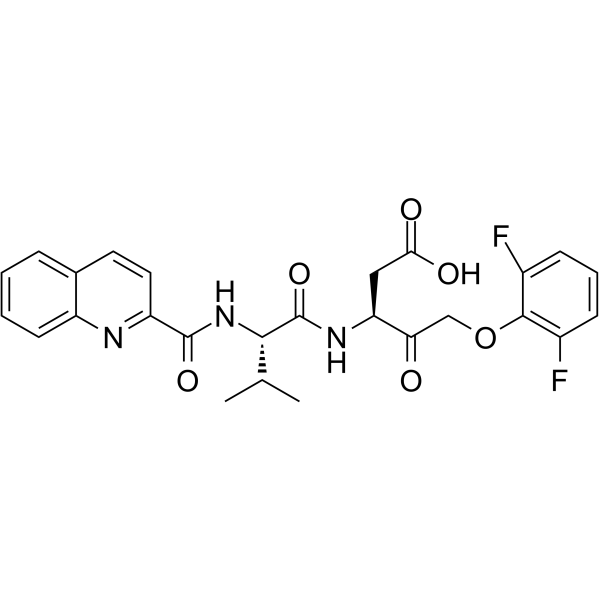
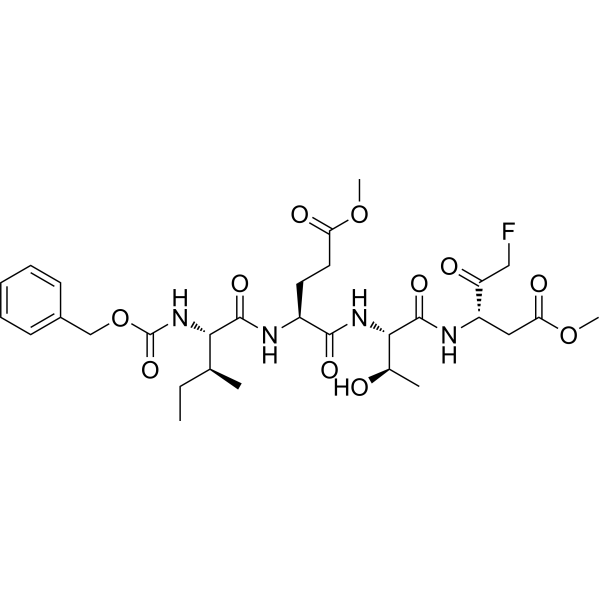
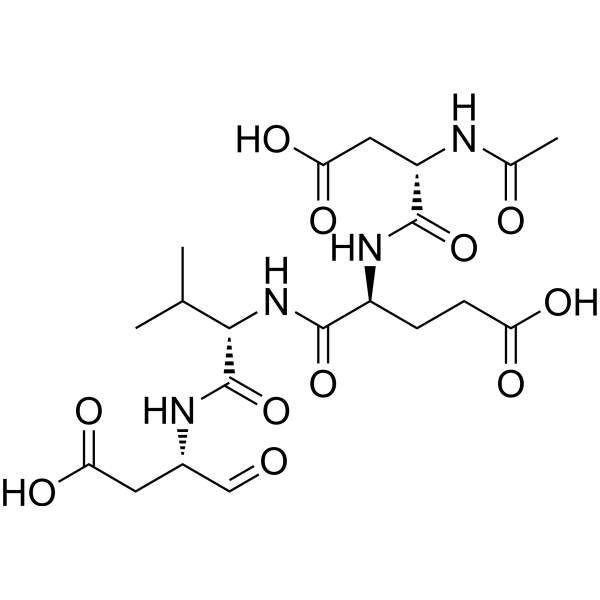
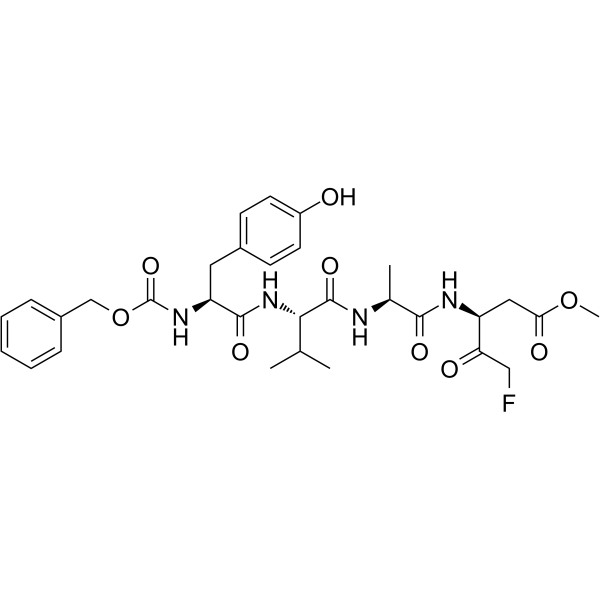
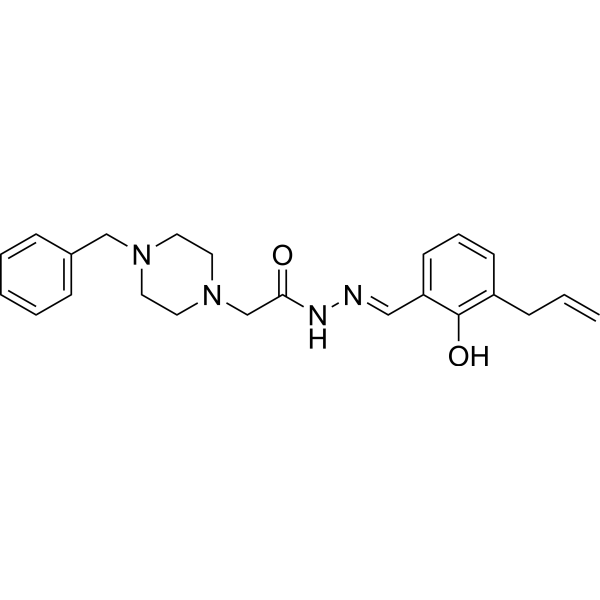
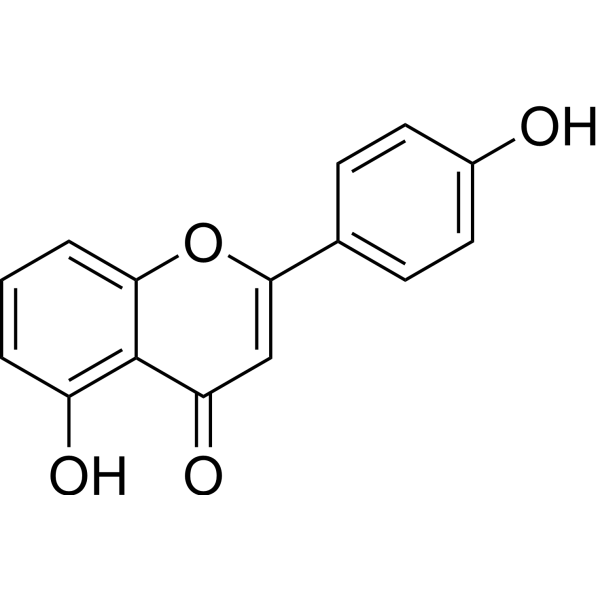
All Caspase Isoforms
More

Biological Activity
Description
IC50 & Target
[2]|
Caspase-3 |
5-Lipoxygenase |
In Vitro
Lycopodine (5.22-78.3 μg/mL; 12 hours) has 50% viability at 57.62±0.086 μg/mL and 51.46±1.43 μg/mL for PC3 and LnCaP, respectively[1].
Treated with Lycopodine (74-222 mM; 12 hours), the apoptotic index is with respect to the gradual increase in doses for the PC3 and LnCaP cells[1].
Lycopodine (74-222 mM; 12 hours) induces cell cycle arrest at G0/G1 phase in PC3 and LnCaP cells[1].
Lycopodine (0-200 µg/mL; 48 hours) shows cytotoxicity to HeLa cells in a dose and time dependent manner. However, Lycopodine shows minimal cytotoxic effects in normal peripheral blood mononuclear cells (PBMC) even at the highest dose (200 µg/mL)[2].
Lycopodine (100, 200 µg/mL; 24 hours) increases level of Bax and decreases the mitochondrial cytochrome c. This is followed by an increase in expression of cytochrome c in cytosolic fraction. Lycopodine also cleaves the caspase-3 in the total cell lysate, while the expression of Bcl-2 is down regulated[2].
MedChemExpress (MCE) has not independently confirmed the accuracy of these methods. They are for reference only.
-
Cell Line:PC3 and LnCaP cells
-
Concentration:5.22-78.3 μg/mL
-
Incubation Time:12 hours
-
Result:Reached 50% viability at 57.62±0.086 μg/mL and 51.46±1.43 μg/mL for PC3 and LnCaP, respectively.
-
Cell Line:PC3 and LnCaP cells
-
Concentration:74, 148, 222 mM
-
Incubation Time:12 hours
-
Result:The apoptotic index was with respect to the gradual increase in doses.
-
Cell Line:PC3 and LnCaP cells
-
Concentration:74, 148, 222 mM
-
Incubation Time:12 hours
-
Result:Arrested growth of the cells at G0/G1 phase in the case of PC3 and LnCaP cells.
-
Cell Line:Hela cells and PBMC
-
Concentration:0-200 µg/mL
-
Incubation Time:48 hours
-
Result:A linear increase of the cytotoxicity was along with the increase of time of treatment and also of the dose.
-
Cell Line:HeLa cells
-
Concentration:100, 200 µg/mL
-
Incubation Time:24 hours
-
Result:Increased level of Bax and decreased the mitochondrial cytochrome c.


Chemical Information
-
CAS No. 466-61-5
-
Molecular Weight 247.38
-
Formula C16H25NO
-
SMILES
O=C1[C@]2([H])[C@]34[C@@](CCCN4CCC2)([H])[C@](C[C@@H](C)C3)([H])C1
-
Shipping
Room temperature in continental US; may vary elsewhere.
-
Storage
Please store the product under the recommended conditions in the Certificate of Analysis.


Purity & Documentation
References
[1]. Bishayee K, et al. Lycopodine triggers apoptosis by modulating 5-lipoxygenase, and depolarizing mitochondrial membrane potential in androgen sensitive and refractory prostate cancer cells without modulating p53 activity: signaling cascade and drug-DNA interaction. Eur J Pharmacol. 2013 Jan 5;698(1-3):110-21. [Content Brief]
[2]. Mandal SK, et al. Lycopodine from Lycopodium clavatum extract inhibits proliferation of HeLa cells through induction of apoptosis via caspase-3 activation. Eur J Pharmacol. 2010 Jan 25;626(2-3):115-22. [Content Brief]

Calculators
Concentration (start) × Volume (start) = Concentration (final) × Volume (final)


Lycopodine Related Classifications
HY-114372 Related Classifications
 Powered by Bioz