



CY5
Based on 50 publication(s) in Google Scholar
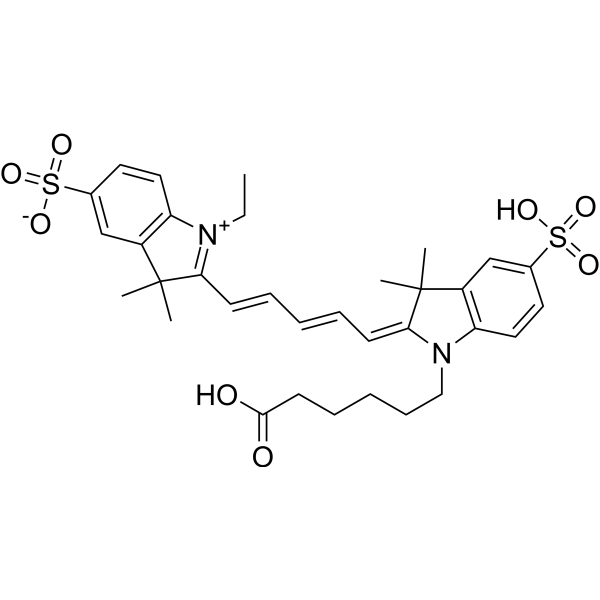
CY5 is a CY dye. CY, short for Cyanine, is a compound consisting of two nitrogen atoms connected by an odd number of methyl units. Cyanine compounds have the characteristics of long wavelength, adjustable absorption and emission, high extinction coefficient, good water solubility and relatively simple synthesis. CY dyes are of en used for the labeling of proteins, antibodies and small molecular compounds. For the labeling of protein antibodies, the combination can be completed through a simple mixing reaction. Below, we introduce the labeling method of protein antibody labeling, which has certain reference significance.
For research use only. We do not sell to patients.
- Purity : 98.60%
- CAS No.: 146368-11-8
- Formula: C33H40N2O8S2
- Molecular Weight:656.81
-
Storage:
4°C, protect from light
* In solvent : -80°C, 2 years; -20°C, 1 year (protect from light)

To place orders, for customer services and technical support, please contact: MedChemExpress USA
Tel: 609-228-6898 E-mail: [email protected] [email protected]


-
 Biological Activity
-
Chemical Information
-
Solvent & Solubility
- Purity & Documentation
- References
-
 Help & FAQs


-
HY-66019
FITCFluorochrome -
HY-D0924
Cy5.5Fluorescent Dye -
HY-D0822
CY3Fluorescent Dye -
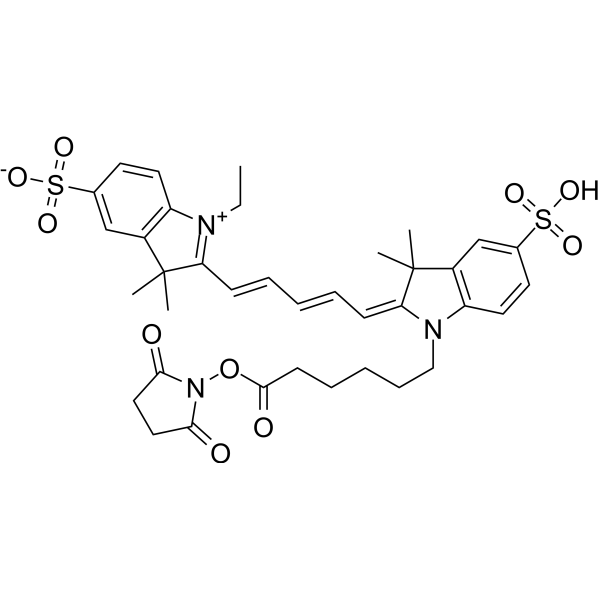
HY-D0819
CY5-SEReactive Dye -
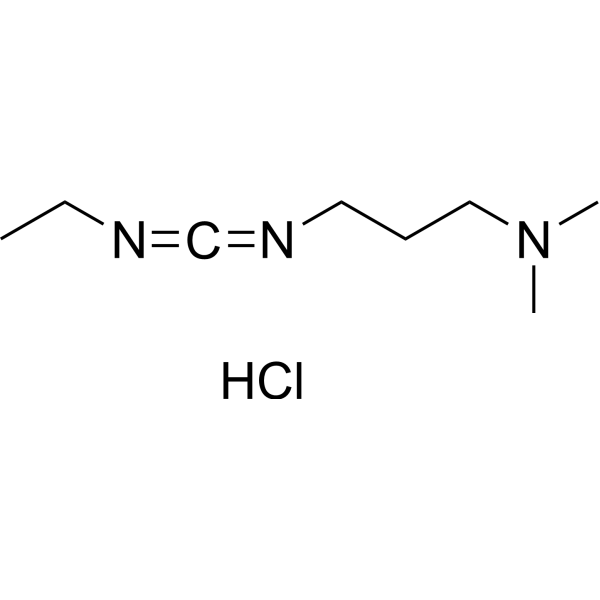
HY-D0178
1-Ethyl-(3-dimethylaminopropyl)carbodiimide hydrochlorideCarbodiimide Reagent -
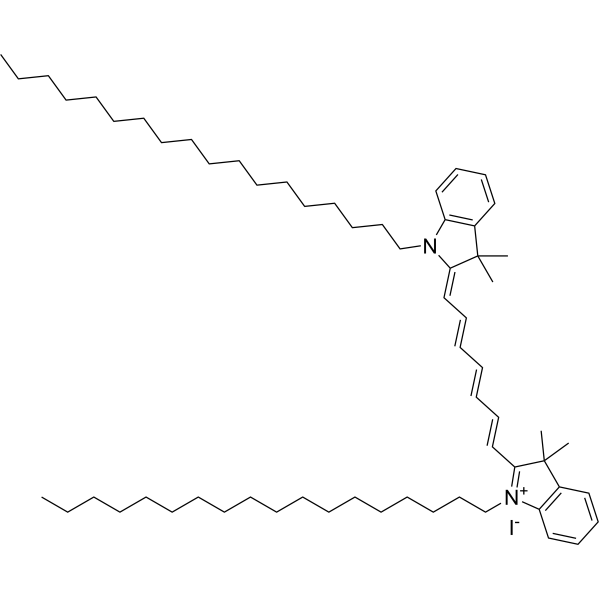
HY-D1048
DiRMembrane Dye -
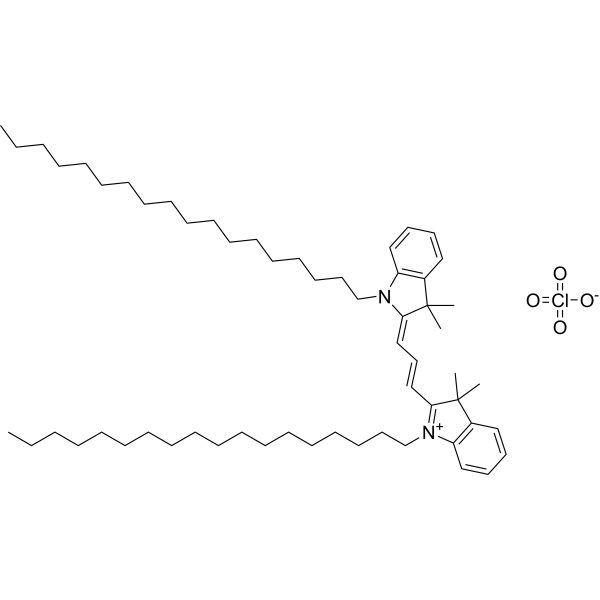
HY-D0083
DiIFluorescent Dye -
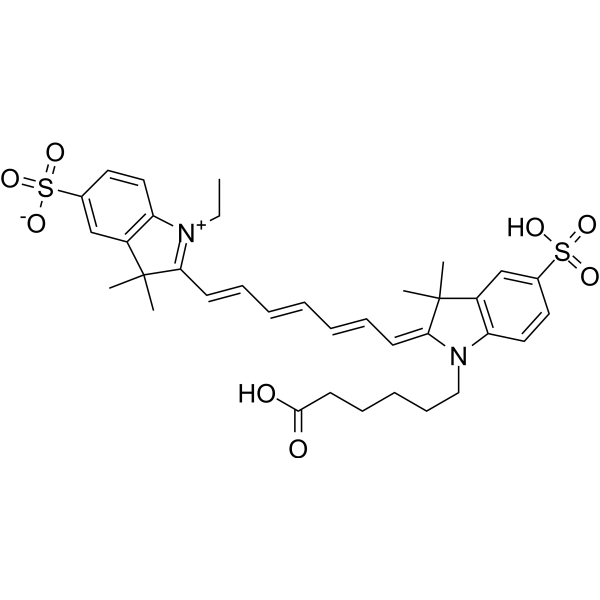
HY-D0825
CY7Fluorescent Dye -
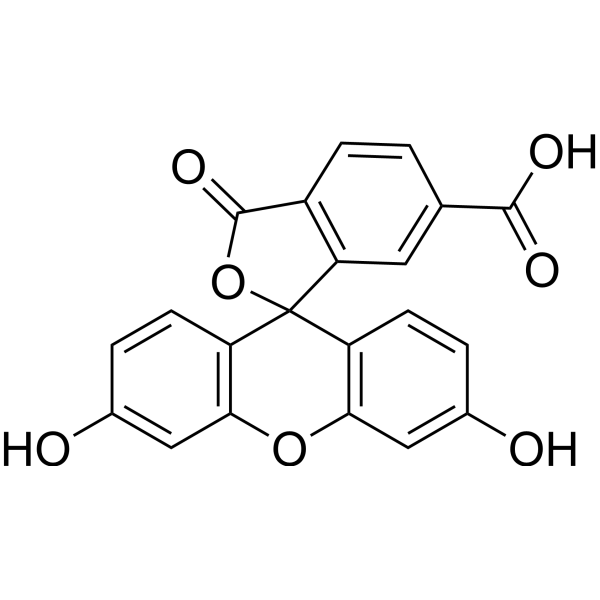
HY-66021
6-FAMFluorescence Dye -
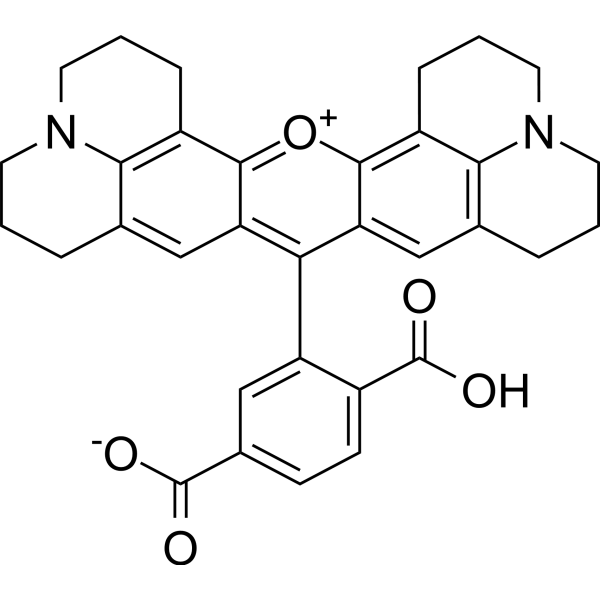
HY-D0053
6-ROXFluorescent Marker -
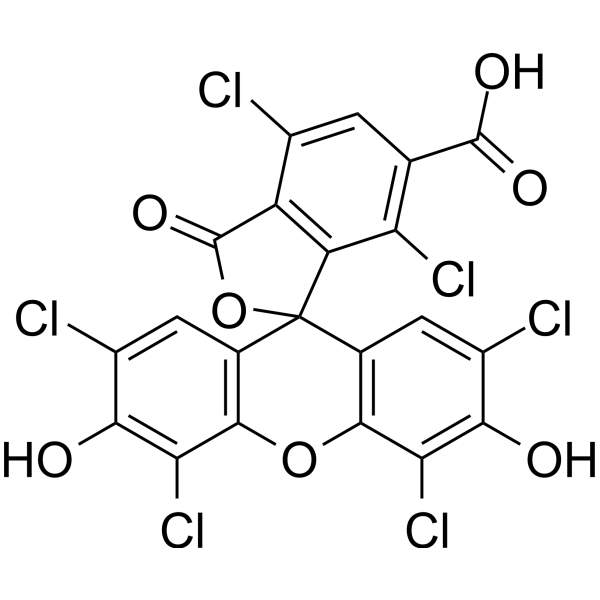
HY-114289
6-HEXFluorophore -
HY-13757A
TamoxifenEstrogen Receptor Modulator
Publications Citing Use of MedChemExpress (MCE) CY5
More- Adv Funct Mater. 2024 Jul 08.
- ACS Nano. 2025 Dec 9;19(48):41368-41385. [Abstract]
- ACS Nano. 2023 May 9;17(9):8204-8222. [Abstract]
- J Nanobiotechnology. 2026 Jun 30. [Abstract]
- J Nanobiotechnology. 2026 Jan 24;24(1):169. [Abstract]
- J Nanobiotechnology. 2025 Oct 14;23(1):675. [Abstract]
- J Nanobiotechnology. 2025 Sep 25;23(1):605. [Abstract]
- J Nanobiotechnology. 2025 Mar 28;23(1):252. [Abstract]
- Adv Sci (Weinh). 2026 May 15:e75686. [Abstract]
- Adv Sci (Weinh). 2026 May 19:e75784. [Abstract]
- Adv Sci (Weinh). 2024 Jun;11(21):e2309557. [Abstract]
- Sci Adv. 2026 Jan 2;12(1):eady1030. [Abstract]
- Biomaterials. 2026 Sep:332:124156. [Abstract]
- Asian J Pharm Sci. 2026 Jun;21(3):101171. [Abstract]
- Chem Eng J. 2025 Oct 20.
- Chem Eng J. 2025 Jan 7.
- J Control Release. 2026 Oct 10:398:115267.
- Small. 2025 Sep 15:e04715. [Abstract]
- Phytomedicine. 2025 Oct:146:157130. [Abstract]
- Mater Today Bio. 2025 Aug 13:34:102183. [Abstract]
- Adv Healthc Mater. 2025 Jun;14(15):e2405124. [Abstract]
- Mater Today Bio. 2025 Mar 4:31:101630. [Abstract]
- Nano Today. 2024 Dec.
- Acta Biomater. 2025 Jul 1:201:212-228. [Abstract]
- Food Res Int. 2025 Dec 28;227:118191.
- Int J Biol Macromol. 2026 Aug 20:380:154111.
- Regen Biomater. 2026 Jun 13:13:rbag119.
- Int J Nanomedicine. 2026 May 27;21. [Abstract]
- Int J Biol Macromol. 2025 Apr 13;309(Pt 4):143143. [Abstract]
- Int J Nanomedicine. 2023 Feb 6:18:627-639. [Abstract]
- ACS Appl Mater Interfaces. 2025 Jan 29;17(4):5995-6008. [Abstract]
- ACS Appl Mater Interfaces. 2022 Mar 9;14(9):11078-11091. [Abstract]
- Br J Pharmacol. 2026 Jun;183(11):3049-3073. [Abstract]
- ACS Biomater Sci Eng. 2026 Mar 9;12(3):1616-1632. [Abstract]
- Colloids Surf B Biointerfaces. 2024 Oct:242:114112. [Abstract]
- ACS Appl Nano Mater. 2026 Jan 9;9(3):1696-1709.
- Int Immunopharmacol. 2024 Mar 30:130:111766. [Abstract]
- Eur J Pharm Sci. 2025 Dec 1:215:107330. [Abstract]
- Eur J Pharm Sci. 2025 Jan 1:204:106945. [Abstract]
- Eur J Pharm Biopharm. 2025 May:210:114691. [Abstract]
- Pest Manag Sci. 2022 Aug;78(8):3704-3716. [Abstract]
- J Biomed Mater Res A. 2025 Dec;113(12):e70006. [Abstract]
- Metab Brain Dis. 2025 May 13;40(5):202. [Abstract]
- Mol Biol Rep. 2026 Jun 18;53(1):954. [Abstract]
- PLoS One. 2022 Dec 30;17(12):e0279727. [Abstract]
- chemRxiv.
- bioRxiv. 2026 Jan 30.
- University of California. 2025.
- Int J Radiat Biol. 2024;100(3):411-419. [Abstract]
- Research Square Preprint. 2021 Jul.
 Customer Validation & Images

-
In Vivo Imaging
-
IF
-
Cell Imaging/Staining

-
Histological Imaging/Staining
-
Cell Imaging/Staining


Biological Activity
Description
In Vitro
Guide (The following is our recommended protocol. This protocol is only a guide and should be modified according to your specific needs).
1. Protein Preparation
To obtain the best labeling effect, please prepare the protein (antibody) concentration to 2 mg/mL.
1.1 The pH value of the protein solution should be 8.5 ± 0.5. If the pH is lower than 8.0, adjust it with 1 M sodium bicarbonate.
1.2 If the protein concentration is lower than 2 mg/mL, the labeling efficiency will be greatly reduced. To obtain the best labeling efficiency, it is recommended that the final protein concentration range be 2-10 mg/mL.
1.3 The protein must be in a buffer free of primary amines (such as Tris or glycine) and ammonium ions, otherwise the labeling efficiency will be affected.
2. Dye Preparation
Dilute the dye with anhydrous DMSO to prepare a clear stock solution of 10 mg/mL.
Note: Before use, it must be activated with condensation solution (500 μg/mL) (HY-D0178) before subsequent labeling experiments can be performed.
3. Calculation of Dye Amount
The amount of dye required for the reaction depends on the amount of protein to be labeled. The optimal molar ratio of dye to protein is approximately 10:1.
Example: Assuming the required labeled protein is 500 μL 2 mg/mL IgG (MW=150,000), and 1 mg of dye is dissolved in 100 μL DMSO, the required dye volume is 4.4 μL. The detailed calculation process is as follows:
1) mmol (IgG) = mg/mL (IgG) × mL (IgG)/MW (IgG) = 2 mg/mL × 0.5 mL/150,000 mg/mmol = 6.7 × 10⁻⁶ mmol
2) mmol (dye) = mmol (IgG) × 10 = 6.7 × 10⁻⁶ mmol × 10 = 6.7 × 10⁻⁵ mmol
3) μL (dye) = mmol (dye) × MW (dye)/mg/μL (dye) = 6.7 ×10⁻⁵ mmol ×656.81 mg/mmol/0.01 mg/μL = 4.4 μL (dye)
Note: We recommend using a dye:protein molar ratio of 10:1. If the concentration is too low or too high, the ratio can be adjusted to 5:1, 15:1, or 20:1.
4. Running the Coupling Reaction
1) Slowly add the calculated volume of freshly prepared 10 mg/mL dye to 0.5 mL of protein sample solution, gently shake to mix, and then briefly centrifuge to collect the sample at the bottom of the reaction tube. Avoid vigorous mixing to prevent denaturation and inactivation of the protein sample.
2) Place the reaction tube in a dark place and incubate gently with shaking for 60 minutes at room temperature. Every 10-15 minutes, gently invert the reaction tube several times to thoroughly mix the reactants and improve labeling efficiency.
5. Purification of Conjugates
The following protocol is an example of purifying dye-protein conjugates using a Labelling Kits Centrifugation-Based Rapid Desalting Column (5KD) (HY-D3014).
5.1 Prepare the desalting column according to the instructions.
5.2 Load the reaction mixture onto the top of the desalting column.
5.3 Once the sample has run below the resin surface, immediately add PBS (pH 7.2-7.4).
5.4 Add more PBS (pH 7.2-7.4) to the target sample to complete column purification. Collect the fraction containing the desired dye-protein conjugate.
MedChemExpress (MCE) has not independently confirmed the accuracy of these methods. They are for reference only.
Emission (Em)
670
Dyeing Example


Chemical Information
-
CAS No. 146368-11-8
-
Appearance Solid
-
Molecular Weight 656.81
-
Formula C33H40N2O8S2
-
SMILES
CC(/C(N1CCCCCC(O)=O)=C\C=C\C=C\C2=[N+](CC)C(C=CC(S(=O)([O-])=O)=C3)=C3C2(C)C)(C)C4=C1C=CC(S(=O)(O)=O)=C4
-
Synonyms
Sulfo-Cyanine5
-
Shipping
Room temperature in continental US; may vary elsewhere.
-
Storage
4°C, protect from light
* In solvent : -80°C, 2 years; -20°C, 1 year (protect from light)


Publications (50)
-
Journal Impact Factor
-
Most Recent
-
-
ACS Nano
Self-Assembled Spatially Confined Mo-Based Nanoreactor for Multimechanistic Tumor Therapy Driven by Self-Cascade Catalysis. [Abstract]2025 Dec 9;19(48):41368-41385. PMID: 41311256
CY5 purchased from MedChemExpress. Usage Cited in: ACS Nano. 2025 Dec 9;19(48):41368-41385. [Abstract]
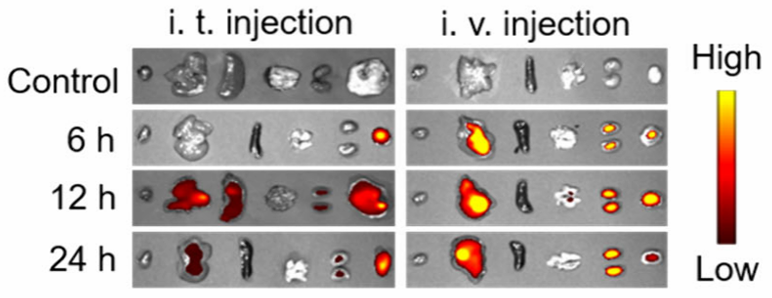
Cy5-MTFGM (1-10 mg/mL; i.t.; i.v.). Ex vivo FL imaging of major tissues at different time points after injection with Cy5-labeled MTFGM.
-
ACS Nano
Biomimetic Nanoparticle-Mediated Target Delivery of Hypoxia-Responsive Plasmid of Angiotensin-Converting Enzyme 2 to Reverse Hypoxic Pulmonary Hypertension. [Abstract]2023 May 9;17(9):8204-8222. PMID: 37071566
CY5 purchased from MedChemExpress. Usage Cited in: ACS Nano. 2023 May 9;17(9):8204-8222. [Abstract]
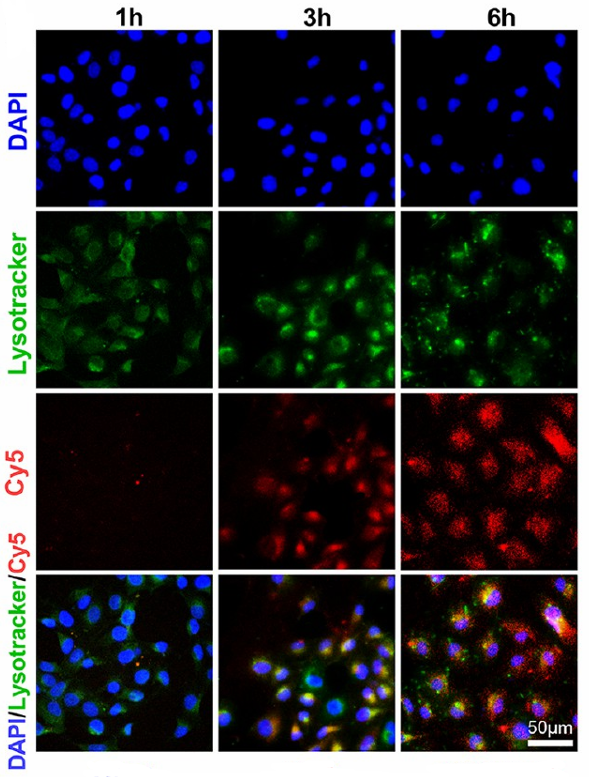
Cy5-HTSFcACE2 plasmid (5 μg/mL; 1-6 h). Nuclear localization and lysosomal escape of ACE2-CS-PRT@PM in PMVECs in hypoxia for the indicated periods (red, HTSFcACE2 plasmid labeled with Cy5; green, lysosome labeled with Lysotracker; blue, DAPI to stain the nuclei).
-
J Nanobiotechnology
Neutrophil membrane-mediated biomimetic nanoparticle for co-delivery of icariin and siORMDL3 attenuates asthma exacerbated by respiratory syncytial virus. [Abstract]2026 Jun 30. PMID: 42381004 -
J Nanobiotechnology
Renal-tubular-mitochondrial sequentially targeted nanoagent breaks the vicious cycle of oxidative stress and mtDNA-driven inflammation in acute kidney injury therapy. [Abstract]2026 Jan 24;24(1):169. PMID: 41580683 -
J Nanobiotechnology
Programmable macrophage-polarizing nanoparticles for MRI-guided early detection and treatment of pulmonary metastases. [Abstract]2025 Oct 14;23(1):675. PMID: 41084003
CY5 purchased from MedChemExpress. Usage Cited in: J Nanobiotechnology. 2025 Oct 14;23(1):675. [Abstract]
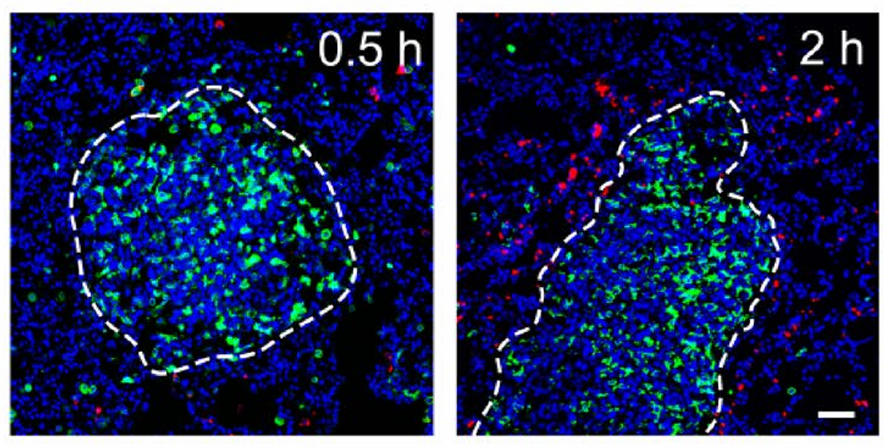
Cy5@CQM NPs (100 µL; CMn= 0.5 mM; intravenously injection). Immunofluorescence histology of lung tumors in mice at 30 min (left) and 2 h (right) p.i. of Cy5@CQM NPs. Dashed lines indicate tumor margins. Fluorescence labels: DAPI (blue), F4/80 (green), and Cy5@CQM NPs (red).
CY5 purchased from MedChemExpress. Usage Cited in: J Nanobiotechnology. 2025 Oct 14;23(1):675. [Abstract]
Cy5@CQM NPs (CMn= 0.1 mM; 1 h; 0.5-4 h). CLSM images of vesicle-mediated delivery from RAW264.7 cells to 4T1 cells, shown at various time points. Fluorescence labels: RAW264.7 cells and their extracellular vesicles (blue), 4T1 cells (green), and Cy5@CQM NPs (red). The white arrows indicate CQM NPs successfully delivered into 4T1 cells.
-
J Nanobiotechnology
Quadruple synergistic amplification of ferroptosis for precision glioblastoma therapy: a luteolin-coordinated ferric ion nanoplatform. [Abstract]2025 Sep 25;23(1):605. PMID: 40999469 -
J Nanobiotechnology
5-FU@HFn combined with decitabine induces pyroptosis and enhances antitumor immunotherapy for chronic myeloid leukemia. [Abstract]2025 Mar 28;23(1):252. PMID: 40148810 -
Adv Sci (Weinh)
BCMA-Engineered Dendritic Cell-Derived Exosomes as Bi-Functional Therapeutics Orchestrating Cytokine Sequestration and Immune Activation for Multiple Myeloma. [Abstract]2026 May 15:e75686. PMID: 42138792 -
Adv Sci (Weinh)
Herba Lysimachiae Polysaccharide-Modified Selenium Nanoparticles Alleviate Oxidative Injury in Kidney Stones via TOMM22-Regulated Mitophagy Activation. [Abstract]2026 May 19:e75784. PMID: 42154455 -
Adv Sci (Weinh)
All-In-One OsciDrop Digital PCR System for Automated and Highly Multiplexed Molecular Diagnostics. [Abstract]2024 Jun;11(21):e2309557. PMID: 38516754 -
Sci Adv
A softness zwitterionic micelles efficiently deliver inhaled nintedanib by enhancing airway mucus penetration. [Abstract]2026 Jan 2;12(1):eady1030. PMID: 41481743 -
Biomaterials
Reversing neuroinflammation in ischemic stroke through efferocytotic phenotype reprogramming with polymeric nanoparticles. [Abstract]2026 Sep:332:124156. PMID: 41895020 -
Asian J Pharm Sci
Photothermal-detonated functional macrophage membrane-camouflaged nano-crackers induce tumor cell wandering-anoikis. [Abstract]2026 Jun;21(3):101171. PMID: 42338758 -
-
CY5 purchased from MedChemExpress. Usage Cited in: Chem Eng J. 2025 Jan 7.
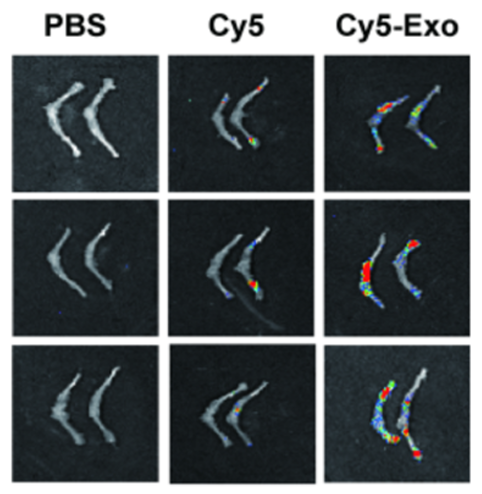
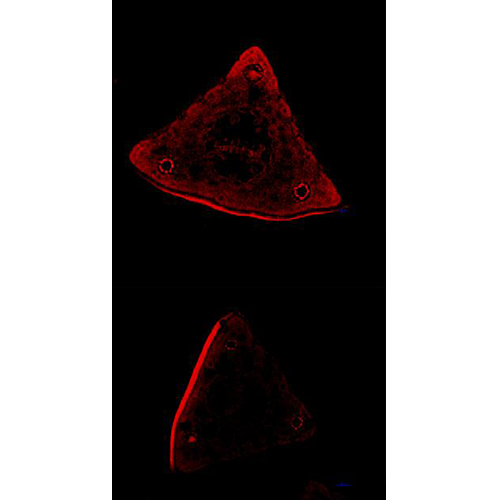
Fluorescence of bone marrow from mice sacrificed 24 h after intravenous injection of PBS, equivalent Cy5 dissolved in PBS, Cy5 labeled exosomes.
-
-
Small
Lung Tissue-Targeting STING mRNA-LNPs Inhibits Tumor Progression and Induces Systemic Anti-Tumor Immunity in Non-Small Cell Lung Cancer. [Abstract]2025 Sep 15:e04715. PMID: 40948207 -
Phytomedicine
Capsaicin ameliorates cholestasis through modulation of the FXR-SHP and FXR-FGF15 gut-liver axis in mice. [Abstract]2025 Oct:146:157130. PMID: 40782765 -
Mater Today Bio
A tumor microenvironment-responsive Zr-MOF nanosystem for co-delivering siHIF-1α and triptolide enhances photodynamic therapy in esophageal cancer by amplifying ROS generation and reversing hypoxia. [Abstract]2025 Aug 13:34:102183. PMID: 40893379 -
Adv Healthc Mater
Engineered Hollow Nanocomplex Combining Photothermal and Antioxidant Strategies for Targeted Tregs Depletion and Potent Immune Activation in Tumor Immunotherapy. [Abstract]2025 Jun;14(15):e2405124. PMID: 40109122 -
Mater Today Bio
GlycoRNA-rich, neutrophil membrane-coated, siMT1-loaded nanoparticles mitigate abdominal aortic aneurysm progression by inhibiting the formation of neutrophil extracellular traps. [Abstract]2025 Mar 4:31:101630. PMID: 40124343 -
-
Acta Biomater
Decellularized amnion membrane-based thermosensitive vaginal hydrogel enhances ritodrine efficacy and reduces systemic side effects in preterm birth treatment. [Abstract]2025 Jul 1:201:212-228. PMID: 40516841 -
-
-
-
Int J Nanomedicine
ROS-pH Dual-Responsive Polydopamine Nanoparticles for Targeted Fasudil Delivery Ameliorate Multiple Pathologies in Diabetic Retinopathy. [Abstract]2026 May 27;21. PMID: 42232487 -
Int J Biol Macromol
Hyaluronic acid-modified PtPdCo-CQ nanocatalyst with triple enzyme-like activities regulates macrophage polarization and autophagy levels for the treatment of rheumatoid arthritis. [Abstract]2025 Apr 13;309(Pt 4):143143. PMID: 40233904 -
Int J Nanomedicine
Netrin-1 Monoclonal Antibody-Functionalized Nanoparticle Loaded with Metformin Prevents the Progression of Abdominal Aortic Aneurysms. [Abstract]2023 Feb 6:18:627-639. PMID: 36777816 -
ACS Appl Mater Interfaces
Regulation of Bone Remodeling by Metal-Phenolic Networks for the Treatment of Systemic Osteoporosis. [Abstract]2025 Jan 29;17(4):5995-6008. PMID: 39818714 -
ACS Appl Mater Interfaces
Affimer Tagged Cubosomes: Targeting of Carcinoembryonic Antigen Expressing Colorectal Cancer Cells Using In Vitro and In Vivo Models. [Abstract]2022 Mar 9;14(9):11078-11091. PMID: 35196008 -
Br J Pharmacol
Reprogramming tumour-associated macrophages in breast cancer via si-FOXM1-loaded lipid nanoparticles enhances immune checkpoint inhibitor efficacy. [Abstract]2026 Jun;183(11):3049-3073. PMID: 41723880 -
ACS Biomater Sci Eng
Tailorable Metal-Polyphenol Nanoparticles for Targeted Treatment of Inflammatory Bowel Disease. [Abstract]2026 Mar 9;12(3):1616-1632. PMID: 41732806 -
Colloids Surf B Biointerfaces
ROS responsive hydrogel for inhibition of MUC5AC against allergic rhinitis: A new delivery strategy for Ipratropium Bromide. [Abstract]2024 Oct:242:114112. PMID: 39047643 -
-
Int Immunopharmacol
Calcitonin gene-related peptide-modulated macrophage phenotypic alteration regulates angiogenesis in early bone healing. [Abstract]2024 Mar 30:130:111766. PMID: 38452411 -
Eur J Pharm Sci
2025 Dec 1:215:107330. PMID: 41101513 -
Eur J Pharm Sci
Uterine first-pass effect: Unlocking the potential of vaginally administered ritodrine-loaded thermosensitive gel for uterine drug delivery. [Abstract]2025 Jan 1:204:106945. PMID: 39489073 -
Eur J Pharm Biopharm
Peptide-based hydrogel co-assembled with antibody-drug for enhanced retinal cell uptake and attenuated experimental autoimmune uveitis. [Abstract]2025 May:210:114691. PMID: 40054506 -
Pest Manag Sci
Selenium nanoparticles are effective in penetrating pine and causing high oxidative damage to Bursaphelenchus xylophilus in pine wilt disease control. [Abstract]2022 Aug;78(8):3704-3716. PMID: 35643940 -
J Biomed Mater Res A
Hyaluronic Acid-Chitosan Nanoparticles Encapsulating Gal-9 Alleviate Severe Acute Pancreatitis by Promoting M2 Macrophage Polarization. [Abstract]2025 Dec;113(12):e70006. PMID: 41307175 -
Metab Brain Dis
ROS-responsive dextran-benzeneboronic acid pinacol ester micelles encapsulating edaravone for the treatment and mechanism of cerebral ischemia-reperfusion injury. [Abstract]2025 May 13;40(5):202. PMID: 40358747 -
Mol Biol Rep
2026 Jun 18;53(1):954. PMID: 42313284 -
PLoS One
Smart thermosensitive poloxamer hydrogels loaded with Nr-CWs for the treatment of diabetic wounds. [Abstract]2022 Dec 30;17(12):e0279727. PMID: 36584197 -
-
-
-
Int J Radiat Biol
Bovine serum albumin and folic acid-modified aurum nanoparticles loaded with paclitaxel and curcumin enhance radiotherapy sensitization for esophageal cancer. [Abstract]2024;100(3):411-419. PMID: 37934908 -


Solvent & Solubility
In Vitro:
DMSO : 250 mg/mL (380.63 mM; Need ultrasonic; Hygroscopic DMSO has a significant impact on the solubility of product, please use newly opened DMSO)
H2O : 11.67 mg/mL (17.77 mM; ultrasonic and warming and heat to 60°C)
Please refer to the solubility information to select the appropriate solvent. Once prepared, please aliquot and store the solution to prevent product inactivation from repeated freeze-thaw cycles.
Storage method and period of stock solution: -80°C, 2 years; -20°C, 1 year (protect from light). When stored at -80°C, please use it within 2 years. When stored at -20°C, please use it within 1 year.
* Note: If you choose water as the stock solution, please dilute it to the working solution, then filter and sterilize it with a 0.22 μm filter before use.
Please refer to the solubility information to select the appropriate solvent. Once prepared, please aliquot and store the solution to prevent product inactivation from repeated freeze-thaw cycles.
Storage method and period of stock solution: -80°C, 2 years; -20°C, 1 year (protect from light). When stored at -80°C, please use it within 2 years. When stored at -20°C, please use it within 1 year.
* Note: If you choose water as the stock solution, please dilute it to the working solution, then filter and sterilize it with a 0.22 μm filter before use.
Concentration (start) × Volume (start) = Concentration (final) × Volume (final)


Purity & Documentation
-
Data Sheet (293 KB)
-
SDS (393 KB)
- English - EN (393 KB)
- Français - FR (393 KB)
- Deutsch - DE (393 KB)
- Norwegian - NO (393 KB)
- Español - ES (393 KB)
- Swedish - SV (393 KB)
- Italian - IT (393 KB)
- Korean - KR (393 KB)
- Portuguese - PT (393 KB)
-
Handling Instructions (2659 KB)
References


Complete Stock Solution Preparation Table
Please refer to the solubility information to select the appropriate solvent. Once prepared, please aliquot and store the solution to prevent product inactivation from repeated freeze-thaw cycles.
Storage method and period of stock solution: -80°C, 2 years; -20°C, 1 year (protect from light). When stored at -80°C, please use it within 2 years. When stored at -20°C, please use it within 1 year.
| Optional Solvent | Concentration Solvent Mass | 1 mg | 5 mg | 10 mg | 25 mg |
|---|---|---|---|---|---|
| H2O / DMSO | 1 mM | 1.5225 mL | 7.6126 mL | 15.2251 mL | 38.0628 mL |
| 5 mM | 0.3045 mL | 1.5225 mL | 3.0450 mL | 7.6126 mL | |
| 10 mM | 0.1523 mL | 0.7613 mL | 1.5225 mL | 3.8063 mL | |
| 15 mM | 0.1015 mL | 0.5075 mL | 1.0150 mL | 2.5375 mL | |
| DMSO | 20 mM | 0.0761 mL | 0.3806 mL | 0.7613 mL | 1.9031 mL |
| 25 mM | 0.0609 mL | 0.3045 mL | 0.6090 mL | 1.5225 mL | |
| 30 mM | 0.0508 mL | 0.2538 mL | 0.5075 mL | 1.2688 mL | |
| 40 mM | 0.0381 mL | 0.1903 mL | 0.3806 mL | 0.9516 mL | |
| 50 mM | 0.0305 mL | 0.1523 mL | 0.3045 mL | 0.7613 mL | |
| 60 mM | 0.0254 mL | 0.1269 mL | 0.2538 mL | 0.6344 mL | |
| 80 mM | 0.0190 mL | 0.0952 mL | 0.1903 mL | 0.4758 mL | |
| 100 mM | 0.0152 mL | 0.0761 mL | 0.1523 mL | 0.3806 mL |
* Note: If you choose water as the stock solution, please dilute it to the working solution, then filter and sterilize it with a 0.22 μm filter before use.


CY5 Related Classifications
HY-D0821 Related Classifications
 Powered by Bioz