



BAI1 hydrochloride
Based on 13 publication(s) in Google Scholar
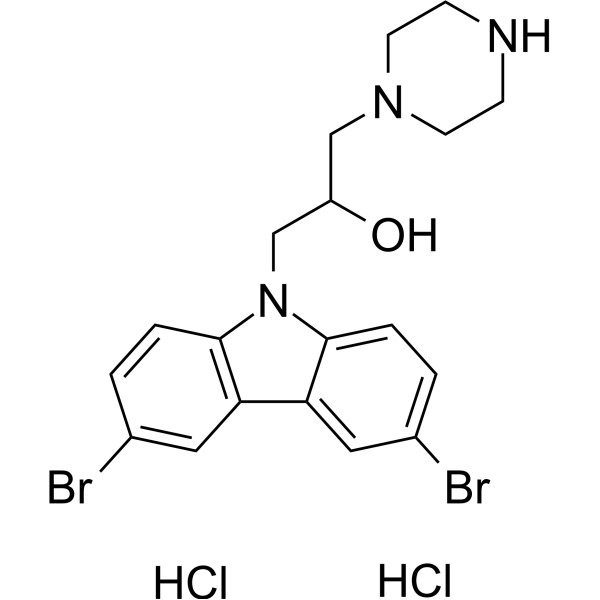
BAI1 hydrochloride is a selective apoptosis factor BAX allosteric inhibitors. BAI1 hydrochloride binds BAX and allosterically inhibits its activation. BAI1 hydrochloride has the potential to be used in the study of BAX dependent cell death-mediated diseases.
For research use only. We do not sell to patients.
- Purity : 99.82%
- CAS No.: 329349-20-4
- Formula: C19H23Br2Cl2N3O
- Molecular Weight:540.12
-
Storage:
-20°C, sealed storage, away from moisture
* In solvent : -80°C, 6 months; -20°C, 1 month (sealed storage, away from moisture)

To place orders, for customer services and technical support, please contact: MedChemExpress USA
Tel: 609-228-6898 E-mail: [email protected] [email protected]


-
 Biological Activity
-
Chemical Information
-
Solvent & Solubility
- Protocols
- Purity & Documentation
- References
-
 Help & FAQs


-
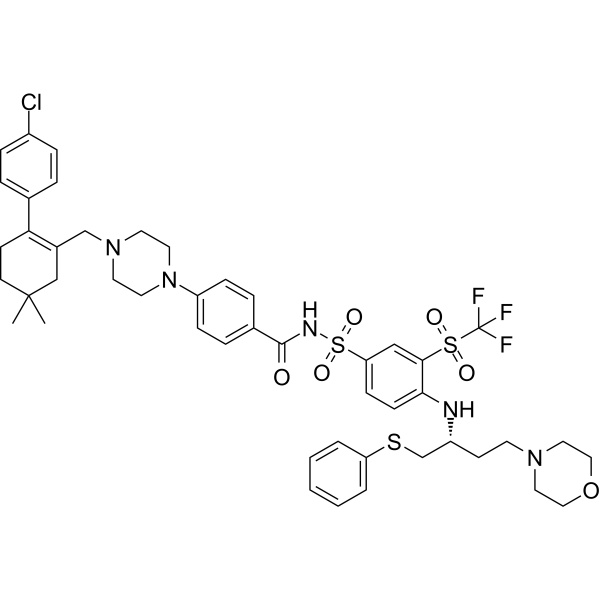
HY-10087
NavitoclaxBcl-2 Inhibitor -
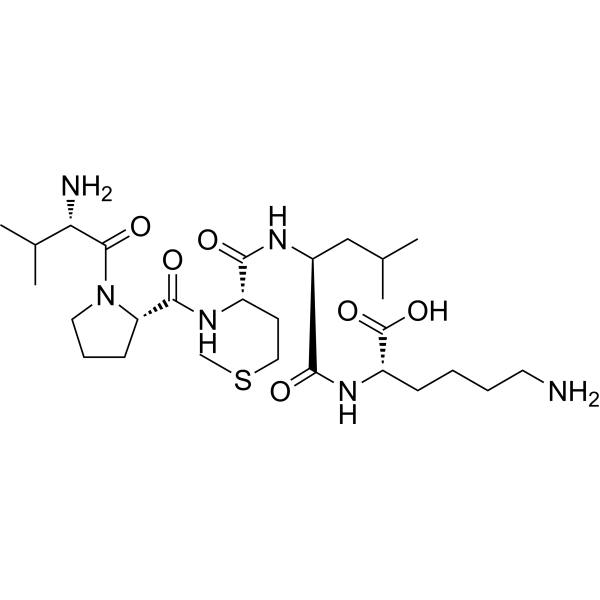
HY-P0081
Bax inhibitor peptide V5Bcl-2 Family Inhibitor -
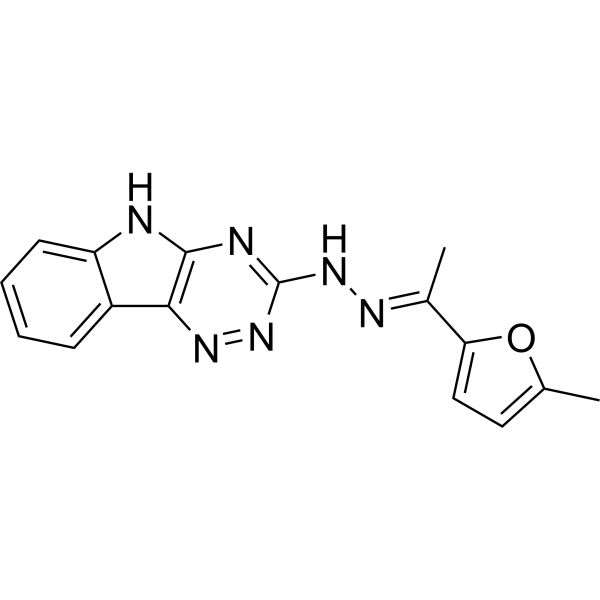
HY-157176
BAX-IN-1BAX Inhibitor -
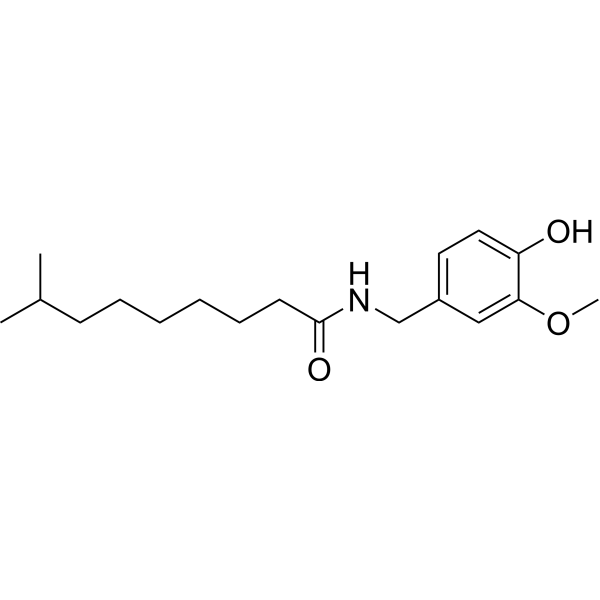
HY-N0361
DihydrocapsaicinTRPV1 Agonist -
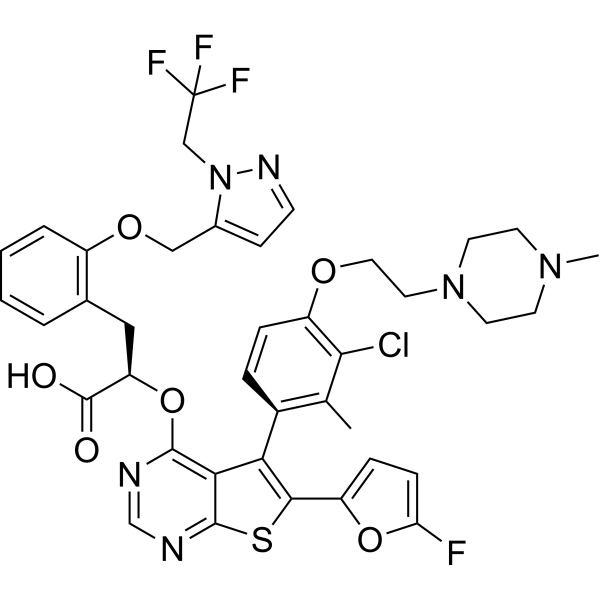
HY-100741
S63845MCL1 Inhibitor -
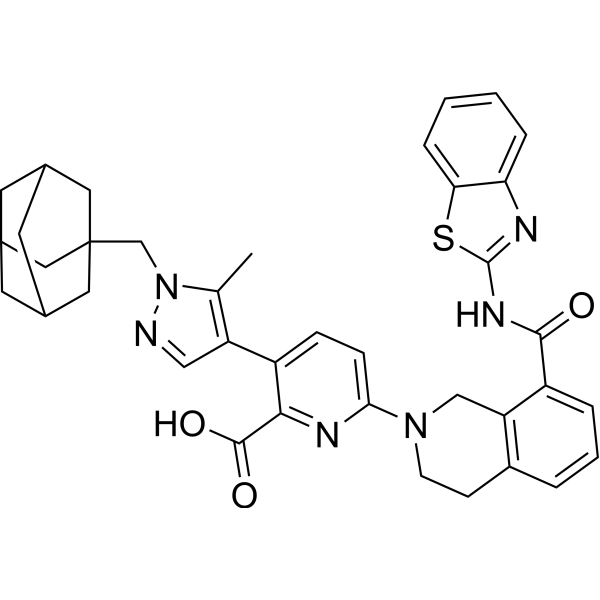
HY-19741
A-1331852Bcl-xL Inhibitor -
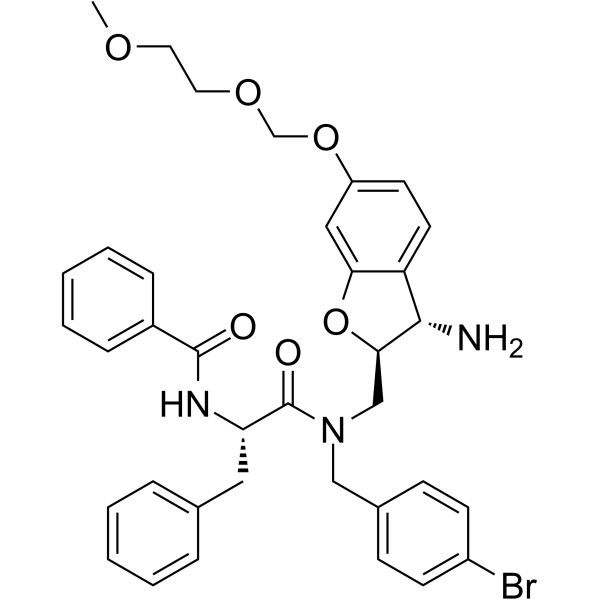
HY-118948
MSN-50Bax/Bak Inhibitor -
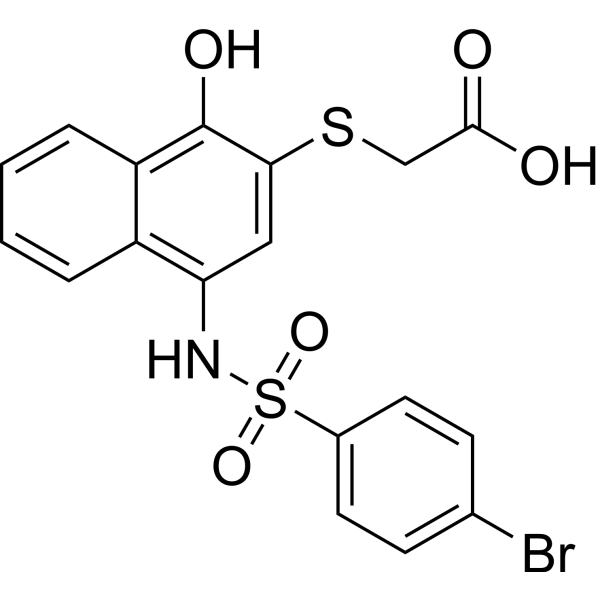
HY-18628
UMI-77Bcl-2 Family Inhibitor -

HY-10087R
Navitoclax (Standard)Reference Standard -
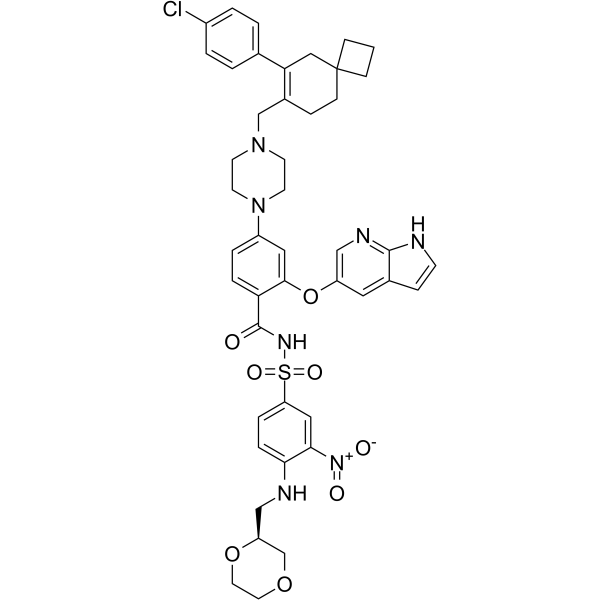
HY-129179
LisaftoclaxBCL-2 Inhibitor -
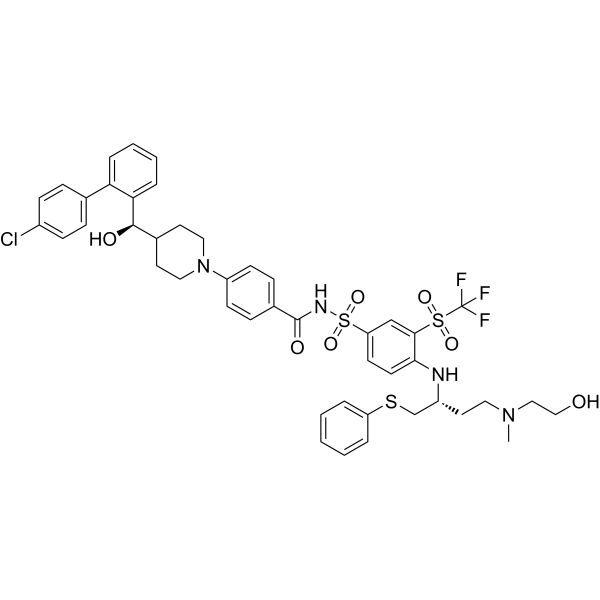
HY-112416
AZD4320BCL2/BCLxL Inhibitor -
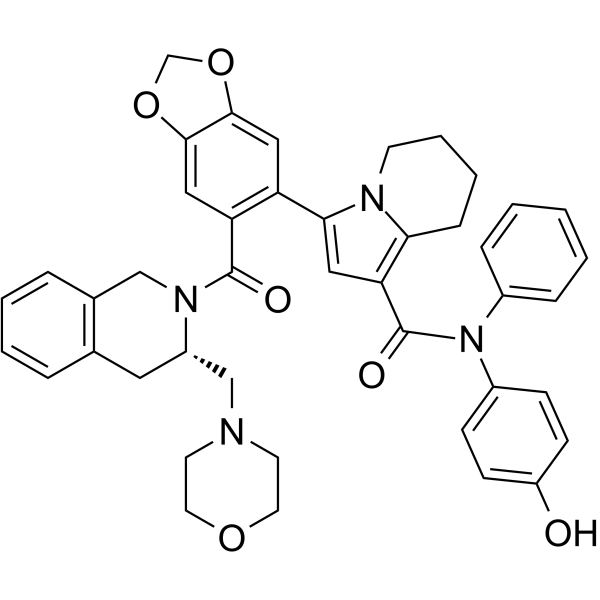
HY-117288
S55746Bcl-2 Inhibitor
Publications Citing Use of MedChemExpress (MCE) BAI1 hydrochloride
More- Adv Funct Mater. 2023 Apr 28.
- Nat Commun. 2025 Aug 26;16(1):7936. [Abstract]
- Nat Commun. 2024 Dec 30;15(1):10806. [Abstract]
- Nat Commun. 2023 Nov 20;14(1):7547. [Abstract]
- Mater Today Bio. 2026 Apr 22:38:103132. [Abstract]
- Biochem Pharmacol. 2025 Jul 17:117177. [Abstract]
- Cell Mol Life Sci. 2025 Apr 7;82(1):142. [Abstract]
- Int Immunopharmacol. 2024 Oct 21;143(Pt 2):113424. [Abstract]
- Int J Mol Sci. 2023 May 11;24(10):8609. [Abstract]
- Biochim Biophys Acta Mol Basis Dis. 2026 Jul 28;1873(1):168388.
- Ren Fail. 2024 Dec;46(2):2415519. [Abstract]
- Nat Prod Commun. 2025 Apr 29.
- University of Rijeka. 2021 Jun.
 Customer Validation & Images

-
IF
-
Bio/Physico-chemical Assay
-
Histological Imaging/Staining
-
RT-PCR
-
Flow Cytometry


Biological Activity
Description


Chemical Information
-
CAS No. 329349-20-4
-
Appearance Solid
-
Molecular Weight 540.12
-
Formula C19H23Br2Cl2N3O
-
Color White to off-white
-
SMILES
BrC1=CC=C2C(C3=C(N2CC(CN4CCNCC4)O)C=CC(Br)=C3)=C1.Cl.Cl
-
Shipping
Room temperature in continental US; may vary elsewhere.
-
Storage
-20°C, sealed storage, away from moisture
* In solvent : -80°C, 6 months; -20°C, 1 month (sealed storage, away from moisture)


Publications (13)
-
Journal Impact Factor
-
Most Recent
-
-
Nat Commun
A multifaceted strategy for intra- and extracellular nucleic acid regulation to alleviate intervertebral disc degeneration. [Abstract]2025 Aug 26;16(1):7936. PMID: 40858573
BAI1 hydrochloride purchased from MedChemExpress. Usage Cited in: Nat Commun. 2025 Aug 26;16(1):7936. [Abstract]
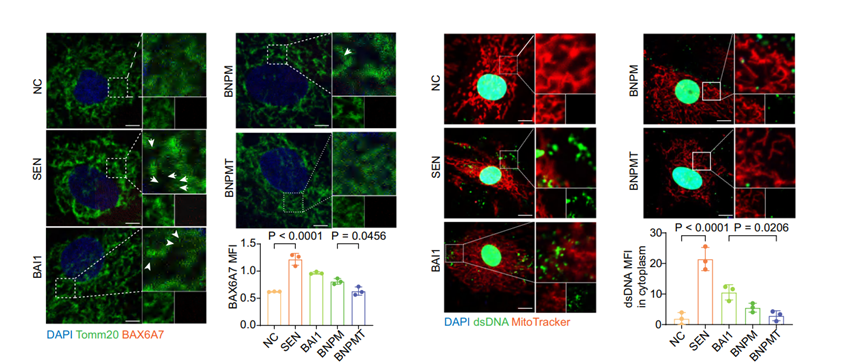
Immunofluorescence staining and quantification of BAX6A7 and dsDNA in aging NP cells treated with BAI1 (2.5 μM, 24 h), BNPM, or BNPMT.
-
Nat Commun
2024 Dec 30;15(1):10806. PMID: 39737939 -
Nat Commun
2023 Nov 20;14(1):7547. PMID: 37985759 -
Mater Today Bio
2026 Apr 22:38:103132. PMID: 42111771 -
Biochem Pharmacol
Targeting STING alleviates pyroptosis of bladder epithelial cells and ameliorates bladder fibrosis in neurogenic bladder. [Abstract]2025 Jul 17:117177. PMID: 40683470 -
Cell Mol Life Sci
Dietary advanced glycation end-products exacerbate sarcopenia onset by activating apoptosis through PRMT1-mediated CRTC3 arginine methylation. [Abstract]2025 Apr 7;82(1):142. PMID: 40192801
BAI1 hydrochloride purchased from MedChemExpress. Usage Cited in: Cell Mol Life Sci. 2025 Apr 7;82(1):142. [Abstract]
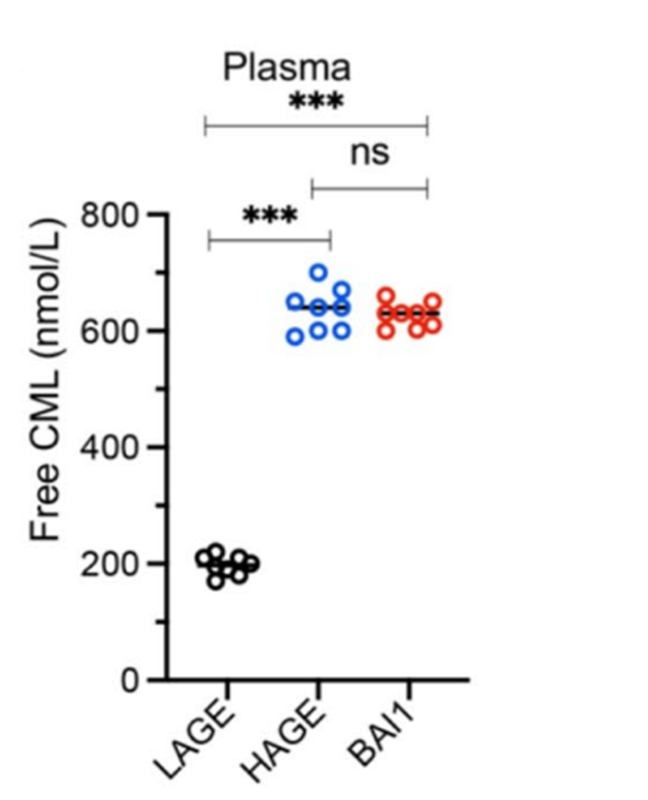
Levels of free and protein-bound CML were significantly increased in both the BAI1 (50 mg/kg, i.p.)-treated and HAGE groups compared to the LAGE group.
BAI1 hydrochloride purchased from MedChemExpress. Usage Cited in: Cell Mol Life Sci. 2025 Apr 7;82(1):142. [Abstract]
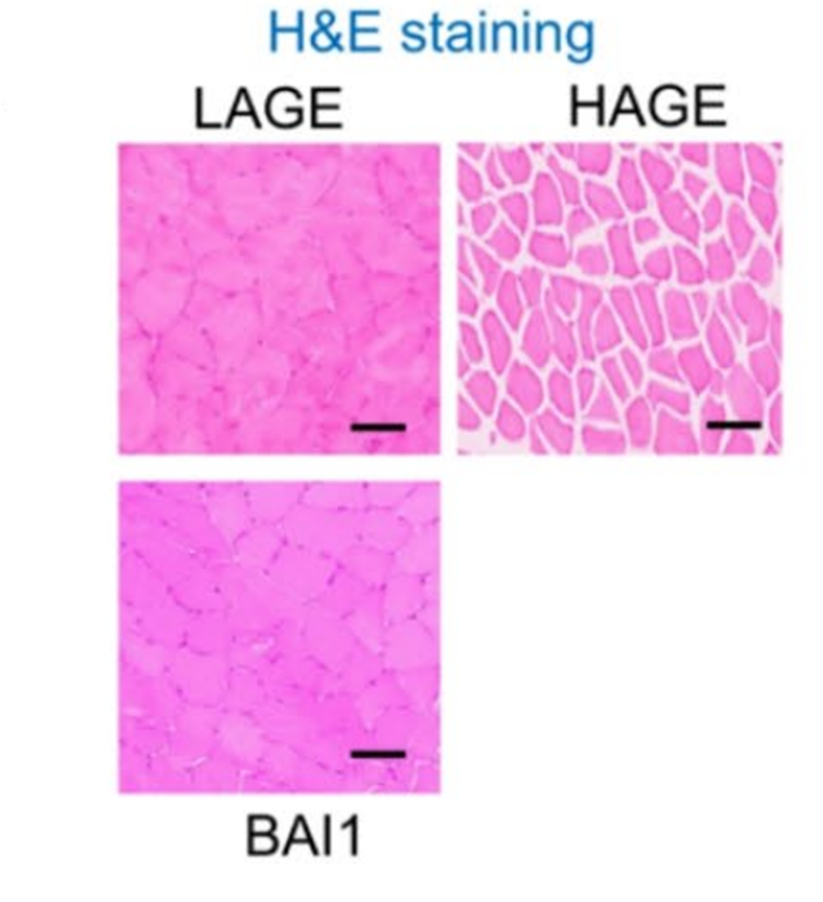
Histological analysis of skeletal muscle tissues demonstrated that BAI1 (50 mg/kg, i.p.) treatment significantly increased muscle fiber size and decreased connective tissue accumulation compared to the HAGE group.
-
Int Immunopharmacol
BAX pores facilitate mitochondrial DNA release in wasp sting-induced acute kidney injury. [Abstract]2024 Oct 21;143(Pt 2):113424. PMID: 39437488 -
Int J Mol Sci
Mitochondrial Trafficking of MLKL, Bak/Bax, and Drp1 Is Mediated by RIP1 and ROS which Leads to Decreased Mitochondrial Membrane Integrity during the Hyperglycemic Shift to Necroptosis. [Abstract]2023 May 11;24(10):8609. PMID: 37239951 -
-
Ren Fail
Piezo1 facilitates the initiation and progression of renal fibrosis by mediating cell apoptosis and mitochondrial dysfunction. [Abstract]2024 Dec;46(2):2415519. PMID: 39496543
BAI1 hydrochloride purchased from MedChemExpress. Usage Cited in: Ren Fail. 2024 Dec;46(2):2415519. [Abstract]
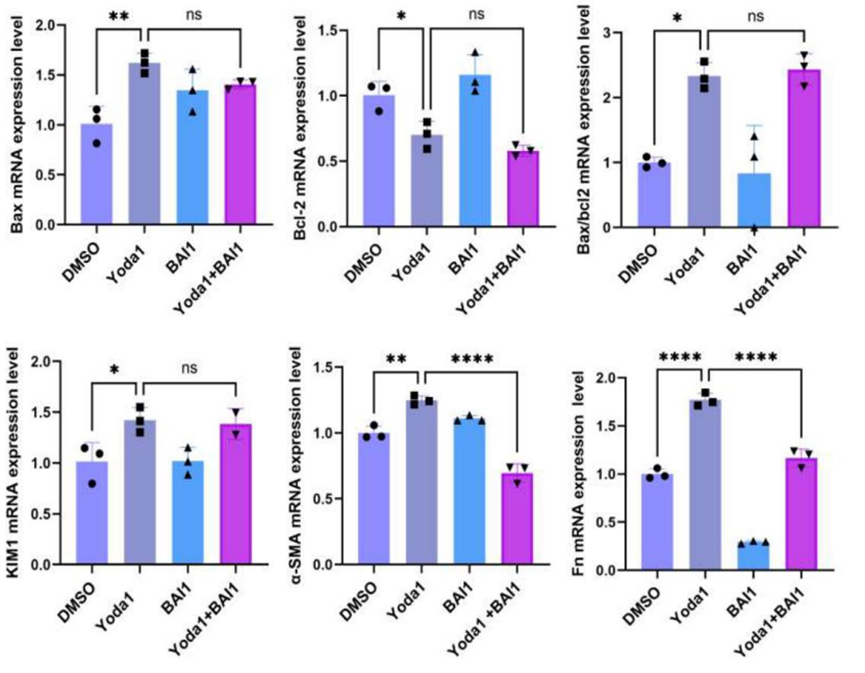
qPCR results indicated that Bax, Cytc, Caspase3, Cleaved-caspase3, KIM1, Fn and Collagen I expression were higher in the Yoda1 treatment group than in the DMSO group but lower in the Yoda1 + BAI1 (4 μM) group than in Yoda1 group.
BAI1 hydrochloride purchased from MedChemExpress. Usage Cited in: Ren Fail. 2024 Dec;46(2):2415519. [Abstract]
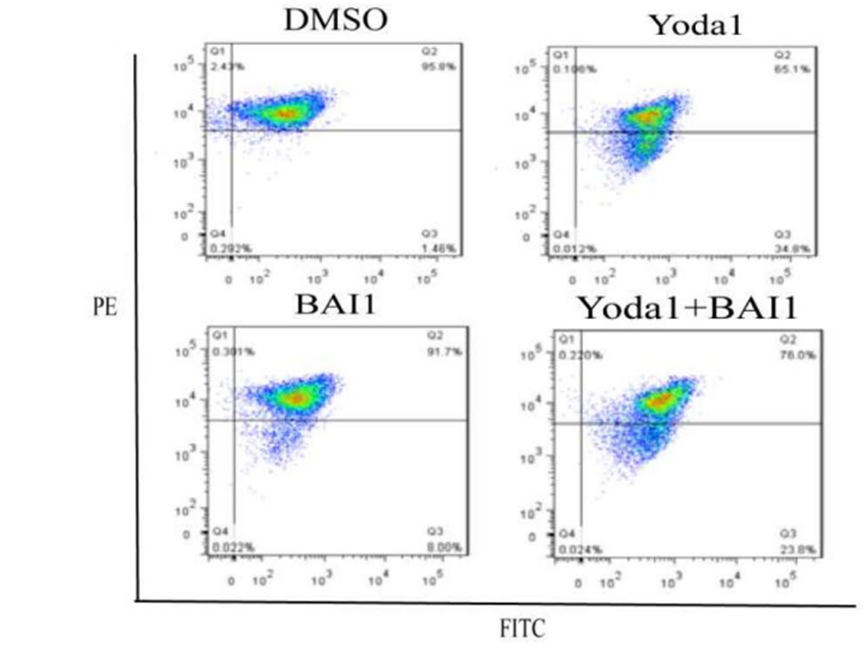
Flow cytometry scatter plot of JC1 staining after Yoda1 or/and BAI1 (4 μM) co-treatment, the FITC+ cells present the decreased of mitochondrial membrane potential.
-
-


Solvent & Solubility
In Vitro:
DMSO : 5 mg/mL (9.26 mM; Need ultrasonic; Hygroscopic DMSO has a significant impact on the solubility of product, please use newly opened DMSO)
H2O : < 0.1 mg/mL (insoluble)
Please refer to the solubility information to select the appropriate solvent. Once prepared, please aliquot and store the solution to prevent product inactivation from repeated freeze-thaw cycles.
Storage method and period of stock solution: -80°C, 6 months; -20°C, 1 month (sealed storage, away from moisture). When stored at -80°C, please use it within 6 months. When stored at -20°C, please use it within 1 month.
Please refer to the solubility information to select the appropriate solvent. Once prepared, please aliquot and store the solution to prevent product inactivation from repeated freeze-thaw cycles.
Storage method and period of stock solution: -80°C, 6 months; -20°C, 1 month (sealed storage, away from moisture). When stored at -80°C, please use it within 6 months. When stored at -20°C, please use it within 1 month.
Concentration (start) × Volume (start) = Concentration (final) × Volume (final)

Protocols
-
Apoptosis
Apoptosis, also called programmed cell death, is generally characterized by distinct morphological characteristics.
-
TUNEL staining for apoptotic DNA fragmentation
TUNEL staining detects DNA strand breaks by using terminal deoxynucleotidyl transferase to add labeled nucleotides to exposed 3′-OH DNA termini, generating either microscopic staining in fixed cells or tissue sections, or fluorescence/cytometric signal in cell suspensions. TUNEL positivity reflects DNA fragmentation but should not be interpreted alone as definitive apoptosis, because TUNEL can also label necrotic, autolytic, mechanically damaged, or DNA-repair-associated DNA breaks.
-
Cell Cytotoxicity Assay
Cytotoxicity assays are usually based on the assessment of cell membrane damage, which can also be indirectly detected by measuring cell viability. Detection methods include MTT assay, CKK-8 assay, LDH assay and ATP assay, etc.
-
Mammalian live/dead viability and cytotoxicity staining
Live/dead viability and cytotoxicity staining assays are based on the simultaneous detection of intracellular esterase activity in metabolically active (viable) cells and membrane integrity loss in non-viable cells. In commonly used dual-staining approaches, membrane-permeant fluorogenic substrates are converted by intracellular esterases into fluorescent products in live cells, while impermeant DNA-binding dyes selectively enter cells with compromised plasma membranes and label nucleic acids in dead or dying cells, enabling discrimination between viable and non-viable populations by fluorescence microscopy or flow cytometry.
-
Annexin V plus membrane-impermeant dye apoptosis staining
Annexin V-based apoptosis assays rely on the detection of phosphatidylserine (PS) externalization from the inner leaflet of the plasma membrane to the outer leaflet, an early biochemical hallmark of apoptosis. Fluorescently labeled Annexin V binds PS in a calcium-dependent manner, enabling identification of early apoptotic cells by flow cytometry or fluorescence microscopy. When combined with a membrane-impermeant DNA-binding dye (e. g. , propidium iodide), this approach allows discrimination between viable (Annexin V−/dye−), early apoptotic (Annexin V+/dye−), and late apoptotic or necrotic (Annexin V+/dye+) cell populations by assessing membrane integrity and PS exposure.
-
Apoptosis Solutions
Apoptosis is a regulated, generally non-lytic cell-death pathway that removes unwanted, damaged, infected, or abnormal cells through coordinated morphological changes, caspase activation, DNA fragmentation, and membrane remodeling. The intrinsic apoptosis pathway is controlled mainly by mitochondrial outer membrane permeabilization, BCL-2 family proteins, cytochrome c release, apoptosome formation, caspase-9 activation, and downstream executioner caspase-3/7 activation. The extrinsic apoptosis pathway is initiated by death receptors such as Fas, TNFR, and TRAIL receptors, which recruit adaptor proteins and activate caspase-8 before engaging executioner caspases or mitochondrial amplification through BID cleavage. Apoptosis is linked to many phenotypes, including cancer cell killing, tissue homeostasis, immune regulation, neurodegeneration, infection response, and treatment-induced cytotoxicity; unresolved questions include how apoptosis interacts with necroptosis, pyroptosis, ferroptos


Purity & Documentation
-
Data Sheet (275 KB)
-
SDS (393 KB)
- English - EN (393 KB)
- Français - FR (393 KB)
- Deutsch - DE (393 KB)
- Norwegian - NO (393 KB)
- Español - ES (393 KB)
- Swedish - SV (393 KB)
- Italian - IT (393 KB)
- Korean - KR (393 KB)
- Portuguese - PT (393 KB)
-
Handling Instructions (2659 KB)
References


Complete Stock Solution Preparation Table
Please refer to the solubility information to select the appropriate solvent. Once prepared, please aliquot and store the solution to prevent product inactivation from repeated freeze-thaw cycles.
Storage method and period of stock solution: -80°C, 6 months; -20°C, 1 month (sealed storage, away from moisture). When stored at -80°C, please use it within 6 months. When stored at -20°C, please use it within 1 month.
| Optional Solvent | Concentration Solvent Mass | 1 mg | 5 mg | 10 mg | 25 mg |
|---|---|---|---|---|---|
| DMSO | 1 mM | 1.8514 mL | 9.2572 mL | 18.5144 mL | 46.2860 mL |
| 5 mM | 0.3703 mL | 1.8514 mL | 3.7029 mL | 9.2572 mL |


BAI1 hydrochloride Related Classifications
HY-110031 Related Classifications
 Powered by Bioz