



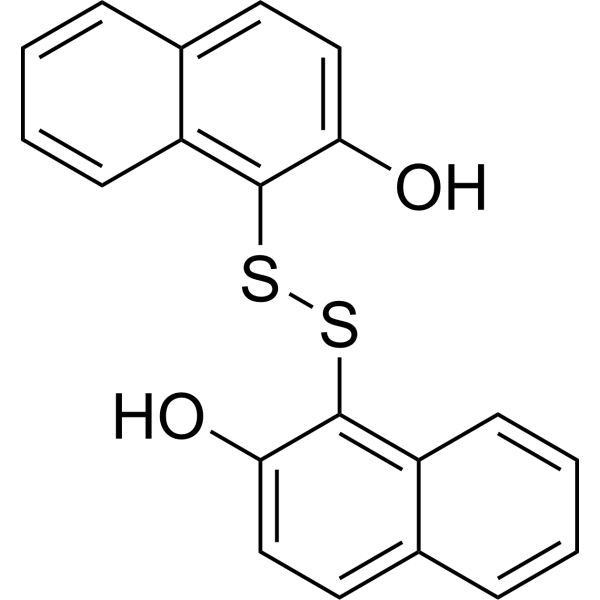
IPA-3
Based on 19 publication(s) in Google Scholar
IPA-3 is a selective non-ATP competitive PAK1 inhibitor with IC50 of 2.5 μM, and shows no inhibition to group II PAKs (PAKs 4-6).
For research use only. We do not sell to patients.
- Purity : 99.39%
- CAS No.: 42521-82-4
- Formula: C20H14O2S2
- Molecular Weight:350.45
-
Storage:Powder -20°C, 3 years , 4°C, 2 years ; In solvent -80°C, 1 year , -20°C, 6 months

To place orders, for customer services and technical support, please contact: MedChemExpress USA
Tel: 609-228-6898 E-mail: [email protected] [email protected]


-
 Biological Activity
-
Chemical Information
-
Solvent & Solubility
- Purity & Documentation
- References
-
 Help & FAQs


-
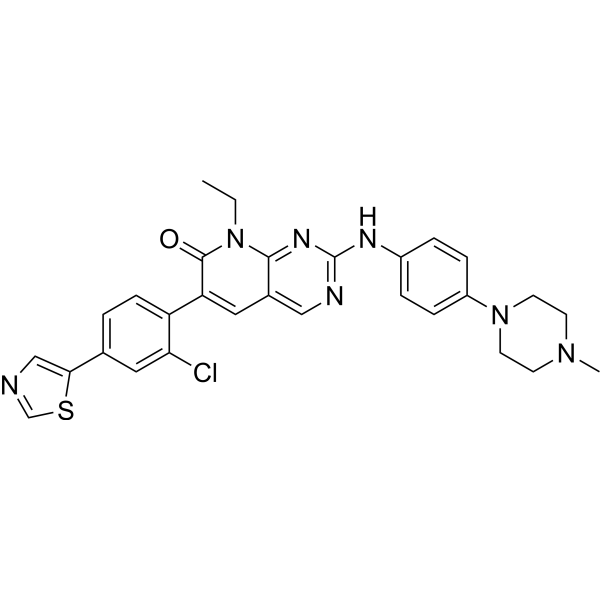
HY-15542A
FRAX597PAK Inhibitor -
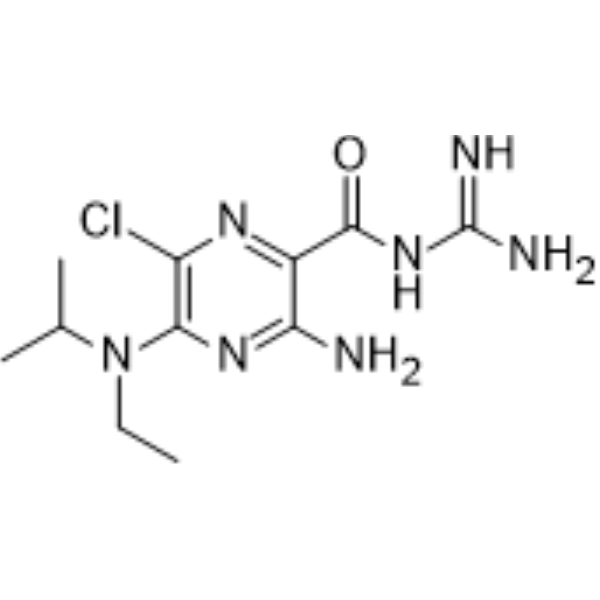
HY-101840
EIPATRPP3 Channel Inhibitor -
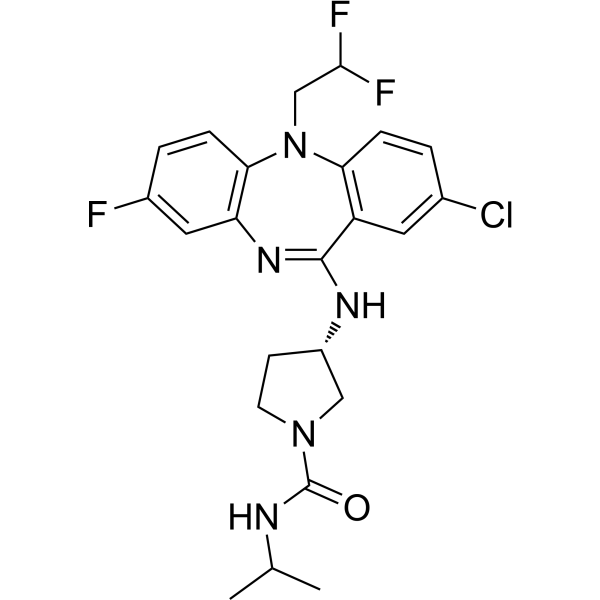
HY-100519
NVS-PAK1-1PAK1 Inhibitor -
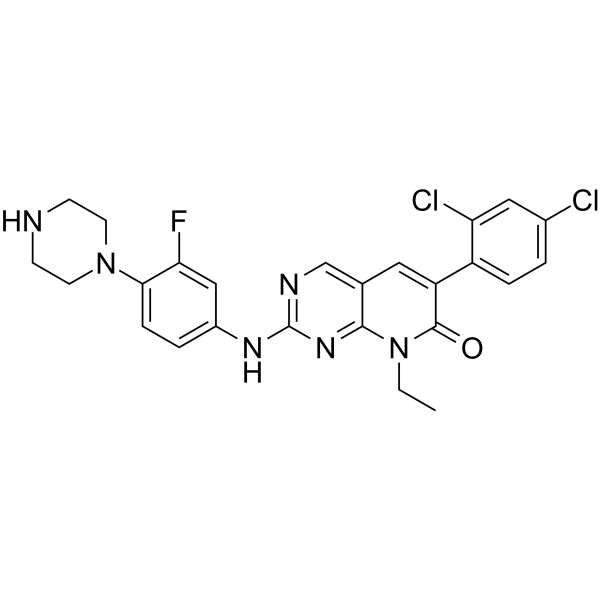
HY-15542B
FRAX486PAK Inhibitor -
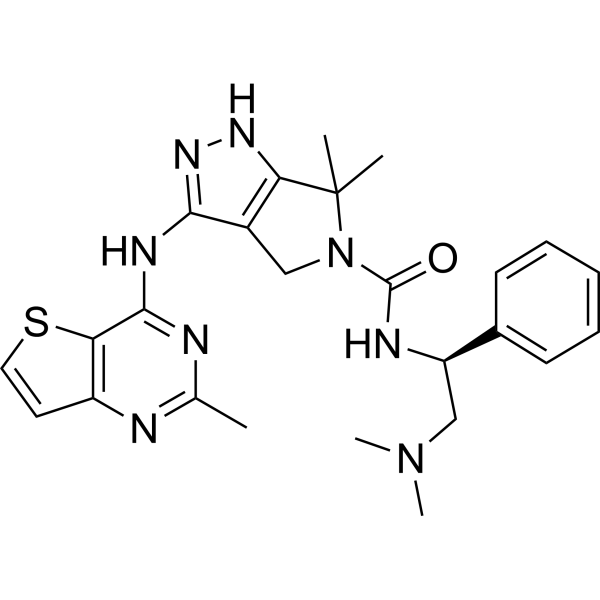
HY-13007
PF-3758309PAK4 Inhibitor -
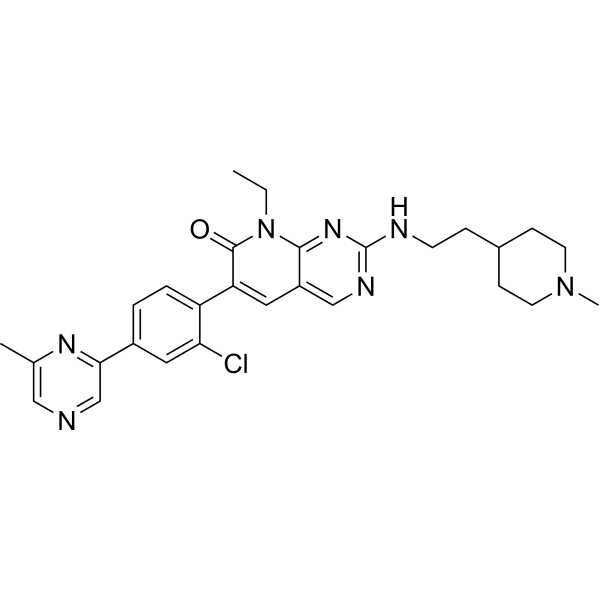
HY-19538
FRAX1036PAK Inhibitor -
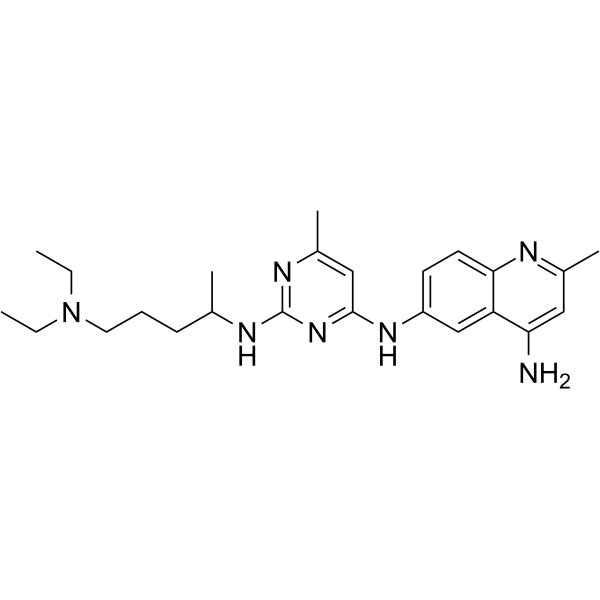
HY-15723
NSC 23766Ras Inhibitor -
HY-12005
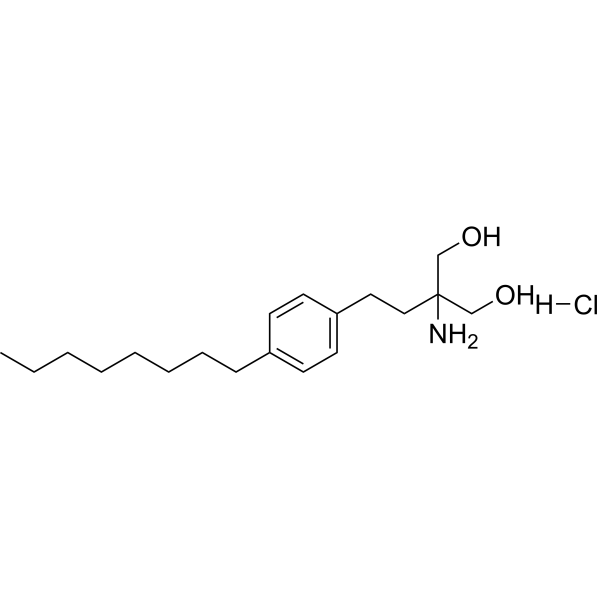
Fingolimod hydrochlorideS1P Receptors Modulator -
HY-16659
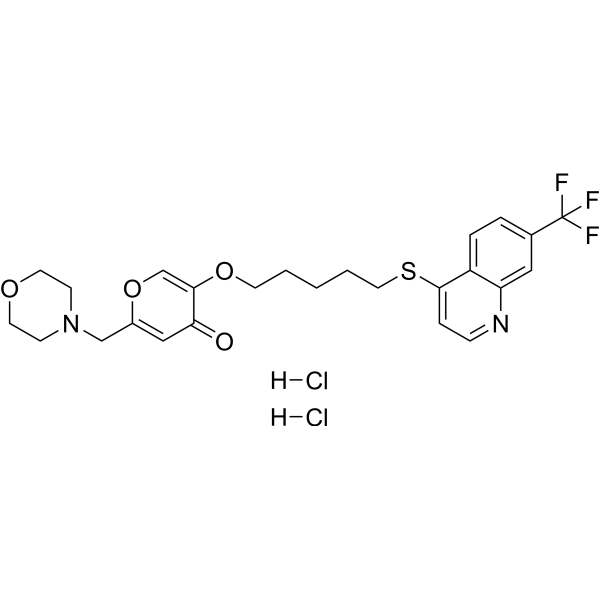
EHT 1864Rac Family Inhibitor -
HY-10108
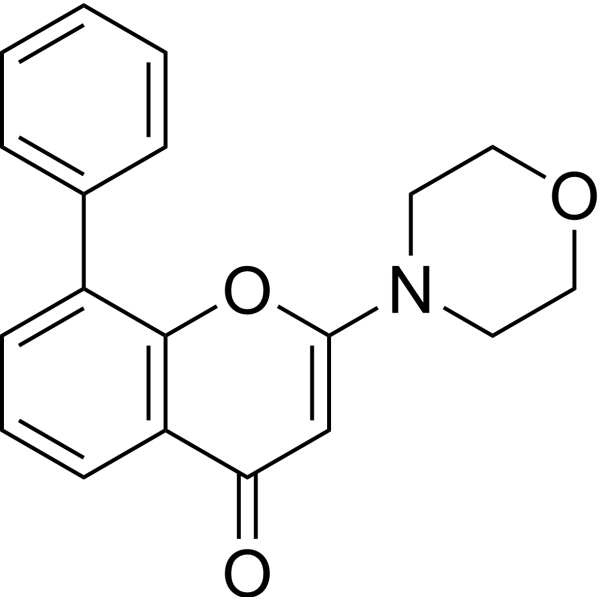
LY294002PI3K Inhibitor -
HY-10071
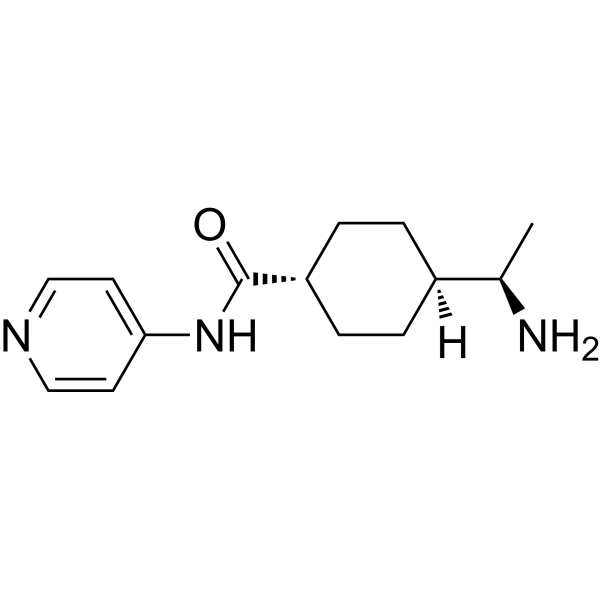
Y-27632ROCK Inhibitor -
HY-10197
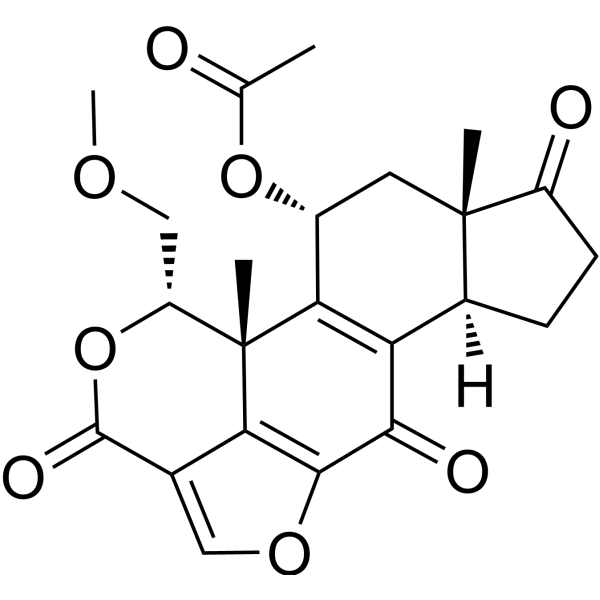
WortmanninPI3K Inhibitor
Publications Citing Use of MedChemExpress (MCE) IPA-3
More- Nat Commun. 2026 Aug 14;17(1):9792.
- Genes Dis. 2025 Oct 21.
- Cell Rep. 2022 Nov 15;41(7):111636. [Abstract]
- Front Immunol. 2021 Aug 2;12:686846. [Abstract]
- Int J Mol Sci. 2024 Sep 21;25(18):10138. [Abstract]
- Mol Med Rep. 2021 Mar;23(3):207. [Abstract]
- Comput Struct Biotechnol J. 2021:19:1933-1943. [Abstract]
- J Virol. 2025 Apr 15;99(4):e0176124. [Abstract]
- J Virol. 2024 Oct 22;98(10):e0061224. [Abstract]
- J Virol. 2022 Dec 21;96(24):e0144622. [Abstract]
- J Virol. 2021 Feb 24;95(10):e02436-20. [Abstract]
- J Immunol. 2026 Aug 4;215(8):vkag222.
- Cell Biochem Funct. 2025 Jun;43(6):e70090. [Abstract]
- ChemMedChem. 2023 Sep 1;18(17):e202300114. [Abstract]
- Vet Microbiol. 2022 Aug:271:109488. [Abstract]
- Exp Hematol. 2023 Nov:127:59-69.e2. [Abstract]
- J Mol Histol. 2026 Mar 17;57(2):112. [Abstract]
- Research Square Preprint. 2021 Apr.
- Oncotarget. 2017 May 9;8(19):31802-31814. [Abstract]
 Customer Validation & Images

-
WB
-
IF
-
Cell Imaging/Staining
-
Bio/Physico-chemical Assay
-
In Vivo Efficacy Study


Biological Activity
Description
IC50 & Target
[3]|
PAK1 2.5 μM (IC50) |
Cellular Effect
|
Cell Line

|
Type | Value | Description | References |
|---|---|---|---|---|
| A549 | IC50 |
30 μM
Compound: IPA-3
|
Growth inhibition of human A549 cells
Growth inhibition of human A549 cells
|
[PMID: 28814374] |
| HEK293 | IC50 |
>10000 nM
Compound: IPA-3
|
Inhibition of full length PAK5 (unknown origin) expressed in HEK293 cells assessed as phosphate incorporation onto MBP preincubated for 5 mins followed by Cdc42, MBP, and mixture of ATP and [32P]-gamma-ATP addition measured after 20 mins by scintillation
Inhibition of full length PAK5 (unknown origin) expressed in HEK293 cells assessed as phosphate incorporation onto MBP preincubated for 5 mins followed by Cdc42, MBP, and mixture of ATP and [32P]-gamma-ATP addition measured after 20 mins by scintillation
|
[PMID: 26191365] |
In Vitro
IPA-3 inhibits Pak1 activation in part by binding covalently to the regulatory domain of Pak1. IPA-3 binds Pak1 covalently in a time- and temperature-dependent manner. IPA-3 prevents binding of the Pak1 activator Cdc42. IPA-3 binds directly to the Pak1 autoregulatory domain. IPA-3 reversibly inhibits PMA-induced membrane ruffling in cells[1]. IPA-3 (2 μM, 5 μM or 20 μM) reduces cell spreading in human primary Schwann and schwannoma cells. IPA-3 treatment significantly reduces the number of adherent Schwann and schwannoma cells in a dose-dependent manner[2]. IPA-3 is a non ATP-competitive, allosteric inhibitor of p21-activated kinase 1 (Pak1). PIR3.5 is the control compound of IPA-3. IPA-3 prevents Cdc42-stimulated Pak1 autophosphorylation on Thr423. IPA-3 also prevents sphingosine-dependent Pak1 autophosphorylation. IPA-3 does not target exposed cysteine residues on Pak1. The disulfide bond of IPA-3 is critical for inhibition of Pak1 and in vitro reduction by the reducing agent dithiothreitol (DTT) abolishes Pak1 inhibition by IPA-3. IPA-3 inhibits activation of Pak1 by diverse activators, but does not inhibit preactivated Pak1. IPA-3 inhibits PDGF-stimulated Pak activation in mouse embryonic fibroblasts[3].
MedChemExpress (MCE) has not independently confirmed the accuracy of these methods. They are for reference only. .


Chemical Information
-
CAS No. 42521-82-4
-
Appearance Solid
-
Molecular Weight 350.45
-
Formula C20H14O2S2
-
Color Light yellow to yellow
-
SMILES
OC1=CC=C2C=CC=CC2=C1SSC3=C4C=CC=CC4=CC=C3O
-
Shipping
Room temperature in continental US; may vary elsewhere.
-
Storage
Powder -20°C 3 years 4°C 2 years In solvent -80°C 1 year -20°C 6 months


Publications (19)
-
Journal Impact Factor
-
Most Recent
-
-
IPA-3 purchased from MedChemExpress. Usage Cited in: Genes Dis. 2025 Oct 21.
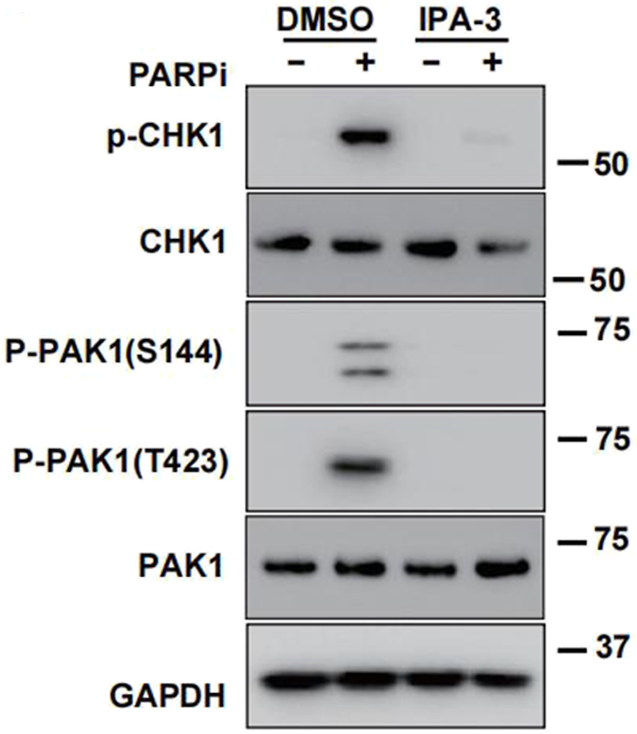
Western blotting analysis of PAK1 and CHK1 phosphorylation in Ovcar8 cells treated with 10 μM olaparib, 10 μM IPA-3, or their combination for 6 h.
IPA-3 purchased from MedChemExpress. Usage Cited in: Genes Dis. 2025 Oct 21.
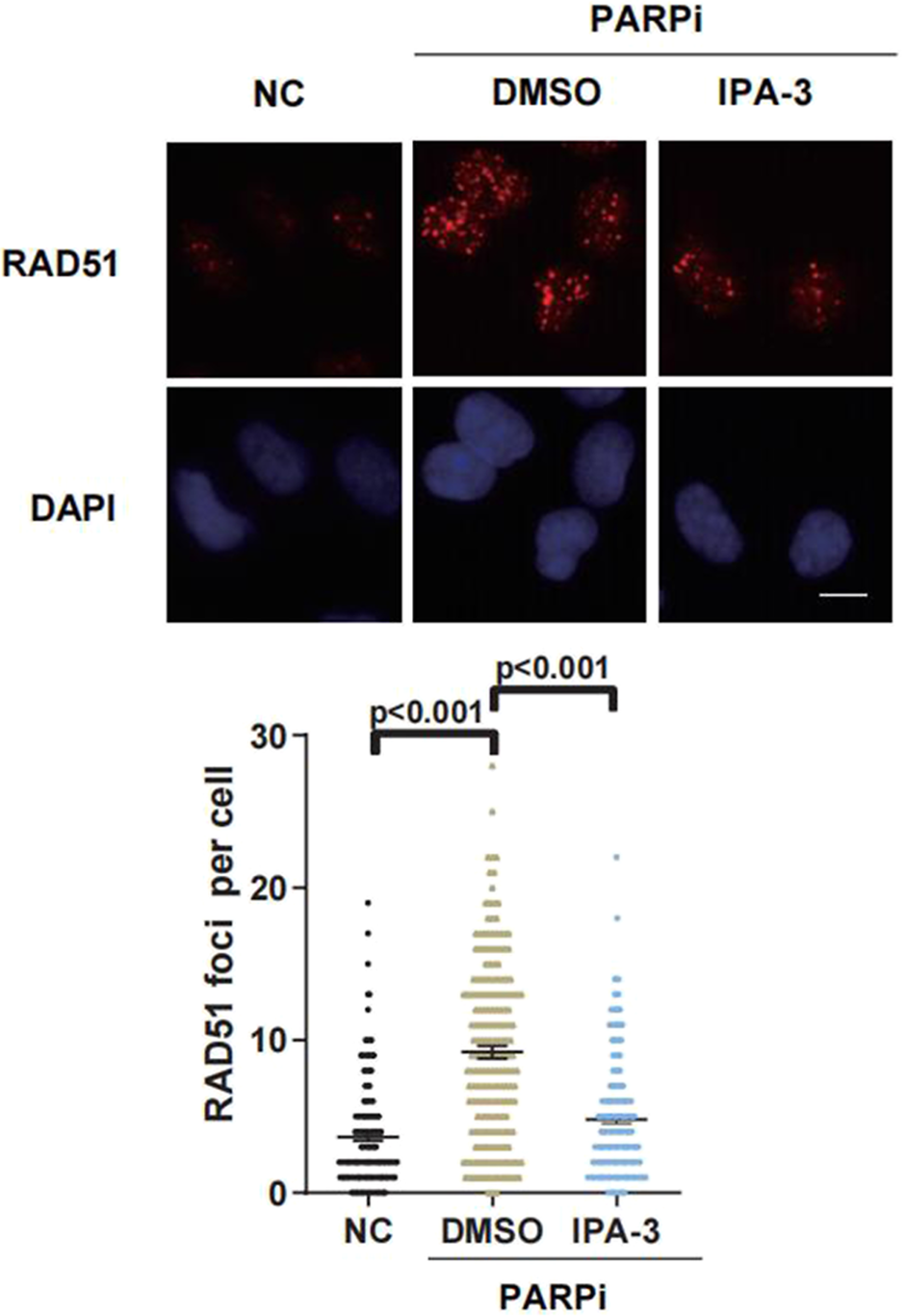
RAD51 foci formation in Ovcar8 cells treated with olaparib, IPA-3 (10 μM), or their combination for 24 h. More than 200 cells were analyzed per experiment.
IPA-3 purchased from MedChemExpress. Usage Cited in: Genes Dis. 2025 Oct 21.
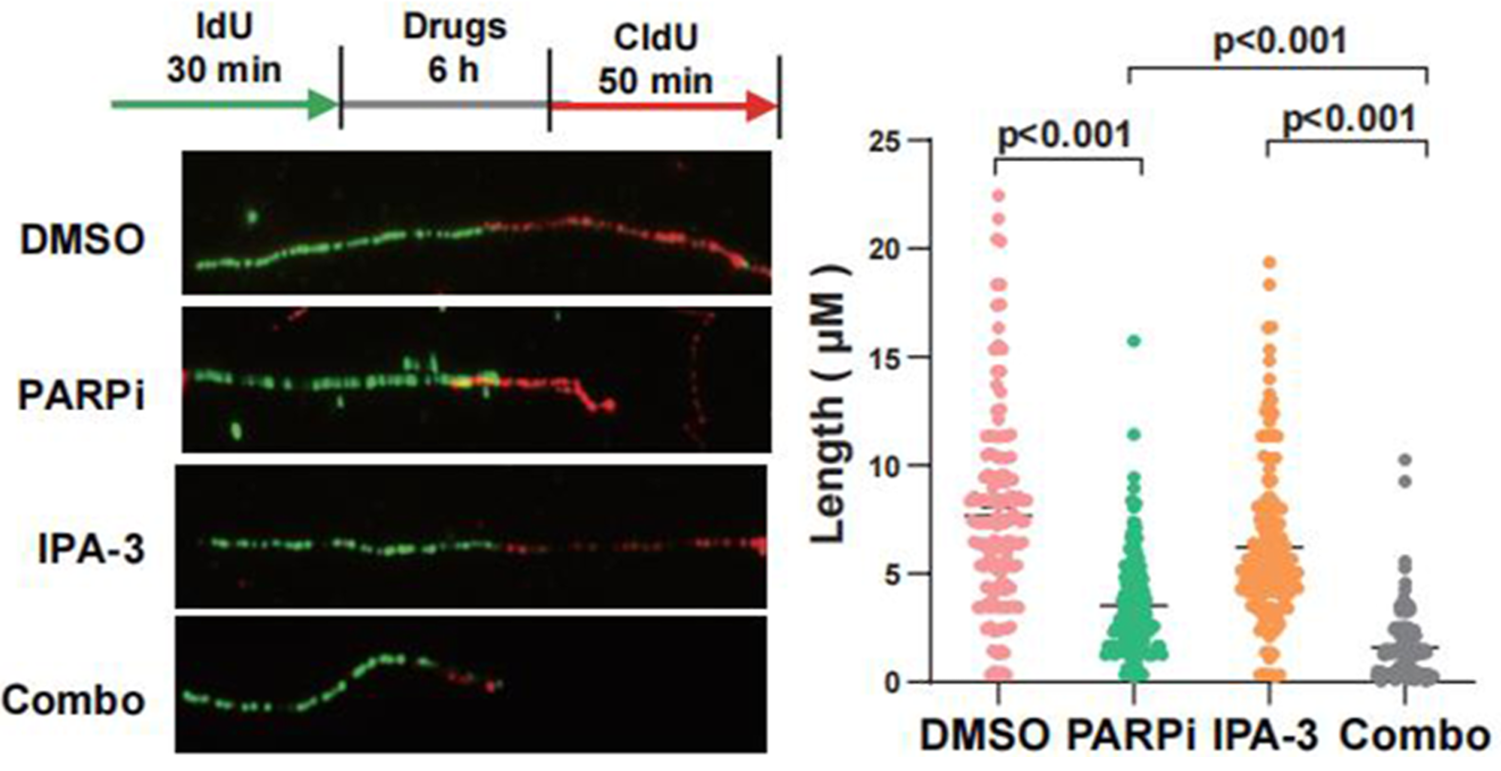
DNA fiber assay for the lengths of CIdU (red) tracts in Ovcar8 cells treated with olaparib, IPA-3 (10 μM), or their combination for 6 h: representative images and quantification.
IPA-3 purchased from MedChemExpress. Usage Cited in: Genes Dis. 2025 Oct 21.
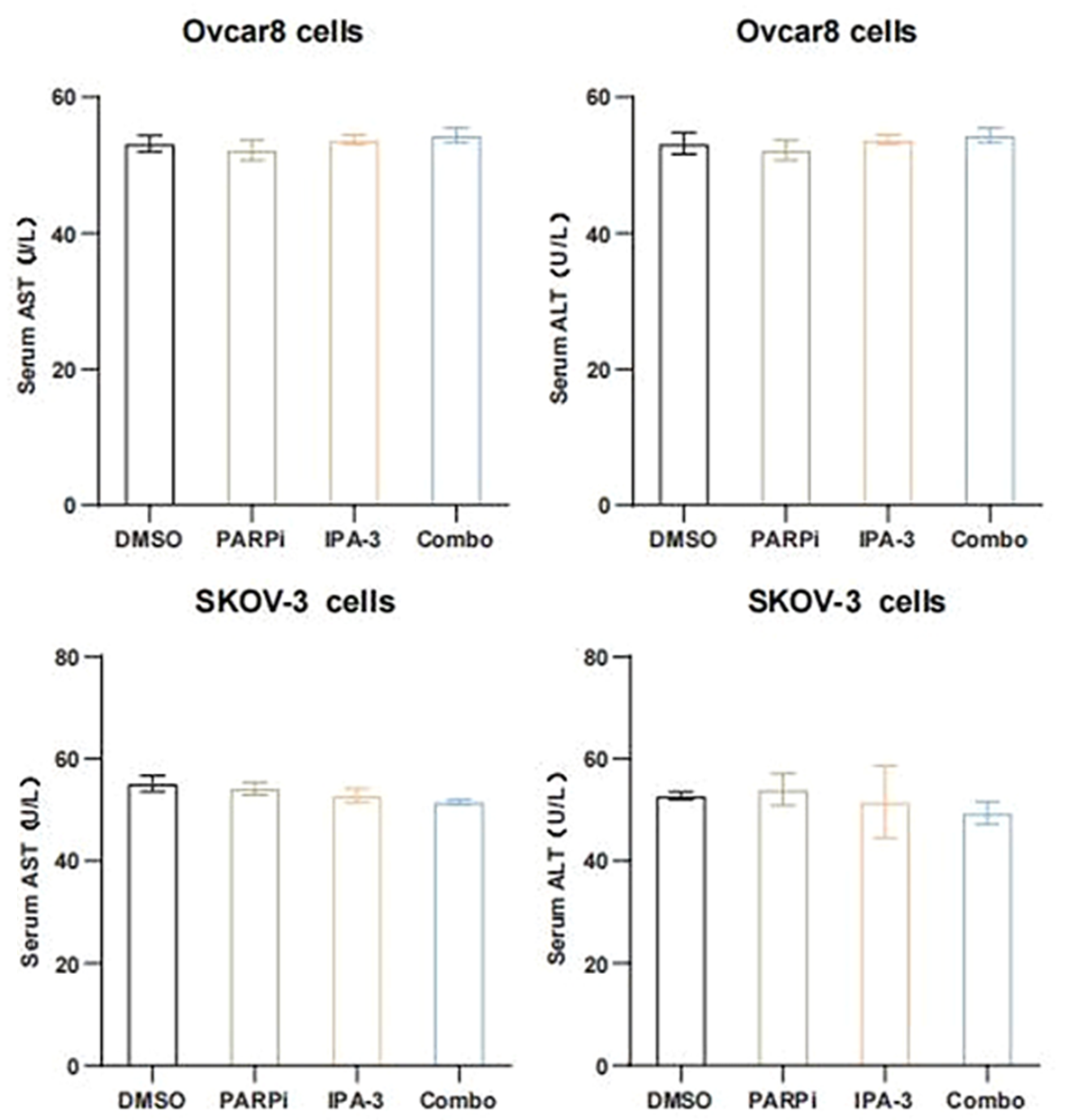
Serum AST and ALT were measured for Ovcar8 and SKOV-3 xenografts. The results showed that IPA-3 (10 mg/kg; i.p.; 3 days × 6 times) did not affect the levels of serum AST and ALT in mice.
IPA-3 purchased from MedChemExpress. Usage Cited in: Genes Dis. 2025 Oct 21.
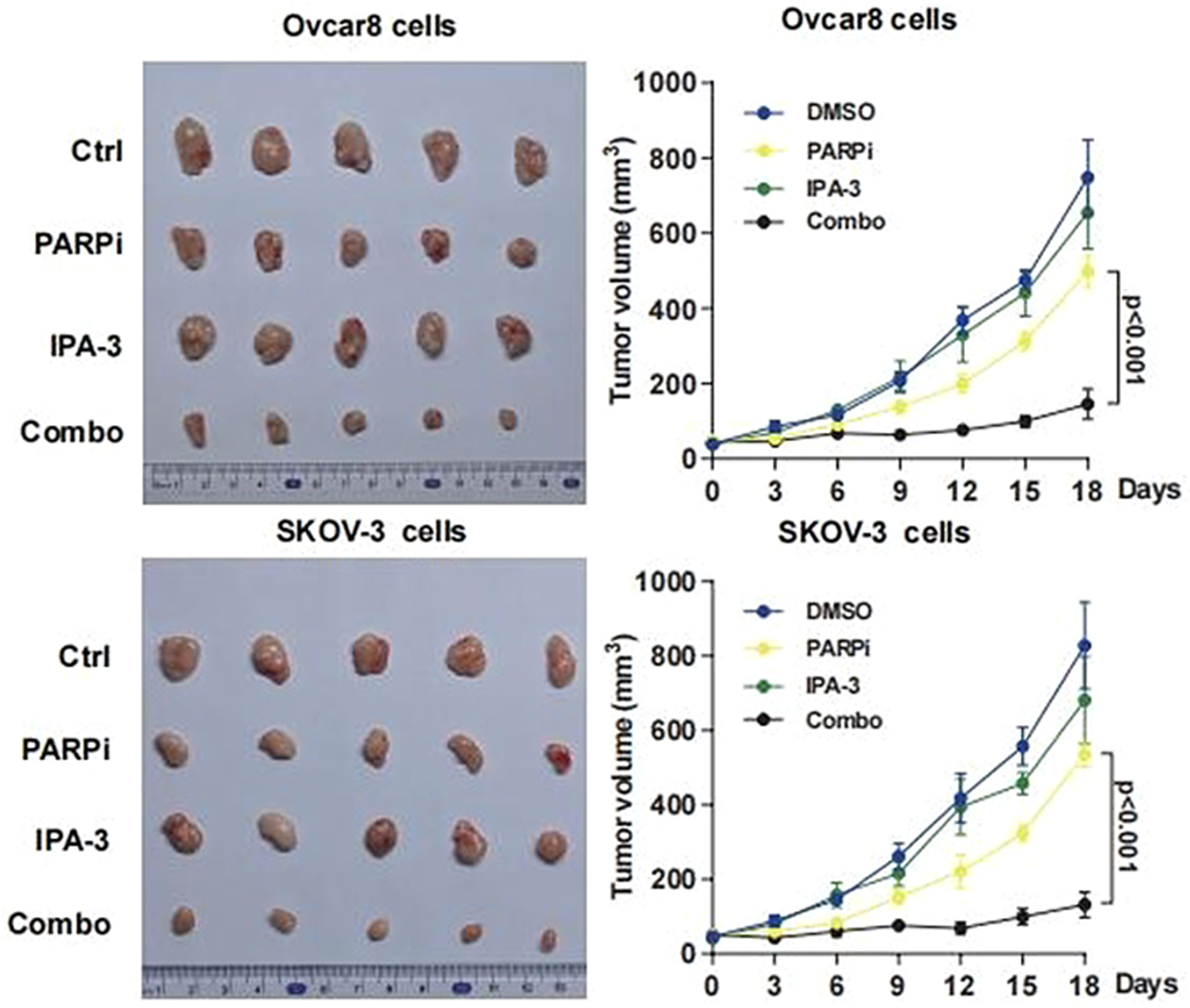
IPA-3 (10 mg/kg; i.p.; 3 days × 6 times). Tumor images and growth curves for Ovcar8 and SKOV-3 xenografts. Data were expressed as mean ± standard error of the mean from five independent samples. Statistical significance was assessed by a two-tailed unpaired t-test.
IPA-3 purchased from MedChemExpress. Usage Cited in: Genes Dis. 2025 Oct 21.
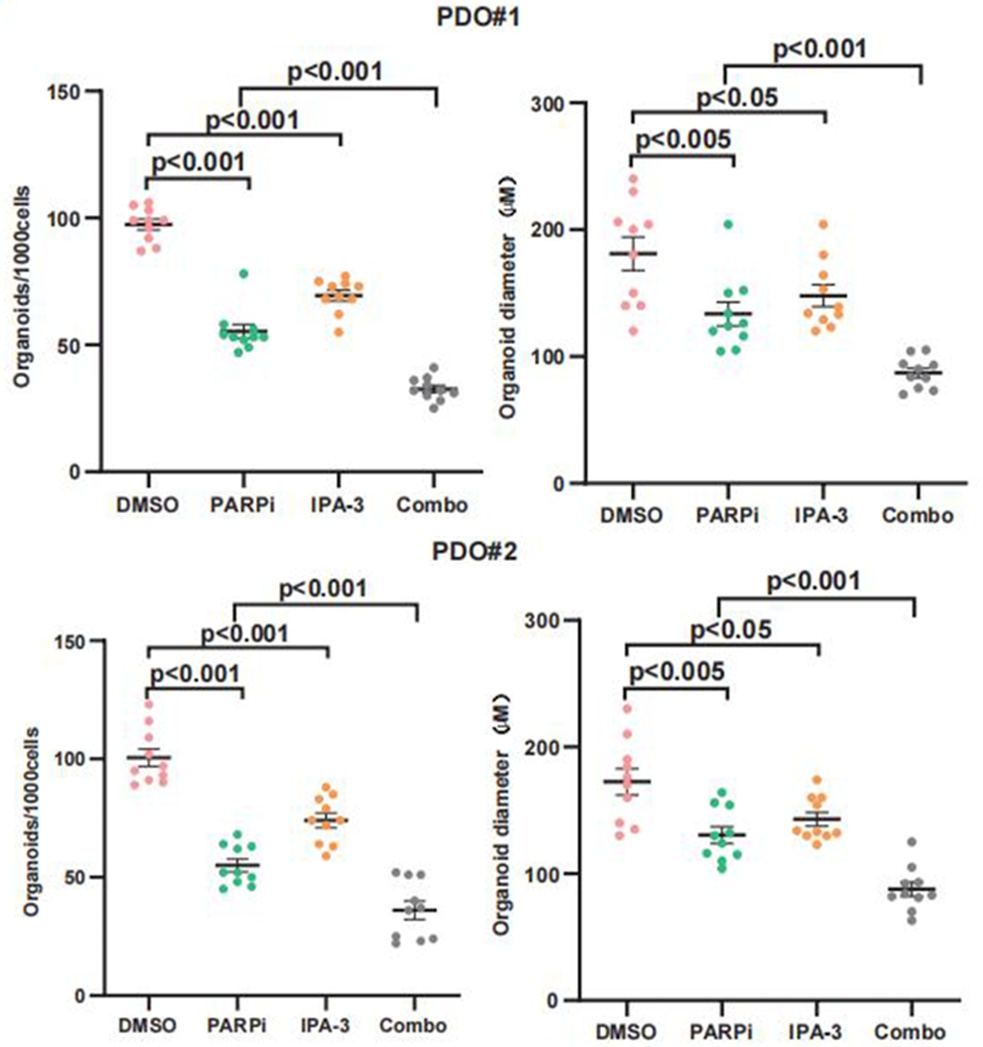
Ovarian cancer organoids were treated with IPA-3 (200 nM), olaparib (200 nM), or both for 3 days. The results showed that the reduced formation and smaller diameter of the two organoids indicated that the combination of the two agents exhibited synergistic cytotoxicity in the ex vivo model.
-
Cell Rep
2022 Nov 15;41(7):111636. PMID: 36384121 -
Front Immunol
Mannose Receptor Mediates the Activation of Chitooligosaccharides on Blunt Snout Bream ( Megalobrama amblycephala) Macrophages. [Abstract]2021 Aug 2;12:686846. PMID: 34408745 -
Int J Mol Sci
2024 Sep 21;25(18):10138. PMID: 39337621 -
Mol Med Rep
P21‑activated kinase 1 mediates angiotensin II‑induced differentiation of human atrial fibroblasts via the JNK/c‑Jun pathway. [Abstract]2021 Mar;23(3):207. PMID: 33495806 -
Comput Struct Biotechnol J
Dependence of SARS-CoV-2 infection on cholesterol-rich lipid raft and endosomal acidification. [Abstract]2021:19:1933-1943. PMID: 33850607 -
J Virol
In vivo investigation of PEDV transmission via nasal infection: mechanisms of CD4+ T-cell-mediated intestinal infection. [Abstract]2025 Apr 15;99(4):e0176124. PMID: 40094365 -
J Virol
The Rac1-PAK1-Arp2/3 signaling axis regulates CHIKV nsP1-induced filopodia and optimal viral genome replication. [Abstract]2024 Oct 22;98(10):e0061224. PMID: 39297643 -
J Virol
Seneca Valley Virus Enters PK-15 Cells via Caveolae-Mediated Endocytosis and Macropinocytosis Dependent on Low-pH, Dynamin, Rab5, and Rab7. [Abstract]2022 Dec 21;96(24):e0144622. PMID: 36472440 -
J Virol
Microfilaments and microtubules alternately coordinate the multi-step endosomal trafficking of Classical Swine Fever Virus. [Abstract]2021 Feb 24;95(10):e02436-20. PMID: 33627389 -
-
Cell Biochem Funct
Increased Fascin1 and Pak1 Expressions Enhance Age-Associated B-Cell Actin Cytoskeleton Remodeling and Motility. [Abstract]2025 Jun;43(6):e70090. PMID: 40500987 -
ChemMedChem
Identification of Balanol as a potential inhibitor of PAK1 that induces apoptosis and cytoprotective autophagy in colorectal cancer cells. [Abstract]2023 Sep 1;18(17):e202300114. PMID: 37323074 -
Vet Microbiol
Epidermal growth factor receptor (EGFR) promotes uptake of bovine parainfluenza virus type 3 into MDBK cells. [Abstract]2022 Aug:271:109488. PMID: 35691094 -
Exp Hematol
Inhibition of PAK1 generates an ameliorative effect on MPLW515L mouse model of myeloproliferative neoplasms by regulating the differentiation and survival of the megakaryocytes. [Abstract]2023 Nov:127:59-69.e2. PMID: 37741606 -
J Mol Histol
Acupuncture modulates actin homeostasis and promotes myelin sheath regeneration in rat models of intracerebral hemorrhage. [Abstract]2026 Mar 17;57(2):112. PMID: 41843282 -
-
Oncotarget
Invasive Fusobacterium nucleatum activates beta-catenin signaling in colorectal cancer via a TLR4/P-PAK1 cascade. [Abstract]2017 May 9;8(19):31802-31814. PMID: 28423670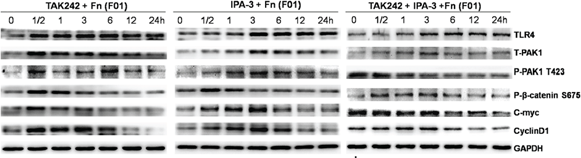
IPA-3 purchased from MedChemExpress. Usage Cited in: Oncotarget. 2017 May 9;8(19):31802-31814. [Abstract]
Activation of the β-catenin signaling pathway by Fn (F01) can be inhibited by both the TLR4 inhibitor (TAK-242) and PAK1 inhibitor (IPA-3).


Solvent & Solubility
In Vitro:
DMSO : 41.67 mg/mL (118.90 mM; ultrasonic and warming and heat to 60°C; Hygroscopic DMSO has a significant impact on the solubility of product, please use newly opened DMSO)
Please refer to the solubility information to select the appropriate solvent. Once prepared, please aliquot and store the solution to prevent product inactivation from repeated freeze-thaw cycles.
Storage method and period of stock solution: -80°C, 1 year; -20°C, 6 months. When stored at -80°C, please use it within 1 year. When stored at -20°C, please use it within 6 months.
Please refer to the solubility information to select the appropriate solvent. Once prepared, please aliquot and store the solution to prevent product inactivation from repeated freeze-thaw cycles.
Storage method and period of stock solution: -80°C, 1 year; -20°C, 6 months. When stored at -80°C, please use it within 1 year. When stored at -20°C, please use it within 6 months.
Concentration (start) × Volume (start) = Concentration (final) × Volume (final)
In Vivo:
Select the appropriate dissolution method based on your experimental animal and administration route.
- For the following dissolution methods, please ensure to first prepare a clear stock solution using an In Vitro approach and then sequentially add co-solvents:
- To ensure reliable experimental results, the clarified stock solution can be appropriately stored based on storage conditions. As for the working solution for In Vivo experiments, it is recommended to prepare freshly and use it on the same day.
- The percentages shown for the solvents indicate their volumetric ratio in the final prepared solution. If precipitation or phase separation occurs during preparation, heat and/or sonication can be used to aid dissolution.
Add each solvent one by one: 10% DMSO 40% PEG300 5% Tween-80 45% Saline
Solubility: 2.5 mg/mL (7.13 mM); Clear solution; Need ultrasonic
This protocol yields a clear solution of 2.5 mg/mL.
Taking 1 mL working solution as an example, add 100 μL DMSO stock solution (25.0 mg/mL) to 400 μL PEG300, and mix evenly; then add 50 μL Tween-80 and mix evenly; then add 450 μL Saline to adjust the volume to 1 mL.
Preparation of Saline: Dissolve 0.9 g sodium chloride in ddH₂O and dilute to 100 mL to obtain a clear Saline solution.
Add each solvent one by one: 10% DMSO 90% (20% SBE-β-CD in Saline)
Solubility: 2.5 mg/mL (7.13 mM); Suspended solution; Need ultrasonic
This protocol yields a suspended solution of 2.5 mg/mL. Suspended solution can be used for oral and intraperitoneal injection.
Taking 1 mL working solution as an example, add 100 μL DMSO stock solution (25.0 mg/mL) to 900 μL 20% SBE-β-CD in Saline, and mix evenly.
Preparation of 20% SBE-β-CD in Saline (4°C, storage for one week): 2 g SBE-β-CD powder is dissolved in 10 mL Saline, completely dissolve until clear.
In Vivo Dissolution Calculator
Please enter the basic information of animal experiments:
-
-
-
-
Recommended: Prepare an additional quantity of animals to account for potential losses during experiments.
Please enter your animal formula composition:
-
%DMSO +
Recommended: Keep the proportion of DMSO in working solution below 2% if your animal is weak.
-
%+
-
+%Tween-80 + +
-
%Saline +
The co-solvents required include: DMSO, . All of co-solvents are available by MedChemExpress (MCE). , Tween 80. All of co-solvents are available by MedChemExpress (MCE).
Working solution concentration: 0.22 mg/mL
Method for preparing stock solution: mg drug dissolved in μL DMSO. Stock solution concentration: mg/mL.
1. Take μL DMSO stock solution;
2. Add μL .
μL , mix evenly;
3. Then add μL Tween 80, mix evenly;
4. Then add μL
Please ensure that the stock solution in the first step is dissolved to a clear state, and add co-solvents in sequence. You can use ultrasonic heating (ultrasonic cleaner, recommended frequency 20-40 kHz), vortexing, etc. to assist dissolution.


Purity & Documentation
-
Data Sheet (283 KB)
-
SDS (620 KB)
- English - EN (620 KB)
- Français - FR (620 KB)
- Deutsch - DE (620 KB)
- Norwegian - NO (620 KB)
- Español - ES (620 KB)
- Swedish - SV (620 KB)
- Italian - IT (620 KB)
- Korean - KR (620 KB)
- Portuguese - PT (620 KB)
-
Handling Instructions (2659 KB)
References
[1]. Viaud J, et al. An allosteric kinase inhibitor binds the p21-activated kinase autoregulatory domain covalently. Mol Cancer Ther. 2009 Sep;8(9):2559-65. [Content Brief]
[2]. Flaiz C, et al. PAK kinase regulates Rac GTPase and is a potential target in human schwannomas. Exp Neurol. 2009 Jul;218(1):137-44. [Content Brief]
[3]. Deacon SW, et al. An isoform-selective, small-molecule inhibitor targets the autoregulatory mechanism of p21-activated kinase. Chem Biol. 2008 Apr;15(4):322-31 [Content Brief]


Complete Stock Solution Preparation Table
Please refer to the solubility information to select the appropriate solvent. Once prepared, please aliquot and store the solution to prevent product inactivation from repeated freeze-thaw cycles.
Storage method and period of stock solution: -80°C, 1 year; -20°C, 6 months. When stored at -80°C, please use it within 1 year. When stored at -20°C, please use it within 6 months.
| Optional Solvent | Concentration Solvent Mass | 1 mg | 5 mg | 10 mg | 25 mg |
|---|---|---|---|---|---|
| DMSO | 1 mM | 2.8535 mL | 14.2674 mL | 28.5347 mL | 71.3369 mL |
| 5 mM | 0.5707 mL | 2.8535 mL | 5.7069 mL | 14.2674 mL | |
| 10 mM | 0.2853 mL | 1.4267 mL | 2.8535 mL | 7.1337 mL | |
| 15 mM | 0.1902 mL | 0.9512 mL | 1.9023 mL | 4.7558 mL | |
| 20 mM | 0.1427 mL | 0.7134 mL | 1.4267 mL | 3.5668 mL | |
| 25 mM | 0.1141 mL | 0.5707 mL | 1.1414 mL | 2.8535 mL | |
| 30 mM | 0.0951 mL | 0.4756 mL | 0.9512 mL | 2.3779 mL | |
| 40 mM | 0.0713 mL | 0.3567 mL | 0.7134 mL | 1.7834 mL | |
| 50 mM | 0.0571 mL | 0.2853 mL | 0.5707 mL | 1.4267 mL | |
| 60 mM | 0.0476 mL | 0.2378 mL | 0.4756 mL | 1.1889 mL | |
| 80 mM | 0.0357 mL | 0.1783 mL | 0.3567 mL | 0.8917 mL | |
| 100 mM | 0.0285 mL | 0.1427 mL | 0.2853 mL | 0.7134 mL |


IPA-3 Related Classifications
HY-15663 Related Classifications
 Powered by Bioz