2438 Results for "

decrease

" in MedChemExpress (MCE) Product Catalog:
Products (2438)

2438 Results for "decrease" in MCE Product Catalog:

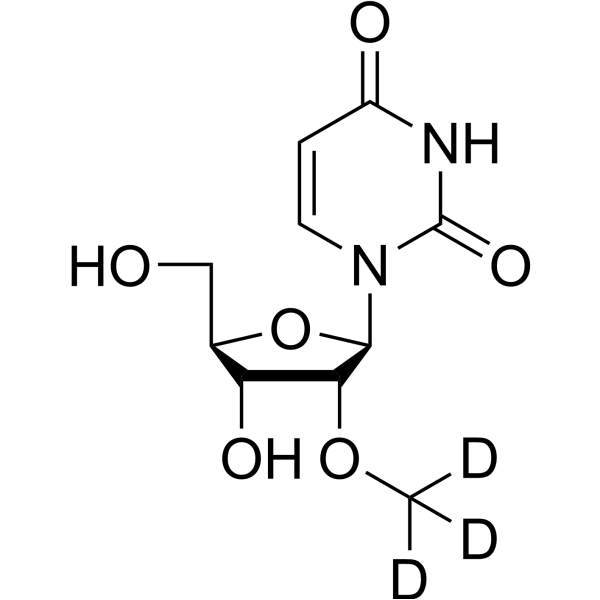
Cat. No.: HY-W011824S
2′-O-Methyluridine-d3 is deuterium labeled 2′-O-Methyluridine (HY-W011824).2’-O-Methyluridine is a modified nucleoside that can be found in T. thermophile tRNA. 2’-O-Methyluridine level in serum is decreased in patients with breast cancer .
loading...
    loading...
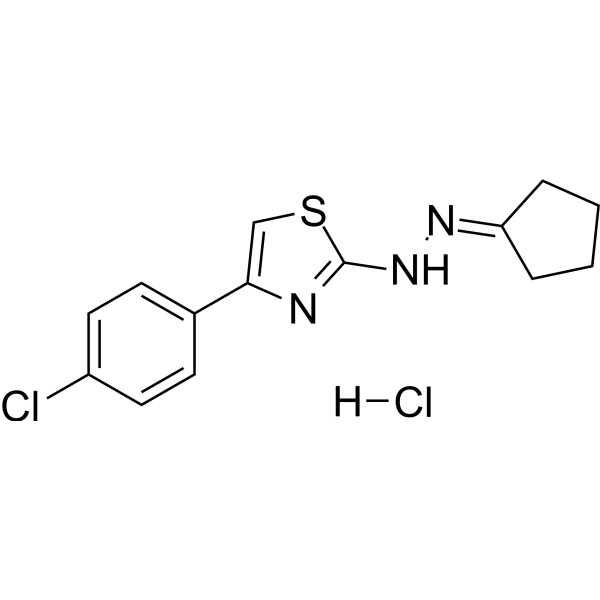
Cat. No.: HY-W013274A
CAS No.: 2108899-91-6
Domaines de recherche:  

Cancer

CPTH2 hydrochloride is a potent histone acetyltransferase (HAT) inhibitor. CPTH2 hydrochloride selectively inhibits the acetylation of histone H3 by Gcn5. CPTH2 hydrochloride induces apoptosis and decreases the invasiveness of a clear cell renal carcinoma (ccRCC) cell line through the inhibition of acetyltransferase p300 (KAT3B) .
loading...
    loading...
Cat. No.: HY-W013816R
CAS No.: 131-18-0
Domaines de recherche:  

Metabolic Disease

Dipentyl phthalate (Standard) is the analytical standard of Dipentyl phthalate. This product is intended for research and analytical applications. Dipentyl phthalate is an endocrine-disrupting phthalate plasticizer. Dipentyl phthalate increases AMPK phosphorylation and decreases AKT1 phosphorylation and SIRT1 levels. Dipentyl phthalate reduces adrenocorticotropic hormone levels. Dipentyl phthalate is a testicular toxicant .
loading...
    loading...
Cat. No.: HY-116195R
CAS No.: 126-91-0
Pureté:  98.10%
Synonyms: (-)-Linalool (Standard)
L-Linalool (Standard) ((-)-Linalool (Standard)) is the analytical standard of L-Linalool (HY-116195). This product is intended for research and analytical applications. L-Linalool ((-)-Linalool) is a naturally derived monoterpene alcohol with oral activity, possessing neuroprotective, anti-inflammatory, and antioxidant activities. L-Linalool is a 5-HT3 receptor inhibitor and a benzodiazepine-responsive GABAA receptor enhancer. L-Linalool reduces nitrite and lipid peroxidation in the brain and partially prevents the decrease of striatal dopamine, DOPAC, and HVA. L-Linalool exhibits neuroprotective effects in hemiparkinsonian rats, cortical oxygen-glucose deprivation injury, and Alzheimer's disease models. L-Linalool prevents the decrease in tyrosine hydroxylase and dopamine transporter expression. L-Linalool can be used in research related to diseases such as Parkinson's disease and Alzheimer's disease .
loading...
    loading...
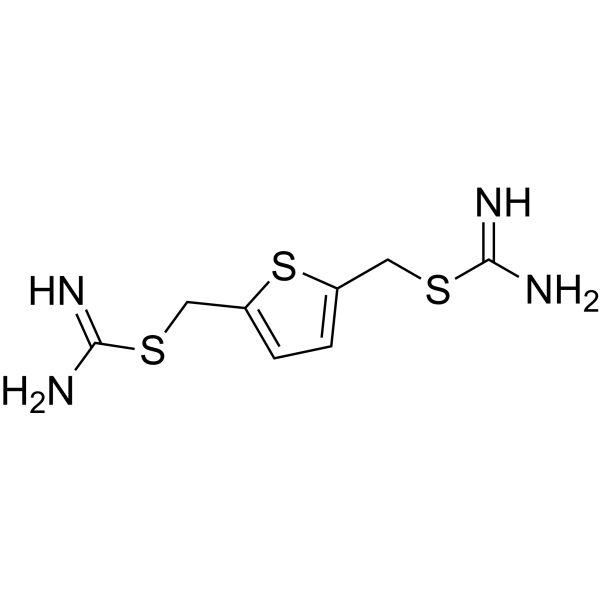
Cat. No.: HY-13769
CAS No.: 769856-81-7
Synonyms: TPU260
TPT-260 (TPU260), a thiophene thiourea derivative, is a retromer complex stabilizer against thermal denaturation (Kd = ~5 µM). TPT-260 increases the levels of retromer proteins, shifts amyloid-precursor protein (APP) away from the endosome, and decreases the pathogenic processing of APP. TPT-260 inhibits TLR4 upregulation, IKKβ phosphorylation, NF-κB p65 nuclear translocation, and NLRP3 inflammasome formation. TPT-260 improves retromer-mediated cargo trafficking, reduces brain infarct area, and decreases amyloid plaque deposition. TPT-260 exhibits minimal cytotoxicity to primary microglia at tested concentrations. TPT-260 can be used for the research of inflammatory bowel disease, ischemic stroke and Alzheimer's disease .
loading...
    loading...
Cat. No.: HY-145748
CAS No.: 188630-47-9
SYUIQ-5 is a G-quadruplex stabilizer. SYUIQ-5 stabilizes the c-myc promoter G-quadruplex, the VEGF promoter G-quadruplex, and the telomeric G-quadruplex. SYUIQ-5 selectively inhibits telomerase but not Taq polymerase, while decreasing c-myc/hTERT expression and dissociating NM23-H2. SYUIQ-5 induces growth arrest, senescence, autophagy, DNA damage response, telomere shortening, and apoptosis, accompanied by upregulation of p16/p21/p27, decreased TRF2, and pro-catabolic myotube changes. SYUIQ-5 can be used for research on leukemia, colon cancer, cervical cancer, nasopharyngeal carcinoma, Burkitt lymphoma, and sarcopenia .
loading...
    loading...
Cat. No.: HY-161116
CAS No.: 2306525-79-9
Domaines de recherche:  

Cancer

AD-5584 is a selective and blood-brain barrier-penetrant ACSS2 inhibitor (IC50 = 0.86 μM). AD-5584 binds to the nucleotide-binding pocket of ACSS2, blocking CoA binding and acetyl transfer through steric hindrance, thereby inhibiting the conversion of acetate to acetyl-CoA. AD-5584 decreases acetyl-CoA levels, lipid droplet content, FASN expression, E2F1, SLC7A11, and GPX4 levels, and reduces E2F1 occupancy at the SLC7A11 promoter. AD-5584 induces ferroptosis, lipid peroxidation, malondialdehyde accumulation, and cell death, and decreases clonogenic survival and proliferative capacity. AD-5584 can be used for research on breast cancer brain metastasis .
loading...
    loading...
Cat. No.: HY-B0871
CAS No.: 84087-01-4
Domaines de recherche:  

Others

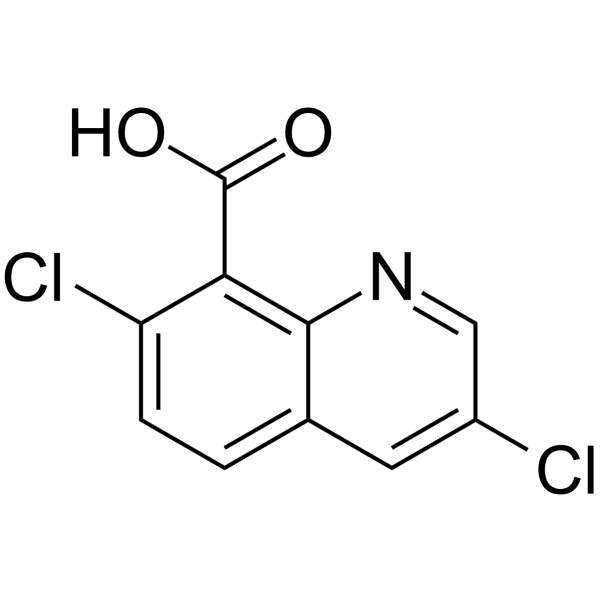
Quinclorac is a highly selective quinoline carboxylic acid synthetic auxin herbicide. Quinclorac weakly inhibits HPPD, accompanied by a transient decrease in carotenoids. Quinclorac upregulates ACC synthase (ACS), leading to the co-accumulation of ethylene and cyanide, while increasing the ABA/IAA ratio, which induces ROS burst, membrane lipid peroxidation (MDA) and lethal growth inhibition. Residual Quinclorac in soil can cause abnormal growth of subsequent tobacco crops. In calli of Phaseolus vulgaris, Quinclorac induces oxidative stress (increased MDA and decreased RGR), but cells after stepwise pressurized acclimation acquire a constitutive antioxidant state, which remains stable after de-acclimation and tolerates oxidative damage caused by Quinclorac. Quinclorac can be used in studies related to herbicide action mechanisms, bioremediation of soil residues, and adaptive responses of plant cells to oxidative stress .
loading...
    loading...
Cat. No.: HY-N0859R
CAS No.: 69363-14-0
Synonyms: Schizanhenol (Standard); Gomisin-K3 (Standard)
Schisanhenol (Standard) (Schizanhenol (Standard)) is the analytical standard of Schisanhenol (HY-N0859). This product is intended for research and analytical applications. Schisanhenol, a lignan, is an orally active antioxidant. Schisanhenol reduces AChE activity, increases SIRT1 and PGC-1α expression, and decreases phosphorylated Tau (Ser 396) levels. Schisanhenol increases SOD and glutathione peroxidase activity, decreases malondialdehyde (MDA) content, and inhibits UGT2B7 activitY. Schisanhenol attenuates ox-LDL-induced apoptosis, intracellular reactive oxygen species generation, and cytotoxicity in endothelial cells. Schisanhenol inhibits LDL oxidation, brain mitochondrial and membrane peroxidative damage, and brain mitochondrial swelling and disintegration. Schisanhenol can be used for the research of Alzheimer’s disease, atherosclerosis, brain ischemia, and age-related brain deterioration.
loading...
    loading...
Cat. No.: HY-N19791
CAS No.: 13410-15-6
6-Methoxymellein, a phytoalexin, is a NF-κB inhibitor. 6-Methoxymellein reduces nuclear localization and DNA binding activity of NF-κB p65 and p50 subunits. 6-Methoxymellein decreases mRNA transcription and secretion of IL-6 and IL-8. 6-Methoxymellein reduces the proportion of CD44 +/CD24 − breast cancer cells, decreases expression of c-Myc, Sox-2 and Oct4, inhibits proliferation and migration of breast cancer cells, and reduces mammosphere growth. 6-Methoxymellein inhibits fungal growth of Trichophyton rubrum and Botrytis cinerea, and inhibits Trichophyton rubrum biofilm formation via hyphal disintegration. 6-Methoxymellein can be used for the research of breast cancer, tinea corporis, and carrot post-harvest storage rot .
loading...
    loading...
Cat. No.: HY-N19801
CAS No.: 54627-18-8
N-Palmitoyl-D-glucosamine is an orally active TLR4 antagonist. N-Palmitoyl-D-glucosamine stably binds MD-2 with, preventing LPS-induced NF-κB signaling, decreases pro-inflammatory cytokines (IL-1β, TNF-α, and IL-6), increases anti-inflammatory IL-10 and IL-1rα, and normalizes miR-20a-5p, miR-106a-5p, and miR-27a-3p levels. N-Palmitoyl-D-glucosamine decreases allodynia and prevents myelino-axonal degeneration of peripheral nerves. N-Palmitoyl-D-glucosamine can be used for the researches of keratitis and peripheral neuropathy .
loading...
    loading...
Cat. No.: HY-W581820
CAS No.: 10030-90-7
Synonyms: Ferrous succinate
Domaines de recherche:  

Cardiovascular Disease

Iron(II) succinate (Ferrous succinate) is an orally active and organic acid iron supplement (ferrous salt). Iron(II) succinate improves hematological parameters in iron-deficiency anemia rats, including hemoglobin, red blood cells, hematocrit, mean corpuscular volume, mean corpuscular hemoglobin, and mean corpuscular hemoglobin concentration. Iron(II) succinate increases serum ferritin, serum iron levels, and transferrin saturation, while decreasing total iron-binding capacity in iron-deficiency anemia rats. Iron(II) succinate reduces the elevated heart, spleen, and kidney coefficients, and increases the decreased liver coefficient in iron-deficiency anemia rats. Iron(II) succinate replenishes the depleted iron content in the liver and spleen of iron-deficiency anemia rats. Iron(II) succinate can be used for the research of iron-deficiency anemia .
loading...
    loading...
Cat. No.: HY-101480
CAS No.: 6443-50-1
Target:  

5-HT Receptor

Domaines de recherche:  

Neurological Disease

Xylamidine is a peripheral 5-HT receptor antagonist used to investigate possible peripheral appetite suppressant effects of 5-hydroxytryptophan (5-HTP) and fenfluramine. In a 1-hour food intake test, xylamidine attenuated the decrease in food intake induced by 5-HT and 5-HTP, but had no effect on fenfluramine, suggesting that the appetite suppressant effect of 5-HTP is mediated in part through peripheral 5-HT receptors. Microstructural analysis revealed that 5-HTP and fenfluramine induced a decrease in food intake rate and a reduction in feeding batch size. Xylamidine reversed the effects of 5-HTP on food intake rate and induced a slight increase in feeding batch size itself, thus, the peripheral effect of 5-HTP appears to be to slow food intake rate. No effect of xylamidine on fenfluramine-induced changes in feeding was observed. The results suggest that the appetite suppressant effects of 5-HTP and fenfluramine are differentiated based on the peripheral effects of 5-HTP. The peripheral effects of 5-HTP are distinct from the previously reported 5-HT-induced decreases in feeding batch size and duration. Possible mechanisms underlying the differences in peripheral effects of 5-HT and 5-HTP are discussed.
loading...
    loading...
Cat. No.: HY-100775AR
CAS No.: 1002101-19-0
Synonyms: Setogepram (Standard); PBI-4050 (Standard)
Fezagepras (Standard) is the analytical standard of Fezagepras. This product is intended for research and analytical applications. Fezagepras (Setogepram) acts as an orally active agonist for GPR40 and as an antagonist or inverse agonist for GPR84 . Fezagepras decreases renal, liver and pancreatic fibrosis . Fezagepras exerts anti-fibrotic, anti-inflammatory and anti-proliferative actions .
loading...
    loading...
Cat. No.: HY-100775R
CAS No.: 1254472-97-3
Synonyms: Setogepram sodium (Standard); PBI-4050 sodium (Standard)
Fezagepras (sodium) (Standard) is the analytical standard of Fezagepras (sodium). This product is intended for research and analytical applications. Fezagepras (Setogepram) sodium acts as an orally active agonist for GPR40 and as an antagonist or inverse agonist for GPR84 . Fezagepras sodium decreases renal, liver and pancreatic fibrosis . Fezagepras sodium exerts anti-fibrotic, anti-inflammatory and anti-proliferative actions .
loading...
    loading...
Cat. No.: HY-107855S
CAS No.: 347840-19-1
Pureté:  99.27%
Synonyms: (±)-Mevalonolactone-d7; Mevalolactone-d7
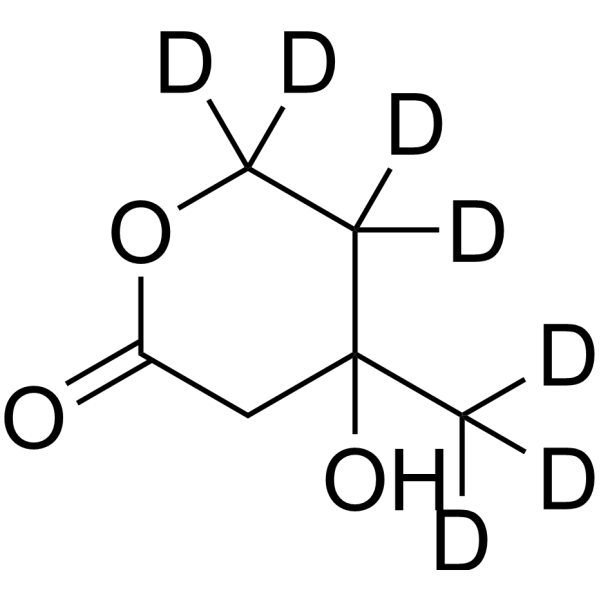
DL-Mevalonolactone-d7 is the deuterium labeled DL-Mevalonolactone. DL-Mevalonolactone ((±)-Mevalonolactone) is the δ-lactone form of mevalonic acid, a precursor in the mevalonate pathway. DL-Mevalonolactone (Mevalonolactone) decreases mitochondrial membrane potential (?Ψm), NAD(P)H content and the capacity to retain Ca2+ in the brain, besides inducing mitochondrial swelling .
loading...
    loading...
Cat. No.: HY-109120S1
Synonyms: A4250-13C6
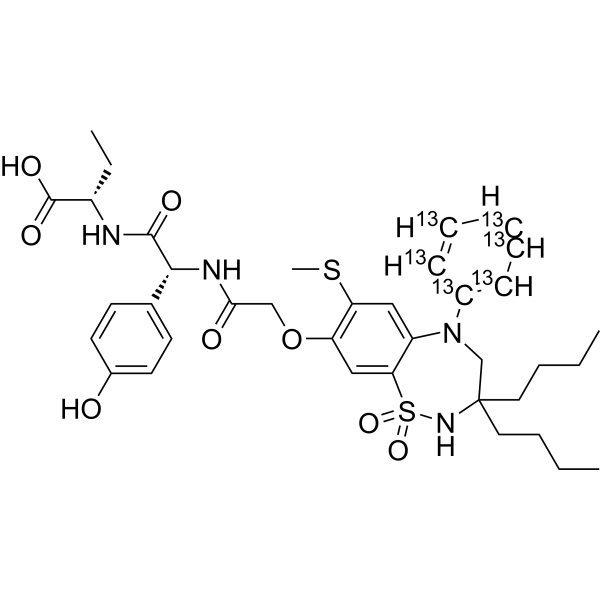
Odevixibat- 13C6 is 13C labeled Odevixibat (HY-109120). Odevixibat (A4250) is a selective and orally active ileal apical sodium-dependent bile acid transporter (ASBT) inhibitor. Odevixibat decreases cholestatic liver and bile duct injury in mice model. Odevixibat has the potential for the treatment of primary biliary cirrhosis .
loading...
    loading...
Cat. No.: HY-109567
CAS No.: 183293-82-5
Pureté:  99.91%
Synonyms: PD-72953
Target:  

LDLR

Domaines de recherche:  

Metabolic Disease Inflammation/Immunology

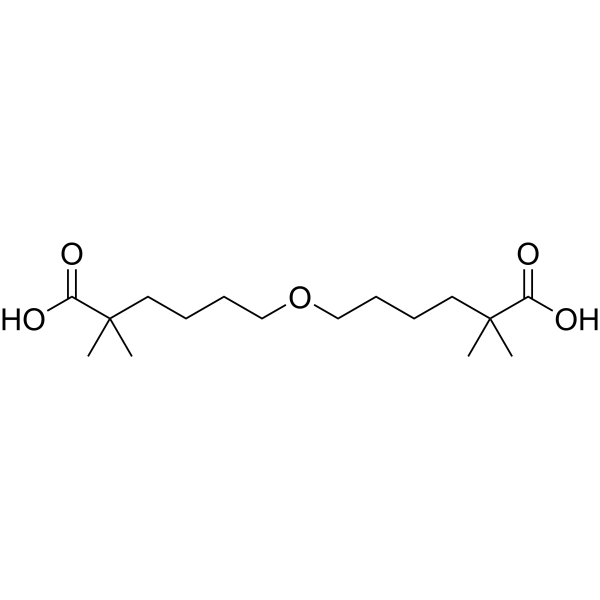
Gemcabene (PD-72953), a first-in-class lipid-lowering agent, lowers low-density lipoprotein cholesterol (LDL-C), decreases triglycerides, and raises high-density lipoprotein cholesterol (HDL-C) and lowers pro-inflammatory acute-phase protein, C-reactive protein (CRP), exerting anti-inflammatory activity .
loading...
    loading...
Cat. No.: HY-110347
CAS No.: 1883548-93-3
Target:  

Mps1

Domaines de recherche:  

Cancer

Mps1-IN-1 dihydrochloride is a potent and ATP-competitive Mps1 kinase inhibitor with an IC50 of 367 nM. Mps1-IN-1 dihydrochloride inhibit Mps1 mitotic kinase activity and abrogates spindle assembly checkpoint (SAC) function. Mps1-IN-1 dihydrochloride decreases the viability of both cancer and ‘normal’ cells .
loading...
    loading...
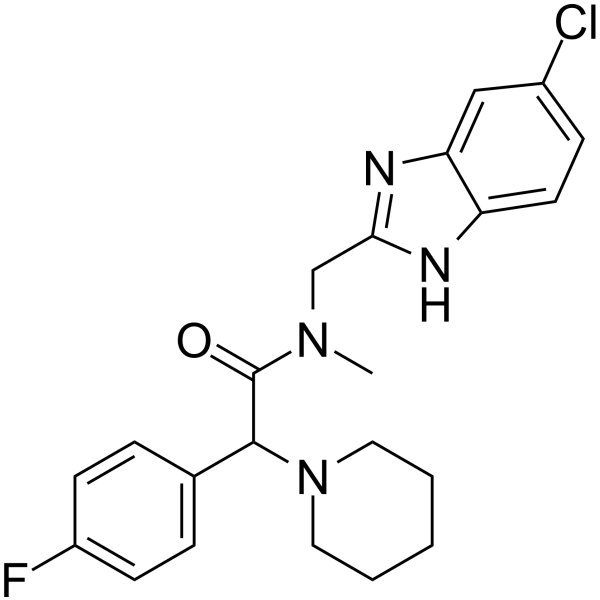
Cat. No.: HY-111366
CAS No.: 1952239-59-6
Target:  

ROR

Domaines de recherche:  

Inflammation/Immunology

CD12681 (compound 14) is a potent and selective RORγ inverse agonist with IC50 of 19 nM and 10 nM for RORγ GAL4 and CD4-IL-17 cells, respectively. CD12681 decreases the IL-17 inflammatory cell recruitment. CD12681 has the potential for the research of psoriasis .
loading...
    loading...

