



29699-89-6

Chemical Structure
Sulfamethoxazole-NO
Synonym(s): SMX-NO
- CAS No.: 29699-89-6
- Formula:C10H9N3O5S
- Molecular Weight:283.26
IUPAC Name: 26-(4-nonylphenoxy)-3,6,9,12,15,18,21,24-octaoxahexacosan-1-ol
InChIKey: XHJLDAHBWWMCRZ-UHFFFAOYSA-N
SMILES: O=S(C1=CC=C([N+]([O-])=O)C=C1)(NC2=NOC(C)=C2)=O
Biological Activity: Sulfamethoxazole-NO (SMX-NO) is a haptenizing immunogen. Sulfamethoxazole-NO reduces NF-kB signaling, induces AP-1 signaling, and depletes cysteine, glutathione, and ascorbic acid. Sulfamethoxazole-NO forms covalently haptenized proteins and antigens, activates MHC-restricted T cells and CD4+ T cells, and upregulates dendritic cell CD40. Sulfamethoxazole-NO induces apoptosis, necrosis, methemoglobin formation, and cytotoxicity accompanied by loss of membrane integrity. Sulfamethoxazole-NO inhibits neutrophil function and oxidative metabolism. Sulfamethoxazole-NO can be used for research on hypersensitivity reactions[1][2][3][4][5][6][7].
| Cat. No. | Product Name | Purity | Description | Pricing | |||||||||||||||||||
|---|---|---|---|---|---|---|---|---|---|---|---|---|---|---|---|---|---|---|---|---|---|---|---|
|
|
Sulfamethoxazole-NO | Sulfamethoxazole-NO (SMX-NO) is a haptenizing immunogen. Sulfamethoxazole-NO reduces NF-kB signaling, induces AP-1 signaling, and depletes cysteine, glutathione, and ascorbic acid. Sulfamethoxazole-NO forms covalently haptenized proteins and antigens, activates MHC-restricted T cells and CD4+ T cells, and upregulates dendritic cell CD40. Sulfamethoxazole-NO induces apoptosis, necrosis, methemoglobin formation, and cytotoxicity accompanied by loss of membrane integrity. Sulfamethoxazole-NO inhibits neutrophil function and oxidative metabolism. Sulfamethoxazole-NO can be used for research on hypersensitivity reactions. | |||||||||||||||||||||
|
loading...
/
|
|||||||||||||||||||||||
-
Similarity Score 0.84
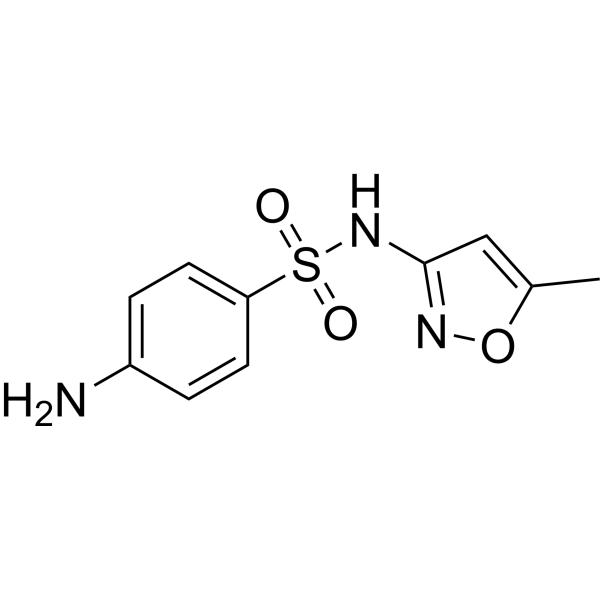 HY-B0322Sulfamethoxazole
-
Similarity Score 0.84
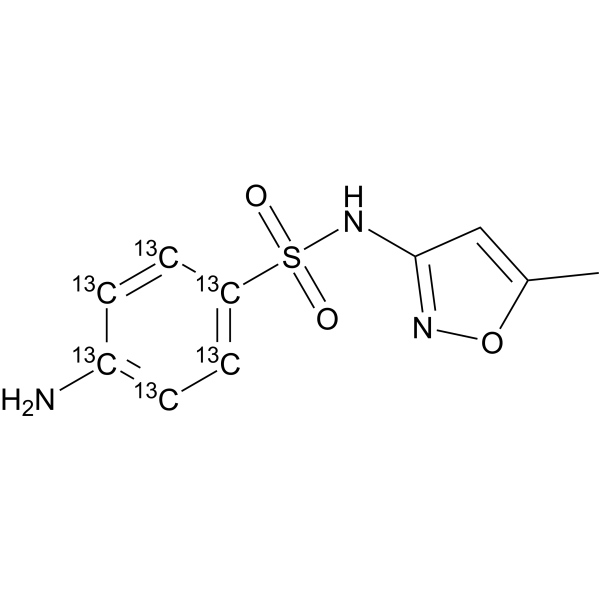 HY-B0322S1Sulfamethoxazole-13C6
-
Similarity Score 0.80
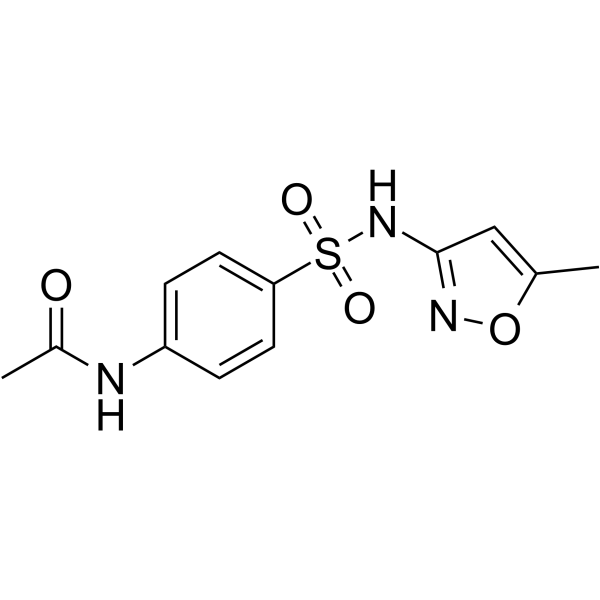 HY-W013266N4-Acetylsulfamethoxazole
-
Similarity Score 0.73
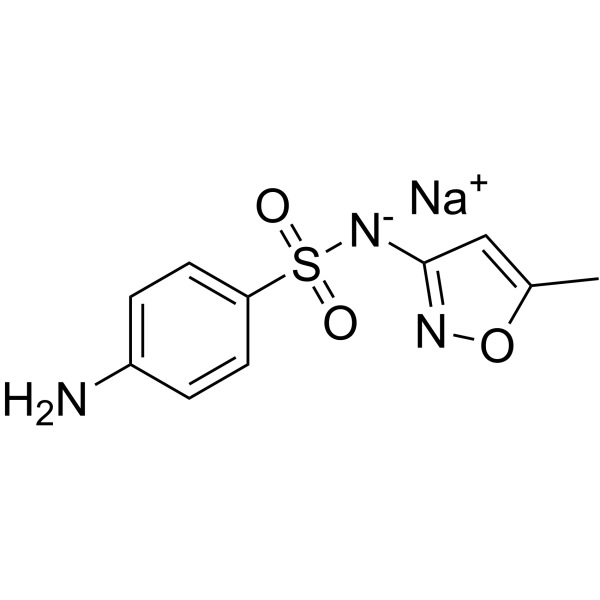 HY-B0322ASulfamethoxazole sodium
-
Similarity Score 0.71
 HY-133944Nitrosulfathiazole
-
Similarity Score 0.69
 HY-105829Sulfatroxazole
-
Similarity Score 0.67
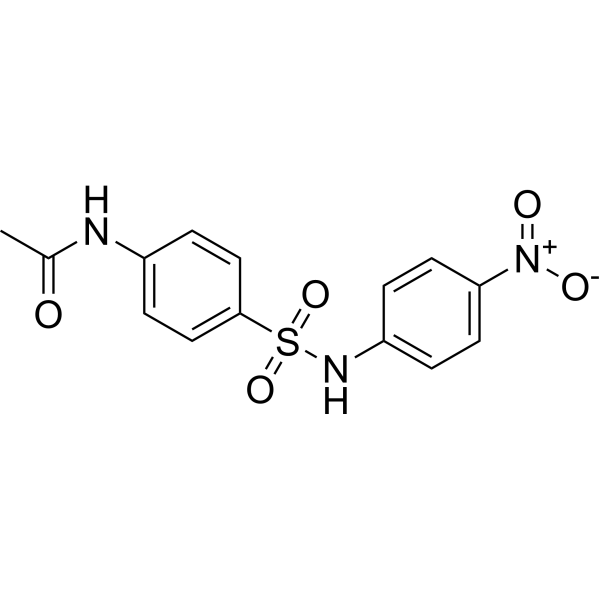 HY-B0947Sulfanitran
-
Similarity Score 0.67
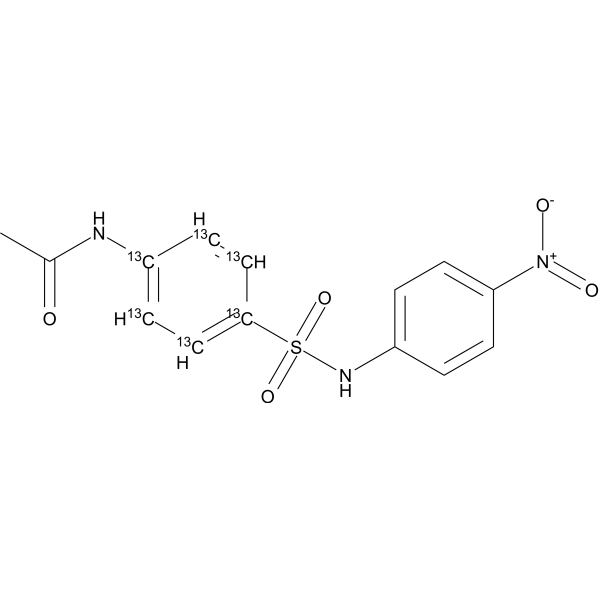 HY-B0947S1Sulfanitran-13C6
-
Similarity Score 0.65
 HY-B1784RSulfisomidin (Standard)
-

Explore the MedChemAI to find more analogs


References
- [1]. Naisbitt DJ, et al. Cellular disposition of sulphamethoxazole and its metabolites: implications for hypersensitivity. British journal of pharmacology. 1999 Mar;126(6):1393-407.
- [2]. Pratoomwun J, et al. Characterization of T-Cell Responses to SMX and SMX-NO in Co-Trimoxazole Hypersensitivity Patients Expressing . Frontiers in immunology. 2021;12:658593.
- [3]. Lavergne SN, et al. Evaluation of the clinical, immunologic, and biochemical effects of nitroso sulfamethoxazole administration to dogs: a pilot study. Toxicology. 2005 Mar 01;208(1):63-72. [Content Brief]
- [4]. Naisbitt DJ, et al. Covalent binding of the nitroso metabolite of sulfamethoxazole leads to toxicity and major histocompatibility complex-restricted antigen presentation. Molecular pharmacology. 2002 Sep;62(3):628-37.
- [5]. Farrell J, et al. Characterization of sulfamethoxazole and sulfamethoxazole metabolite-specific T-cell responses in animals and humans. The Journal of pharmacology and experimental therapeutics. 2003 Jul;306(1):229-37.
- [6]. Sanderson JP, et al. Sulfamethoxazole and its metabolite nitroso sulfamethoxazole stimulate dendritic cell costimulatory signaling. The Journal of Immunology. 2007 May;178(9):5533-42.
- [7]. Roujeau JC. Immune mechanisms in drug allergy. Allergology International. 2006 Jan 1;55(1):27-33.



