2412 Results for "

decrease

" in MedChemExpress (MCE) Product Catalog:
Products (2412)

2412 Results for "decrease" in MCE Product Catalog:

3
3 Cited Publications
Art. -Nr.: HY-108634
CAS. Nr.: 105219-56-5
Reinheit:  99.93%
Synonyms: WEB 2086
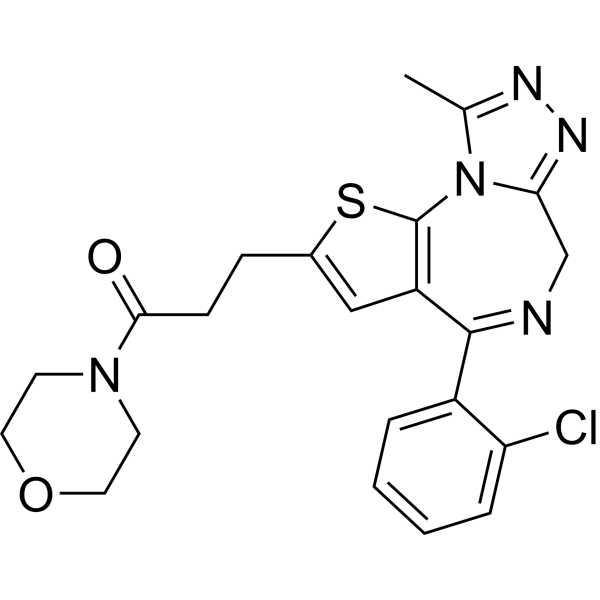
Apafant (WEB 2086), a chemical probe, is a potent platelet-activating factor (PAF) antagonist, inhibits PAF binding to human PAF receptors with a Ki of 9.9 nM. Apafant increases the gene expression of PAF-r, α-globin, β-globin, decreases the c-myb gene expression. Apafant shows a protective effect on alkyl-PAF-mediated lethalit .
loading...
    loading...
3
3 Cited Publications
Art. -Nr.: HY-16688A
CAS. Nr.: 107008-28-6
Target:  

5-HT Receptor

Forschungsgebiete:  

Neurological Disease

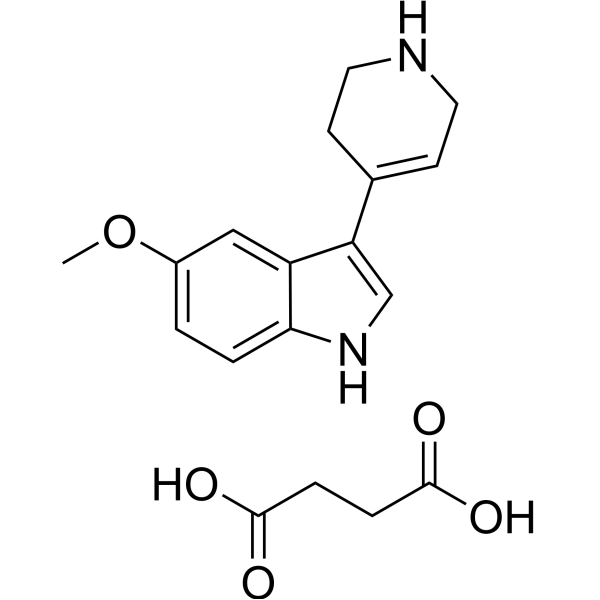
RU 24969 succinate is a 5-HT receptor agonist with Ki values of 0.38 and 2.5 nM for 5-HT1B and 5-HT1A, respectively. RU 24969 decreases fluid consumption and increases forward locomotion. RU 24969 succinate can be used for the research of neurological disease .
loading...
    loading...
3
3 Cited Publications
Art. -Nr.: HY-B0523A
CAS. Nr.: 58579-51-4
Synonyms: BL4162A
Forschungsgebiete:  

Cardiovascular Disease Cancer

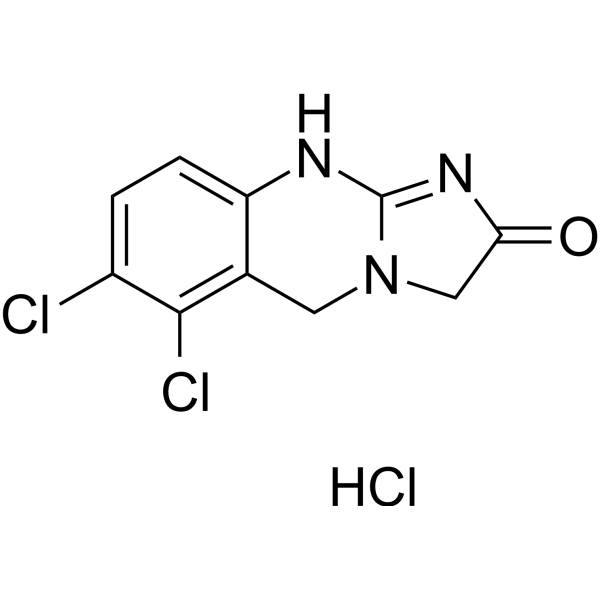
Anagrelide hydrochloride (BL4162A) is a potent inhibitor of phosphodiesterase type III (PDE3) (IC50=36 nM). Anagrelide hydrochloride, an imidazoquinazoline derivative, acts as an inhibitor of platelet aggregation. Anagrelide hydrochloride inhibits bone marrow megakaryocytopoiesis. Anagrelide hydrochloride decreases gastrointestinal stromal tumor (GIST) cell proliferation and promotes their apoptosis in vitro. Anagrelide hydrochloride is a platelet-lowering agent and plays in the antithrombopoietic action .
loading...
    loading...
3
3 Cited Publications
Art. -Nr.: HY-124410
CAS. Nr.: 845959-55-9
Reinheit:  98.00%
Mitoquinol is an orally active mitochondria-targeted antioxidant. Mitoquinol can regulate mitochondrial respiration and oxidation. Mitoquinol inhibits ROS production, and improves phagocytosis and glycolysis in ethanol-exposed macrophages via the HIF-1α-PFKP axis. Additionally, Mitoquinol can partially alleviate heat stress-induced decreases in growth performance, inflammatory responses, and metabolic disorders in pigs .
loading...
    loading...
3
3 Cited Publications
Art. -Nr.: HY-B0093
CAS. Nr.: 86541-75-5
Synonyms: CGS14824A free base
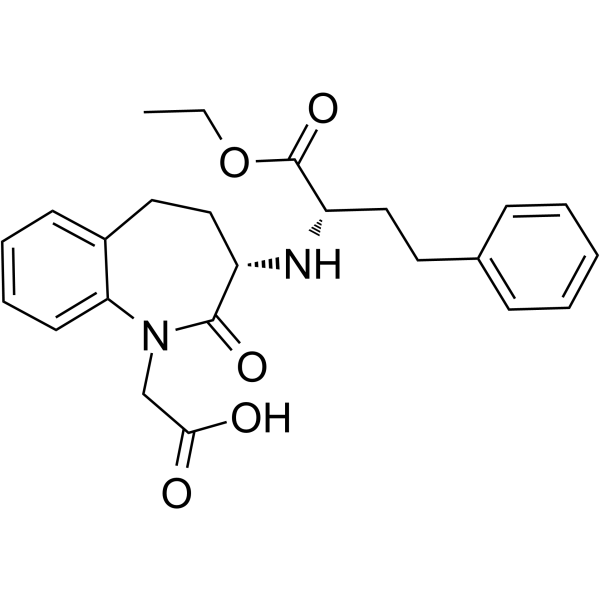
Benazepril (CGS14824A free base) is an orally active angiotensin-converting enzyme (ACE) inhibitor to reduce angiotensin-II production. Benazepril inhibits oxidative stress and inhibits apoptosis by the PI3K/Akt signaling pathway. Benazepril improves diabetic nephropathy and decreases proteinuria. Benazepril can be used in the study of hypertension, heart failure and diabetic nephropathy .
loading...
    loading...
3
3 Cited Publications
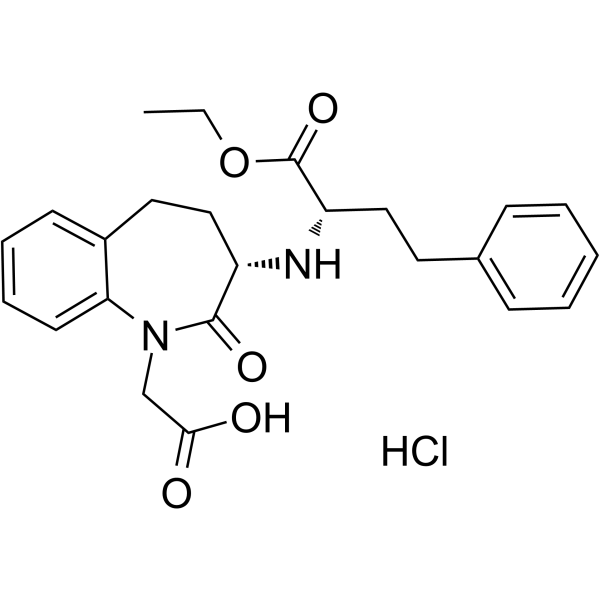
Art. -Nr.: HY-B0093A
CAS. Nr.: 86541-74-4
Synonyms: CGS14824A
Benazepril (CGS14824A) hydrochloride is an orally active angiotensin-converting enzyme (ACE) inhibitor to reduce angiotensin-II production. Benazepril hydrochloride inhibits oxidative stress and inhibits apoptosis by the PI3K/Akt signaling pathway. In addition, Benazepril hydrochloride improves diabetic nephropathy and decreases proteinuria. Benazepril hydrochloride can be used in the study of hypertension, heart failure and diabetic nephropathy .
loading...
    loading...
3
3 Cited Publications
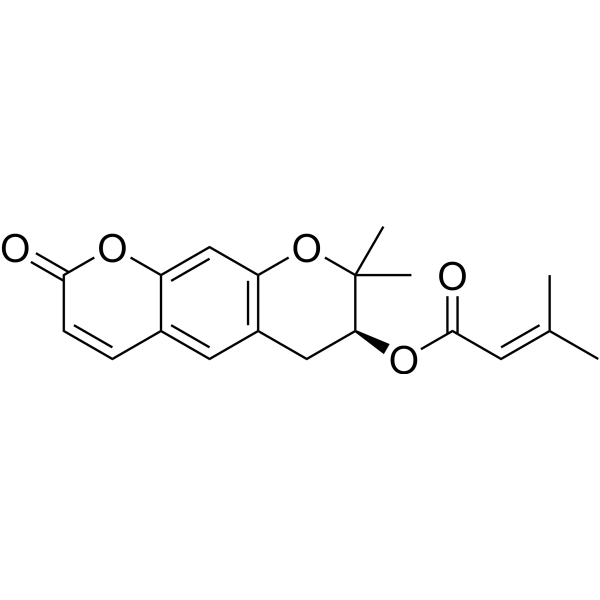
Art. -Nr.: HY-18981
CAS. Nr.: 5928-25-6
Synonyms: (+)-Decursin
Decursin ((+)-Decursin) is a potent anti-tumor agent. Decursin also is a cytotoxic agent and a potent protein kinase C activator. Decursin induces apoptosis and cell cycle arrest at G1 phase. Decursin decreases the expression of CDK2, CDK4, CDK6, cyclin D1 protein at 48 h. Decursin inhibits cell proliferation and migration. Decursin shows anti-tumor, anti-inflammatory and analgesic activities .
loading...
    loading...
3
3 Cited Publications
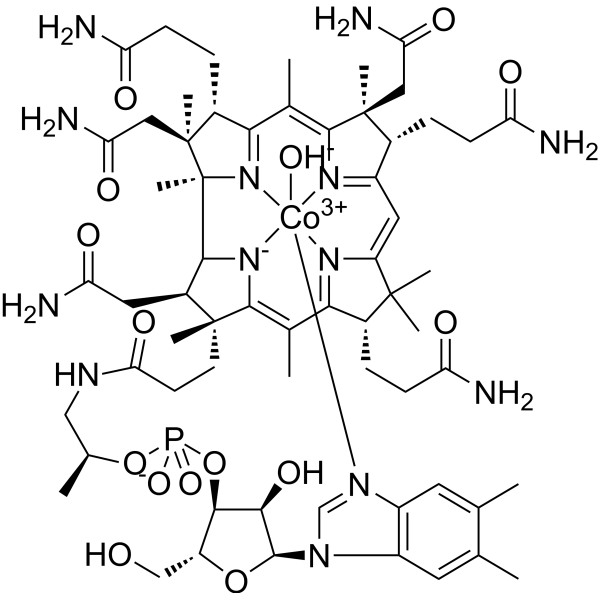
Art. -Nr.: HY-B2209
CAS. Nr.: 13422-51-0
Synonyms: Vitamin B12a
Hydroxocobalamin (Vitamin B12a) is a cyanide antidote. Hydroxocobalamin can decrease the cell and plasma cyanide concentrations and increase survival rate in acute cyanide poisoning. Hydroxocobalamin can improve newborn Cbl-C defect-induced metabolic profile and neurocognitive outcome. Hydroxocobalamin can normalize Vitamin B12 deficiency. Hydroxocobalamin can induce acute kidney injury. Hydroxocobalamin can be used for the researches of metabolic and neurological disease .
loading...
    loading...
3
3 Cited Publications
Art. -Nr.: HY-Y0808
CAS. Nr.: 106-65-0
Dimethyl succinate is an orally active cell permeable succinate analogue. Dimethyl succinate can disrupt the TCA cycle by elevating intracellular succinate levels, leading to reduced protein synthesis and impairs myogenic differentiation. Dimethyl succinate can induce apoptosis. Dimethyl succinate can decrease maximal cellular respiration and reserve capacity. Dimethyl succinate can rescue synapse loss in AD. Dimethyl succinate can be used for the researches of metabolic and neurological disease [1][2].
loading...
    loading...
3
3 Cited Publications
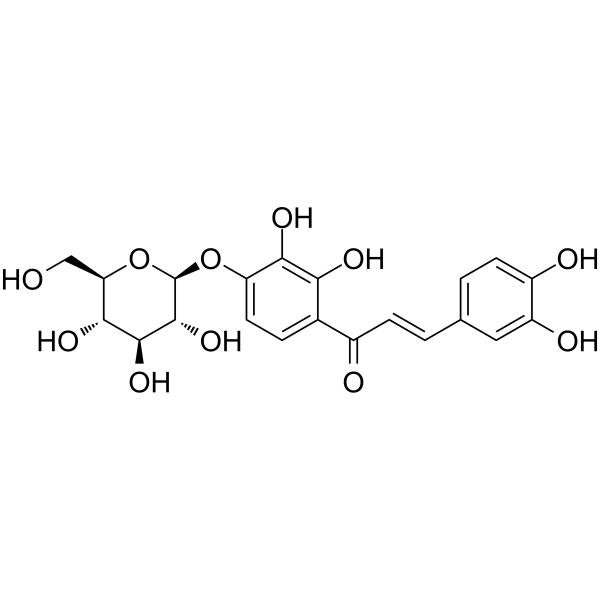
Art. -Nr.: HY-N7676
CAS. Nr.: 535-96-6
Marein has the neuroprotective effect due to a reduction of damage to mitochondria function and activation of the AMPK signal pathway. Marein improves insulin resistance induced by high glucose in HepG2 cells through CaMKK/AMPK/GLUT1 to promote glucose uptake, through IRS/Akt/GSK-3β to increase glycogen synthesis, and through Akt/FoxO1 to decrease gluconeogenesis. Marein is a HDAC inhibitor with an IC50 of 100 μM. Marein has beneficial antioxidative, antihypertensive, antihyperlipidemic and antidiabetic effects .
loading...
    loading...
3
3 Cited Publications
Art. -Nr.: HY-N2464
CAS. Nr.: 34612-38-9
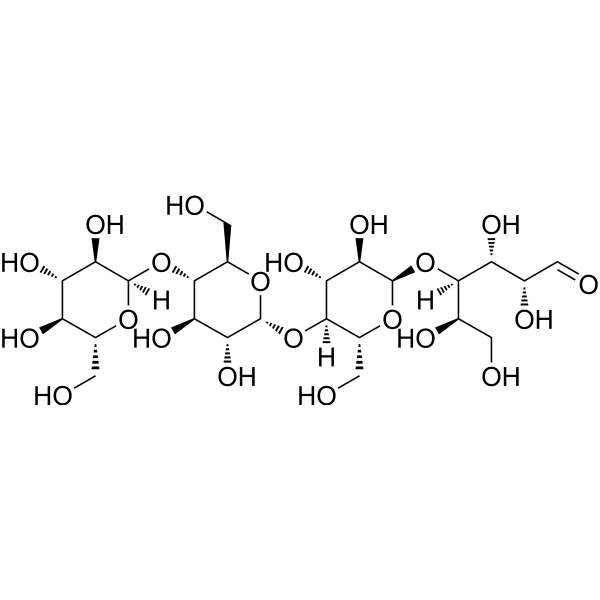
Synonyms: Amylotetraose; Fujioligo 450; α-1,4-Tetraglucose
Maltotetraose can serve as a substrate for enzyme-linked assays to measure amylase activity in biological fluids. Maltotetraose has oral active, and reduces TNF-α-induced inflammatory responses by inhibiting NF-κB activity and decreasing ICAM-1 expression. Maltotetraose also inhibits PDGF-induced vascular smooth muscle cell migration and neovascularization. Additionally, Maltotetraose derivatives can function as probes for detecting bacterial infections by targeting the maltodextrin transporter. With good long-term safety, Maltotetraose holds promise for research in atherosclerosis-related diseases .
loading...
    loading...
3
3 Cited Publications
Art. -Nr.: HY-114495
CAS. Nr.: 21802-37-9
Reinheit:  ≥98.0%
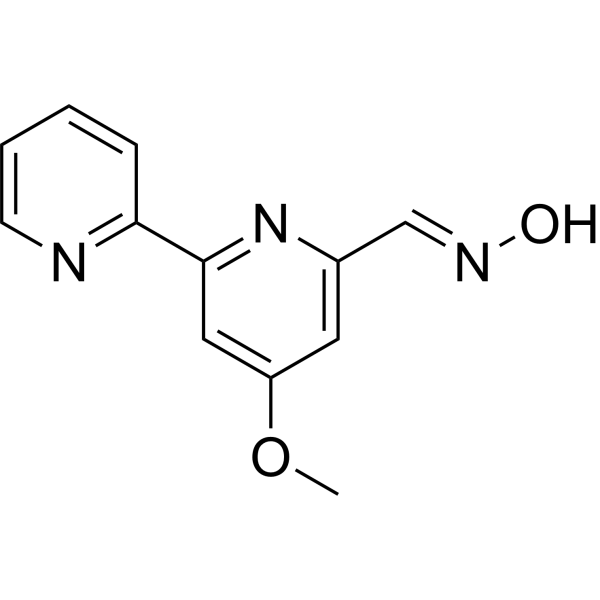
Synonyms: Cerulomycin; Caerulomycin
Caerulomycin A is an orally active immunomodulator and antimicrobial agent. Caerulomycin A targets Smad3, STAT1 and GATA-3. Caerulomycin A downregulates GATA-3 expression, inhibits Th2 cell differentiation and Th2 cytokine production, reduces IgE levels, and alleviates pulmonary inflammatory responses and eosinophil infiltration. Caerulomycin A ameliorates collagen-induced arthritis symptoms, reduces joint inflammation and synovitis, and decreases the levels of proinflammatory cytokines in joints. Caerulomycin A inhibits the growth of some filamentous fungi, yeasts and specific bacteria. Caerulomycin A can be used in research related to arthritis and asthma .
loading...
    loading...
3
3 Cited Publications
Art. -Nr.: HY-128067
CAS. Nr.: 1428-95-1
Reinheit:  99.14%
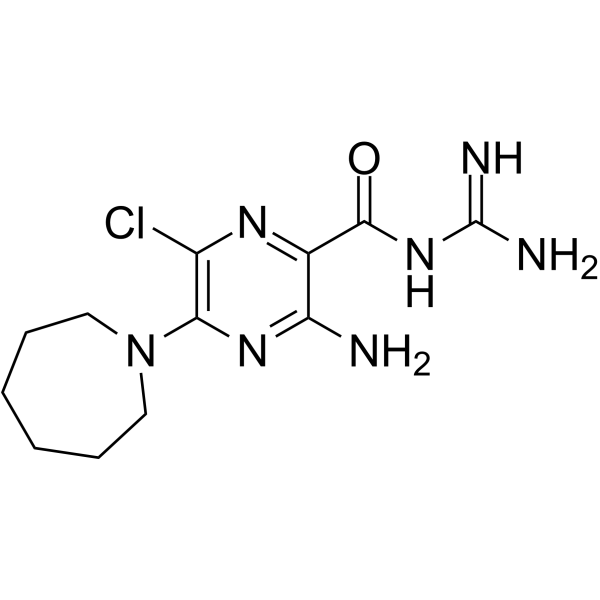
Synonyms: Hexamethylene amiloride; HMA
Forschungsgebiete:  

Infection Cancer

5-(N,N-Hexamethylene)-amiloride (Hexamethylene amiloride) derives from an amiloride and is a potent Na +/H + exchanger inhibitor, which decreases the intracellular pH (pHi) and induces apoptosis in leukemic cells. 5-(N,N-Hexamethylene)-amiloride (Hexamethylene amiloride) is also an inhibitor of the HIV-1 Vpu virus ion channel and inhibits mouse hepatitis virus (MHV) replication and human coronavirus 229E (HCoV229E) replication in cultured L929 cells with EC50s of 3.91 μM and 1.34 μM, respectively .
loading...
    loading...
3
3 Cited Publications
Art. -Nr.: HY-N0597
CAS. Nr.: 32791-84-7
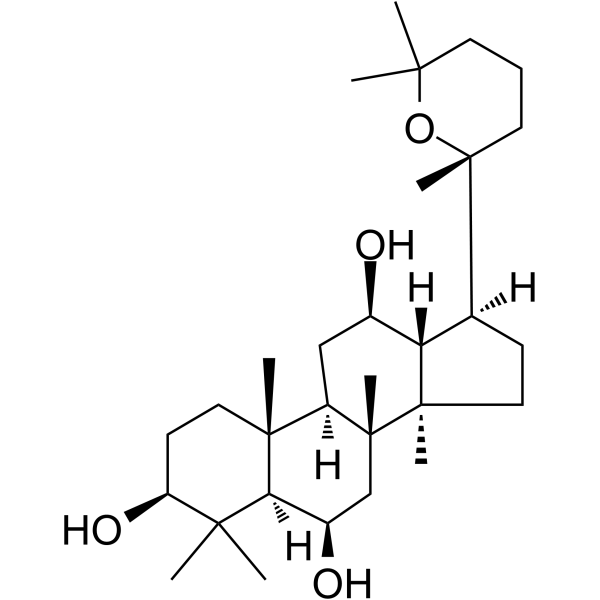
Panaxatriol is an orally active dammarane-type tetracyclic triterpene sapogenin. Panaxatriol enhances the phosphorylation levels of Akt, insulin receptor and p70S6K in skeletal muscle. Panaxatriol reduces the mRNA expression level of Atrogin1 in skeletal muscle. Panaxatriol induces apoptosis, pre-G1 cell cycle arrest and increased intracellular ROS levels in prostate cancer cells, decreases mitochondrial membrane potential, inhibits cell migration and reduces colony formation. Panaxatriol can be used in research related to insulin resistance, myocardial ischemia/reperfusion injury and prostate cancer [1][2][3].
loading...
    loading...
3
3 Cited Publications
Art. -Nr.: HY-N8518
CAS. Nr.: 63335-25-1
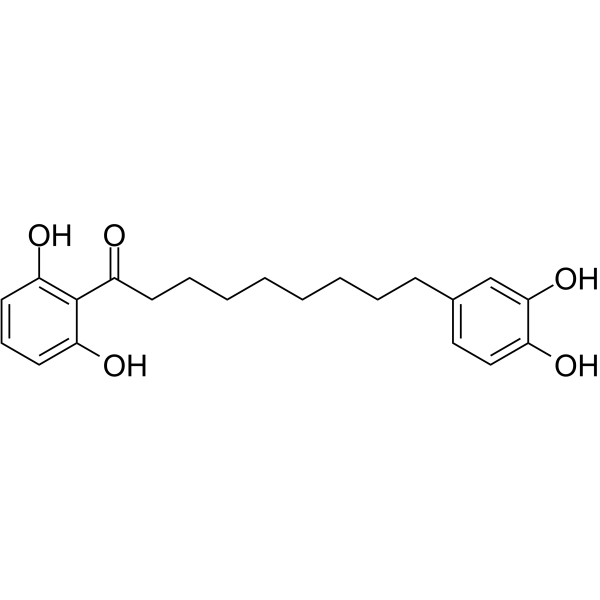
Malabaricone C is an orally active and noncompetitive sphingomyelin synthase (SMS) inhibitor with IC50 values of 3 μM and 1.5 μM for SMS 1 and SMS 2, respectively. Malabaricone C reduces body weight gain, improves glucose tolerance, and decreases lipid accumulation in the liver, showing significant prevention of high fat diet-induced fatty liver in mice. Malabaricone C has anti-inflammatory effects, which is found in the fruits of Myristica cinnamomea King. Malabaricone C is promising for research of obesity and immunological disorders caused due to hyper-activation of T-cells .
loading...
    loading...
3
3 Cited Publications
Art. -Nr.: HY-D0186
CAS. Nr.: 951-78-0
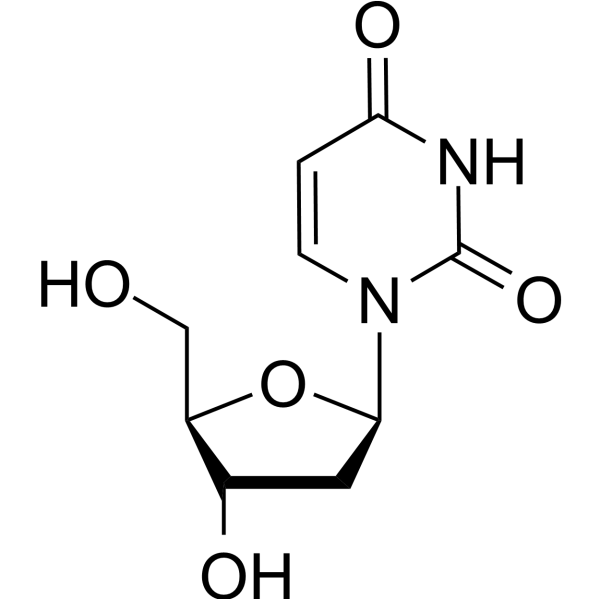
2’-deoxyuridine is a brain-penetrant pyrimidines nucleotide that is associated with nervous system diseases. 2'-Deoxyuridine could increase chromosome breakage and results in a decreased thymidylate synthetase activity. 2'-Deoxyuridine is a precursor in the synthesis of Edoxudine (HY-B1011) and also an analogue of 5-ethynyl-2'-deoxyuridine, EdU (HY-118411). 2’-deoxyuridine reduces microglial activation and improve oxidative stress damage by modulating glycolytic metabolism on the Aβ25-35-induced brain injury, which is promising for research of Alzheimer’s disease (AD) .
loading...
    loading...
3
3 Cited Publications
Art. -Nr.: HY-101392
CAS. Nr.: 486-84-0
Reinheit:  99.91%
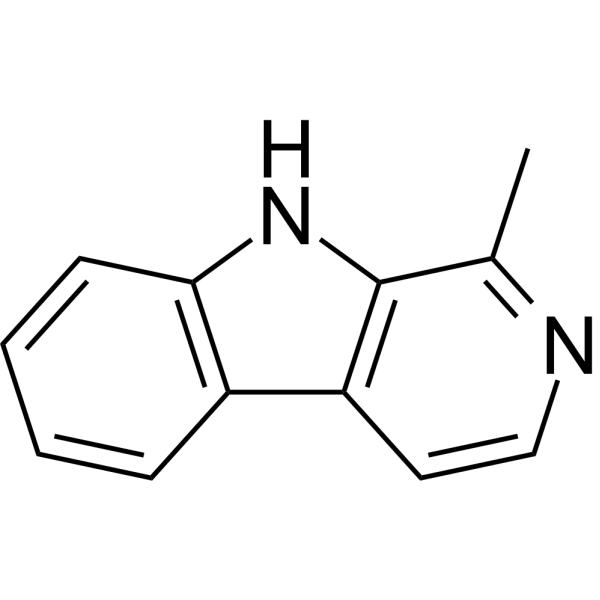
Harmane is a benzodiazepine receptor inhibitor (IC50=7 μM), with IC50 values for mACh, Opioid Receptor, MAO-A/B, and α2-adrenergic receptor of 24 μM, 2.8 μM, 0.5 μM, 5 μM, and 18 μM, respectively. Harmane inhibits the I1 imidazoline receptor (IC50 = 30 nM) to reduce blood pressure and has antidepressant, anti-anxiety, anticonvulsant, and analgesic effects. Harmane inhibits dopamine biosynthesis by decreasing tyrosine hydroxylase (TH) activity and enhancing L-DOPA-induced cytotoxicity in PC12 cells. Additionally, Harmane can increase the mutagenic effect induced by 2-acetylaminofluorene (AAF) .
loading...
    loading...
3
3 Cited Publications
Art. -Nr.: HY-101392A
CAS. Nr.: 21655-84-5
Harmane hydrochloride is a benzodiazepine receptor inhibitor (IC50=7 μM), with IC50 values for mACh, Opioid Receptor, MAO-A/B, and α2-adrenergic receptor of 24 μM, 2.8 μM, 0.5 μM, 5 μM, and 18 μM, respectively. Harmane hydrochloride inhibits the I1 imidazoline receptor (IC50 = 30 nM) to reduce blood pressure and has antidepressant, anti-anxiety, anticonvulsant, and analgesic effects. Harmane hydrochloride inhibits dopamine biosynthesis by decreasing tyrosine hydroxylase (TH) activity and enhancing L-DOPA-induced cytotoxicity in PC12 cells. Additionally, Harmane hydrochloride can increase the mutagenic effect induced by 2-acetylaminofluorene (AAF) .
loading...
    loading...
3
3 Cited Publications
Art. -Nr.: HY-19057
CAS. Nr.: 114914-42-0
Synonyms: MK-467; L-659066
Vatinoxan (MK-467) is a peripherally selective α2-Adrenoceptor antagonist. Vatinoxan blocks peripheral α2-adrenoceptor-mediated vasoconstriction, bradycardia, hyperglycemia, diuresis, lens opacity, and decreased intraocular pressure, delays pupil dilation, and maintains corneal thickness. Vatinoxan, when combined with Medetomidine (HY-17034)/benzodiazepines, reduces respiratory rate and increases pulse rate, cutaneous microcirculation, tissue oxygenation, peripheral heat loss, and cardiac index, while altering gastrointestinal perfusion and mean arterial pressure, without causing death, hypotension, or hypoglycemia, and blocks vasoconstriction of chelonian resistance arteries .
loading...
    loading...
3
3 Cited Publications
Art. -Nr.: HY-19057A
CAS. Nr.: 130466-38-5
Synonyms: MK-467 hydrochloride; L-659066 hydrochloride
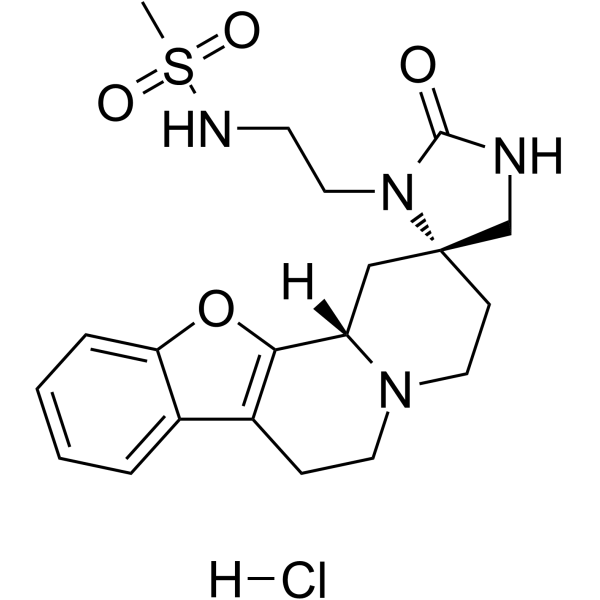
Vatinoxan hydrochloride (MK-467 hydrochloride) is a peripherally selective α2-Adrenoceptor antagonist. Vatinoxan hydrochloride blocks peripheral α2-adrenoceptor-mediated vasoconstriction, bradycardia, hyperglycemia, diuresis, lens opacity, and decreased intraocular pressure, delays pupil dilation, and maintains corneal thickness. Vatinoxan hydrochloride, when combined with Medetomidine (HY-17034)/benzodiazepines, reduces respiratory rate and increases pulse rate, cutaneous microcirculation, tissue oxygenation, peripheral heat loss, and cardiac index, while altering gastrointestinal perfusion and mean arterial pressure, without causing death, hypotension, or hypoglycemia, and blocks vasoconstriction of chelonian resistance arteries .
loading...
    loading...

