



Tempol
Based on 29 publication(s) in Google Scholar
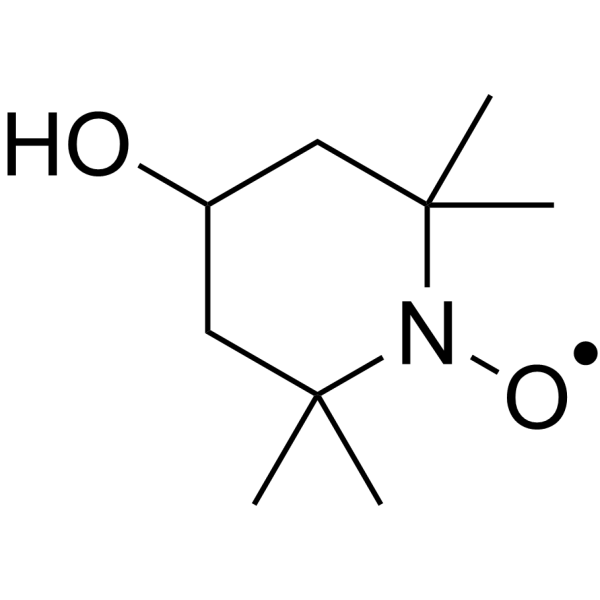
Tempol is a general superoxide dismutase (SOD)-mimetic agent that efficiently neutralizes reactive oxygen species (ROS).
Nos produits utilisent uniquement pour la recherche. Nous ne vendons pas aux patients.
- Pureté : 99.73%
- CAS No.: 2226-96-2
- Formule: C9H18NO2
- Masse moléculaire:172.24
-
Stockage:
Store at room temperature 3 years.
In solvent -80°C, 1 year , -20°C, 6 months

To place orders, for customer services and technical support, please contact: MedChemExpress USA
Tel: 609-228-6898 E-mail: [email protected] [email protected]


-
 Activité biologique
-
Chemical Information
-
Solvant et solubilité
- Protocole
- Pureté et documentation
- Références
-
 Help & FAQs


-
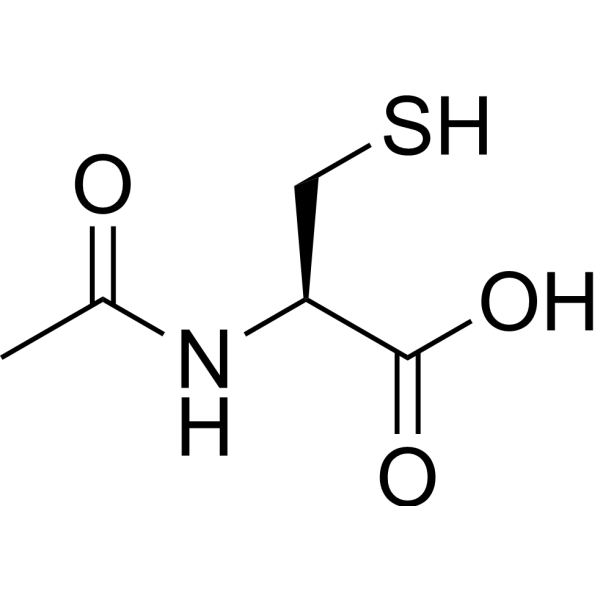
HY-B0215
AcetylcysteineMucolytic Agent -
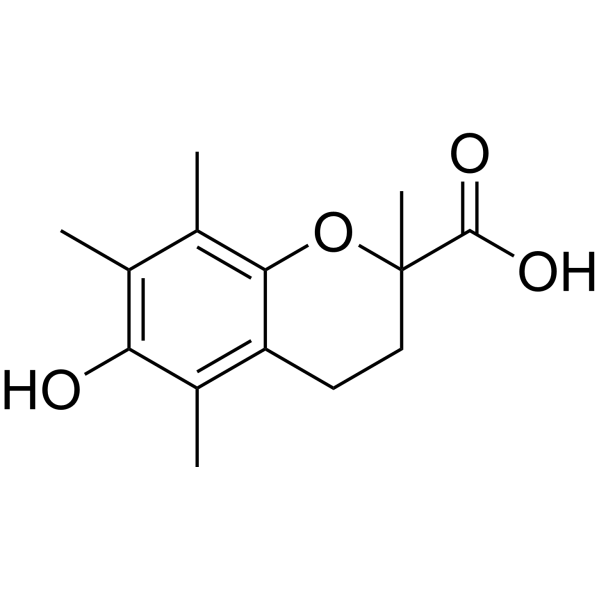
HY-101445
TroloxAntioxidant -
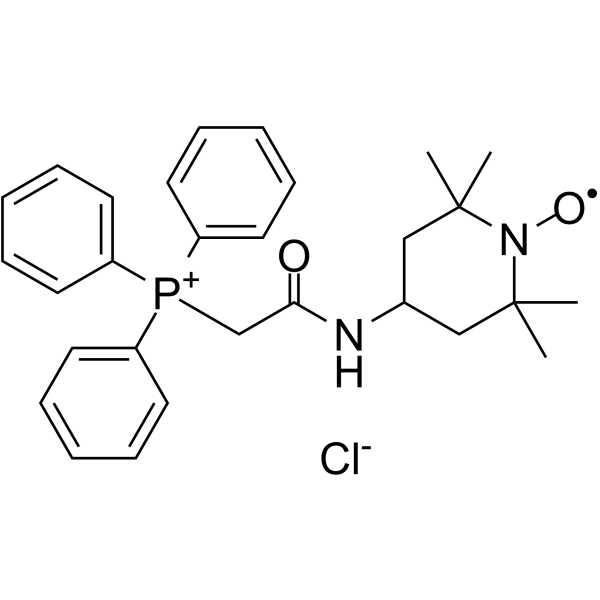
HY-112879
Mito-TEMPOAntioxidant -
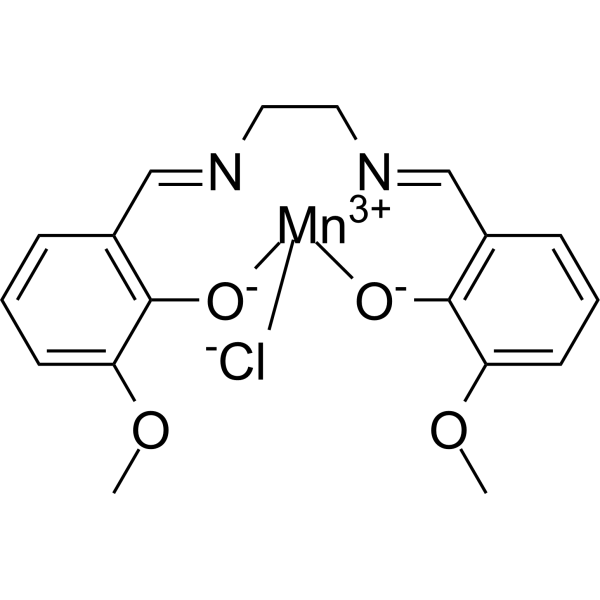
HY-100594
EUK-134SOD Mimetic -
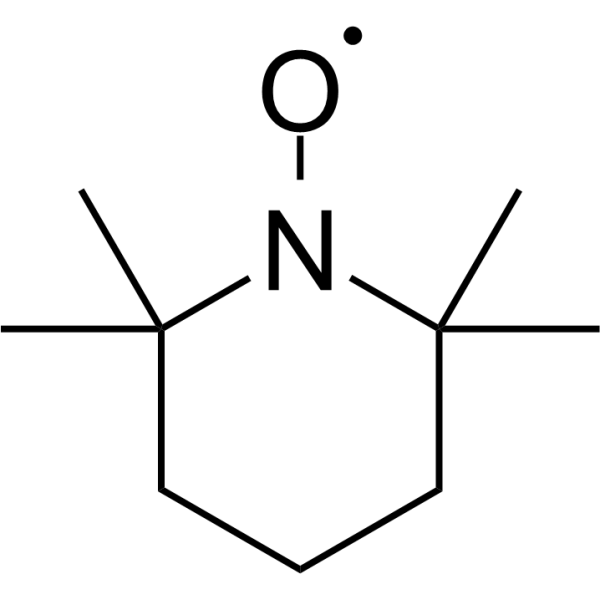
HY-W001187
TempoNitroxide Radical -
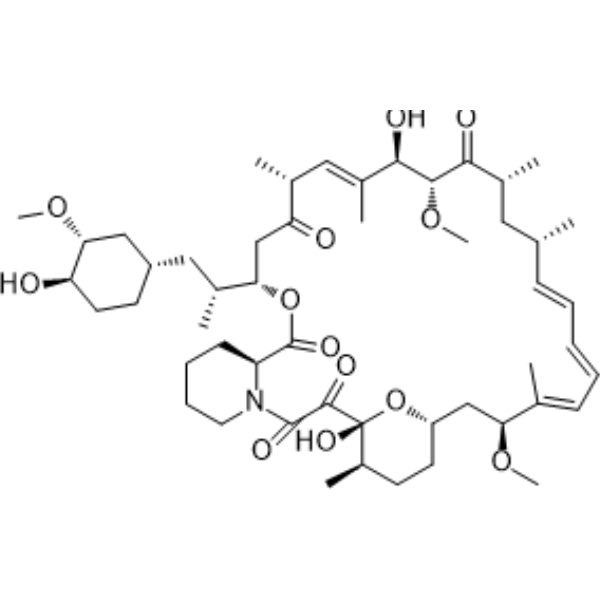
HY-10219
RapamycinmTOR Inhibitor -
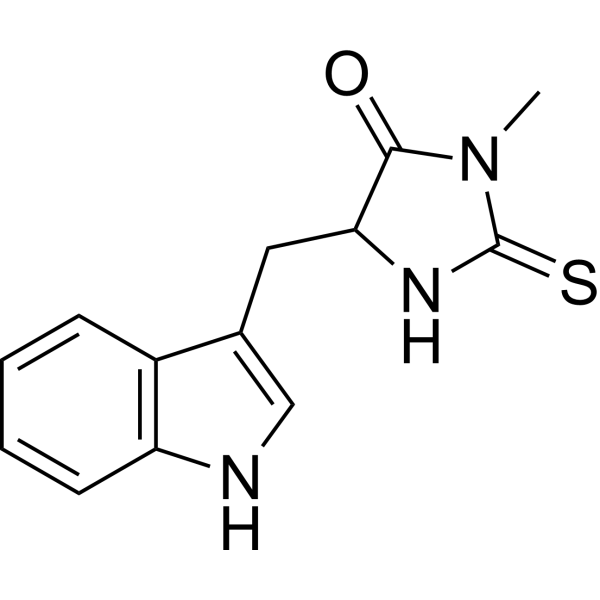
HY-15760
Necrostatin-1RIPK1 Inhibitor -
HY-16658B
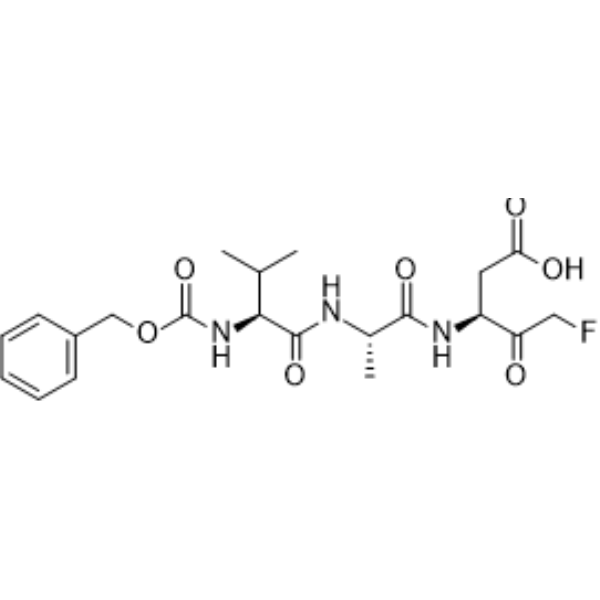
Z-VAD-FMKPan-Caspase Inhibitor -
HY-B0075
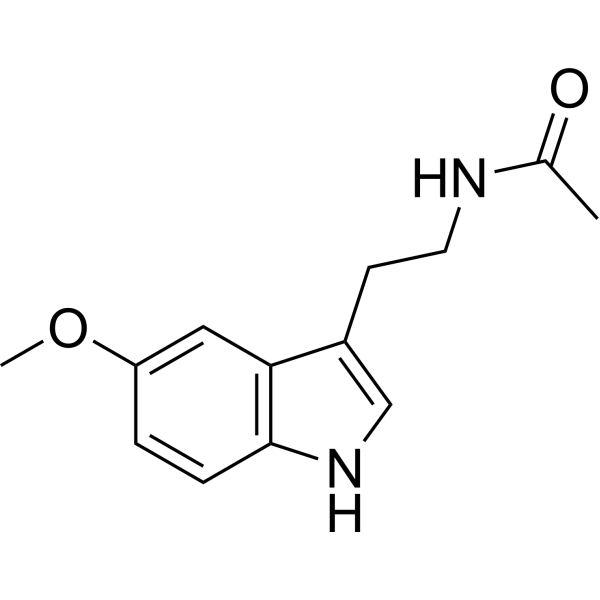
MelatoninMelatonin Receptor Activator -
HY-B0240
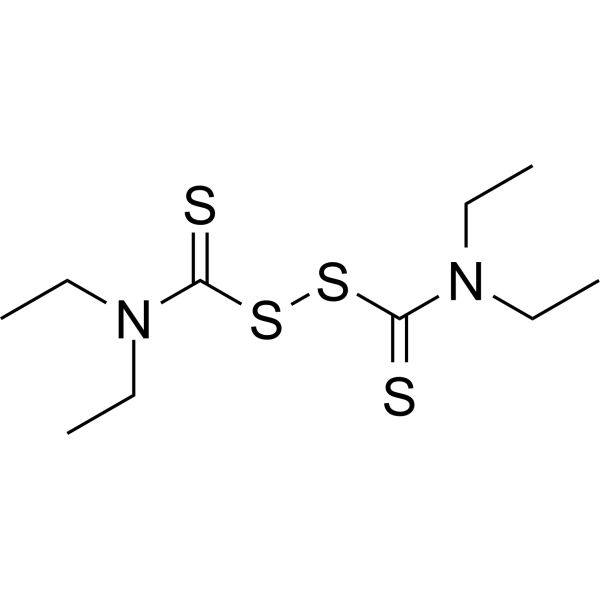
DisulfiramALDH1 Inhibitor -
HY-100965
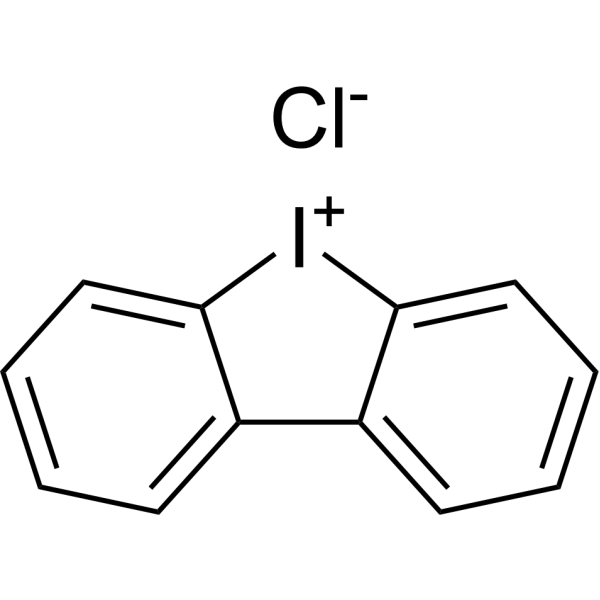
Diphenyleneiodonium chlorideNOX Inhibitor -

HY-W002004
4-Amino-TEMPOSpin Label
Publications Citing Use of MedChemExpress (MCE) Tempol
More- Exp Mol Med. 2025 Mar;57(3):567-583. [Abstract]
- Redox Biol. 2021 Oct:46:102115 [Abstract]
- Adv Sci (Weinh). 2026 Jul 2:e76391.
- Cell Rep Med. 2025 Sep 25:102371. [Abstract]
- Cell Rep Med. 2024 Nov 19;5(11):101823. [Abstract]
- Int J Mol Med. 2019 Nov;44(5):1811-1823. [Abstract]
- Free Radic Biol Med. 2024 Oct:223:473-492. [Abstract]
- ACS Appl Mater Interfaces. 2025 Mar 24. [Abstract]
- Redox Rep. 2025 Dec;30(1):2494314. [Abstract]
- J Ethnopharmacol. 2023 May 23:308:116276. [Abstract]
- Cell Mol Life Sci. 2025 Jun 5;82(1):226. [Abstract]
- Cells. 2022 Apr 2;11(7):1196. [Abstract]
- Int Immunopharmacol. 2025 Apr 16:152:114413. [Abstract]
- J Hypertens. 2024 Aug 1;42(8):1427-1439. [Abstract]
- mBio. 2025 Apr 9;16(4):e0012725. [Abstract]
- Front Pharmacol. 2020 Feb 21:11:123. [Abstract]
- J Nutr Biochem. 2022 Feb:100:108883. [Abstract]
- Biochim Biophys Acta Mol Basis Dis. 2024 Oct;1870(7):167437. [Abstract]
- J Cell Mol Med. 2020 Sep;24(17):9545-9559. [Abstract]
- J Phys Chem Lett. 2023 Aug 31;14(34):7638-7643. [Abstract]
- Arch Biochem Biophys. 2026 Jun:780:110790. [Abstract]
- Immun Inflamm Dis. 2023 Sep;11(9):e1023. [Abstract]
- Tissue Cell. 2026 Feb:98:103225. [Abstract]
- Clin Exp Pharmacol Physiol. 2024 Mar;51(3):e13843. [Abstract]
- SSRN. 2025 Aug 9.
- Res Sq. 2025 Feb 16.
- Research Square Print. 2022 May.
- Oxid Med Cell Longev. 2021 Oct 5:2021:9955717. [Abstract]
- New Research on cell Aging and Death. 2019 May.
 Customer Validation & Images

-
Bio/Physico-chemical Assay
-
Cell Migration/Invasion Assay
-
Cell Proliferation/Viability Assay
-
Cell Proliferation/Viability Assay
-
Cell Imaging/Staining


Activité biologique
Description
IC50 & Target
ROS[1]
In Vitro
Tempol significantly attenuates H2O2-mediated decrease in mitochondrial respiration and increase in LDH release from rat PT cells, indicating a reduction in cell injury and death. The beneficial actions of Tempol are similar to those obtained using the Fe2+ chelator DEF. However, coadministration of DEF and Tempol does not produce any additional beneficial actions against renal ischemia/reperfusion injury or against oxidative stress-mediated PT cell injury/death[2].
MedChemExpress (MCE) has not independently confirmed the accuracy of these methods. They are for reference only.
In Vivo
MedChemExpress (MCE) has not independently confirmed the accuracy of these methods. They are for reference only.
Essai clinique
| NCT Number | Sponsor | Condition | Start Date |
Phase

|
|---|---|---|---|---|
| NCT01329991 | Plexxikon| | 2011-05 | PHASE1 |


Chemical Information
-
CAS No. 2226-96-2
-
Appearance Solid
-
Masse moléculaire 172.24
-
Formule C9H18NO2
-
Color Orange to red
-
SMILES
[O]N1C(C)(C)CC(O)CC1(C)C
-
Synonyms
4-Hydroxy-TEMPO; MBM-02
-
Livraison
Room temperature in continental US; may vary elsewhere.
-
Stockage
Store at room temperature 3 years
In solvent -80°C 1 year -20°C 6 months


Publications (29)
-
Journal Impact Factor
-
Most Recent
-
Exp Mol Med
Decoding the mechanism of proanthocyanidins in central analgesia: redox regulation and KCNK3 blockade. [Abstract]2025 Mar;57(3):567-583. PMID: 40025170
Tempol purchased from MedChemExpress. Usage Cited in: Exp Mol Med. 2025 Mar;57(3):567-583. [Abstract]
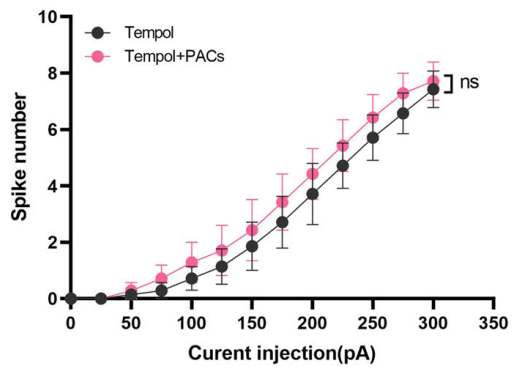
The summary data for the PYRVLO spikes evoked by step depolarizing currents during the preapplication of Tempol (1 mM) and coapplication of Tempol and PACs, n = 7.
-
Redox Biol
Gut microbiota dependent trimethylamine N-oxide aggravates angiotensin II-induced hypertension. [Abstract]2021 Oct:46:102115 PMID: 34474396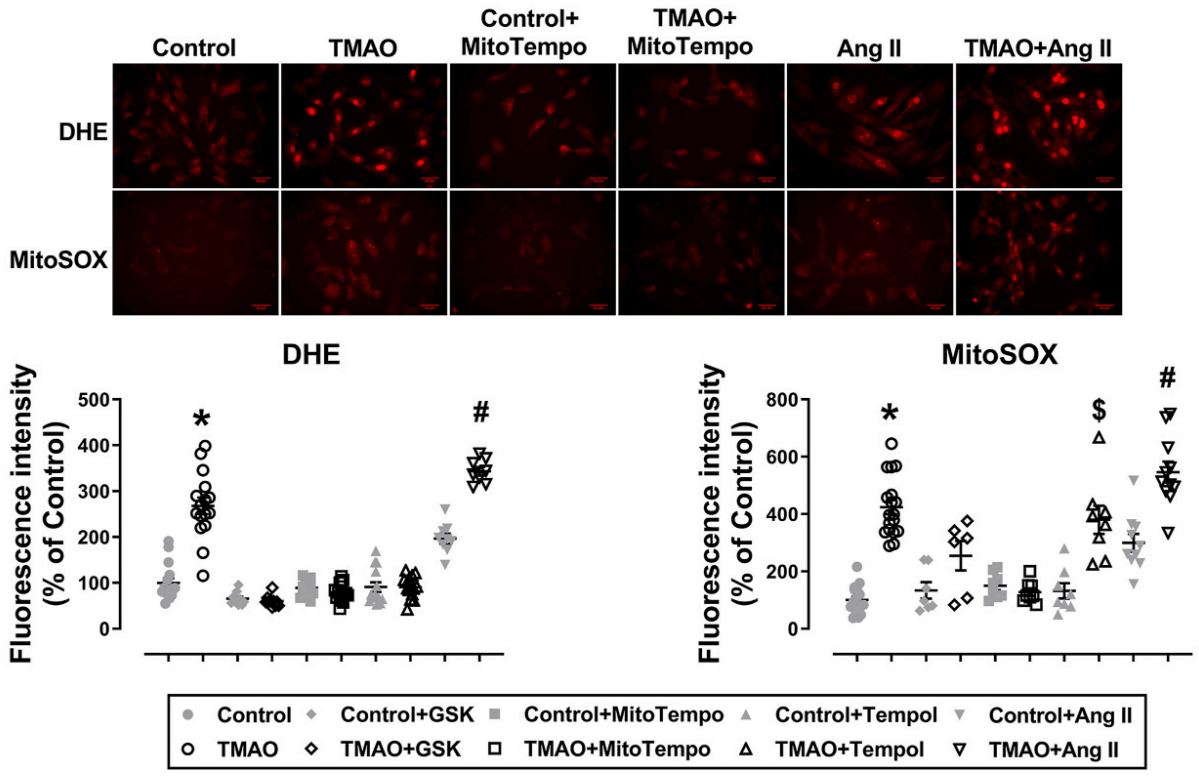
Tempol purchased from MedChemExpress. Usage Cited in: Redox Biol. 2021 Oct:46:102115 [Abstract]
Tempol (100 μM; 24 h, ROS scavenger) only blocked the TMAO effects on cytoplasmic superoxide.
-
-
Cell Rep Med
Vorapaxar enhanced mitochondria-associated ferroptosis primes cancer immunotherapy via targeting FOXO1/HMOX1 axis. [Abstract]2025 Sep 25:102371. PMID: 41005298 -
Cell Rep Med
A p38 MAPK-ROS axis fuels proliferation stress and DNA damage during CRISPR-Cas9 gene editing in hematopoietic stem and progenitor cells. [Abstract]2024 Nov 19;5(11):101823. PMID: 39536752 -
Int J Mol Med
Overexpression of miR‑200a‑3p promoted inflammation in sepsis‑induced brain injury through ROS‑induced NLRP3. [Abstract]2019 Nov;44(5):1811-1823. PMID: 31485604 -
Free Radic Biol Med
2024 Oct:223:473-492. PMID: 38992393
Tempol purchased from MedChemExpress. Usage Cited in: Free Radic Biol Med. 2024 Oct:223:473-492. [Abstract]
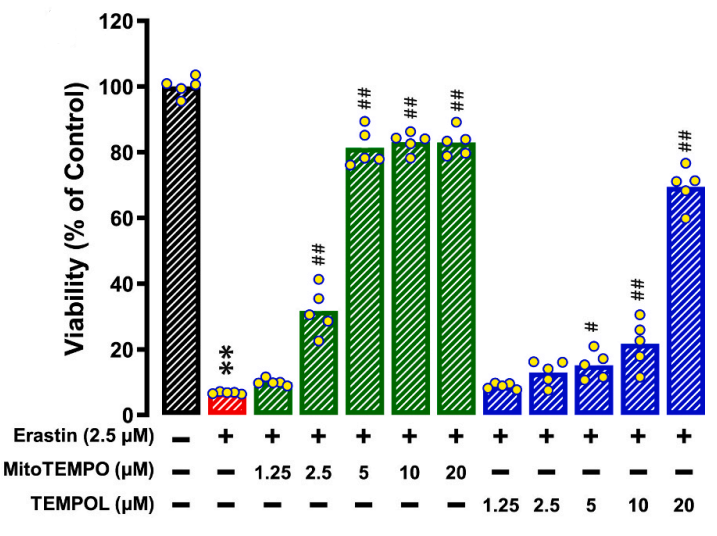
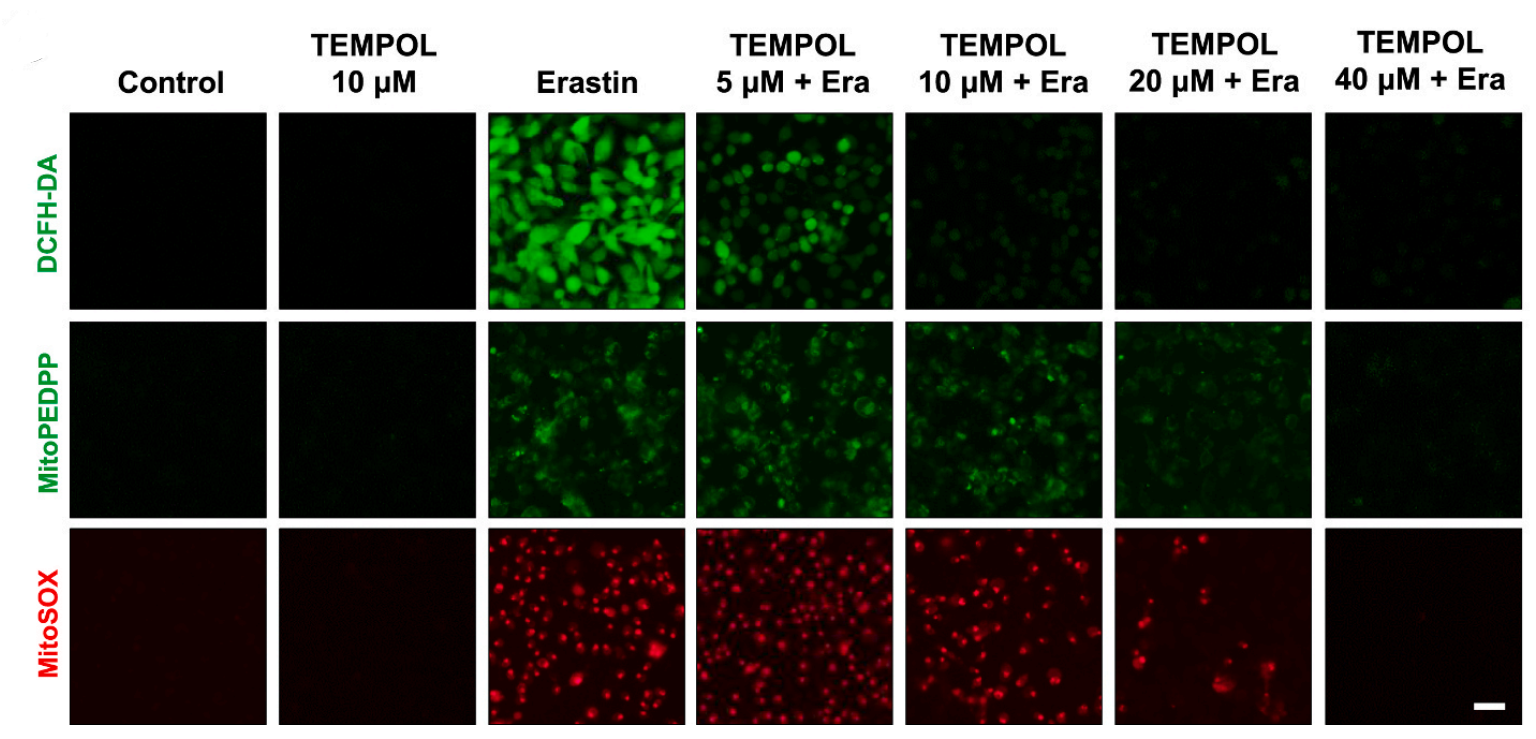
Comparison of the protective effect of MitoTEMPO (24 h; HY-112879) and Tempol (1.25-20 μM; 24 h) on erastin-induced ferroptotic cell death (MTT assay). The results showed that Tempol at a concentration of 20 μM exhibited protective effects on cells.
Tempol purchased from MedChemExpress. Usage Cited in: Free Radic Biol Med. 2024 Oct:223:473-492. [Abstract]
Effect of MitoTEMPO and Tempol (5-40 μM) on cellular ROS and mitochondrial ROS levels in erastin-treated cells (fluorescence microscopy, scale bar = 100 μm). Cells were treated with 2.5 μM erastin with or without other drugs as indicated. The staining for cellular ROS, mitochondrial lipid-ROS, and mitochondrial ROS was carried out at 8, 10 and 12 h, respectively, following erastin exposure. The results showed that at a concentration of 40 μM, Tempol effectively reduced erastin-induced accumulation of intracellular ROS, mitochondrial ROS, and lipid ROS.
-
ACS Appl Mater Interfaces
Oxygen Vacancy Formation Energy Determines the Phase-Activity Relationship of MnO2 Laccase Nanozymes. [Abstract]2025 Mar 24. PMID: 40129185 -
Redox Rep
Norepinephrine promotes oxidative stress in vascular adventitial fibroblasts via PKC/NFκB-mediated NOX2 upregulation. [Abstract]2025 Dec;30(1):2494314. PMID: 40269356
Tempol purchased from MedChemExpress. Usage Cited in: Redox Rep. 2025 Dec;30(1):2494314. [Abstract]
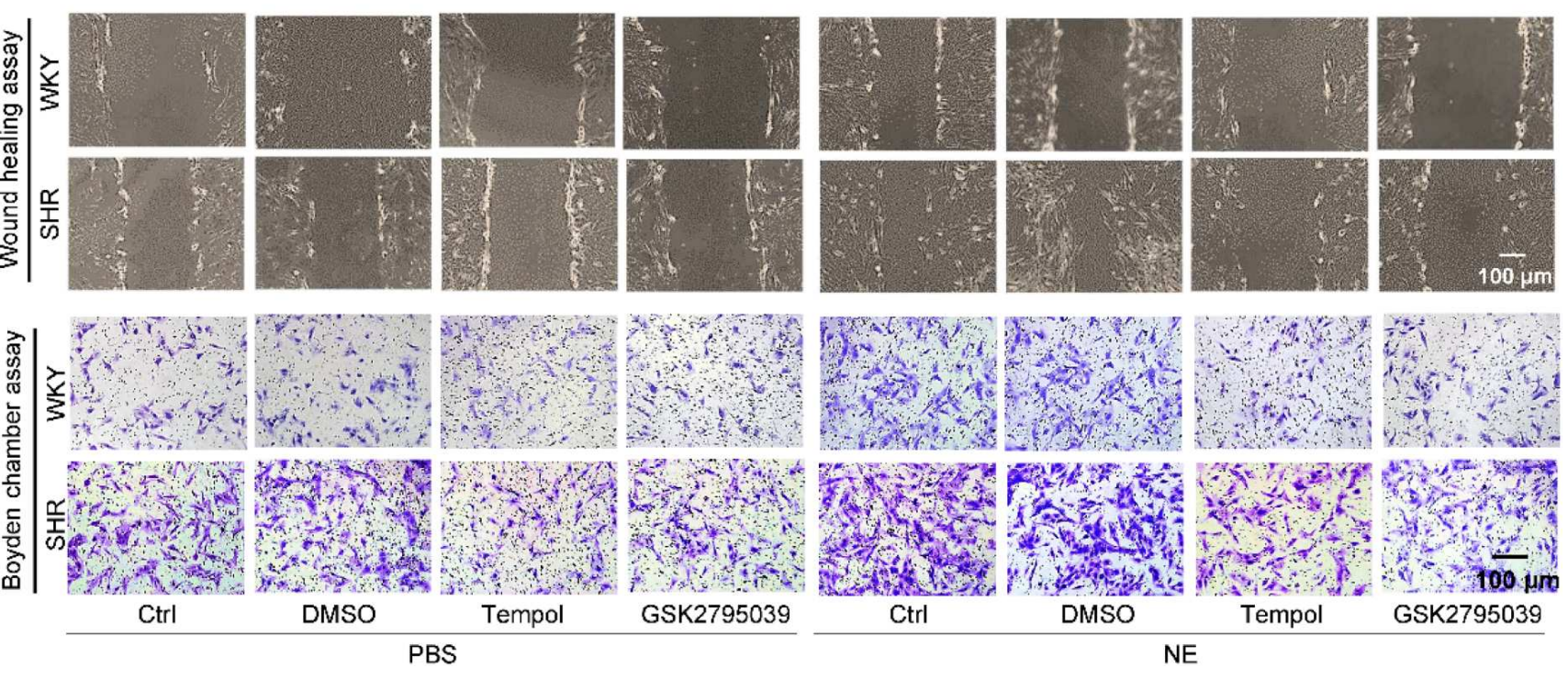
Tempol (1 mM; 1 h) inhibited Norepinephrine (NE) (20 μM; 1 h)-induced vascular adventitial fibroblast (VAF) migration in WKY and SHR rats.
Tempol purchased from MedChemExpress. Usage Cited in: Redox Rep. 2025 Dec;30(1):2494314. [Abstract]
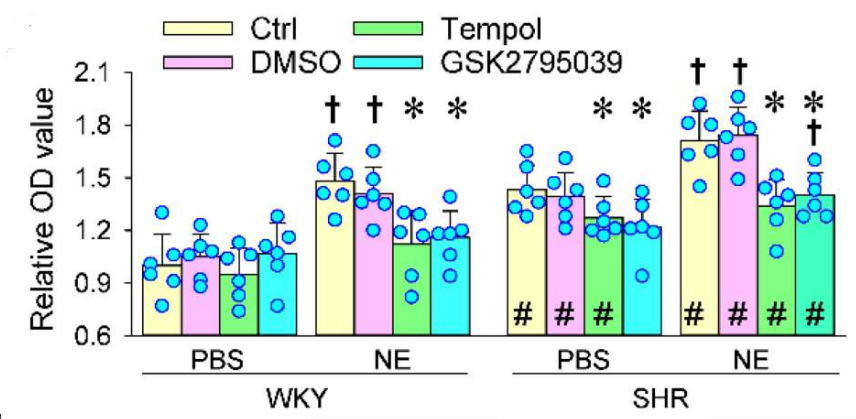
Tempol (1 mM; 1 h; superoxide scavenger) inhibited norepinephrine (NE) (20 μM; 1 h)-induced vascular adventitial fibroblast (VAF) proliferation in WKY and SHR rats.
-
J Ethnopharmacol
Yi-Qi-Jian-Pi formula ameliorates immune function in acute-on-chronic liver failure by upregulating autophagy and mitochondrial biogenesis in CD8+ T lymphocytes. [Abstract]2023 May 23:308:116276. PMID: 36806340 -
Cell Mol Life Sci
Mitochondrial oxidative stress inhibited Sirt3/Foxo3/PPARα pathway and aggravated copper and zinc co-deficiency-induced hepatic lipotoxicity in a fish model. [Abstract]2025 Jun 5;82(1):226. PMID: 40471448 -
Cells
Oxidative Stress-Induced TRPV2 Expression Increase Is Involved in Diabetic Cataracts and Apoptosis of Lens Epithelial Cells in a High-Glucose Environment. [Abstract]2022 Apr 2;11(7):1196. PMID: 35406761 -
Int Immunopharmacol
Crosstalk patterns of necroptosis signaling and NLRP3 inflammasome in the colonic epithelium and its initial role in colitis. [Abstract]2025 Apr 16:152:114413. PMID: 40088873 -
J Hypertens
Asprosin contributes to vascular remodeling in hypertensive rats via superoxide signaling. [Abstract]2024 Aug 1;42(8):1427-1439. PMID: 38690935 -
mBio
The long noncoding RNA APR attenuates PPRV infection-induced accumulation of intracellular iron to inhibit membrane lipid peroxidation and viral replication. [Abstract]2025 Apr 9;16(4):e0012725. PMID: 40126010 -
Front Pharmacol
Ascorbic Acid Sensitizes Colorectal Carcinoma to the Cytotoxicity of Arsenic Trioxide via Promoting Reactive Oxygen Species-Dependent Apoptosis and Pyroptosis. [Abstract]2020 Feb 21:11:123. PMID: 32153415 -
J Nutr Biochem
Copper (Cu) induced changes of lipid metabolism through oxidative stress-mediated autophagy and Nrf2/PPARγ pathways. [Abstract]2022 Feb:100:108883. PMID: 34653601 -
Biochim Biophys Acta Mol Basis Dis
Methylglyoxal induces endothelial cell apoptosis and coronary microvascular dysfunction through regulating AR-cPLA2 signaling. [Abstract]2024 Oct;1870(7):167437. PMID: 39067539 -
J Cell Mol Med
Knockdown of endogenous RNF4 exacerbates ischaemia-induced cardiomyocyte apoptosis in mice. [Abstract]2020 Sep;24(17):9545-9559. PMID: 32722882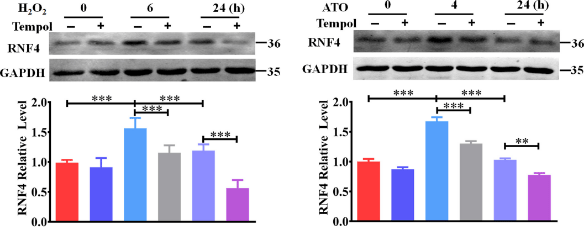
Tempol purchased from MedChemExpress. Usage Cited in: J Cell Mol Med. 2020 Sep;24(17):9545-9559. [Abstract]
After 1-h pre-treatment with Tempol (3 mM), RNF4 expression is measured by Western blot after H2O2 or ATO treatment in NMCMs. RNF4 elevated initially and then attenuated after H2O2 or ATO treatment, while Tempol partially reversed the oxidative stimulus-induced elevation of RNF4 in vitro.
-
J Phys Chem Lett
Polarized Neutrons Observed Nanometer-Thick Crystalline Ice Plates in Frozen Glucose Solution. [Abstract]2023 Aug 31;14(34):7638-7643. PMID: 37605312 -
Arch Biochem Biophys
Selective mitochondrial damage and dysfunction in cholesterol-exposed neuronal cells: Role of mitochondrial lipid peroxidation. [Abstract]2026 Jun:780:110790. PMID: 41825807 -
Immun Inflamm Dis
The effect of TEMPOL pretreatment on postoperative cognitive function, inflammatory response, and oxidative stress in aged rats under sevoflurane anesthesia. [Abstract]2023 Sep;11(9):e1023. PMID: 37773699 -
Tissue Cell
Tempol suppresses ferroptosis and relieves chronic intermittent hypoxia-induced lung injury through the inhibition of TLR4 and activation of the Nrf2/GSH axis. [Abstract]2026 Feb:98:103225. PMID: 41232311 -
Clin Exp Pharmacol Physiol
Chronic intermittent hypoxia-induced oxidative stress activates TRB3 and phosphorylated JNK to mediate insulin resistance and cell apoptosis in the pancreas. [Abstract]2024 Mar;51(3):e13843. PMID: 38302075 -
-
-
-
Oxid Med Cell Longev
MICAL2 Contributes to Gastric Cancer Cell Proliferation by Promoting YAP Dephosphorylation and Nuclear Translocation. [Abstract]2021 Oct 5:2021:9955717. PMID: 34650666 -


Solvant et solubilité
In Vitro:
H2O : ≥ 100 mg/mL (580.59 mM)
* "≥" means soluble, but saturation unknown.
Please refer to the solubility information to select the appropriate solvent. Once prepared, please aliquot and store the solution to prevent product inactivation from repeated freeze-thaw cycles.
Storage method and period of stock solution: -80°C, 1 year; -20°C, 6 months. When stored at -80°C, please use it within 1 year. When stored at -20°C, please use it within 6 months.
* Note: If you choose water as the stock solution, please dilute it to the working solution, then filter and sterilize it with a 0.22 μm filter before use.
Please refer to the solubility information to select the appropriate solvent. Once prepared, please aliquot and store the solution to prevent product inactivation from repeated freeze-thaw cycles.
Storage method and period of stock solution: -80°C, 1 year; -20°C, 6 months. When stored at -80°C, please use it within 1 year. When stored at -20°C, please use it within 6 months.
* Note: If you choose water as the stock solution, please dilute it to the working solution, then filter and sterilize it with a 0.22 μm filter before use.
Concentration (start) × Volume (start) = Concentration (final) × Volume (final)
In Vivo:
For the following dissolution methods, please prepare the working solution directly:
It is recommended to prepare fresh solutions and use them promptly within a short period of time.
The percentages shown for the solvents indicate their volumetric ratio in the final prepared solution. If precipitation or phase separation occurs during preparation, heat and/or sonication can be used to aid dissolution.
Add each solvent one by one: PBS
Solubility: 25 mg/mL (145.15 mM); Clear solution; Need ultrasonic


Pureté et documentation
-
Fiche technique (291 KB)
-
SDS (779 KB)
- English - EN (779 KB)
- Français - FR (779 KB)
- Deutsch - DE (779 KB)
- Norwegian - NO (779 KB)
- Español - ES (779 KB)
- Swedish - SV (779 KB)
- Italian - IT (779 KB)
- Korean - KR (779 KB)
- Portuguese - PT (779 KB)
-
Instruction de manipulation (2659 KB)
Références
[1]. Vilar-Pereira G, et al. Resveratrol Reverses Functional Chagas Heart Disease in Mice. PLoS Pathog. 2016 Oct 27;12(10):e1005947. [Content Brief]
[2]. Chatterjee PK, et al. Tempol, a membrane-permeable radical scavenger, reduces oxidant stress-mediated renal dysfunction and injury in the rat. Kidney Int. 2000 Aug;58(2):658-73. [Content Brief]


Complete Stock Solution Preparation Table
Please refer to the solubility information to select the appropriate solvent. Once prepared, please aliquot and store the solution to prevent product inactivation from repeated freeze-thaw cycles.
Storage method and period of stock solution: -80°C, 1 year; -20°C, 6 months. When stored at -80°C, please use it within 1 year. When stored at -20°C, please use it within 6 months.
| Optional Solvent | Concentration Solvent Mass | 1 mg | 5 mg | 10 mg | 25 mg |
|---|---|---|---|---|---|
| H2O | 1 mM | 5.8059 mL | 29.0293 mL | 58.0585 mL | 145.1463 mL |
| 5 mM | 1.1612 mL | 5.8059 mL | 11.6117 mL | 29.0293 mL | |
| 10 mM | 0.5806 mL | 2.9029 mL | 5.8059 mL | 14.5146 mL | |
| 15 mM | 0.3871 mL | 1.9353 mL | 3.8706 mL | 9.6764 mL | |
| 20 mM | 0.2903 mL | 1.4515 mL | 2.9029 mL | 7.2573 mL | |
| 25 mM | 0.2322 mL | 1.1612 mL | 2.3223 mL | 5.8059 mL | |
| 30 mM | 0.1935 mL | 0.9676 mL | 1.9353 mL | 4.8382 mL | |
| 40 mM | 0.1451 mL | 0.7257 mL | 1.4515 mL | 3.6287 mL | |
| 50 mM | 0.1161 mL | 0.5806 mL | 1.1612 mL | 2.9029 mL | |
| 60 mM | 0.0968 mL | 0.4838 mL | 0.9676 mL | 2.4191 mL | |
| 80 mM | 0.0726 mL | 0.3629 mL | 0.7257 mL | 1.8143 mL | |
| 100 mM | 0.0581 mL | 0.2903 mL | 0.5806 mL | 1.4515 mL |
* Note: If you choose water as the stock solution, please dilute it to the working solution, then filter and sterilize it with a 0.22 μm filter before use.


Tempol Related Classifications
HY-100561 Related Classifications
 Powered by Bioz