



COX-2/5-LOX-IN-4
COX-2/5-LOX-IN-4 (Compound 1) is a dual inhibitor that acts on both COX-2 and 5-LOX, with IC50 values of 0.05 μM for COX-2 and 0.003 μM for 5-LOX. By inhibiting the arachidonic acid metabolism pathway, COX-2/5-LOX-IN-4 reduces the production of prostaglandins and leukotrienes, alleviating inflammatory responses. In a rat ear edema model, intravenous administration (0.01 and 0.1 mg/kg) reduced edema by 41% and 44%, respectively, demonstrating significant anti-inflammatory effects. COX-2/5-LOX-IN-4 shows promise for studying the mechanisms of inflammatory diseases.
For research use only. We do not sell to patients.
- CAS No.: 443919-96-8
- Formula: C29H29FN2O5S
- Molecular Weight:536.61
-
Storage:
Please store the product under the recommended conditions in the Certificate of Analysis.


To place orders, for customer services and technical support, please contact: MedChemExpress USA
Tel: 609-228-6898 E-mail: [email protected] [email protected]


-
 Biological Activity
-
Chemical Information
- Protocols
- Purity & Documentation
- References
-
 Help & FAQs


-
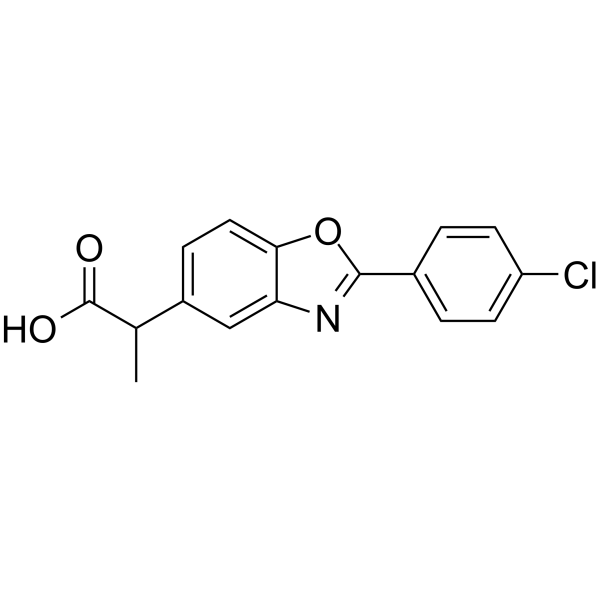
HY-13568
BenoxaprofenNonsteroidal Anti-inflammatory Agent -
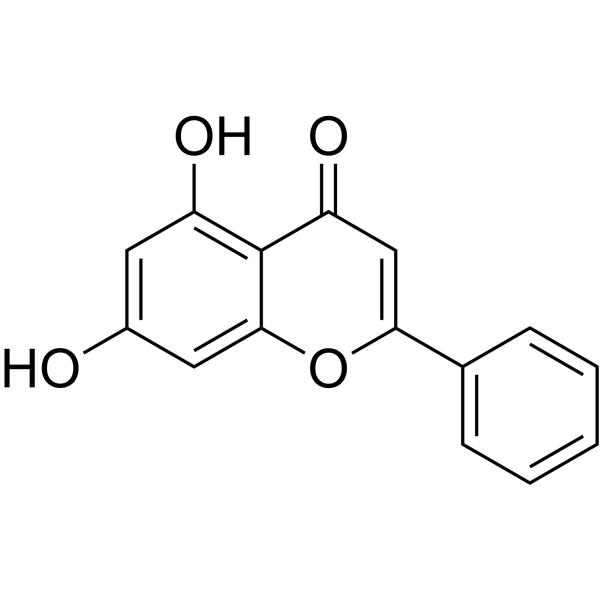
HY-14589
ChrysinEstrogen Receptor/ERR Inhibitor -
HY-N0284
EsculetinPI3K Inhibitor -
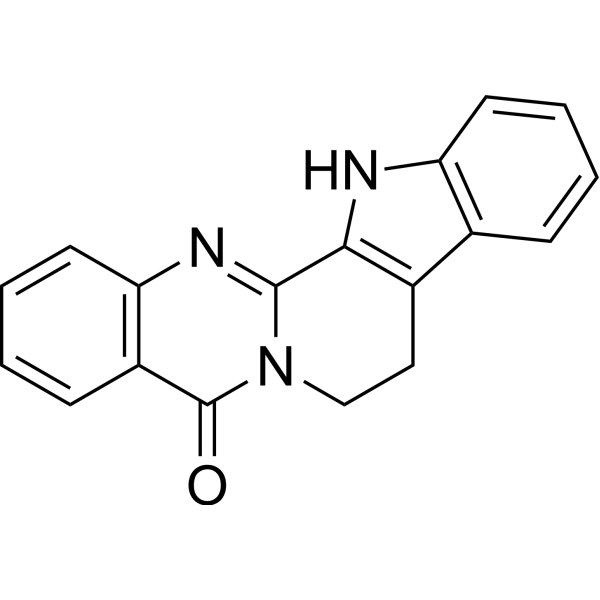
HY-N0147
RutaecarpineCOX Inhibitor -
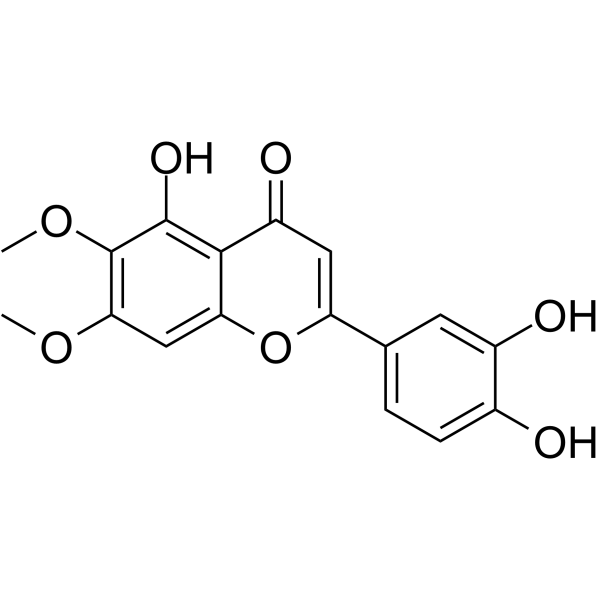
HY-110399
CirsiliolLipoxygenase Inhibitor -
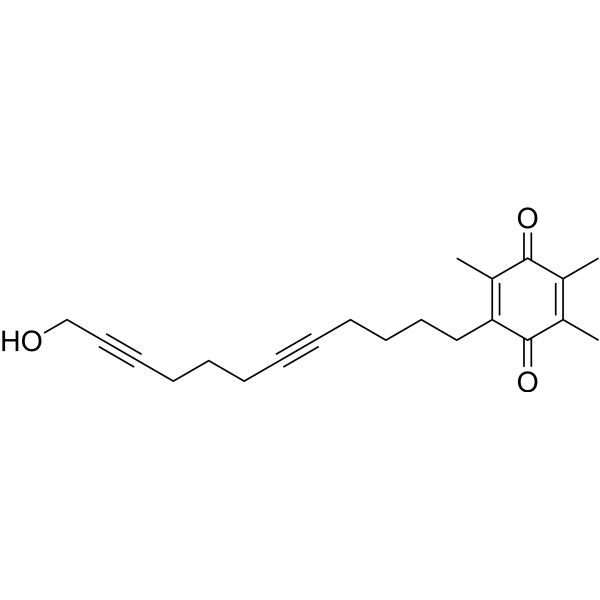
HY-12886
DocebenoneLipoxygenase Inhibitor -
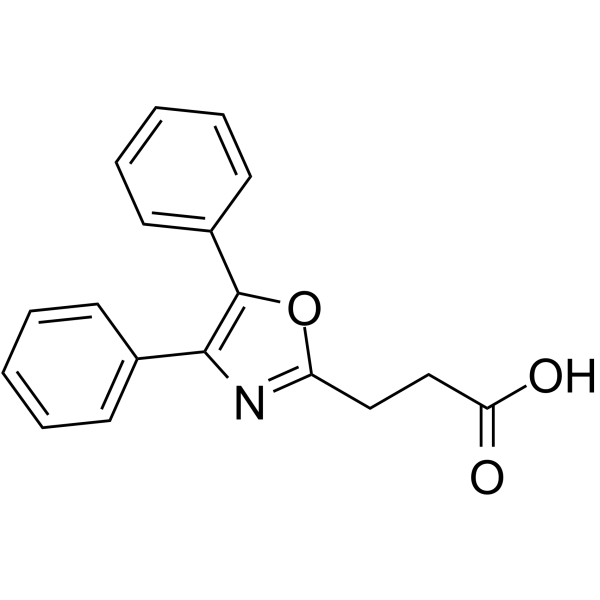
HY-B0808
OxaprozinCOX Inhibitor -

HY-13568R
Benoxaprofen (Standard)Anti-inflammatory/Antipyretic Compound -
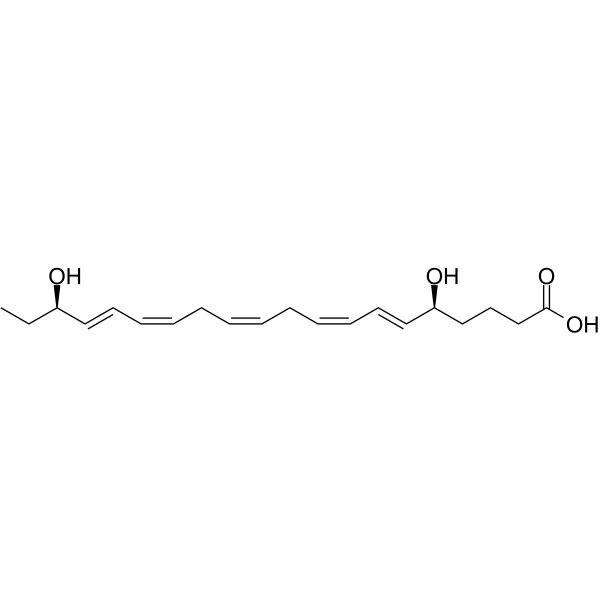
HY-133159
Resolvin E2Endogenous Anti-Inflammatory Agent -
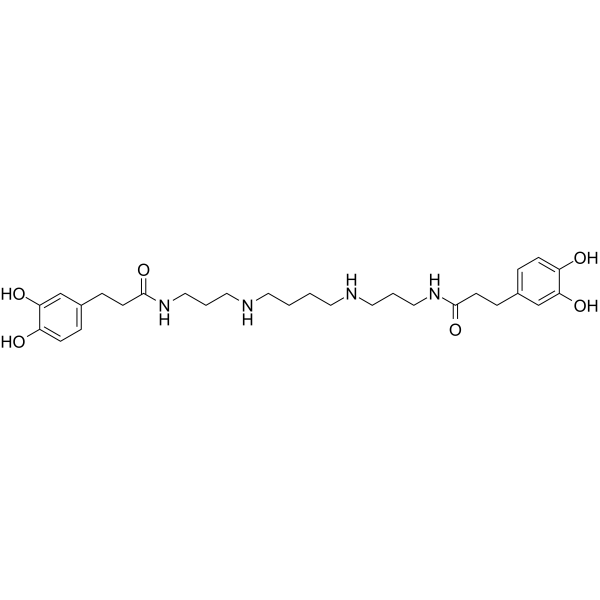
HY-N2392
Kukoamine AAlkaloid -
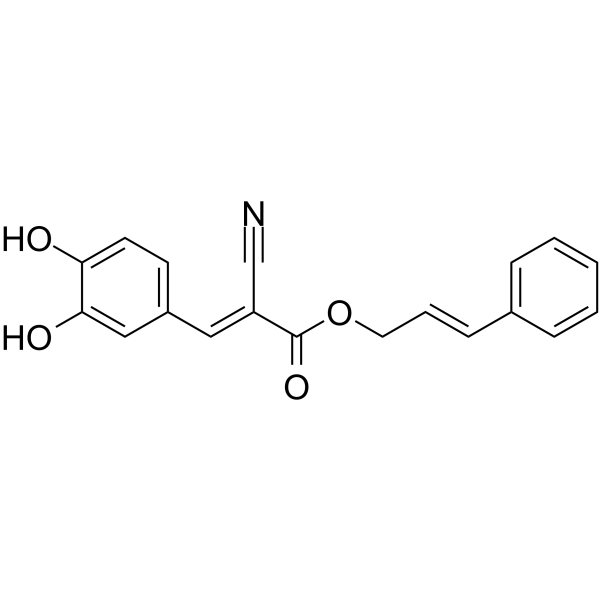
HY-138688
Cinnamyl-3,4-dihydroxy-α-cyanocinnamate12/15-Lipoxygenases Inhibitor -
HY-N2513
β-Boswellic acidLipoxygenase Inhibitor


Biological Activity
Description
Cellular Effect
|
Cell Line

|
Type | Value | Description | References |
|---|---|---|---|---|
| CHO | IC50 |
0.045 μM
Compound: 10a
|
Inhibition of COX2 expressed in CHO cells assessed as inhibition of arachidonic acid-stimulated PGE2 production by enzyme immunoassay
Inhibition of COX2 expressed in CHO cells assessed as inhibition of arachidonic acid-stimulated PGE2 production by enzyme immunoassay
|
[PMID: 15566290] |
| CHO | IC50 |
26.08 μM
Compound: 10a
|
Inhibition of COX1 expressed in CHO cells assessed as inhibition of arachidonic acid-stimulated PGE2 production by enzyme immunoassay
Inhibition of COX1 expressed in CHO cells assessed as inhibition of arachidonic acid-stimulated PGE2 production by enzyme immunoassay
|
[PMID: 15566290] |
| LNCaP | IC50 |
83.4 μM
Compound: 10a
|
Antiproliferative activity against androgen-sensitive human LNCaP cells after 72 hrs by MTT test
Antiproliferative activity against androgen-sensitive human LNCaP cells after 72 hrs by MTT test
|
[PMID: 15566290] |


Chemical Information
-
CAS No. 443919-96-8
-
Molecular Weight 536.61
-
Formula C29H29FN2O5S
-
SMILES
O=S(C1=CC=C(N2N=C(COC3=CC(F)=CC(C4(CCOCC4)OC)=C3)C=C2C5=CC=CC=C5)C=C1)(C)=O
-
Shipping
Room temperature in continental US; may vary elsewhere.
-
Storage
Please store the product under the recommended conditions in the Certificate of Analysis.

Protocols
-
How to Select the Route of Administration for Mammals
Route-of-administration selection in mammals is a pharmacokinetic, pharmacodynamic, formulation, animal-welfare, and translational decision, not a default technical choice. The selected route should match the study goal: intravenous dosing is most useful when complete systemic exposure and rapid onset are required, oral dosing is most translational for orally intended medicines but is affected by absorption and first-pass metabolism, subcutaneous or intramuscular dosing can provide slower systemic exposure, and intraperitoneal dosing can be useful in rodent proof-of-concept studies but may have limited clinical translation. Published route-comparison studies show that the same compound can produce different exposure, onset, bioavailability, tissue distribution, and tolerability depending on route; therefore, route choice should be supported by pilot pharmacokinetic or pharmacodynamic evidence when the literature is insufficient. Unresolved questions include how to standardize route sel
-
Cell Cytotoxicity Assay
Cytotoxicity assays are usually based on the assessment of cell membrane damage, which can also be indirectly detected by measuring cell viability. Detection methods include MTT assay, CKK-8 assay, LDH assay and ATP assay, etc.
-
TPA/Croton Oil Ear Edema and Dermatitis
The TPA (12-O-tetradecanoylphorbol-13-acetate) and croton oil-induced mouse ear edema model is a well-established acute cutaneous inflammation system used to evaluate topical anti-inflammatory activity by measuring edema formation, neutrophil infiltration, vascular permeability, and cytokine-mediated skin responses in vivo. The inflammatory response is triggered by topical application of phorbol esters (TPA) or croton oil constituents, leading to rapid activation of protein kinase C signaling, leukocyte recruitment, and increased vascular permeability, which can be quantified by ear thickness, weight, dye extravasation, and biochemical markers such as myeloperoxidase (MPO) activity and pro-inflammatory mediators in ear tissue homogenates. This model is widely used for screening anti-inflammatory agents, where reductions in edema and inflammatory biomarkers reflect suppression of acute dermal inflammation and immune cell infiltration. Histological evaluation typically confirms epidermal
-
Research Protocol for Inflammation-related Diseases
The NLRP3 inflammasome is a cytosolic innate immune signaling platform that integrates priming signals and danger-signal activation to promote caspase-1 activation, maturation of IL-1β and IL-18, and gasdermin D-mediated pyroptotic cell death. The core experimental logic is to determine whether inflammatory disease phenotypes are driven by increased NLRP3 expression, ASC-containing inflammasome assembly, caspase-1 cleavage, GSDMD cleavage, and extracellular release of IL-1β/IL-18 rather than by nonspecific cell injury alone. The pathway is strongly linked to inflammation-related disease phenotypes because monosodium urate crystals activate NALP3/NLRP3 inflammasome signaling in gout-like crystal inflammation, cholesterol crystals activate NLRP3 inflammasomes in atherogenesis models, and DSS-induced intestinal inflammation has been reported to involve NLRP3 inflammasome activity. However, experimental colitis studies also show context-dependent protective effects of NLRP3 inflammasome co


Purity & Documentation
References

Calculators
Concentration (start) × Volume (start) = Concentration (final) × Volume (final)


COX-2/5-LOX-IN-4 Related Classifications
HY-116763 Related Classifications
 Powered by Bioz