



Cucurbitacin B
Based on 14 publication(s) in Google Scholar
Cucurbitacin B belongs to a class of highly oxidized tetracyclic triterpenoids and is oral active. Cucurbitacin B inhibits tumor cell growth, migration and invasion and cycle arrest, but induces cell apoptosis. Cucurbitacin B has potent anti-inflammatory, antioxidant, antiviral, hypoglycemic, hepatoprotective, neuroprotective activity.
For research use only. We do not sell to patients.
- Purity : 99.81%
- CAS No.: 6199-67-3
- Formula: C32H46O8
- Molecular Weight:558.70
-
Storage:Powder -20°C, 3 years , 4°C, 2 years ; In solvent -80°C, 6 months , -20°C, 1 month

To place orders, for customer services and technical support, please contact: MedChemExpress USA
Tel: 609-228-6898 E-mail: [email protected] [email protected]


-
 Biological Activity
-
Chemical Information
-
Solvent & Solubility
- Protocols
- Purity & Documentation
- References
-
 Help & FAQs


-
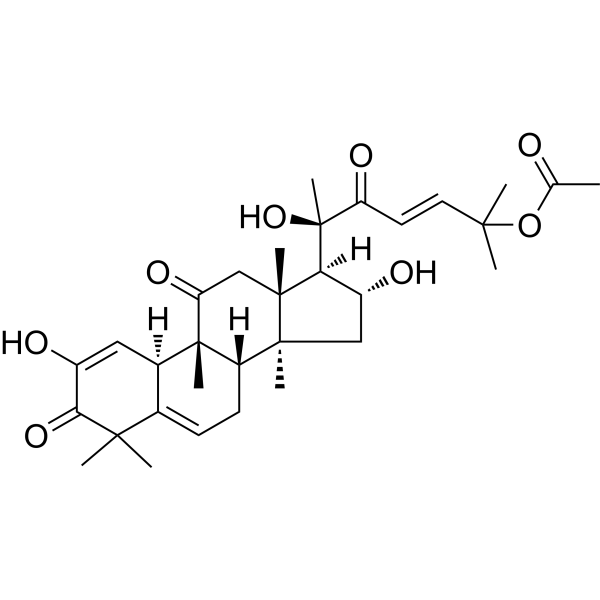
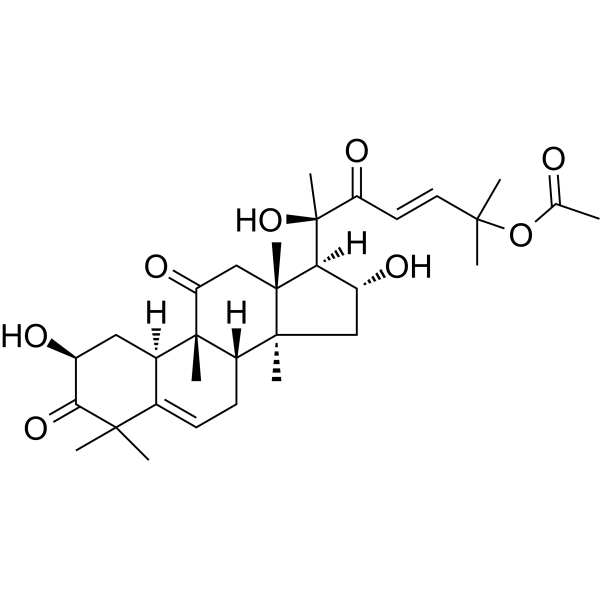
HY-N0417
Cucurbitacin EPANoptosis Inducer -
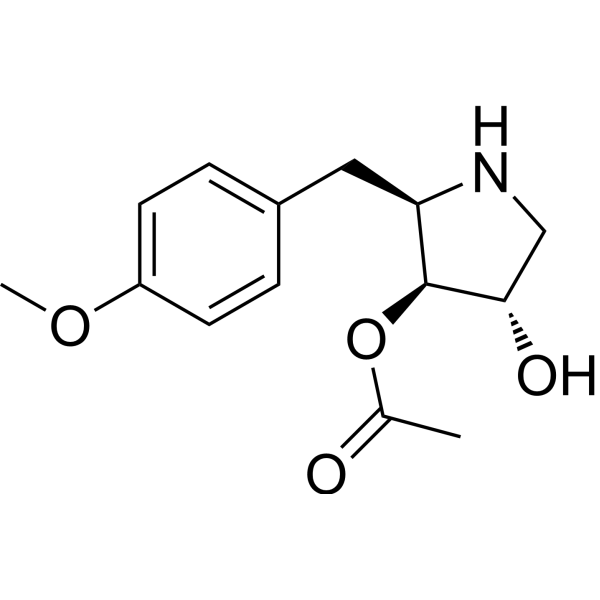
HY-18982
AnisomycinProtein Synthesis Inhibitor -
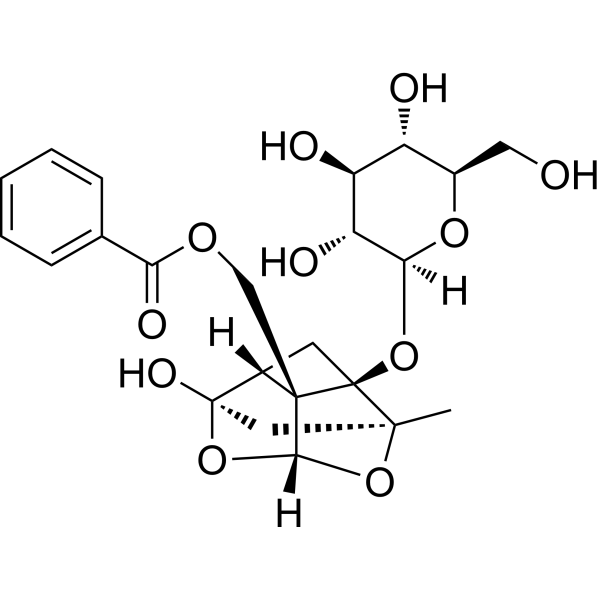
HY-N0293
PaeoniflorinHSP Activator -

HY-N0416R
Cucurbitacin B (Standard)Bioactive Tetracyclic Triterpenoid -
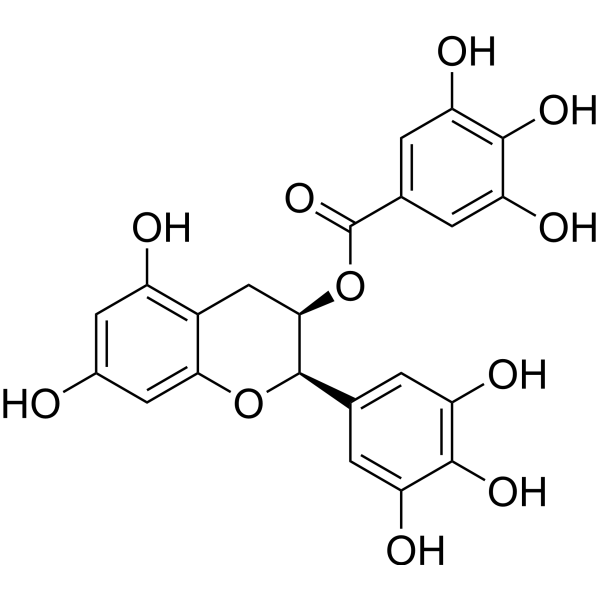
HY-13653
(-)-Epigallocatechin GallateAnticancer Agent -
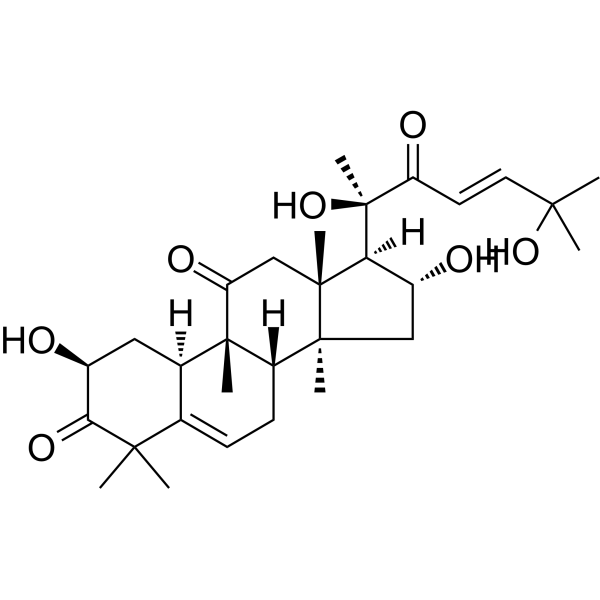
HY-N1986
Cucurbitacin DHSP Inhibitor -
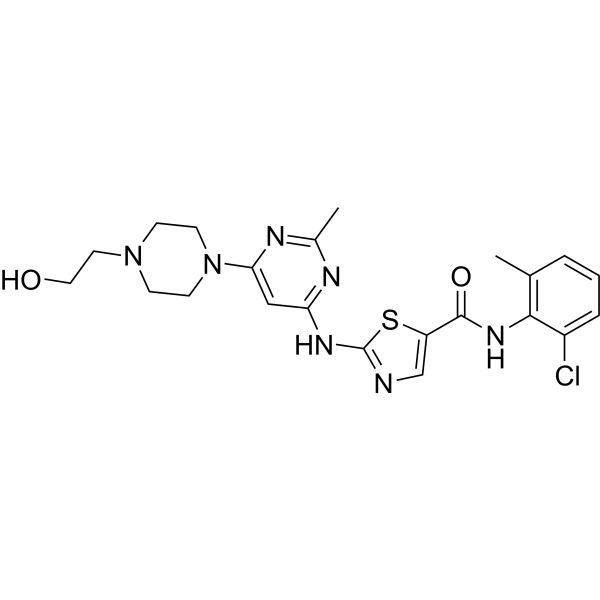
HY-10181
DasatinibSrc/Bcr-Abl Inhibitor -
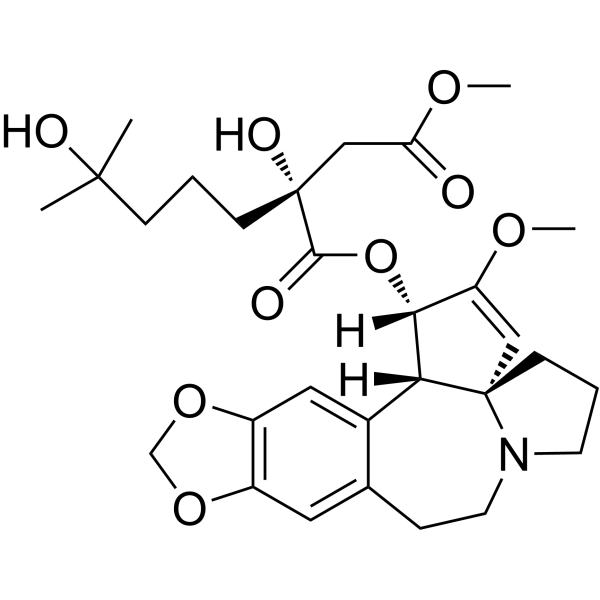
HY-14944
HomoharringtonineSTAT Inhibitor -
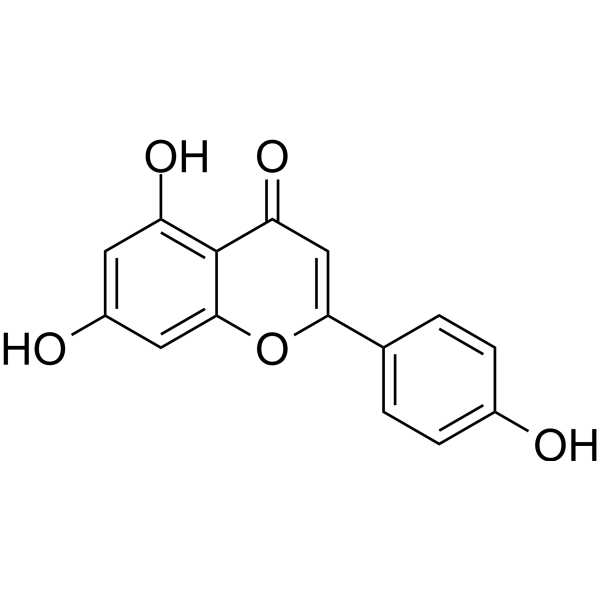
HY-N1201
ApigeninCytochrome P450 Inhibitor -
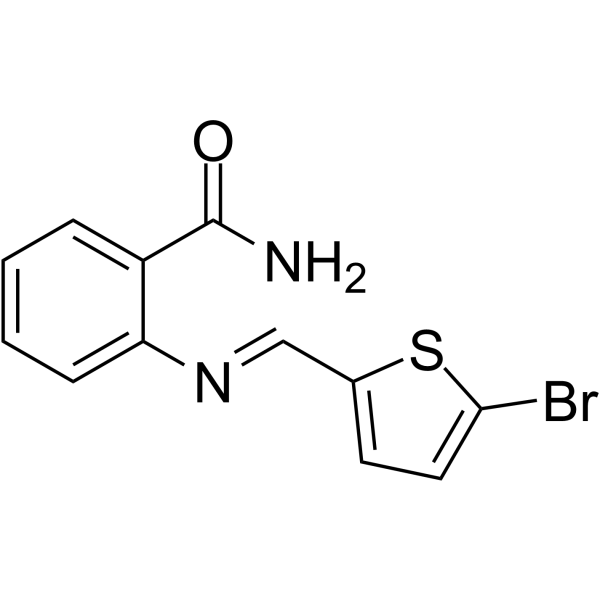
HY-124447
BTYNBIGF2BP1 Inhibitor -
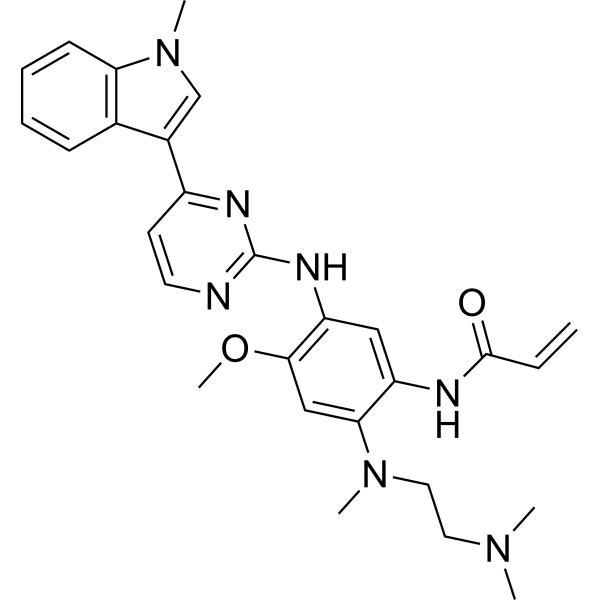
HY-15772
OsimertinibMutant-Selective EGFR Inhibitor -
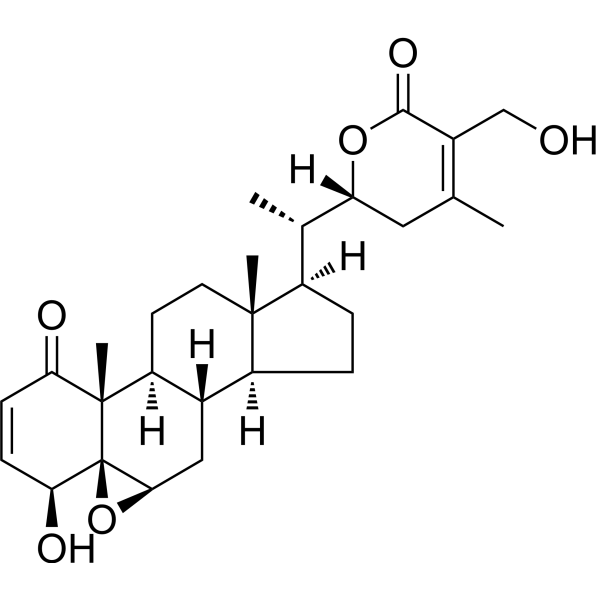
HY-N2065
Withaferin ANF-κB Inhibitor
Publications Citing Use of MedChemExpress (MCE) Cucurbitacin B
More- Pharmacol Res. 2020 May:155:104751. [Abstract]
- Plant Cell Environ. 2026 Aug 18.
- Mech Ageing Dev. 2020 Oct:191:111347. [Abstract]
- Biomacromolecules. 2026 May 11;27(5):3080-3108. [Abstract]
- Int Immunopharmacol. 2026 Jun 13:185:116985. [Abstract]
- Int Immunopharmacol. 2025 Sep 13:165:115485. [Abstract]
- Int J Mol Sci. 2024 Aug 28;25(17):9333. [Abstract]
- Int J Mol Sci. 2023 Dec 28;25(1):442. [Abstract]
- AMB Express. 2025 Jul 26;15(1):111. [Abstract]
- Int J Immunopathol Pharmacol. 2025 Jan-Dec:39:3946320251348715. [Abstract]
- J Insect Sci. 2020 Sep 1;20(5):18. [Abstract]
- Electronic Theses and Dissertations. 2023 Jul.
- Patent. US20220162561A1.
- J Nanomater. 2021 Mar 12.
 Customer Validation & Images

-
Cell Proliferation/Viability Assay
-
Flow Cytometry
-
WB
-
Cell Imaging/Staining
-
RT-PCR
All Endogenous Metabolite Isoforms
More

Biological Activity
Description
Cellular Effect
|
Cell Line

|
Type | Value | Description | References |
|---|---|---|---|---|
| A549 | IC50 |
0.088 μM
Compound: CuB; 1
|
Antiproliferative activity against human A549 cells assessed as cell growth inhibition incubated for 72 hrs by SRB assay
Antiproliferative activity against human A549 cells assessed as cell growth inhibition incubated for 72 hrs by SRB assay
|
[PMID: 37681508] |
| BXPC-3 | IC50 |
0.022 μM
Compound: CuB; 1
|
Antiproliferative activity against human BXPC-3 cells assessed as cell growth inhibition incubated for 72 hrs by SRB assay
Antiproliferative activity against human BXPC-3 cells assessed as cell growth inhibition incubated for 72 hrs by SRB assay
|
[PMID: 37681508] |
| CFPAC-1 | IC50 |
0.023 μM
Compound: CuB; 1
|
Antiproliferative activity against human CFPAC-1 cells assessed as cell growth inhibition incubated for 72 hrs by SRB assay
Antiproliferative activity against human CFPAC-1 cells assessed as cell growth inhibition incubated for 72 hrs by SRB assay
|
[PMID: 37681508] |
| CHO | IC50 |
1.99 μM
Compound: 2
|
Cytotoxicity against CHO cells by MTT assay
Cytotoxicity against CHO cells by MTT assay
|
[PMID: 30108825] |
| HCT-116 | IC50 |
0.019 μM
Compound: CuB; 1
|
Antiproliferative activity against human HCT-116 cells assessed as cell growth inhibition incubated for 72 hrs by SRB assay
Antiproliferative activity against human HCT-116 cells assessed as cell growth inhibition incubated for 72 hrs by SRB assay
|
[PMID: 37681508] |
| HeLa | IC50 |
0.024 μM
Compound: CuB; 1
|
Antiproliferative activity against human HeLa cells assessed as cell growth inhibition incubated for 72 hrs by SRB assay
Antiproliferative activity against human HeLa cells assessed as cell growth inhibition incubated for 72 hrs by SRB assay
|
[PMID: 37681508] |
| HepG2 | IC50 |
0.051 μM
Compound: CuB; 1
|
Antiproliferative activity against human HepG2 cells assessed as cell growth inhibition incubated for 72 hrs by SRB assay
Antiproliferative activity against human HepG2 cells assessed as cell growth inhibition incubated for 72 hrs by SRB assay
|
[PMID: 37681508] |
| Huh-7 | IC50 |
4.1 μM
Compound: 6; CuB
|
Cytotoxicity against human Huh-7 cells assessed as reduction in cell viability incubated for 24 hrs by MTT assay
Cytotoxicity against human Huh-7 cells assessed as reduction in cell viability incubated for 24 hrs by MTT assay
|
[PMID: 38382391] |
| L02 | IC50 |
0.011 μM
Compound: CuB; 1
|
Antiproliferative activity against human L02 cells assessed as cell growth inhibition incubated for 72 hrs by SRB assay
Antiproliferative activity against human L02 cells assessed as cell growth inhibition incubated for 72 hrs by SRB assay
|
[PMID: 37681508] |
| LNCaP | IC50 |
0.1 μM
Compound: 18
|
Antiproliferative activity against human LNCaP cells assessed as reduction in cell viability by CellTitre-Glo assay
Antiproliferative activity against human LNCaP cells assessed as reduction in cell viability by CellTitre-Glo assay
|
[PMID: 37428122] |
| LNCaP | IC50 |
0.1 μM
Compound: 8
|
Antiproliferative activity against human LNCAP cells
Antiproliferative activity against human LNCAP cells
|
[PMID: 30195238] |
| MCF7 | IC50 |
0.04 μM
Compound: CuB; 1
|
Antiproliferative activity against human MCF7 cells assessed as cell growth inhibition incubated for 72 hrs by SRB assay
Antiproliferative activity against human MCF7 cells assessed as cell growth inhibition incubated for 72 hrs by SRB assay
|
[PMID: 37681508] |
| MCF7 | IC50 |
12 μM
Compound: CuB
|
Cytotoxicity against human MCF7 cells assessed as reduction in cell viability incubated for 48 hrs by MTT assay
Cytotoxicity against human MCF7 cells assessed as reduction in cell viability incubated for 48 hrs by MTT assay
|
[PMID: 31620225] |
| MCF7 | IC50 |
9.72 μM
Compound: CuB
|
Cytotoxicity against human MCF7 cells assessed as reduction in cell viability incubated for 48 hrs in presence of NQO1 inhibitor dicoumarol by MTT assay
Cytotoxicity against human MCF7 cells assessed as reduction in cell viability incubated for 48 hrs in presence of NQO1 inhibitor dicoumarol by MTT assay
|
[PMID: 31620225] |
| MDA-MB-231 | IC50 |
0.037 μM
Compound: CuB; 1
|
Antiproliferative activity against human MDA-MB-231 cells assessed as cell growth inhibition incubated for 72 hrs by SRB assay
Antiproliferative activity against human MDA-MB-231 cells assessed as cell growth inhibition incubated for 72 hrs by SRB assay
|
[PMID: 37681508] |
| PANC-1 | IC50 |
0.067 μM
Compound: CuB; 1
|
Antiproliferative activity against human PANC-1 cells assessed as cell growth inhibition incubated for 72 hrs by SRB assay
Antiproliferative activity against human PANC-1 cells assessed as cell growth inhibition incubated for 72 hrs by SRB assay
|
[PMID: 37681508] |
| PC-3 | IC50 |
0.1 μM
Compound: 8
|
Antiproliferative activity against human PC3 cells
Antiproliferative activity against human PC3 cells
|
[PMID: 30195238] |
| SK-OV-3 | IC50 |
0.047 μM
Compound: CuB; 1
|
Antiproliferative activity against human SK-OV-3 cells assessed as cell growth inhibition incubated for 72 hrs by SRB assay
Antiproliferative activity against human SK-OV-3 cells assessed as cell growth inhibition incubated for 72 hrs by SRB assay
|
[PMID: 37681508] |
| Vero | IC50 |
0.04 μM
Compound: CuB
|
Cytotoxicity against African green monkey Vero cells assessed as reduction in cell viability incubated for 48 hrs by MTT assay
Cytotoxicity against African green monkey Vero cells assessed as reduction in cell viability incubated for 48 hrs by MTT assay
|
[PMID: 31620225] |
In Vitro
Cucurbitacin B (up to 40 μM, 12-48 h) inhibits the cell growth and arrests cell cycle progression at the G2/M phase in CCA cell lines [2].
Cucurbitacin B (0.1, 0.3 and 1 μM) increases the level of total superoxide dismutase(T-SOD) and SOD-1, but decrease the reactive oxygen species (ROS) and malondialdehyde (MDA) in BY4741 yeast cells[3].
MedChemExpress (MCE) has not independently confirmed the accuracy of these methods. They are for reference only.
-
Cell Line:CCA cell lines
-
Concentration:0.1, 1 0.5, 1,5, 10, 20, 40 μM
-
Incubation Time:24 and 48 h
-
Result:Decreased cell viability in a dose-dependent and time-dependent manner with the IC50 values of 13:44 μM for 24 h and 1.55 for 48 h.
-
Cell Line:CCA cell lines
-
Concentration:0.1, 1, 10 μM
-
Incubation Time:24 h
-
Result:Arrested cell cycle progression at the G2/M phase.
-
Cell Line:CCA cell lines
-
Concentration:0.1, 1 0.5, 1,5, 10, 20, 40 μM
-
Incubation Time:12 and 24 h
-
Result:Decreased the expression of Cyclin A, Cyclin D1, Cdc25A, but increased the level of p21.
In Vivo
Cucurbitacin B (20-50 mg/kg for i.p., 28 day) B afford a decline in AD symptoms and protects neurons against STZ-ICV toxicity that improved memory functions in rats[5].
MedChemExpress (MCE) has not independently confirmed the accuracy of these methods. They are for reference only.
-
Animal Model:Carrageenan-induced prostatic inflammation in rats[4]
-
Dosage:5mg/kg/day for 10day
-
Administration:Oral administration
-
Result:Decreased the level of TNF-α, IL-1b, COX-2 and iNOS in prostatic tissues.
-
Animal Model:STZ-ICV rat prototype of AD-like dementia[5]
-
Dosage:20, 50mg/kg/day for 28days
-
Administration:Intraperitoneal injection (i.p.)
-
Result:Decreased the TNF-α, IL-1β, MPO, iNOS, acetylcholinesterase, and glutamate levels, but increased gamma-aminobutyric acid.
Increase in viable neuron density in the cortex and hippocampus of rats.
- Research Protocol for Infectious Diseases
- Annexin V plus membrane-impermeant dye apoptosis staining
- Cell migration
- Somatic Cell Culture
- CCK-8/WST-8 Cell Proliferation Assay
- Cell Counting-Based Growth Curve Assay
- Research Protocol for Inflammation-related Diseases
- Cell Viability Determination by MTT Colorimetric Assay
- Detection of Apoptosis
- TUNEL staining for apoptotic DNA fragmentation
- Protocol for Cell Counting and Cell Density Analysis
- Apoptosis Solutions
- Cell invasion
- MTT Cell Proliferation Assay


Chemical Information
-
CAS No. 6199-67-3
-
Appearance Solid
-
Molecular Weight 558.70
-
Formula C32H46O8
-
Color White to off-white
-
SMILES
O[C@H](C1)[C@@]([C@@](C)(O)C(/C=C/C(OC(C)=O)(C)C)=O)([H])[C@](C2)(C)[C@]1(C)[C@]3([H])CC=C4C(C)(C)C([C@@H](O)C[C@@]4([H])[C@]3(C)C2=O)=O
-
Structure Classification
-
Shipping
Room temperature in continental US; may vary elsewhere.
-
Storage
Powder -20°C 3 years 4°C 2 years In solvent -80°C 6 months -20°C 1 month


Publications (14)
-
Journal Impact Factor
-
Most Recent
-
Pharmacol Res
Cardamonin retards progression of autosomal dominant polycystic kidney disease via inhibiting renal cyst growth and interstitial fibrosis. [Abstract]2020 May:155:104751. PMID: 32151678 -
-
Mech Ageing Dev
AMPK alleviates oxidative stress‑induced premature senescence via inhibition of NF-κB/STAT3 axis-mediated positive feedback loop. [Abstract]2020 Oct:191:111347. PMID: 32882228
Cucurbitacin B purchased from MedChemExpress. Usage Cited in: Mech Ageing Dev. 2020 Oct:191:111347. [Abstract]
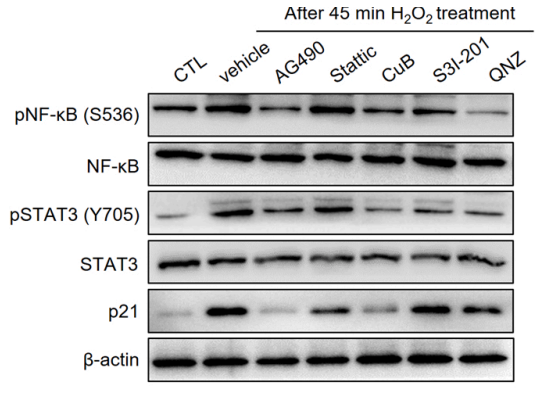
H2O2-treated NIH3T3 cells were incubated in complete medium with different STAT3 inhibitors including AG490 (50 μM), Stattic (0.5 μM), Cucurbitacin B (CuB, 40 ng/mL), S3I-201 (50 μM) and NF-κB inhibitor QNZ (5 μM) for 3 days. Cells lysates were subjected to immunoblotting. The results showed that Cucurbitacin B reduced the expression of p21.
Cucurbitacin B purchased from MedChemExpress. Usage Cited in: Mech Ageing Dev. 2020 Oct:191:111347. [Abstract]
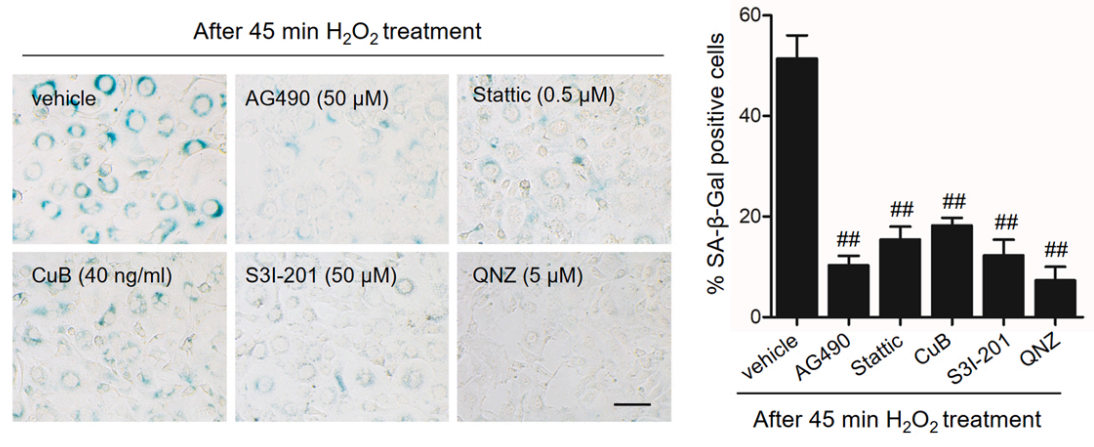
H2O2-treated NIH3T3 cells were incubated in complete medium with different STAT3 inhibitors including AG490 (50 μM), Stattic (0.5 μM), Cucurbitacin B (CuB, 40 ng/mL), S3I-201 (50 μM) and NF-κB inhibitor QNZ (5 μM) for 3 days. Cells were stained for SA-β-Gal and quantified.
Cucurbitacin B purchased from MedChemExpress. Usage Cited in: Mech Ageing Dev. 2020 Oct:191:111347. [Abstract]
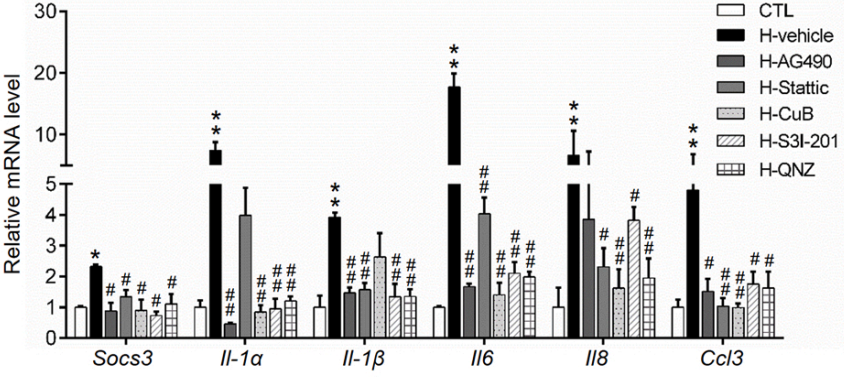
H2O2-treated NIH3T3 cells were incubated in complete medium with different STAT3 inhibitors including AG490 (50 μM), Stattic (0.5 μM), Cucurbitacin B (CuB, 40 ng/mL), S3I-201 (50 μM) and NF-κB inhibitor QNZ (5 μM) for 3 days. qRT-PCR analyses of SASP factors expression.
-
Biomacromolecules
Trivalent GalNAc-Mediated Delivery of Cucurbitacin B Overcomes Systemic Toxicity for Potent HCC Chemoradiotherapy. [Abstract]2026 May 11;27(5):3080-3108. PMID: 41950466 -
Int Immunopharmacol
Cucurbitacin B attenuates bleomycin-induced pulmonary fibrosis by inhibiting M2 macrophage polarization via PI3K/AKT/mTOR signaling. [Abstract]2026 Jun 13:185:116985. PMID: 42287958 -
Int Immunopharmacol
Cucurbitacin B suppresses malignant progression of oral leukoplakia via ferroptosis-induced macrophage polarization. [Abstract]2025 Sep 13:165:115485. PMID: 40946669 -
Int J Mol Sci
Cucurbitacin B Inhibits the Proliferation of WPMY-1 Cells and HPRF Cells via the p53/MDM2 Axis. [Abstract]2024 Aug 28;25(17):9333. PMID: 39273281
Cucurbitacin B purchased from MedChemExpress. Usage Cited in: Int J Mol Sci. 2024 Aug 28;25(17):9333. [Abstract]
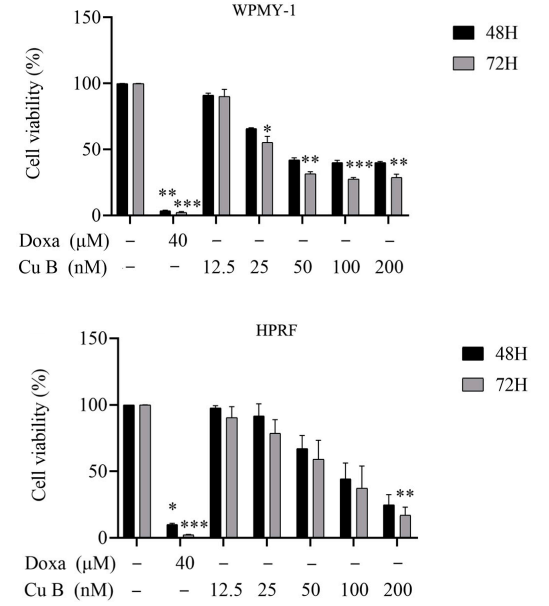
Effect of Cucurbitacin B (Cu B) on the cell viability of WPMY-1 and HPRF. Cu B and Doxa inhibited the proliferation of WPMY-1 and HPRF cells based on CCK-8 results. Prostate cells were treated with vehicle (0.1% DMSO), doxazosin (40 μM), or Cu B (12.5 nM, 25 nM, 50 nM, 100 nM, 200 nM) for 48 h and 72 h. The positive control drug doxazosin 40 μM significantly reduced the survival rate of both cells compared with the solvent control group. After 72 h of treatment with Cu B at medium to high concentrations (25 nM–200 nM), the survival rate of WPMY-1 cells was significantly reduced compared with the solvent control group. Only after 72 h of treatment with the highest concentration (200 nM) of Cu B was the survival rate of HPRF cells significantly reduced compared with the solvent control group.
Cucurbitacin B purchased from MedChemExpress. Usage Cited in: Int J Mol Sci. 2024 Aug 28;25(17):9333. [Abstract]
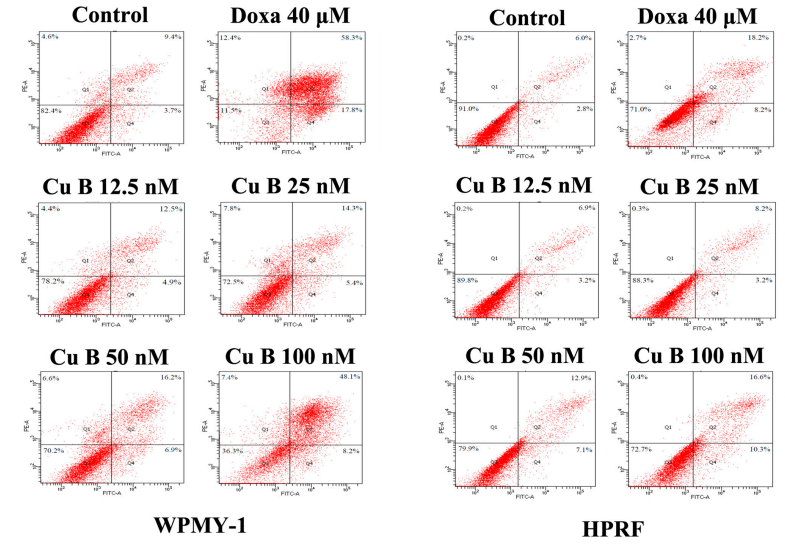
Apoptosis of WPMY-1 and HPRF that were treated with Cucurbitacin B (Cu B) and Doxa. Cu B and Doxa induced the apoptosis of prostate cells based on the results of flow cytometry analysis. In WPMY-1 cells, the apoptosis rate of the Doxa group and the middle-to-high concentration Cu B (50 nM–100 nM; 48 h) group was significantly increased compared with the control group. In HPRF cells, only the apoptosis rate of the high-concentration Cu B (50 nM–100 nM; 48 h) group was significantly increased compared with the control group.
-
Int J Mol Sci
The Antiproliferative and Proapoptotic Effects of Cucurbitacin B on BPH-1 Cells via the p53/MDM2 Axis. [Abstract]2023 Dec 28;25(1):442. PMID: 38203613 -
AMB Express
Cucurbitacin B alleviates DSS-induced ulcerative colitis by improving gut microbiota disorder in C57BL/6 mice. [Abstract]2025 Jul 26;15(1):111. PMID: 40715887 -
Int J Immunopathol Pharmacol
Cucurbitacin B inhibits Th17 cell differentiation via the suppression of the JAK/STAT pathway and alleviates collagen-induced arthritis in mice. [Abstract]2025 Jan-Dec:39:3946320251348715. PMID: 40518910 -
J Insect Sci
The Modulation of Trehalose Metabolism by 20-Hydroxyecdysone in Antheraea pernyi (Lepidoptera: Saturniidae) During its Diapause Termination and Post-Termination Period. [Abstract]2020 Sep 1;20(5):18. PMID: 33057682 -
-
-


Solvent & Solubility
In Vitro:
DMSO : 100 mg/mL (178.99 mM; Need ultrasonic; Hygroscopic DMSO has a significant impact on the solubility of product, please use newly opened DMSO)
H2O : < 0.1 mg/mL (insoluble)
Please refer to the solubility information to select the appropriate solvent. Once prepared, please aliquot and store the solution to prevent product inactivation from repeated freeze-thaw cycles.
Storage method and period of stock solution: -80°C, 6 months; -20°C, 1 month. When stored at -80°C, please use it within 6 months. When stored at -20°C, please use it within 1 month.
Please refer to the solubility information to select the appropriate solvent. Once prepared, please aliquot and store the solution to prevent product inactivation from repeated freeze-thaw cycles.
Storage method and period of stock solution: -80°C, 6 months; -20°C, 1 month. When stored at -80°C, please use it within 6 months. When stored at -20°C, please use it within 1 month.
Concentration (start) × Volume (start) = Concentration (final) × Volume (final)
In Vivo:
Select the appropriate dissolution method based on your experimental animal and administration route.
- For the following dissolution methods, please ensure to first prepare a clear stock solution using an In Vitro approach and then sequentially add co-solvents:
- To ensure reliable experimental results, the clarified stock solution can be appropriately stored based on storage conditions. As for the working solution for In Vivo experiments, it is recommended to prepare freshly and use it on the same day.
- The percentages shown for the solvents indicate their volumetric ratio in the final prepared solution. If precipitation or phase separation occurs during preparation, heat and/or sonication can be used to aid dissolution.
Add each solvent one by one: 10% DMSO 40% PEG300 5% Tween-80 45% Saline
Solubility: ≥ 2.5 mg/mL (4.47 mM); Clear solution
This protocol yields a clear solution of ≥ 2.5 mg/mL (saturation unknown).
Taking 1 mL working solution as an example, add 100 μL DMSO stock solution (25.0 mg/mL) to 400 μL PEG300, and mix evenly; then add 50 μL Tween-80 and mix evenly; then add 450 μL Saline to adjust the volume to 1 mL.
Preparation of Saline: Dissolve 0.9 g sodium chloride in ddH₂O and dilute to 100 mL to obtain a clear Saline solution.
Add each solvent one by one: 10% DMSO 90% (20% SBE-β-CD in Saline)
Solubility: ≥ 2.5 mg/mL (4.47 mM); Clear solution
This protocol yields a clear solution of ≥ 2.5 mg/mL (saturation unknown).
Taking 1 mL working solution as an example, add 100 μL DMSO stock solution (25.0 mg/mL) to 900 μL 20% SBE-β-CD in Saline, and mix evenly.
Preparation of 20% SBE-β-CD in Saline (4°C, storage for one week): 2 g SBE-β-CD powder is dissolved in 10 mL Saline, completely dissolve until clear.
In Vivo Dissolution Calculator
Please enter the basic information of animal experiments:
-
-
-
-
Recommended: Prepare an additional quantity of animals to account for potential losses during experiments.
Please enter your animal formula composition:
-
%DMSO +
Recommended: Keep the proportion of DMSO in working solution below 2% if your animal is weak.
-
%+
-
+%Tween-80 + +
-
%Saline +
The co-solvents required include: DMSO, . All of co-solvents are available by MedChemExpress (MCE). , Tween 80. All of co-solvents are available by MedChemExpress (MCE).
Working solution concentration: 0.22 mg/mL
Method for preparing stock solution: mg drug dissolved in μL DMSO. Stock solution concentration: mg/mL.
1. Take μL DMSO stock solution;
2. Add μL .
μL , mix evenly;
3. Then add μL Tween 80, mix evenly;
4. Then add μL
Please ensure that the stock solution in the first step is dissolved to a clear state, and add co-solvents in sequence. You can use ultrasonic heating (ultrasonic cleaner, recommended frequency 20-40 kHz), vortexing, etc. to assist dissolution.


Purity & Documentation
-
Data Sheet (283 KB)
-
SDS (419 KB)
- English - EN (419 KB)
- Français - FR (419 KB)
- Deutsch - DE (419 KB)
- Norwegian - NO (419 KB)
- Español - ES (419 KB)
- Swedish - SV (419 KB)
- Italian - IT (419 KB)
- Korean - KR (419 KB)
- Portuguese - PT (419 KB)
-
Handling Instructions (2659 KB)
References
[1]. Dai S, , et al. Cucurbitacin B: A review of its pharmacology, toxicity, and pharmacokinetics. Pharmacol Res. 2023;187:106587. [Content Brief]
[2]. Klungsaeng, et al. Targeted Modulation of FAK/PI3K/PDK1/AKT and FAK/p53 Pathways by Cucurbitacin B for the Antiproliferation Effect Against Human Cholangiocarcinoma Cells. Am J Chin Med. 2020;48(6):1475-1489. [Content Brief]
[3]. Lin Y, et al. Cucurbitacin B Exerts Antiaging Effects in Yeast by Regulating Autophagy and Oxidative Stress. Oxid Med Cell Longev. 2019;2019:4517091. [Content Brief]
[4]. Aljohani OS. Phytochemical evaluation of Cucumis prophetarum: protective effects against carrageenan-induced prostatitis in rats. Drug Chem Toxicol. 2022;45(4):1461-1469. [Content Brief]
[5]. Liu Z, Kumar M, Kabra A. Cucurbitacin B exerts neuroprotection in a murine Alzheimer's disease model by modulating oxidative stress, inflammation, and neurotransmitter levels. Front Biosci (Landmark Ed). 2022;27(2):71. [Content Brief]
[6]. Shang Y, et al. Cucurbitacin-B inhibits neuroblastoma cell proliferation through up-regulation of PTEN. Eur Rev Med Pharmacol Sci. 2014;18(21):3297-303. [Content Brief]
[7]. Zhang M, et al. Cucurbitacin B inhibits proliferation and induces apoptosis via STAT3 pathway inhibition in A549 lung cancer cells. Mol Med Rep. 2014 Dec;10(6):2905-11. [Content Brief]
[8]. Guo J, et al. Cucurbitacin B induced ATM-mediated DNA damage causes G2/M cell cycle arrest in a ROS-dependent manner. PLoS One. 2014 Feb 4;9(2):e88140. [Content Brief]
[9]. Gupta P, et al. Inhibition of Integrin-HER2 signaling by Cucurbitacin B leads to in vitro and in vivo breast tumor growth suppression. Oncotarget. 2014 Apr 15;5(7):1812-28. [Content Brief]


Complete Stock Solution Preparation Table
Please refer to the solubility information to select the appropriate solvent. Once prepared, please aliquot and store the solution to prevent product inactivation from repeated freeze-thaw cycles.
Storage method and period of stock solution: -80°C, 6 months; -20°C, 1 month. When stored at -80°C, please use it within 6 months. When stored at -20°C, please use it within 1 month.
| Optional Solvent | Concentration Solvent Mass | 1 mg | 5 mg | 10 mg | 25 mg |
|---|---|---|---|---|---|
| DMSO | 1 mM | 1.7899 mL | 8.9493 mL | 17.8987 mL | 44.7467 mL |
| 5 mM | 0.3580 mL | 1.7899 mL | 3.5797 mL | 8.9493 mL | |
| 10 mM | 0.1790 mL | 0.8949 mL | 1.7899 mL | 4.4747 mL | |
| 15 mM | 0.1193 mL | 0.5966 mL | 1.1932 mL | 2.9831 mL | |
| 20 mM | 0.0895 mL | 0.4475 mL | 0.8949 mL | 2.2373 mL | |
| 25 mM | 0.0716 mL | 0.3580 mL | 0.7159 mL | 1.7899 mL | |
| 30 mM | 0.0597 mL | 0.2983 mL | 0.5966 mL | 1.4916 mL | |
| 40 mM | 0.0447 mL | 0.2237 mL | 0.4475 mL | 1.1187 mL | |
| 50 mM | 0.0358 mL | 0.1790 mL | 0.3580 mL | 0.8949 mL | |
| 60 mM | 0.0298 mL | 0.1492 mL | 0.2983 mL | 0.7458 mL | |
| 80 mM | 0.0224 mL | 0.1119 mL | 0.2237 mL | 0.5593 mL | |
| 100 mM | 0.0179 mL | 0.0895 mL | 0.1790 mL | 0.4475 mL |


Cucurbitacin B Related Classifications
HY-N0416 Related Classifications
 Powered by Bioz