



IXA4
Based on 13 publication(s) in Google Scholar
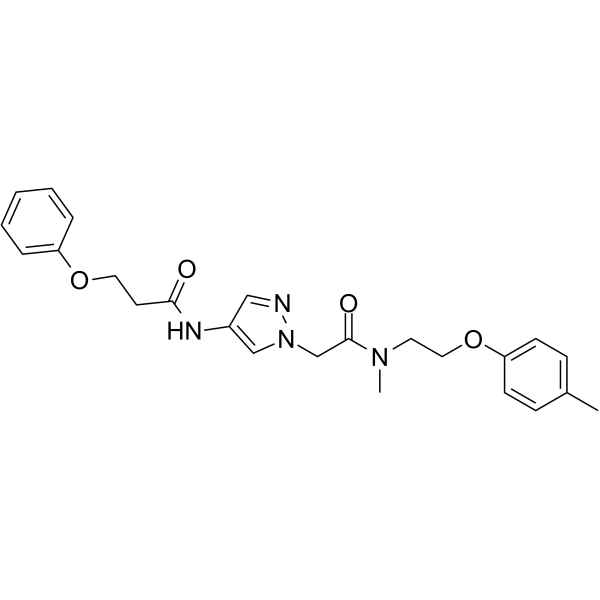
IXA4 is a highly selective, non-toxic IRE1/XBP1s activator. IXA4 activates IRE1/XBP1s signaling without globally activating the unfolded protein response (UPR) or other stress-responsive signaling pathways (e.g., the heat shock response or oxidative stress response). IXA4 reduces secretion of APP through IRE1 activation.
For research use only. We do not sell to patients.
- Purity : 98.92%
- CAS No.: 1185329-96-7
- Formula: C24H28N4O4
- Molecular Weight:436.50
-
Storage:Powder -20°C, 3 years , 4°C, 2 years ; In solvent -80°C, 1 year , -20°C, 6 months

To place orders, for customer services and technical support, please contact: MedChemExpress USA
Tel: 609-228-6898 E-mail: [email protected] [email protected]


-
 Biological Activity
-
Chemical Information
-
Solvent & Solubility
- Protocols
- Purity & Documentation
- References
-
 Help & FAQs


-
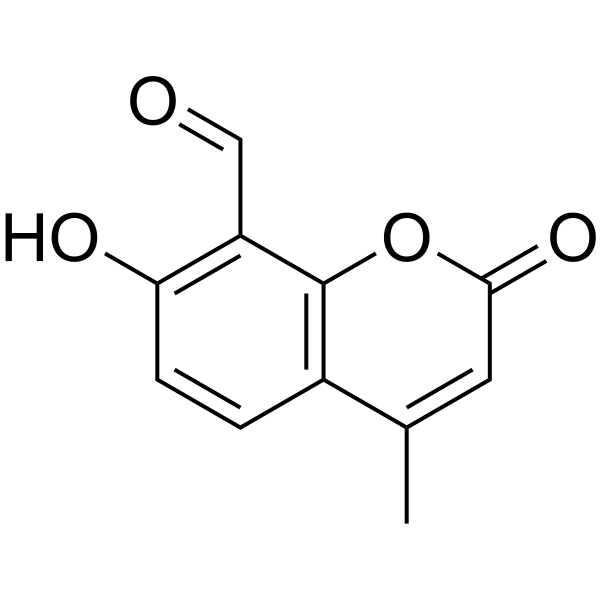
HY-19707
4μ8CIRE1 Inhibitor -
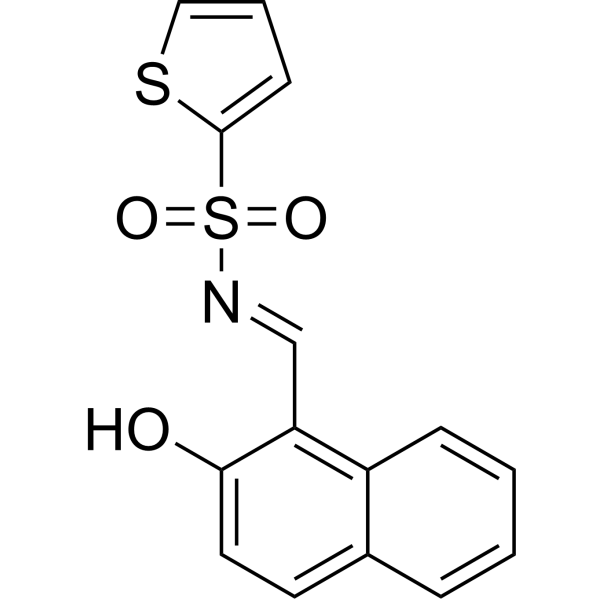
HY-15845
STF-083010IRE1 Inhibitor -
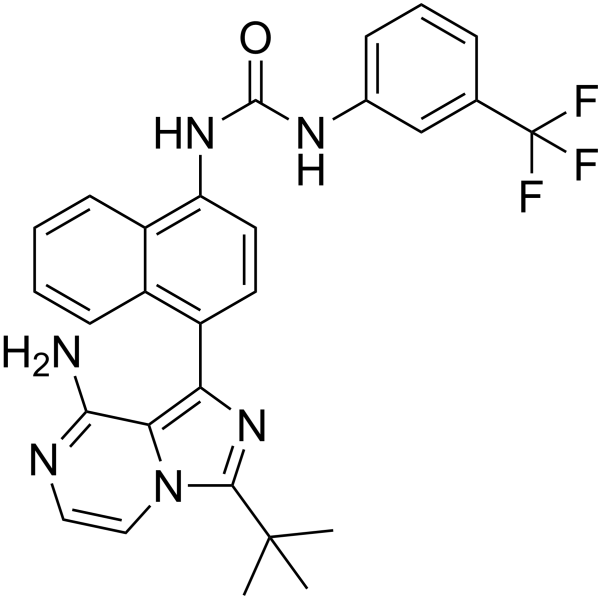
HY-19708
KIRA6IRE1α RNase Inhibitor -
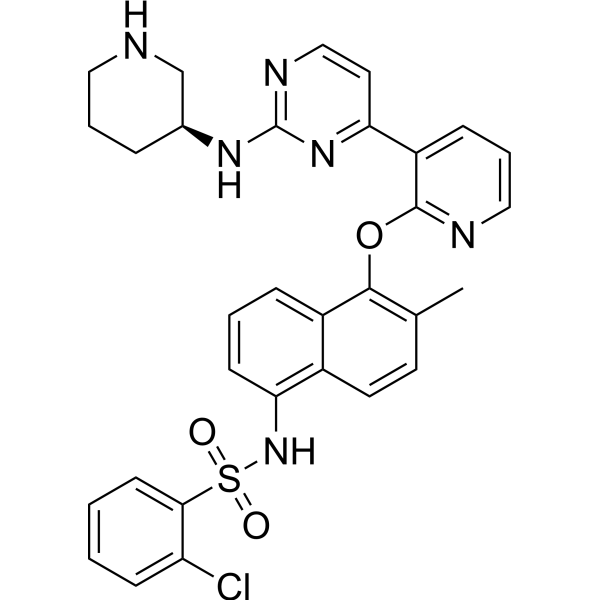
HY-114368
Kira8IRE1α Inhibitor -
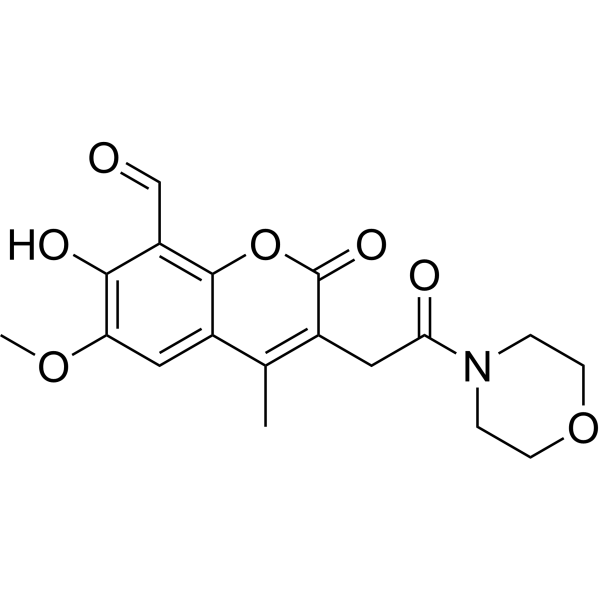
HY-104040
MKC8866IRE1α RNase Inhibitor -
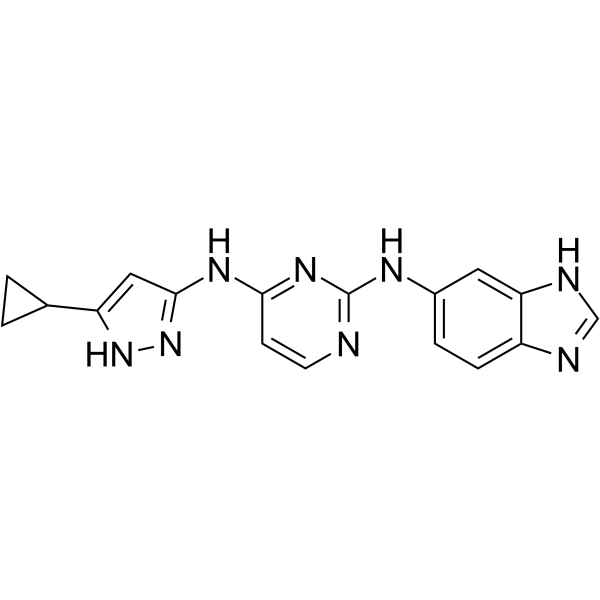
HY-17537
APY29IRE1 Inhibitor -
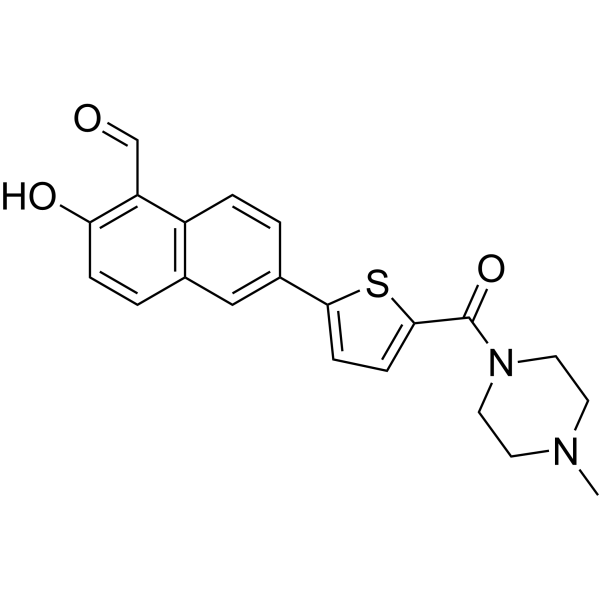
HY-19710
MKC3946IRE1 Inhibitor -
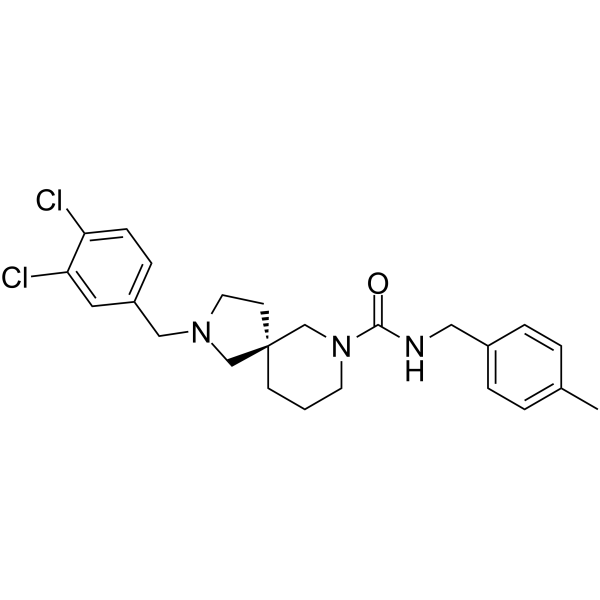
HY-U00459
GSK2850163IRE1α Inhibitor -
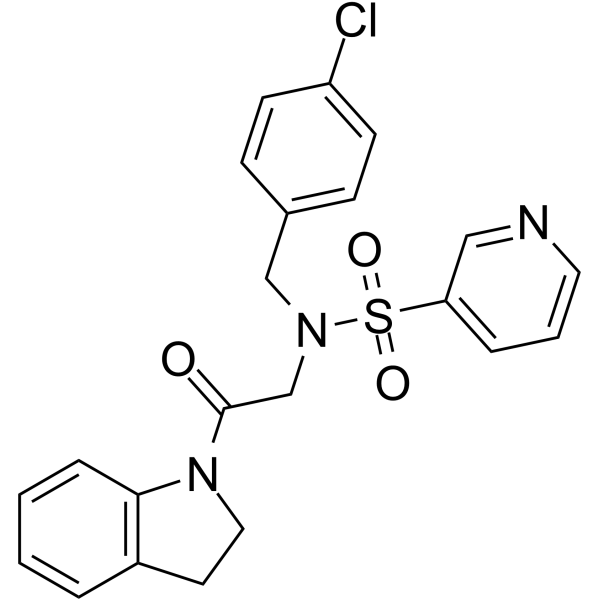
HY-139212
IXA6IRE1/XBP1s Activator -
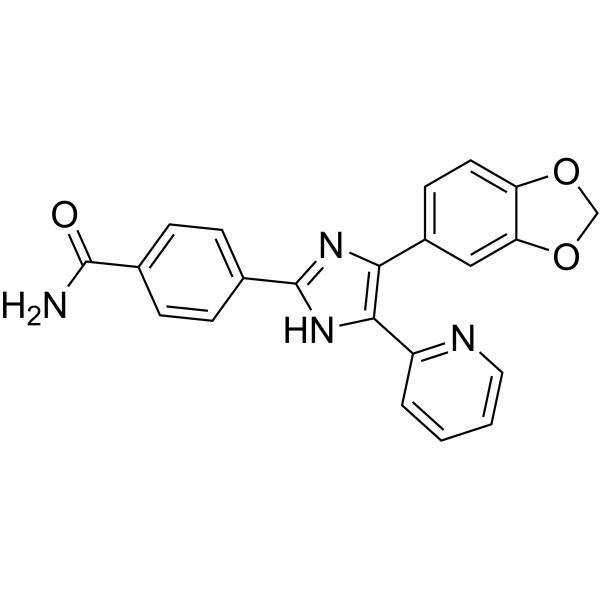
HY-10431
SB-431542TGF-β Receptor Kinase Inhibitor -
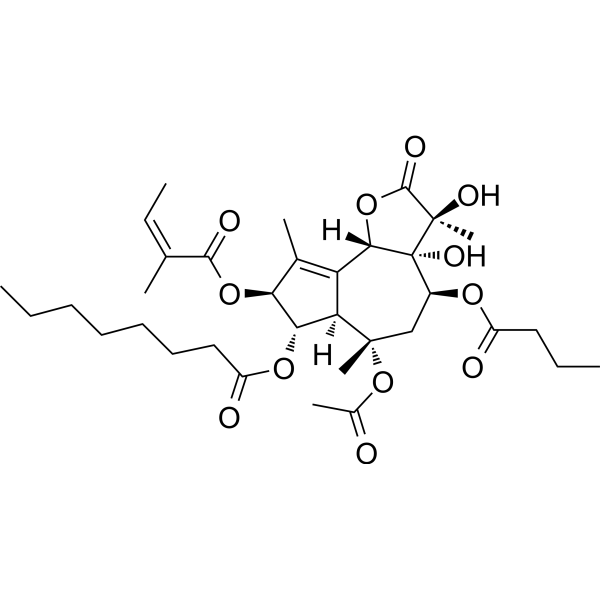
HY-13433
ThapsigarginER Stress Inducer -
HY-103248
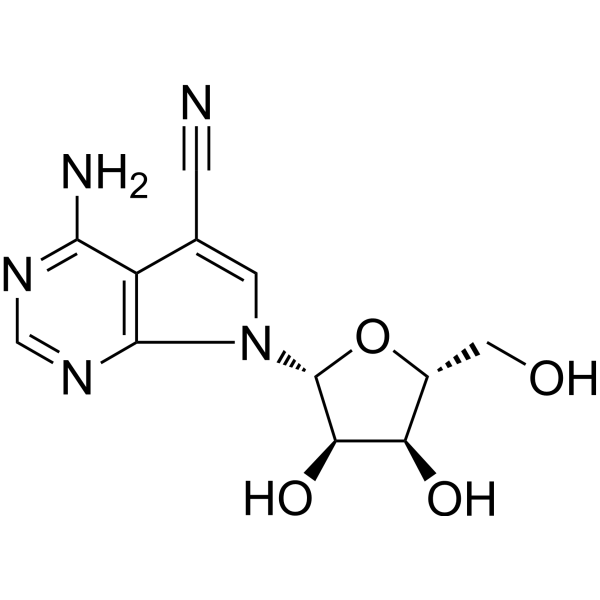
ToyocamycinIRE1/CDK Inhibitor
Publications Citing Use of MedChemExpress (MCE) IXA4
More- Nat Commun. 2023 Nov 17;14(1):7441. [Abstract]
- Adv Sci (Weinh). 2026 Jun 2:e75875. [Abstract]
- Phytomedicine. 2026 Sep:159:158558.
- Cell Chem Biol. 2026 Aug 20;33(8):1179-1192.e6.
- Free Radic Biol Med. 2025 Nov 8:243:414-433. [Abstract]
- Ecotoxicol Environ Saf. 2025 Jun 15:298:118321. [Abstract]
- Biochem Pharmacol. 2025 Oct:240:117089. [Abstract]
- Cell Regen. 2025 May 16;14(1):18. [Abstract]
- Microb Pathog. 2026 Jan 21:108313. [Abstract]
- Microbiologyopen. 2026 Feb;15(1):e70219. [Abstract]
- Global Spine J. 2026 Apr 16:21925682261443920. [Abstract]
- Vet Microbiol. 2024 Mar:290:109988. [Abstract]
- bioRxiv. 2025 May 13.
 Customer Validation & Images

-
Cell Proliferation/Viability Assay
-
RT-PCR
-
Histological Imaging/Staining
-
Flow Cytometry
-
Bio/Physico-chemical Assay


Biological Activity
Description
In Vitro
IXA4 (10 μM; 4 hours) selectively upregulates XBP1s mRNA, relative to genes regulated by ATF6 (e.g., BiP) or PERK (e.g., CHOP), in other cell lines including Huh7 and SHSY5Y cells[1].
IXA4 (10μM; 18 hours) reduces Aβ levels 50% in conditioned media prepared on CHO7PA2 cells expressing the V717F APP (APPV717F) mutant[1].
IXA4 rescues mitochondrial defects in SH-SY5Y cells expressing disease-relevant APP mutants. IXA4 (10μM; 4 hours) promotes adaptive IRE1/XBP1s signaling, but not RIDD, following 4 hrs of treatment in HEK293T cells[1].
IXA4 also promotes selective transcriptional remodeling of ER proteostasis pathways, relative to cytosolic or mitochondrial pathways[1].
MedChemExpress (MCE) has not independently confirmed the accuracy of these methods. They are for reference only.


Chemical Information
-
CAS No. 1185329-96-7
-
Appearance Solid
-
Molecular Weight 436.50
-
Formula C24H28N4O4
-
Color White to off-white
-
SMILES
O=C(N(C)CCOC1=CC=C(C)C=C1)CN2N=CC(NC(CCOC3=CC=CC=C3)=O)=C2
-
Shipping
Room temperature in continental US; may vary elsewhere.
-
Storage
Powder -20°C 3 years 4°C 2 years In solvent -80°C 1 year -20°C 6 months


Publications (13)
-
Journal Impact Factor
-
Most Recent
-
Nat Commun
2023 Nov 17;14(1):7441. PMID: 37978190
IXA4 purchased from MedChemExpress. Usage Cited in: Nat Commun. 2023 Nov 17;14(1):7441. [Abstract]
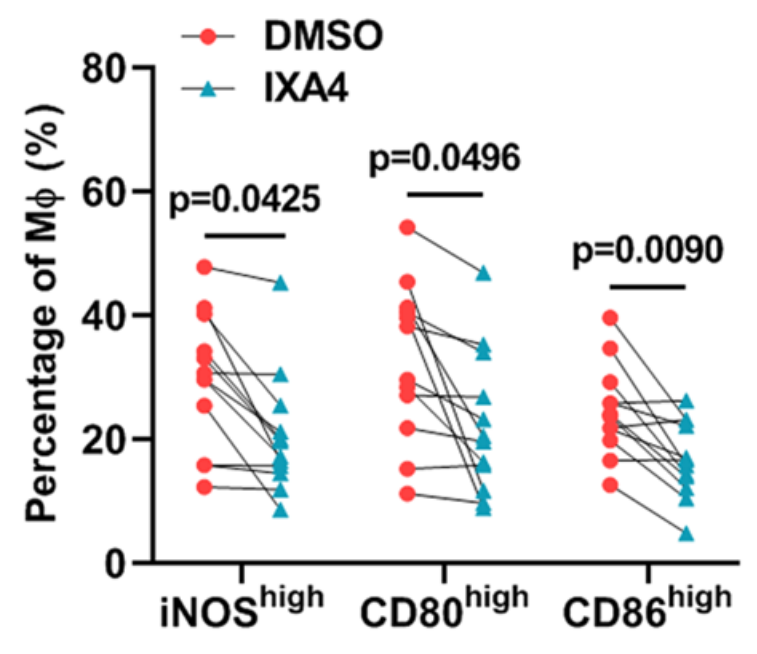
PBMCs obtained from influenza patients with cytokine storm were pretreated with IXA4 (10 μM; 6 h). The expression of iNOS, CD80, and CD86 was detected. IXA4 significantly inhibited M1-like hyperpolarization in PBMCs.
IXA4 purchased from MedChemExpress. Usage Cited in: Nat Commun. 2023 Nov 17;14(1):7441. [Abstract]
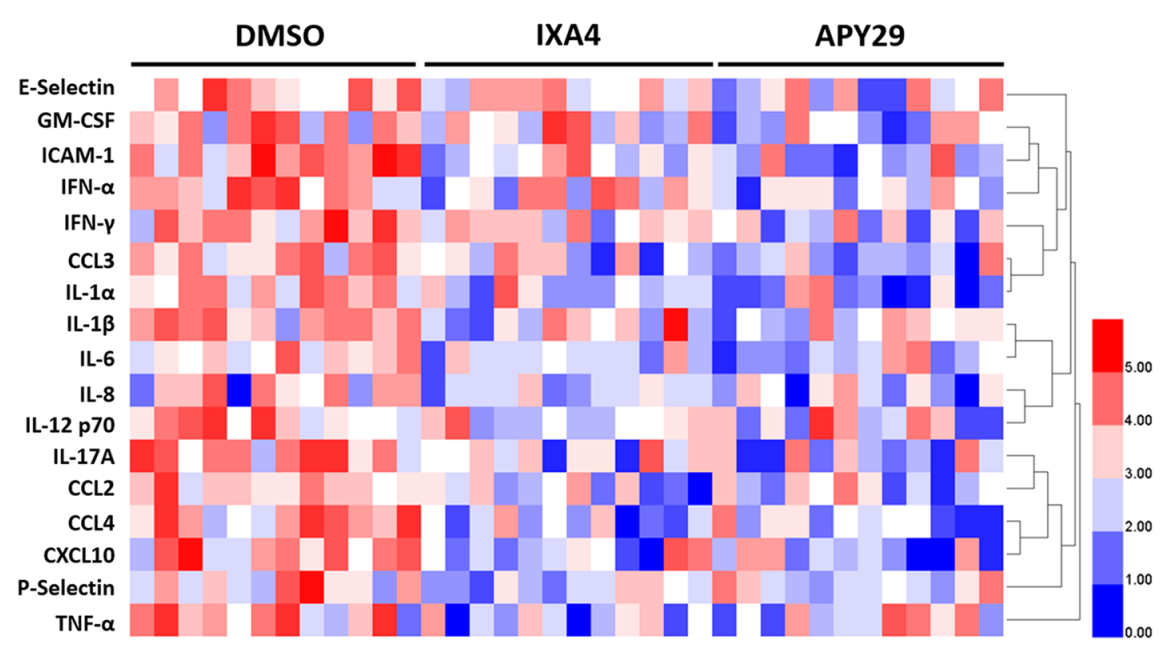
IXA4 (10 μM; 6 h) effectively alleviated the outburst of proinflammatory cytokines in influenza patients.
-
Adv Sci (Weinh)
CEBPG-Mediated Palmitic Acid Adaptation of Cancer-Associated Fibroblasts Drives Metastasis of Oral Squamous Cell Carcinoma. [Abstract]2026 Jun 2:e75875. PMID: 42227941 -
-
-
Free Radic Biol Med
TRIB2 promotes pulmonary artery smooth muscle cell proliferation through SERCA2 ubiquitination in pulmonary hypertension. [Abstract]2025 Nov 8:243:414-433. PMID: 41213438 -
Ecotoxicol Environ Saf
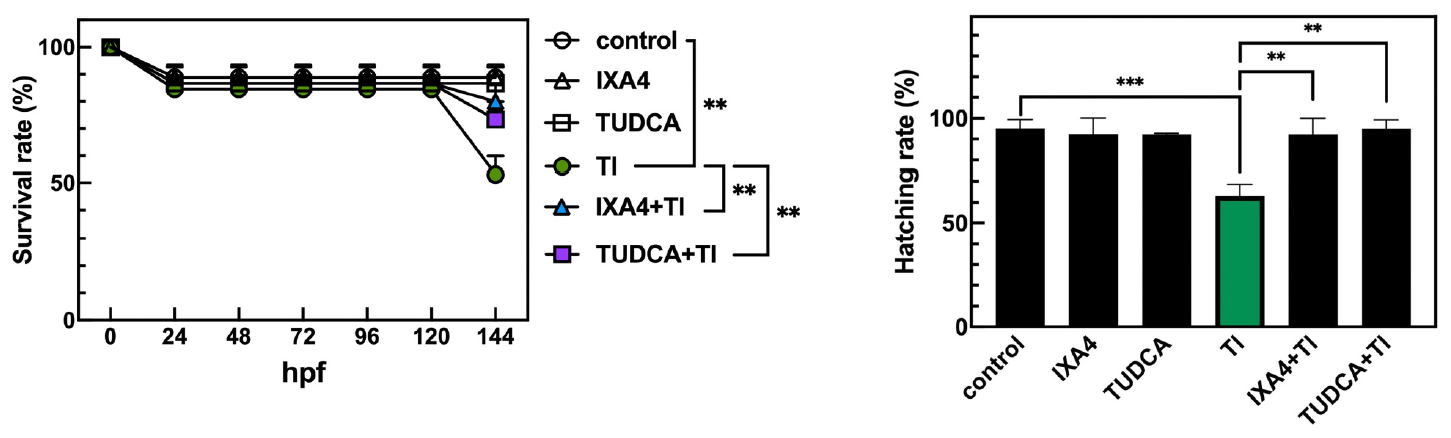
Thallium-induced neurocardiotoxicity in zebrafish: Protective role of adaptive UPR and DNA repair. [Abstract]2025 Jun 15:298:118321. PMID: 40373714
IXA4 purchased from MedChemExpress. Usage Cited in: Ecotoxicol Environ Saf. 2025 Jun 15:298:118321. [Abstract]
Survival rates and hatching rates of zebrafish embryos exposed to Tl (200 μg/L) with or without IXA4 (20 μM) treatments.
IXA4 purchased from MedChemExpress. Usage Cited in: Ecotoxicol Environ Saf. 2025 Jun 15:298:118321. [Abstract]
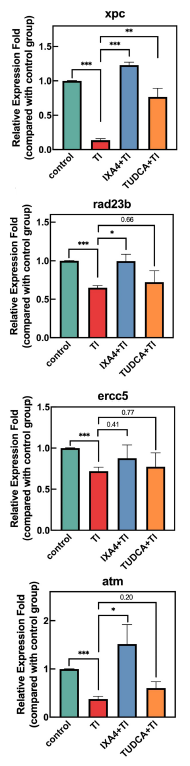
IXA4 (20 μM; 6-48 hpf) treatment significantly restored the expression of NER-related genes (xpc, rad23b, and ercc5) and markedly increased the expression of atm in zebrafish embryos.
IXA4 purchased from MedChemExpress. Usage Cited in: Ecotoxicol Environ Saf. 2025 Jun 15:298:118321. [Abstract]
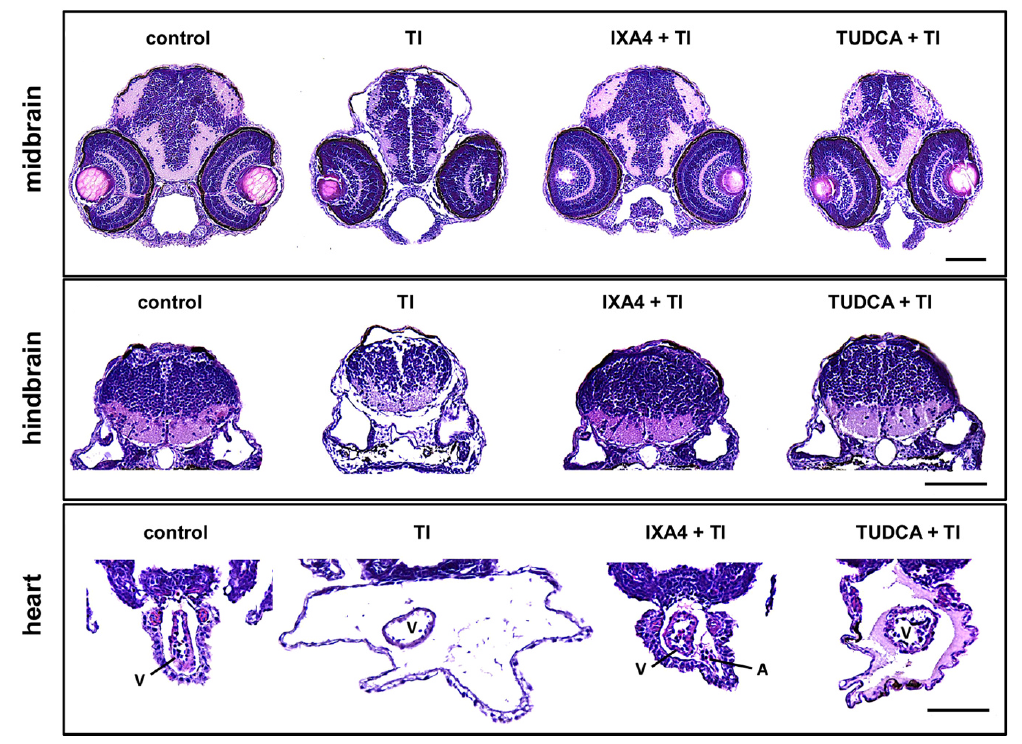
The representative figures of H&E-stained sections of zebrafish midbrain, hindbrain, and heart transverse after being treated with Tl (800 μg/L) and Tl + IXA4 (20 μM) from 6 to 72 hpf. IXA4 offered protective benefits against the histological alterations induced by Tl in both cerebral and cardiac tissues.
-
Biochem Pharmacol
Ghrelin attenuates metabolic dysfunction-associated steatotic liver disease by activating glutamine metabolism via inhibition of the IRE1α-XBP-1 pathway. [Abstract]2025 Oct:240:117089. PMID: 40581331 -
Cell Regen
The critical role of BMP signaling in gastric epithelial cell differentiation revealed by organoids. [Abstract]2025 May 16;14(1):18. PMID: 40377813 -
Microb Pathog
BvrR of Brucella initiates microglial inflammation through the activation of the IRE1 pathway. [Abstract]2026 Jan 21:108313. PMID: 41577152 -
Microbiologyopen
BvrR From Brucella abortus Induces Neuroinflammation Through IRE1-Mediated Activation of ATF2 and NF-κB. [Abstract]2026 Feb;15(1):e70219. PMID: 41566528 -
Global Spine J
Needle-Knife Therapy Relieves Inflammation and Neuronal Apoptosis in Cervical Spondylotic Radiculopathy via IRE1α-XBP1 Signaling. [Abstract]2026 Apr 16:21925682261443920. PMID: 41990753 -
Vet Microbiol
African swine fever virus maintains de novo global cellular protein synthesis and inhibits stress granules formation via dephosphorylating eIF2α. [Abstract]2024 Mar:290:109988. PMID: 38244395 -


Solvent & Solubility
In Vitro:
DMSO : 100 mg/mL (229.10 mM; Need ultrasonic; Hygroscopic DMSO has a significant impact on the solubility of product, please use newly opened DMSO)
Please refer to the solubility information to select the appropriate solvent. Once prepared, please aliquot and store the solution to prevent product inactivation from repeated freeze-thaw cycles.
Storage method and period of stock solution: -80°C, 1 year; -20°C, 6 months. When stored at -80°C, please use it within 1 year. When stored at -20°C, please use it within 6 months.
Please refer to the solubility information to select the appropriate solvent. Once prepared, please aliquot and store the solution to prevent product inactivation from repeated freeze-thaw cycles.
Storage method and period of stock solution: -80°C, 1 year; -20°C, 6 months. When stored at -80°C, please use it within 1 year. When stored at -20°C, please use it within 6 months.
Concentration (start) × Volume (start) = Concentration (final) × Volume (final)
In Vivo:
Select the appropriate dissolution method based on your experimental animal and administration route.
- For the following dissolution methods, please ensure to first prepare a clear stock solution using an In Vitro approach and then sequentially add co-solvents:
- To ensure reliable experimental results, the clarified stock solution can be appropriately stored based on storage conditions. As for the working solution for In Vivo experiments, it is recommended to prepare freshly and use it on the same day.
- The percentages shown for the solvents indicate their volumetric ratio in the final prepared solution. If precipitation or phase separation occurs during preparation, heat and/or sonication can be used to aid dissolution.
Add each solvent one by one: 10% DMSO 40% PEG300 5% Tween-80 45% Saline
Solubility: ≥ 2.5 mg/mL (5.73 mM); Clear solution
This protocol yields a clear solution of ≥ 2.5 mg/mL (saturation unknown).
Taking 1 mL working solution as an example, add 100 μL DMSO stock solution (25.0 mg/mL) to 400 μL PEG300, and mix evenly; then add 50 μL Tween-80 and mix evenly; then add 450 μL Saline to adjust the volume to 1 mL.
Preparation of Saline: Dissolve 0.9 g sodium chloride in ddH₂O and dilute to 100 mL to obtain a clear Saline solution.
For the following dissolution methods, please prepare the working solution directly:
It is recommended to prepare fresh solutions and use them promptly within a short period of time.
The percentages shown for the solvents indicate their volumetric ratio in the final prepared solution. If precipitation or phase separation occurs during preparation, heat and/or sonication can be used to aid dissolution.
Add each solvent one by one: 50% PEG300 50% Saline
Solubility: 5 mg/mL (11.45 mM); Suspended solution; Need ultrasonic
In Vivo Dissolution Calculator
Please enter the basic information of animal experiments:
-
-
-
-
Recommended: Prepare an additional quantity of animals to account for potential losses during experiments.
Please enter your animal formula composition:
-
%DMSO +
Recommended: Keep the proportion of DMSO in working solution below 2% if your animal is weak.
-
%+
-
+%Tween-80 + +
-
%Saline +
The co-solvents required include: DMSO, . All of co-solvents are available by MedChemExpress (MCE). , Tween 80. All of co-solvents are available by MedChemExpress (MCE).
Working solution concentration: 0.22 mg/mL
Method for preparing stock solution: mg drug dissolved in μL DMSO. Stock solution concentration: mg/mL.
1. Take μL DMSO stock solution;
2. Add μL .
μL , mix evenly;
3. Then add μL Tween 80, mix evenly;
4. Then add μL
Please ensure that the stock solution in the first step is dissolved to a clear state, and add co-solvents in sequence. You can use ultrasonic heating (ultrasonic cleaner, recommended frequency 20-40 kHz), vortexing, etc. to assist dissolution.


Purity & Documentation
-
Data Sheet (271 KB)
-
SDS (394 KB)
- English - EN (394 KB)
- Français - FR (394 KB)
- Deutsch - DE (394 KB)
- Norwegian - NO (394 KB)
- Español - ES (394 KB)
- Swedish - SV (394 KB)
- Italian - IT (394 KB)
- Korean - KR (394 KB)
- Portuguese - PT (394 KB)
-
Handling Instructions (2659 KB)
References


Complete Stock Solution Preparation Table
Please refer to the solubility information to select the appropriate solvent. Once prepared, please aliquot and store the solution to prevent product inactivation from repeated freeze-thaw cycles.
Storage method and period of stock solution: -80°C, 1 year; -20°C, 6 months. When stored at -80°C, please use it within 1 year. When stored at -20°C, please use it within 6 months.
| Optional Solvent | Concentration Solvent Mass | 1 mg | 5 mg | 10 mg | 25 mg |
|---|---|---|---|---|---|
| DMSO | 1 mM | 2.2910 mL | 11.4548 mL | 22.9095 mL | 57.2738 mL |
| 5 mM | 0.4582 mL | 2.2910 mL | 4.5819 mL | 11.4548 mL | |
| 10 mM | 0.2291 mL | 1.1455 mL | 2.2910 mL | 5.7274 mL | |
| 15 mM | 0.1527 mL | 0.7637 mL | 1.5273 mL | 3.8183 mL | |
| 20 mM | 0.1145 mL | 0.5727 mL | 1.1455 mL | 2.8637 mL | |
| 25 mM | 0.0916 mL | 0.4582 mL | 0.9164 mL | 2.2910 mL | |
| 30 mM | 0.0764 mL | 0.3818 mL | 0.7637 mL | 1.9091 mL | |
| 40 mM | 0.0573 mL | 0.2864 mL | 0.5727 mL | 1.4318 mL | |
| 50 mM | 0.0458 mL | 0.2291 mL | 0.4582 mL | 1.1455 mL | |
| 60 mM | 0.0382 mL | 0.1909 mL | 0.3818 mL | 0.9546 mL | |
| 80 mM | 0.0286 mL | 0.1432 mL | 0.2864 mL | 0.7159 mL | |
| 100 mM | 0.0229 mL | 0.1145 mL | 0.2291 mL | 0.5727 mL |


IXA4 Related Classifications
HY-139214 Related Classifications
 Powered by Bioz