



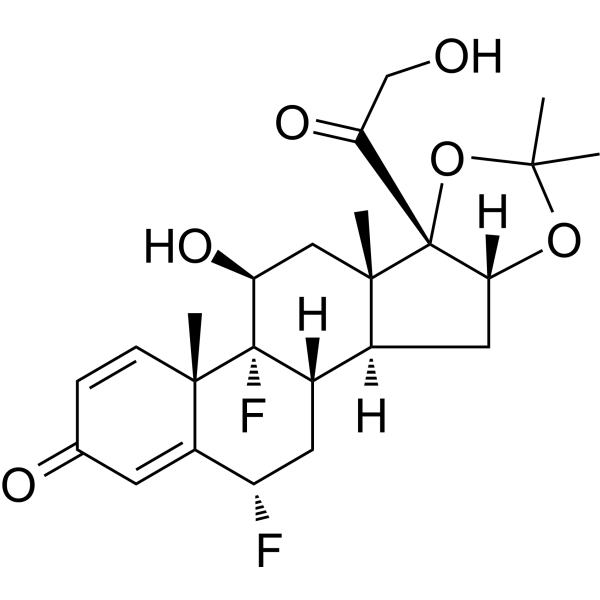
Fluocinolone (Acetonide)
Based on 1 publication(s) in Google Scholar
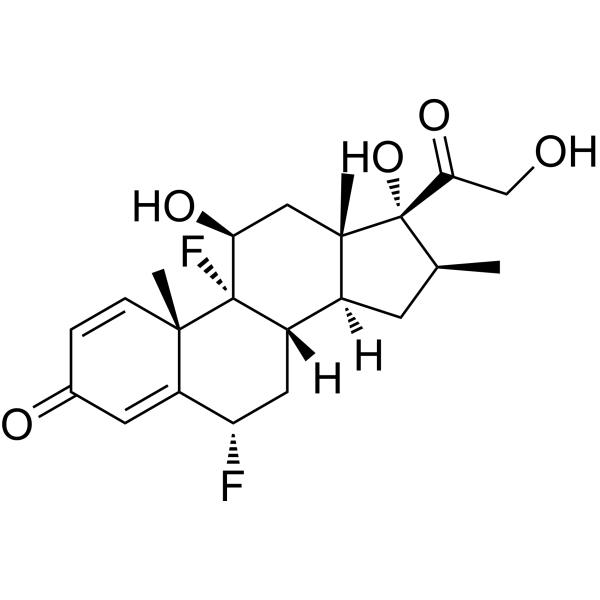
Fluocinolone is a glucocorticoid glucocorticoid receptor agonist. Fluocinolone is effective in preventing both lipid accumulation and inflammation. Fluocinolone can promote the proliferation of DPCs and has the potential role in repairing injured pulp tissues. Fluocinolone can be used to study the prevention of chemotherapy-induced peripheral neuropathy caused by Paclitaxel (HY-B0015).
연구목적의 판매만을 진행합니다. 환자를 대상으로 한 판매는 하지 않습니다.
- Purity : 99.68%
- CAS No.: 67-73-2
- 화학식: C24H30F2O6
- 분자량:452.49
-
보관:Powder -20°C, 3 years , 4°C, 2 years ; In solvent -80°C, 2 years , -20°C, 1 year

To place orders, for customer services and technical support, please contact: MedChemExpress USA
Tel: 609-228-6898 E-mail: [email protected] [email protected]


-
 Biological Activity
-
Chemical Information
-
용액&용해도
- Protocol
- 순도&문서
- References
-
 Help & FAQs


-
HY-13580
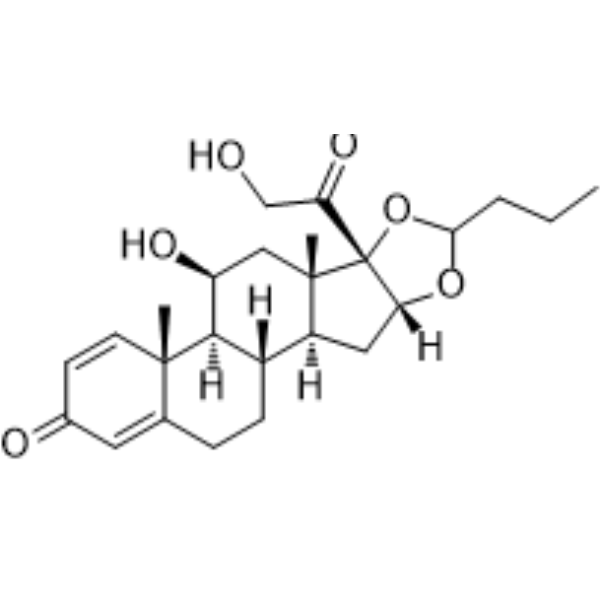
BudesonideGlucocorticoid Receptor Agonist -
HY-14648
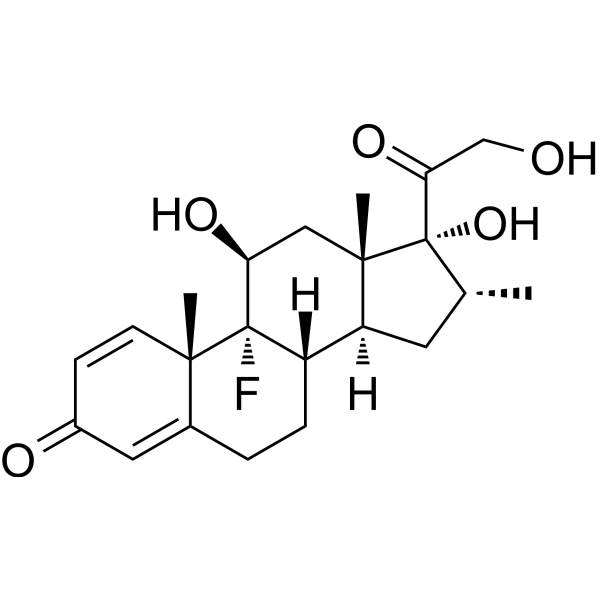
DexamethasoneGR Agonist -
HY-13600
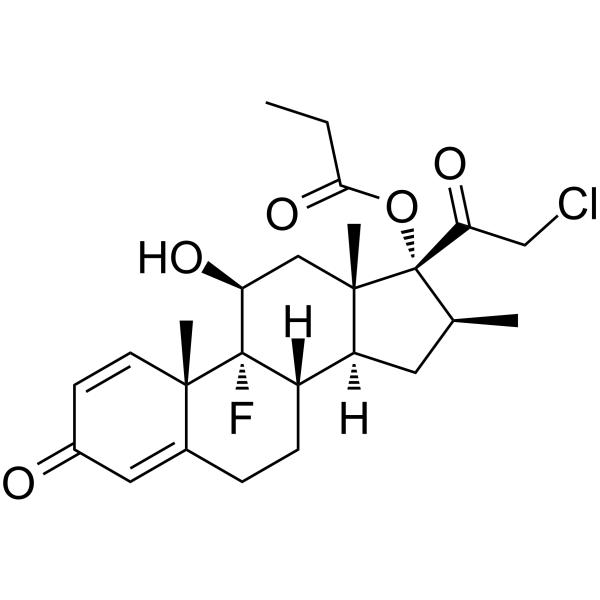
Clobetasol propionateCYP3A5 Inhibitor -
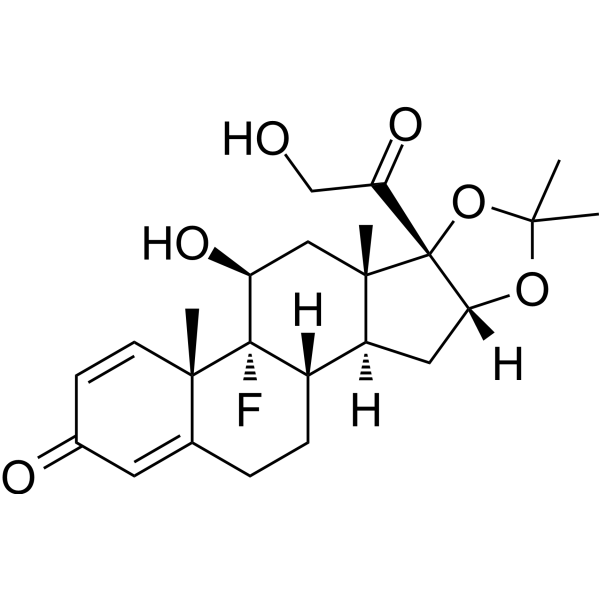
HY-B0636
Triamcinolone acetonideAnti-Inflammatory Agent -
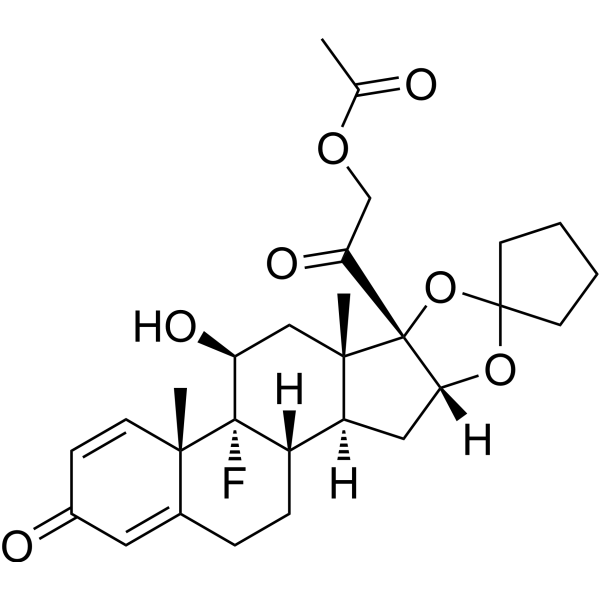
HY-B1197
AmcinonideGlucocorticoid Receptor Agonist -
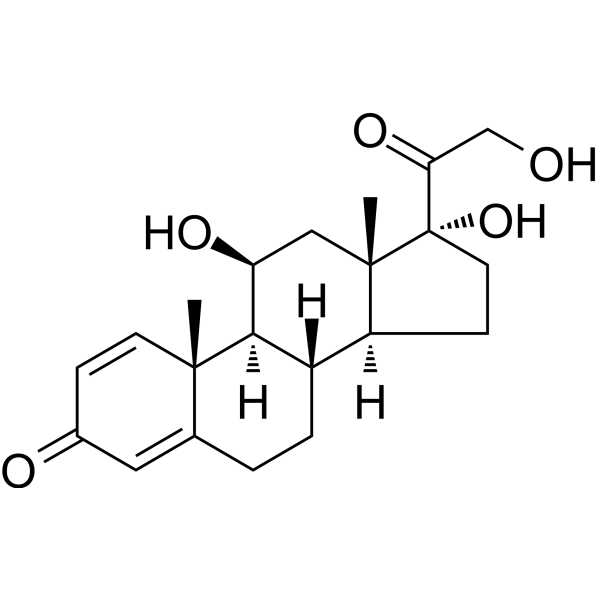
HY-17463
PrednisoloneGlucocorticoid -
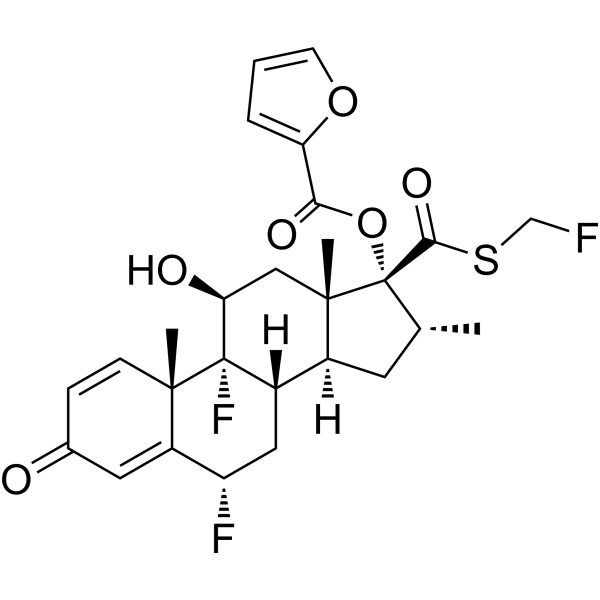
HY-15234
Fluticasone furoateNasal Spray -
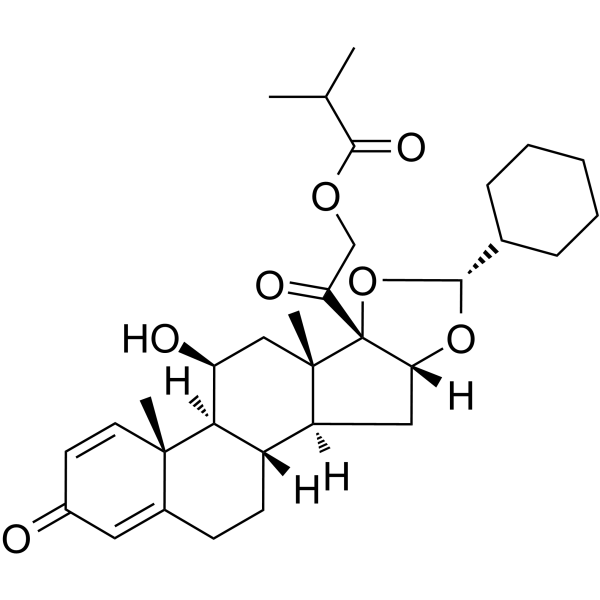
HY-B0625
CiclesonideGlucocorticoid -
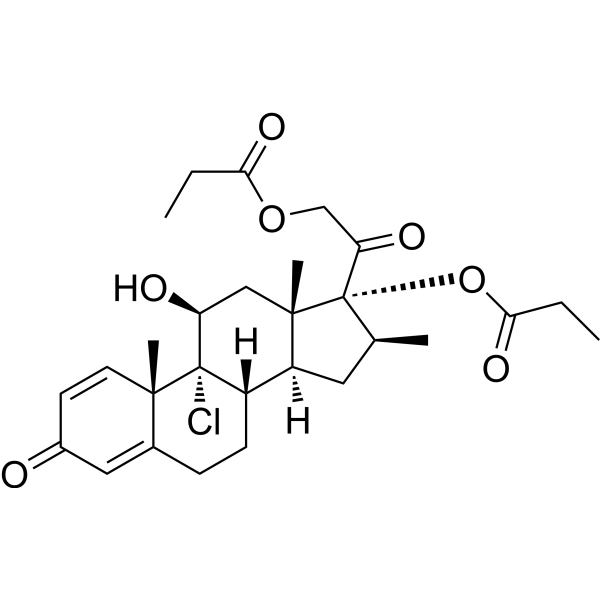
HY-13571A
Beclometasone dipropionateGlucocorticoid Receptor Agonist -
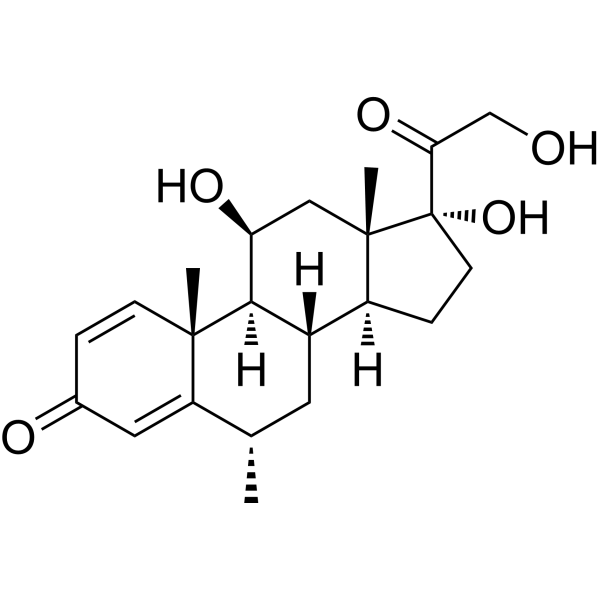
HY-B0260
MethylprednisoloneGlucocorticoid -
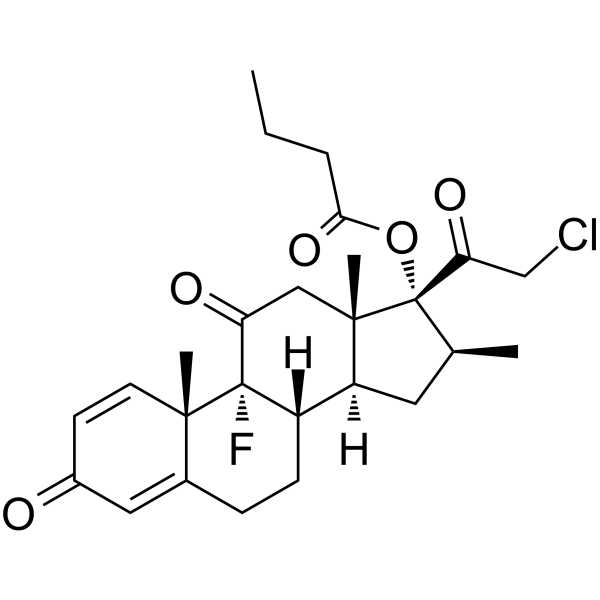
HY-B1616
Clobetasone butyrateGlucocorticoid -
HY-A0158
DiflorasoneAnti-inflammatory Steroid
Publications Citing Use of MedChemExpress (MCE) Fluocinolone (Acetonide)
More

Biological Activity
제품 설명
In Vitro
Fluocinolone (0.1-50 μg/mL, 2 days) improves foam cell survival in THP-1 cells[1].
Fluocinolone (0.1-50 μg/mL, 2 days) inhibits infammatory cytokines secretion and reduces cholesteryl ester accumulation[1].
Fluocinolone (0.1-100 μmol/L, 24 h) promotes the proliferation of DPCs[2].
Fluocinolone (1-10 μmol/L, 7 days) promotes the expressions of BSP, OCN, DSPP, and Wnt4, and up-regulates Wnt4 and the dentin-specific marker dentin sialophosphoprotein[2].
MedChemExpress (MCE) has not independently confirmed the accuracy of these methods. They are for reference only. Further protocols information, click here.
-
Cell Line:DCPs
-
Concentration:0.1 μmol/L, 1 μmol/L, 10 μmol/L, 20 μmol/L, 40 μmol/L, 60 μmol/L, 100 μmol/L
-
Incubation Time:24 h
-
Result:Significantly promoted the growth rate of DPCs of a low concentration.
-
Cell Line:DCPs
-
Concentration:1 μmol/L, 10 μmol/L
-
Incubation Time:7 days
-
Result:Showed higher expressions of DSPP and Wnt4 protein than negative control.
In Vivo
MedChemExpress (MCE) has not independently confirmed the accuracy of these methods. They are for reference only.
-
Animal Model:PTX-induced peripheral neuropathy model [3]
-
Dosage:500 μg/kg
-
Administration:Intraperitoneal injection (i.p.)
-
Result:Prevented a marked reduction in intraepidermal nerve fibers density in the plantar surface of the hind paws.


Chemical Information
-
CAS No. 67-73-2
-
Appearance Solid
-
분자량 452.49
-
화학식 C24H30F2O6
-
Color White to off-white
-
SMILES
O=C([C@]([C@@]1([H])C[C@@]2([H])[C@@](C[C@H](F)C3=CC4=O)([H])[C@@](F)([C@]3(C=C4)C)[C@@H](O)C5)(OC(C)(C)O1)[C@]25C)CO
-
선적
Room temperature in continental US; may vary elsewhere.
-
보관
Powder -20°C 3 years 4°C 2 years In solvent -80°C 2 years -20°C 1 year


Publications (1)
-
Journal Impact Factor
-
Most Recent
-
Drug Deliv Transl Res
Leveraging quantum chemical properties in transfer learning for predicting blood-brain barrier permeability of drugs. [Abstract]2025 Oct 29. PMID: 41160380


용액&용해도
In Vitro:
DMSO : 100 mg/mL (221.00 mM; Need ultrasonic; Hygroscopic DMSO has a significant impact on the solubility of product, please use newly opened DMSO)
Please refer to the solubility information to select the appropriate solvent. Once prepared, please aliquot and store the solution to prevent product inactivation from repeated freeze-thaw cycles.
Storage method and period of stock solution: -80°C, 2 years; -20°C, 1 year. When stored at -80°C, please use it within 2 years. When stored at -20°C, please use it within 1 year.
Please refer to the solubility information to select the appropriate solvent. Once prepared, please aliquot and store the solution to prevent product inactivation from repeated freeze-thaw cycles.
Storage method and period of stock solution: -80°C, 2 years; -20°C, 1 year. When stored at -80°C, please use it within 2 years. When stored at -20°C, please use it within 1 year.
Concentration (start) × Volume (start) = Concentration (final) × Volume (final)
In Vivo:
Select the appropriate dissolution method based on your experimental animal and administration route.
- For the following dissolution methods, please ensure to first prepare a clear stock solution using an In Vitro approach and then sequentially add co-solvents:
- To ensure reliable experimental results, the clarified stock solution can be appropriately stored based on storage conditions. As for the working solution for In Vivo experiments, it is recommended to prepare freshly and use it on the same day.
- The percentages shown for the solvents indicate their volumetric ratio in the final prepared solution. If precipitation or phase separation occurs during preparation, heat and/or sonication can be used to aid dissolution.
Add each solvent one by one: 10% DMSO 40% PEG300 5% Tween-80 45% Saline
Solubility: ≥ 2.08 mg/mL (4.60 mM); Clear solution
This protocol yields a clear solution of ≥ 2.08 mg/mL (saturation unknown).
Taking 1 mL working solution as an example, add 100 μL DMSO stock solution (20.8 mg/mL) to 400 μL PEG300, and mix evenly; then add 50 μL Tween-80 and mix evenly; then add 450 μL Saline to adjust the volume to 1 mL.
Preparation of Saline: Dissolve 0.9 g sodium chloride in ddH₂O and dilute to 100 mL to obtain a clear Saline solution.
Add each solvent one by one: 10% DMSO 90% (20% SBE-β-CD in Saline)
Solubility: ≥ 2.08 mg/mL (4.60 mM); Clear solution
This protocol yields a clear solution of ≥ 2.08 mg/mL (saturation unknown).
Taking 1 mL working solution as an example, add 100 μL DMSO stock solution (20.8 mg/mL) to 900 μL 20% SBE-β-CD in Saline, and mix evenly.
Preparation of 20% SBE-β-CD in Saline (4°C, storage for one week): 2 g SBE-β-CD powder is dissolved in 10 mL Saline, completely dissolve until clear.
In Vivo Dissolution Calculator
Please enter the basic information of animal experiments:
-
-
-
-
Recommended: Prepare an additional quantity of animals to account for potential losses during experiments.
Please enter your animal formula composition:
-
%DMSO +
Recommended: Keep the proportion of DMSO in working solution below 2% if your animal is weak.
-
%+
-
+%Tween-80 + +
-
%Saline +
The co-solvents required include: DMSO, . All of co-solvents are available by MedChemExpress (MCE). , Tween 80. All of co-solvents are available by MedChemExpress (MCE).
Working solution concentration: 0.22 mg/mL
Method for preparing stock solution: mg drug dissolved in μL DMSO. Stock solution concentration: mg/mL.
1. Take μL DMSO stock solution;
2. Add μL .
μL , mix evenly;
3. Then add μL Tween 80, mix evenly;
4. Then add μL
Please ensure that the stock solution in the first step is dissolved to a clear state, and add co-solvents in sequence. You can use ultrasonic heating (ultrasonic cleaner, recommended frequency 20-40 kHz), vortexing, etc. to assist dissolution.

Protocol
-
3T3-L1 preadipocyte-to-adipocyte differentiation
3T3-L1 preadipocytes are induced to differentiate after growth arrest using adipogenic media containing insulin, dexamethasone, and IBMX; differentiation is assessed by lipid-droplet accumulation, triglyceride increase, Oil Red O staining, and adipocyte-marker induction such as PPARγ and C/EBPα.
-
Research Protocol for Endocrine Diseases
Endocrine diseases often arise from disrupted hormone production, hormone signaling, or target-tissue responsiveness; for diabetes-focused endocrine disease models, insulin signaling regulates glucose uptake, hepatic glucose output, lipid metabolism, and β-cell compensation. Type 2 diabetes develops through interacting defects in insulin resistance, β-cell dysfunction, adipose inflammation, hepatic glucose overproduction, altered incretin signaling, and ectopic lipid metabolism. A major unresolved question is whether endocrine dysfunction is driven primarily by target-tissue insulin resistance, intrinsic β-cell failure, immune/inflammatory stress, or combined multi-organ failure that differs by disease stage.
-
Research Protocol for Inflammation-related Diseases
The NLRP3 inflammasome is a cytosolic innate immune signaling platform that integrates priming signals and danger-signal activation to promote caspase-1 activation, maturation of IL-1β and IL-18, and gasdermin D-mediated pyroptotic cell death. The core experimental logic is to determine whether inflammatory disease phenotypes are driven by increased NLRP3 expression, ASC-containing inflammasome assembly, caspase-1 cleavage, GSDMD cleavage, and extracellular release of IL-1β/IL-18 rather than by nonspecific cell injury alone. The pathway is strongly linked to inflammation-related disease phenotypes because monosodium urate crystals activate NALP3/NLRP3 inflammasome signaling in gout-like crystal inflammation, cholesterol crystals activate NLRP3 inflammasomes in atherogenesis models, and DSS-induced intestinal inflammation has been reported to involve NLRP3 inflammasome activity. However, experimental colitis studies also show context-dependent protective effects of NLRP3 inflammasome co
-
Lipid Droplets: Oil Red O/Sudan Dye Lipid Staining
Lipid droplets are intracellular organelles with a neutral-lipid core that stores triacylglycerols and sterol esters, and Oil Red O or Sudan dyes detect these hydrophobic lipid deposits by partitioning into retained lipids in fresh or frozen specimens. Oil Red O stains neutral triglycerides and lipids in frozen tissue sections or air-dried cytologic preparations, while Sudan Black B has also been used as a histochemical fat stain for lipid-rich tissue structures.
-
Cell Viability Determination by MTT Colorimetric Assay
The following protocol uses the MTT colorimetric assay as a classic literature-established method for assessing cell viability/metabolic activity in cultured mammalian cells. MTT[3-(4,5-dimethylthiazol-2-yl)-2,5-diphenyltetrazolium bromide] is reduced by metabolically active cells to a colored formazan product; the amount of formazan is quantified spectrophotometrically and provides an indirect measure of metabolically active viable cells. Importantly, MTT reduction reflects cellular oxidoreductase/metabolic activity rather than an absolute direct count of living cells, so changes in cellular metabolism can alter the signal independently of cell number.


순도&문서
-
Data Sheet (285 KB)
-
SDS (394 KB)
- English - EN (394 KB)
- Français - FR (394 KB)
- Deutsch - DE (394 KB)
- Norwegian - NO (394 KB)
- Español - ES (394 KB)
- Swedish - SV (394 KB)
- Italian - IT (394 KB)
- Korean - KR (394 KB)
- Portuguese - PT (394 KB)
-
Handling Instructions (2659 KB)
References
[5]. http://en.wikipedia.org/wiki/Fluocinolone_acetonide
[6]. Nehme, A., et al., Glucocorticoids with different chemical structures but similar glucocorticoid receptor potency regulate subsets of common and unique genes in human trabecular meshwork cells. BMC Med Genomics, 2009. 2: p. 58. [Content Brief]


Complete Stock Solution Preparation Table
Please refer to the solubility information to select the appropriate solvent. Once prepared, please aliquot and store the solution to prevent product inactivation from repeated freeze-thaw cycles.
Storage method and period of stock solution: -80°C, 2 years; -20°C, 1 year. When stored at -80°C, please use it within 2 years. When stored at -20°C, please use it within 1 year.
| Optional Solvent | Concentration Solvent Mass | 1 mg | 5 mg | 10 mg | 25 mg |
|---|---|---|---|---|---|
| DMSO | 1 mM | 2.2100 mL | 11.0500 mL | 22.0999 mL | 55.2498 mL |
| 5 mM | 0.4420 mL | 2.2100 mL | 4.4200 mL | 11.0500 mL | |
| 10 mM | 0.2210 mL | 1.1050 mL | 2.2100 mL | 5.5250 mL | |
| 15 mM | 0.1473 mL | 0.7367 mL | 1.4733 mL | 3.6833 mL | |
| 20 mM | 0.1105 mL | 0.5525 mL | 1.1050 mL | 2.7625 mL | |
| 25 mM | 0.0884 mL | 0.4420 mL | 0.8840 mL | 2.2100 mL | |
| 30 mM | 0.0737 mL | 0.3683 mL | 0.7367 mL | 1.8417 mL | |
| 40 mM | 0.0552 mL | 0.2762 mL | 0.5525 mL | 1.3812 mL | |
| 50 mM | 0.0442 mL | 0.2210 mL | 0.4420 mL | 1.1050 mL | |
| 60 mM | 0.0368 mL | 0.1842 mL | 0.3683 mL | 0.9208 mL | |
| 80 mM | 0.0276 mL | 0.1381 mL | 0.2762 mL | 0.6906 mL | |
| 100 mM | 0.0221 mL | 0.1105 mL | 0.2210 mL | 0.5525 mL |


Fluocinolone (Acetonide) Related Classifications
HY-B0415 Related Classifications
 Powered by Bioz