



Lawsone
Based on 2 publication(s) in Google Scholar
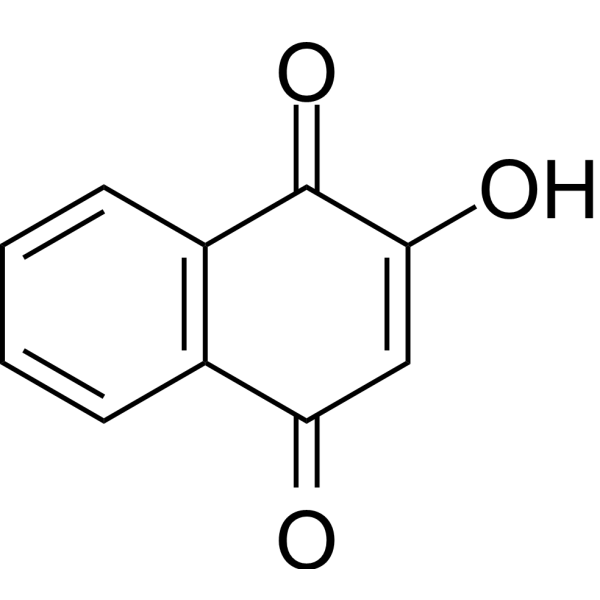
Lawsone is an orally active naphthoquinone dye that can be isolated from the leaves of Lawsonia inermis. Lawsone can induce apoptosis. Lawsone has antibacterial, antitumor and antioxidant activities. Lawsone can be used in anti-tumor drug research.
For research use only. We do not sell to patients.
- Purity : 99.54%
- CAS No.: 83-72-7
- Formula: C10H6O3
- Molecular Weight:174.16
-
Storage:
4°C, stored under nitrogen
* In solvent : -80°C, 6 months; -20°C, 1 month (stored under nitrogen)

To place orders, for customer services and technical support, please contact: MedChemExpress USA
Tel: 609-228-6898 E-mail: [email protected] [email protected]


-
 Biological Activity
-
Chemical Information
-
Solvent & Solubility
- Protocols
- Purity & Documentation
- References
-
 Help & FAQs


-
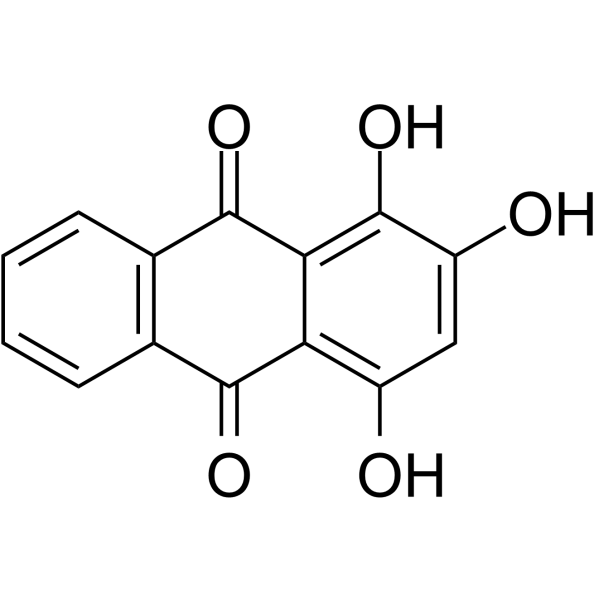
HY-N0571
PurpurinAntidepressant-like Drug -
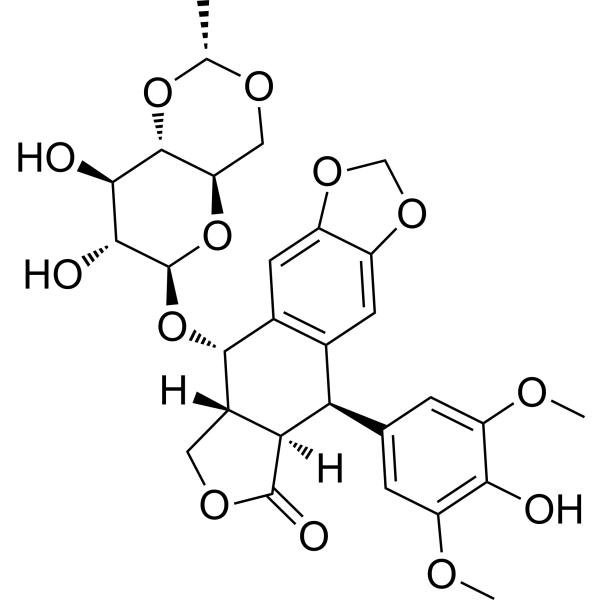
HY-13629
EtoposideTopoisomerase II Inhibitor -
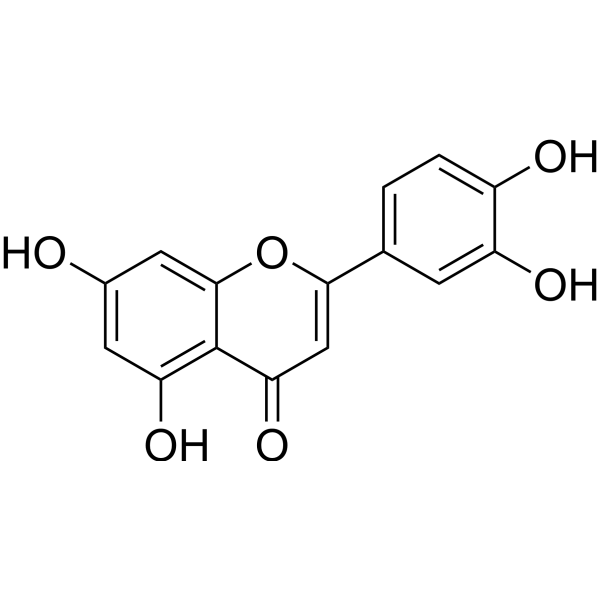
HY-N0162
LuteolinNrf2 Inhibitor -
HY-13764
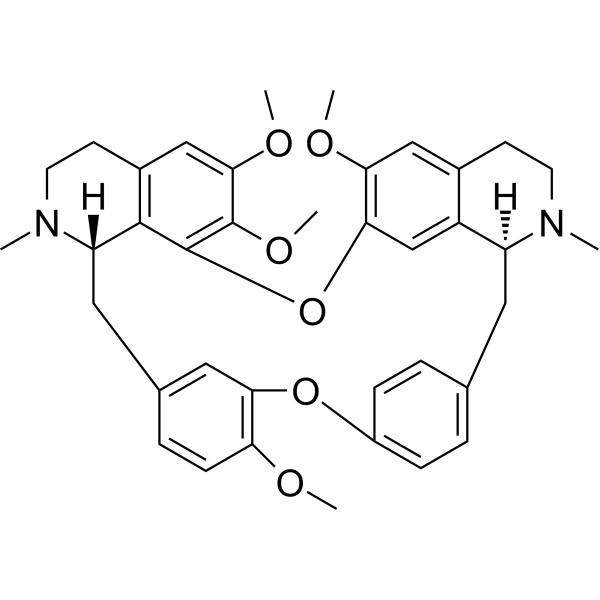
TetrandrineCalcium Channel Inhibitor -
HY-14393
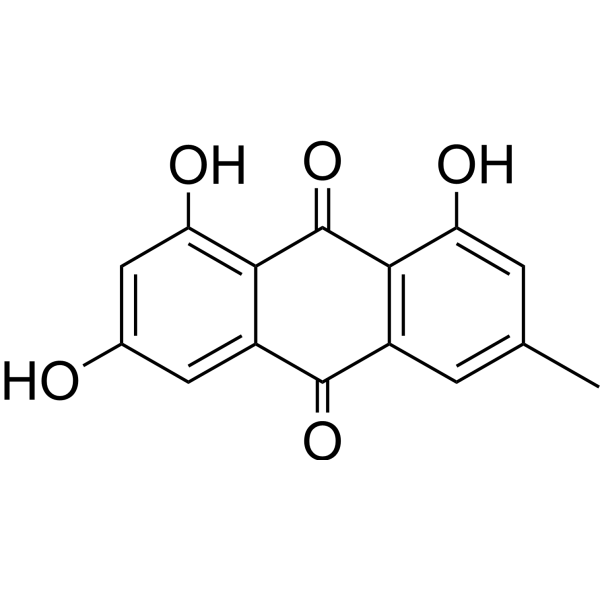
EmodinNatural Anthraquinone -
HY-B0332
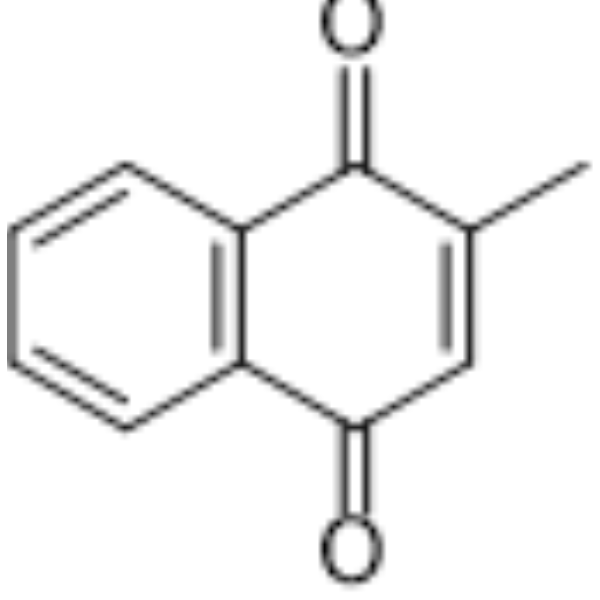
MenadioneEndogenous Metabolite -
HY-N6949
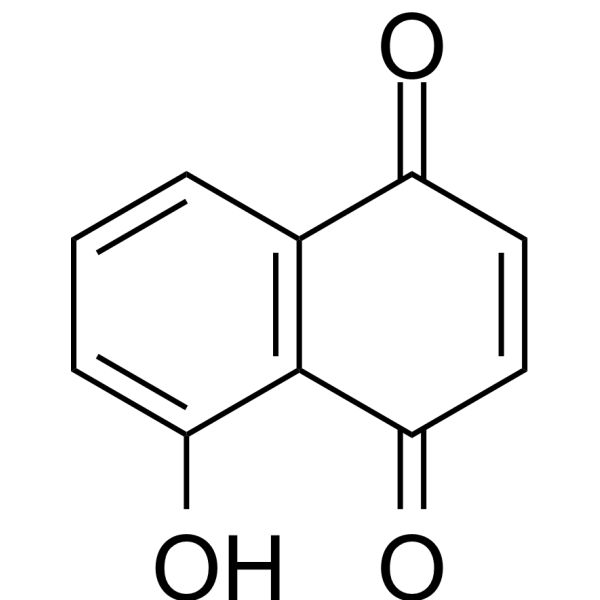
JugloneAntimicrobial Drug -

HY-N2493R
Lawsone (Standard)Antifungal Agent -
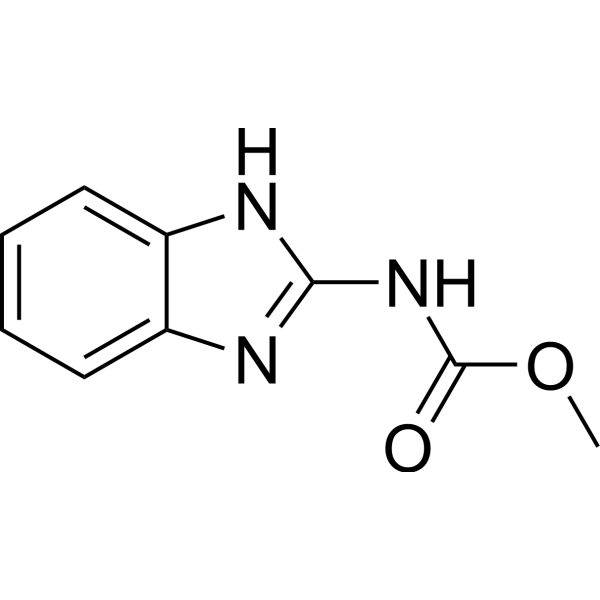
HY-13582
CarbendazimBenzimidazole Fungicide -

HY-13582R
Carbendazim (Standard)Benzimidazole Fungicide -
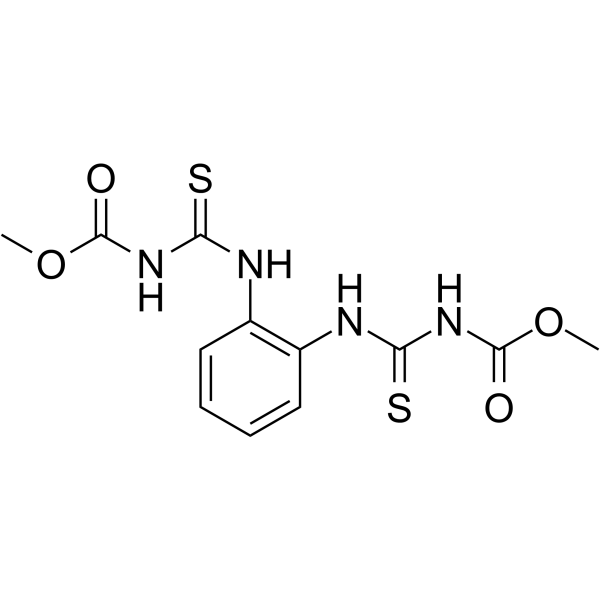
HY-B0842
Thiophanate-Methylpesticide residue/fungicide -
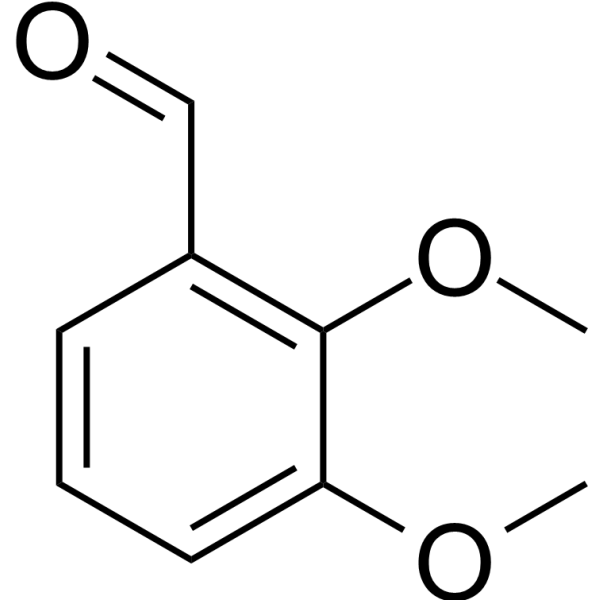
HY-41407
2,3-DimethoxybenzaldehydeAntifungal Agent
Publications Citing Use of MedChemExpress (MCE) Lawsone
More Customer Validation & Images

-
Bio/Physico-chemical Assay
-
Bio/Physico-chemical Assay
-
Cell Proliferation/Viability Assay


Biological Activity
Description
Cellular Effect
|
Cell Line

|
Type | Value | Description | References |
|---|---|---|---|---|
| A549 | IC50 |
58 μM
Compound: 17
|
Growth inhibition of human A549 cells by MTT assay
Growth inhibition of human A549 cells by MTT assay
|
[PMID: 24374273] |
| HeLa | IC50 |
>100 μM
Compound: 1c
|
Cytotoxicity against human HeLa cells assessed as reduction in cell viability after 48 hrs by MTT assay
Cytotoxicity against human HeLa cells assessed as reduction in cell viability after 48 hrs by MTT assay
|
[PMID: 24913712] |
| HeLa | IC50 |
71.26 μM
Compound: 1
|
Cytotoxicity against human HeLa cells
Cytotoxicity against human HeLa cells
|
[PMID: 33766765] |
| Hepatocyte | CC50 |
>500 μM
Compound: Lawsone
|
Cytotoxicity activity against Swiss Webster mouse primary hepatocytes assessed as reduction in cell viability after 72 hrs by cell-titer-glo assay
Cytotoxicity activity against Swiss Webster mouse primary hepatocytes assessed as reduction in cell viability after 72 hrs by cell-titer-glo assay
|
[PMID: 29289882] |
| HFF-1 | IC50 |
>50 μM
Compound: 7
|
Cytotoxicity against HFF-1 cells assessed as cell growth inhibition measured after 24 hrs by MTT assay
Cytotoxicity against HFF-1 cells assessed as cell growth inhibition measured after 24 hrs by MTT assay
|
[PMID: 34438124] |
| Hs 683 | IC50 |
31 μM
Compound: 17
|
Growth inhibition of human Hs683 cells by MTT assay
Growth inhibition of human Hs683 cells by MTT assay
|
[PMID: 24374273] |
| KB | IC50 |
105.48 μM
Compound: 1
|
Cytotoxicity against human KB cells
Cytotoxicity against human KB cells
|
[PMID: 33766765] |
| LoVo | IC50 |
>100 μM
Compound: 17
|
Growth inhibition of human LoVo cells by MTT assay
Growth inhibition of human LoVo cells by MTT assay
|
[PMID: 24374273] |
| MCF7 | IC50 |
>50 μM
Compound: 1
|
Cytotoxicity against ER-positive human MCF7 cells assessed as redution in cell viability incubated for 72 hrs by SRB assay
Cytotoxicity against ER-positive human MCF7 cells assessed as redution in cell viability incubated for 72 hrs by SRB assay
|
[PMID: 31810778] |
| MDA-MB-231 | IC50 |
>50 μM
Compound: 1
|
Cytotoxicity against triple-negative human MDA-MB-231 cells assessed as redution in cell viability incubated for 72 hrs by SRB assay
Cytotoxicity against triple-negative human MDA-MB-231 cells assessed as redution in cell viability incubated for 72 hrs by SRB assay
|
[PMID: 31810778] |
| PC-3 | IC50 |
>100 μM
Compound: 17
|
Growth inhibition of human PC3 cells by MTT assay
Growth inhibition of human PC3 cells by MTT assay
|
[PMID: 24374273] |
| SAS | IC50 |
>100 μM
Compound: 1c
|
Cytotoxicity against human SAS cells assessed as reduction in cell viability after 48 hrs by MTT assay
Cytotoxicity against human SAS cells assessed as reduction in cell viability after 48 hrs by MTT assay
|
[PMID: 24913712] |
| SK-BR-3 | IC50 |
>50 μM
Compound: 1
|
Cytotoxicity against HER2-positive human SKBR3 cells assessed as redution in cell viability incubated for 72 hrs by SRB assay
Cytotoxicity against HER2-positive human SKBR3 cells assessed as redution in cell viability incubated for 72 hrs by SRB assay
|
[PMID: 31810778] |
| SK-MEL-28 | IC50 |
>100 μM
Compound: 17
|
Growth inhibition of human SK-MEL-28 cells by MTT assay
Growth inhibition of human SK-MEL-28 cells by MTT assay
|
[PMID: 24374273] |
| U-373MG ATCC | IC50 |
>100 μM
Compound: 17
|
Growth inhibition of human U373 cells by MTT assay
Growth inhibition of human U373 cells by MTT assay
|
[PMID: 24374273] |
| Vero | CC50 |
213.74 μM
Compound: Lawsone
|
Cytotoxicity activity against African green monkey Vero cells assessed as reduction in cell viability after 72 hrs by cell-titer-glo assay
Cytotoxicity activity against African green monkey Vero cells assessed as reduction in cell viability after 72 hrs by cell-titer-glo assay
|
[PMID: 29289882] |
In Vitro
Lawsone (125, 250, 500 μM, 18 h) inhibits the growth of Escherichia coli in a dose-dependent manner[3].
Lawsone (0.5, 1, 1.5, 2 mg/mL, 48 h) inhibits cell proliferation in human DLD-1 cells by reducing NF-κB activity, resulting in inhibition of the expression levels of cyclin B1 and cdk1[4].
Lawsone (10, 20, 40, 80, 160 mg/mL, 24 h) has an anti-proliferation effect in SKOV-3 ovarian cancer cells and induces apoptosis by inhibiting Bcl-2[5].
MedChemExpress (MCE) has not independently confirmed the accuracy of these methods. They are for reference only. Further protocols information, click here.
-
Cell Line:DLD-1, MRC-5
-
Concentration:0.5, 1, 1.5, 2 mg/mL
-
Incubation Time:24-96 h
-
Result:Demonstrated significant suppression at concentration 2 mg/ml on DLD-1 cells and exhibited no suppression on normal fibroblast MRC-5 cells.
-
Cell Line:DLD-1
-
Concentration:0.5, 1, 1.5, 2 mg/mL
-
Incubation Time:48 h
-
Result:Decreased the level of both proteins cyclin B1 and cdk1. Exhibited a dose-dependent effect on translocation of p65 of cytosol to the nucleus.
In Vivo
Lawsone (200 mg/mL, orally, for 8 weeks) has a significant inhibitory effect on colon cancer in rats[4].
MedChemExpress (MCE) has not independently confirmed the accuracy of these methods. They are for reference only.
-
Animal Model:Female rat model (10-11- week-old)[2]
-
Dosage:62.5, 125, 250, 500, 750 μmol/kg/day
-
Administration:p.o.
-
Result:Increased the levels of ALT, AST, GLDH, LDH, HBDH, urea and creatinine at a dose of 500 or 750 μmol/kg/day.
-
Animal Model:Rat model of colon cancer[4]
-
Dosage:200 mg/mL
-
Administration:p.o.
-
Result:Reduced the tumor diameters and decreased multiplicity of these adenomas. Decreased the PCNA staining index


Chemical Information
-
CAS No. 83-72-7
-
Appearance Solid
-
Molecular Weight 174.16
-
Formula C10H6O3
-
Color Light yellow to yellow
-
SMILES
O=C1C(O)=CC(C2=C1C=CC=C2)=O
-
Structure Classification
-
Initial Source
-
Shipping
Room temperature in continental US; may vary elsewhere.
-
Storage
4°C, stored under nitrogen
* In solvent : -80°C, 6 months; -20°C, 1 month (stored under nitrogen)


Publications (2)
-
Journal Impact Factor
-
Most Recent
-
Int J Biol Macromol
Identification of Vitamin K3 and its analogues as covalent inhibitors of SARS-CoV-2 3CLpro. [Abstract]2021 Jul 31:183:182-192. PMID: 33901557 -
EMBO Mol Med
Modulating CCTG repeat expansion toxicity in DM2 Drosophila model through TDP1 inhibition. [Abstract]2025 Mar 25. PMID: 40133672
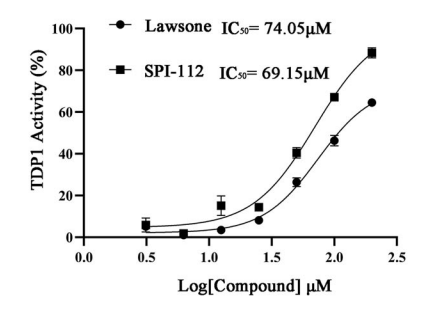
Lawsone purchased from MedChemExpress. Usage Cited in: EMBO Mol Med. 2025 Mar 25. [Abstract]
Dose-response analysis of Lawsone and SPI-112. The activity of TDP1 was treated with purified TDP1 enzyme 3.125, 6.25, 12.5, 25, 50, 100, 200 μM. Data are mean ± SD from three biological replicates. IC50 values were calculated using log(inhibitor) compared with normalized response (variable slope), using the program Prism, and are given in graphs.
Lawsone purchased from MedChemExpress. Usage Cited in: EMBO Mol Med. 2025 Mar 25. [Abstract]
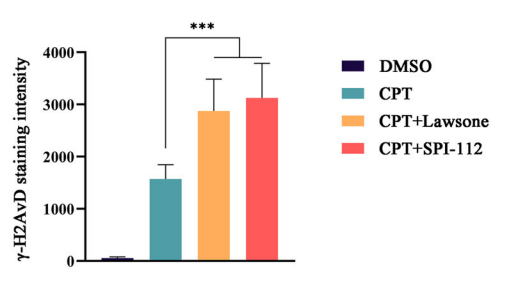
Quantification of γ-H2AvD staining intensity in nuclear of body-wall muscles at third instar larvae of Wild-type. Quantification at least five animals of each sample/experiment, five experiments. Data are mean ± SD. Two-tailed, unpaired t test. ***P = 0.0007 CPT versus CPT + Lawsone, ***P = 0.0003 CPT versus CPT + SPI-112.
Lawsone purchased from MedChemExpress. Usage Cited in: EMBO Mol Med. 2025 Mar 25. [Abstract]
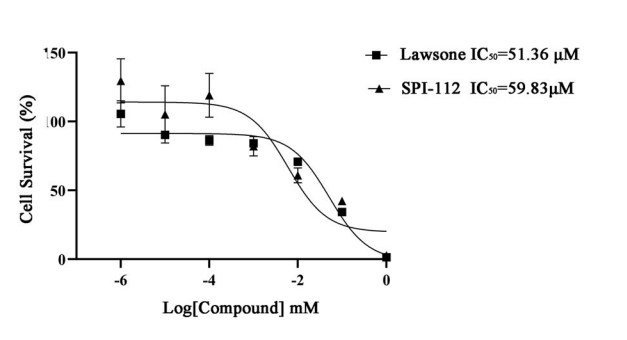
Dose-survival analysis of Lawsone and SPI-112. The HEK293 cells were treated with purified TDP1 enzyme 0, 0.001, 0.01, 0.1, 1, 10, 100, 1000 μM for 72 h. Data are mean ± SD from three biological replicates. IC50 values were calculated using log(inhibitor) compared with normalized survival rate (variable slope), using the program Prism, and are given in graphs.


Solvent & Solubility
In Vitro:
DMSO : 100 mg/mL (574.18 mM; Need ultrasonic; Hygroscopic DMSO has a significant impact on the solubility of product, please use newly opened DMSO)
Please refer to the solubility information to select the appropriate solvent. Once prepared, please aliquot and store the solution to prevent product inactivation from repeated freeze-thaw cycles.
Storage method and period of stock solution: -80°C, 6 months; -20°C, 1 month (stored under nitrogen). When stored at -80°C, please use it within 6 months. When stored at -20°C, please use it within 1 month.
Please refer to the solubility information to select the appropriate solvent. Once prepared, please aliquot and store the solution to prevent product inactivation from repeated freeze-thaw cycles.
Storage method and period of stock solution: -80°C, 6 months; -20°C, 1 month (stored under nitrogen). When stored at -80°C, please use it within 6 months. When stored at -20°C, please use it within 1 month.
Concentration (start) × Volume (start) = Concentration (final) × Volume (final)
In Vivo:
Select the appropriate dissolution method based on your experimental animal and administration route.
- For the following dissolution methods, please ensure to first prepare a clear stock solution using an In Vitro approach and then sequentially add co-solvents:
- To ensure reliable experimental results, the clarified stock solution can be appropriately stored based on storage conditions. As for the working solution for In Vivo experiments, it is recommended to prepare freshly and use it on the same day.
- The percentages shown for the solvents indicate their volumetric ratio in the final prepared solution. If precipitation or phase separation occurs during preparation, heat and/or sonication can be used to aid dissolution.
Add each solvent one by one: 10% DMSO 40% PEG300 5% Tween-80 45% Saline
Solubility: ≥ 2.5 mg/mL (14.35 mM); Clear solution
This protocol yields a clear solution of ≥ 2.5 mg/mL (saturation unknown).
Taking 1 mL working solution as an example, add 100 μL DMSO stock solution (25.0 mg/mL) to 400 μL PEG300, and mix evenly; then add 50 μL Tween-80 and mix evenly; then add 450 μL Saline to adjust the volume to 1 mL.
Preparation of Saline: Dissolve 0.9 g sodium chloride in ddH₂O and dilute to 100 mL to obtain a clear Saline solution.
Add each solvent one by one: 10% DMSO 90% (20% SBE-β-CD in Saline)
Solubility: ≥ 2.5 mg/mL (14.35 mM); Clear solution
This protocol yields a clear solution of ≥ 2.5 mg/mL (saturation unknown).
Taking 1 mL working solution as an example, add 100 μL DMSO stock solution (25.0 mg/mL) to 900 μL 20% SBE-β-CD in Saline, and mix evenly.
Preparation of 20% SBE-β-CD in Saline (4°C, storage for one week): 2 g SBE-β-CD powder is dissolved in 10 mL Saline, completely dissolve until clear.
In Vivo Dissolution Calculator
Please enter the basic information of animal experiments:
-
-
-
-
Recommended: Prepare an additional quantity of animals to account for potential losses during experiments.
Please enter your animal formula composition:
-
%DMSO +
Recommended: Keep the proportion of DMSO in working solution below 2% if your animal is weak.
-
%+
-
+%Tween-80 + +
-
%Saline +
The co-solvents required include: DMSO, . All of co-solvents are available by MedChemExpress (MCE). , Tween 80. All of co-solvents are available by MedChemExpress (MCE).
Working solution concentration: 0.22 mg/mL
Method for preparing stock solution: mg drug dissolved in μL DMSO. Stock solution concentration: mg/mL. * In solvent : -80°C, 6 months; -20°C, 1 month (stored under nitrogen)
1. Take μL DMSO stock solution;
2. Add μL .
μL , mix evenly;
3. Then add μL Tween 80, mix evenly;
4. Then add μL
Please ensure that the stock solution in the first step is dissolved to a clear state, and add co-solvents in sequence. You can use ultrasonic heating (ultrasonic cleaner, recommended frequency 20-40 kHz), vortexing, etc. to assist dissolution.

Protocols
-
Research Protocol for Infectious Diseases
Infectious-disease experiments test how pathogens interact with host barriers, innate immune receptors, inflammatory signaling, pathogen replication, and tissue injury; pattern-recognition receptors such as TLRs, RIG-I-like receptors, NOD-like receptors, and inflammasomes detect microbial molecules and activate NF-κB, interferon, and cytokine responses. The central hypothesis is that infection severity reflects the balance between pathogen burden and host response: protective inflammation restricts pathogen growth, whereas excessive or mislocalized inflammation contributes to tissue damage and disease phenotype. Unresolved questions include which host pathways are protective versus pathogenic, why some infection models fail to translate to human disease, and which combined readouts best predict clinically relevant infection outcomes.
-
Apoptosis
Apoptosis, also called programmed cell death, is generally characterized by distinct morphological characteristics.
-
TUNEL staining for apoptotic DNA fragmentation
TUNEL staining detects DNA strand breaks by using terminal deoxynucleotidyl transferase to add labeled nucleotides to exposed 3′-OH DNA termini, generating either microscopic staining in fixed cells or tissue sections, or fluorescence/cytometric signal in cell suspensions. TUNEL positivity reflects DNA fragmentation but should not be interpreted alone as definitive apoptosis, because TUNEL can also label necrotic, autolytic, mechanically damaged, or DNA-repair-associated DNA breaks.
-
Annexin V plus membrane-impermeant dye apoptosis staining
Annexin V-based apoptosis assays rely on the detection of phosphatidylserine (PS) externalization from the inner leaflet of the plasma membrane to the outer leaflet, an early biochemical hallmark of apoptosis. Fluorescently labeled Annexin V binds PS in a calcium-dependent manner, enabling identification of early apoptotic cells by flow cytometry or fluorescence microscopy. When combined with a membrane-impermeant DNA-binding dye (e. g. , propidium iodide), this approach allows discrimination between viable (Annexin V−/dye−), early apoptotic (Annexin V+/dye−), and late apoptotic or necrotic (Annexin V+/dye+) cell populations by assessing membrane integrity and PS exposure.
-
Apoptosis Solutions
Apoptosis is a regulated, generally non-lytic cell-death pathway that removes unwanted, damaged, infected, or abnormal cells through coordinated morphological changes, caspase activation, DNA fragmentation, and membrane remodeling. The intrinsic apoptosis pathway is controlled mainly by mitochondrial outer membrane permeabilization, BCL-2 family proteins, cytochrome c release, apoptosome formation, caspase-9 activation, and downstream executioner caspase-3/7 activation. The extrinsic apoptosis pathway is initiated by death receptors such as Fas, TNFR, and TRAIL receptors, which recruit adaptor proteins and activate caspase-8 before engaging executioner caspases or mitochondrial amplification through BID cleavage. Apoptosis is linked to many phenotypes, including cancer cell killing, tissue homeostasis, immune regulation, neurodegeneration, infection response, and treatment-induced cytotoxicity; unresolved questions include how apoptosis interacts with necroptosis, pyroptosis, ferroptos


Purity & Documentation
-
Data Sheet (292 KB)
-
SDS (394 KB)
- English - EN (394 KB)
- Français - FR (394 KB)
- Deutsch - DE (394 KB)
- Norwegian - NO (394 KB)
- Español - ES (394 KB)
- Swedish - SV (394 KB)
- Italian - IT (394 KB)
- Korean - KR (394 KB)
- Portuguese - PT (394 KB)
-
Handling Instructions (2659 KB)
References
[1]. Tripathi RD, et al. A fungitoxic principle from the leaves of lawsonia inermis lam. Experientia. 1978 Jan 15;34(1):51-2. [Content Brief]
[2]. Munday R, et al. Haemolytic activity and nephrotoxicity of 2-hydroxy-1,4-naphthoquinone in rats. J Appl Toxicol. 1991 Apr;11(2):85-90. [Content Brief]
[3]. Sauriasari R, et al. Cytotoxicity of lawsone and cytoprotective activity of antioxidants in catalase mutant Escherichia coli. Toxicology. 2007 Jun 3;235(1-2):103-11. [Content Brief]
[4]. Wang SB, et al. Lawsone suppresses azoxymethane mediated colon cancer in rats and reduces proliferation of DLD-1 cells via NF-κB pathway. Biomed Pharmacother. 2017 May;89:152-161. [Content Brief]


Complete Stock Solution Preparation Table
Please refer to the solubility information to select the appropriate solvent. Once prepared, please aliquot and store the solution to prevent product inactivation from repeated freeze-thaw cycles.
Storage method and period of stock solution: -80°C, 6 months; -20°C, 1 month (stored under nitrogen). When stored at -80°C, please use it within 6 months. When stored at -20°C, please use it within 1 month.
| Optional Solvent | Concentration Solvent Mass | 1 mg | 5 mg | 10 mg | 25 mg |
|---|---|---|---|---|---|
| DMSO | 1 mM | 5.7418 mL | 28.7092 mL | 57.4185 mL | 143.5462 mL |
| 5 mM | 1.1484 mL | 5.7418 mL | 11.4837 mL | 28.7092 mL | |
| 10 mM | 0.5742 mL | 2.8709 mL | 5.7418 mL | 14.3546 mL | |
| 15 mM | 0.3828 mL | 1.9139 mL | 3.8279 mL | 9.5697 mL | |
| 20 mM | 0.2871 mL | 1.4355 mL | 2.8709 mL | 7.1773 mL | |
| 25 mM | 0.2297 mL | 1.1484 mL | 2.2967 mL | 5.7418 mL | |
| 30 mM | 0.1914 mL | 0.9570 mL | 1.9139 mL | 4.7849 mL | |
| 40 mM | 0.1435 mL | 0.7177 mL | 1.4355 mL | 3.5887 mL | |
| 50 mM | 0.1148 mL | 0.5742 mL | 1.1484 mL | 2.8709 mL | |
| 60 mM | 0.0957 mL | 0.4785 mL | 0.9570 mL | 2.3924 mL | |
| 80 mM | 0.0718 mL | 0.3589 mL | 0.7177 mL | 1.7943 mL | |
| 100 mM | 0.0574 mL | 0.2871 mL | 0.5742 mL | 1.4355 mL |


Lawsone Related Classifications
HY-N2493 Related Classifications
 Powered by Bioz