



AACOCF3
Based on 7 publication(s) in Google Scholar
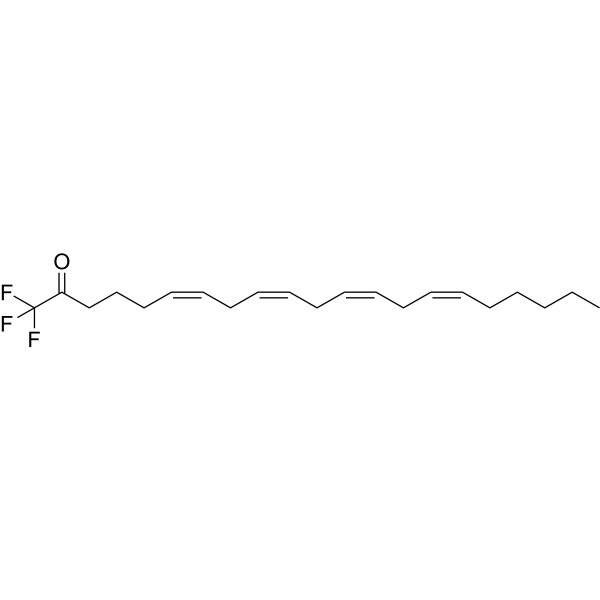
AACOCF3 (Arachidonyl trifluoromethyl ketone) is a cell-permeant trifluoromethyl ketone analog of arachidonic acid. AACOCF3 is a potent and selective slow binding inhibitor of the 85-kDa cytosolic phospholipase A2 (cPLA2). AACOCF3 blocks production of arachidonate and 12-hydroxyeicosatetraenoic acid by calcium ionophore-challenged platelets. AACOCF3 inhibits glucose-induced insulin secretion from isolated rat islets. AACOCF3 has the potential for the research of cardiovascular disease.
For research use only. We do not sell to patients.
- Purity : 99.89%
- CAS No.: 149301-79-1
- Formula: C21H31F3O
- Molecular Weight:356.47
-
Storage:
Solution, -20°C, 2 years

To place orders, for customer services and technical support, please contact: MedChemExpress USA
Tel: 609-228-6898 E-mail: [email protected] [email protected]


-
 Biological Activity
-
Chemical Information
- Protocols
- Purity & Documentation
- References
-
 Help & FAQs


-
HY-111376
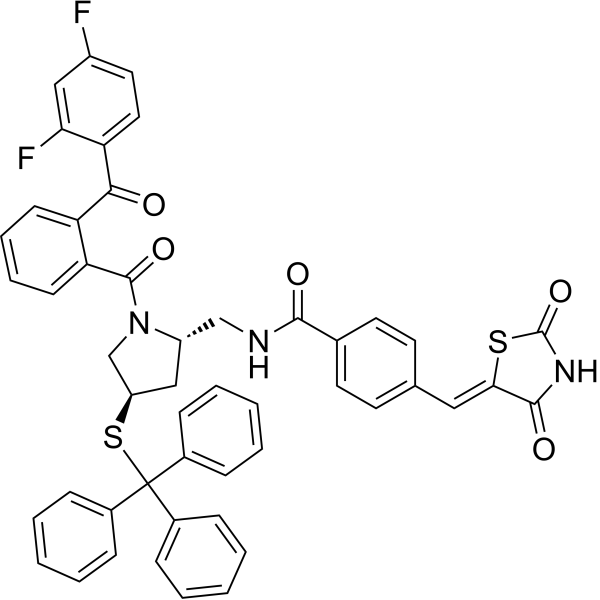
PyrrophenonePLA2 Inhibitor -
HY-109590
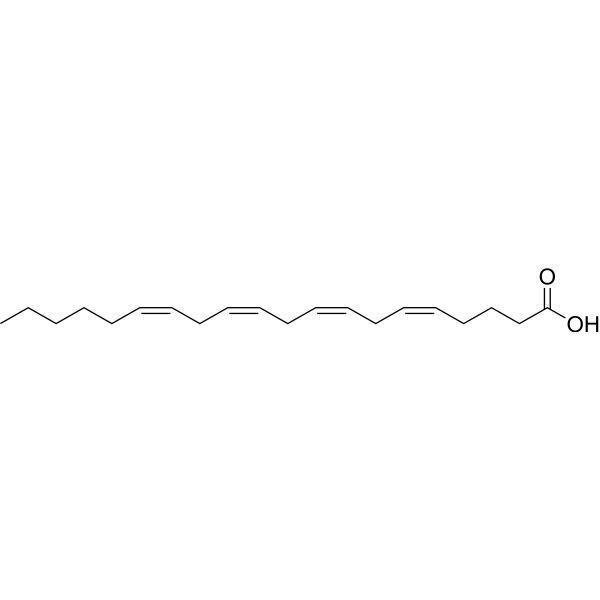
Arachidonic acidPolyunsaturated Fatty Acid -
HY-103334
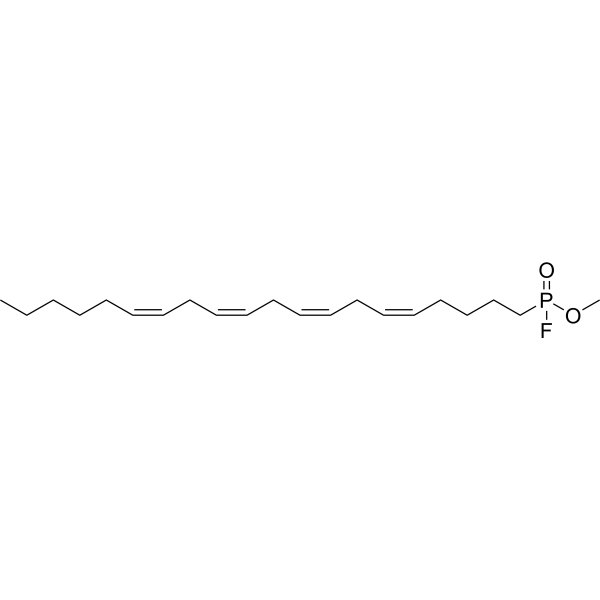
MAFPcPLA2/iPLA2 Inhibitor -
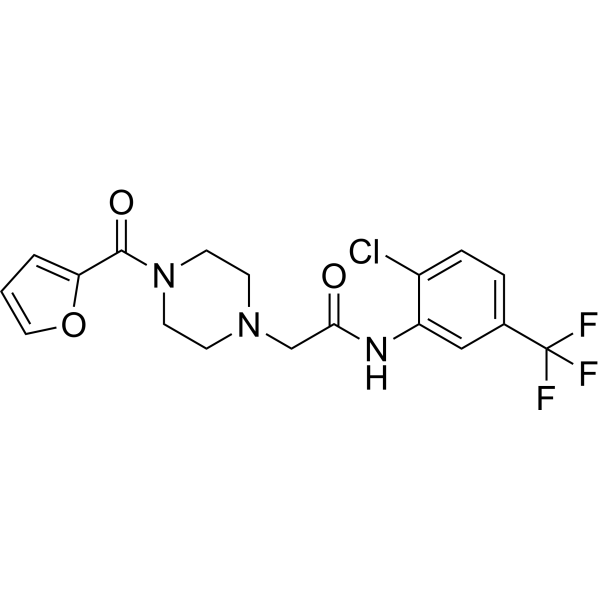
HY-100736
ML348APT1/LYPLA1 Inhibitor -
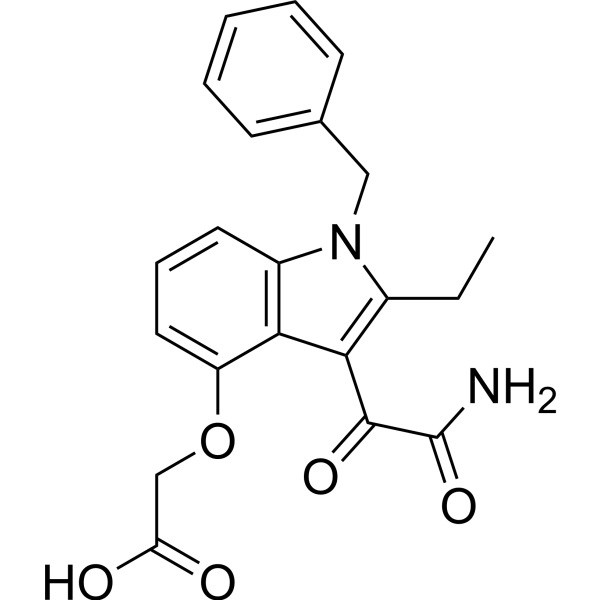
HY-13402
VarespladibsPLA2 Inhibitor -
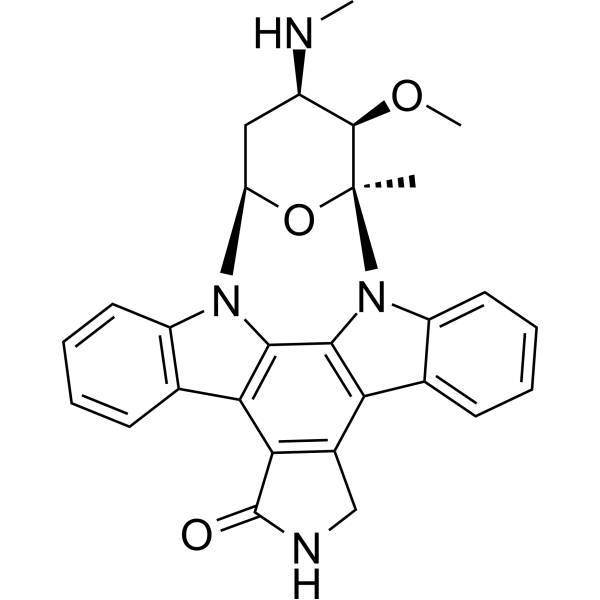
HY-15141
StaurosporinePKC/PKA Inhibitor -
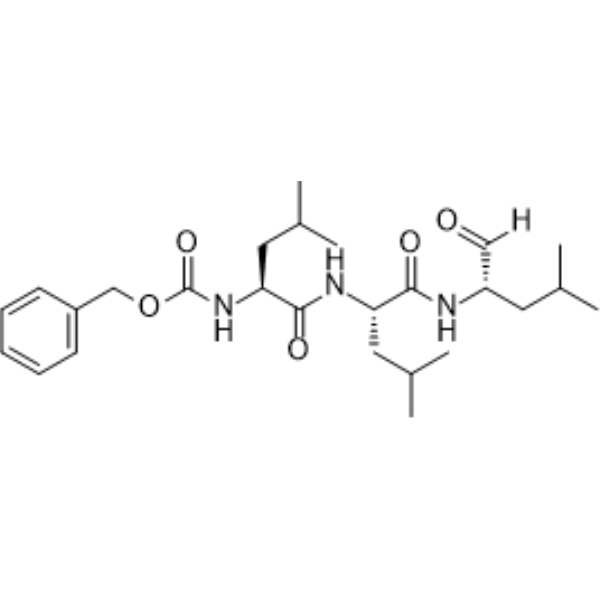
HY-13259
MG-132Proteasome Inhibitor -
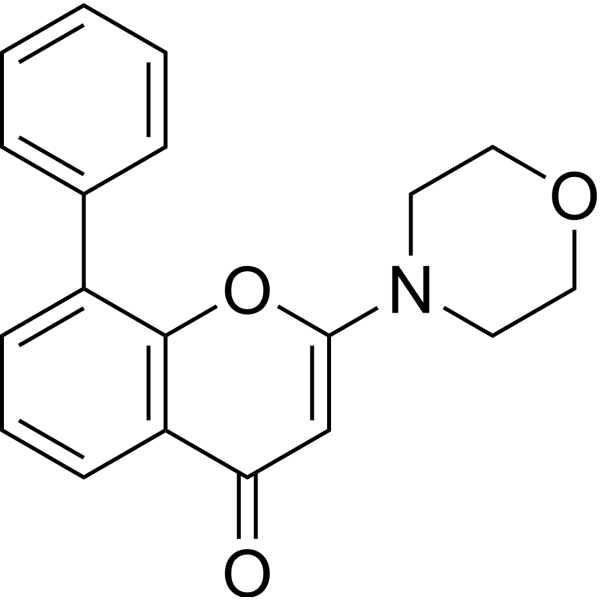
HY-10108
LY294002PI3K Inhibitor -
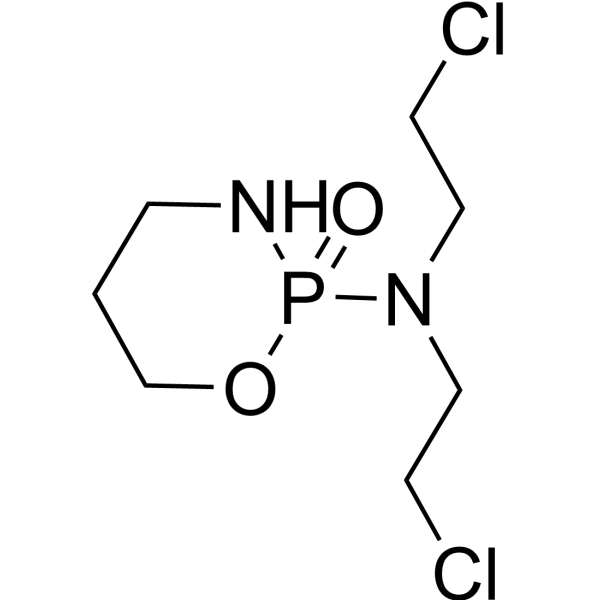
HY-17420
CyclophosphamideAlkylating Agent -
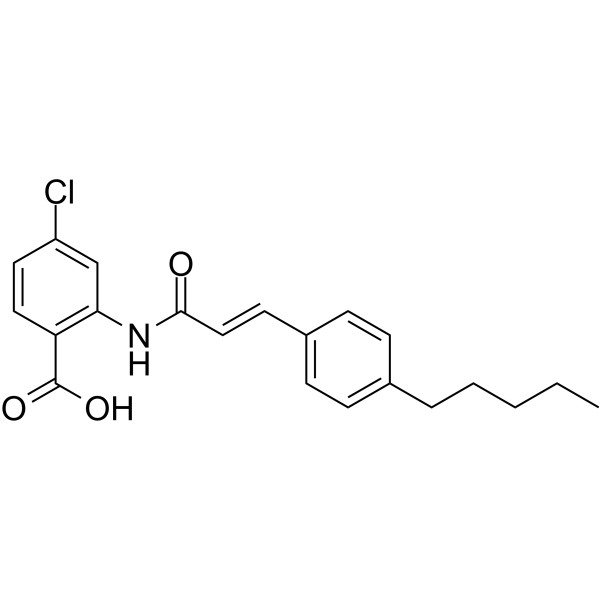
HY-123070
ONO-RS-082PLA2 Inhibitor -
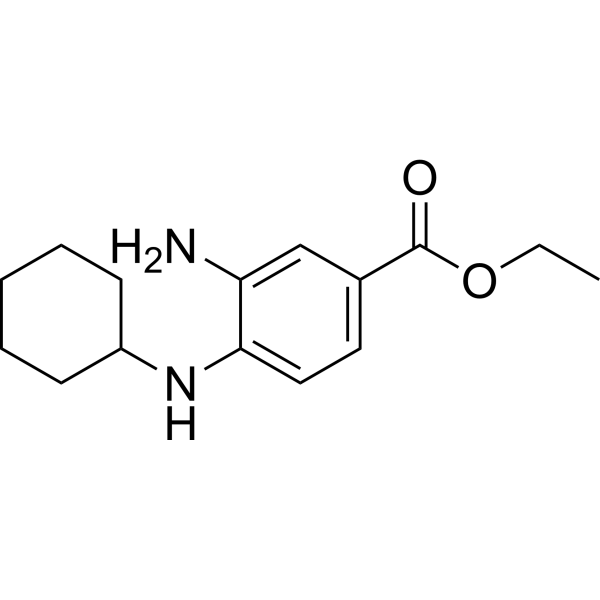
HY-100579
Ferrostatin-1Ferroptosis Inhibitor -
HY-100218A
RSL3GPX4 Inhibitor
Publications Citing Use of MedChemExpress (MCE) AACOCF3
More- Autophagy. 2026 Jun 21:1-25. [Abstract]
- Pharmacol Res. 2024 Feb:200:107082. [Abstract]
- Phytomedicine. 2024 Jul:129:155648. [Abstract]
- Transl Psychiatry. 2026 Aug 19.
- J Ethnopharmacol. 2026 Oct 28:369:121879. [Abstract]
- Int Immunopharmacol. 2023 Mar:116:109637. [Abstract]
- J Enzyme Inhib Med Chem. 2025 Dec;40(1):2547259. [Abstract]
 Customer Validation & Images

-
WB
-
Cell Proliferation/Viability Assay
-
ELISA
-
WB
-
Bio/Physico-chemical Assay
All Phospholipase Isoforms
More

Biological Activity
Description
Cellular Effect
|
Cell Line

|
Type | Value | Description | References |
|---|---|---|---|---|
| HL-60 | IC50 |
29 μM
Compound: 1
|
Inhibition of [3H]arachidonic acid production by stimulated HL60 cells.
Inhibition of [3H]arachidonic acid production by stimulated HL60 cells.
|
[PMID: 11882004] |
| THP-1 | IC50 |
41 μM
Compound: AACOCF3
|
Concentration required to inhibit production of LTC4 from THP-1 cells stimulated with A-23187
Concentration required to inhibit production of LTC4 from THP-1 cells stimulated with A-23187
|
[PMID: 11229777] |
| THP-1 | IC50 |
86 μM
Compound: AACOCF3
|
Concentration required to inhibit production of arachidonic acid from THP-1 cells stimulated with A-23187
Concentration required to inhibit production of arachidonic acid from THP-1 cells stimulated with A-23187
|
[PMID: 11229777] |
In Vitro
AACOCF3 inhibits the release of arachidonic acid from calcium ionophore-challenged U937 cells (IC50= 8 μM, 2 x 10⁶ cells ml-1) and from platelets (IC50= 2 μM, 4 x 10⁷ cells ml-1)[1].
AACOCF3 (10 μM) suppresses phosphate-induced calcification and osteogenic/chondrogenic signaling in HAoSMCs. AACOCF3 significantly inhibits both basal and Pi-induced release of arachidonic acid, the product of PLA2 activity[2].
MedChemExpress (MCE) has not independently confirmed the accuracy of these methods. They are for reference only.
In Vivo
MedChemExpress (MCE) has not independently confirmed the accuracy of these methods. They are for reference only.


Chemical Information
-
CAS No. 149301-79-1
-
Appearance Liquid
-
Molecular Weight 356.47
-
Formula C21H31F3O
-
Color Colorless to light yellow
-
SMILES
CCCCC/C=C\C/C=C\C/C=C\C/C=C\CCCC(C(F)(F)F)=O
-
Synonyms
Arachidonyl trifluoromethyl ketone
-
Shipping
Room temperature in continental US; may vary elsewhere.
-
Storage
Solution, -20°C, 2 years


Publications (7)
-
Journal Impact Factor
-
Most Recent
-
Autophagy
E-cigarette aerosols induce the hydrolysis of lysosomal glycerophospholipids through PLA2G4A activation initiated by nicotine binding to CHRNA3/α3 nAChR in airway epithelial cells. [Abstract]2026 Jun 21:1-25. PMID: 42287088 -
Pharmacol Res
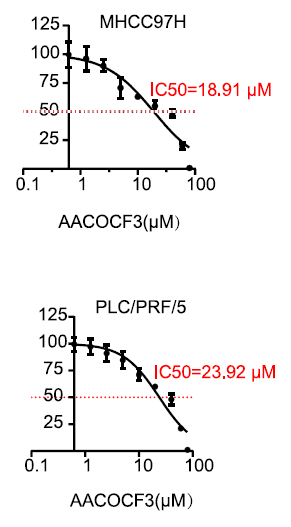
Identification of Fasudil as a collaborator to promote the anti-tumor effect of lenvatinib in hepatocellular carcinoma by inhibiting GLI2-mediated hedgehog signaling pathway. [Abstract]2024 Feb:200:107082. PMID: 38280440
AACOCF3 purchased from MedChemExpress. Usage Cited in: Pharmacol Res. 2024 Feb:200:107082. [Abstract]
IC50 of AACOCF3 (1-100 μM) in MHCC97H and PLC/PRF/5.
-
Phytomedicine
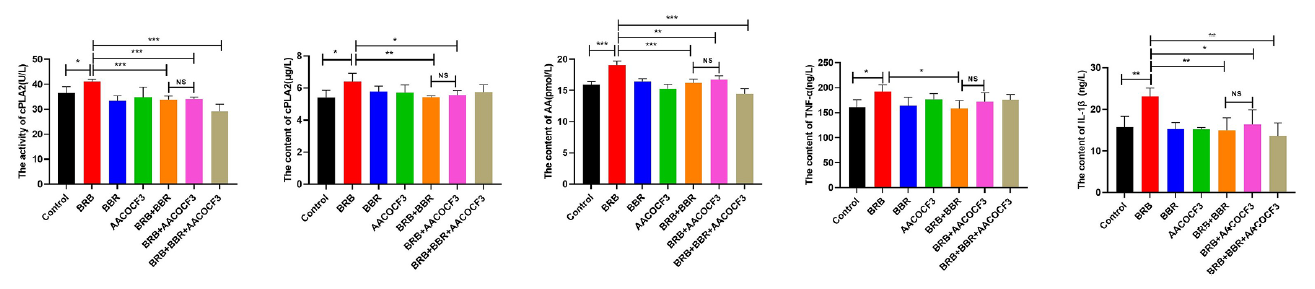
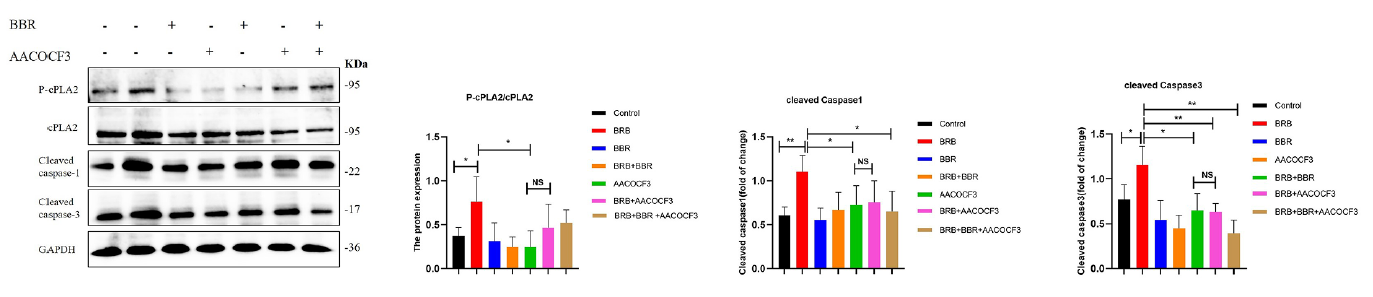
Unraveling the enigma: Molecular mechanisms of berberrubine-induced nephrotoxicity reversed by its parent form berberine. [Abstract]2024 Jul:129:155648. PMID: 38669970
AACOCF3 purchased from MedChemExpress. Usage Cited in: Phytomedicine. 2024 Jul:129:155648. [Abstract]
AACOCF3 (20 μM) significantly decreased the activity and content of cPLA2, AA, IL-1β, and TNF-α in NRK52E cells compared to those in the BRB group.
AACOCF3 purchased from MedChemExpress. Usage Cited in: Phytomedicine. 2024 Jul:129:155648. [Abstract]
AACOCF3 (20 μM) attenuated the BRB-induced increases in the P-cPLA2/cPLA2 ratio and the levels of caspase-1 and caspase-3 in NRK52E cells.
-
-
J Ethnopharmacol
Exploring the mechanisms of Gualou Xiebai Banxia decoction against myocardial ischemia by integrating network pharmacology, metabolomics, lipidomics, and experimental validation. [Abstract]2026 Oct 28:369:121879. PMID: 42150656 -
Int Immunopharmacol
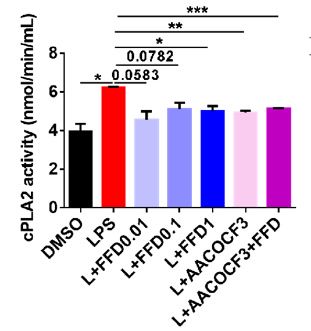
Fexofenadine protects against lipopolysaccharide-induced acute lung injury by targeting cytosolic phospholipase A2. [Abstract]2023 Mar:116:109637. PMID: 36764283
AACOCF3 purchased from MedChemExpress. Usage Cited in: Int Immunopharmacol. 2023 Mar:116:109637. [Abstract]
AACOCF3 (1 μM; 4 h) decreased cPLA2 activity in LPS-treated MHS cells.
-
J Enzyme Inhib Med Chem
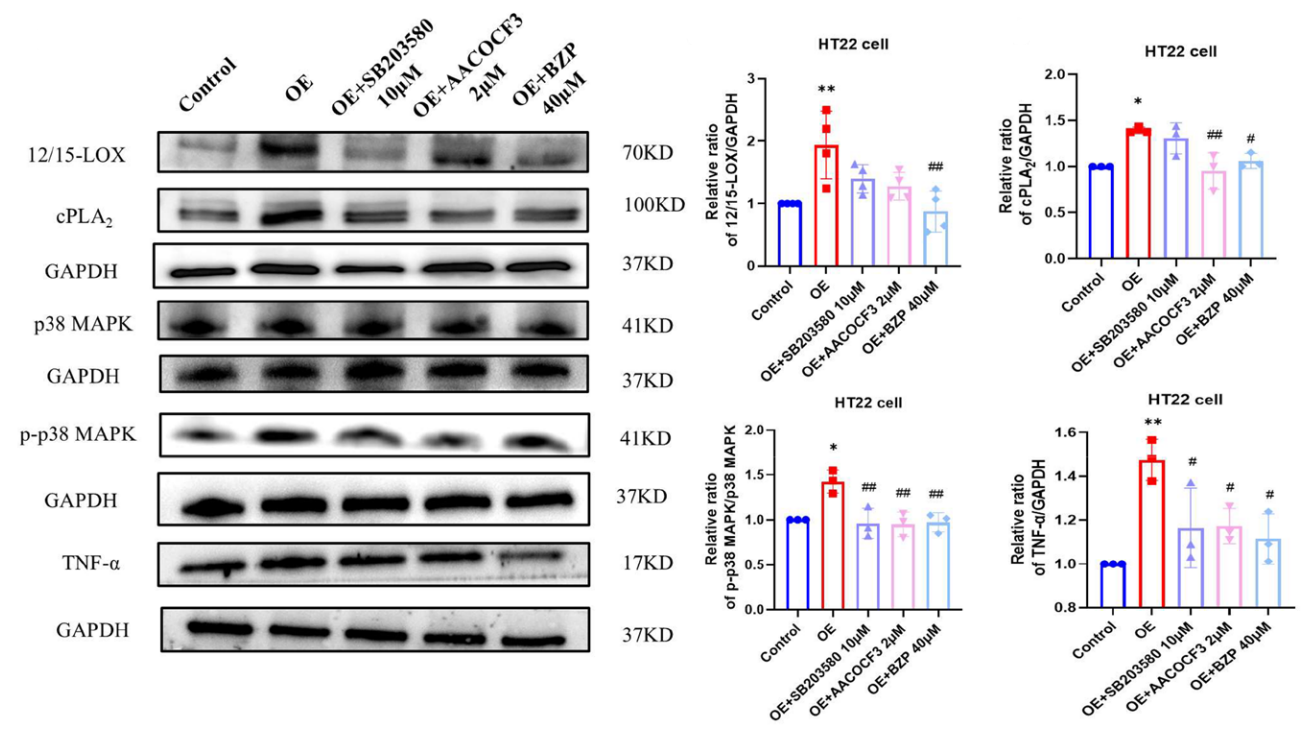
Inhibition of 12/15-LOX hyperactivation mitigates cognitive decline in a chronic cerebral hypoperfusion mouse model and in H2O2-induced HT22 cells: therapeutic effects of brozopine. [Abstract]2025 Dec;40(1):2547259. PMID: 40841277
AACOCF3 purchased from MedChemExpress. Usage Cited in: J Enzyme Inhib Med Chem. 2025 Dec;40(1):2547259. [Abstract]
AACOCF3 (2 μM) significantly decreased the protein expression levels of 12/15-LOX, cPLA2, p-p38 MAPK/p38 MAPK, and TNF-α in OE-treated HT22 cells.


Purity & Documentation
-
Data Sheet (265 KB)
-
SDS (393 KB)
- English - EN (393 KB)
- Français - FR (393 KB)
- Deutsch - DE (393 KB)
- Norwegian - NO (393 KB)
- Español - ES (393 KB)
- Swedish - SV (393 KB)
- Italian - IT (393 KB)
- Korean - KR (393 KB)
- Portuguese - PT (393 KB)
-
Handling Instructions (2659 KB)
References
[1]. Riendeau D, et al. Arachidonyl trifluoromethyl ketone, a potent inhibitor of 85-kDa phospholipase A2, blocks production of arachidonate and 12-hydroxyeicosatetraenoic acid by calcium ionophore-challenged platelets. J Biol Chem. 1994;269(22):15619-15624. [Content Brief]
[2]. Schanstra JP, et al. Systems biology identifies cytosolic PLA2 as a target in vascular calcification treatment. JCI Insight. 2019;4(10):e125638. Published 2019 May 16. [Content Brief]
[3]. Loweth AC, et al. A specific inhibitor of cytosolic phospholipase A2 activity, AACOCF3, inhibits glucose-induced insulin secretion from isolated rat islets. Biochem Biophys Res Commun. 1996;218(2):423-427. [Content Brief]

Calculators
Concentration (start) × Volume (start) = Concentration (final) × Volume (final)


AACOCF3 Related Classifications
HY-108611 Related Classifications
 Powered by Bioz