



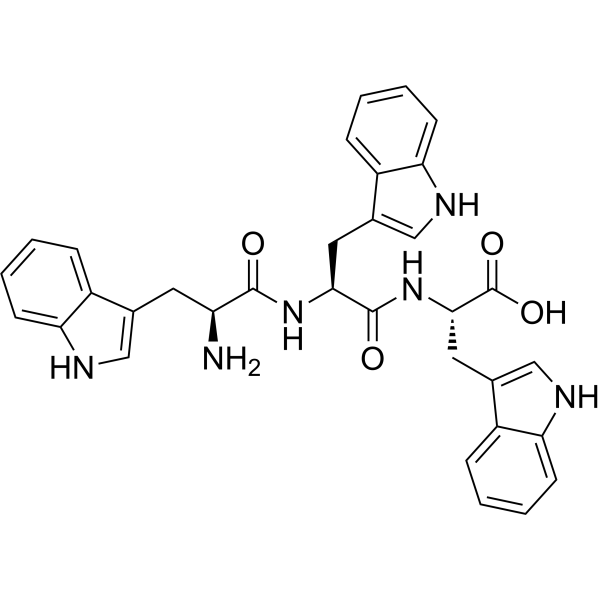
- Formula: C33H32N6O4
- Molecular Weight: 576.64
H-Trp-Trp-Trp-OH (Trp-Trp-Trp) is a tripeptide consisting of tryptophan. H-Trp-Trp-Trp-OH has antibacterial activity. H-Trp-Trp-Trp-OH is a human bitter taste receptor hTAS2R14 agonist.

- Formula: C9H17NO4
- Molecular Weight: 203.24
N-Lactylleucine is an endogenous N-lactoyl-amino acid formed from L-lactic acid and L-leucine. N-Lactylleucine has been detected in intermediate maple syrup urine disease.

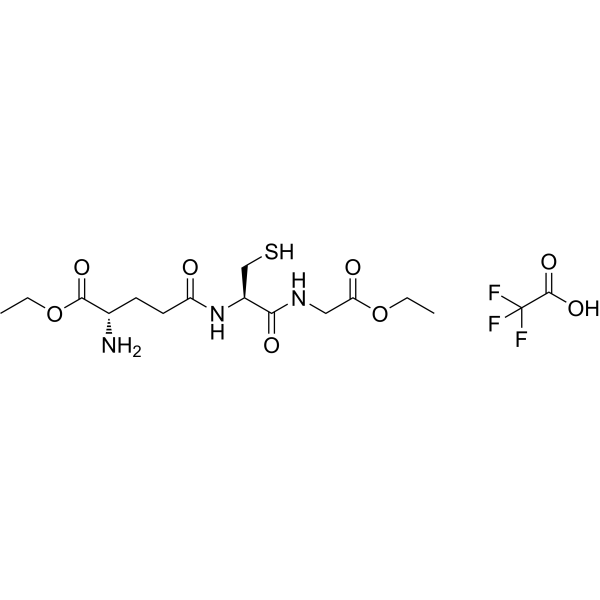
- Formula: C12H19F3N2O7S
- Molecular Weight: 392.35
H-Glu(Met-OH)-OH TFA (γ-Glu-Met TFA) could induce oxidation of hydroxyl radical.

- Formula: C107H173N33O30
- Molecular Weight: 2401.72
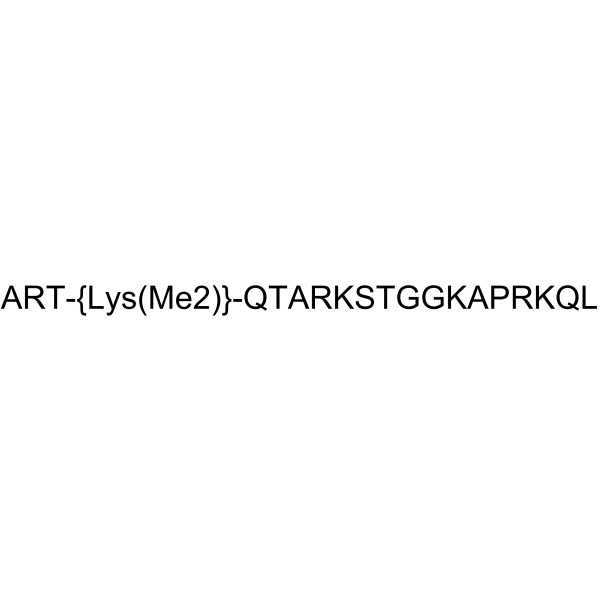
CXCL8 (54-72) is a C-terminal peptide based on the chemokine CXCL8. CXCL8 (54-72) has an interaction between a long and highly positively charged C-terminal region and a negative charge on the GAG that binds to the GAG. CXCL8 (54-72) can inhibit the adhesion and migration of neutrophils and adhesion of endothelial cells. CXCL8 (54-72) can be used to study chemokines in inflammatory response.
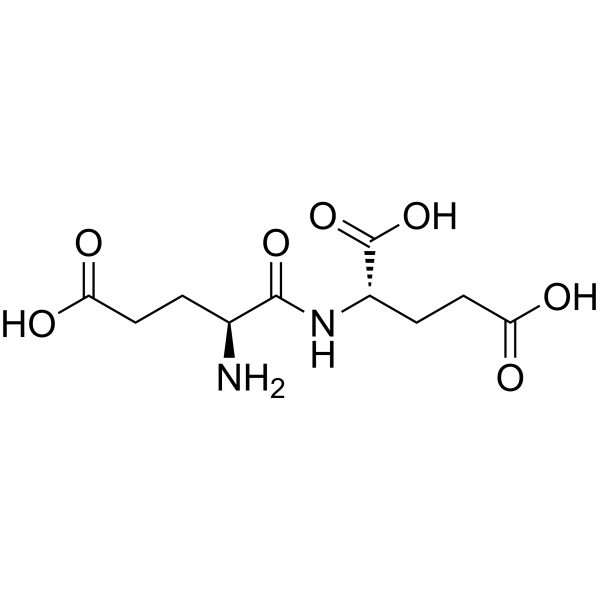
- Formula: C10H16N2O7
- Molecular Weight: 276.24
Glu-Glu is a glutamic acid derivative containing amino and carboxyl groups. Glu-Glu is an analogs of acidic tripeptide and can contribute to calcium absorption.
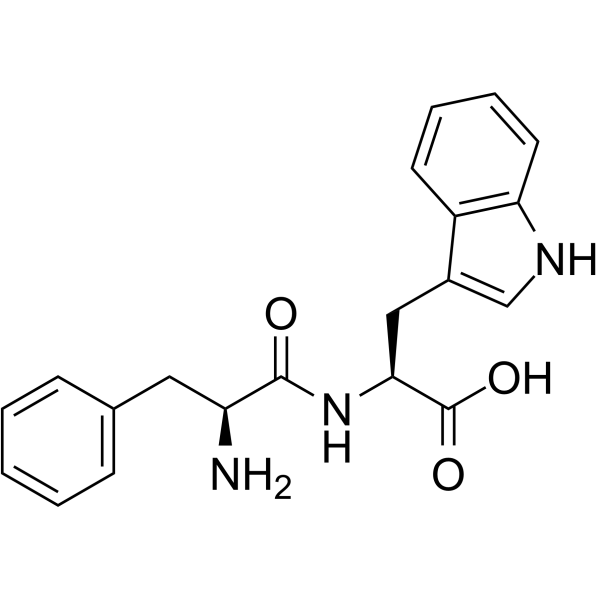
- Formula: C20H21N3O3
- Molecular Weight: 351.41
H-Phe-Trp-OH (Phenylalanyltryptophan) is an endogenous metabolite. H-Phe-Trp-OH can be used in the research of hepatocellular carcinoma and tic disorders.
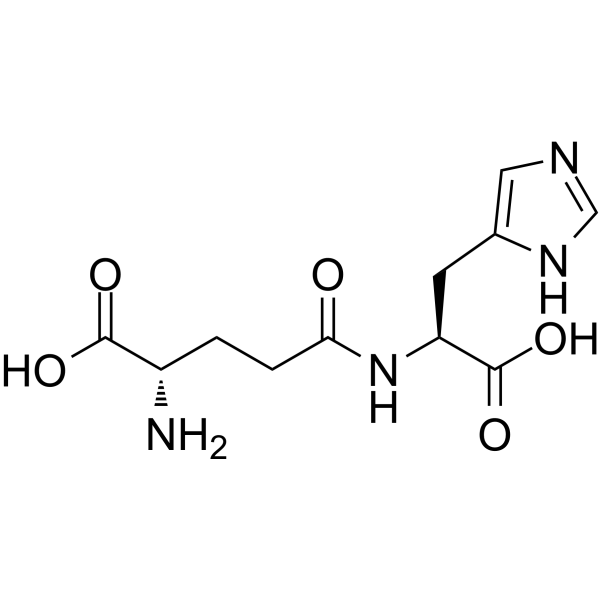
- Formula: C11H16N4O5
- Molecular Weight: 284.27
γ-Glu-His (γ-Glutamylhistidine) is a polypeptide that can be found by peptide screening. Peptide screening is a research tool that pools active peptides primarily by immunoassay. Peptide screening can be used for protein interaction, functional analysis, epitope screening, especially in the field of agent research and development.
- Formula: C112H189N15O70
- Molecular Weight: 2865.76
Sialylglycopeptide is an orally active glycopeptide found in egg yolk. Sialylglycopeptide inhibits the binding of Salmonella enteritidis and Escherichia coli to intestinal cells, and protects mice from Salmonella infection. Sialylglycopeptide can be used in the research of Salmonella infection.
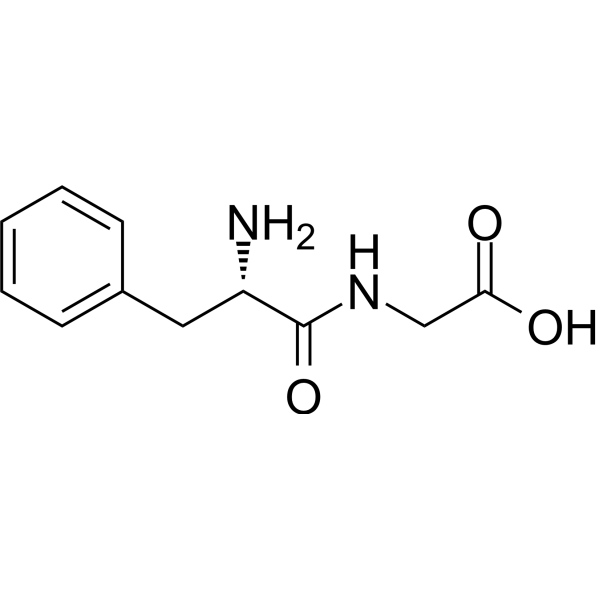
- Formula: C11H14N2O3
- Molecular Weight: 222.24
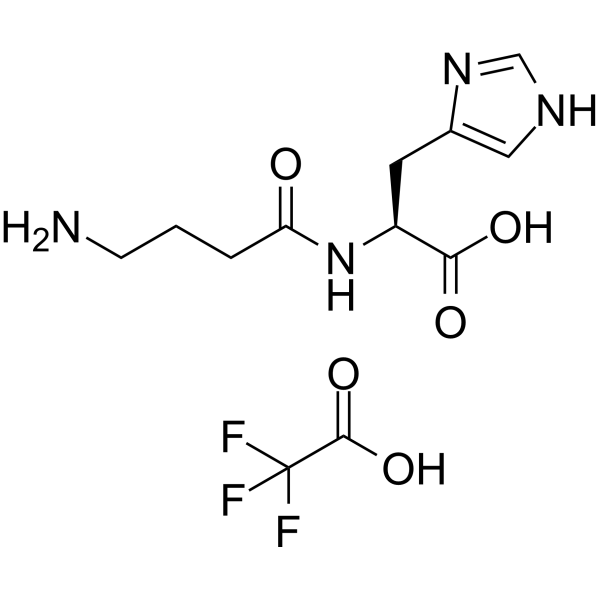
- Formula: C12H17F3N4O5
- Molecular Weight: 354.28
Homocarnosine TFA is a dipeptide of γ-aminobutyric acid (GABA) and histidine unique to brain. Homocarnosine TFA is an inhibitory neuromodulator synthesized in the neuron from GABA and exhibiting anticonvulsant effects. Homocarnosine TFA has antioxidant and anti-inflammatory actions, prevention of DNA damage, and inhibition of advanced glycation end-product formation.
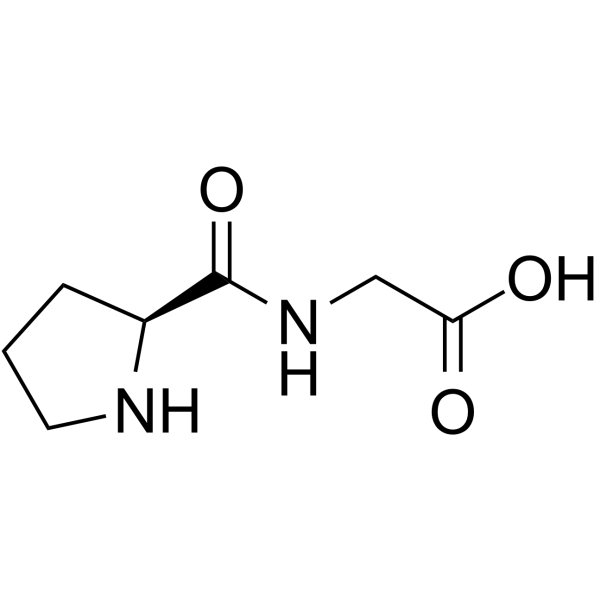
- Formula: C7H12N2O3
- Molecular Weight: 172.18
L-Prolylglycine is a proline-glycine dipeptide. L-Prolylglycine is absorbable through the jejunal and ileal mucosa. In streptozotocin (HY-13753)-induced diabetic mice, L-Prolylglycine reduces hepatic ALT activity and increases hepatic ALP activity. L-Prolylglycine prevents excessive elevation of blood glucose in diabetic mice. L-Prolylglycine is applicable to diabetes-related research.

- Formula: C11H21ClN2O3
- Molecular Weight: 264.75
Leucylproline hydrochloride (Leu‑Pro hydrochloride) is a dipeptide composed of L‑leucine and L‑proline, and it is a fecal secondary metabolite associated with the gut microbiota. Leucylproline hydrochloride is taken up by Lactococcus lactis cells via the di‑tripeptide transport system, and mediates transcriptional repression of the prtP/prtM promoter after intracellular accumulation. The content of Leucylproline hydrochloride is significantly decreased in fecal samples related to hepatolenticular degeneration. Leucylproline hydrochloride can be used for the study of metabolism‑related diseases.

- Formula: C11H20N2O5
- Molecular Weight: 260.29
gamma-Glutamylisoleucine (γ-Glu-Ile; H-γ-Glu-Ile-OH) is a dipeptide composed of γ-glutamic acid and isoleucine, and it is also a degradation product of macromolecular proteins after proteolysis.
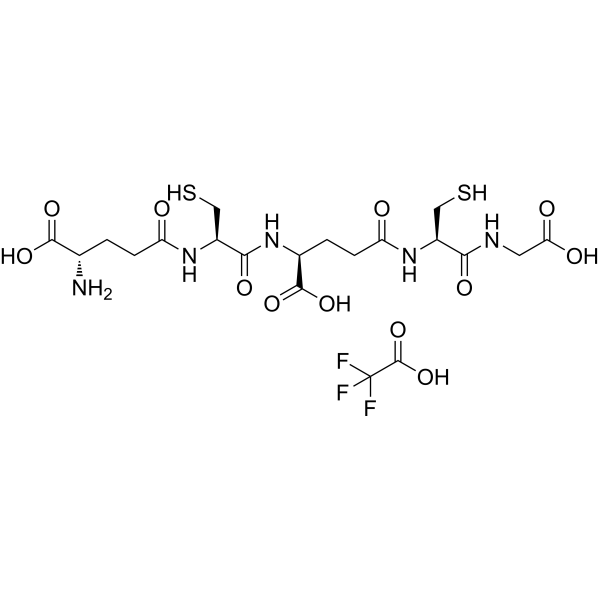
- Formula: C20H30F3N5O12S2
- Molecular Weight: 653.60
Phytochelatin 2 (PC2) TFA is a phytochelatin, an important heavy metal-binding peptide. Phytochelatin 2 (PC2) TFA can chelate metals, prevent metal toxicity, and maintain metal stability in the internal environment.
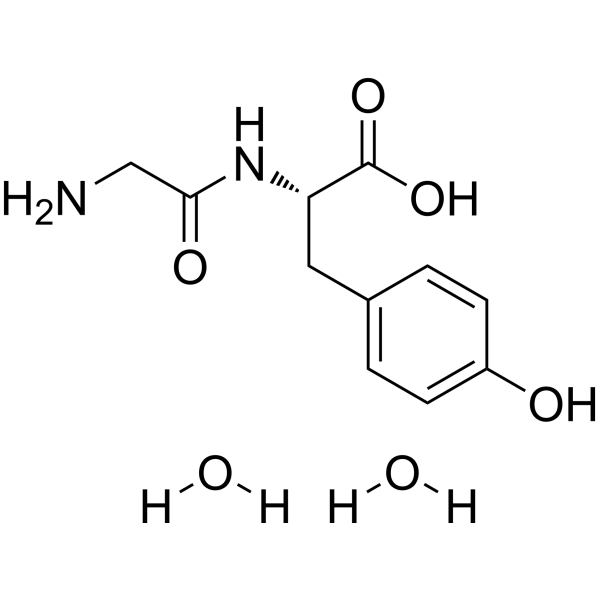
- Formula: C11H18N2O6
- Molecular Weight: 274.27
Glycyl-L-tyrosine dihydrate is a synthetic dipeptide that can be used as a food additive for tyrosine supplementation.
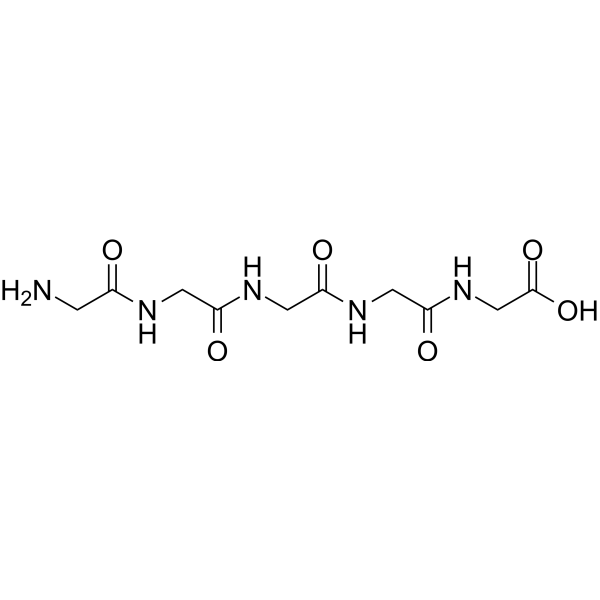
- Formula: C10H17N5O6
- Molecular Weight: 303.27
Pentaglycine (Tetraglycylglycine; NSC 96353) is a bridging structure composed of five glycine residues. Pentaglycine serves as a characteristic peptidoglycan cross-bridge component of staphylococci and a specific substrate for lysostaphin. Pentaglycine maintains the integrity of the peptidoglycan cell wall of Staphylococcus aureus via peptide chain cross-linking and regulates bacterial growth. Pentaglycine expression is downregulated in high-glucose environments, inhibiting bacterial proliferation. Pentaglycine can be applied to studies related to Staphylococcus aureus infection.
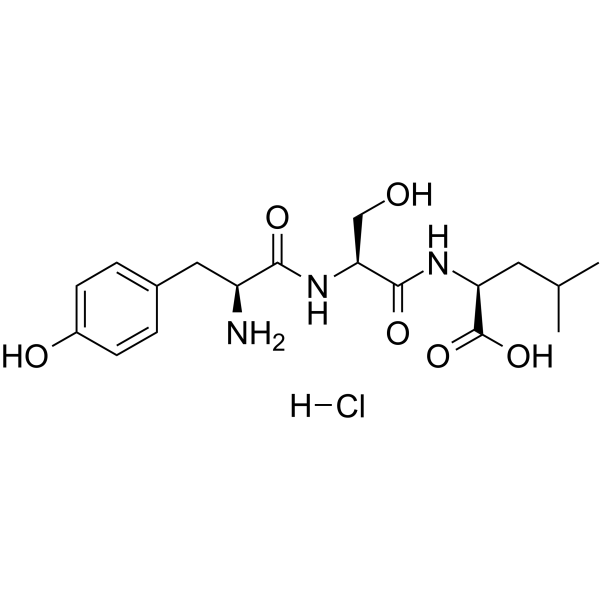
- Formula: C18H28ClN3O6
- Molecular Weight: 417.88
Tyroserleutide hydrochloride is a tripeptide isolated from the degradation products of porcine spleen with antitumor activity. Tyroserleutide hydrochloride can upregulate the expression of the tumor suppressor gene PTEN and inhibit the activity of AKT and PDK1. Tyroserleutide hydrochloride inhibits tumor cell proliferation and MDM2 phosphorylation by inhibiting the PI3K/AKT pathway, and also upregulates P21, P27, P53, and induces mitochondrial damage and cell apoptosis.



