


570 Results for "

CAT

" in MedChemExpress (MCE) Product Catalog:
Products (570)

570 Results for "CAT" in MCE Product Catalog:

14
14 Cited Publications
Cat. No.: HY-146245
CAS No.: 202668-42-6
Purity:  96.86%
Synonyms: CpG 1826
ODN 1826 is a class B CpG ODN (oligodeoxynucleotide) and TLR9 agonist. ODN 1826 induces NO and iNOS production and enhances Apoptosis. ODN 1826 enhances immune surveillance. ODN 1826 increases aortic atherosclerotic plaque size. ODN 1826 has antitumor activity against lung cancer, glioma and melanoma .
loading...
    loading...
12
12 Cited Publications
Cat. No.: HY-14710
CAS No.: 1124329-14-1
Purity:  99.92%
Target:  

Mps1

Research Areas:  

Cancer

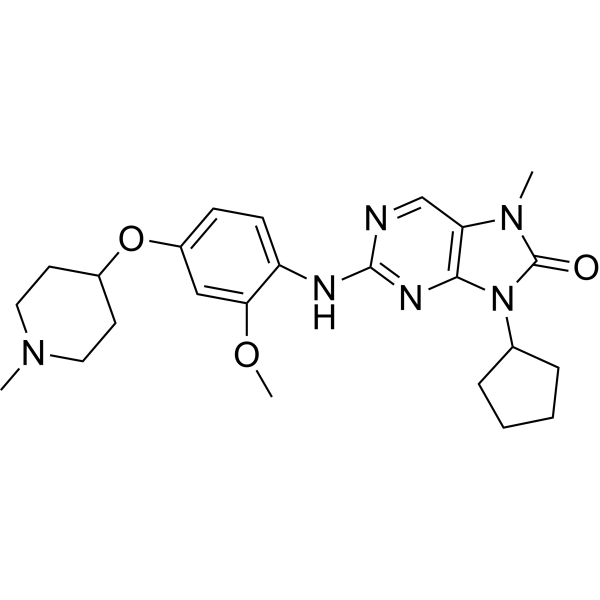
AZ3146 is a reasonably potent Mps1 and TTK inhibitor, with IC50 of 35 nM for Mps1 Cat.
loading...
    loading...
10
10 Cited Publications
Cat. No.: HY-120601
CAS No.: 130-22-3
Purity:  ≥95.0%
Synonyms: ARS sodium
Target:  

Fluorescent Dye

Research Areas:  

Others

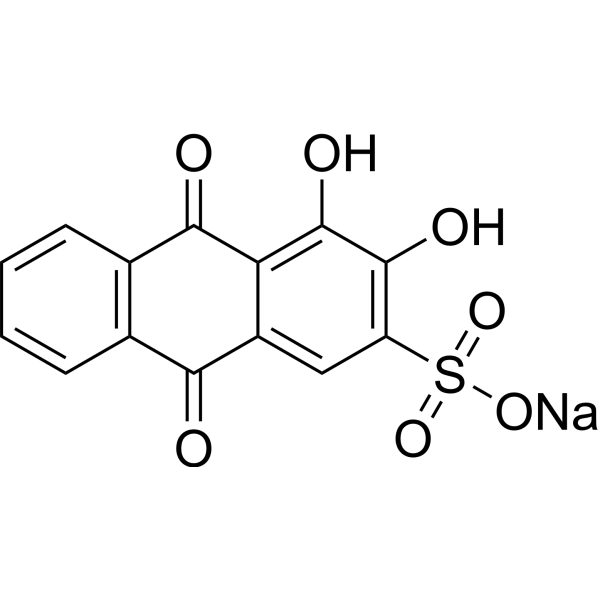
Alizarin Red S sodium is an anthraquinone derivative dye. When combined with cations such as calcium ions, the functional group of Alizarin Red S sodium can form a coordination bond with the cation through the oxygen atom to show orange-red fluorescence. Alizarin Red S sodium can be used for screening of calcium compounds in synovial fluid and detecting osteoblast differentiation, and can also be used for bone staining in mice. Excitation/emission wavelength: 500/570 nm .
loading...
    loading...
10
10 Cited Publications
Cat. No.: HY-120601A
CAS No.: 83-61-4
Synonyms: ARS
Target:  

Fluorescent Dye

Research Areas:  

Others

Alizarin Red S (ARS) is an anthraquinone derivative dye. When combined with cations such as calcium ions, the functional group of Alizarin Red S can form a coordination bond with the cation through the oxygen atom to show orange-red fluorescence. Alizarin Red S can be used for screening of calcium compounds in synovial fluid and detecting osteoblast differentiation, and can also be used for bone staining in mice. Excitation/emission wavelength: 500/570 nm .
loading...
    loading...
9
9 Cited Publications
Cat. No.: HY-P0163
CAS No.: 1405-97-6
Gramicidin is an antimicrobial peptide assembling as channels in membranes and increasing their permeability towards cations.
loading...
    loading...
9
9 Cited Publications
Cat. No.: HY-100973
CAS No.: 20762-30-5
Purity:  98.21%
Synonyms: ADP ribose
Adenosine 5′-diphosphoribose (ADP ribose) is a nicotinamide adenine nucleotide (NAD +) metabolite. Adenosine 5′-diphosphoribose is the most potent and primary intracellular Ca 2+-permeable cation TRPM2 channel activator. Adenosine 5′-diphosphoribose also can enhance autophagy .
loading...
    loading...
9
9 Cited Publications
Cat. No.: HY-100973A
CAS No.: 68414-18-6
Purity:  99.47%
Synonyms: ADP ribose sodium
Target:  

TRP Channel Autophagy

Research Areas:  

Metabolic Disease Endocrinology Cancer

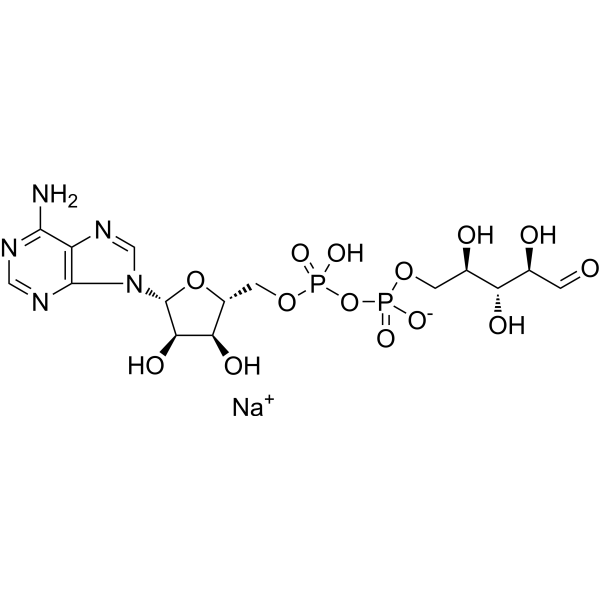
Adenosine 5′-diphosphoribose sodium (ADP ribose sodium) is a nicotinamide adenine nucleotide (NAD +) metabolite. Adenosine 5′-diphosphoribose sodium is the most potent and primary intracellular Ca 2+-permeable cation TRPM2 channel activator. Adenosine 5′-diphosphoribose sodium also can enhance autophagy .
loading...
    loading...
9
9 Cited Publications
Cat. No.: HY-B1221
CAS No.: 530-78-9
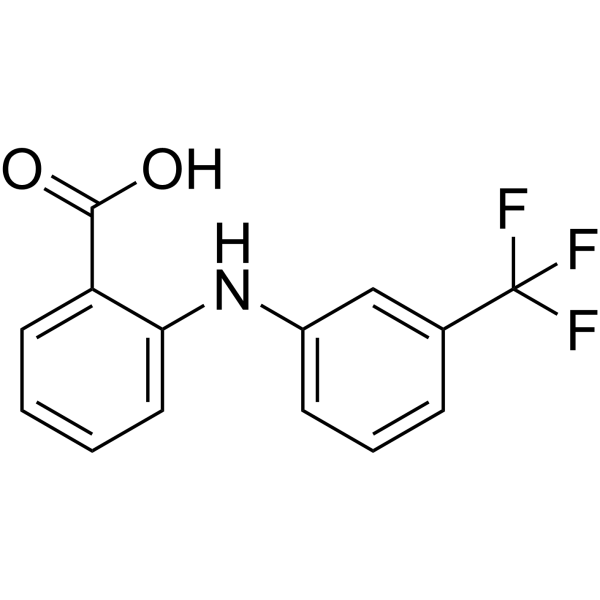
Flufenamic acid is a non-steroidal anti-inflammatory agent, inhibits cyclooxygenase (COX), activates AMPK, and also modulates ion channels, blocking chloride channels and L-type Ca 2+ channels, modulating non-selective cation channels (NSC), activating K + channels. Flufenamic acid binds to the central pocket of TEAD2 YBD and inhibits both TEAD function and TEAD-YAP-dependent processes, such as cell migration and proliferation.
loading...
    loading...
7
7 Cited Publications
Cat. No.: HY-129555
CAS No.: 252023-70-4
Purity:  98.96%
Surfactin is a potent cyclic lipopeptide biosurfactants consists of four isomers (Surfactin A, B, C and D), which mediates flux of mono-and divalent cations, such as calcium, across lipid bilayer membranes. Surfactin can act as an antimicrobial adjuvant with anti-bacterial, anti-fungal, antimycoplasma and hemolytic effects . Surfactin also has antiviral activity against a variety of enveloped viruses .
loading...
    loading...
7
7 Cited Publications
Cat. No.: HY-N0631
CAS No.: 131189-57-6
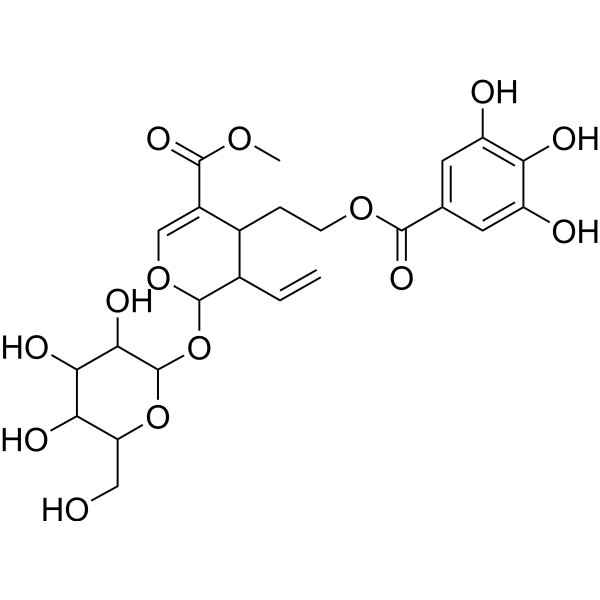
Cornuside is an iridoid glycoside with anti-allergic, anti-inflammatory, and neuroprotective activities. Cornuside exerts anti-allergic activity by downregulating the p38 MAPK, JNK, and NF-κB signaling pathways, and inhibits IgE-mediated histamine release from mast cells. Cornuside improves cognitive impairment in mice by inhibiting BACE1 activity (IC50 = 55.84 μg/mL) and enhancing ChAT activity. Cornuside inhibits LPS (HY-D1056)-induced inflammatory mediators, including iNOS, COX-2, PGE2, TNF-α, IL-6, and IL-1β, by suppressing NF-κB activation .
loading...
    loading...
7
7 Cited Publications
Cat. No.: HY-B0377
CAS No.: 76824-35-6
Synonyms: MK-208
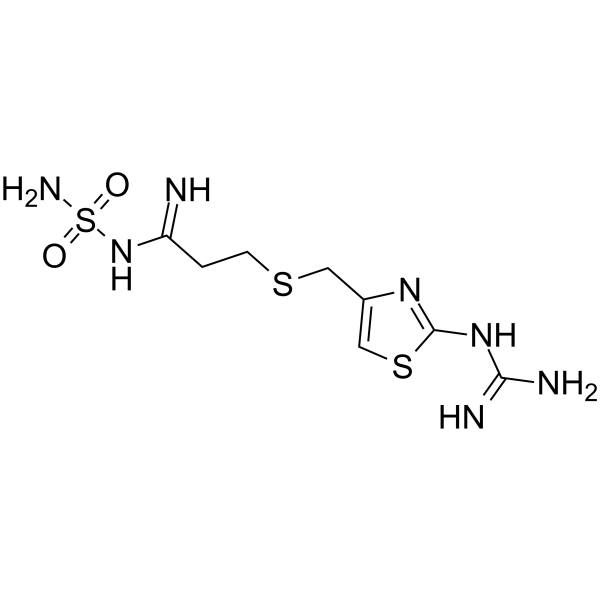
Famotidine (MK-208) is an orally active and highly selective histamine H2 receptor antagonist. It inhibits gastric acid secretion by blocking the Gs signaling pathway, and regulates intracellular cAMP and ERK pathways. Famotidine inhibits TLR3-mediated inflammatory pathways, and reduces the expression of various inflammatory mediators and interferon-related genes. Famotidine scavenges DPPH and nitric oxide free radicals, alleviates oxidative stress damage in gastric tissue, inhibits proMMP-9, improves vascular endothelial permeability, and restores the normal physiological functions of neutrophils and eosinophils. Famotidine crosses intestinal epithelial cells via facilitated diffusion and passive diffusion, blocks paracellular cation transport, and increases intestinal transepithelial electrical resistance. Famotidine reduces serum levels of transaminases and alkaline phosphatase, exerts analgesic effects and gastric protective effects simultaneously. Famotidine can be used in studies related to COVID-19, liver injury and acute gastric ulcer .
loading...
    loading...
5
5 Cited Publications
Cat. No.: HY-B1793
CAS No.: 56-34-8
Target:  

Potassium Channel

Research Areas:  

Neurological Disease Cancer

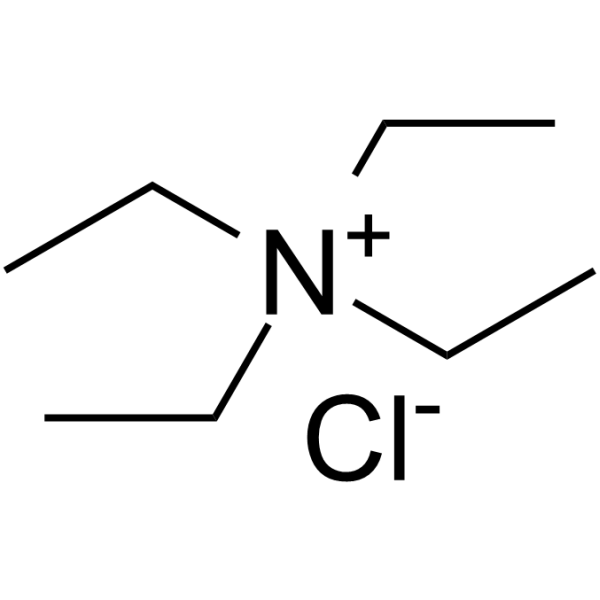
Tetraethylammonium chloride is a non-selective potassium channel blocker. Tetraethylammonium chloride is a good substrate for organic cation transporter (OCTN1). Tetraethylammonium chloride antitumor properties .
loading...
    loading...
5
5 Cited Publications
Cat. No.: HY-75161
CAS No.: 2216-51-5
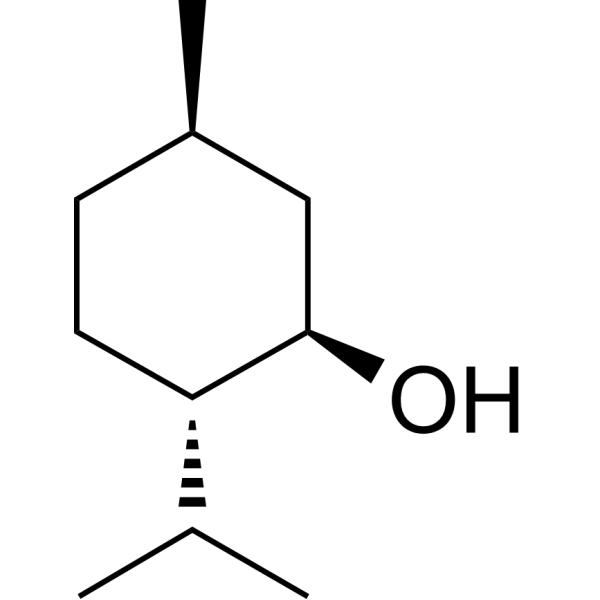
(-)-Menthol is a key component of peppermint oil that binds and activates transient receptor potential melastatin 8 (TRPM8), a Ca 2+-permeable nonselective cation channel, to increase [Ca 2+]i . Antitumor activity .
loading...
    loading...
5
5 Cited Publications
Cat. No.: HY-19960
CAS No.: 393514-24-4
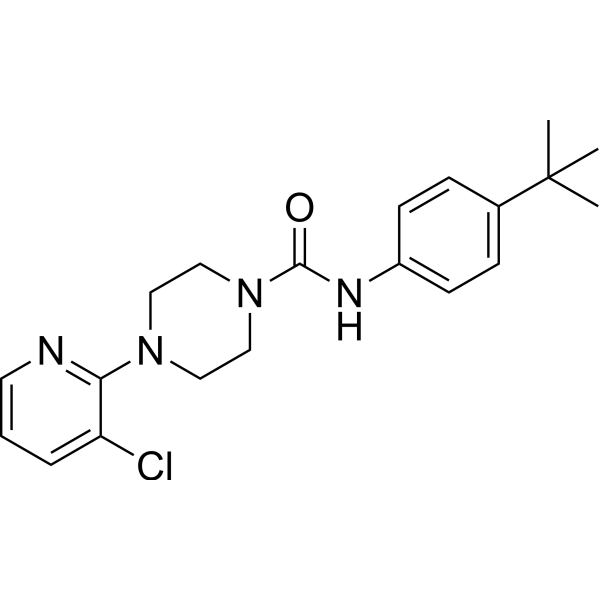
BCTC is an orally active current inhibitor of vanilloid receptor type 1 (VR1). BCTC is a transient receptor potential cation channel subfamily M member 8 (TRPM8) and transient receptor potential vanilloid 1 (TRPV1) antagonist. BCTC is an insulin sensitizer and secretor. BCTC has anticancer and analgesic effects .
loading...
    loading...
5
5 Cited Publications
Cat. No.: HY-B1836
CAS No.: 76144-81-5
Synonyms: MET-88; Quaterin
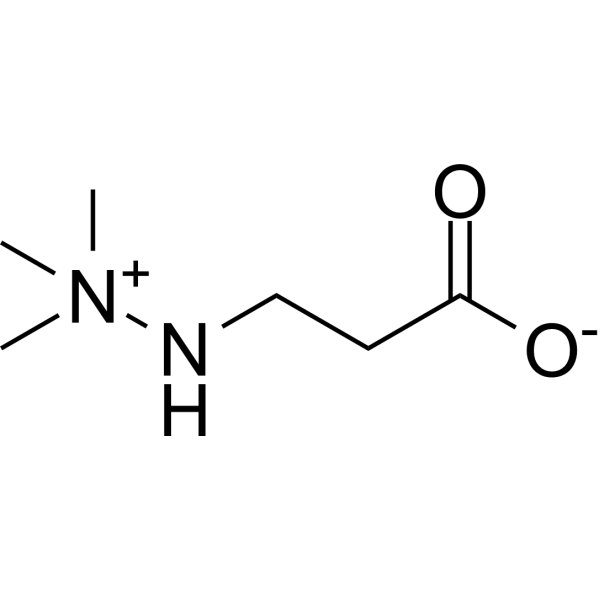
Meldonium (MET-88) functions as a cardioprotective agent by cpmpetetively inhibiting γ-butyrobetaine hydroxylase (BBOX) and carnitine/organic cation transporter type 2 (OCTN2). Meldonium exhibits IC50 values of 34-62 μM for human recombinant BBOX and an EC50 of 21 μM for human OCTN2. Meldonium is a fatty acid oxidation inhibitor .
loading...
    loading...
5
5 Cited Publications
Cat. No.: HY-B1836A
CAS No.: 86426-17-7
Synonyms: MET-88 dihydrate; Quaterin dihydrate
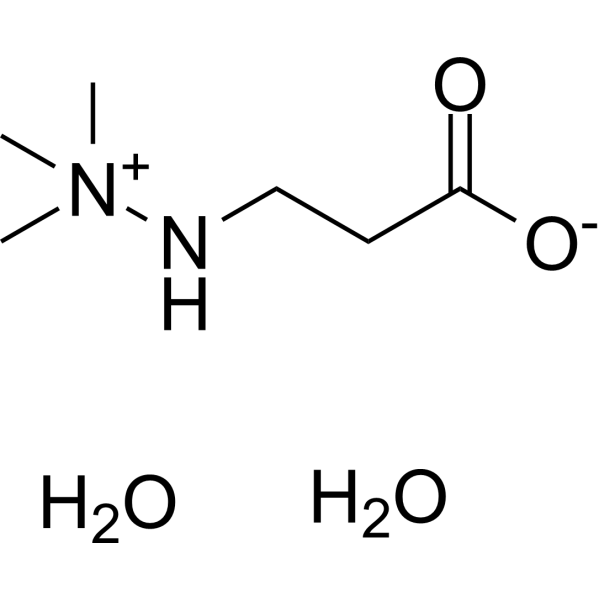
Meldonium (MET-88) dihydrate functions as a cardioprotective agent by cpmpetetively inhibiting γ-butyrobetaine hydroxylase (BBOX) and carnitine/organic cation transporter type 2 (OCTN2). Mildronate dihydrate exhibits IC50 values of 34-62 μM for human recombinant BBOX and an EC50 of 21 μM for human OCTN2. Meldonium dihydrate is a fatty acid oxidation inhibitor .
loading...
    loading...
5
5 Cited Publications
Cat. No.: HY-112540
CAS No.: 541-50-4
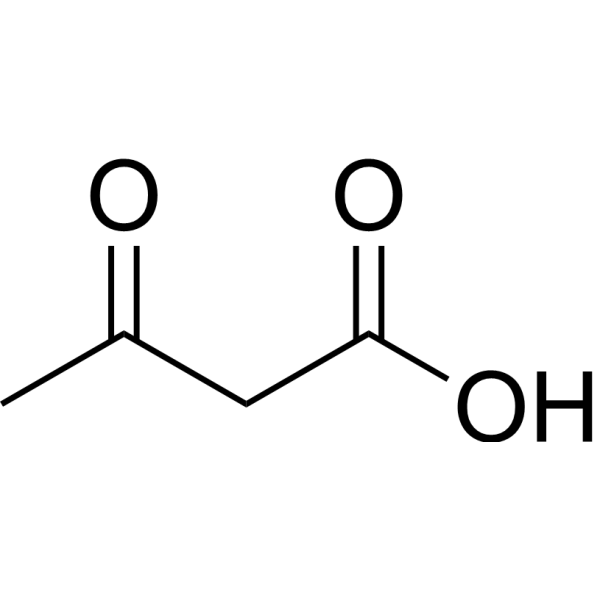
Acetoacetic acid is an oxidative stress inducer that affects the antioxidant enzyme system and lipoprotein metabolism. Acetoacetic acid induces oxidative stress by decreasing the mRNA expression and activity of superoxide dismutase (SOD), catalase (CAT), and glutathione peroxidase (GSH-Px), increasing MDA content, and inhibiting very low density lipoprotein (VLDL) assembly by downregulating apolipoprotein ApoB100, ApoE, and low density lipoprotein receptor (LDLR), leading to triglyceride (TG) accumulation in hepatocytes. Acetoacetic acid can be used to study metabolic diseases .
loading...
    loading...
5
5 Cited Publications
Cat. No.: HY-112540B
CAS No.: 623-58-5
Purity:  ≥98.0%
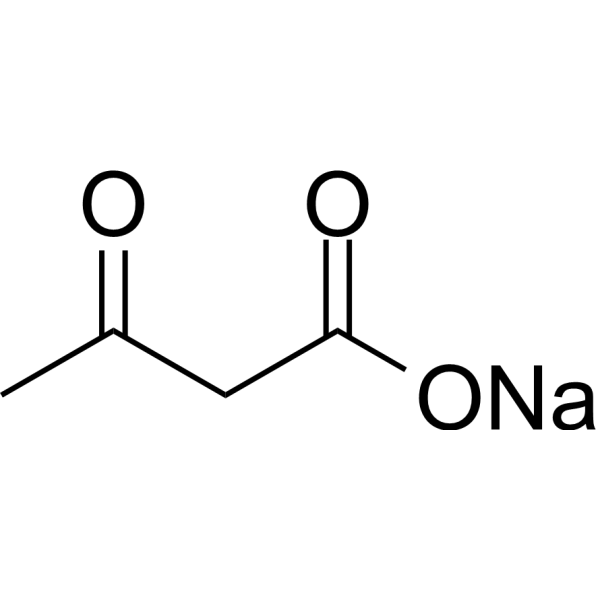
Acetoacetic acid sodium is an oxidative stress inducer that affects the antioxidant enzyme system and lipoprotein metabolism. Acetoacetic acid sodium induces oxidative stress by decreasing the mRNA expression and activity of superoxide dismutase (SOD), catalase (CAT), and glutathione peroxidase (GSH-Px), increasing MDA content, and inhibiting very low density lipoprotein (VLDL) assembly by downregulating apolipoprotein ApoB100, ApoE, and low density lipoprotein receptor (LDLR), leading to triglyceride (TG) accumulation in hepatocytes. Acetoacetic acid sodium can be used to study metabolic diseases .
loading...
    loading...
5
5 Cited Publications
Cat. No.: HY-112540A
CAS No.: 3483-11-2
Purity:  ≥98.0%
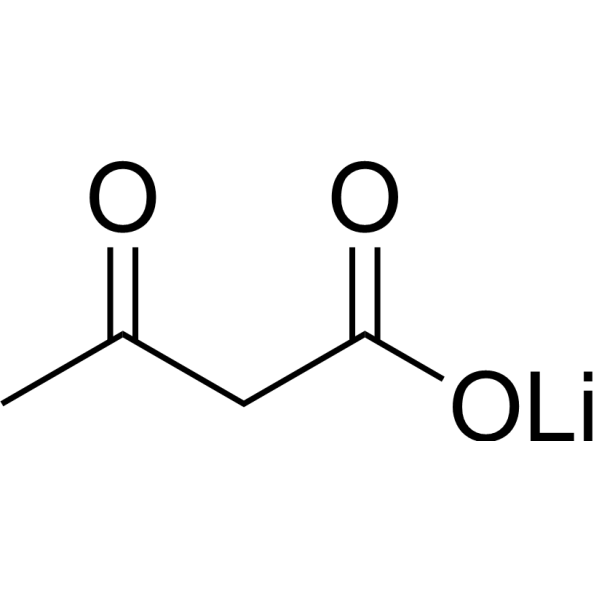
Acetoacetic acid lithium is an oxidative stress inducer that affects the antioxidant enzyme system and lipoprotein metabolism. Acetoacetic acid lithium induces oxidative stress by decreasing the mRNA expression and activity of superoxide dismutase (SOD), catalase (CAT), and glutathione peroxidase (GSH-Px), increasing MDA content, and inhibiting very low density lipoprotein (VLDL) assembly by downregulating apolipoprotein ApoB100, ApoE, and low density lipoprotein receptor (LDLR), leading to triglyceride (TG) accumulation in hepatocytes. Acetoacetic acid lithium can be used to study metabolic diseases .
loading...
    loading...
5
5 Cited Publications
Cat. No.: HY-125623
CAS No.: 1392820-50-6
Purity:  98.14%
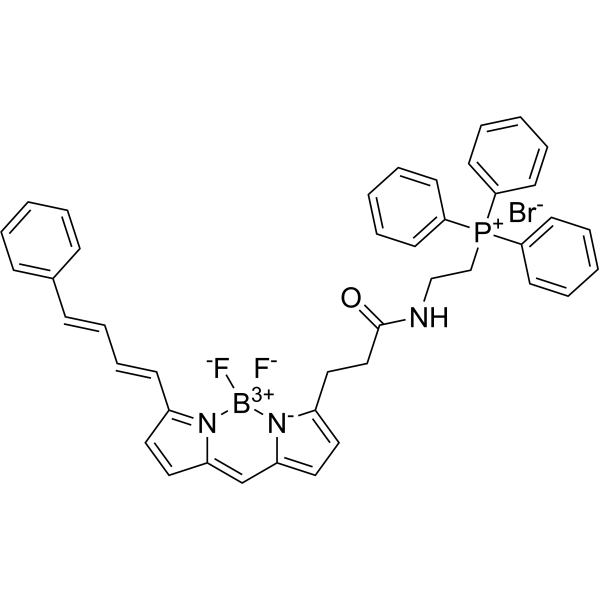
MitoPerOx is a mitochondrial-targeted, lipid peroxidation-indicating fluorescent probe with BODIPY581/591 fluorophores. The triphenylphosphine cation (TPP+) of MitoPerOx can be selectively enriched in mitochondria (depending on membrane potential) and can be used to detect lipid peroxidation in the inner mitochondrial membrane. Under the action of lipid peroxides, the BODIPY581/591 fluorophores of MitoPerOx shift their emission wavelength from 590 nm (reduced state) to 520 nm (oxidized state), and ratiometric detection can be performed at an excitation wavelength of 488 nm. MitoPerOx can specifically monitor the peroxidation of mitochondrial phospholipids (especially cardiolipin) and is used in the study of oxidative stress-related diseases (such as aging, neurodegenerative diseases, and mitochondrial dysfunction)[1][2].
loading...
    loading...

