
280 Results for "

immune function

" in MedChemExpress (MCE) Product Catalog:
Products (280)

280 Results for "immune function" in MCE Product Catalog:

6
6 Cited Publications
Cat. No.: HY-126675
CAS No.: 2241300-50-3
Purity:  99.68%
Research Areas:  

Inflammation/Immunology

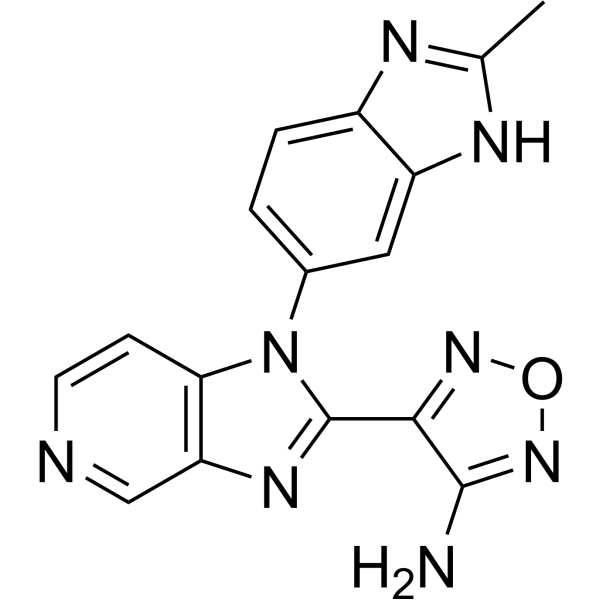
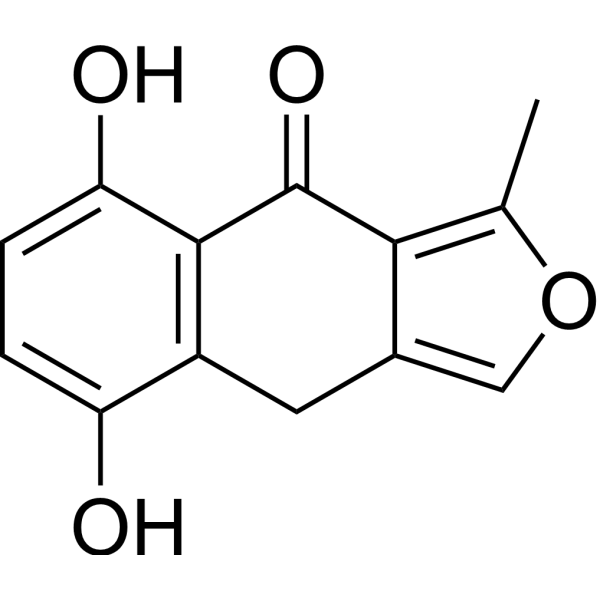
AS2863619 free base is an orally active CDK8/19 inhibitor that also inhibits BMP2, MDA5 and RIG-I receptors. AS2863619 free base targets Stat5a-CDK8/19 to promote the differentiation of CD4 + T cells into regulatory T cells and induce FOXP3 expression, thereby restoring immune homeostasis and establishing transplant immune tolerance. AS2863619 free base also enhances the BMP2/SMAD signaling pathway to promote osteogenic differentiation and inhibit adipogenic differentiation. AS2863619 free base exerts osteoprotective effects by alleviating inflammation-induced impairment of osteogenic function and inducing neutrophil apoptosis (apoptosis). AS2863619 free base can be applied to research in related fields such as periodontitis-induced bone defects .
loading...
    loading...
5
5 Cited Publications
Cat. No.: HY-12776
CAS No.: 1426802-50-7
Purity:  98.01%
Target:  

ROR

Research Areas:  

Inflammation/Immunology

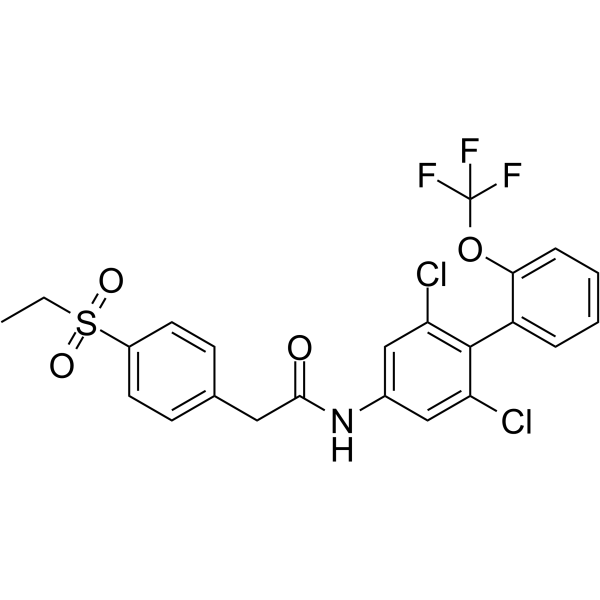
GSK805 is an orally active and CNS penetrant RORγt inhibitor. GSK805 inhibits RORγ and Th17 cells differentiation with pIC50 values of 8.4 and >8.2. GSK805 inhibits the function of Th17 cells. GSK805 can be used for the research of immunity .
loading...
    loading...
5
5 Cited Publications
Cat. No.: HY-110117
CAS No.: 213211-10-0
Purity:  99.82%
Research Areas:  

Inflammation/Immunology

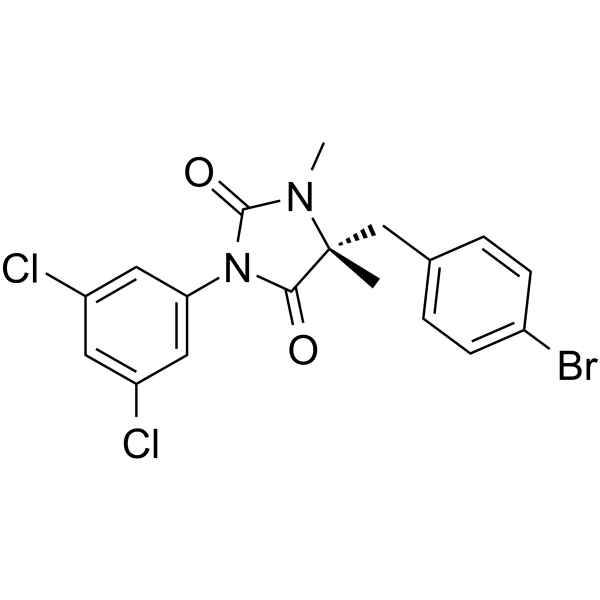
BIRT 377 is a potent amd orally bioavailable inhibitor of the interaction between intercellular adhesion molecule-1 (ICAM-1) and lymphocyte function-associated antigen-1 (LFA-1). BIRT 377 also inhibits the production of IL-2 in vivo. BIRT 377 can be used for researching inflammatory and immune disorders .
loading...
    loading...
5
5 Cited Publications
Cat. No.: HY-B0020
CAS No.: 105826-92-4
Synonyms: SDZ-ICS-930
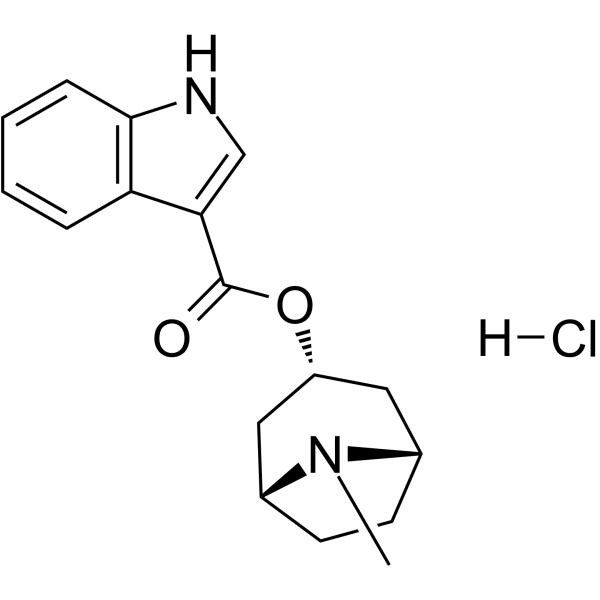
Tropisetron Hydrochloride (SDZ-ICS-930) is an effective neuroprotective agent that acts as a 5-HT3 receptor antagonist, a calmodulin inhibitor, and an α7-nAChRreceptor agonist, with an IC50 of 70.1 nM for the 5-HT3 receptor. Tropisetron Hydrochloride has anti-inflammatory properties and immune-regulating functions, effectively alleviating symptoms associated with chemotherapy and post-surgery. Tropisetron Hydrochloride reduces Ab (HY-P4867)-induced hippocampal neuroinflammation .
loading...
    loading...
4
4 Cited Publications
Cat. No.: HY-B2123
CAS No.: 63-42-3
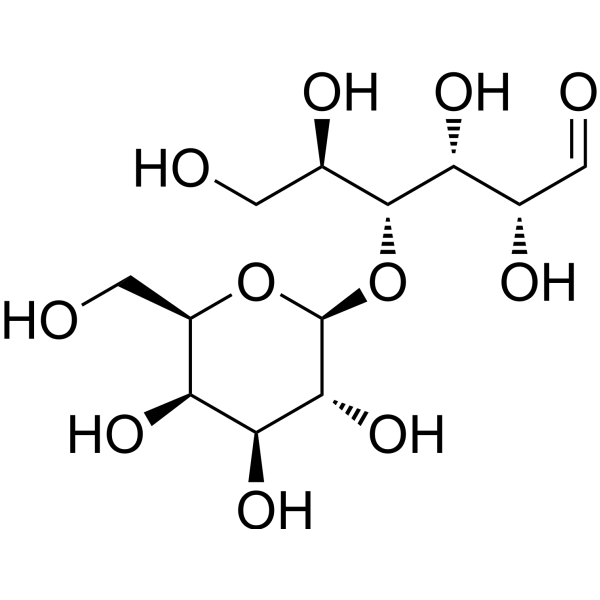
Lactose is a β-galactoside consisting of galactose and glucose residues, the main carbohydrate in mammalian breast milk. Lactose, a macronutrient and an inducer of host innate immune responses, possesses immune modulatory functions .
loading...
    loading...
4
4 Cited Publications
Cat. No.: HY-P0073
CAS No.: 58569-55-4
Synonyms: Met-Enkephalin; Methionine enkephalin; Metenkefalin
Target:  

Opioid Receptor

Research Areas:  

Neurological Disease Cancer

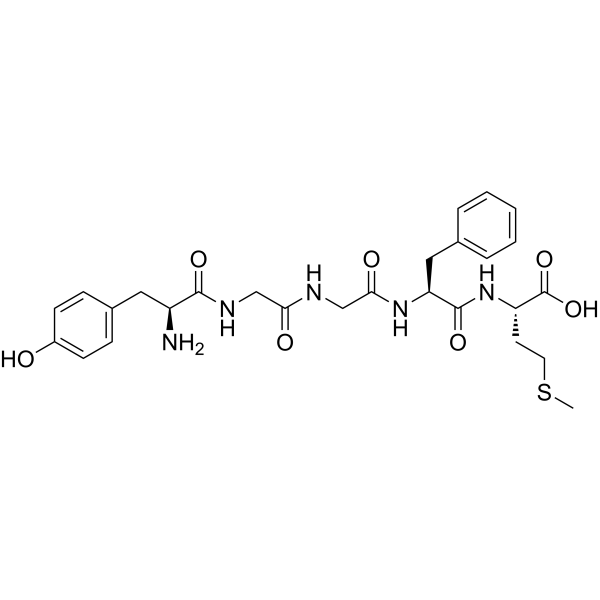
Tyr-Gly-Gly-Phe-Met-OH regulates human immune function and inhibits tumor growth via binding to the opioid receptor.
loading...
    loading...
4
4 Cited Publications
Cat. No.: HY-N0454
CAS No.: 7200-25-1
Synonyms: (±)-Arginine
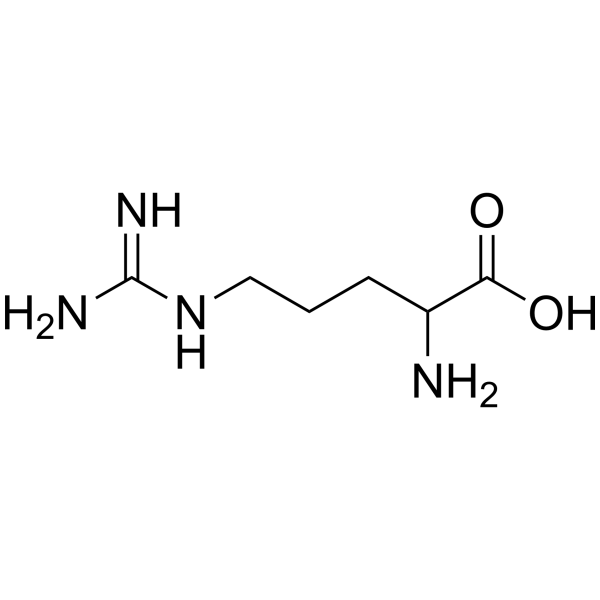
DL-Arginine is the racemic compound of L-Arginine (HY-N0455) and D-Arginine (HY-W016781). Arginine is an essential amino acid that requires additional supplementation in traumatic or diseased conditions. Arginine is involved in T cell activation, proliferation, and differentiation, and affects the function of immune cells .
loading...
    loading...
4
4 Cited Publications
Cat. No.: HY-W014375
CAS No.: 32042-43-6
Synonyms: (±)-Arginine hydrochloride
Target:  

Endogenous Metabolite

Research Areas:  

Cardiovascular Disease

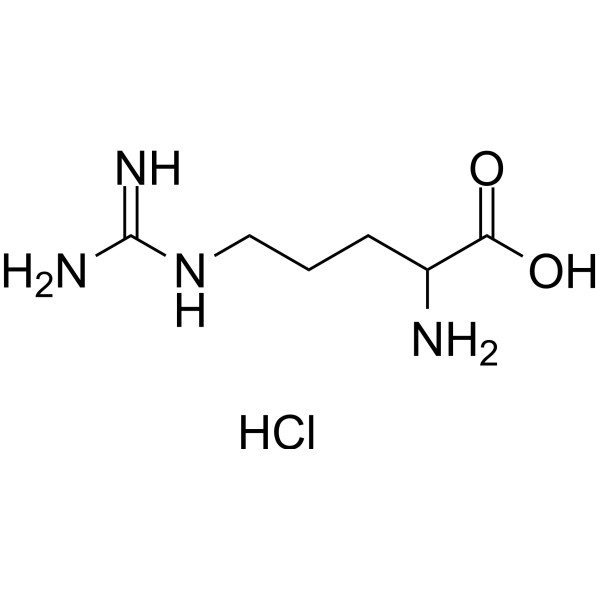
DL-Arginine ((±)-Arginine) hydrochloride is the racemic compound of L-Arginine (HY-N0455) and D-Arginine (HY-W016781). Arginine is an essential amino acid that requires additional supplementation in traumatic or diseased conditions. Arginine is involved in T cell activation, proliferation, and differentiation, and affects the function of immune cells .
loading...
    loading...
4
4 Cited Publications
Cat. No.: HY-N7075
CAS No.: 9005-80-5
Inulin is an orally active prebiotic targeting the intestinal microbiota, selectively promoting the proliferation and activity of beneficial bacteria such as bifidobacteria and lactic acid bacteria, and playing a role in regulating the intestinal microecology. The functions of Inulin include: Fermentation by probiotics in the colon to produce short-chain fatty acids (such as butyrate and propionate), lowering the intestinal pH and inhibiting the overgrowth of harmful bacteria; Enhancing the intestinal barrier function and reducing endotoxin translocation; Directly scavenging free radicals (such as superoxide free radicals, hydroxyl free radicals) and activating antioxidant enzymes (SOD, CAT) to reduce oxidative stress. Inulin can also be used in the study of intestinal diseases (constipation, IBD), metabolic syndrome (diabetes, obesity) and liver damage by regulating glucose and lipid metabolism (such as reducing triglycerides, improving insulin sensitivity) and immune response (enhancing NK cell activity, inhibiting inflammatory factors)[1][2][3][4].
loading...
    loading...
4
4 Cited Publications
Cat. No.: HY-100685
CAS No.: 150045-18-4
Purity:  99.45%
Synonyms: BE-34776
Target:  

HuR Apoptosis COX

Research Areas:  

Neurological Disease Cancer

MS-444 (BE-34776) is a HuR (ELAVL1) inhibitor that blocks the cytoplasmic translocation of HuR and inhibits its dimerization. MS-444 reduces cytoplasmic HuR levels by preventing the binding of HuR to ARE-mRNA, without altering the total expression of HuR. MS-444 induces apoptosis, inhibits cell growth, angiogenesis and invasion, and also regulates immune function and microbiota. MS-444 effectively alters the number, size and invasiveness of tumors in various cancer models. MS-444 is tolerable to intraperitoneal injection in vivo and can be applied to research related to colorectal cancer, familial adenomatous polyposis, colitis-associated cancer and glioblastoma .
loading...
    loading...
3
3 Cited Publications
Cat. No.: HY-P1812
CAS No.: 1353563-85-5
Synonyms: NP-12
Target:  

PD-1/PD-L1

Research Areas:  

Cancer

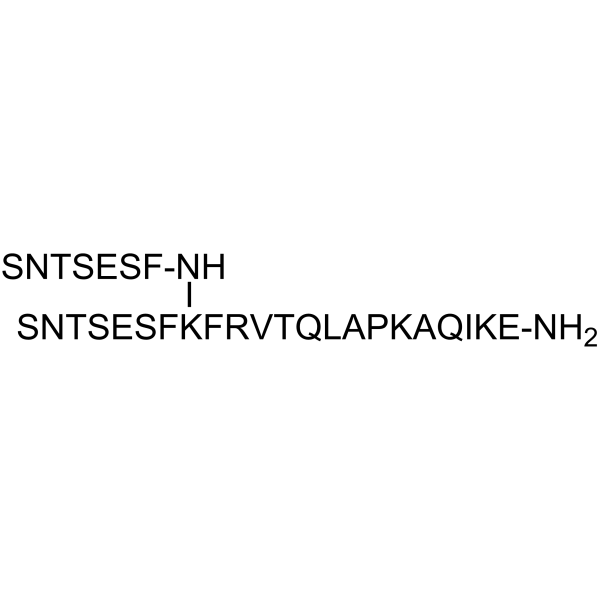
AUNP-12 (NP-12) is a peptide antagonist of the PD-1 signaling pathway, displays equipotent antagonism toward PD-L1 and PD-L2 in rescue of lymphocyte proliferation and effector functions. AUNP-12 exhibits immune activation, excellent antitumor activity, and potential for better management of immune-related adverse events (irAEs) .
loading...
    loading...
3
3 Cited Publications
Cat. No.: HY-P1812A
Synonyms: NP-12 TFA
Target:  

PD-1/PD-L1

Research Areas:  

Cancer

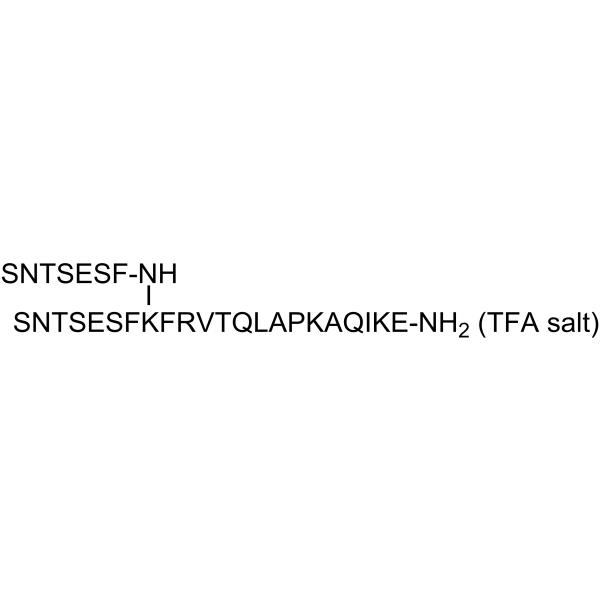
AUNP-12 TFA (NP-12 TFA) is a peptide antagonist of the PD-1 signaling pathway, displays equipotent antagonism toward PD-L1 and PD-L2 in rescue of lymphocyte proliferation and effector functions. AUNP-12 TFA exhibits immune activation, excellent antitumor activity, and potential for better management of immune-related adverse events (irAEs) .
loading...
    loading...
3
3 Cited Publications
Cat. No.: HY-137978
CAS No.: 1914148-72-3
Synonyms: GNS561
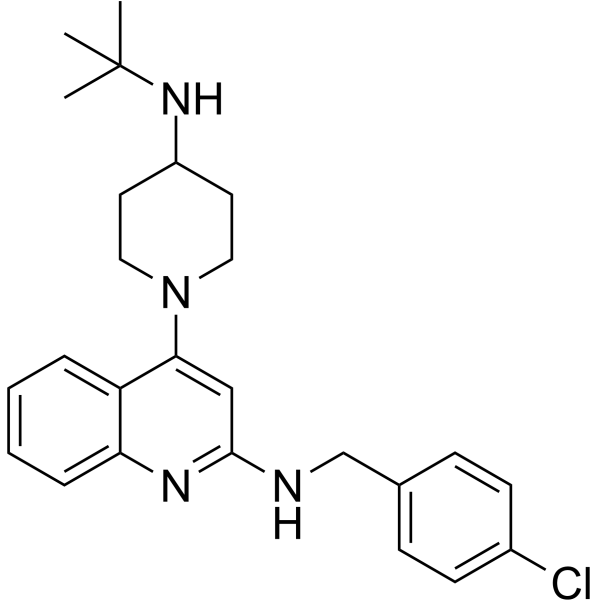
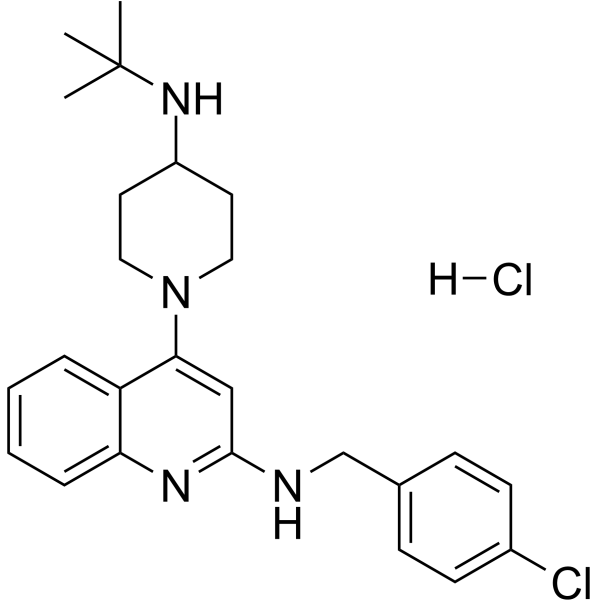
Ezurpimtrostat (GNS561) is an orally active PPT1 inhibitor, autophagy inhibitor, immunomodulator, anti-inflammatory agent, and anticancer agent. Ezurpimtrostat inhibits PPT1, dysregulates lysosomal function, redistributes mTOR, and induces apoptosis. Ezurpimtrostat reduces IFN‑α, CRP, immune complex deposition, and SARS‑CoV‑2 viral load. Ezurpimtrostat can be used for the study of systemic lupus erythematosus, SARS‑CoV‑2, hepatocellular carcinoma, fibrosis, and related disorders .
loading...
    loading...
3
3 Cited Publications
Cat. No.: HY-137978A
CAS No.: 1914148-73-4
Purity:  99.29%
Synonyms: GNS561 hydrochloride
Ezurpimtrostat hydrochloride (GNS561 hydrochloride) is an orally active PPT1 inhibitor, autophagy inhibitor, immunomodulator, anti-inflammatory agent, and anticancer agent. Ezurpimtrostat hydrochloride inhibits PPT1, dysregulates lysosomal function, redistributes mTOR, and induces apoptosis. Ezurpimtrostat hydrochloride reduces IFN‑α, CRP, immune complex deposition, and SARS‑CoV‑2 viral load. Ezurpimtrostat hydrochloride can be used for the study of systemic lupus erythematosus, SARS‑CoV‑2, hepatocellular carcinoma, fibrosis, and related disorders .
loading...
    loading...
3
3 Cited Publications
Cat. No.: HY-150298
CAS No.: 2226636-04-8
Purity:  99.71%
Synonyms: CPI-818
Target:  

Itk

Research Areas:  

Inflammation/Immunology Cancer

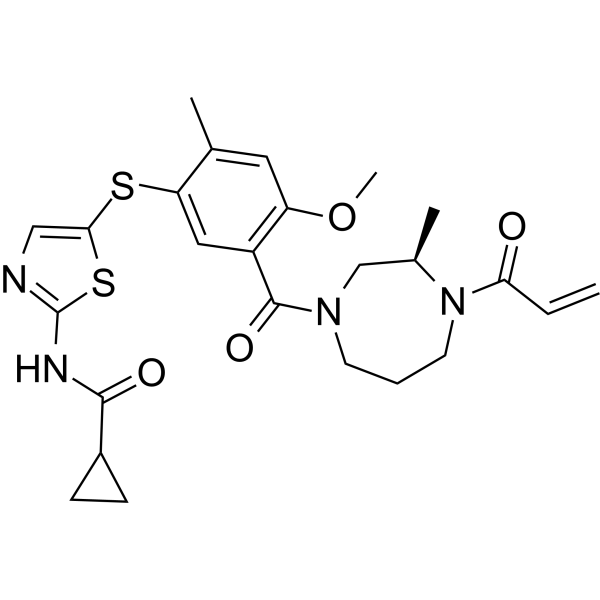
Soquelitinib (CPI-818) is an orally active and highly selective covalent interleukin-2-inducible kinase (ITK) inhibitor. Soquelitinib is active in six different models of T cell-mediated inflammatory and immune disease, including acute and chronic asthma, pulmonary fibrosis, systemic sclerosis (scleroderma), psoriasis, and acute graft versus host disease with Th2 cytokine product inhibition. Soquelitinib increases tumor infiltration of normal CD8 + cells that possess enhanced T effector function .
loading...
    loading...
3
3 Cited Publications
Cat. No.: HY-B1180
CAS No.: 4880-88-0
Synonyms: (-)-Eburnamonine; (-)-Vincamone
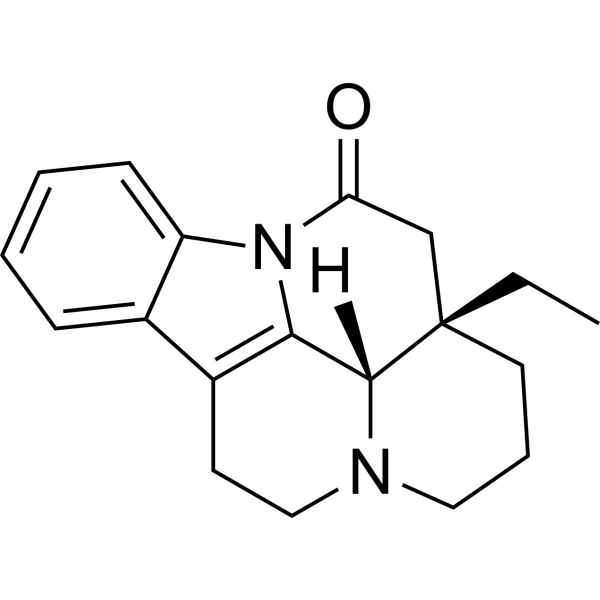
Vinburnine ((-)-Eburnamonine; (-)-Vincamone) is an orally active, blood-brain barrier permeable immunomodulator and apoptosis inducer. Vinburnine drives the secretion of IL-24 by activating the P38/MAPK/ATF3 signaling axis. Vinburnine induces reactive oxygen species production and DNA damage in cancer cells, thereby inhibiting cancer cell proliferation, activating the apoptotic cascade, and enhancing CD8+ T cell function to remodel the tumor immune microenvironment. Vinburnine can be used in the research of diseases such as melanoma .
loading...
    loading...
2
2 Cited Publications
Cat. No.: HY-B0944
CAS No.: 121808-62-6
Target:  

Bacterial

Research Areas:  

Inflammation/Immunology

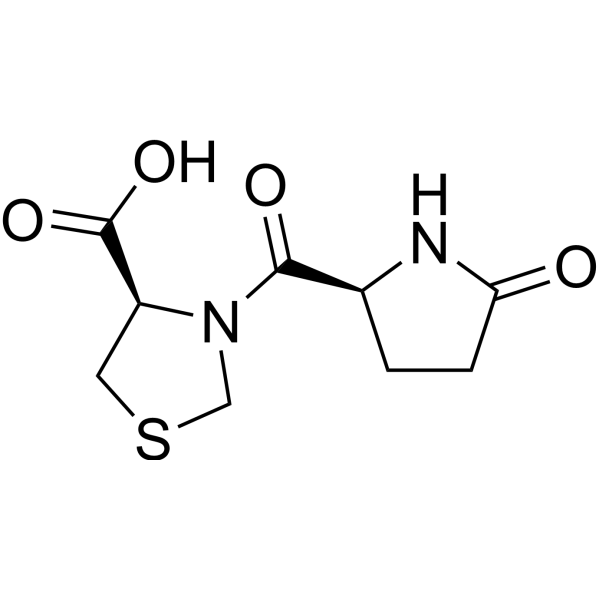
Pidotimod is an orally active dipeptide immunostimulant with immunomodulatory properties on the adaptive and the innate immune responses. Pidotimod increases macrophage activity and humoral immune functions. Pidotimod can be used for the research of chronic bronchitis, chronic obstructive pulmonary disease (COPD), bronchiectasis, and chronic idiopathic urticaria,et al .
loading...
    loading...
2
2 Cited Publications
Cat. No.: HY-N6727
CAS No.: 67-99-2
Synonyms: Aspergillin
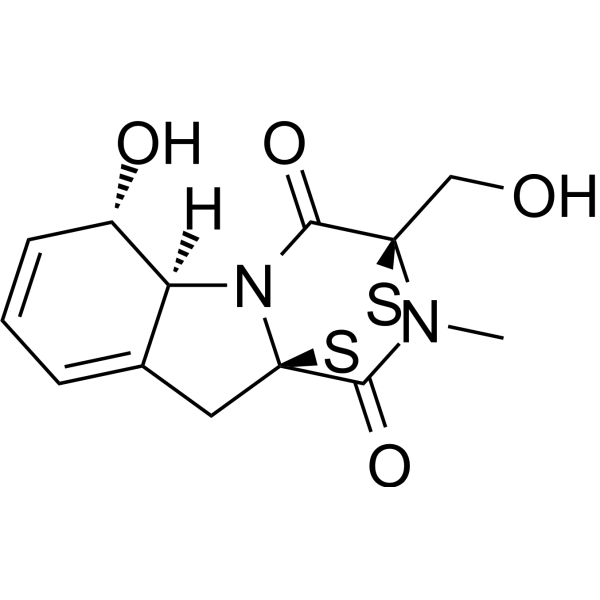
Gliotoxin is a secondary metabolite, the most abundant mycotoxin secreted by A. fumigatus, inhibits the phagocytosis of macrophages and the immune functions of other immune cells . Gliotoxin inhibits inducible NF-κB activity by preventing IκB degradation, which consequently induces host-cell apoptosis . Gliotoxin activates PKA and increases intracellular cAMP concentration; modulates actin cytoskeleton rearrangement to facilitate A. fumigatus internalization into lung epithelial cells . Gliotoxin is a potent NOTCH2 transactivation inhibitor, can effectively induce apoptosis of chronic lymphocytic leukemia (CLL) cells .
loading...
    loading...
2
2 Cited Publications
Cat. No.: HY-101093
CAS No.: 1673534-76-3
Purity:  99.39%
Target:  

PD-1/PD-L1

Research Areas:  

Inflammation/Immunology Cancer

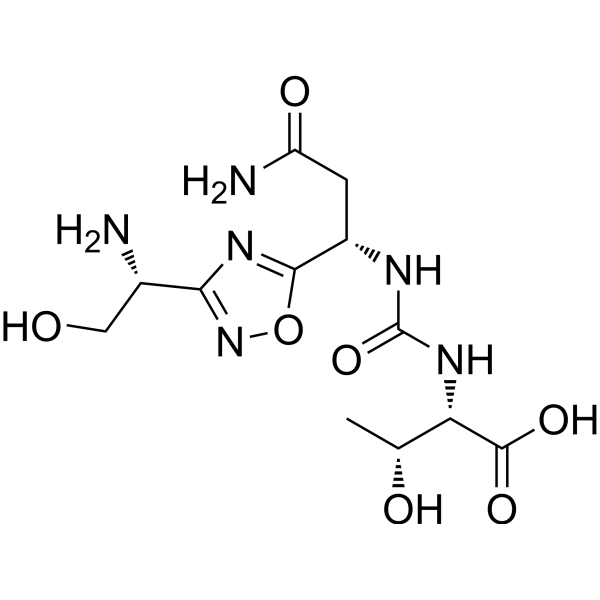
CA-170 is an orally delivered dual inhibitor of VISTA and PD-L1. CA-170 exhibits potent rescue of proliferation and effector functions of T cells inhibited by PD-L1/L2 and VISTA with selectivity over other immune checkpoint proteins as well as a broad panel of receptors and enzymes .
loading...
    loading...
2
2 Cited Publications
Cat. No.: HY-10863
CAS No.: 94421-68-8
Purity:  ≥98.0%
Synonyms: AEA; Arachidonoyl ethanolamide
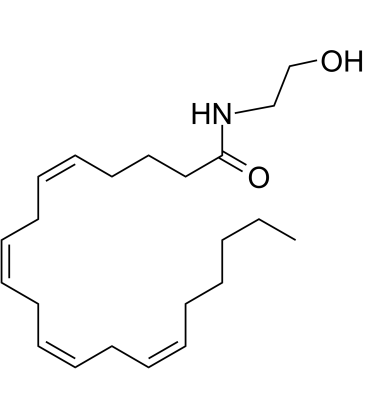
Anandamide is an endocannabinoid. Anandamide modulates both neuronal and immune functions through two protein-coupled cannabinoid receptors (CB1 and CB2). Anandamide can activate numerous other receptors like PPARS, TRPV1, and GPR18/GPR55. Anandamide also has potential anti-fungal and anti-inflammatory activities. Anandamide can be used for the research of Alzheimer’s disease (AD) and ulcerative colitis .
loading...
    loading...

