625 Results for "

microsome

" in MedChemExpress (MCE) Product Catalog:
Products (625)

625 Results for "microsome" in MCE Product Catalog:

1
1 Cited Publications
Cat. No.: HY-B0476
CAS No.: 62-44-2
Synonyms: Acetophenetidin
Target:  

COX

Research Areas:  

Inflammation/Immunology

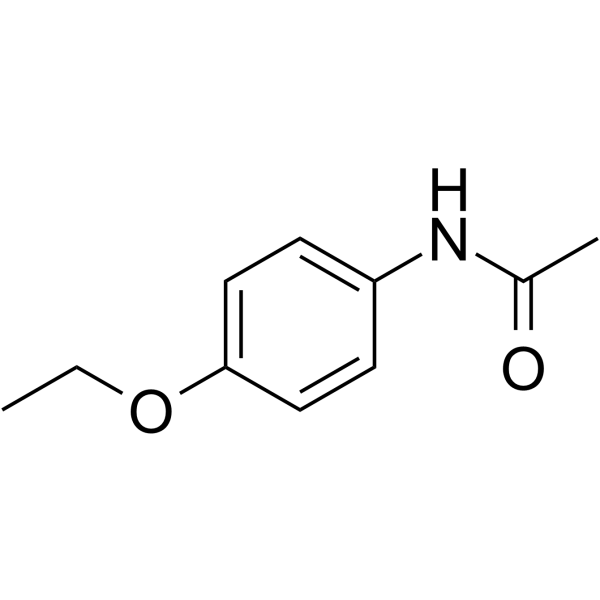
Phenacetin (Acetophenetidin) is a non-opioid analgesic/antipyretic agent. Phenacetin is a selective COX-3 inhibitor. Phenacetin is used as probe of cytochrome P450 enzymes CYP1A2 in human liver microsomes and in rats .
loading...
    loading...
1
1 Cited Publications
Cat. No.: HY-B1311
CAS No.: 62-68-0
Synonyms: SKF-525A; U-5446; RP-5171
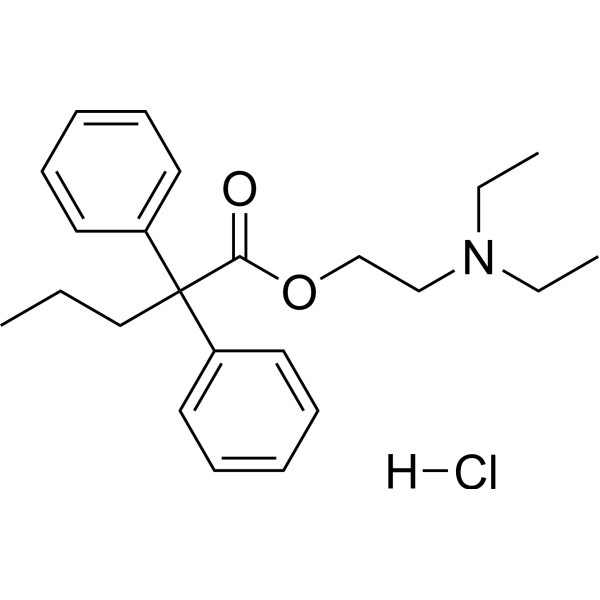
Proadifen (SKF-525A) hydrochloride is a non-competitive Cytochrome P450 inhibitor with an IC50 value of 19 μM. Proadifen hydrochloride reduces monoamine oxidase A (MAO-A) activity and reverses the antidepressantlike behavioral effect of Imipramine (HY-B1490A) and Desipramine (HY-B1272A) in rats. Proadifen hydrochloride also reduces N, N-dimethyltryptamine (DMT) metabolism in liver microsomes and inhibits N-demethylationand Acridone (HY-W007771) formation. Proadifen hydrochloride augments Lipopolysaccharide (LPS) (HY-D1056)-induced fever and exacerbates Prostaglandin E2 (PGE2) (HY-101952) levels in the rat. Proadifen hydrochloride is promising for research of metabolism-related deseases, ovarian carcinoma, inflammation and dopamine neurons-related deseases .
loading...
    loading...
1
1 Cited Publications
Cat. No.: HY-N4070
CAS No.: 73566-30-0
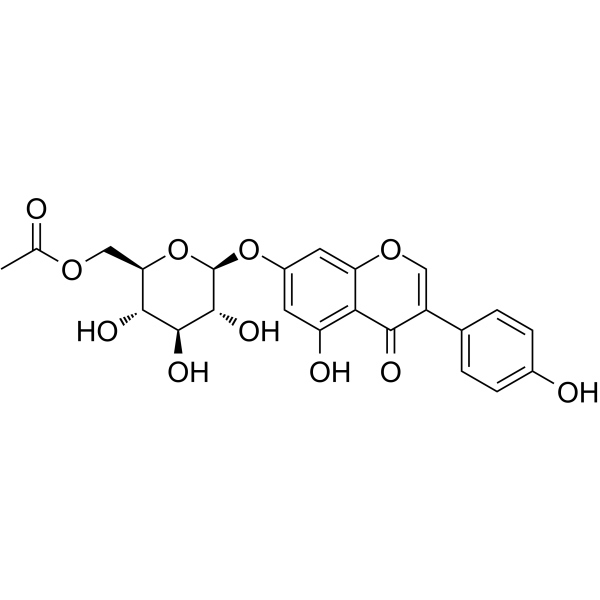
6"-O-Acetylgenistin is an isoflavone glycoside isolated from soybeans. 6"-O-Acetylgenistin significantly inhibits lipid peroxidation in rat liver microsome with an IC50 of 10.6 μM .
loading...
    loading...
1
1 Cited Publications
Cat. No.: HY-N4071
CAS No.: 71385-83-6
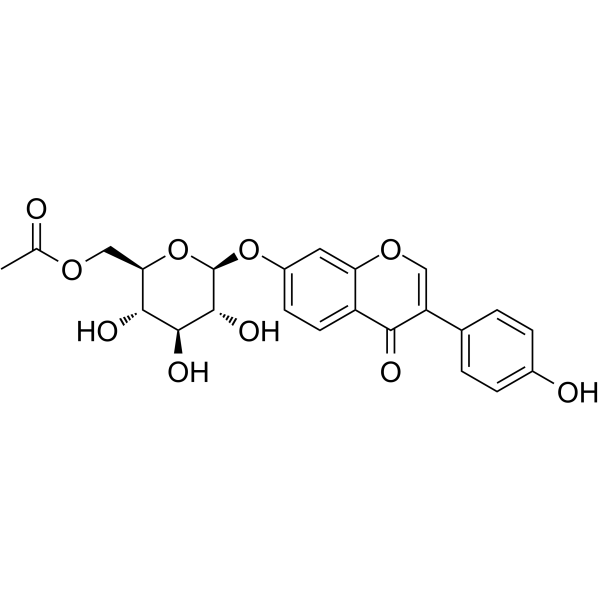
6"-O-Acetyldaidzin is an isoflavone glycoside isolated from soybeans. 6"-O-Acetyldaidzin significantly inhibits lipid peroxidation in rat liver microsome with an IC50 of 8.2 μM .
loading...
    loading...
1
1 Cited Publications
Cat. No.: HY-112690A
CAS No.: 625095-61-6
Purity:  99.53%
Synonyms: Remofovir mesylate
Target:  

Cytochrome P450

Research Areas:  

Infection Metabolic Disease

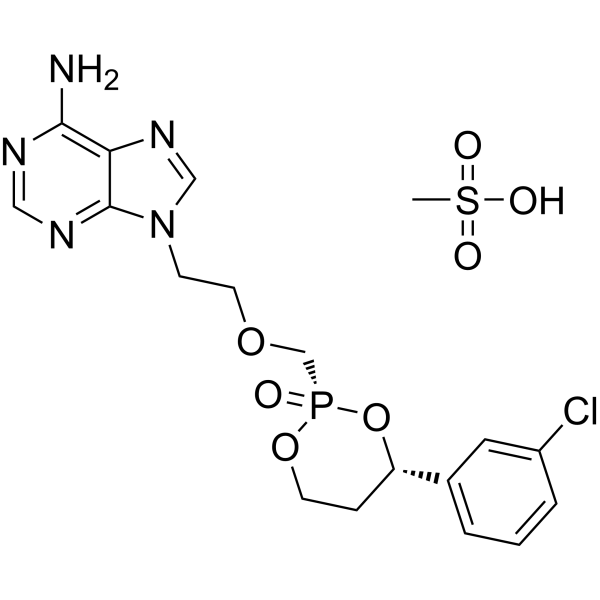
Pradefovir mesylate is a good substrate for liver CYP3A4. Pradefovir is converted to 9-(2-phosphonylmethoxyethyl)adenine (PMEA) in human liver microsomes with a Km of 60 μM.
loading...
    loading...
1
1 Cited Publications
Cat. No.: HY-107460
CAS No.: 1198408-78-4
Purity:  ≥99.0%
Target:  

Ephrin Receptor

Research Areas:  

Cancer

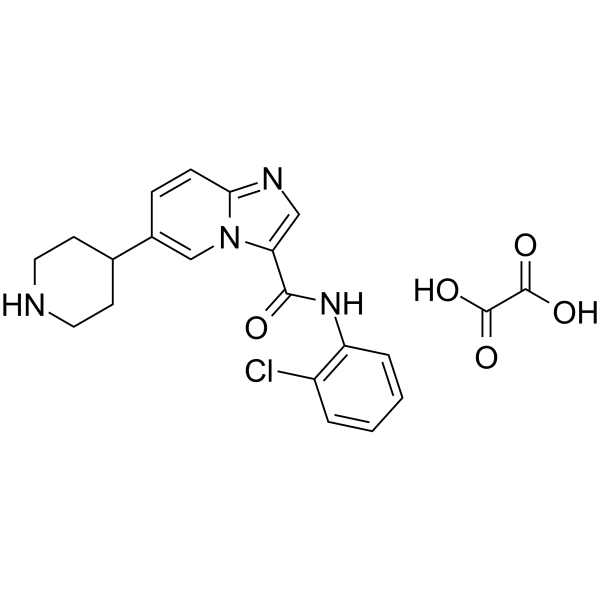
LDN-211904 oxalate is a potent and reversible EphB3 inhibitor with an IC50 of 79 nM. LDN-211904 oxalate shows good metabolic stability in mouse liver microsomes. LDN-211904 oxalate with Cetuximab (HY-P9905) could be effective in inhibiting STAT3-activated colorectal cancer (CRC) stemness and Cetuximab resistance in CRC .
loading...
    loading...
1
1 Cited Publications
Cat. No.: HY-126687
CAS No.: 2259318-52-8
Purity:  95.97%
Research Areas:  

Cancer

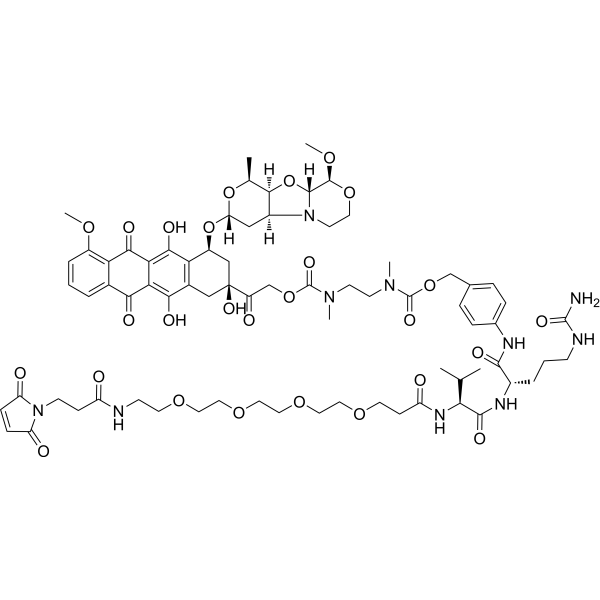
Mal-PEG4-VC-PAB-DMEA-PNU-159682, a agent-linker conjugate for ADC, consists the ADC linker Mal-PEG4-VC-PAB and a potent ADC cytotoxin DMEA-PNU-159682. DMEA-PNU-159682 includes metabolites of nemorubicin (MMDX) from liver microsomes and ADC cytotoxin PNU-159682 .
loading...
    loading...
1
1 Cited Publications
Cat. No.: HY-150508
CAS No.: 2641484-61-7
Purity:  98.60%
MK-0159 is an orally active, potent and selective CD38 inhibitor, with IC50 values of 22, 3, and 70 nM for human, mouse and rat CD38, respectively. MK-0159 also shows good microsomal stability for human and rodent liver microsomes. MK-0159 increases NAD + (nicotinamide adenine dinucleotide) and reduces ADPR (adenosine diphosphate ribose) in whole blood and heart .
loading...
    loading...
1
1 Cited Publications
Cat. No.: HY-120868
CAS No.: 1454299-21-8
Purity:  99.17%
Target:  

MetAP

Research Areas:  

Metabolic Disease Cancer

TP-004 is a potent and reversible inhibitor of methionine aminopeptidase 2 (MetAP2), with an IC50 of 6 nM against MetAP2. TP-004 is a chemical probe. TP-004 suppresses MetAP2 enzymatic activity, blocks N-terminal methionine cleavage, impairs protein maturation and stability, and thereby inhibits cell proliferation and angiogenesis. TP-004 can be used for the study of tumors and diseases associated with excessive angiogenesis .
loading...
    loading...
1
1 Cited Publications
Cat. No.: HY-N3807
CAS No.: 19914-20-6
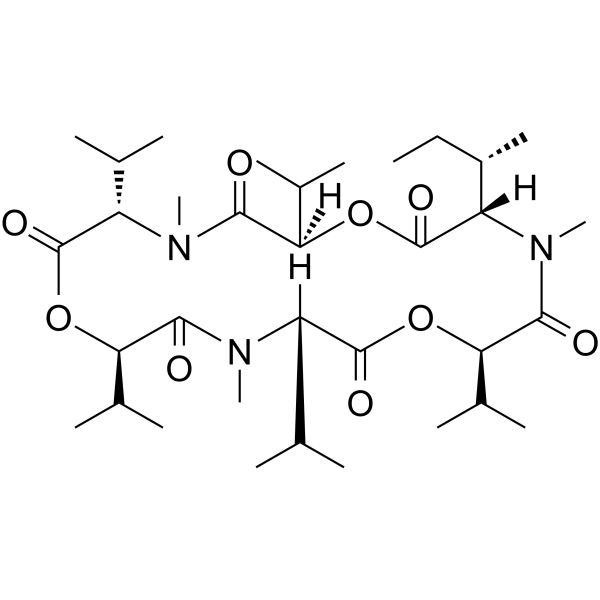
Enniatin B1 is a Fusarium mycotoxin. Enniatin B1 inhibits acyl-CoA: cholesterol acyltransferase (ACAT) activity with an IC50 of 73 μM in an enzyme assay using rat liver microsomes . Enniatin B1 crosss the blood-brain barrier . Enniatin B1 decreases the activation of ERK (p44/p42). Enniatin B1 inhibits moderately TNF-α-induced NF-κB activation .
loading...
    loading...
1
1 Cited Publications
Cat. No.: HY-148060
CAS No.: 2445499-20-5
Purity:  99.72%
Target:  

JAK

Research Areas:  

Cancer

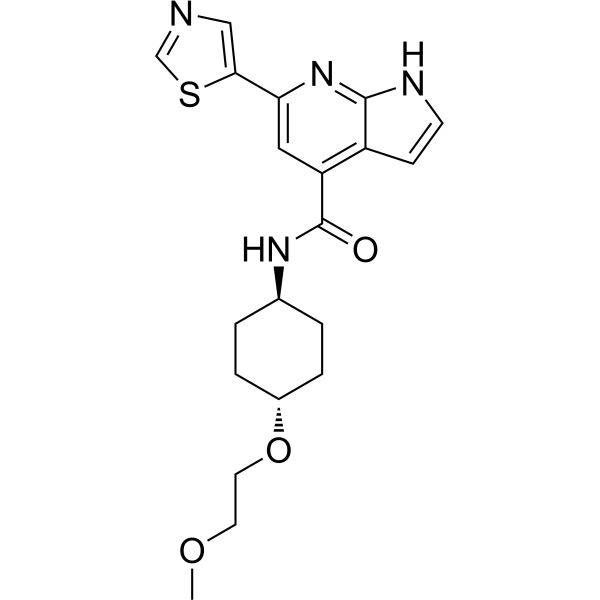
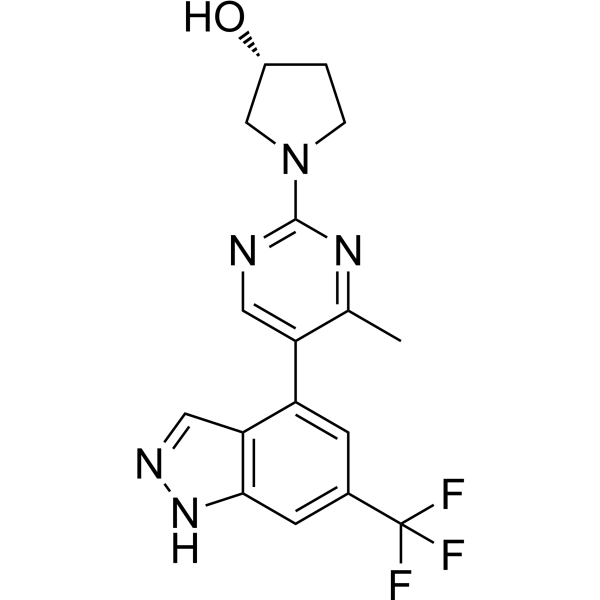
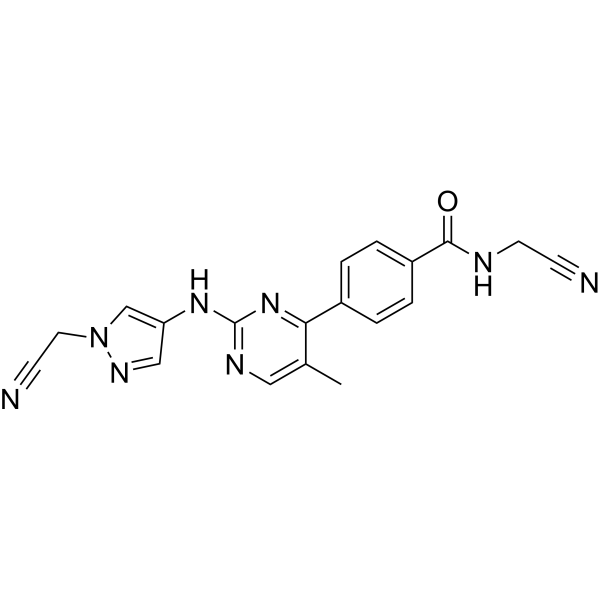
JAK-IN-21 (Example 4) is a selective and potent JAK inhibitor with IC50s of 1.73, 2.04, 109 and 62.9 nM against JAK1, JAK2, J2V617F and TYK2, respectively .
loading...
    loading...
1
1 Cited Publications
Cat. No.: HY-W010981
CAS No.: 77-90-7
Synonyms: Tributyl O-acetylcitrate; ATBC
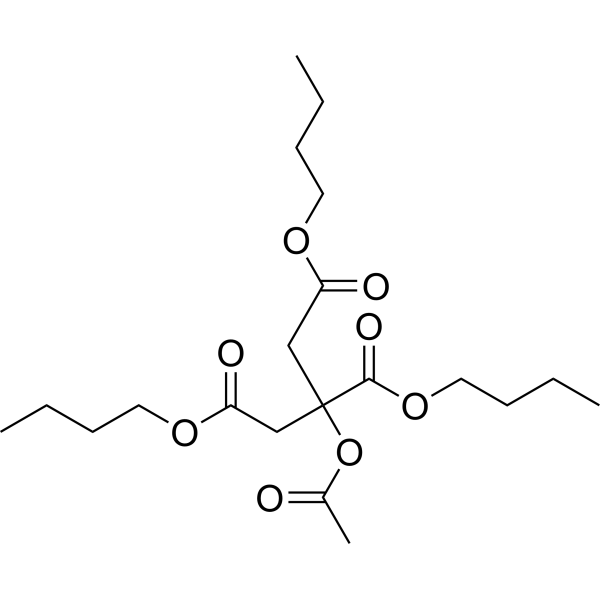
Acetyl tributyl citrate (Tributyl O-acetylcitrate) is a pharmaceutical excipient and biodegradable hydrophobic plasticizer. Acetyl tributyl citrate can be used in cosmetics, food packaging, and as a flavoring substance for food .
loading...
    loading...
1
1 Cited Publications
Cat. No.: HY-112388
CAS No.: 626604-39-5
Purity:  99.10%
Target:  

GSK-3

GSK-3b Inhibitor XI (Compound 33) is a potent and selective GSK3β inhibitor, with a Ki value of 25 nM. GSK-3b Inhibitor XI increases glycogen synthase (GS) activity. GSK-3b Inhibitor XI can be used for research on type 2 diabetes and Alzheimer’s disease .
loading...
    loading...
1
1 Cited Publications
Cat. No.: HY-N2129
CAS No.: 4846-19-9
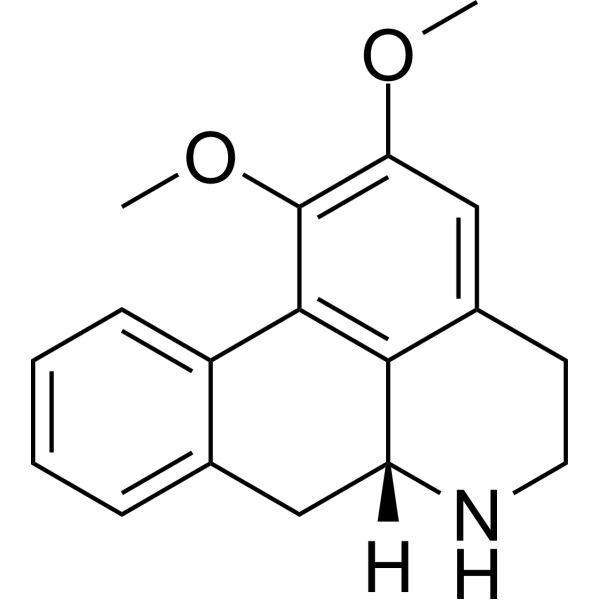
N-Nornuciferine is an orally active, blood-brain barrier-permeable CYP2D6 inhibitor, with an IC50 of 3.76 μM and a Ki of 2.34 μM against human CYP2D6. N-Nornuciferine also acts as a BChE inhibitor, showing an IC50 of 5.6 μM in mice . N-Nornuciferine can be used in the research of neurological-related diseases .
loading...
    loading...
1
1 Cited Publications
Cat. No.: HY-109020
CAS No.: 1229453-99-9
Purity:  99.84%
Synonyms: LHA510
Target:  

VEGFR

Research Areas:  

Cardiovascular Disease

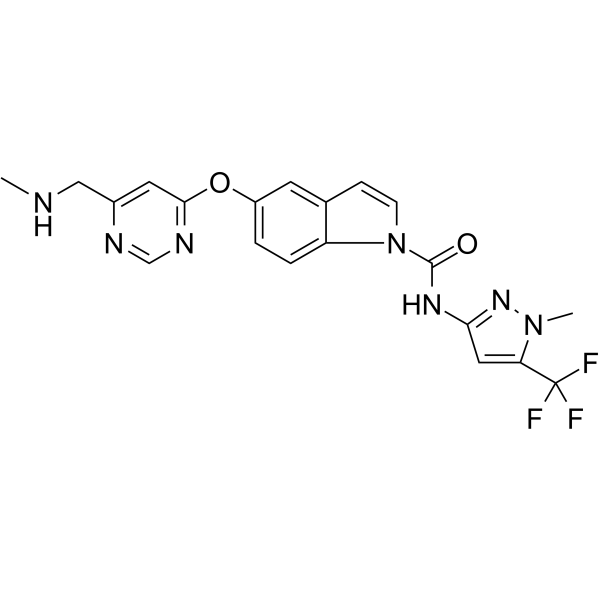
Acrizanib (LHA510) is a small-molecule vascular endothelial growth factor receptor 2 (VEGFR-2, KDR) inhibitor. Acrizanib inhibits the proliferation of BaF3-Tel-KDR cells dependent on VEGFR-2 activity, with an IC50 of 17.4 nM. Acrizanib can be used in research related to choroidal neovascularization and neovascular age-related macular degeneration .
loading...
    loading...
1
1 Cited Publications
Cat. No.: HY-125904
CAS No.: 66592-72-1
Purity:  95.11%
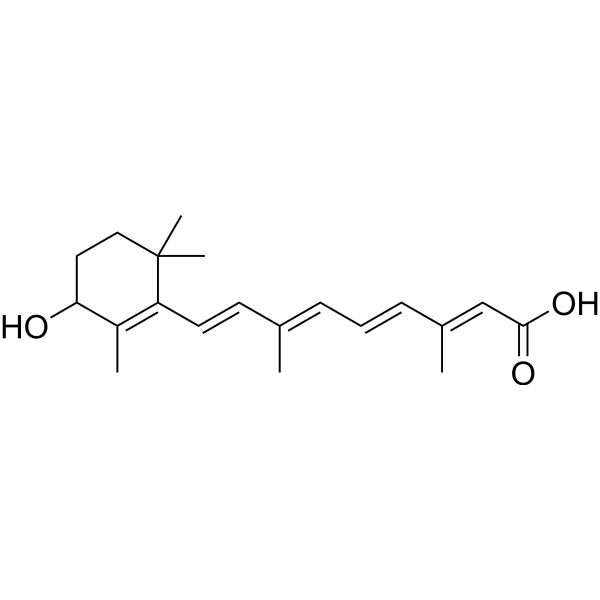
4-Hydroxyretinoic acid (4-HRA) is a derivative of Retinoic acid (HY-14649). 4-Hydroxyretinoic acid is formed via the catalysis of retinol by cytochrome P-450 isoenzymes. 4-Hydroxyretinoic acid also serves as a substrate for UDP-glucuronosyltransferase (s) and recombinant UGT2B7. 4-Hydroxyretinoic acid binds to the nuclear receptor RAR (Retinoic Acid Receptor), activates RAR and RXR-alpha, subsequently regulates gene expression and cell differentiation, and induces cancer cell apoptosis (Apoptosis). 4-Hydroxyretinoic acid also participates in multiple physiological processes such as immunoregulation, neuroprotection and antioxidation .
loading...
    loading...
1
1 Cited Publications
Cat. No.: HY-Y0262
CAS No.: 144-62-7
Synonyms: Ethanedioic acid
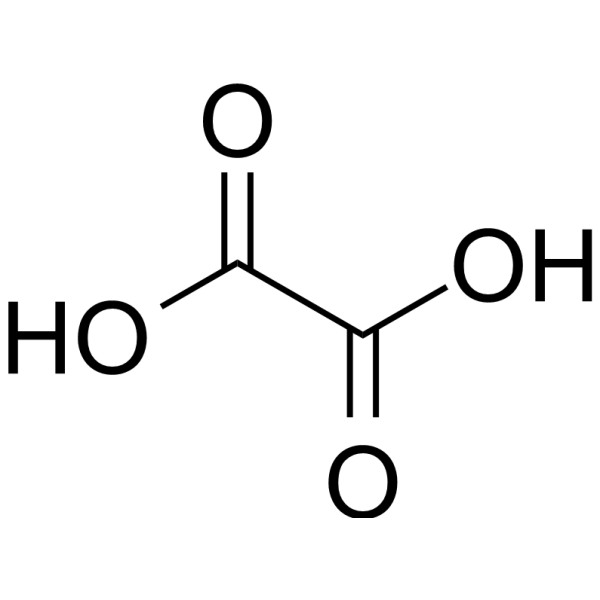
Oxalic acid, 99% (Ethanedioic acid) is a dicarboxylic acid found in a wide variety of plants. Oxalic acid, 99% shows antioxidant acyivity and suppresses lipid peroxidation. Oxalic acid, 99% is a pathogenicity factor for sclerotinia sclerotiorum, and suppresses the oxidative burst of the host plant. Oxalic acid, 99% exerts acaricidal activity. Oxalic acid can be used for the researches of sclerotinia disease, varroatosis and inflammatory diseases .
loading...
    loading...
1
1 Cited Publications
Cat. No.: HY-Y0262A
CAS No.: 6009-70-7
Synonyms: Ethanedioic acid diammonium monohydrate
Oxalic acid (Ethanedioic acid) diammonium monohydrate is a dicarboxylic acid found in a wide variety of plants.
Oxalic acid diammonium monohydrate shows antioxidant acyivity and suppresses lipid peroxidation.
Oxalic acid diammonium monohydrate is a pathogenicity factor for sclerotinia sclerotiorum, and suppresses the oxidative burst of the host plant. Oxalic acid diammonium monohydrate exerts acaricidal activity. Oxalic acid can be used for the researches of sclerotinia disease varroatosis and inflammatory diseases .
loading...
    loading...
1
1 Cited Publications
Cat. No.: HY-A0079
CAS No.: 94-24-6
Synonyms: Amethocaine
Research Areas:  

Neurological Disease

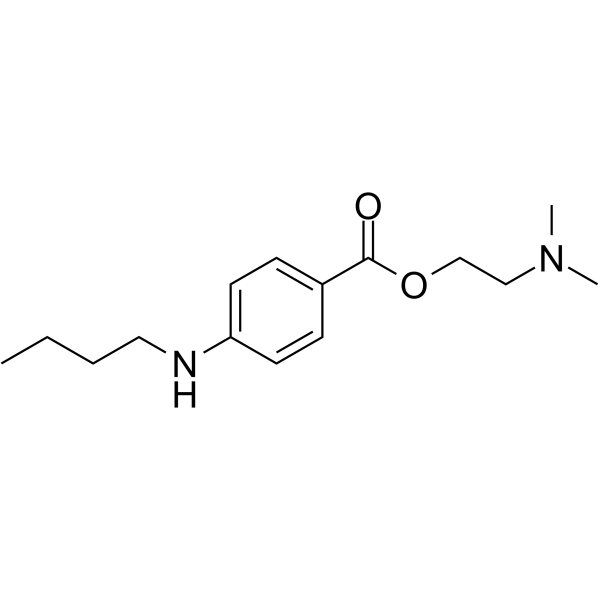
Tetracaine (Amethocaine) is a sodium channel inhibitor and ryanodine receptor (RyR) inhibitor. Tetracaine blocks sodium conduction across nerve cell membranes, preventing rapid sodium ion influx and depolarization. Tetracaine exhibits biphasic effects on spontaneous sarcoplasmic reticulum Ca 2+ release in Ca 2+-overloaded ventricular myocytes, and increases sarcoplasmic reticulum Ca 2+ load. Tetracaine can be used in research related to eye diseases .
loading...
    loading...
1
1 Cited Publications
Cat. No.: HY-B1376
CAS No.: 77-41-8
Synonyms: Mesuximide; Celontin
Target:  

Cytochrome P450

Research Areas:  

Neurological Disease

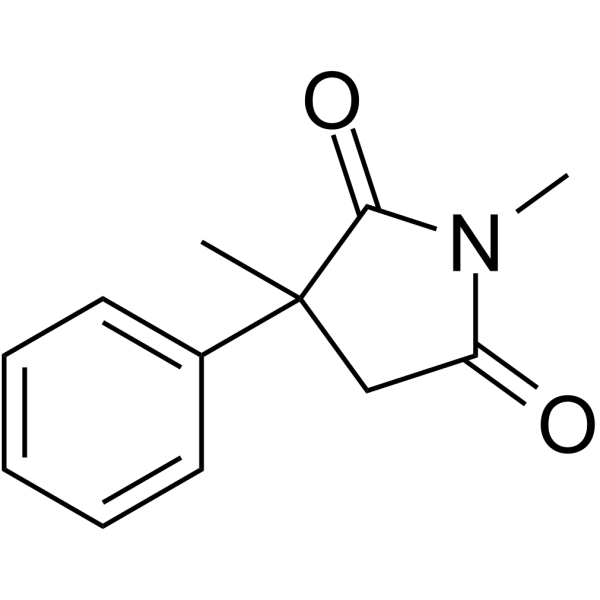
Methsuximide (Mesuximide) is an orally active succinimide-derived antiepileptic agent. Methsuximide interacts with cytochrome P-450, increases the level of hepatic microsomal cytochrome P-450, and inhibits or competes with the cytochrome P-450 CYP 2C9/10 subtype. Methsuximide can be used in epilepsy-related research .
loading...
    loading...

