


188 Results for "

membrane structures

" in MedChemExpress (MCE) Product Catalog:
Products (188)

188 Results for "membrane structures" in MCE Product Catalog:

2
2 Cited Publications
Cat. No.: HY-N6708
CAS No.: 27061-78-5
Alamethicin is a linear 20-amino acid antibiotic, which can induce voltage-gated conductance in model and cell membranes. Alamethicin exhibits antimicrobial activity against Gram-positive bacteria, but not Gram-negative bacteria. Alamethicin can form an amphipathic α-helical structure in biological membranes .
loading...
    loading...
2
2 Cited Publications
Cat. No.: HY-P5712
CAS No.: 113-73-5
Synonyms: Gramicidin soviet
Research Areas:  

Infection

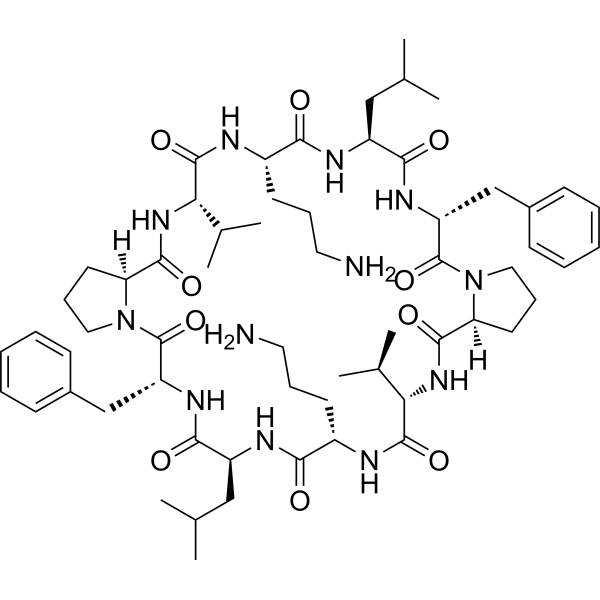
Gramicidin S (Gramicidin soviet) is a cationic cyclic peptide antibiotic that selectively targets bacterial cell membranes and has anticancer activity. Gramicidin S also exerts antibacterial activity by destroying membrane integrity and interfering with membrane protein function. Gramicidin S inserts into the phospholipid bilayer through hydrophobic amino acid residues, specifically binds to negatively charged membrane lipids and disrupts membrane structure, thereby inhibiting cell division and cell wall synthesis, and ultimately causing bacterial death. Gramicidin S also inhibits ion channels, with IC50s of 41 μM, 24 μM, and 3 μM for Na +/K +-ATPase, tobacco leaf plasma membrane Mg 2+/K +-ATPase, and rat heart plasma membrane Ca 2+-ATPase, respectively .
loading...
    loading...
2
2 Cited Publications
Cat. No.: HY-101887
CAS No.: 54375-47-2
Purity:  97.04%
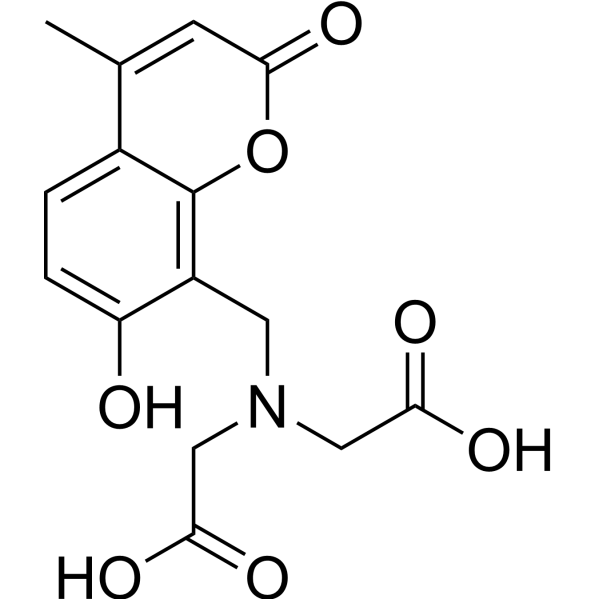
Calcein Blue, a membrane-impermeant fluorescent dye, is a coumarin derivative that contains an iminodiacetic acid structure. Calcein Blue is also a metallofluorochromic indicator .
loading...
    loading...
1
1 Cited Publications
Cat. No.: HY-W588725A
CAS No.: 2059973-54-3
Synonyms: Azido-choline bromide
Research Areas:  

Others

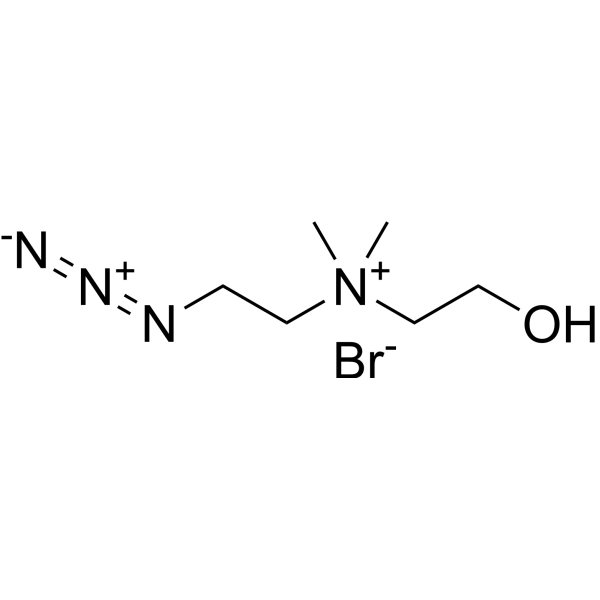
N3-Cho (Azido-choline) bromide is a click chemistry reagent containing an azide group that can be used in the synthesis of cell membrane structures .
loading...
    loading...
1
1 Cited Publications
Cat. No.: HY-W127703
CAS No.: 65603-19-2
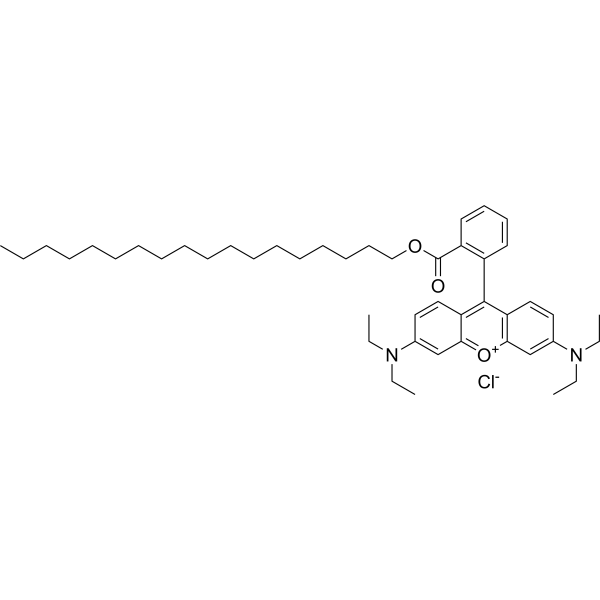
Octadecyl Rhodamine B chloride is an amphiphilic fluorescent probe with both membrane-binding ability and fluorescent properties, which easily forms aggregates in aqueous phase leading to self-quenching. Octadecyl Rhodamine B chloride can be used for cell membrane staining and further applied in membrane biology research. The maximum absorption/emission wavelengths of Octadecyl Rhodamine B chloride monomer in Triton X-100 are 565 nm/585 nm; the absorption peaks of aggregates in water are blue-shifted to 524 nm and 574 nm, with significantly quenched fluorescence .
loading...
    loading...
1
1 Cited Publications
Cat. No.: HY-W035091
CAS No.: 16903-35-8
Tetrachloroauric acid is an Au (III) compound and bilayer disruptor that can be used to damage red blood cells. Tetrachloroauric acid specifically disrupts the bilayer structure of representative phospholipids (dimyristoylphosphatidylcholine and dimyristoylphosphatidylethanolamine) in human red blood cell membranes, and induces morphological changes in intact human red blood cells. Tetrachloroauric acid causes downregulation of MT I-II and GFAP expression in the mouse brain following chronic treatment. Tetrachloroauric acid is being used in studies related to neurotoxicity and hematotoxicity, including analyses of human red blood cells and molecular models of red blood cell membranes, as well as immunohistochemical evaluation of the mouse brain .
loading...
    loading...
1
1 Cited Publications
Cat. No.: HY-B1004
CAS No.: 148-01-6
Synonyms: Zoalene
Research Areas:  

Infection

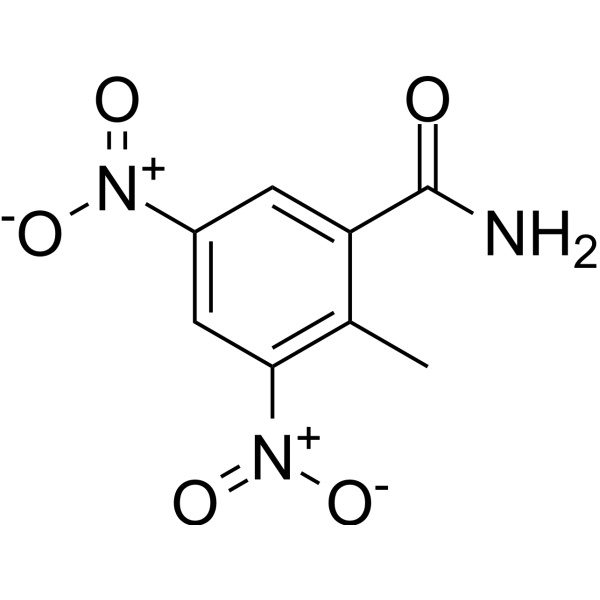
Dinitolmide (Zoalene) is an orally active anticoccidial agent used as a fodder additive. Dinitolmide has a wide anticoccidial spectrum with no effect on host immunity. Dinitolmide mainly acts on the first generation merozoite stage of coccidia and also has an inhibitory effect on the sporulation process of oocysts. Dinitolmide has anti-Toxoplasma gondii effect in vitro with an EC50 of 3.625 μg/mL. Dinitolmide can be used to inhibits infections caused by Eimeria tenella .
loading...
    loading...
1
1 Cited Publications
Cat. No.: HY-118667
CAS No.: 516-85-8
Purity:  ≥99.0%
Target:  

Fluorescent Dye

Research Areas:  

Others

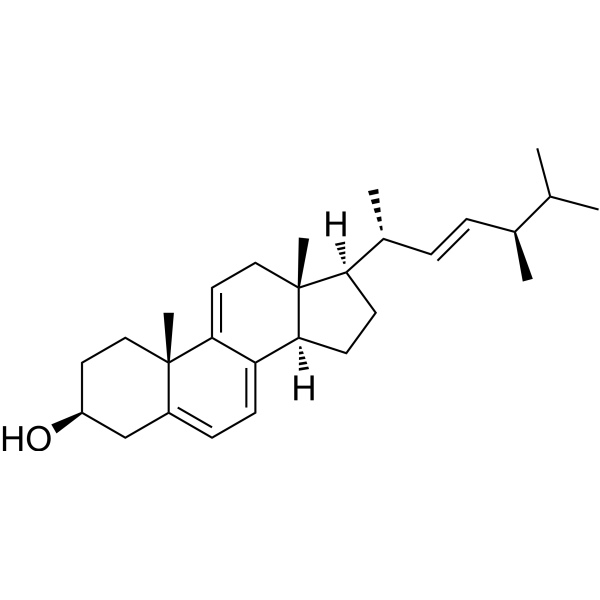
Dehydroergosterol is a fluorescent cholesterol analog (Ex/Em = 325/375 nm) used in cholesterol transport, membrane structure research, and live-cell imaging. Unlike cholesterol, Dehydroergosterol contains three additional double bonds, an extra methyl group, and an ergosterol side chain, forming a conjugated system that produces intrinsic fluorescence. In its monomeric form, Dehydroergosterol exhibits excitation peaks at 310-311, 324, and 338-340 nm, as well as emission peaks at 354, 371-375, 390-394, and 414 nm; in its microcrystalline form, Dehydroergosterol shows enhanced excimer emission around 404 and 426 nm. Dehydroergosterol mimics the properties of cholesterol, integrates into membranes and lipoproteins, and localizes to organelles .
loading...
    loading...
1
1 Cited Publications
Cat. No.: HY-W073074
CAS No.: 68938-72-7
Mesoporphyrin IX (dihydrochloride) is a photosensitizer that can be used to modify liposomes. Mesoporphyrin IX (dihydrochloride) can insert into lipid vesicles and disrupt the viral membrane structure in vesicular stomatitis virus (VSV), inducing cross-linking of VSV glycoproteins, thereby inhibiting viral activity .
loading...
    loading...
1
1 Cited Publications
Cat. No.: HY-156675A
Purity:  99.34%
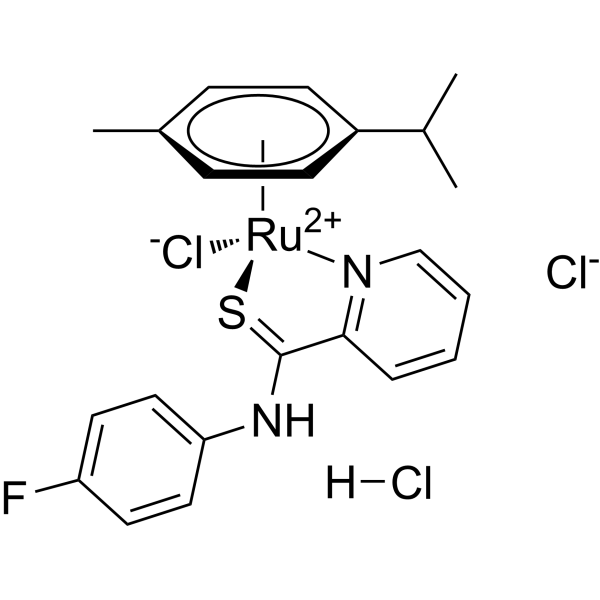
Plecstatin-1 hydrochloride is a metal complex that drives the aggregation and collapse of the plectin network, and disrupts the cytoskeletal structures of α‑tubulin and F‑actin. Plecstatin-1 hydrochloride triggers oxidative stress, mediates the phosphorylation of eIF2α, and induces molecular features associated with immunogenic cell death, including calreticulin membrane exposure, membrane localization of HSP70/HSP90, ATP secretion, and HMGB‑1 release. Plecstatin-1 hydrochloride induces apoptosis via the intrinsic mitochondrial pathway and exerts anti-invasive activity. Plecstatin-1 hydrochloride inhibits sphere proliferation and reduces clonogenicity in the 3D tumor spheroid model of colon cancer cells. Plecstatin-1 hydrochloride is applicable to relevant research on colorectal cancer .
loading...
    loading...
1
1 Cited Publications
Cat. No.: HY-135416A
CAS No.: 98072-47-0
Purity:  ≥96.0%
Recombinant Streptolysin O is a cholesterol-targeting, thiol-activated pore-forming toxin. Recombinant Streptolysin O binds to cholesterol via its C-terminal domain 4, oligomerizes to form arc-shaped or ring-shaped structures, inserts amphipathic helices into the lipid bilayer, and forms transmembrane β-barrel pores, resulting in cell permeabilization. Recombinant Streptolysin O enables controllable cell membrane permeabilization, fluorescent probe delivery, and exogenous molecule uptake .
loading...
    loading...
1
1 Cited Publications
Cat. No.: HY-N2382
CAS No.: 81917-50-2
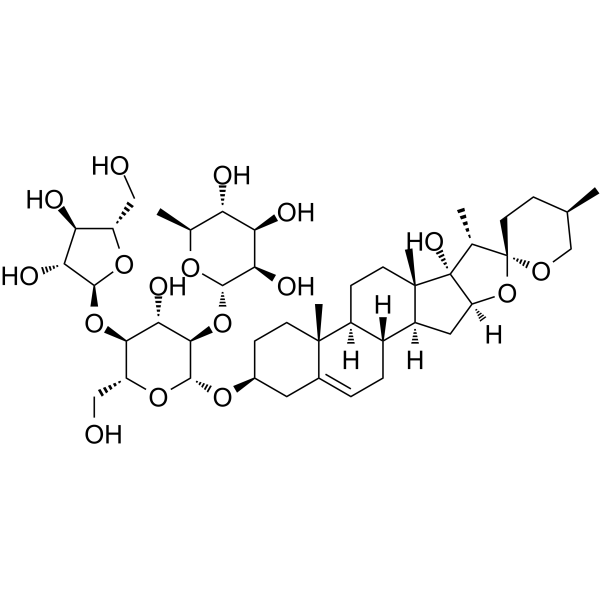
Polyphyllin H is a steroidal saponin. Polyphyllin H is isolated from Paris polyphylla. Polyphyllin H potently inhibits the activities of CYP1A2 (IC50 = 6.44 μM, competitive), CYP2D6 (IC50 = 13.88 μM, competitive) and CYP3A4 (IC50 = 4.52 μM, non-competitive, time-dependent). Polyphyllin H downregulates the expression of ABCB1 and ABCC3. Polyphyllin H binds to membrane cholesterol and disrupts lipid raft structures. Polyphyllin H restores the sensitivity of paclitaxel-resistant breast cancer cells to paclitaxel .
loading...
    loading...
1
1 Cited Publications
Cat. No.: HY-W583868
CAS No.: 26662-94-2
Synonyms: 1,2-POPE; 16:0-18:1 PE
Target:  

Liposome

Research Areas:  

Others

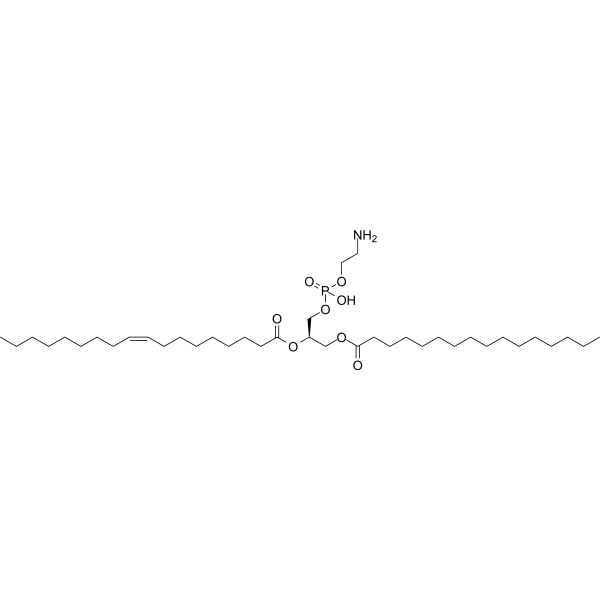
1-Palmitoyl-2-oleoyl-sn-glycero-3-PE (1,2-POPE; 16:0-18:1 PE) is a phosphatidylethanolamine (PE) lipid. 1-Palmitoyl-2-oleoyl-sn-glycero-3-PE can induce lipid bilayer to form a hexagonal phase (HII) structure in an acidic environment and promote membrane fusion. 1-Palmitoyl-2-oleoyl-sn-glycero-3-PE can enhance the endosomal escape ability of lipid nanoparticles (LNPs) and improve the cellular delivery efficiency of nucleic acid drugs such as mRNA. 1-Palmitoyl-2-oleoyl-sn-glycero-3-PE can be used for LNP carrier targeting of gene therapy and mRNA vaccines .
loading...
    loading...
Cat. No.: HY-141613
CAS No.: 90693-88-2
Purity:  ≥98.0%
Synonyms: DOPS-NA
Target:  

Liposome

Research Areas:  

Others

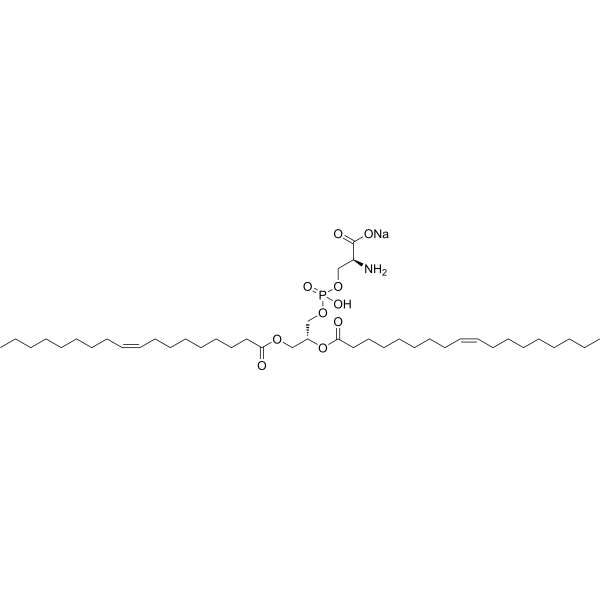
1,2-Dioleoyl-sn-glycero-3-phospho-L-serine sodium (DOPS-NA) is a ubstitute for Phosphoserine/phosphatidylserine. 1,2-Dioleoyl-sn-glycero-3-phospho-L-serine sodium can be used together with DOPC and DOPE in lipid mixtures for the synthesis of liposomes. 1,2-Dioleoyl-sn-glycero-3-phospho-L-serine sodium can self-assemble into single-layer or double-layer membrane structures, similar to cell membranes, and possesses high membrane fluidity and flexibility. 1,2-Dioleoyl-sn-glycero-3-phospho-L-serine is widely applied in membrane biology, cell membrane research, lipid preparation, and drug delivery systems .
loading...
    loading...
Cat. No.: HY-DY1040
CAS No.: 231946-72-8
LysoTracker Red (solution) is a Red fluorescently labeled lysosomal probe with a maximum excitation/emission wavelength of 577/590 nm. The structure is composed of a fluorescein group and linked weak bases, which can freely cross the cell membrane and gather on spherical organelles. It is suitable for observing the internal biosynthesis and related pathogenesis of lysosomes .
Solvent and concentration: DMSO: 1 mM
loading...
    loading...
Cat. No.: HY-B2235B
CAS No.: 8002-43-5
Synonyms: L-α-Phosphatidylcholine (egg yolk, Type XVI-E), 99%, lyophilized powder; 1,2-Diacyl-sn-glycero-3-phosphocholine (egg yolk, Type XVI-E), 99%; egg yolk Lecithins, Type XVI-E, 99%
L-α-Lecithin (egg yolk, Type XVI-E), 99% (L-α-Phosphatidylcholine (egg yolk, Type XVI-E), 99%) is an active biomaterial. L-α-Lecithin (egg yolk, Type XVI-E), 99% forms liposomes with compounds (PF or BA). L-α-Lecithin (egg yolk, Type XVI-E), 99% increases membrane fluidity and affects microemulsion stability and fluorescence intensity stained with Nile red (HY-D0718). L-α-Lecithin (egg yolk, Type XVI-E), 99% It can be used for cell membrane structure research, biological membrane potential research, and liposome research .
loading...
    loading...
Cat. No.: HY-Y1353
CAS No.: 24424-99-5
Research Areas:  

Others Metabolic Disease

Di-tert-butyl dicarbonate (tBOC) is a covalent modification agent for hydroxyl groups (-OH) on the chitosan molecular chain. Di-tert-butyl dicarbonate selectively modifies chitosan and stabilizes the material structure through hydrophobic encapsulation. Di-tert-butyl dicarbonate reacts with the -OH groups of chitosan to form a hydrophobic layer, and in conjunction with triethylamine (TEA), removes trifluoroacetic acid (TFA) salts produced during the electrospinning process, preserving the nanofiber structure and high porosity of the membrane, and improving the material's cytocompatibility and mineralization-promoting ability. Di-tert-butyl dicarbonate can be used in research in the field of guided bone regeneration (GBR) .
loading...
    loading...
Cat. No.: HY-B2235A
CAS No.: 8002-43-5
Synonyms: L-α-Phosphatidylcholine (egg yolk), 75%; 1,2-Diacyl-sn-glycero-3-phosphocholine (egg yolk), 75%; egg yolk Lecithins, 75%
L-α-Lecithin (egg yolk), 75% is a kind of biological materials. L-α-Lecithin (egg yolk), 75% can be used for studying cell membrane structure, biofilm potential, liposome research, etc .
loading...
    loading...
Cat. No.: HY-P10932A
Research Areas:  

Neurological Disease

pGk13a TFA is an azide (azide group can be combined with fluorophore)-containing amphiphilic membrane labeling probe. pGk13a TFA enables high-resolution imaging of cell membranes in the ultrastructural membrane expansion microscopy (umExM) technique, facilitating the observation of membrane-associated structures and proteins. pGk13a TFA can be used for neuronal structural studies .
loading...
    loading...
Cat. No.: HY-P99853
CAS No.: 1393659-46-5
Synonyms: CR6261

Target:  

Influenza Virus

Research Areas:  

Infection

Diridavumab is a monoclonal anti-HA stalk antibody. Diridavumab stabilizes the prefusion HA structure and prevents pH-dependent fusion of cellular and viral membranes in endosomes. Diridavumab can be used in research of H2 influenza virus .
loading...
    loading...

