539 Results for "

Pi-binding pocket

" in MedChemExpress (MCE) Product Catalog:
Products (539)

539 Results for "Pi-binding pocket" in MCE Product Catalog:

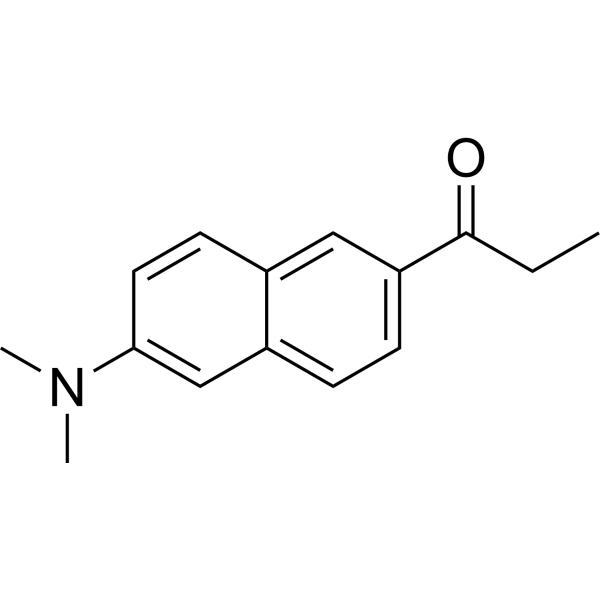
Cat. No.: HY-D0074
CAS No.: 70504-01-7
Target:  

Fluorescent Dye

Research Areas:  

Others

Prodan is an environment-sensitive fluorescent probe used to investigate the polarity, fluidity, and structure of lipid membranes. Prodan exhibits environment-dependent excitation/emission wavelengths, with its wavelength range covering Ex = 360-410 nm and Em = 430-530 nm when in solvents, bound to DNA, located in lipid bilayers, or associated with proteins. Prodan can interact with the major groove of DNA, regions of lipid bilayers, and hydrophobic pockets of proteins. During phase transitions, Prodan localizes to different regions of the bilayer: the emission minimum is 430-440 nm in the gel phase, while it shifts to 480-500 nm in the liquid-crystalline phase or interdigitated gel phase. When bound to rigid hydrophobic sites of proteins, the emission peak of Prodan undergoes a blue shift and its fluorescence intensity increases .
loading...
    loading...
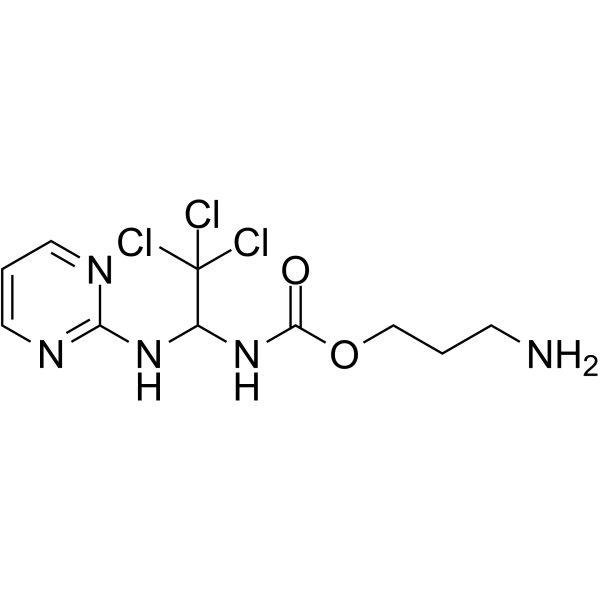
Cat. No.: HY-N21878
CAS No.: 474328-38-6
Muraymycin D2 is a peptidyl nucleoside natural product derived from Streptomyces spp., possessing competitive translocase I (MraY) inhibitory activity and antibacterial activity. Muraymycin D2 competitively binds to the nucleotide-binding pocket of the MraY substrate via its nucleoside moiety, and upon binding, induces a conformational change in MraY, blocking lipid I synthesis and inhibiting peptidoglycan biosynthesis. Muraymycin D2 exhibits a Ki of 7.6 nM against Bacillus subtilis and an IC50 of 0.39 nM against Staphylococcus aureus. Muraymycin D2 shows antibacterial activity against Escherichia coli and is capable of breaking persistence in chlamydial infection. Muraymycin D2 can be used for research on bacterial infection-related studies, such as chlamydial infection .
loading...
    loading...
Cat. No.: HY-P11847
CAS No.: 3124030-35-6
Research Areas:  

Cardiovascular Disease

AT1R-agonist-1 is an angiotensin II type 1 receptor (AT1R) agonist with a Ki value of 1.4 nM. AT1R-agonist-1 exhibits low Gαq activity, retains β-arrestin recruitment function, and accesses the deep allosteric pocket inside AT1R via its flexible side chain. AT1R-agonist-1 possesses positive inotropic effects (enhancing cardiac contractile function) and causes almost no increase in blood pressure. AT1R-agonist-1 can be used for research on conditions such as refractory cardiogenic shock .
loading...
    loading...
Cat. No.: HY-L158
6,342 compounds

According to reports, most known kinase inhibitors exert their effects through competitive binding in highly conserved ATP pockets. Although genetic techniques such as RNA interference can inactivate specific genes, most kinases are multi domain proteins, each of which has an independent function. Highly selective inhibitors have higher efficiency than non-selective inhibitors, and the selectivity to the target is at least 100 times higher. Therefore, ensuring the validation of targets with the most selective inhibitors is crucial for a more thorough understanding of the pharmacology of the kinase field. The Highly Selective Inhibitors Library contains 6,342 compounds, covering multiple targets and subtypes, such as GPCR protein family, Ion channel, multiple kinases, etc. The Highly Selective Inhibitors Library is an effective tool for screening different phenotypes

Cat. No.: HY-123925
CAS No.: 2244988-80-3
CSLP43 is a selective RIPK2 and XIAP inhibitor with an IC50 of 19.9 nM against human RIPK2. CSLP43 binds to the ATP-binding pocket of RIPK2 and disrupts the interaction between RIPK2 and the BIR2 domain of XIAP or cIAP1. CSLP43 inhibits RIPK2 ubiquitination, NOD1-dependent inflammatory signaling pathways, NOD2-dependent inflammatory signaling pathways, as well as NF-κB activation associated with NOD agonists. CSLP43 is selective for the NOD1/NOD2 signaling pathway and does not inhibit the kinase activity of RIPK1 or RIPK3. CSLP43 is applicable to research related to Crohn's disease, Blau syndrome, early-onset sarcoidosis and early-onset inflammatory bowel disease .
loading...
    loading...
Cat. No.: HY-130841
CAS No.: 1683617-62-0
Purity:  ≥98.0%
Research Areas:  

Cancer

Apcin-A is a small molecule inhibitor that selectively targets the cell division cycle protein Cdc20 and is a derivative of Apcin (HY-110287). Apcin-A competitively binds to the D-box binding pocket of Cdc20 and inhibits substrate ubiquitination mediated by the anaphase promoting complex APC/C-Cdc20. Apcin-A also blocks the binding of Cdc20 to substrates (such as securin and cyclin B1), inhibiting anaphase initiation and cell cycle exit. Apcin-A can promote or prolong mitotic slippage in coordination with p31 comet under conditions of high spindle assembly checkpoint (SAC) activity. Apcin-A can be used to develop anti-mitotic drugs and overcome tumor chemotherapy resistance. Apcin-A can be used to synthesize PROTAC CP5V (HY-130257)[1][2][3].
loading...
    loading...
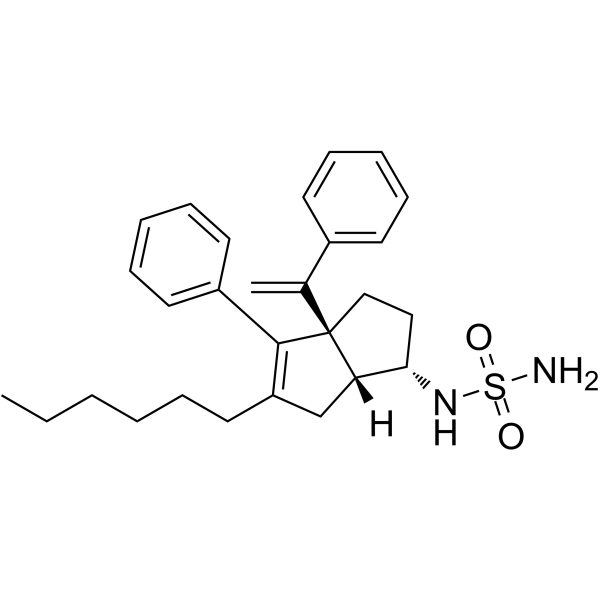
Cat. No.: HY-147105
CAS No.: 2244781-29-9
Purity:  98.04%
LRH-1 agonist-2 (Compound 6N) is a selective, full LRH-1 agonist with an EC50 of 15.7 nM. LRH-1 agonist-2 directly interacts with the Thr352 and His390 residues in the LRH-1 binding pocket, promotes allosteric signaling to the activation function surface (AFS), stabilizes the AFS and enhances coactivator recruitment. LRH-1 agonist-2 induces the anti-inflammatory cytokine IL-10, and reduces the pro-inflammatory cytokines IL-1β and TNFα. LRH-1 modulator-1 exerts anti-inflammatory effects in intestinal organoids. LRH-1 modulator-1 can be used in studies related to inflammatory bowel disease .
loading...
    loading...
Cat. No.: HY-159805
CAS No.: 2813260-27-2
Target:  

CDK

Research Areas:  

Cancer

CDK2-IN-31 is a CCNE1:CDK2 complex inhibitor with an IC50 of 0.13 μM. CDK2-IN-31 binds to a cryptic allosteric pocket at the CCNE1:CDK2 interface, inducing structural rearrangements of the CDK2 A-loop that disrupt the kinase's active conformation and interfere with substrate binding. CDK2-IN-31 inhibits phosphorylation of retinoblastoma protein 1 (RB1) in CCNE1-dependent ovarian cancer cells. CDK2-IN-31 impairs coenrichment of protein PRC1 with CCNE1-N112C:CDK2 complexes. CDK2-IN-31 can be used for the research of ovarian cancer .
loading...
    loading...
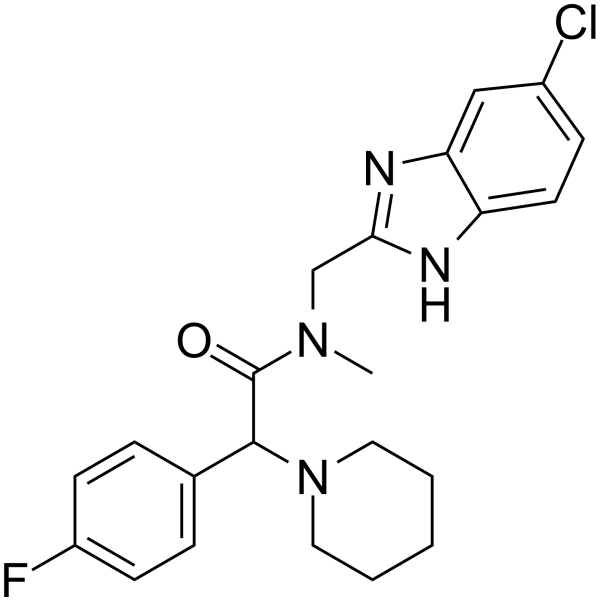
Cat. No.: HY-161116
CAS No.: 2306525-79-9
AD-5584 is a selective and blood-brain barrier-penetrant ACSS2 inhibitor (IC50 = 0.86 μM). AD-5584 binds to the nucleotide-binding pocket of ACSS2, blocking CoA binding and acetyl transfer through steric hindrance, thereby inhibiting the conversion of acetate to acetyl-CoA. AD-5584 decreases acetyl-CoA levels, lipid droplet content, FASN expression, E2F1, SLC7A11, and GPX4 levels, and reduces E2F1 occupancy at the SLC7A11 promoter. AD-5584 induces ferroptosis, lipid peroxidation, malondialdehyde accumulation, and cell death, and decreases clonogenic survival and proliferative capacity. AD-5584 can be used for research on breast cancer brain metastasis .
loading...
    loading...
Cat. No.: HY-161804
Target:  

PROTACs Dengue Virus

Research Areas:  

Infection

GNF-2-deg is a PROTAC degrader targeting the dengue virus envelope protein (DENV E protein), with a DC50 of 0.83 μM in Huh7.5 cells. GNF-2-deg induces CRBN- and proteasome-dependent proteolysis of intracellular E protein. GNF-2-deg inhibits E protein-mediated membrane fusion and blocks viral particle production. GNF-2-deg reduces viral yield in infected cells and retains activity against E protein βOG pocket mutant virus-like particles (VLP). GNF-2-deg can be used in the research of dengue virus infection, Zika virus infection, Japanese encephalitis, West Nile virus infection and yellow fever .
loading...
    loading...
Cat. No.: HY-174374
CAS No.: 3076446-44-8
Target:  

Topoisomerase

Research Areas:  

Cardiovascular Disease

Topobexin is a TOP2B-selective inhibitor with IC50 values of 0.19 μM and 4.8 μM for TOP2B and TOP2A (DNA decatenation assay). Topobexin binds to non-homologous residues in the obex pocket and targets the ATPase domain of TOP2B. Topobexin prevents anthracycline-induced DNA double-strand break formation, apoptotic signaling mediated by caspase 3/7, 8 and 9, cardiomyocyte morphological changes, mitochondrial depolarization/loss, left ventricular systolic dysfunction, extracellular matrix remodeling, fibrotic alterations, and increases in plasma cardiac troponin T and BNP. Topobexin does not impair the antiproliferative effects of anthracyclines in cancer cells, exhibits no intrinsic cytotoxicity in cardiomyocytes, and is well tolerated in rabbits. Topobexin can be used in studies related to anthracycline-induced cardiotoxicity .
loading...
    loading...
Cat. No.: HY-182902
Target:  

BMX Kinase Apoptosis

Research Areas:  

Cancer

IHMT-15137 is a BMX inhibitor with an IC50 of 26.97 nM. IHMT-15137 covalently binds to BMX Cys496 within the ATP-binding pocket, inhibits BMX phosphorylation at Tyr566, and disrupts the BMX-ERK1/2-Cyclin D1/CDK4/6-E2F1 signaling axis. IHMT-15137 reduces E2F1 protein stability via decreased Ser332/337 phosphorylation, increased ubiquitination, and ubiquitin-proteasome pathway degradation. IHMT-15137 induces cell cycle arrest, apoptosis, DNA damage, and suppresses cell migration and invasion. IHMT-15137 can be used for the research of small cell lung cancer .
loading...
    loading...
Cat. No.: HY-187442
Research Areas:  

Infection Cancer

TDI6245 is a Aurora kinase A (AURKA) inhibitor with an IC50 value of 21.64 nM against AURKA. TDI6245 also inhibits the β5 subunit of the 20S proteasome from Plasmodium falciparum (Pf 20S), with IC50 values of 0.11 μM, 31.1 μM and 6.8 μM against Pf 20S β5, human constitutive proteasome β5c and human immunoproteasome β5i subunits, respectively. TDI6245 binds to the AURKA pocket and the substrate cleft of Pf 20S β5 via antiparallel β-sheets and hydrogen bonds. TDI6245 inhibits the growth of Plasmodium falciparum. TDI6245 can be used in research related to triple-negative breast cancer and malaria .
loading...
    loading...
Cat. No.: HY-188012
CAS No.: 2975602-21-0
Synonyms: dMGer
Target:  

Others

Research Areas:  

Others

Desmethyl germinone (dMGer) is a KL signaling pathway activator that binds to the human HTL/KAI2 receptor with an IC50 of 46.4 nM. Desmethyl germinone induces conformational changes of the receptor by directly binding to the ligand-binding pocket of KAI2/D14L, promotes the interaction of KAI2/D14L with D3/MAX2 and SMAX1, and leads to SMAX1 degradation. Desmethyl germinone induces seed germination and inhibits hypocotyl elongation in an abscisic acid-independent manner in Arabidopsis thaliana, and inhibits mesocotyl elongation and induces the expression of KL-responsive genes in rice. Desmethyl germinone can be used in studies related to seed germination, dormancy, and the KAI2/KL signaling pathway .
loading...
    loading...
Cat. No.: HY-101140A
CAS No.: 1799974-69-8
Purity:  99.32%
Target:  

Drug Isomer

Research Areas:  

Inflammation/Immunology

KI696 isomer is an isomer of KI696 (HY-101140). KI696 is a selective KEAP1/NRF2 protein-protein interaction inhibitor with a human Kd value of 1.3 nM. KI696 acts by competitively occupying the NRF2-binding pocket of the KEAP1 Kelch domain. KI696 blocks KEAP1-mediated ubiquitination and degradation of NRF2, promotes the translocation of NRF2 to the nucleus, activates the expression of downstream antioxidant genes, increases intracellular glutathione levels, and alleviates oxidative stress-induced cell damage and inflammatory cell infiltration in the lungs. KI696 reduces ozone-induced pulmonary oxidative damage and inflammatory cell accumulation in rats, and upregulates pulmonary antioxidant genes. KI696 can be used in research related to chronic obstructive pulmonary disease, oxidative stress and inflammation .
loading...
    loading...
Cat. No.: HY-116470
CAS No.: 1202055-39-7
Target:  

Mps1

Research Areas:  

Cancer

Mps1/TTK-IN-1 (Compound cpd-5), a derivative of NMS-P715 (HY-12382), is a Mps1 kinase inhibitor with an IC50 of 9.2 nM and a Kd of 1.6 nM. Mps1/TTK-IN-1 specifically targets the ATP-binding pocket of the Mps1 kinase. Mps1/TTK-IN-1 maintains inhibitory activity against Mps1 drug-resistant mutants (C604Y, C604W) with IC50 values of 170 and 19 nM and Kd values of 471 and 349 nM. Mps1/TTK-IN-1 can block the phosphorylation of kinetochore protein KNL1 mediated by Mps1, interfere with the spindle assembly checkpoint function, prevent the correct separation of chromosomes, and thereby inhibit the mitosis and proliferation of tumor cells .
loading...
    loading...
Cat. No.: HY-155817
Research Areas:  

Others

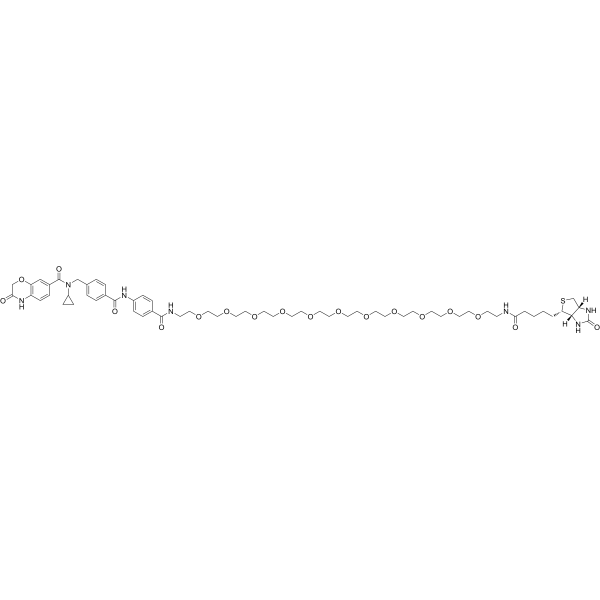
UNC7096 (compound 53) is a biotinylated affinity reagent. The phenyl ring of UNC7096 replaces the pyrimidine ring in UNC6934 (HY-145103) and introduces biotin at the para position of the phenyl ring, which has a high binding affinity to the NSD2-PWWP1 domain (Kd=46 nM). UNC7096 blocks the interaction between NSD2-PWWP1 and nucleosomal H3K36me2 by occupying the methyl-lysine binding pocket of NSD2-PWWP1. This binding is achieved by covalent binding through the formation of hydrogen bonds and a specific aromatic cage structure. UNC7096 can be used to capture proteins that interact with the NSD2-PWWP1 domain to further analyze the biological significance of these interactions .
loading...
    loading...
Cat. No.: HY-159520
CAS No.: 2731294-23-6
Synonyms: Ofirnoflast; HT-6184
Ofirnoflastum (Ofirnoflast) is an orally active first-in-class allosteric NEK7 inhibitor with an IC50 of 46 nM. Ofirnoflastum binds an allosteric site adjacent to NEK7’s ATP-binding pocket, induces conformational shifts, disrupts NEK7-NLRP3 binding, blocks NLRP3 inflammasome assembly, spares NEK7’s physiological functions, and suppresses caspase-1, caspase-8, NF-κB, and TNF activity. Ofirnoflastum reduces pro-inflammatory cytokine production, suppresses ASC specks, IL-1β release, pyroptotic cell death, and leukemic burden, induces apoptosis and erythroid differentiation, restores hematopoiesis, and improves outcomes in colitis models. Ofirnoflastum can be used for the research of myelodysplastic syndromes, chronic myelomonocytic leukemia, and acute myeloid leukemia .
loading...
    loading...
Cat. No.: HY-173447
CAS No.: 344402-39-7
Target:  

NTPDase CD73

Research Areas:  

Cancer

8-BuS-AMP is a NTPDase1 inhibitor and a CD73/CD39 inhibitor, with an IC50 of 35 μM and a Ki value of 0.292 μM against human NTPDase1; its Ki values against human CD73 and CD39 are 1.19 μM and 0.847 μM, respectively. 8-BuS-AMP binds to the substrate-binding pockets of NTPDase1 and CD73 to effectively block the conversion of ATP and AMP to adenosine, thereby enhancing the activation and proliferation of human peripheral T lymphocytes. 8-BuS-AMP possesses excellent enzymatic hydrolysis resistance and metabolic stability, resists hydrolysis by multiple NTPDase subtypes, and shows no activity against P2Y1 and P2Y12 receptors. 8-BuS-AMP can be used in purinergic signaling pathway and cancer-related studies .
loading...
    loading...
Cat. No.: HY-179372
CAS No.: 2982893-14-9
Research Areas:  

Cancer

Tubulin polymerization-IN-84 inhibits tubulin polymerization by targeting the colchicine-binding pocket, with anIC50 = 10.9 μM. Tubulin polymerization-IN-84 shows antiproliferative activity against Jurkat, B16-F10, HCT116, and MDA-MB-231 cells (IC50 = 60 nM, 380 nM, 138 nM, and 1.054 μM). Tubulin polymerization-IN-84 induces G2/M-phase arrest and apoptosis in B16-F10 cells. Tubulin polymerization-IN-84 suppresses tumor growth in a B16-F10 melanoma model and potentiates anti-tumor immunity in combination with a PD-L1 mAb for the research of T-cell acute lymphoblastic leukemia, melanoma, colon cancer, and breast cancer.
loading...
    loading...

