542 Results for "

protein functionalization

" in MedChemExpress (MCE) Product Catalog:
Products (542)

542 Results for "protein functionalization" in MCE Product Catalog:

Cat. No.: HY-181800
Target:  

SHP2 Akt ERK Apoptosis

Research Areas:  

Cancer

SHP2-IN-47 is a selective and potent SHP2 inhibitor with an IC50 of 0.80 μM. SHP2-IN-47 exhibits potent inhibitory activity against SHP2 E76K (IC50 = 0.37 μM). SHP2-IN-47 functionally inhibits protein tyrosine phosphatase domains and downregulates SHP2-mediated phosphorylation of AKT and ERK. SHP2-IN-47 induces apoptosis and suppresses proliferation of cancer cells. SHP2-IN-47 can be used for the research of cancer, such as acute myelocytic leukemia .
loading...
    loading...
Cat. No.: HY-D1863
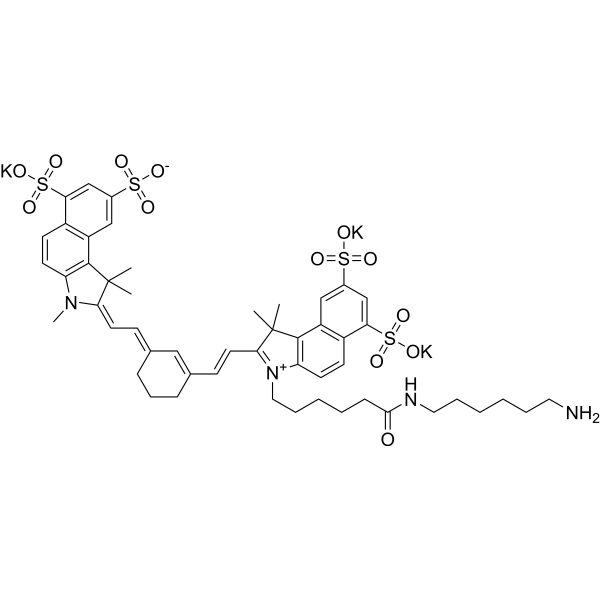
sulfo-Cy7.5 amine is a dye derivative of Cyanine 7.5 (Cy7.5) (HY-D0926) bearing an amine group. The sulfonate ion increases the water solubility of the compound, making it suitable for use in aqueous solutions. Cy7.5 is a near-infrared fluorescent dye commonly used for biolabeling and cell imaging. The amine functionality of sulfo-Cy7.5 amine can react with carboxyl groups to form covalent bonds. Sulfo-Cy7.5 amine can bind to biomolecules such as proteins and antibodies to track their location and dynamic changes in biological samples.
loading...
    loading...
Cat. No.: HY-D1867
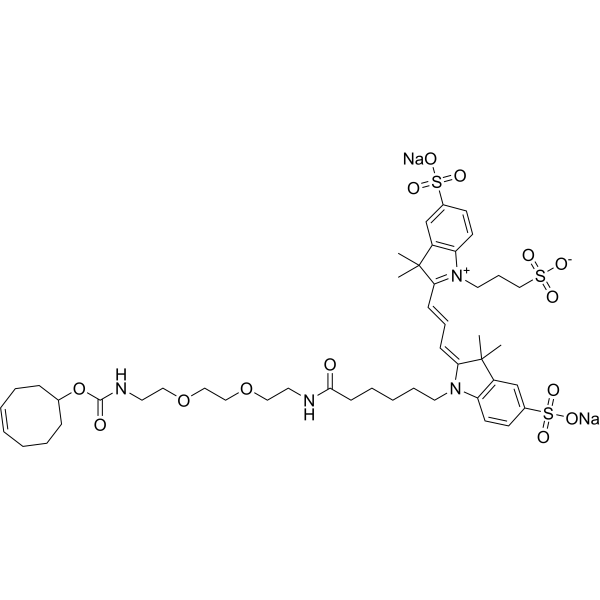
Sulfo-Cy3-PEG2-TCO disodium is a derivative of Cy3 (Cyanine3) (HY-D0822) dye containing sulfonate and TCO groups. The TCO groups of Sulfo-Cy3-PEG2-TCO disodium react with tetrazine functional groups in highly specific click chemistry to form covalent bonds. Thus, Sulfo-Cy3-PEG2-TCO disodium can be covalently bound to some biomolecules (especially antibodies, proteins, etc.) to track their location and dynamic changes in biological samples.
loading...
    loading...
Cat. No.: HY-W615095
CAS No.: 2227450-68-0
Target:  

PROTAC Linkers

Research Areas:  

Others

Biotin-PEG2-alkyne is a click chemistry PEG linker based on copper (I)-catalyzed azide-alkyne cycloaddition (CuAAC), as well as a biotinylation reagent. In solution-phase and click labeling systems, Biotin-PEG2-alkyne efficiently conjugates biotin groups to azide-functionalized streptavidin amplicons. Biotin-PEG2-alkyne is also widely applicable in fixed cells and mouse intestinal tissue sections to achieve specific biotinylation of various azide-labeled biomolecules (such as proteins, lipids, DNA, and Afatinib (HY-10261)), thereby effectively promoting signal amplification and precise detection of targets .
loading...
    loading...
Cat. No.: HY-122351AR
CAS No.: 714229-20-6
Research Areas:  

Others

Advantame (Standard) is the analytical standard of Advantame. This product is intended for research and analytical applications. Advantame is an N-substituted derivative of aspartame. Advantame is a high-intensity, low calorie sweetener. Advantame can interact with plasma protein. Advantame has the potential to produce hypotension and inhibit hERG K + channel to produce carditoxicity. Advantame binds to T1R2/T1R3 taste GPCR to form an oligomeric functional selectivity of biased heteromers with NMBR to induce a significant sialidase activity in vitro. Advantame has maternal toxicity (gastrointestinal disturbances) in the prenatal developmental toxicity study in rabbits .
loading...
    loading...
Cat. No.: HY-184447
CAS No.: 3091508-49-2
Target:  

PAK

Research Areas:  

Others

RN193 is a type II kinase inhibitor with a human PAK1 IC50 of 4.28 μM. RN193 functionally inhibits kinase activity of PAK1, PAK2, and PAK3, and engages with their kinase domains in live cells. RN193 induces thermal shifts in CLK1, GSK3B, ULK1, MELK, MAPK13, BRAF, and STK10, indicating binding and stabilization of these proteins. RN193 induces formation of PAK3:PAK2 heterodimers and displaces PAK2 homodimers in live cells. RN193 acts as a tool compound for studying group I PAK conformational states .
loading...
    loading...
Cat. No.: HY-184611
Selenium (Se) is an essential trace element for the human body, playing a vital role in various physiological activities. In the body, selenium is bound to selenocysteine, an amino acid used to synthesize several selenoproteins. Selenium is often the active site of these proteins, playing a crucial role in maintaining intracellular redox balance. Chitosan-stabilized selenium nanoparticles (CS-SeNPs) are nanomaterials using the biopolymer chitosan (CS) as a stabilizer. Through electrostatic interactions, chitosan coats the surface of selenium nanoparticles (Se NPs), improving their dispersibility, stability, and biocompatibility. Se NPs themselves are characterized by low toxicity and high bioactivity, and the introduction of chitosan further enhances their functionality and application potential, making them widely recognized in biomedicine, food, and agriculture.
loading...
    loading...
Cat. No.: HY-D1870
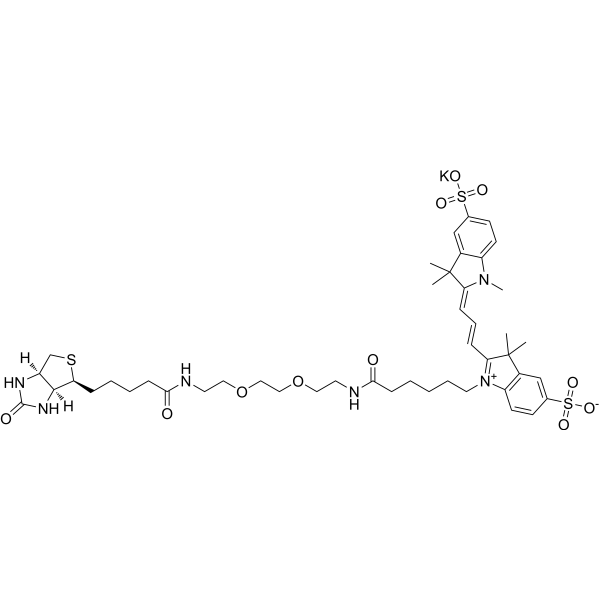
Sulfo-Cy3-PEG3-biotin potassium is a biotin-modified derivative of Cy3 (Cyanine3) (HY-D0822) dye containing a TCO group. The TCO group of Sulfo-Cy3-PEG3-biotin potassium reacts with the tetrazine functional group in highly specific click chemistry to form a covalent bond. Thus, Sulfo-Cy3-PEG3-biotin potassium can be covalently bound to some biomolecules (especially antibodies, proteins, etc.) to track their location and dynamic changes in biological samples. And because it is labeled with biotin, it is often used in affinity chromatography experiments, such as immunoprecipitation.
loading...
    loading...
Cat. No.: HY-177569
NVS1.1 is an orally active, blood-brain barrier-penetrant eRF1 degrader. NVS1.1 induces ubiquitination of eRF1 at Lys279, mediates proteasomal degradation via the E3 ubiquitin ligases RNF14 and RNF25 as well as the translational stress sensor GCN1, traps eRF1 at the ribosomal A-site, inhibits translation termination and triggers ribosome collision. As a readthrough enhancer, NVS1.1 enables near-cognate tRNA incorporation at premature termination codons by reducing intracellular eRF1 levels. NVS1.1 activates ribosome-associated quality control pathways via ribosome collision, including ubiquitination of small subunit ribosomal proteins. NVS1.1 restores functional full-length CFTR and IDUA proteins and reduces glycosaminoglycan accumulation in relevant models. NVS1.1 can be used in the research of cystic fibrosis and Hurler syndrome (mucopolysaccharidosis type I, MPS I) .
loading...
    loading...
Cat. No.: HY-184641
Aminated magnetic microspheres are superparamagnetic magnetic particles with amino functional groups modified on their surface, widely used in biomedical and molecular biology research. This 1μm aminated magnetic microsphere is composed of polystyrene and nano-iron oxide, exhibiting hydrophilicity and good biocompatibility. The aminated magnetic microspheres possess superparamagnetism, fast magnetic response, good monodispersity, ensuring reaction uniformity and detection consistency. The unique rough surface structure and polymer modification give the aminated magnetic microspheres a high amino density, allowing them to covalently couple with bioligands such as peptides, proteins, oligonucleotides, drug molecules, and glycoproteins through the action of special chemical reagents (such as glutaraldehyde). They serve as excellent coating materials and are important carrier tools in medical and biomolecular research.
loading...
    loading...
Cat. No.: HY-W744699
CAS No.: 1438-66-0
Synonyms: (+)-Larixol
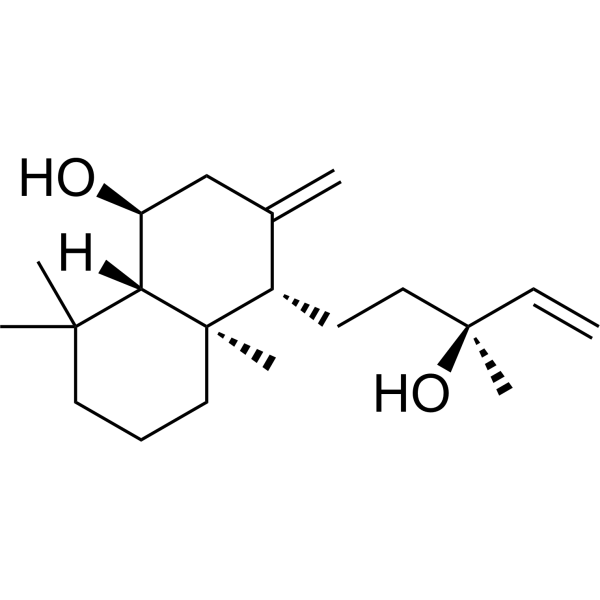
Larixol is an fMLP inhibitor and also inhibits Src kinase, ERK1/2, p38 and AKT phosphorylation signals in immune regulation. Larixol can interfere with the interaction between the βγ subunit of the fMLP receptor Gi protein and its downstream molecules, thereby inhibiting fMLP-induced respiratory burst. Larixol inhibits fMLP (0.1 μM)-induced superoxide anion production (IC50: 1.98 μM), cathepsin G release (IC50: 2.76 μM), and chemotaxis. Larixol improves neutrophil hyperactivation and reduces inflammation or tissue damage. A series of Larixol derivatives were found to have inhibitory effects on FSGS-related TRPC6 functional mutants .
loading...
    loading...
Cat. No.: HY-W745090
CAS No.: 58024-13-8
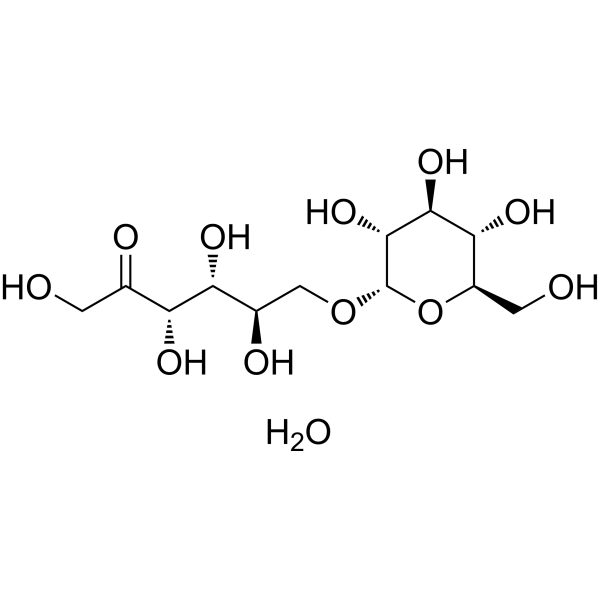
Isomaltulose monohydrate is a fMLP inhibitor and also inhibits Src kinase, ERK1/2, p38 and AKT phosphorylation signals in immune regulation. Isomaltulose monohydrate can interfere with the interaction between the βγ subunit of the fMLP receptor Gi protein and its downstream molecules, thereby inhibiting fMLP-induced respiratory burst. Isomaltulose monohydrate inhibits fMLP (0.1 μM)-induced superoxide anion production (IC50: 1.98 μM) , cathepsin G release (IC< sub>50: 2.76 μM) and chemotaxis. Isomaltulose monohydrate can improve excessive activation of neutrophils and reduce inflammation or tissue damage. A series of derivatives of Isomaltulose monohydrate are found to have inhibitory effects on FSGS-related TRPC6 functional mutants .
loading...
    loading...
Cat. No.: HY-L928
7,106 compounds

G protein-coupled receptors (GPCRs) are membrane proteins in humans and one of the most important targets in drug discovery. Approximately 35% of launched drugs are targeted GPCRs, making them a crucial class of targets in drug discovery.

The orthosteric site of a GPCR is its endogenous ligand’s (such as neurotransmitters or hormones) binding site. This site plays a central role in signal transduction. Small molecules binding to this site typically contain a protonatable amino group, enabling the formation of salt bridges or hydrogen bonds with acidic residues in the binding pocket. In contrast, the allosteric site does not directly initiate signaling but modulates the signal intensity of the GPCR by altering or stabilizing the conformation of the orthosteric site. Small molecules binding to the allosteric site often contain multiple aromatic rings to occupy hydrophobic pockets and achieve their functional effects.

MCE has collected over 7,106 reported bioactive molecules targeting GPCRs, covering Class A, B, and C GPCRs. These small molecules were subjected to AI representation to extract 2D and 3D features. Subsequently, we do screening by AI score based on similarity to identify molecules in diversity library highly similar to the reported bioactive molecules in both 2D and 3D, with a threshold greater than 0.7. Further screening based on cLogP was applied to select molecules with good lipophilicity, which facilitates the binding of small molecules to GPCRs. This diversity library can be widely applied to the discovery of compounds targeting GPCR proteins.

Cat. No.: HY-107580
CAS No.: 306935-41-1
Purity:  99.91%
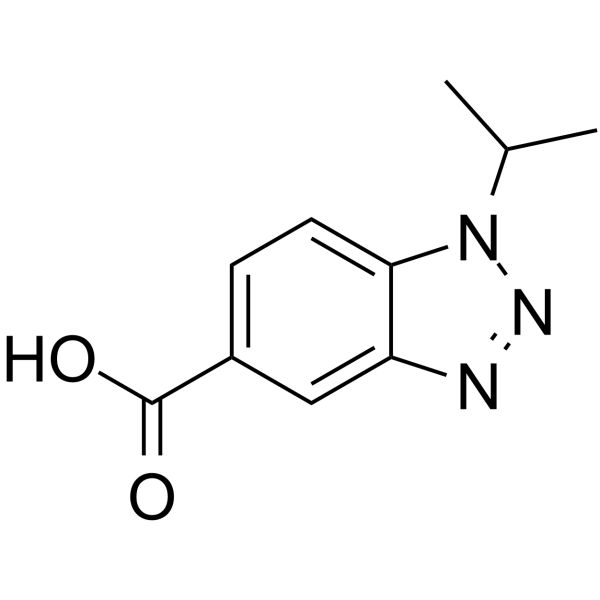
GPR109 receptor agonist-1 is a highly selective agonist of the human orphan G protein-coupled receptor GPR109b, and does not activate the mouse homologous receptor PUMA-G. GPR109 receptor agonist-1 functionally modulates the human GPR109b receptor via the cAMP signaling pathway, with an EC50 of 400 nM. GPR109 receptor agonist-1 inhibits isoproterenol (HY-B0468)-stimulated lipolysis in human subcutaneous adipocytes, with efficacy comparable to that of Niacin (HY-B0143), and does not act on β-adrenergic receptors. GPR109 receptor agonist-1 can be used in studies related to dyslipidemia and atherosclerosis .
loading...
    loading...
Cat. No.: HY-112454
CAS No.: 683775-59-9
Research Areas:  

Cancer

Bisindolylmaleimide III hydrochloride is a protein kinase C (PKC) inhibitor with IC50 values of 0.26, 5.7, and 6 μM against PKCα, PKCδ, and PKCμ, respectively. Bisindolylmaleimide III hydrochloride also exhibits inhibitory activity against other off-targets, with IC50 values of 0.17, 1, and 2 μM against SLK, adenosine kinase (AK), and CDK2, respectively; its Ki for NQO2 is 16.5 μM. Bisindolylmaleimide III hydrochloride selectively binds to activated Rsk1 following EGF stimulation, and serves as a tool for detecting the activation status of intracellular Rsk1 and PKCα, as well as for functional analysis of SLK. Bisindolylmaleimide III hydrochloride can be used in studies of signal transduction and colorectal cancer .
loading...
    loading...
Cat. No.: HY-117578
CAS No.: 131916-69-3
Target:  

Endogenous Metabolite

Research Areas:  

Neurological Disease

KB 5666 is a benzoxazine derivative with lipid peroxidation inhibitory activity. KB 5666 showed protective effects against post-ischemic neuronal death. KB 5666 effectively protected CA1 neurons when injected 5 minutes before or immediately after ischemia. KB 5666 also showed a dose-dependent protective effect when injected within 1 hour after ischemia. KB 5666 effectively prevented the significant decrease in microtubule-associated protein 2 immunoreactivity within the dendritic field of CA1 pyramidal cells. KB 5666 prevented the decrease in [3H]PDBu binding activity in different layers of the CA1 region after ischemia. The application of KB 5666 showed the ability to improve the cellular and functional consequences of ischemia .
loading...
    loading...
Cat. No.: HY-122129S
CAS No.: 2692624-20-5
Dotriaconta-14,17,20,23,26,29-hexaenoic acid-d6 is deuterium labeled Dotriaconta-14,17,20,23,26,29-hexaenoic acid. Very long chain polyunsaturated fatty acids (VLCPUFA) are present in retina, sperm, and brain. Though little is known of their biosynthesis or functional roles in these tissues, recent studies using the elongation of very long-chain FA-4 protein suggest a unique role for VLCPUFA in retinal development and macular degeneration. Dotriaconta-14,17,20,23,26,29-hexaenoic acid is a C32:6 VLCPUFA whose specific biological actions are largely unknown, but are thought to involve normal photoreceptor cell function in the retina .
loading...
    loading...
Cat. No.: HY-153414
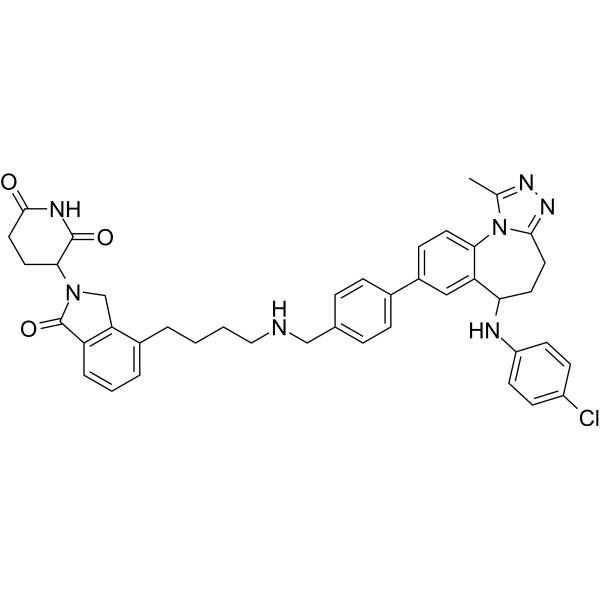
GXF-111 is a BRD3 and BRD4-L PROTAC degrader. Its BD1 and BD2 Ki values against human BRD3 are 11.97 nM and 2.45 nM, respectively. The degradation activity of GXF-111 depends on its binding to BET proteins and Cereblon, as well as the involvement of a functional proteasome. The degradation selectivity of GXF-111 is mainly determined by differences in degradation kinetics and cell types. GXF-111 induces G1 phase cell cycle arrest, downregulates c-Myc expression, upregulates p21 expression, and exhibits antiproliferative activity against a variety of cancer cell lines. GXF-111 can serve as a research tool for cancer-related studies .
loading...
    loading...
Cat. No.: HY-155887
CAS No.: 474922-26-4
Synonyms: DSPE-PEG-NH2, MW 3400 ammonium
Target:  

Liposome

Research Areas:  

Cancer

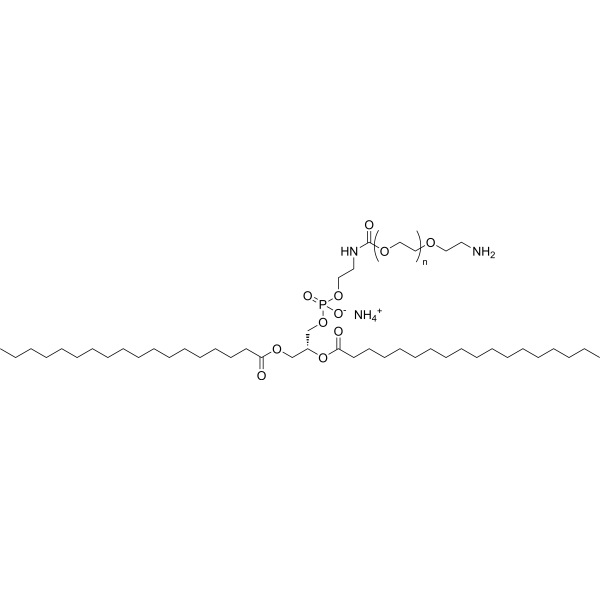
DSPE-PEG-Amine (DSPE-PEG-NH2), MW 3400 ammonium is an amino-functionalized PEGylated phospholipid. It serves not only as a key component for preparing σ receptor-targeted liposomes (such as anisamide-modified lipids) but also as a starting material for synthesizing click chemistry- and tumor-targeted lipids including DSPE-PEG-DBCO (HY-155788) and DSPE-PEG2000-TCO (HY-170704). DSPE-PEG-Amine, MW 3400 ammonium effectively modulates the ζ potential of nanoparticles, enables complexation with nucleic acids or proteins to protect DNA from nuclease degradation, and supports ligand conjugation on the nanoparticle surface. It is used in studies related to DU-145 tumors, breast cancer, and other relevant research .
loading...
    loading...
Cat. No.: HY-164641
CAS No.: 2459994-71-7
Target:  

Orphan GPCR

Research Areas:  

Neurological Disease

GPR34 agonist 1 is a G-protein coupled receptor 34 agonist that enhances fibrillar Aβ uptake in mouse primary microglia with an EC50 of 5 nM .GPR34 agonist 1 selectively activates Gi/o-coupled GPR34, reduces intracellular cyclic adenosine monophosphate levels, and requires functional TREM2 signaling .GPR34 agonist 1 induces microglial Aβ fibril phagocytosis and chemotaxis, enhances microglial uptake and clearance of amyloid β fibrils, and increases microglial Aβ fibril uptake in vivo and in human induced pluripotent stem cell-derived microglia .GPR34 agonist 1 can be used for the research of Alzheimer disease .
loading...
    loading...

