563 Results for "

myocardial hypercontractility

" in MedChemExpress (MCE) Product Catalog:
Products (563)

563 Results for "myocardial hypercontractility" in MCE Product Catalog:

Cat. No.: HY-126133
CAS No.: 340817-81-4
Purity:  99.95%
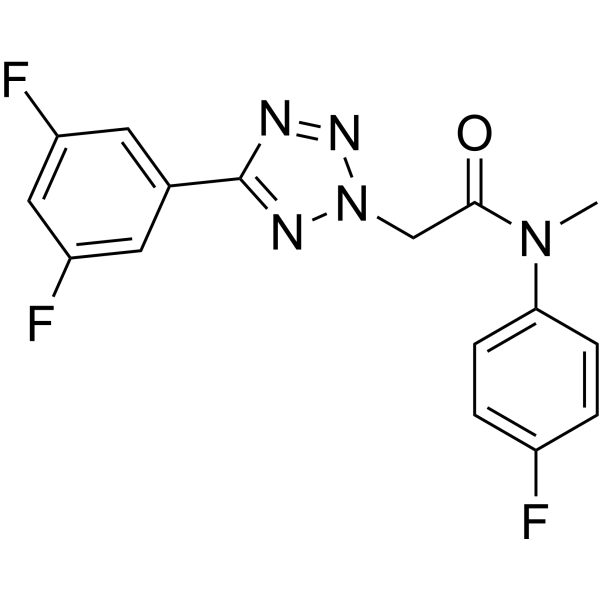
AM-001 is a selective Epac1 inhibitor with an IC50 value of 47.8-53.7 μM. AM-001 blocks cAMP (Cyclic AMP) (HY-B1511)-induced conformational changes of Epac1, inhibits Epac1-dependent activation of Rap1, and does not compete with cAMP for binding to Epac1. AM-001 disrupts the formation of the Epac1-GRK5 complex, blocks nuclear import of GRK5, and inhibits GRK5-mediated nuclear export of HDAC5 and activation of MEF2. AM-001 can be used in research related to heart disease, myocardial ischemia/reperfusion injury, SARS-CoV-2 infection, influenza A virus infection, atrial fibrillation and idiopathic pulmonary fibrosis .
loading...
    loading...
Cat. No.: HY-128483
CAS No.: 536-69-6
Purity:  99.94%
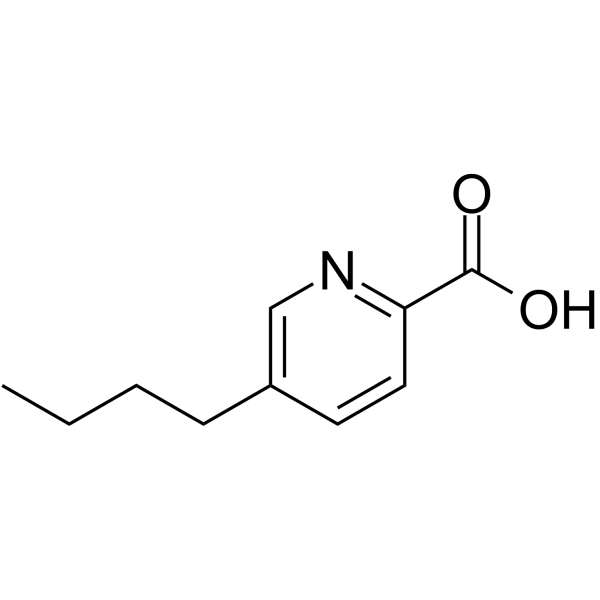
Fusaric acid is an orally active multi-pathway inhibitor with the activity of inducing oxidative stress and apoptosis. Fusaric acid can chelate divalent metal cations, damage mitochondrial membrane structure, and activate apoptosis-related proteases such as Caspase-3/7, -8, and -9. Fusaric acid also regulates Bax/Bcl-2 protein, inhibits fibrosis-related signaling pathways such as NF-κB, TGF-β1/SMADs, and PI3K/AKT/mTOR, and reduces collagen deposition. Fusaric acid is also a dopamine β-hydroxylase inhibitor, which reduces endogenous levels of norepinephrine and epinephrine in the brain, heart, spleen, and adrenal glands. Fusaric acid can play a role in myocardial fibrosis and improve cardiac hypertrophy in heart disease, and can also be used in the study of esophageal cancer and liver cancer .
loading...
    loading...
Cat. No.: HY-149662
CAS No.: 2681302-83-8
Purity:  99.92%
Research Areas:  

Cardiovascular Disease

TMDJ-035 is a high-affinity, selective RyR2 inhibitor with an EC50 of 0.0130 μM. TMDJ-035 reduces RyR2 protein expression without affecting action potential-induced Ca 2+ transients. TMDJ-035 decreases ATP content and intracellular Ca 2+ levels. TMDJ-035 inhibits arrhythmias in a CPVT mouse model carrying mutant RyR2s. TMDJ-035 has no effect on electrocardiogram parameters or cardiac systolic function. TMDJ-035 exacerbates heart failure in mouse myocardial infarction models and hypoxic cardiomyocytes by altering cardiac function, causing tissue damage, promoting inflammatory infiltration, collagen deposition, and changes in Myosin heavy chain/actin expression. TMDJ-035 can be used in studies related to heart failure, catecholaminergic polymorphic ventricular tachycardia, and arrhythmias .
loading...
    loading...
Cat. No.: HY-177204
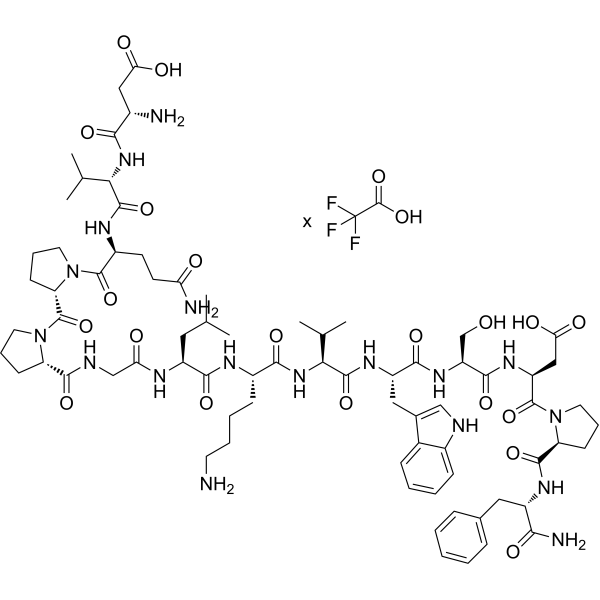
DSPE-PEG2000-WLSEAGPVVTVRALRGTGSW is a polypeptide targeting tenascin-X (Tenascin-X) that can be conjugated with liposomes and exosomes. DSPE-PEG2000-WLSEAGPVVTVRALRGTGSW specifically binds to Tenascin-X on the surface of cardiomyocytes, mediates receptor-dependent uptake of nanocarriers, enhances targeted drug delivery of cargo to cardiomyocytes, and increases drug accumulation in cardiac tissue. DSPE-PEG2000-WLSEAGPVVTVRALRGTGSW protects cardiomyocytes treated with LPS, alleviates oxidative stress, repairs mitochondrial function, inhibits ferroptosis and apoptosis, and downregulates the secretion of pro-inflammatory cytokines at the same time. DSPE-PEG2000-WLSEAGPVVTVRALRGTGSW improves cardiac injury and pathological morphology in mice with sepsis-induced cardiomyopathy, restores GPX4 expression, and promotes the internalization of cardiomyocyte-derived exosomes, making it suitable for related research on sepsis-induced cardiomyopathy, myocardial ischemia-reperfusion injury, and other conditions .
loading...
    loading...
Cat. No.: HY-B1067AR
CAS No.: 91-75-8
Synonyms: Phenazoline (Standard)
Antazoline (Phenazoline) (Standard) is the analytical standard of Antazoline. This product is intended for research and analytical applications. Antazoline is a histamine H1 receptor antagonist with anticholinergic and antiviral properties. Antazoline can prevent histamine from acting on target cells through a reversible competition effect on histamine receptor sites of these cells. Antazoline can exert an antiallegic effect and prevent the occurrence of physiological reactions from the effect of blocking as well as inhibiting H1 receptor. Antazoline can effectively reduce HBV DNA in the extracellular supernatant in a dose-dependent manner, with EC50 of 2.910 μmol/L in HepAD38 cells. Antazoline also has a significant inhibitory effect on HBV DNA in the extracellular supernatant of Huh7 cells (EC50 = 2.349 μmol/L). Antazoline has anti-arrhythmic effect in acute myocardial infarctions. Antazoline can be studied in research for cardiovascular diseases, and HBV .
loading...
    loading...
Cat. No.: HY-B1067BR
CAS No.: 154-68-7
Synonyms: Phenazoline phosphate (Standard)
Antazoline (phosphate) (Standard) is the analytical standard of Antazoline (phosphate). This product is intended for research and analytical applications. Antazoline phosphate is a histamine H1 receptor antagonist with anticholinergic and antiviral properties. Antazoline phosphate can prevent histamine from acting on target cells through a reversible competition effect on histamine receptor sites of these cells. Antazoline phosphate can exert an antiallegic effect and prevent the occurrence of physiological reactions from the effect of blocking as well as inhibiting H1 receptor. Antazoline phosphate can effectively reduce HBV DNA in the extracellular supernatant in a dose-dependent manner, with EC50 of 2.910 μmol/L in HepAD38 cells. Antazoline phosphate also has a significant inhibitory effect on HBV DNA in the extracellular supernatant of Huh7 cells (EC50 = 2.349 μmol/L). Antazoline phosphate has anti-arrhythmic effect in acute myocardial infarctions. Antazoline phosphate can be studied in research for cardiovascular diseases, and HBV .
loading...
    loading...
Cat. No.: HY-B1067R
CAS No.: 2508-72-7
Synonyms: Phenazoline hydrochloride (Standard)
Antazoline (hydrochloride) (Standard) is the analytical standard of Antazoline (hydrochloride). This product is intended for research and analytical applications. Antazoline hydrochloride is a histamine H1 receptor antagonist with anticholinergic and antiviral properties. Antazoline hydrochloride can prevent histamine from acting on target cells through a reversible competition effect on histamine receptor sites of these cells. Antazoline hydrochloride can exert an antiallegic effect and prevent the occurrence of physiological reactions from the effect of blocking as well as inhibiting H1 receptor. Antazoline hydrochloride can effectively reduce HBV DNA in the extracellular supernatant in a dose-dependent manner, with EC50 of 2.910 μmol/L in HepAD38 cells. Antazoline hydrochloride also has a significant inhibitory effect on HBV DNA in the extracellular supernatant of Huh7 cells (EC50 = 2.349 μmol/L). Antazoline hydrochloride has anti-arrhythmic effect in acute myocardial infarctions. Antazoline hydrochloride can be studied in research for cardiovascular diseases, and HBV .
loading...
    loading...
Cat. No.: HY-B1900R
CAS No.: 2921-57-5
Synonyms: Methylprednisolone hydrogen succinate (Standard)
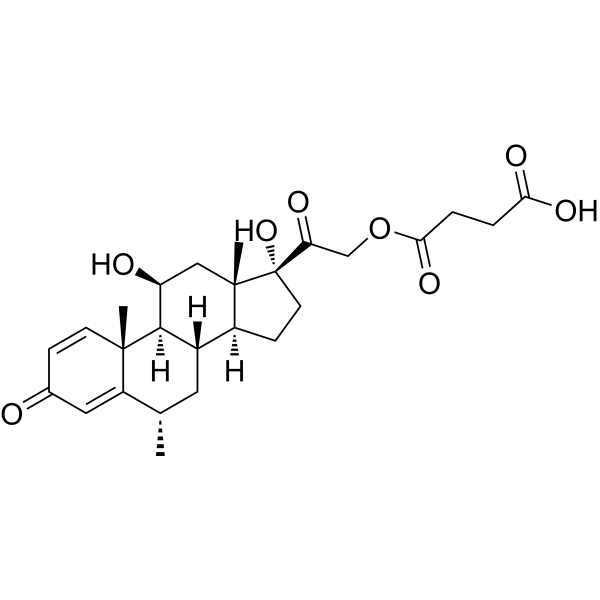
Methylprednisolone succinate (Standard) is the analytical standard of Methylprednisolone succinate (HY-B1900). This product is intended for research and analytical applications. Methylprednisolone succinate (Methylprednisolone hydrogen succinate) is a prodrug of Methylprednisolone (HY-B0260) and glucocorticoid with immunosuppressant and anti-inflammatory activity. Methylprednisolone succinate binds cytosolic glucocorticoid receptors, translocates to nuclei, and modulates target gene transcription. Methylprednisolone succinate alters Bax, Bcl-2, occludin, and ZO-1 expression; attenuates TLR4/NF-κB signaling; suppresses proinflammatory cytokine production and immune cell activation. Methylprednisolone succinate can be used for the research of intracranial haemorrhage, rheumatoid arthritis, multiple sclerosis, preterminal cancer, inflammatory conditions, shock, immediate-type hypersensitivity, acute myocardial ischemia, hypoxic heart muscle damage, and traumatic spinal cord injury .
loading...
    loading...
Cat. No.: HY-N9362R
CAS No.: 491-60-1
Synonyms: EmodAN (Standard)
Pro-xylane (Standard) is the analytical standard of Pro-xylane. This product is intended for research and analytical applications. Emodinanthrone (EmodAn) is a MARCH7 stabilizer that inhibits ferroptosis (EC50=70 nM). Emodinanthrone is also a precursor to Emodin (HY-14393) and possesses antibiotic activity. Emodinanthrone directly binds to MARCH7 and blocks its ubiquitination-mediated degradation at the K608 site; this action enhances MARCH7-mediated K48 ubiquitination and degradation of NCOA4, as well as its regulation of the intracellular localization of TFR1 via K63 ubiquitination, thereby reducing the intracellular labile iron pool and blocking ferroptosis. Emodinanthrone demonstrates in vivo cardioprotective effects and exhibits a favorable safety profile. Emodinanthrone is applicable to research on ferroptosis-related cardiovascular diseases, including Doxorubicin (HY-15142A)-induced cardiomyopathy and myocardial ischemia-reperfusion injury .
loading...
    loading...
Cat. No.: HY-W153159R
CAS No.: 13062-76-5
N-Methyltyramine (hydrochloride) (Standard) is the analytical standard of N-Methyltyramine (hydrochloride) (HY-W153159). This product is intended for research and analytical applications. N-Methyltyramine hydrochloride is an orally active α2-adrenoreceptor antagonist with an IC50 value of 5.53 μM against rat targets. N-Methyltyramine hydrochloride blocks α2-adrenoreceptors, while inhibiting lipolysis, hyperactivity responses and small intestinal peristalsis in mice. N-Methyltyramine hydrochloride promotes gastrin release and pancreatic juice secretion, upregulates appetite, blood pressure, myocardial contraction frequency and contraction intensity, and increases renal blood flow, renal vascular resistance and mean peripheral arterial resistance. N-Methyltyramine hydrochloride relaxes mouse small intestinal smooth muscle and undergoes biotransformation in vivo to produce adrenaline. N-Methyltyramine hydrochloride can be used in studies related to gastrointestinal diseases .
loading...
    loading...
Cat. No.: HY-W153897R
CAS No.: 370-98-9
N-Methyltyramine (Standard) is the analytical standard of N-Methyltyramine (HY-W153897). This product is intended for research and analytical applications. N-Methyltyramine is an orally active α2-adrenoreceptor antagonist with an IC50 value of 5.53 μM against rat targets. N-Methyltyramine blocks α2-adrenoreceptors, while inhibiting lipolysis, hyperactivity responses and small intestinal peristalsis in mice. N-Methyltyramine promotes gastrin release and pancreatic juice secretion, upregulates appetite, blood pressure, myocardial contraction frequency and contraction intensity, and increases renal blood flow, renal vascular resistance and mean peripheral arterial resistance. N-Methyltyramine relaxes mouse small intestinal smooth muscle and undergoes biotransformation in vivo to produce adrenaline. N-Methyltyramine can be used in studies related to gastrointestinal diseases .
loading...
    loading...
Cat. No.: HY-W996116
CAS No.: 1933460-23-1
AZM198 is an orally active myeloperoxidase (MPO) inhibitor. AZM198 irreversibly inactivates MPO (IC50=0.015 μM) via covalent binding to the heme prosthetic group, preferentially targets extracellular MPO activity, and reduces neutrophil extracellular trap formation, reactive oxygen species production and degranulation. AZM198 increases the fibrous cap thickness of atherosclerotic plaques, reduces lesion area, ameliorates hepatic steatosis and fibrosis in non-alcoholic steatohepatitis, and alleviates proteinuria and inflammatory infiltration associated with glomerulonephritis. AZM198 also decreases circulating levels of high-sensitivity Cardiac Troponin I and IL-1β, and mitigates endothelial cell injury. Therefore, AZM198 is suitable for research on various MPO-related diseases, including atherosclerotic cardiovascular disease, myocardial infarction, ischemic stroke, non-alcoholic steatohepatitis and crescentic glomerulonephritis .
loading...
    loading...
Cat. No.: HY-Y1322
CAS No.: 115-86-6
Triphenyl phosphate is an orally active, blood-brain barrier-permeable aryl organophosphate flame retardant and endocrine disruptor. Triphenyl phosphate disrupts mitochondrial dynamic balance through oxidative stress, induces excessive mitophagy and apoptosis, and ultimately leads to myocardial fibrosis. In the brain, Triphenyl phosphate activates the NF-κB inflammatory pathway by disrupting the gut microbiota, alters tryptophan metabolism and elevates neurotoxins, thereby inducing anxiety- and depression-like behaviors. In the skeletal and reproductive systems, Triphenyl phosphate inhibits osteoblast differentiation and induces germ cell apoptosis by suppressing the MAPK/ERK pathway and activating the JNK signal, respectively. In adipose and placental tissues, Triphenyl phosphate promotes lipid accumulation by activating the PI3K/AKT-PPARγ axis, and disrupts placental metabolism via the MAOA/ROS/NF-κB cascade, impairing neurodevelopment of offspring .
loading...
    loading...
Cat. No.: HY-Y1322S
CAS No.: 1173020-30-8
Synonyms: Celluflex TPP-d15; DHPF 005-d15; Disflamol TP-d15; Disflamoll TP-d15; NSC 57868-d15; Phenyl phosphate ((PhO)3PO)-d15; Phoscon FR 903N-d15
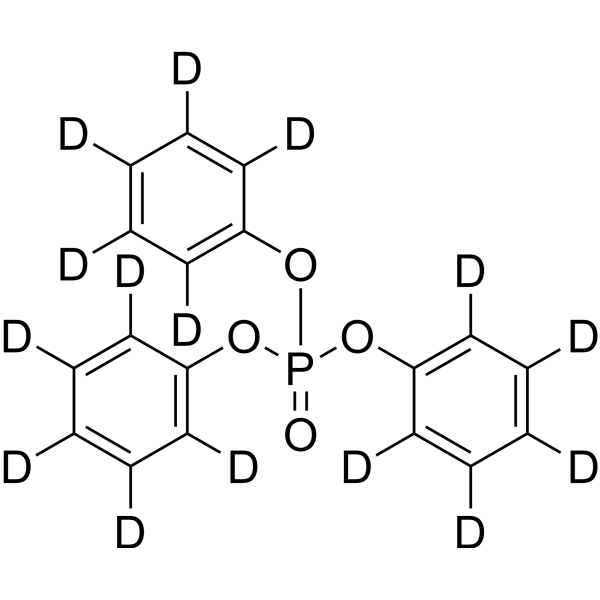
Triphenyl phosphate-d15 is the deuterium labeled Triphenyl phosphate. Triphenyl phosphate is an orally active, blood-brain barrier-permeable aryl organophosphate flame retardant and endocrine disruptor. Triphenyl phosphate disrupts mitochondrial dynamic balance through oxidative stress, induces excessive mitophagy and apoptosis, and ultimately leads to myocardial fibrosis. In the brain, Triphenyl phosphate activates the NF-κB inflammatory pathway by disrupting the gut microbiota, alters tryptophan metabolism and elevates neurotoxins, thereby inducing anxiety- and depression-like behaviors. In the skeletal and reproductive systems, Triphenyl phosphate inhibits osteoblast differentiation and induces germ cell apoptosis by suppressing the MAPK/ERK pathway and activating the JNK signal, respectively. In adipose and placental tissues, Triphenyl phosphate promotes lipid accumulation by activating the PI3K/AKT-PPARγ axis, and disrupts placental metabolism via the MAOA/ROS/NF-κB cascade, impairing neurodevelopment of offspring.
loading...
    loading...
Cat. No.: HY-106103
CAS No.: 81377-02-8
Purity:  99.30%
Synonyms: MK-678; L-363586
Seglitide (MK-678) is an orally active, selective SSTR2 agonist and somatostatin analog. Seglitide also acts as a competitive Somatostatin receptor antagonist, with pA2 values of 6.50, 6.24 and 6.09 against SS14, SS25 and SS28, respectively. Seglitide produces only weak, transient inhibition of myocardial contractility in isolated right atria of guinea pigs. Seglitide inhibits glucagon secretion and reduces circulating insulin levels. Seglitide causes a sustained, reversible reduction in elevated systolic blood pressure in streptozotocin (HY-13753)-induced diabetic rats, but exerts no effect on spontaneously hypertensive rats. Seglitide induces membrane hyperpolarization and inhibits electrical excitability. Seglitide induces concentration-dependent contraction and significant desensitization in isolated distal colon of rats. Seglitide can be used in research related to hypertension complicated with insulin-dependent diabetes mellitus .
loading...
    loading...
Cat. No.: HY-128483R
CAS No.: 536-69-6
Fusaric acid (Standard) is the analytical standard of Fusaric acid (HY-128483). This product is intended for research and analytical applications. Fusaric acid is an orally active multi-pathway inhibitor with the activity of inducing oxidative stress and apoptosis. Fusaric acid can chelate divalent metal cations, damage mitochondrial membrane structure, and activate apoptosis-related proteases such as Caspase-3/7, -8, and -9. Fusaric acid also regulates Bax/Bcl-2 protein, inhibits fibrosis-related signaling pathways such as NF-κB, TGF-β1/SMADs, and PI3K/AKT/mTOR, and reduces collagen deposition. Fusaric acid is also a dopamine β-hydroxylase inhibitor, which reduces endogenous levels of norepinephrine and epinephrine in the brain, heart, spleen, and adrenal glands. Fusaric acid can play a role in myocardial fibrosis and improve cardiac hypertrophy in heart disease, and can also be used in the study of esophageal cancer and liver cancer .
loading...
    loading...
Cat. No.: HY-B1067B
CAS No.: 154-68-7
Synonyms: Phenazoline phosphate
Target:  

Histamine Receptor

Research Areas:  

Neurological Disease Endocrinology

Antazoline phosphate is an H1 receptor antagonist that affects the activity of the central nervous system, has a potent antiarrhythmic effect . Antazoline phosphate is a histamine H1 receptor antagonist with anticholinergic and antiviral properties. Antazoline phosphate can prevent histamine from acting on target cells through a reversible competition effect on histamine receptor sites of these cells. Antazoline phosphate can exert an antiallegic effect and prevent the occurrence of physiological reactions from the effect of blocking as well as inhibiting H1 receptor. Antazoline phosphate can effectively reduce HBV DNA in the extracellular supernatant in a dose-dependent manner, with EC50 of 2.910 μmol/L in HepAD38 cells. Antazoline phosphate also has a significant inhibitory effect on HBV DNA in the extracellular supernatant of Huh7 cells (EC50 = 2.349 μmol/L). Antazoline phosphate has anti-arrhythmic effect in acute myocardial infarctions. Antazoline phosphate can be studied in research for cardiovascular diseases, and HBV .
loading...
    loading...
Cat. No.: HY-N0806R
CAS No.: 14215-86-2
Sweroside (Standard) is the analytical standard of Sweroside (HY-N0806). This product is intended for research and analytical applications. Sweroside is an iridoid glycoside that targets multiple targets, including the Keap1/Nrf2 axis, NLRP3 inflammasome, SIRT1, NF-κB, AMPK/mTOR pathway, and caspase family. Sweroside promotes Nrf2 nuclear translocation by competitively binding to Keap1. Sweroside also inhibits oxidative stress and NLRP3-mediated pyroptosis by activating Nrf2, inhibits NF-κB inflammatory pathway by activating SIRT1, and promotes autophagy and induces caspase-dependent apoptosis via the AMPK/mTOR pathway. Sweroside has antioxidant, anti-inflammatory, anti-apoptotic, and lipid metabolism regulating activities, and can be used in the research of myocardial ischemia-reperfusion injury, leukemia, acute lung injury, non-alcoholic fatty liver disease, and other fields .
loading...
    loading...
Cat. No.: HY-N20708
CAS No.: 89353-99-1
Chiisanogenin is an orally active triterpenoid. Chiisanogenin reduces postprandial blood glucose by promoting GLUT4 translocation and glucose uptake via activation of the IRS-1/PI3K/Akt signaling pathway. Chiisanogenin binds to MLKL and inhibits its phosphorylation and oligomerization, maintains lysosomal integrity, restores autophagic flux, and suppresses NLRP3 inflammasome activation and pyroptosis. Chiisanogenin inhibits xanthine oxidase activity and regulates oxidative stress and ion pump activity. Chiisanogenin binds to or inhibits PKA, H +/K +-ATPase and β-glucuronidase. Chiisanogenin possesses multiple pharmacological activities, including broad-spectrum antibacterial activity, anticancer, anti-inflammatory, antirheumatic, renoprotective, cardioprotective and antiarrhythmic effects. Chiisanogenin can be used in research related to type 2 diabetes, rheumatoid arthritis, myocardial injury, hepatocellular carcinoma and ventricular arrhythmia .
loading...
    loading...
Cat. No.: HY-P5762A
Synonyms: PNX-14 TFA
Phoenixin-14 (PNX-14) TFA is an endogenous neuropeptide with multiple biological activities, and serves as the endogenous ligand of GPR173. Phoenixin-14 TFA reduces ROS production by inhibiting the HMGB1/TLR4/MyD88/NF-κB signaling axis, thereby exerting antioxidant and mitochondrial protective effects. Phoenixin-14 TFA inhibits FOXO3 phosphorylation by upregulating SIRT3 expression, suppresses apoptosis, and improves myocardial systolic/diastolic function. Phoenixin-14 TFA resists ferroptosis by activating the ATF4/SLC7A11/GPX4 axis; it activates ERK1/2 phosphorylation via GPR173. Phoenixin-14 TFA can be used in researches on neuroprotection, diabetes, cardiomyopathy, reproductive protection and so on .
loading...
    loading...

