

416 Results for "

Additive

" in MedChemExpress (MCE) Product Catalog:
Products (416)

416 Results for "Additive" in MCE Product Catalog:

1
1 Cited Publications
Cat. No.: HY-B2221
CAS No.: 9004-34-6
Synonyms: Pectin glycosidase
Cellulose (Pectin glycosidase) is a natural high molecular weight polysaccharide found in many plants and organisms. It is widely used in manufacturing industries, such as in paper making, textiles, food and medicine, etc. As a renewable resource, Cellulose is biodegradable and sustainable, and can also be used to manufacture chemicals such as Cellulose Esters, Cellulose Acetate and Cellulose Nitrate. In addition, Cellulose is often used as a food additive to increase the stability and quality of food.
loading...
    loading...
1
1 Cited Publications
Cat. No.: HY-15349
CAS No.: 149488-17-5
Purity:  98.62%
Synonyms: LY300046
Research Areas:  

Infection

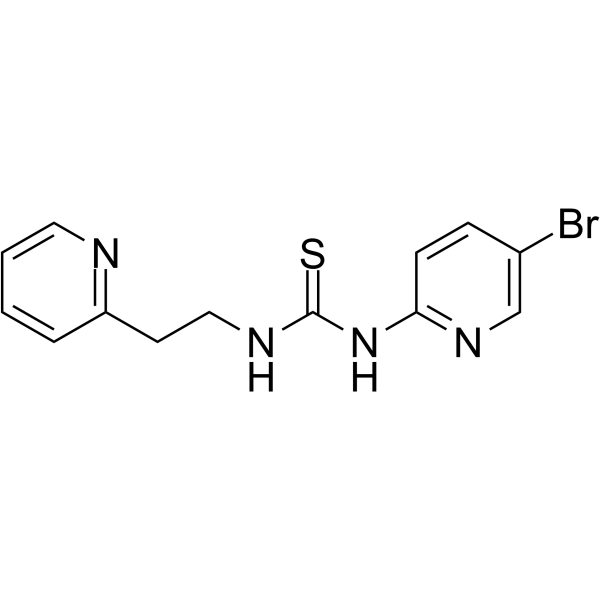
Trovirdine (LY300046) is a selective non-nucleoside HIV-1 reverse transcriptase inhibitor, with an IC50 value of 0.012 μM against the wild-type enzyme. Trovirdine inhibits the replication of both wild-type and mutant HIV-1, and exerts synergistic or additive effects when combined with some antiviral drugs. Trovirdine is applicable to research related to HIV-1 infection .
loading...
    loading...
1
1 Cited Publications
Cat. No.: HY-108309
CAS No.: 1984-15-2
Purity:  ≥98.0%
Synonyms: Methylenediphosphonic acid
Research Areas:  

Others

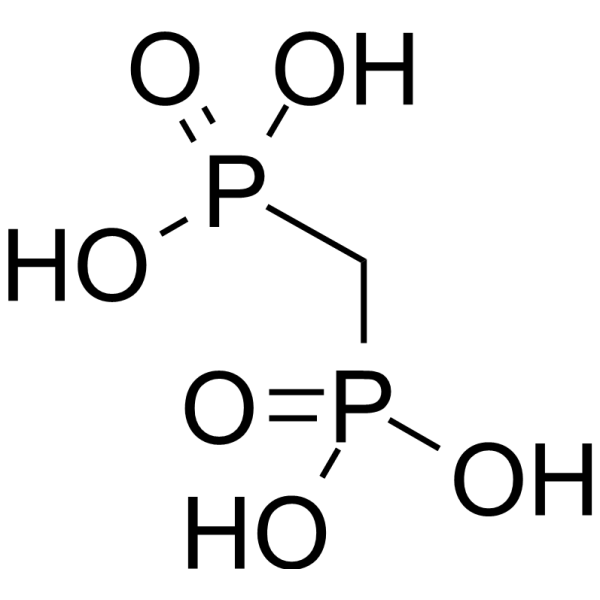
Medronic acid (Methylenediphosphonic acid) is a methylene-substituted bisphosphonate. Medronic acid has an affinity for the surface of hydroxyapatite crystals in the bone matrix and adheres to them. Medronic acid can be used in complex with radioisotopes in bone imaging. Due to its strong metal chelating ability, medronic acid is also used as a water treatment chemical. In addition, medronic acid is used as a solvent additive to improve peak shape and signal of metal-sensitive metabolites in LC/MS analysis .
loading...
    loading...
1
1 Cited Publications
Cat. No.: HY-B1004
CAS No.: 148-01-6
Synonyms: Zoalene
Research Areas:  

Infection

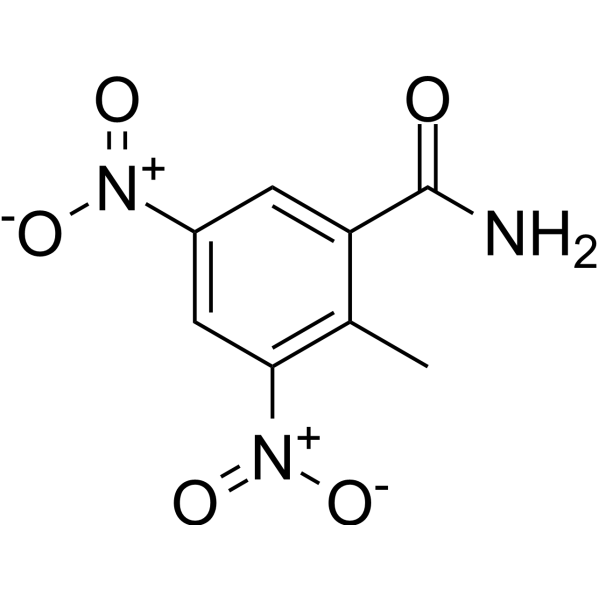
Dinitolmide (Zoalene) is an orally active anticoccidial agent used as a fodder additive. Dinitolmide has a wide anticoccidial spectrum with no effect on host immunity. Dinitolmide mainly acts on the first generation merozoite stage of coccidia and also has an inhibitory effect on the sporulation process of oocysts. Dinitolmide has anti-Toxoplasma gondii effect in vitro with an EC50 of 3.625 μg/mL. Dinitolmide can be used to inhibits infections caused by Eimeria tenella .
loading...
    loading...
1
1 Cited Publications
Cat. No.: HY-Y0546
CAS No.: 119-61-9
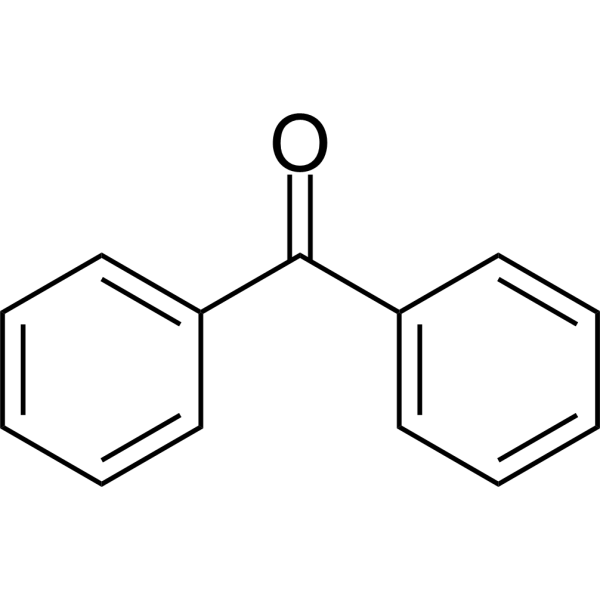
Benzophenone is an endogenous metabolite. Benzophenone is a photosensitizer, that absorbs UV light, transfers its energy to DNA, and triggers DNA damage. Benzophenone can be used as the fragrance enhancer, ultraviolet curing agent, additive in plastics, or the flavor ingredient. Benzophenone can also be used in the manufacturing of insecticides, agricultural chemicals, hypnotics, antihistamines, and other pharmaceuticals. Benzophenone exhibits certain carcinogenicity in mouse/rat models under long term exposure. Benzophenone exhibits estrogenic activity .
loading...
    loading...
1
1 Cited Publications
Cat. No.: HY-Y0543
CAS No.: 620-02-0
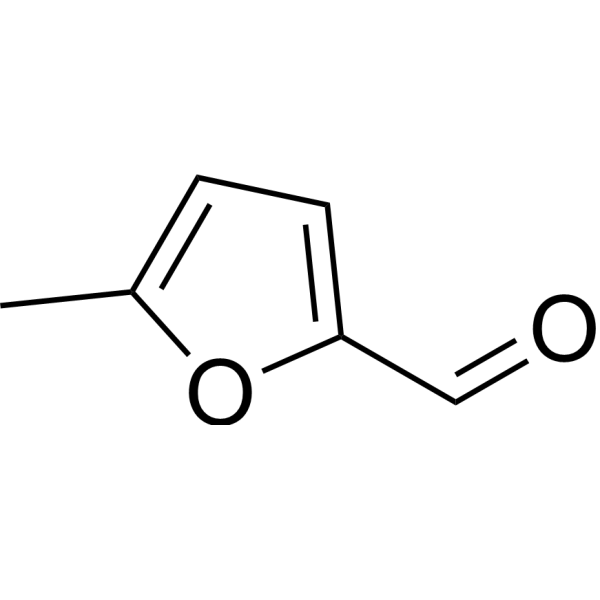
5-Methylfurfural is a chemical that can be utilized as food additive, intermediate in the production of agrochemicals, and precursor of certain anti-cancer natural products. 5-Methylfurfural is formed during the photoexposition of ranitidine hydrochloride. 5-Methylfurfural is an organic compound. 5-Methylfurfural has a strong tendency to be further hydrogenated to 2,5-dimethylfuran (DMF). 5-Methylfurfural can predominantly evoke skin inflammation and barrier disintegration. 5-Methylfurfural degrades native DNA through the formation of single-strand breaks .
loading...
    loading...
1
1 Cited Publications
Cat. No.: HY-123581
CAS No.: 81810-66-4
Purity:  98.00%
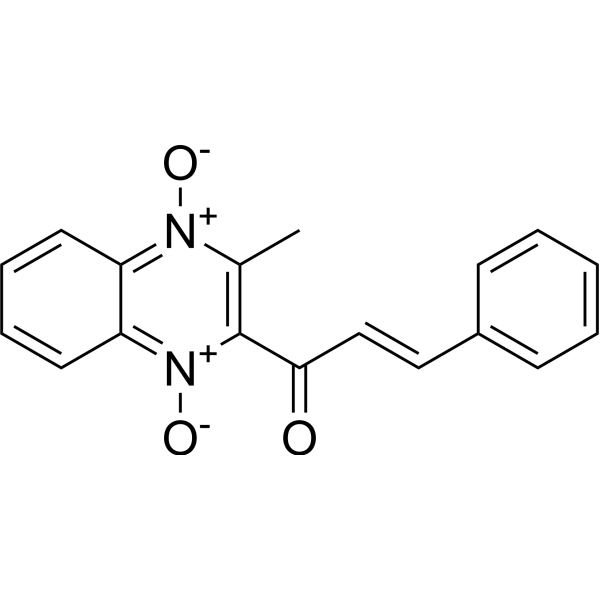
Quinocetone is an orally active animal feed additive used to increase the meat production of livestock and poultry. Quinocetone exhibits antibacterial activity against a variety of pathogenic microorganisms. Quinocetone exhibits tissue-specific (liver, lymphocyte) toxicity. Quinocetone induces autophagy in cells through the ATF6/DAPK1 pathway. Quinocetone activates the NF-κB and iNOS pathways, leading to cell apoptosis, hepatocyte vacuolar degeneration and fibrosis. Quinocetone can inhibit Nrf2/HO-1 and induce the generation of reactive oxygen species (ROS), leading to oxidative stress and DNA damage .
loading...
    loading...
1
1 Cited Publications
Cat. No.: HY-W021448
CAS No.: 352-97-6
Synonyms: Guanidinoacetic acid
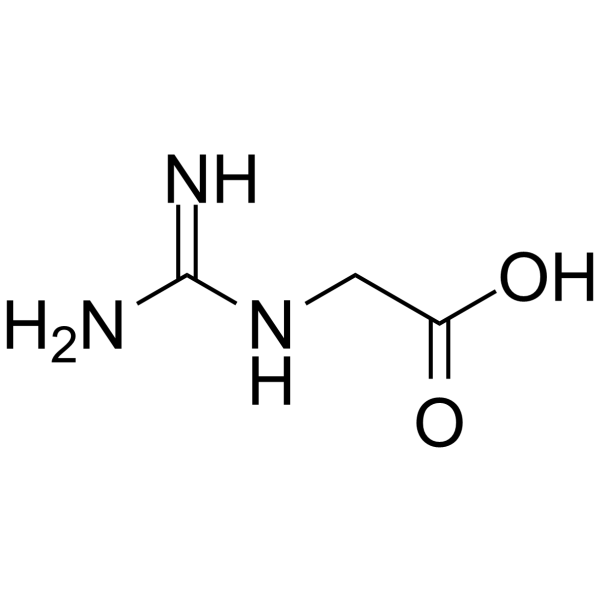
Glycocyamine (Guanidinoacetic acid) is a direct precursor of creatine and an orally active energy metabolism regulator and myogenic differentiation inducer. Glycocyamine can activate the Akt/mTOR/S6K signaling pathway via miR-133a-3p and miR-1a-3p, and stimulate the mRNA expression of myogenic differentiation factor 1 (MyoD) and myopoietin (MyoG). Glycocyamine can increase muscle creatine concentration and maintain ATP homeostasis through the creatine phosphate/creatine kinase system. Glycocyamine can be used in research on feed additives for poultry farming .
loading...
    loading...
1
1 Cited Publications
Cat. No.: HY-Y0395
CAS No.: 25487-66-5
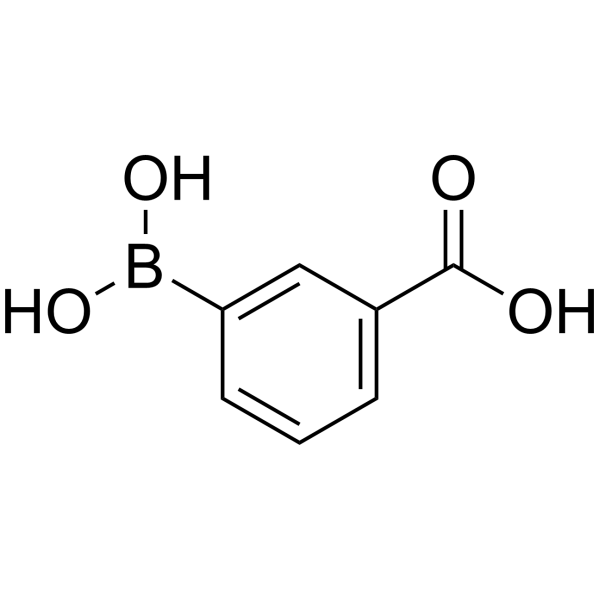
3-Carboxyphenylboronic acid is a biochemical reagent with multiple functions including nanoparticle enhancement, perovskite passivation, fluorescence quenching, and adhesion. 3-Carboxyphenylboronic acid improves tumor penetration and pulmonary retention of nanoparticles, and serves as a tumor-targeting ligand for carboxymethyl chitosan nanoparticles. 3-Carboxyphenylboronic acid optimizes film crystallization via coordinate chelation of free lead/iodide ions in perovskites. 3-Carboxyphenylboronic acid acts as an additive for n-i-p perovskite solar cells. Conjugation of 3-Carboxyphenylboronic acid with PPEG8 quenches the near-infrared fluorescence of single-walled carbon nanotubes, enabling aqueous dispersion of carbon nanotubes through binding to the diol structure of saccharides .
loading...
    loading...
1
1 Cited Publications
Cat. No.: HY-153228
CAS No.: 2713437-86-4
Purity:  96.73%
Synonyms: PBI-0451
Target:  

SARS-CoV

Research Areas:  

Infection

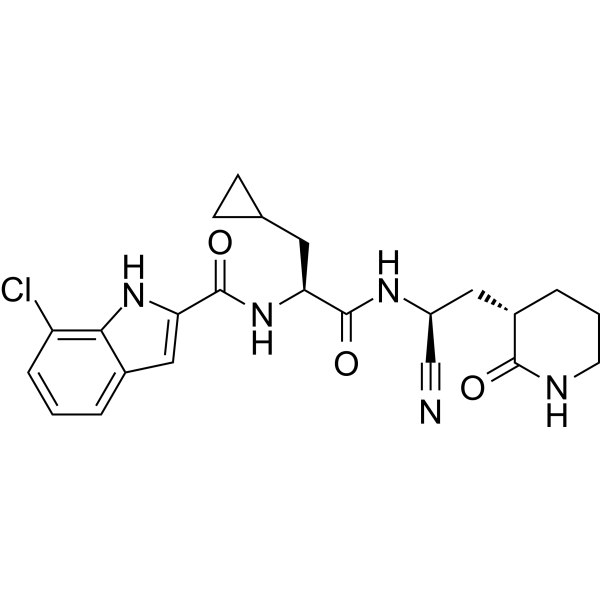
Pomotrelvir is a selective, competitive, orally active covalent inhibitor of the SARS-CoV-2 main protease (M pro), with an IC50 of 24 nM for wild-type SARS-CoV-2 M pro. Pomotrelvir inhibits viral polyprotein processing, thereby preventing viral replication. Pomotrelvir has shown broad antiviral activity against multiple SARS-CoV-2 variants (including Omicron) in cell-based experiments, and has an additive effect when combined with nucleoside analogs that target viral RNA synthesis. Pomotrelvir is primarily used for the research and development of COVID-19 antiviral drugs, especially for infections caused by SARS-CoV-2 and its variants .
loading...
    loading...
Cat. No.: HY-128448
CAS No.: 3567-69-9
Purity:  ≥98.0%
Synonyms: Azorubine; Acid Red 14; E122
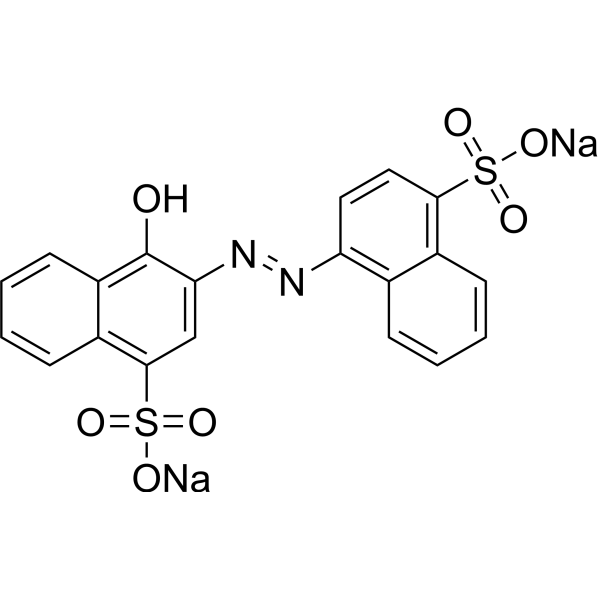
Carmoisine (Azorubine) is an azo dye that can be used as a food additive .
loading...
    loading...
Cat. No.: HY-W133982
CAS No.: 66071-94-1
Corn steep liquor, a food industrial by-product, is a nutritional additive in the liquid culture medium of fungus. Corn steep liquor can increase the production of fairy chemicals and mycelia .
loading...
    loading...
Cat. No.: HY-N8573
CAS No.: 555-10-2
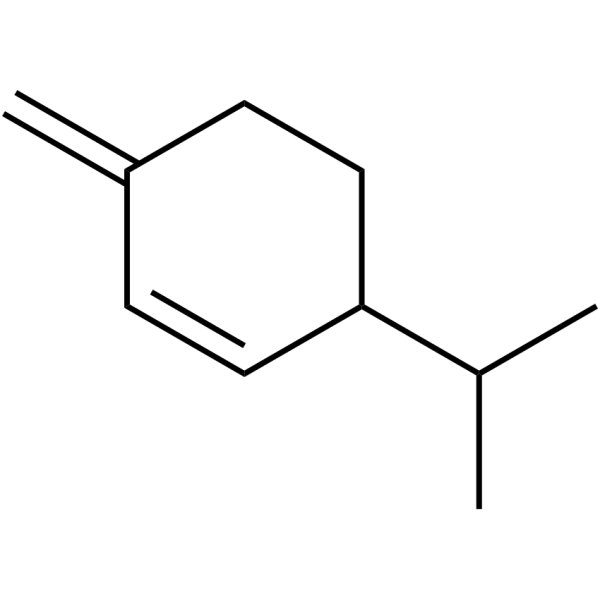
β-phellandrene is an orally active monocyclic monoterpenes. β-Phellandrene is obtained from Carum petroselinum. β-phellandrene has strong ability to kill pest. β-phellandrene can be used as oil additives, natural pesticides and synthetic materials .
loading...
    loading...
Cat. No.: HY-41456
CAS No.: 3849-21-6
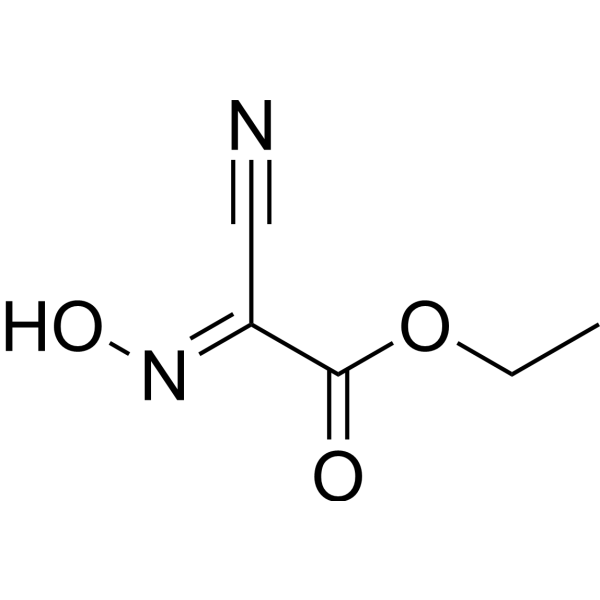
Ethyl 2-cyano-2-(hydroxyimino) acetate (Oxyma) is a peptide coupling additive. Ethyl 2-cyano-2-(hydroxyimino) acetate suppresses racemization during peptide coupling and improves the coupling efficiency of both solution-phase and solid-phase peptide synthesis .
loading...
    loading...
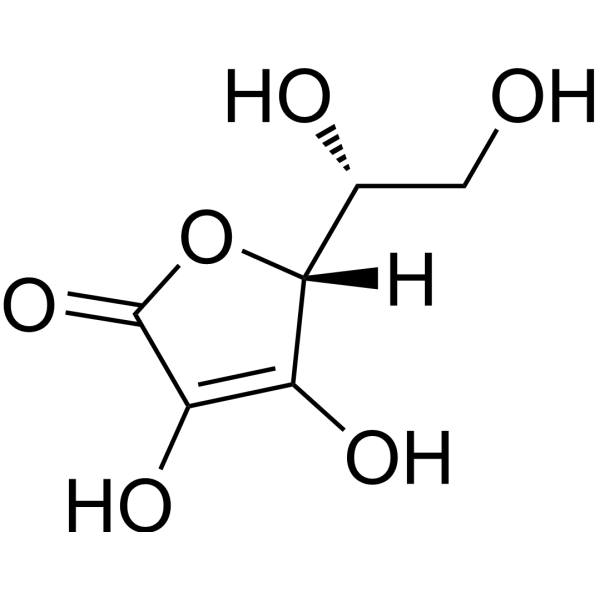
Cat. No.: HY-N7079
CAS No.: 89-65-6
Synonyms: D-Isoascorbic acid; D-Araboascorbic acid
Erythorbic acid is an orally active compound. Erythorbic acid improves the radiation resistance of Listeria monocytogenes. Erythorbic acid can react with free radicals and reduce oxidative damage. Erythorbic acid has weak antiscorbic activity. Erythorbic acid can prevent oxidative discoloration in meat products .
loading...
    loading...
Cat. No.: HY-126437E
CAS No.: 25988-63-0
Poly-L-lysine hydrobromide (with a molecular weight of 15,000 - 30,000) is an amino acid polymer with positive charge, and it serves as a non-specific attachment factor for cells. Poly-L-lysine hydrobromide (with a molecular weight of 15,000 - 30,000) can be used for gene delivery and the construction of nano-delivery systems .
loading...
    loading...
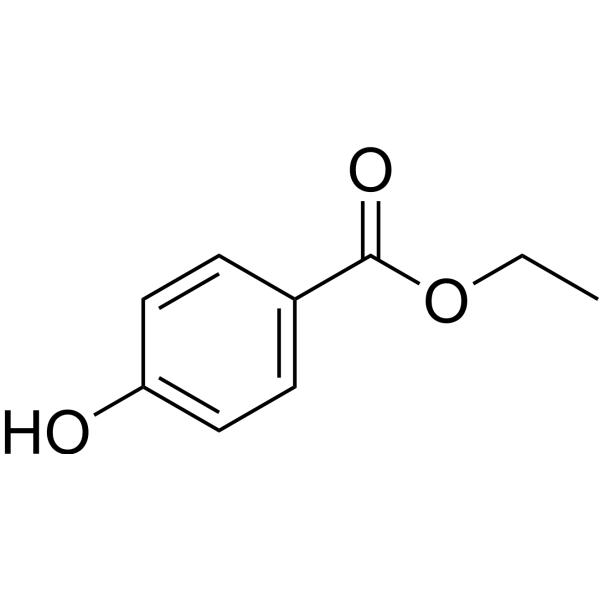
Cat. No.: HY-B0934
CAS No.: 120-47-8
Synonyms: Ethyl parahydroxybenzoate; Ethyl 4-hydroxybenzoate
Ethylparaben is the ethyl ester of paraben and is used as an antifungal preservative and food additive .
loading...
    loading...
Cat. No.: HY-NP139
Mouse Laminin is a Laminin from mouse that can be used as a thin coating on tissue culture surfaces or as a soluble additive to culture media .
loading...
    loading...
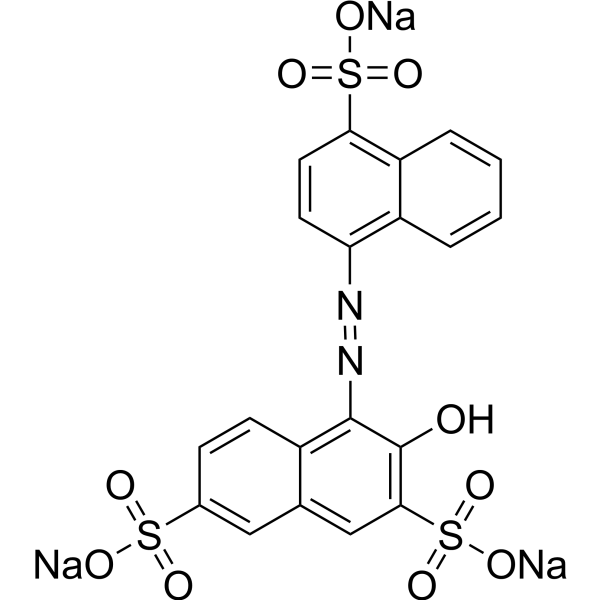
Cat. No.: HY-D0307A
CAS No.: 915-67-3
Synonyms: Acid Red 27; Azorubin S; FD & C Red Dye No. 2
Amaranth is an organic azo dye. Amaranth inhibits cellular immune response. Amaranth can be used as a food additive .
loading...
    loading...
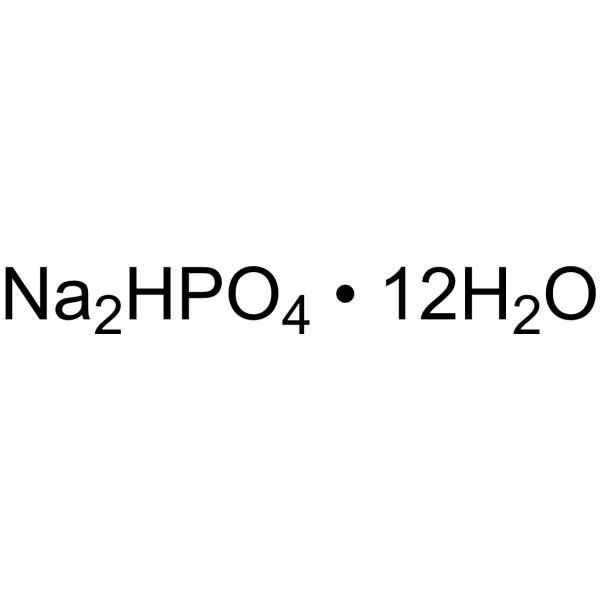
Cat. No.: HY-Y1324
CAS No.: 10039-32-4
Synonyms: Disodium hydrogen phosphate dodecahydrate; Disodium phosphate dodecahydrate
Phosphoric acid disodium dodecahydrate is an inorganic compound and food additive. Phosphoric acid disodium dodecahydrate promotes gel formation, improves food texture and thermal properties of materials. Phosphoric acid disodium dodecahydrate induces glomerular calcification. Phosphoric acid disodium dodecahydrate can be used in kidney disease research .
loading...
    loading...

