843 Results for "

MMP

" in MedChemExpress (MCE) Product Catalog:
Products (843)

843 Results for "MMP" in MCE Product Catalog:

  • Targets Recommended:
8
8 Cited Publications
Art. -Nr.: HY-B2162A
CAS. Nr.: 9082-07-9
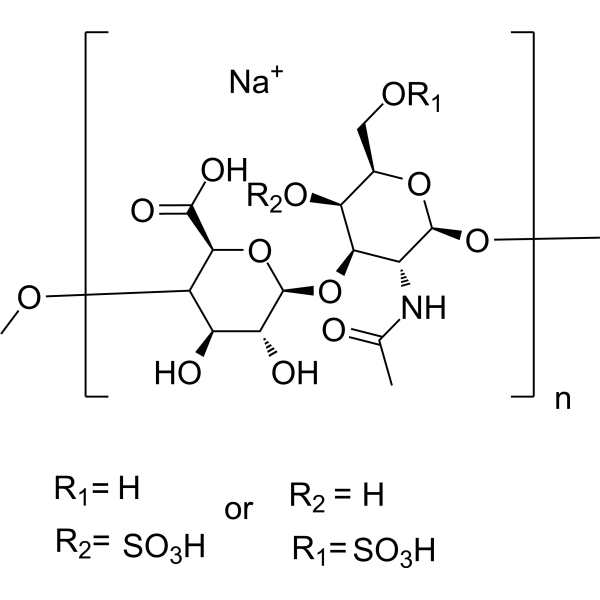
Synonyms: Chondroitin polysulfate sodium (from shark cartilage)
Chondroitin sulfate sodium (from shark cartilage), one of five classes of glycosaminoglycans, has been widely used in the treatment of osteoarthritis. Chondroitin sulfate reduces inflammation mediators and the apoptotic process and is able to reduce protein production of inflammatory cytokines, iNOS and MMPs .
loading...
    loading...
7
7 Cited Publications
Art. -Nr.: HY-107394
CAS. Nr.: 230961-08-7
Reinheit:  98.51%
Target:  

MMP

Forschungsgebiete:  

Inflammation/Immunology Cancer

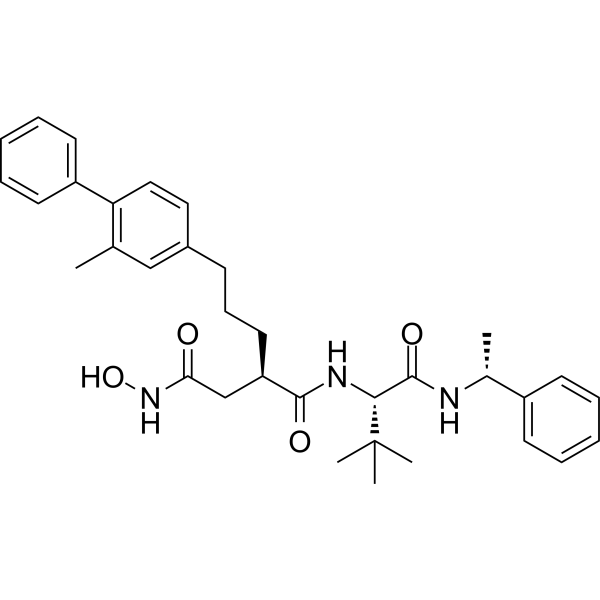
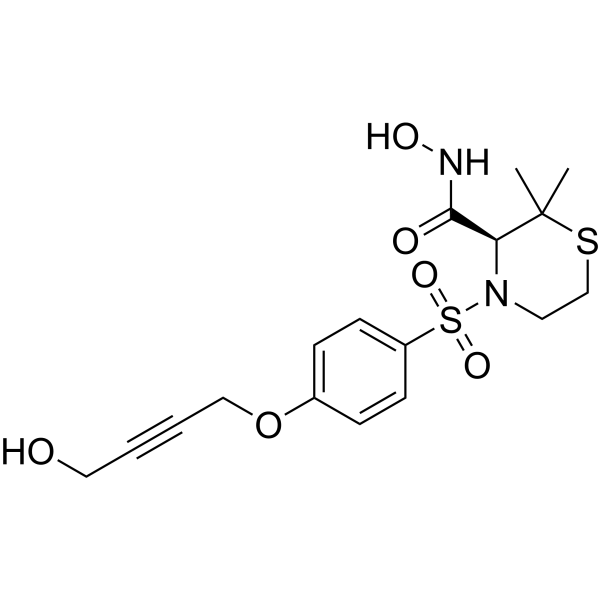
UK 356618 (Compound 4j) is a potent and selective inhibitor of matrix metalloprotease-3 (MMP-3) with an IC50 of 5.9 nM. UK 356618 is less potent against MMP-1, MMP-2, MMP-9, MMP-13 and MMP-14 compared with MMP-3 .
loading...
    loading...
7
7 Cited Publications
Art. -Nr.: HY-N2360
CAS. Nr.: 19202-36-9
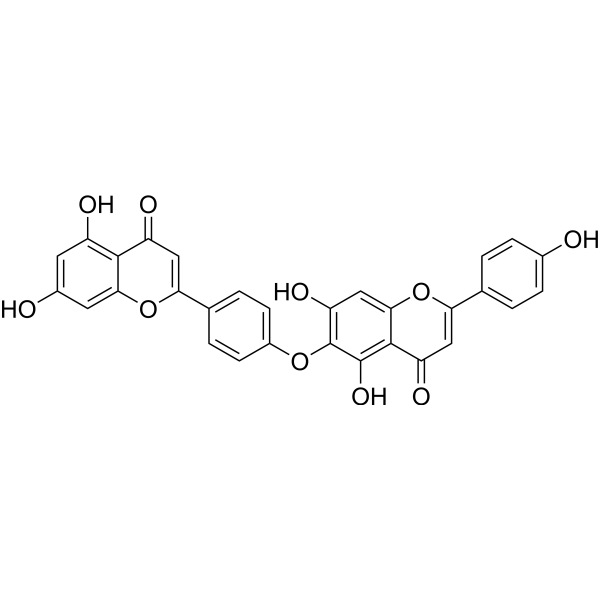
Hinokiflavone is a novel modulator of pre-mRNA splicing activity extracted from plants with anti-inflammatory, anti-tumor and antiviral activities. Hinokiflavone is also a potent inhibitor for matrix metalloproteinases (MMPs). Hinokiflavone attenuates the virulence of Methicillin (HY-121544)-resistant staphylococcus aureus by inhibiting caseinolytic protease P (ClpP) with an IC50 value of 34.36 mg/mL. Hinokiflavone induces apoptosis via the reactive oxygen species-mitochondria-mediated apoptotic pathway and inhibits tumor cell migration and invasion. Hinokiflavone is a SUMO protease inhibitor against sentrin-specific protease 1 (SENP1) activity .
loading...
    loading...
7
7 Cited Publications
Art. -Nr.: HY-113952
CAS. Nr.: 13434-13-4
Reinheit:  98.37%
Synonyms: (-)-Actinonin
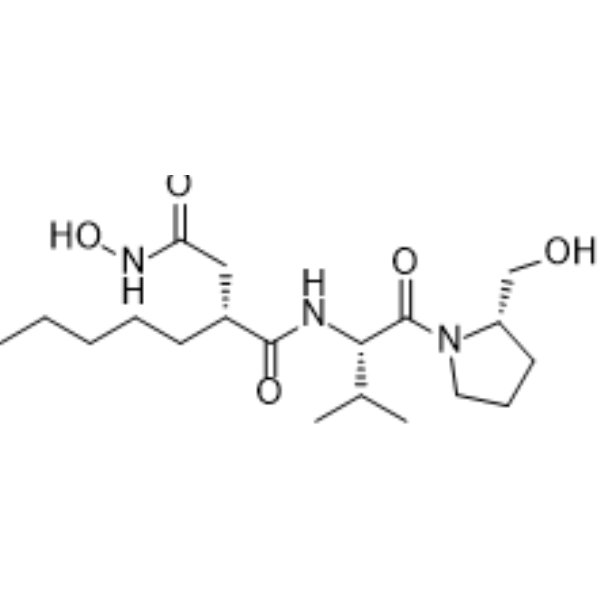
Actinonin ((-)-Actinonin) is a naturally occurring antibacterial agent produced by Actinomyces. Actinonin inhibits aminopeptidase M, aminopeptidase N and leucine aminopeptidase. Actinonin is a potent reversible peptide deformylase (PDF) inhibitor with a Ki of 0.28 nM. Actinonin also inhibits MMP-1, MMP-3, MMP-8, MMP-9, and hmeprin α with Ki values of 300 nM, 1,700 nM, 190 nM, 330 nM, and 20 nM, respectively. Actinonin is an apoptosis inducer. Actinonin has antiproliferative and antitumor activities .
loading...
    loading...
7
7 Cited Publications
Art. -Nr.: HY-100113
CAS. Nr.: 477775-14-7
Reinheit:  99.02%
Synonyms: AT2 receptor agonist C21
Buloxibutid (AT2 receptor agonist C21) is an orally active, selective angiotensin II type 2 receptor (AT2R) agonist, with a Ki value of 0.4 nM for porcine AT2R. Buloxibutid exerts effects such as vasodilation, anti-inflammation, anti-fibrosis (promoting the expression of collagenase MMP-13) and tissue repair mainly by activating the NO/cGMP pathway, inhibiting the pro-proliferative MAPK signaling, and suppressing the pro-fibrotic TGF-β/Smad pathway as well as the inflammatory NF-κB pathway. Buloxibutid can be used in research related to idiopathic pulmonary fibrosis, hypertension, and systemic sclerosis .
loading...
    loading...
7
7 Cited Publications
Art. -Nr.: HY-154919
Reinheit:  99.52%
Forschungsgebiete:  

Endocrinology Cancer

DC-Y13-27 is a DC-Y13 derivative and YTHDF2 inhibitor (KD: 37.9 μM). DC-Y13-27 inhibits YTHDF2, restores FOXO3 and TIMP1 protein levels, and reduces MMP1/3/7/9 expression. DC-Y13-27 induces Pyroptosis and increases IL-1β secretion. DC-Y13-27 reduces intervertebral disc degeneration and enhances the response to radiotherapy in colon cancer and melanoma. DC-Y13-27 has antitumor activity against breast cancer .
loading...
    loading...
6
6 Cited Publications
Art. -Nr.: HY-B0493
CAS. Nr.: 4394-00-7
Target:  

Chloride Channel COX

Forschungsgebiete:  

Inflammation/Immunology Cancer

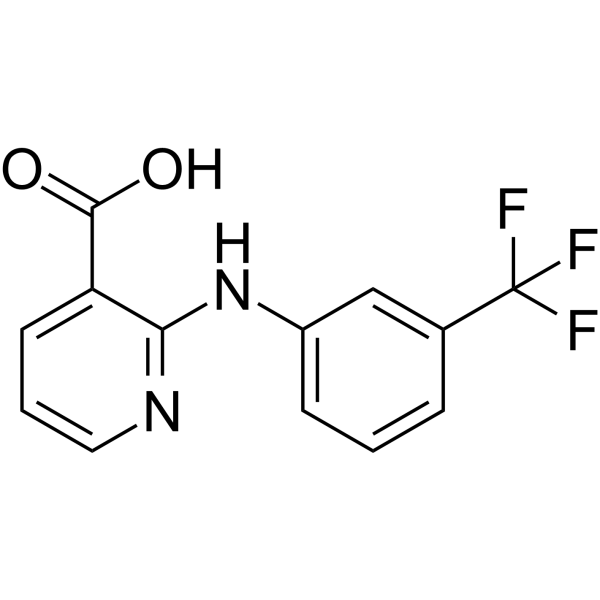
Niflumic acid is a calcium-activated chloride channel blocker and COX-2 inhibitor with the IC50 value of 100 nM. Niflumic acid induces apoptosis through caspase-8/Bid/Bax pathway in lung cancer cells. Niflumic acide exhibits anti-tumor activity by affecting the expression of ERK1/2 and the activity of MMP2 and MMP9. Niflumic acid has orally bioactivity. Niflumic acid acts on rheumatoid arthritis .
loading...
    loading...
6
6 Cited Publications
Art. -Nr.: HY-122214
CAS. Nr.: 775294-71-8
Reinheit:  99.84%
Target:  

Autophagy

Forschungsgebiete:  

Cancer

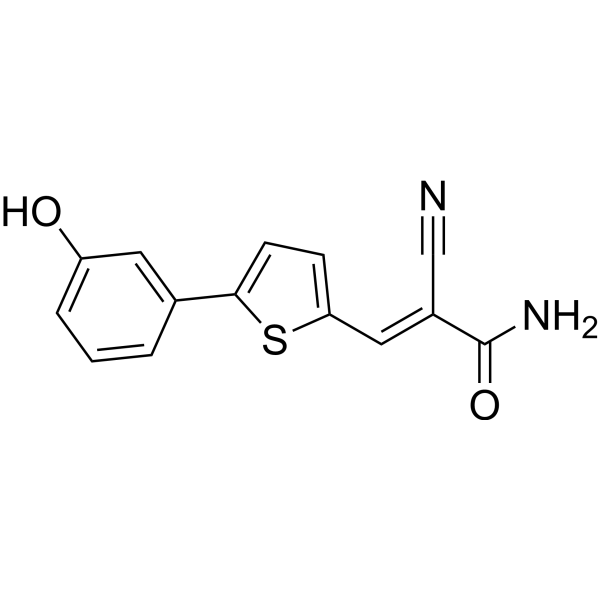
AC-73 is a first specific, orally active inhibitor of cluster of differentiation 147 (CD147), which specifically disrupts CD147 dimerization, thereby mainly suppressing the CD147/ERK1/2/STAT3/MMP-2 pathways. AC-73 inhibits the motility and invasion of hepatocellular carcinoma cells . AC-73 is also an anti-proliferative agent and an inducer of autophagy in leukemic cells .
loading...
    loading...
6
6 Cited Publications
Art. -Nr.: HY-N9933
CAS. Nr.: 25696-60-0
Synonyms: TβMCA
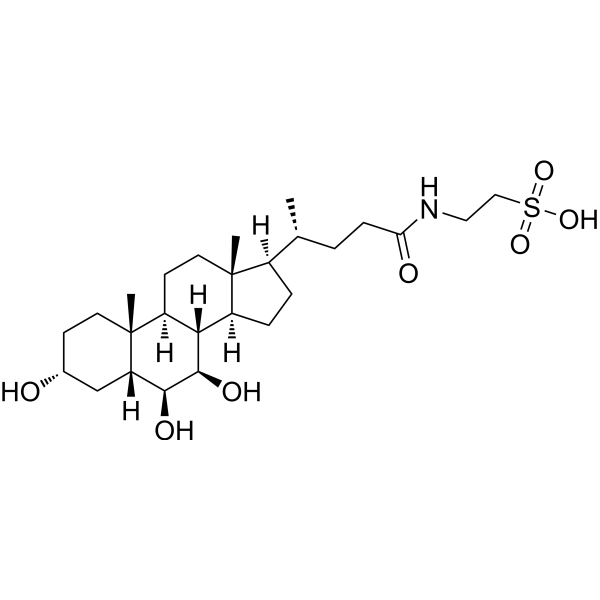
Tauro-β-muricholic acid (TβMCA) is an orally active trihydroxylated bile acid and a competitive, reversible FXR antagonist (IC50=40 μM). Tauro-β-muricholic acid inhibits bile acid-induced hepatocyte apoptosis by maintaining mitochondrial membrane potential, while simultaneously inhibiting intestinal FXR signaling, affecting bile acid synthesis, hepatic lipid metabolism, and insulin sensitivity. Accumulation of tauro-β-muricholic acid disrupts metabolic homeostasis, promoting cancer stem cell proliferation and tumor progression. The mechanisms of tauro-β-muricholic acid involve two aspects: first, inhibiting the translocation of the pro-apoptotic protein Bax to mitochondria and maintaining mitochondrial membrane potential (MMP); and second, blocking the FXR signaling pathway to regulate bile acid metabolism, reduce serum ceramide production, and downregulate the hepatic SREBP1C/CIDEA pathway. Tauro-β-muricholic acid possesses anti-hepatocyte apoptosis, bile acid homeostasis regulation, and liver fat accumulation reduction properties, and also functions as a biomarker, making it useful in the study of diseases such as bile acid metabolism disorders, non-alcoholic fatty liver disease, colorectal cancer, and liver fibrosis .
loading...
    loading...
5
5 Cited Publications
Art. -Nr.: HY-110397
CAS. Nr.: 1365803-52-6
Reinheit:  99.18%
Target:  

MMP

Forschungsgebiete:  

Cardiovascular Disease

KP-457 is a selective a disintegrin and metalloproteinase 17 (ADAM17) inhibitor, with higher selectivity for ADAM17 than for other MMPs and ADAM10, and IC50s are 11.1 nM (ADAM17), 748 nM (ADAM10), 717 nM (MMP2), 9760 nM (MMP3), 2200 nM (MMP8), 5410 nM (MMP9), 930 nM (MMP13), 2140 nM (MMP14), and 7100 nM (MMP17), respectively.
loading...
    loading...
5
5 Cited Publications
Art. -Nr.: HY-100211
CAS. Nr.: 187034-31-7
Reinheit:  97.41%
Synonyms: TNF Protease Inhibitor 2
Target:  

MMP SARS-CoV

Forschungsgebiete:  

Cancer

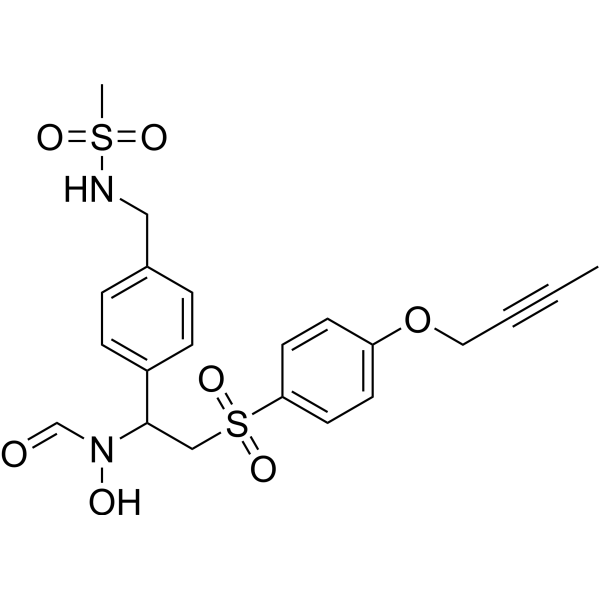
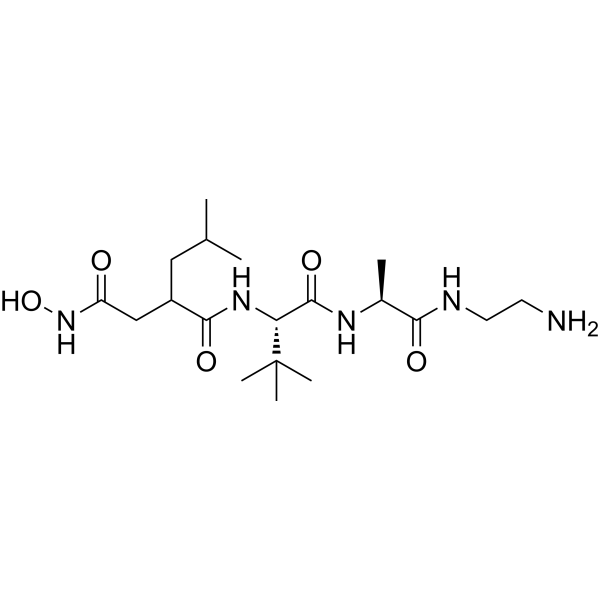
TAPI-2 (TNF Protease Inhibitor 2) is a broad-spectrum inhibitor of matrix metalloprotease (MMP), tumour necrosis factorα-converting enzyme (TACE) and a disintegrin and metalloproteinase (ADAM), with an IC50 of 20 μM for MMP . TAPI-2 blocks the entry of infectious SARS-CoV .
loading...
    loading...
5
5 Cited Publications
Art. -Nr.: HY-P2036A
Forschungsgebiete:  

Infection

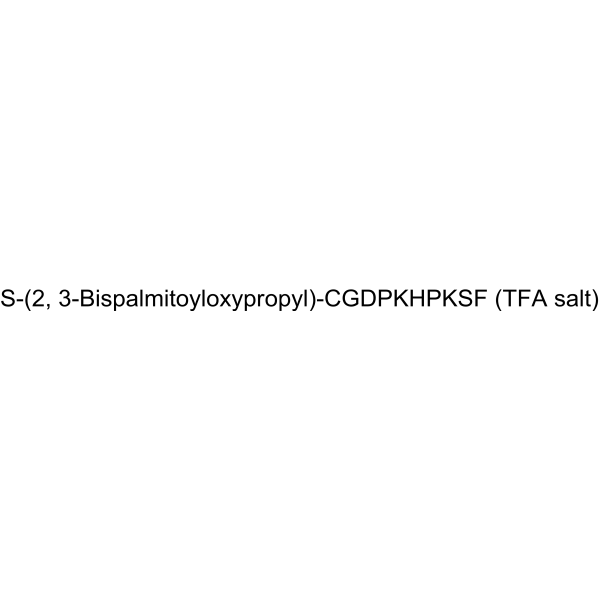
FSL-1 TFA, a bacterial-derived toll-like receptor 2/6 (TLR2/6) agonist, enhances resistance to experimental HSV-2 infection . FSL-1 TFA induces MMP-9 production through TLR2 and NF-κB/AP-1 signaling pathways in monocytic THP-1 cells .
loading...
    loading...
5
5 Cited Publications
Art. -Nr.: HY-N0084
CAS. Nr.: 13159-28-9
Synonyms: Betulinic aldehyde; Betunal
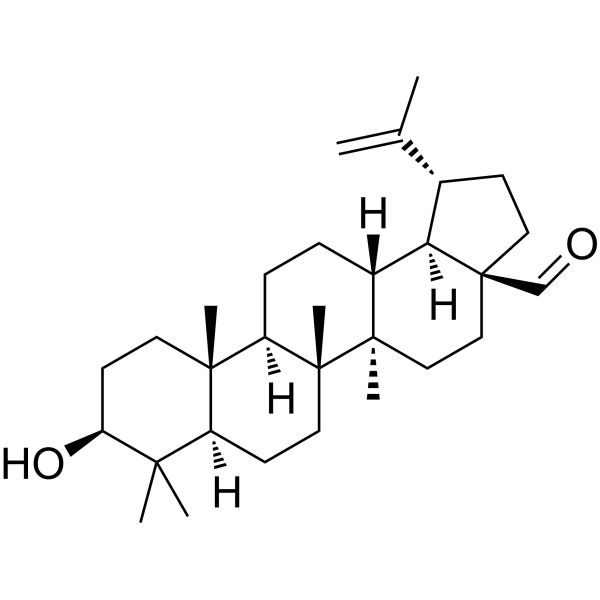
Betulinaldehyde (Betunal) Has anti-cancer and anti-staphylococcus aureus activity. Betulinaldehyde Suppressible Akt, MAPK sum STAT3 Signal path, increase self-transfer, Suppression A549 Cellular vitality, increase and transfer. Betulinaldehyde suppresses PLCγ1/Ca 2+/MMP9 signal pathway, has a key effect on vascular plasticity, and is available for cardiovascular disease (CVD) research.
loading...
    loading...
5
5 Cited Publications
Art. -Nr.: HY-N0853
CAS. Nr.: 19885-10-0
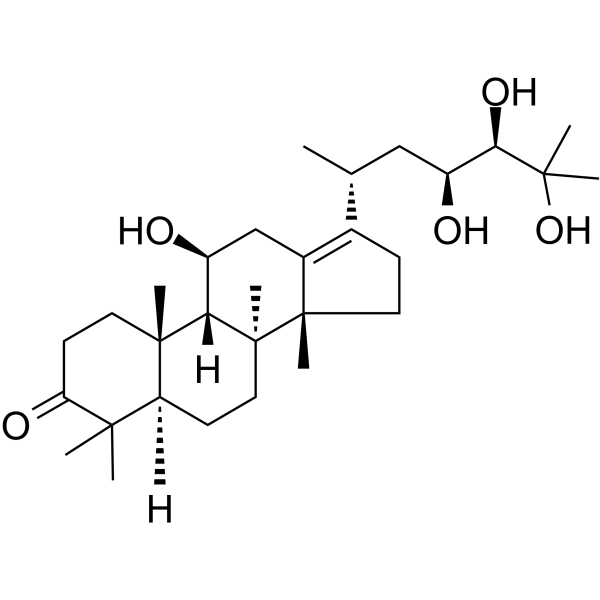
Alisol A is an orally active tetracyclic triterpenoid compound of the prototerpane type. Alisol A can be extracted from the rhizome of Alisma orientale. Alisol A activates AMPK/ACC/SREBP-1c, SIRT1, PPARα, inhibits MMP-2/-9, decreases inflammatory cytokine expression (IL-1β, IL-6, IL-8). Alisol A has anti-tumor activity against breast cancer and colorectal cancer. Alisol A has anti-obesity and anti-atherosclerotic activities. Alisol A can be used in the research of hepatitis B, breast cancer, colorectal cancer, atherosclerosis, and obesity .
loading...
    loading...
5
5 Cited Publications
Art. -Nr.: HY-N2259
CAS. Nr.: 19431-84-6
Synonyms: (+)-Curcumenol
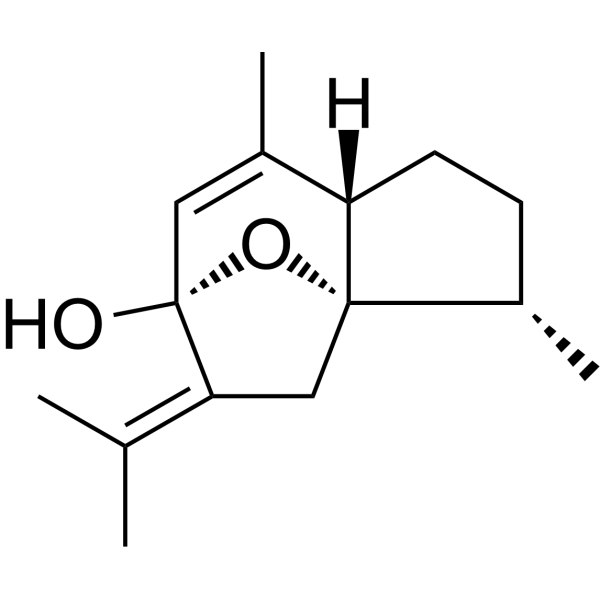
Curcumenol ((+)-Curcumenol) is a natural compound with oral efficacy, exhibiting an IC50 of 12.6 μM and a Ki of 10.8 μM against human CYP3A4. Curcumenol inhibits TNFα-induced phosphorylation/degradation of IκBα, phosphorylation/nuclear translocation of NF-κB p65, as well as the upregulation of MMP3, MMP9, MMP13, TRAF3, IL1RL1, TNFα and IL-1β. Curcumenol suppresses LPS-induced phosphorylation of Akt and p38 MAPK, as well as the production of pro-inflammatory mediators/proteins, and downregulates the SLC7A11/NF-κB/TGF-β pathway. Curcumenol binds to and inhibits the activation of Fyn and Lyn, blocks the function of downstream FcεRI signaling components, and reduces the release of allergic mediators/cytokines. Curcumenol upregulates the expression of KDM6B, and promotes chondrocyte proliferation and cartilage repair. Curcumenol induces ferroptosis and apoptosis, regulates the EMT process, and inhibits tumor growth and metastasis of triple-negative breast cancer. Curcumenol possesses anti-inflammatory, neuroprotective, antioxidant, antitumor, antiviral and hepatoprotective activities. Curcumenol can be used in research related to intervertebral disc degeneration, cancer, inflammation, central nervous system neurodegenerative diseases, allergic reactions and knee osteoarthritis .
loading...
    loading...
4
4 Cited Publications
Art. -Nr.: HY-P73807
Reinheit:  ≥ 90%, as determined by reducing SDS-PAGE.
Synonyms: MMP9; Matrix Metallopeptidase 9 (Gelatinase B, 92kDa Gelatinase, 92kDa Type IV Collagenase); Prev. CLG4B; Macrophage Gelatinase; Matrix Metalloproteinase 9 (Gelatinase B, 92kDa Gelatinase, 92kDa Type IV Collagenase); Type V Collagenase; Matrix Metalloprot
Species:  
Mouse
Source:  
HEK293
loading...
    loading...
4
4 Cited Publications
Art. -Nr.: HY-119307
CAS. Nr.: 287405-51-0
Reinheit:  99.67%
Synonyms: TMI-005
Target:  

MMP TNF Receptor

Forschungsgebiete:  

Cancer

Apratastat (TMI-005) is an orally active, non-selective and reversible TACE/MMPs inhibitor, can inhibit inhibit the release of TNF-α. Apratastat has the potential to overcome radiotherapy-resistance in non-small cell lung cancer (NSCLC) . Apratastat is a click chemistry reagent, it contains an Alkyne group and can undergo copper-catalyzed azide-alkyne cycloaddition (CuAAc) with molecules containing Azide groups.
loading...
    loading...
4
4 Cited Publications
Art. -Nr.: HY-N1463
CAS. Nr.: 29741-10-4
Synonyms: Luteolin 7-glucuronide
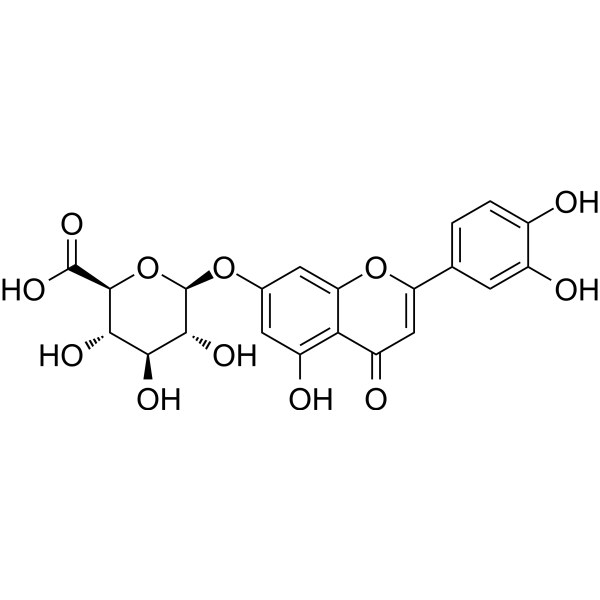
Luteolin 7-O-glucuronide could inhibit Matrix Metalloproteinases (MMP) activities, with IC50s of 17.63, 7.99, 11.42, 12.85, 0.03 μM for MMP-1, MMP-3, MMP-8, MMP-9, MMP-13, respectively .
loading...
    loading...
4
4 Cited Publications
Art. -Nr.: HY-12170
CAS. Nr.: 192329-42-3
Reinheit:  99.27%
Synonyms: AG3340; KB-R9896
Target:  

MMP Apoptosis

Forschungsgebiete:  

Cancer

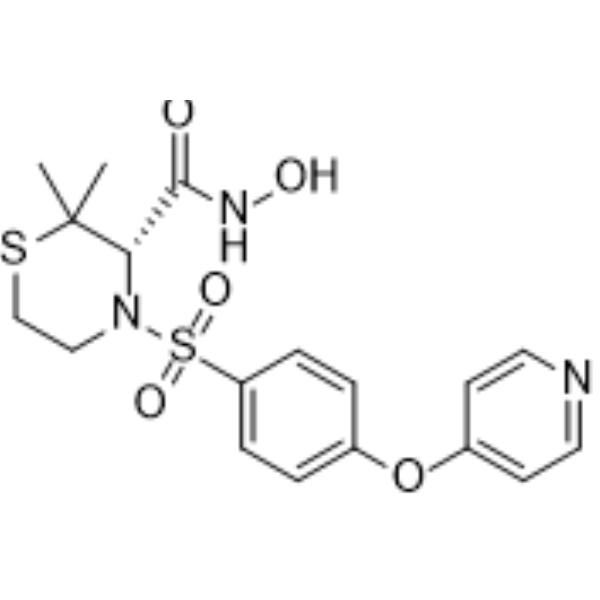
Prinomastat (AG3340) is a broad spectrum, potent, orally active metalloproteinase (MMP) inhibitor with IC50s of 79, 6.3 and 5.0 nM for MMP-1, MMP-3 and MMP-9, respectively. Prinomastat inhibits MMP-2, MMP-3, MMP-13 and MMP-9 with Kis of 0.05 nM, 0.3 nM, 0.03 nM and 0.26 nM, respectively. Prinomastat crosses blood-brain barrier. Antitumor avtivity .
loading...
    loading...
4
4 Cited Publications
Art. -Nr.: HY-12170A
CAS. Nr.: 1435779-45-5
Reinheit:  98.18%
Synonyms: AG3340 hydrochloride; KB-R9896 hydrochloride
Target:  

MMP Apoptosis

Forschungsgebiete:  

Cancer

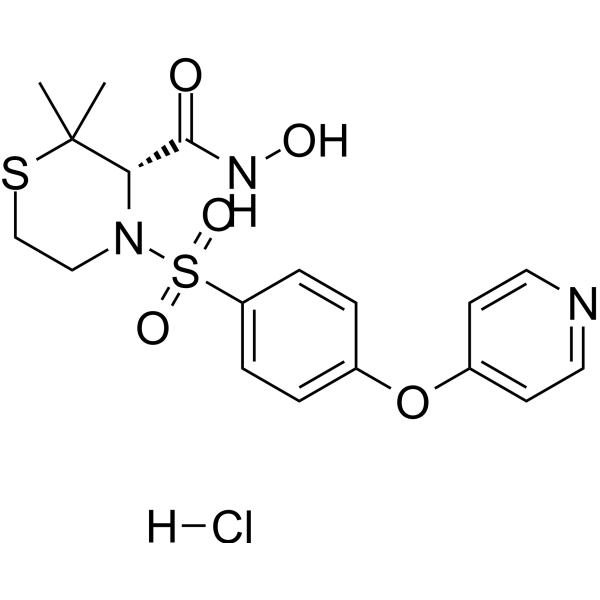
Prinomastat hydrochloride (AG3340 hydrochloride) is a broad spectrum, potent, orally active metalloproteinase (MMP) inhibitor with IC50s of 79, 6.3 and 5.0 nM for MMP-1, MMP-3 and MMP-9, respectively. Prinomastat hydrochloride inhibits MMP-2, MMP-3, MMP-13 and MMP-9 with Kis of 0.05 nM, 0.3 nM, 0.03 nM and 0.26 nM, respectively. Prinomastat hydrochloride can cross blood-brain barrier. Antitumor avtivity .
loading...
    loading...

