380 Results for "

zebrafish

" in MedChemExpress (MCE) Product Catalog:
Products (380)

380 Results for "zebrafish" in MCE Product Catalog:

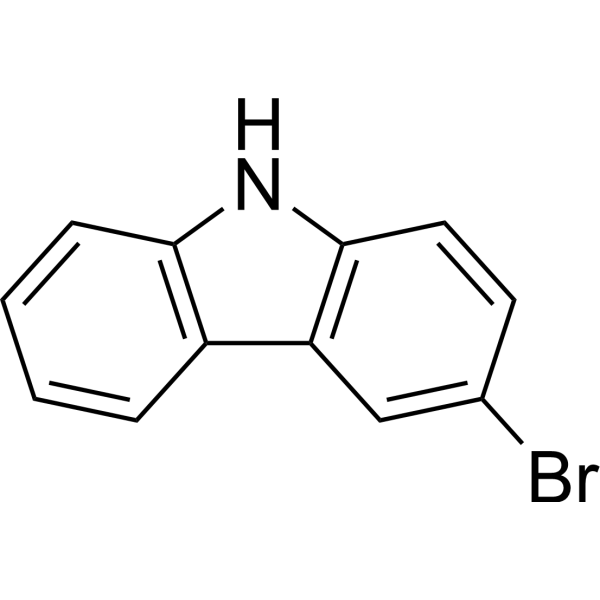
Cat. No.: HY-33798
CAS No.: 1592-95-6
3-Bromocarbazole is an inhibitor of the aryl hydrocarbon receptor (AHR). 3-Bromocarbazole induces the mRNA expression of CYP1A1 and CYP1B1, with EC50 values of 2500 nM and 1100 nM, respectively. 3-Bromocarbazole inhibits motor neuron axon length by downregulating the mRNA transcription levels of α1-tubulin, Gap43, Syn2a and shha in zebrafish larvae. 3-Bromocarbazole reduces central nervous system neurogenesis by downregulating the mRNA transcription levels of elavl3, nrd, mbp and gfap in zebrafish larvae. 3-Bromocarbazole induces developmental neurotoxicity and decreases body length in zebrafish larvae or embryos; at high concentrations, it also reduces hatching rate, and increases mortality and malformation rate. 3-Bromocarbazole can be used in studies related to developmental neurotoxicity and breast cancer .
loading...
    loading...
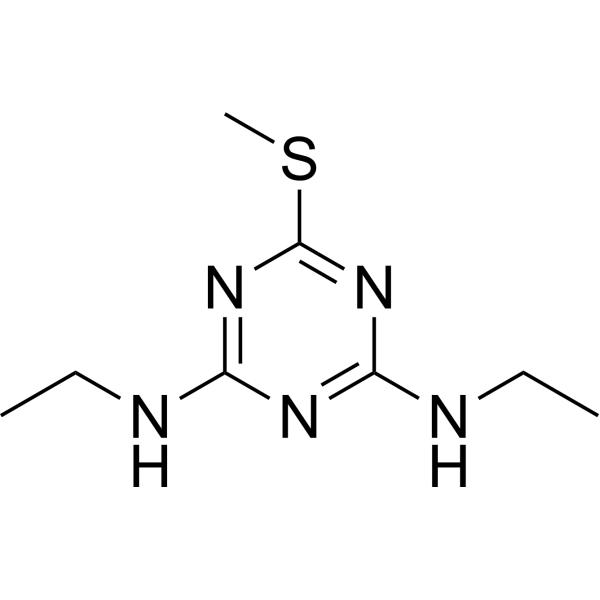
Cat. No.: HY-B1853
CAS No.: 1014-70-6
Simetryn is a triazine herbicide that exerts teratogenicity. Simetryn inhibits photosynthesis by blocking electron transfer in the chloroplast photosystem II and activates the MEK/Erk signaling pathway. Simetryn triggers vascular and developmental abnormalities in zebrafish and tadpoles, suppresses proliferation, enhances apoptosis, and induces malformations. Simetryn serves as a tool to establish a zebrafish model for studying arteriovenous malformations and related pathogenesis. Simetryn controls paddy weeds and can be used for research on developmental and vascular disorders .
loading...
    loading...
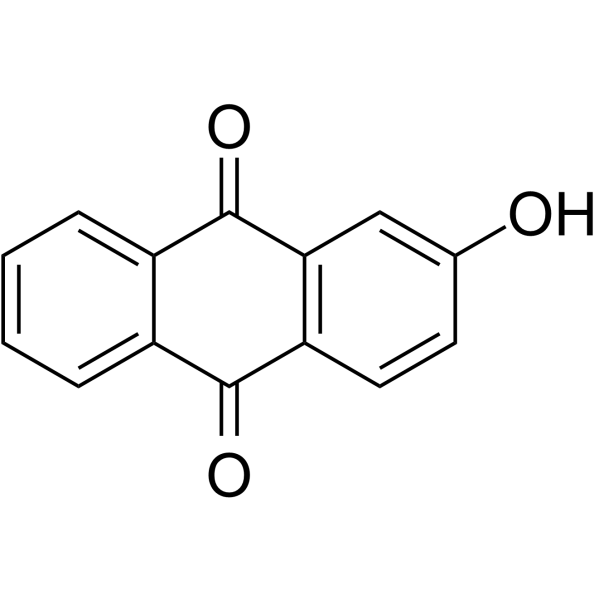
Cat. No.: HY-W012352
CAS No.: 605-32-3
2-Hydroxyanthraquinone is a product generated by the photochemical oxidation of Anthracene (ANT) (HY-Y0299). 2-Hydroxyanthraquinone induces ferroptosis in cardiomyocytes by depleting GSH and inhibiting GPX4, leading to cardiac developmental malformations. 2-Hydroxyanthraquinone causes damage to the cerebrovascular system and blood-brain barrier in zebrafish by downregulating the Wnt/β-catenin signaling pathway, as well as inducing inflammation and neuronal apoptosis. 2-Hydroxyanthraquinone can be used in studies related to cerebrovascular diseases and cardiotoxicity .
loading...
    loading...
Cat. No.: HY-W663938
CAS No.: 400882-07-7
Cyflumetofen is a non-systemic acylacetonitrile Acaricide. Cyflumetofen interferes with the Wnt/β-catenin signaling pathway, induces Apoptosis, and reduces the level of tight junction proteins. Cyflumetofen upregulates the expression of Pink1, Parkin and Lrrk2 genes associated with the pathogenesis of Parkinson's disease in zebrafish larvae. Cyflumetofen induces developmental toxicity and oxidative stress in zebrafish larvae, damages neurons, reduces motor activity, alters brain tissue structure, and disrupts blood-brain barrier structure. Cyflumetofen exhibits acaricidal activity against spider mites. Cyflumetofen can be used in studies related to Parkinson's disease and infestations by spider mites (Tetranychus urticae, Tetranychus kanzawai, Panonychus citri) .
loading...
    loading...
Cat. No.: HY-P10419
CAS No.: 1071873-79-4
Research Areas:  

Endocrinology

Zebrafish Kisspeptin-1 is the core sequence of the neuropeptide kisspeptin-1, which participate in the regulation of gonadotropin-releasing hormone (GnRH) release, and regulates the reproductive system .
loading...
    loading...
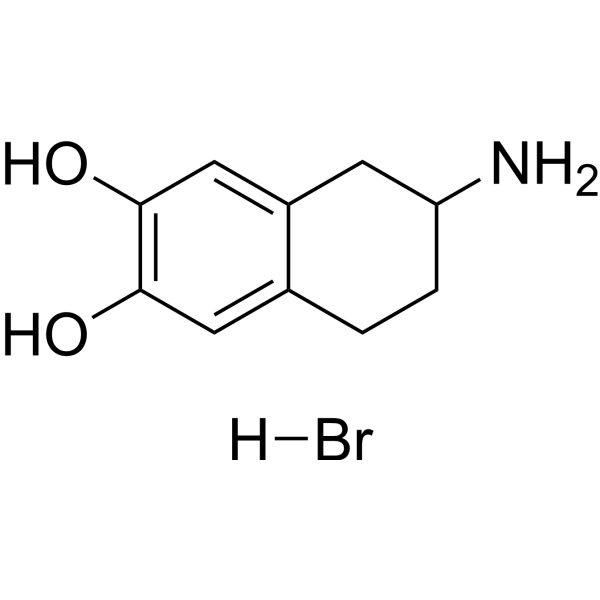
Cat. No.: HY-121650A
CAS No.: 13575-86-5
Purity:  98.0%
ADTN hydrobromide is a long-acting dopamine agonist. ADTN hydrobromide significantly decreases the behavioral visual threshold of DA-IPC-depleted zebrafish .
loading...
    loading...
Cat. No.: HY-172171
CAS No.: 3068378-38-8
Target:  

GSK-3 β-catenin Wnt

Research Areas:  

Neurological Disease

GSK3β-IN-2 (Compound S01) is the inhibitor for GSK3β with an IC50 of 0.35 nM. GSK3β-IN-2 activates Wnt/β-catenin signaling pathway, promotes neurogenesis and neurite growth. GSK3β-IN-2 inhibits Aβ-induced tau hyperphosphorylation at Ser396, reduces the formation of neurofibrillary tangles. GSK3β-IN-2 ameliorates Alzheimer's Disease in zebrafish model .
loading...
    loading...
Cat. No.: HY-P11057
Target:  

Fluorescent Dye

Research Areas:  

Others

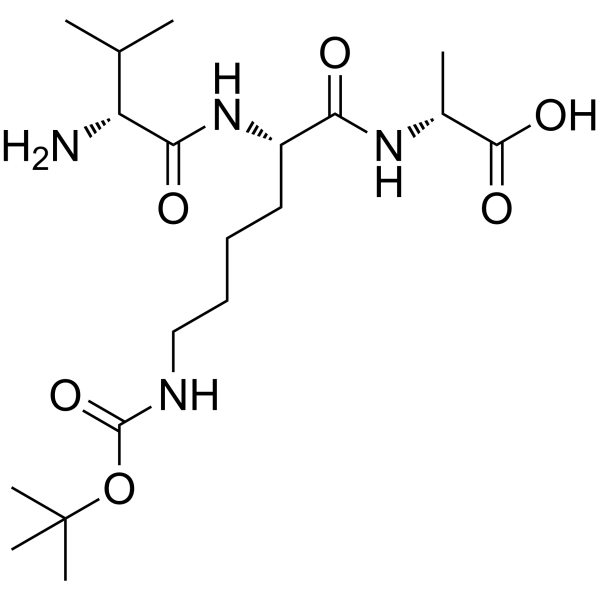
FGGH is a water-soluble peptide-based probe. FGGH performs the sequential detection of Cu 2+ and S 2- by fluorescence and colorimetry with high sensitivity (LOD: 1.42 and 22.2 nM for Cu 2+ and S 2-, respectively) (Ex=488 nm, Em=525 nm), and images both two ions in living cells and zebrafish models with low cytotoxicity. FGGH can be used for in vivo imaging and environmental pollution monitoring research .
loading...
    loading...
Cat. No.: HY-D2315
Probe-Cys is a water-soluble and selective near-infrared fluorescent probe for Cysteine (Cys) (λex= 680 nm, λem=710 nm) that is not interfered by Hcy, GSH, and HS-. Probe-Cys can react with the stimulant DTT (HY-15917) and the NEM (HY-D0843) in HepG2 cells and zebrafish for the detection of endogenous Cys. Probe-Cys can also be used for imaging Cys in Arabidopsis thaliana. Probe-Cys provides a method for cancer diagnosis and exploration of plant sulfur metabolism .
loading...
    loading...
Cat. No.: HY-117617
CAS No.: 1243583-88-1
Research Areas:  

Cancer

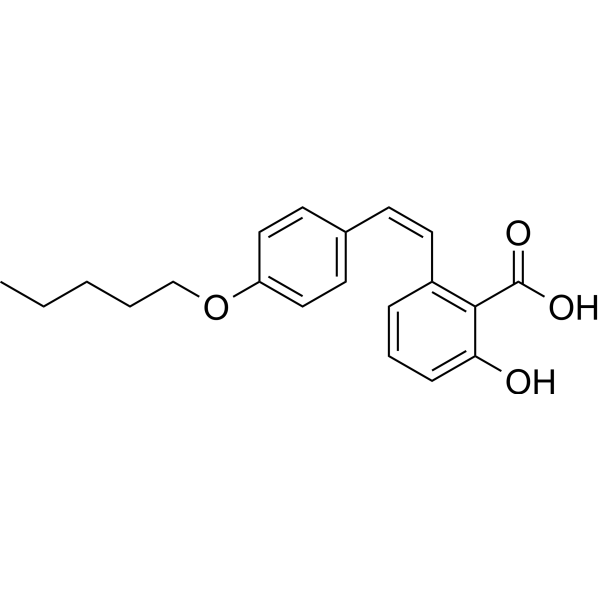
CAY10669 (compound 6d) is an anacardic acid (HY-N2020) derivative that inhibits histone acetyltransferase PCAF with an IC50 of 662 μM . CAY10669 enhances the SAHA-induced acetylation in HEPG2 cells, exhibits cytotoxicity in zebrafish embryo, promotes transgene expression in CHO-K1 cells .
loading...
    loading...
Cat. No.: HY-121287
CAS No.: 1689-83-4
Purity:  ≥98.0%
Target:  

Herbicide

Research Areas:  

Cardiovascular Disease

Ioxynil is an herbicide that act as endocrine disruptor. Ioxynil can disrupt vascular and heart development in zebrafish .
loading...
    loading...
Cat. No.: HY-N12386
SIRT1 activator 1(compound 3) is a derivative of marine compound xyloallenoide A isolated from the mangrove fungus Xylaria sp.SIRT1 activator 1 shows angiogenic activities in zebrafish. SIRT1 activator 1 protects hEPC against AngII-induced senescence by increasing SIRT1 expression levels and balancing the AMPK/Akt signaling pathway .
loading...
    loading...
Cat. No.: HY-148777
CAS No.: 2682255-44-1
Research Areas:  

Cancer

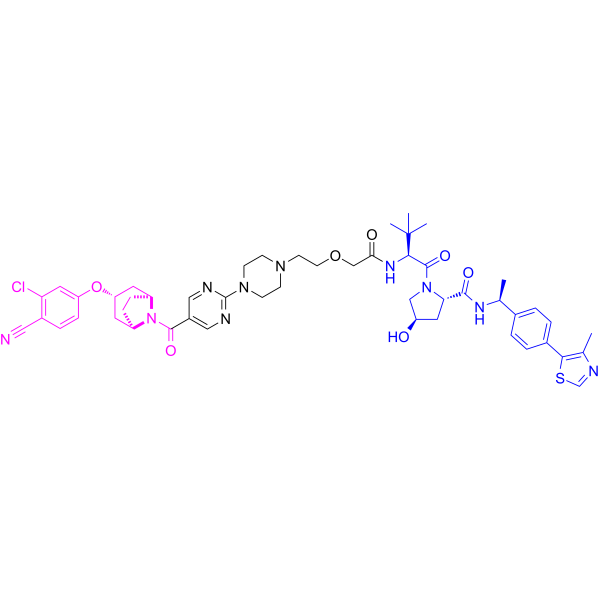
A031 is a PROTAC degrader targeting the androgen receptor. A031 induces time-dependent degradation of androgen receptor protein. A031 exerts tumor growth inhibitory effects in a zebrafish model xenografted with human prostate cancer cells. A031 can be used in studies related to prostate cancer .
loading...
    loading...
Cat. No.: HY-N6032
CAS No.: 60820-94-2
Synonyms: Phytolaccoside B
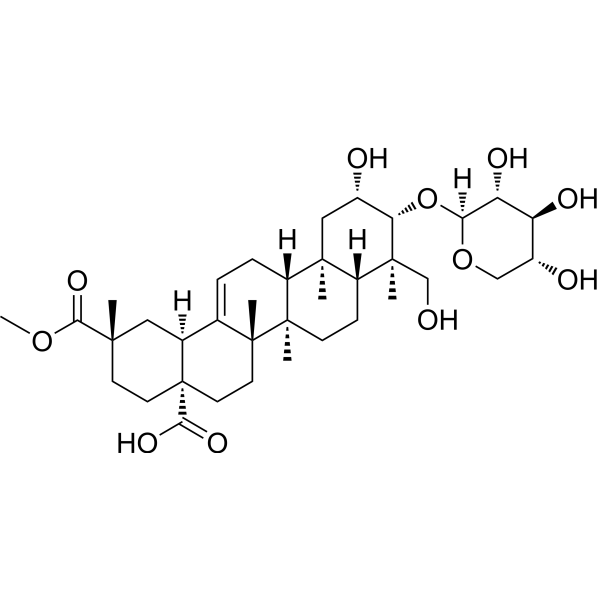
Esculentoside B (Phytolaccoside B) is a natural product from the roots of Phytolacca acinosa Roxb. Esculentoside B is neurotoxic to zebrafish larvae, and impairs their central nervous system development. Esculentoside B inhibits inflammatory response and has antifungal activity .
loading...
    loading...
Cat. No.: HY-136439
CAS No.: 4465-65-0
Research Areas:  

Infection

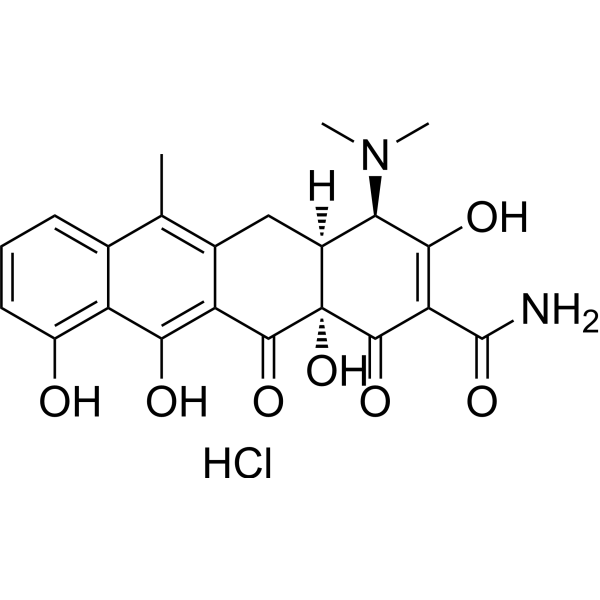
4-Epianhydrotetracycline hydrochloride is a major intermediate product of Tetracycline (HY-A0107). 4-Epianhydrotetracycline hydrochloride shows lethal effects and induces cell apoptosis of zebrafish embryos. 4-Epianhydrotetracycline hydrochloride inhibits Shewanella, E. coli and P. aeruginosa with MIC values of 2, 1 and 64 mg/L, respectively .
loading...
    loading...
Cat. No.: HY-B1944
CAS No.: 131-16-8
Research Areas:  

Infection

Dipropyl phthalate is an immunomodulator. Dipropyl phthalate alters the activities of acid phosphatase, phenoloxidase and superoxide dismutase, increases the activity of β-glucuronidase in a dose-dependent manner, and elevates the mRNA level of hemocyanin in shrimp. Dipropyl phthalate activates the FoxO signaling pathway, interferes with cell proliferation and apoptosis, downregulates chondrocyte-related genes, and induces craniofacial cartilage developmental malformations in zebrafish embryos. Dipropyl phthalate can be used in studies related to Aeromonas veronii infection and micrognathia syndrome .
loading...
    loading...
Cat. No.: HY-N6069R
CAS No.: 38963-94-9
Raspberry ketone glucoside (Standard) is the analytical standard of Raspberry ketone glucoside (HY-N6069). Raspberry ketone glucoside is a melanogenesis inhibitor. Raspberry ketone glucoside inhibits melanogenesis by activating the IL6/JAK1/STAT3 pathway, inhibiting the transcriptional activity of MITFa, and its downstream expression levels of the TYR and TYRP1a genes. Raspberry ketone glucoside shows remarkable whitening activity on both B16F10 cells in vitro and zebrafish model in vivo .
loading...
    loading...
Cat. No.: HY-B1944S
CAS No.: 358731-29-0
Synonyms: NSC 15314-d4; Di-n-Propyl phthalate-d4
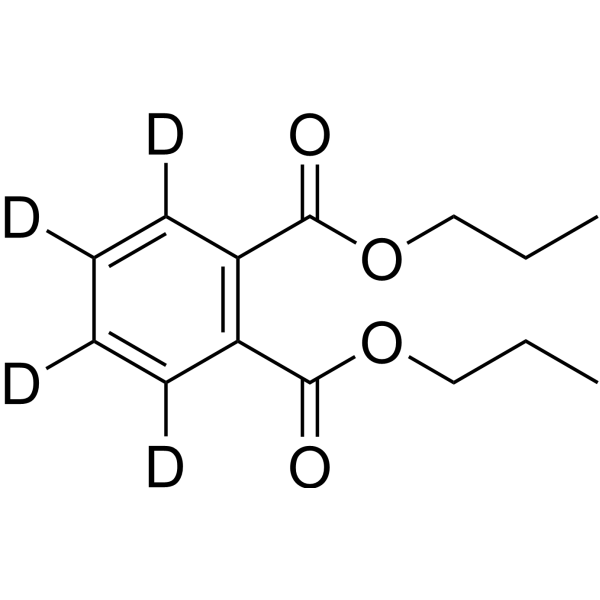
Dipropyl phthalate-d4 (NSC 15314-d4) is the deuterated-labeled Dipropyl phthalate (HY-B1944). Dipropyl phthalate is an immunomodulator. Dipropyl phthalate alters the activities of acid phosphatase, phenoloxidase and superoxide dismutase, increases the activity of β-glucuronidase in a dose-dependent manner, and elevates the mRNA level of hemocyanin in shrimp. Dipropyl phthalate activates the FoxO signaling pathway, interferes with cell proliferation and apoptosis, downregulates chondrocyte-related genes, and induces craniofacial cartilage developmental malformations in zebrafish embryos. Dipropyl phthalate can be used in studies related to Aeromonas veronii infection and micrognathia syndrome .
loading...
    loading...
Cat. No.: HY-N7504
CAS No.: 905954-18-9
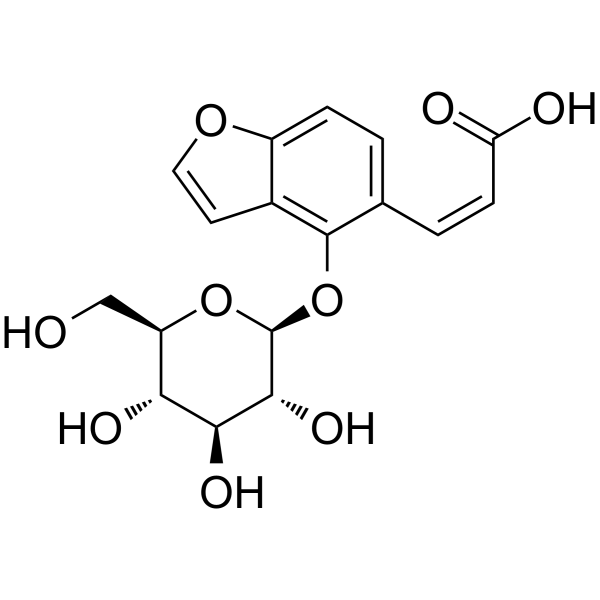
Isopsoralenoside is a benzofuran glycoside and coumarin-derived compound. Isopsoralenoside exists in the dried mature fruits of Psoralea corylifolia L., and acts as a metabolite precursor, toxicant and inducer, with estrogen-like, osteoblast proliferation-promoting, anti-tumor and antibacterial activities. Isopsoralenoside can be deglycosylated by intestinal flora to form isopsoralen. Isopsoralenoside induces oocyte death in zebrafish, activates oxidative stress and cell death-related pathways in zebrafish follicles, and is the main effector substance responsible for the reproductive toxicity induced by Fructus Psoraleae. Isopsoralenoside can be used in studies related to reproductive toxicity (ovarian dysfunction, follicular atresia, impaired fertility) .
loading...
    loading...
Cat. No.: HY-162658
Target:  

HDAC Apoptosis

Research Areas:  

Cancer

Leuxinostat is an inhibitor for HDAC with IC50 of 30 nM for hHDAC6. Leuxinostat inhibits the proliferation of cells THP1, K562, U937 and MEK1, induces apoptosis in leukemia cells NB4 and MOLT-4. Leuxinostat inhibits the expansion of hematopoietic stem cells and exhibits antileukemic activity in zebrafish models .
loading...
    loading...

