1223 Results for "

stem

" in MedChemExpress (MCE) Product Catalog:
Products (1223)

1223 Results for "stem" in MCE Product Catalog:

6
6 Cited Publications
Cat. No.: HY-112680A
CAS No.: 2444713-88-4
Purity:  99.49%
Target:  

G-quadruplex

Research Areas:  

Neurological Disease

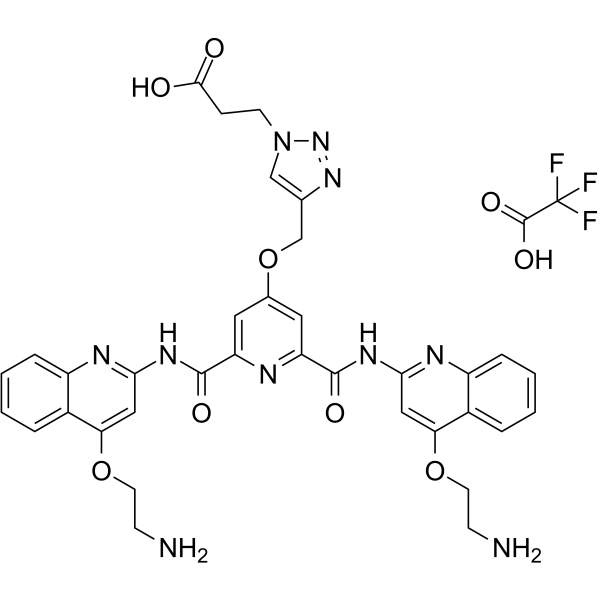
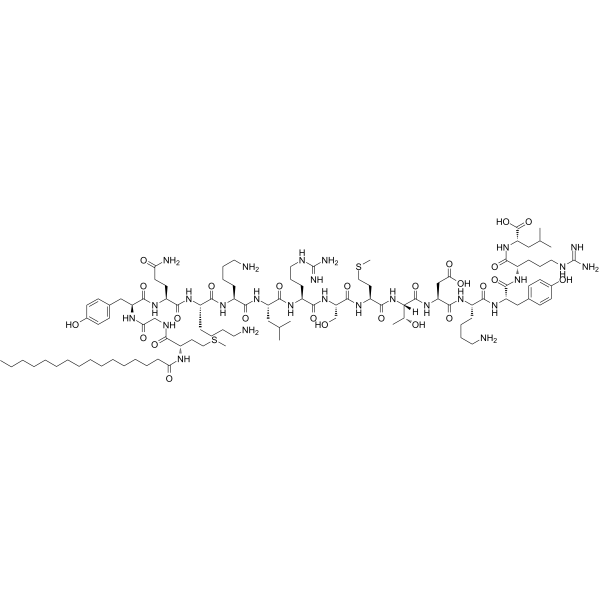
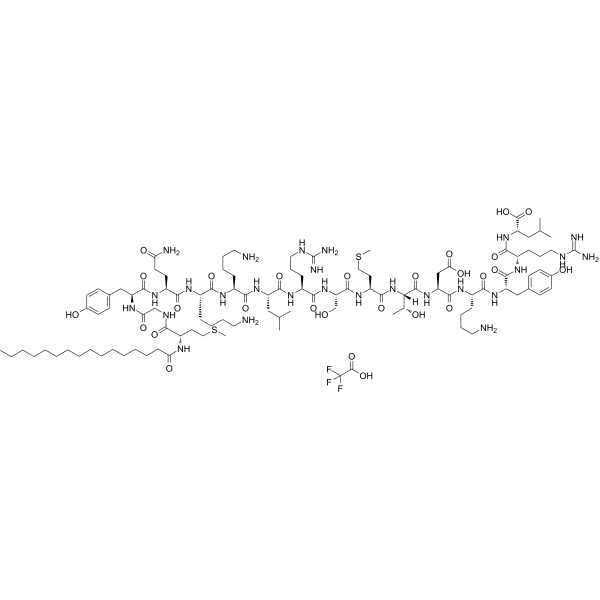
Carboxy pyridostatin trifluoroacetate salt is a G-quadruplex ligand. Carboxy pyridostatin trifluoroacetate salt has a highly molecular specificity to RNA on DNA G4s and reduces ATF-5 protein. Carboxy pyridostatin trifluoroacetate salt reduces cell proliferation and hinders stress granule (SG) formation .
loading...
    loading...
6
6 Cited Publications
Cat. No.: HY-B0366A
CAS No.: 969-33-5
Synonyms: Cyproheptadine HCl
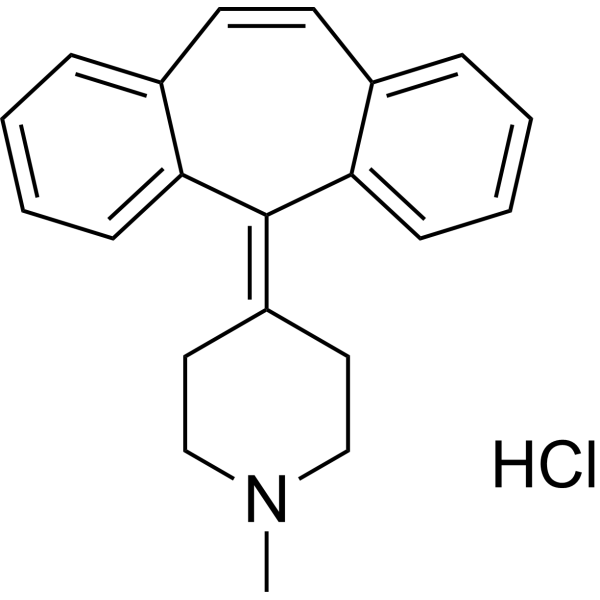
Cyproheptadine hydrochloride (Cyproheptadine HCl) acts as a p38 MAP kinase activator, CHK2 activator, histamine H1 receptor inhibitor and serotonin receptor inhibitor. Cyproheptadine hydrochloride mediates cell cycle arrest via G1 phase arrest, G1/S transition arrest, G0/G1 phase arrest, reduced expression of cyclins D1/D2/D3, upregulated expression of HBP1, p16, p21, p27, and decreased phosphorylation of retinoblastoma protein. Cyproheptadine hydrochloride induces Apoptosis by increasing PARP and cleaved PARP, as well as activating the mitochondrial caspase pathway. Cyproheptadine hydrochloride inhibits tumor growth with extremely low toxicity to normal cells. Cyproheptadine hydrochloride can be used in research related to hepatocellular carcinoma, multiple myeloma and acute myeloid leukemia .
loading...
    loading...
6
6 Cited Publications
Cat. No.: HY-B1165
CAS No.: 41354-29-4
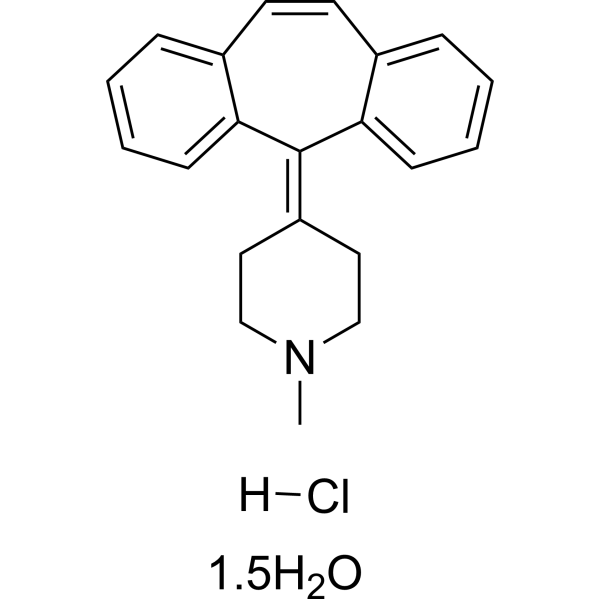
Cyproheptadine hydrochloride sesquihydrate acts as a p38 MAP kinase activator, CHK2 activator, histamine H1 receptor inhibitor and serotonin receptor inhibitor. Cyproheptadine hydrochloride sesquihydrate mediates cell cycle arrest via G1 phase arrest, G1/S transition arrest, G0/G1 phase arrest, reduced expression of cyclins D1/D2/D3, upregulated expression of HBP1, p16, p21, p27, and decreased phosphorylation of retinoblastoma protein. Cyproheptadine hydrochloride sesquihydrate induces Apoptosis by increasing PARP and cleaved PARP, as well as activating the mitochondrial caspase pathway. Cyproheptadine hydrochloride sesquihydrate inhibits tumor growth with extremely low toxicity to normal cells. Cyproheptadine hydrochloride sesquihydrate can be used in research related to hepatocellular carcinoma, multiple myeloma and acute myeloid leukemia .
loading...
    loading...
6
6 Cited Publications
Cat. No.: HY-B1622
CAS No.: 129-03-3
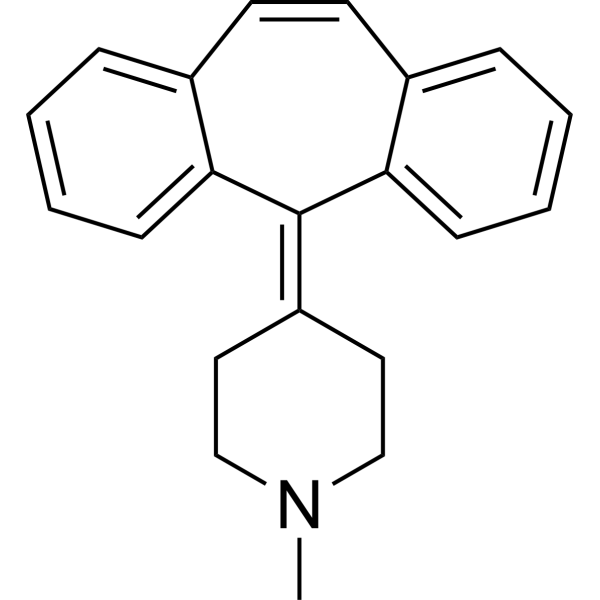
Cyproheptadine acts as a p38 MAP kinase activator, CHK2 activator, histamine H1 receptor inhibitor and serotonin receptor inhibitor. Cyproheptadine mediates cell cycle arrest via G1 phase arrest, G1/S transition arrest, G0/G1 phase arrest, reduced expression of cyclins D1/D2/D3, upregulated expression of HBP1, p16, p21, p27, and decreased phosphorylation of retinoblastoma protein. Cyproheptadine induces Apoptosis by increasing PARP and cleaved PARP, as well as activating the mitochondrial caspase pathway. Cyproheptadine inhibits tumor growth with extremely low toxicity to normal cells. Cyproheptadine can be used in research related to hepatocellular carcinoma, multiple myeloma and acute myeloid leukemia .
loading...
    loading...
6
6 Cited Publications
Cat. No.: HY-N9933
CAS No.: 25696-60-0
Synonyms: TβMCA
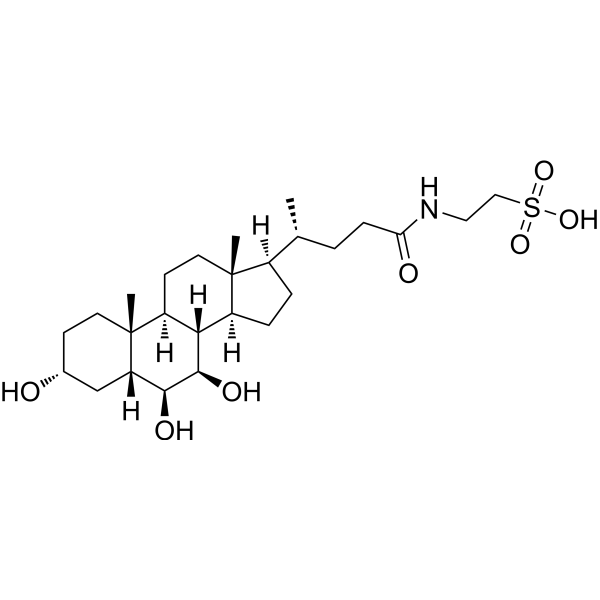
Tauro-β-muricholic acid (TβMCA) is an orally active trihydroxylated bile acid and a competitive, reversible FXR antagonist (IC50=40 μM). Tauro-β-muricholic acid inhibits bile acid-induced hepatocyte apoptosis by maintaining mitochondrial membrane potential, while simultaneously inhibiting intestinal FXR signaling, affecting bile acid synthesis, hepatic lipid metabolism, and insulin sensitivity. Accumulation of tauro-β-muricholic acid disrupts metabolic homeostasis, promoting cancer stem cell proliferation and tumor progression. The mechanisms of tauro-β-muricholic acid involve two aspects: first, inhibiting the translocation of the pro-apoptotic protein Bax to mitochondria and maintaining mitochondrial membrane potential (MMP); and second, blocking the FXR signaling pathway to regulate bile acid metabolism, reduce serum ceramide production, and downregulate the hepatic SREBP1C/CIDEA pathway. Tauro-β-muricholic acid possesses anti-hepatocyte apoptosis, bile acid homeostasis regulation, and liver fat accumulation reduction properties, and also functions as a biomarker, making it useful in the study of diseases such as bile acid metabolism disorders, non-alcoholic fatty liver disease, colorectal cancer, and liver fibrosis .
loading...
    loading...
5
5 Cited Publications
Cat. No.: HY-15838
CAS No.: 147591-46-6
Purity:  99.92%
Target:  

DYRK

Research Areas:  

Cancer

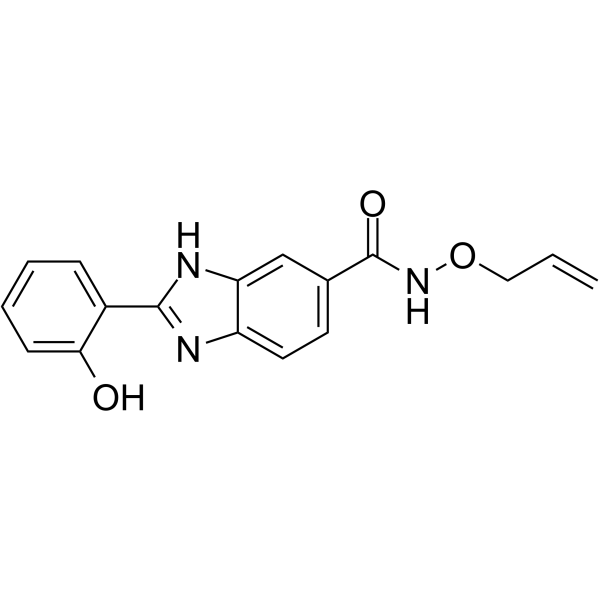
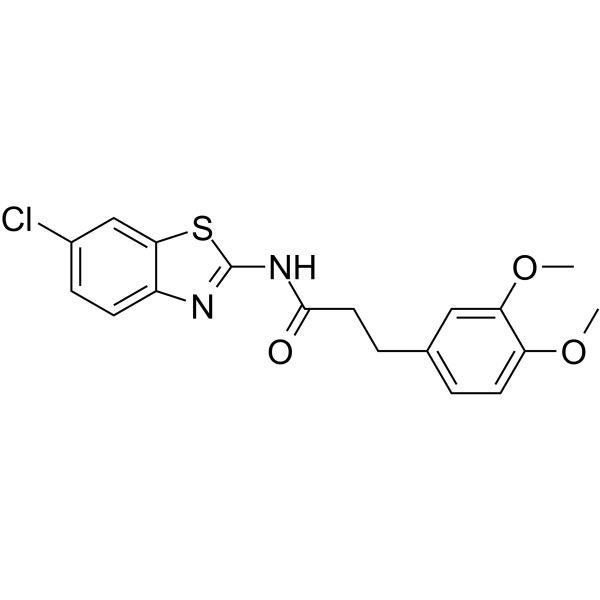
ID-8 is an inhibitor of dual-specificity tyrosine phosphorylation-regulated kinase (DYRK). ID-8 sustains embryonic stem cell (ESC) self-renewal and pluripotency. ID-8 enhances Wnt-mediated hESC survival and proliferation via inhibition of DYRKs .
loading...
    loading...
5
5 Cited Publications
Cat. No.: HY-136833
CAS No.: 2404756-81-4
Purity:  98.01%
Target:  

DNA/RNA Synthesis

Research Areas:  

Neurological Disease

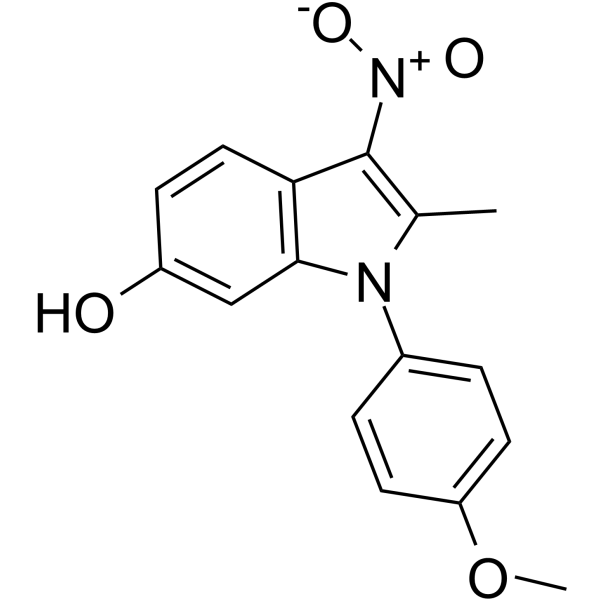
X5050 is a REST inhibitor, with an EC50 of 2.1 μM .
loading...
    loading...
5
5 Cited Publications
Cat. No.: HY-N6953
CAS No.: 107390-08-9
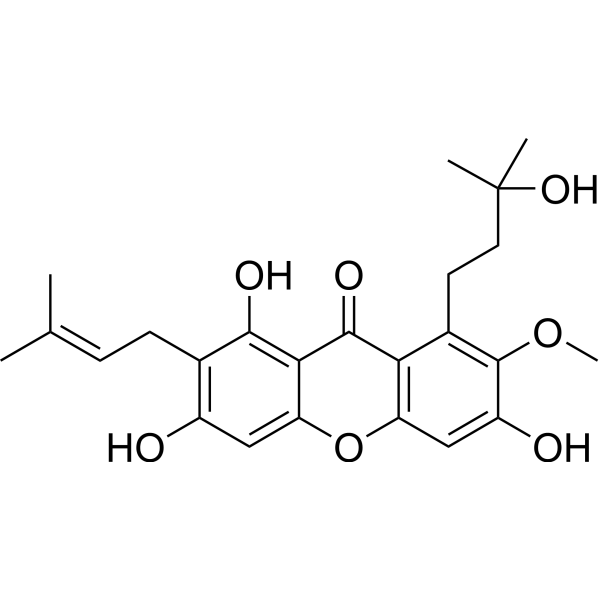
Garcinone D is an activator of the STAT3/Cyclin D1 and Nrf2/HO-1 pathways, and an inhibitor of CDK2/CyclinE1 (IC50 for CDK2/CyclinE1 is 28.23 μM). Garcinone D promotes neural stem cell proliferation by activating STAT3 phosphorylation and Cyclin D1 expression and enhancing the Nrf2/HO-1 signaling pathway. In addition, Garcinone D blocks the tumor cell cycle by inhibiting CDK2/CyclinE1. Garcinone D can promote the proliferation of C17.2 neural stem cells and inhibit prostate and breast cancer .
loading...
    loading...
5
5 Cited Publications
Cat. No.: HY-B0520A
CAS No.: 132-17-2
Synonyms: Benzatropine mesylate; Benzotropine mesylate; Benztropine methanesulfonate
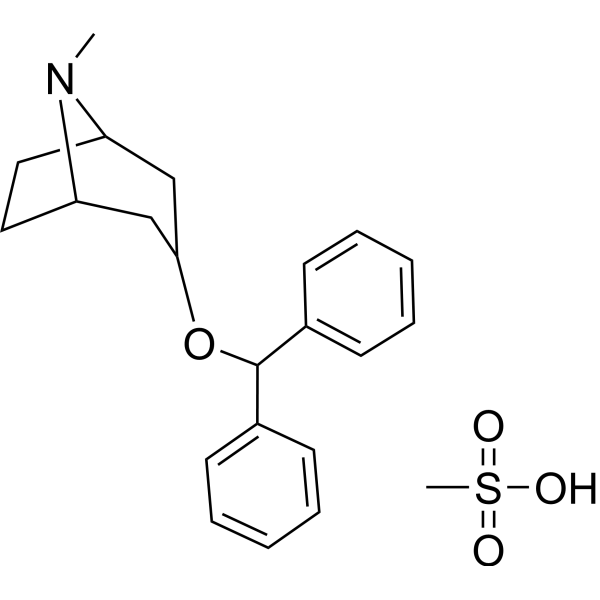
Benztropine mesylate (Benzatropine mesylate) is an orally active and BBB-permeable centrally acting anticholinergic agent that can be used for Parkinson's disease research. Benztropine mesylate is an anti-histamine agent and a dopamine re-uptake inhibitor. Benztropine mesylate is also a human D2 dopamine receptor allosteric antagonist. Benztropine mesylate also has anti-CSCs (cancer stem cells) effects .
loading...
    loading...
5
5 Cited Publications
Cat. No.: HY-B0520
CAS No.: 86-13-5
Synonyms: Benzatropine; Benzotropine
Research Areas:  

Cancer

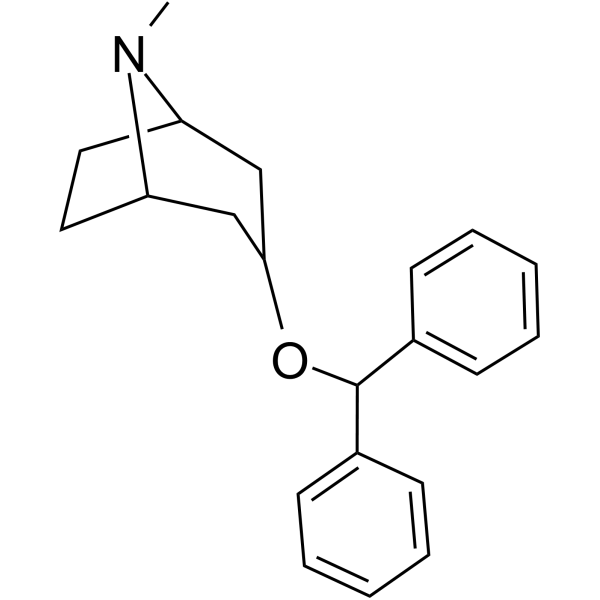
Benztropine (Benzatropine; Benzotropine) is an orally active and BBB-permeable centrally acting anticholinergic agent that can be used for Parkinson's disease research . Benztropine is an anti-histamine agent and a dopamine re-uptake inhibitor. Benztropine is also a human D2 dopamine receptor allosteric antagonist. Benztropine mesylate also has anti-CSCs (cancer stem cells) effects .
loading...
    loading...
5
5 Cited Publications
Cat. No.: HY-13815
CAS No.: 1118807-13-8
Purity:  99.23%
Target:  

Wnt

Research Areas:  

Cardiovascular Disease

KY02111 is a canonical WNT signaling (β-catenin) inhibitor which promotes differentiation of hPSCs to cardiomyocytes. KY02111 can be used for the research of human cardiomyocyte regeneration .
loading...
    loading...
5
5 Cited Publications
Cat. No.: HY-P70781
Purity:  ≥ 95%, as determined by reducing SDS-PAGE.
Synonyms: KITLG; SLF; Prev. MGF; Familial Progressive Hyperpigmentation 2; SCF; Steel Factor; Mast Cell Growth Factor; C-Kit Ligand; stem Cell Factor; Kit Ligand; DFNA69; SHEP7; Kitl; DCUA; KL-1; FPHH; FPH2; WS2F; KIT Ligand; SF
Species:  
Human
Source:  
E. coli
loading...
    loading...
5
5 Cited Publications
Cat. No.: HY-113016
CAS No.: 112-79-8
Purity:  99.49%
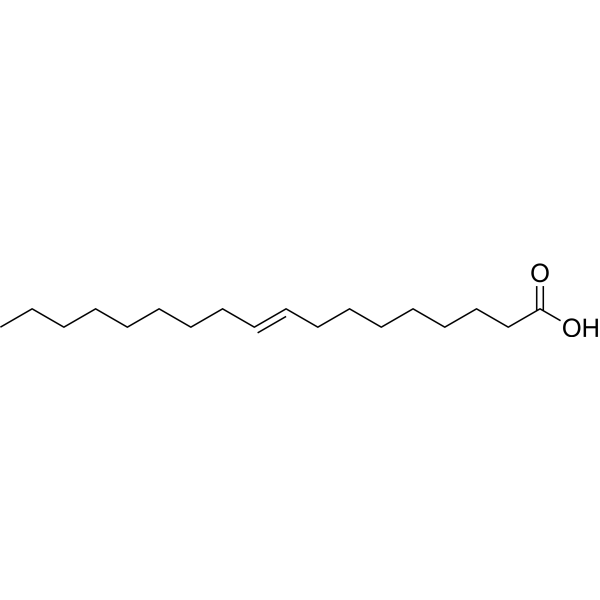
Elaidic acid is an orally active trans fatty acid. Elaidic acid enhances the stemness of colorectal cancer cells by activating the Wnt/ERK1/2 pathway, thereby promoting cell proliferation, invasion and metastasis, and inhibiting apoptosis. Elaidic acid also inhibits the growth of Lactobacillus and alters the cell surface hydrophobicity of Lactobacillus. Elaidic acid reduces basal 2-deoxyglucose uptake in muscle cells and adipocytes. Elaidic acid can be used in research on colorectal cancer, insulin and other related areas .
loading...
    loading...
5
5 Cited Publications
Cat. No.: HY-18768
CAS No.: 1802088-50-1
NCT-501 is a reversible, non-competitive, selective, blood-brain barrier-permeable ALDH1A1 inhibitor with an IC50 of 40 nM. NCT-501 inhibits the AKT-β-catenin signaling pathway, induces necroptosis in nasopharyngeal carcinoma cells, suppresses their proliferation and inhibits stem cell spheroid formation. NCT-501 can be used in research related to nasopharyngeal carcinoma, esophageal squamous cell carcinoma and malignant tumors .
loading...
    loading...
5
5 Cited Publications
Cat. No.: HY-P1122
CAS No.: 83602-39-5
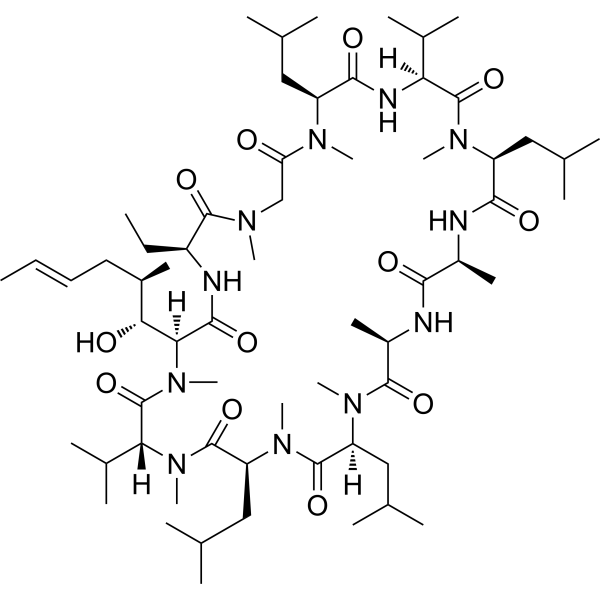
Cyclosporin H is a selective and potent inhibitor of FPR-1 (formyl peptide receptor 1). Cyclosporin H, a viral transduction enhancer, increases lentiviral transduction up to 10-fold in human cord blood-derived hematopoietic stem and progenitor cells (HSPCs). Cyclosporin H displays an additive effect when combined with Rapamycin (HY-10219) or Prostaglandin E2 (HY-101952). Cyclosporin H lacks immunosuppressant activity of Cyclosporin A.
loading...
    loading...
4
4 Cited Publications
Cat. No.: HY-13894
CAS No.: 146535-11-7
Purity:  99.69%
Synonyms: AG1296
Tyrphostin AG1296 is a potent and selective inhibitor of platelet-derived growth factor receptor (PDGFR), with an IC50 of 0.8 μM. Tyrphostin AG1296 inhibits signaling of human PDGF α- and β-receptors as well as of the related stem cell factor receptor (c-Kit). Tyrphostin AG1296 is also a potent inhibitor of FLT3, with an IC50 in the micromolar range .
loading...
    loading...
4
4 Cited Publications
Cat. No.: HY-10408
CAS No.: 623142-96-1
Purity:  99.51%
Target:  

c-Fms VEGFR c-Kit PDGFR

Research Areas:  

Inflammation/Immunology

Ki20227 is an orally active and highly selective c-Fms tyrosine kinase (CSF1R) inhibitor with IC50s of 2 nM, 12 nM, 451 and 217 nM for CSF1R, VEGFR2 (vascular endothelial growth factor receptor-2), c-Kit (stem cell factor receptor) and PDGFRβ (platelet-derived growth factor receptor β). Ki20227 suppresses osteoclast differentiation and osteolytic bone destruction .
loading...
    loading...
4
4 Cited Publications
Cat. No.: HY-P0172
CAS No.: 1337878-62-2
Target:  

CXCR

ATI-2341 is a potent and functionally selective allosteric agonist of C-X-C chemokine receptor type 4 (CXCR4), which functions as a biased ligand, favoring Gαi activation over Gα13. ATI-2341 activates the inhibitory heterotrimeric G protein (Gi) to promote inhibition of cAMP production and induce calcium mobilization. ATI-2341 is a potent and efficacious mobilizer of bone marrow polymorphonuclear neutrophils (PMNs) and hematopoietic stem and progenitor cells (HSPCs) .
loading...
    loading...
4
4 Cited Publications
Cat. No.: HY-P0172A
Target:  

CXCR

ATI-2341 is a potent and functionally selective allosteric agonist of C-X-C chemokine receptor type 4 (CXCR4), which functions as a biased ligand, favoring Gαi activation over Gα13. ATI-2341 activates the inhibitory heterotrimeric G protein (Gi) to promote inhibition of cAMP production and induce calcium mobilization. ATI-2341 is a potent and efficacious mobilizer of bone marrow polymorphonuclear neutrophils (PMNs) and hematopoietic stem and progenitor cells (HSPCs) .
loading...
    loading...
4
4 Cited Publications
Cat. No.: HY-N0772
CAS No.: 24699-16-9
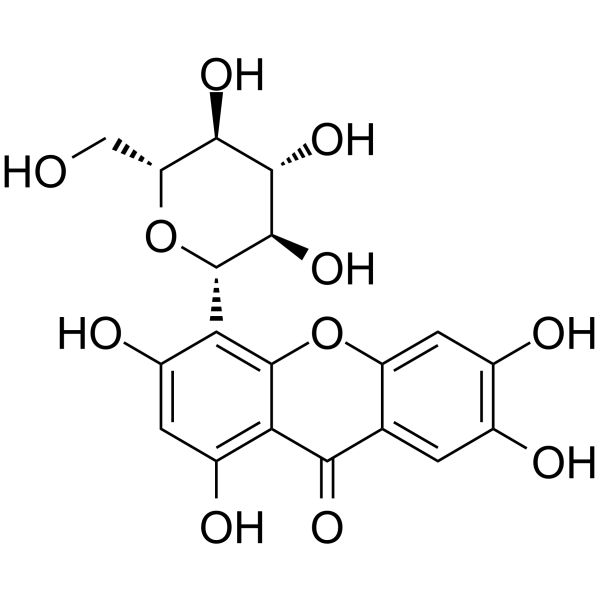
Isomangiferin is an orally active xanthone C-glucoside, and its chemical structure is similar to Mangiferin (HY-N0290). Isomangiferin is an effective VEGFR-2 kinase inhibitor, which can induces cell apoptosis, inhibit the growth, metastasis and angiogenesis of breast cancer. Isomangiferin exerts anti-inflammatory effects by inhibiting the HMGB1/NLRP3/NF-κB signaling pathway, thereby improving the renal function indicators of diabetic mice. Isomangiferin exhibits inhibitory effects on various bacteria and herpes simplex virus type 1 (HSV-1). Isomangiferin promotes the migration and osteogenic differentiation of bone marrow mesenchymal stem cells (BMSCs) and reduces cell apoptosis and the production of ROS by activating the AMPK/ACC pathway, thereby facilitating fracture healing .
loading...
    loading...

