824 Results for "

Staphylococcus intermedius

" in MedChemExpress (MCE) Product Catalog:
Products (824)

824 Results for "Staphylococcus intermedius" in MCE Product Catalog:

Cat. No.: HY-W015464R
CAS No.: 16284-60-9
N-Isovaleroylglycine (Standard) is the analytical standard of N-Isovaleroylglycine (HY-W015464). This product is intended for research and analytical applications. N-Isovaleroylglycine is a peptidylglycine α-amidating monooxygenase (PAM) inhibitor with a Ki value of 2.0 mM against human hsPAM. N-Isovaleroylglycine undergoes oxidative cleavage by purified rat PAM to produce fatty acid amide and glyoxylic acid. N-Isovaleroylglycine exerts competitive inhibition by binding to hsPAM, blocking the amidation of dansyl-Tyr-Val-Gly. N-Isovaleroylglycine exhibits lowered urinary abundance in MRSA-infected mice, which qualifies it as a non-invasive biomarker. N-Isovaleroylglycine can be used in studies related to Staphylococcus aureus pneumonia and diabetic foot .
loading...
    loading...
Cat. No.: HY-W031757
CAS No.: 117-78-2
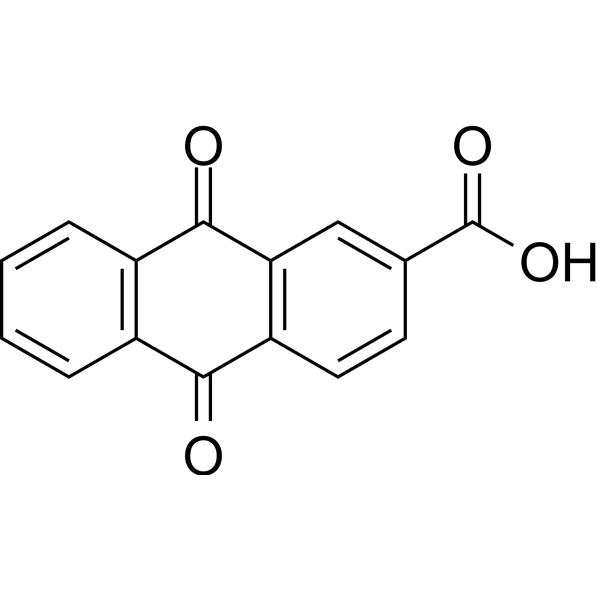
Anthraquinone-2-carboxylic acid is an orally active anthraquinone compound and Antibacterial agent. Anthraquinone-2-carboxylic acid can be isolated from Bajitian. Anthraquinone-2-carboxylic acid inhibits the activation of DPP-IV, COX-2, NF-κB and AP-1. Anthraquinone-2-carboxylic acid blocks IAV-induced activation of the RIG-I/STAT1 pathway, alleviates IAV-mediated weight loss, and protects against lethal IAV infection. Anthraquinone-2-carboxylic acid inhibits the growth of various Staphylococcus strains. It possesses potent anti-inflammatory, immunomodulatory, analgesic and antibacterial activities .\n


loading...
    loading...
Cat. No.: HY-W052289R
CAS No.: 868656-97-7
Methyl 6-bromo-1H-indole-3-carboxylate (Standard) is the analytical standard of Methyl 6-bromo-1H-indole-3-carboxylate (HY-W052289). This product is intended for research and analytical applications. Methyl 6-bromo-1H-indole-3-carboxylate is a marine-derived natural product with antitumor activity. Methyl 6-bromo-1H-indole-3-carboxylate showed growth inhibition against Staphylococcus epidermidis, exhibiting weak or moderate minimum inhibitory concentrations (MICs) .
loading...
    loading...
Cat. No.: HY-10393
CAS No.: 165800-04-4
Purity:  96.11%
Synonyms: PNU-100592
Target:  

Bacterial Antibiotic

Research Areas:  

Infection

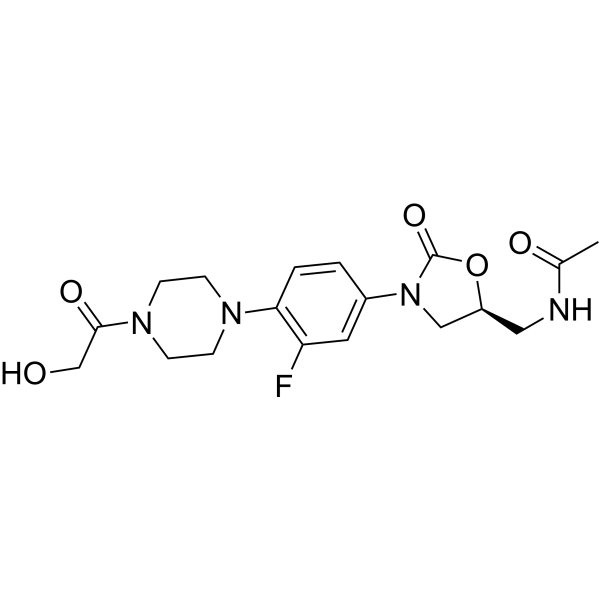
Eperezolid (PNU-100592) is an orally active protein synthesis inhibitor that targets the bacterial 50S ribosomal subunit. Eperezolid competitively binds to a specific site on the ribosomal 50S subunit (overlapping with the binding sites of chloramphenicol (HY-B0239) and lincomycin (HY-117660)) to inhibit the translation initiation stage and exert antibacterial activity. Eperezolid can induce host cell autophagy to enhance the clearance of intracellular mycobacteria, and its MIC90 for Staphylococcus aureus and Enterococcus is 1-4 μg/mL. Eperezolid is mainly used for antibacterial research on infections with Gram-positive bacteria such as methicillin-resistant (HY-121544) Staphylococci and vancomycin-resistant (HY-B0671) Enterococci, as well as infections with intracellular bacteria such as Mycobacterium tuberculosis .
loading...
    loading...
Cat. No.: HY-107833
CAS No.: 102961-72-8
Purity:  92.38%
Target:  

Antibiotic Bacterial

Research Areas:  

Infection

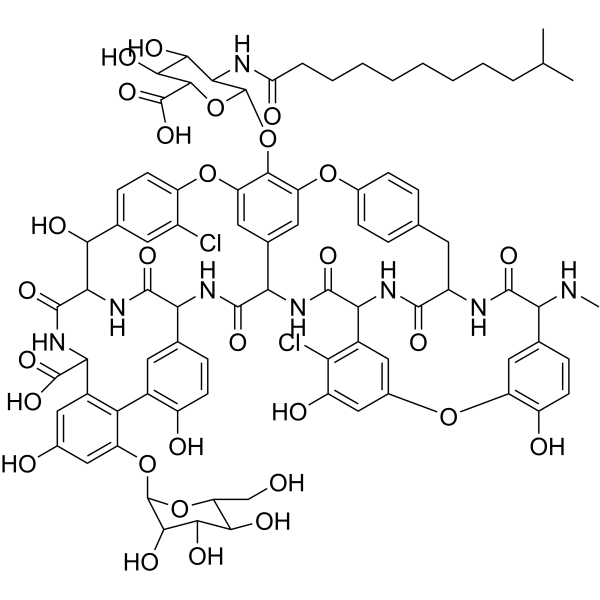
A40926 is a glycopeptide antibiotic that targets the bacterial cell wall peptidoglycan precursor D-alanyl-D-alanine (D-Ala-D-Ala). A40926 irreversibly inhibits cell wall synthesis by competitively binding to this target, and has high bactericidal activity against Gram-positive bacteria (such as Staphylococcus, Streptococcus) and Neisseria gonorrhoeae, with MIC=0.06-2 μg/mL, and is also effective against penicillin-resistant strains. A40926 blocks peptidoglycan cross-linking, destroys cell wall integrity, and causes bacterial lysis and death. A40926 has a fat-soluble fatty acid structure, which can increase serum concentrations and prolong the duration of action (e.g., the terminal half-life in rats is 61.22 h) .
loading...
    loading...
Cat. No.: HY-180191
Anti-MRSA agent 42 (Compound 6d) is an anti-methicillin-resistant Staphylococcus aureus (MRSA) agent. Anti-MRSA agent 42 shows strong inhibitory effects on MRSA standard strains and 11 clinical isolates with MIC values of 0.25-0.5 μg/mL. Anti-MRSA agent 42 has low hemolytic activity and minimal cytotoxicity toward mammalian cells. Anti-MRSA agent 42 can suppress biofilm formation, compromise the cell wall, and disrupt the cytoplasmic membrane, which are accompanied by membrane depolarization, enhanced permeability, and loss of membrane integrity. Anti-MRSA agent 42 can induce ROS production and bind to DNA grooves, interfering with nucleic acid function. Anti-MRSA agent 42 can be used for the research of MRSA infection .
loading...
    loading...
Cat. No.: HY-185351
Synonyms: Ampicillin/Sulbactam combination
Target:  

Bacterial Antibiotic

Research Areas:  

Infection

Ampicillin sodium and Sulbactam sodium are formed by mixing HY-B0522A Ampicillin sodium with HY-B0334A Sulbactam sodium (each 1.5 g of this product contains 1 g amoxicillin sodium and 0.5 g sulbactam sodium). Ampicillin is a β-lactam antimicrobial, whereas sulbactam is a β-lactamase inhibitor. Ampicillin has a broad spectrum of bactericidal activity against many gram-positive and gram-negative aerobic and anaerobic bacteria. However, ampicillin is degraded by beta-lactamases. The combination of ampicillin and sulbactam demonstrates synergy in addressing bacterial strains resistant to ampicillin, thus providing broader coverage. Bacteria susceptible to ampicillin/sulbactam include Haemophilus influenzae, Escherichia coli, Acinetobacter, Klebsiella, Staphylococcus aureus, Enterobacter, and anaerobes.
loading...
    loading...
Cat. No.: HY-189412
Antibacterial agent 376 is an antibacterial agent. Antibacterial agent 376 exhibits antibacterial efficacy against S. aureus and E. coli. Antibacterial agent 376 induces mild hepatic alterations, including slight inflammatory cell infiltration, moderate vacuolar degeneration, and moderate hepatocyte enlargement, while the overall liver architecture remains largely preserved. Antibacterial agent 376 induces mild renal alterations, including vascular congestion, limited inflammatory cell infiltration, and mild tubular degeneration, while the overall kidney structure remains intact. Antibacterial agent 376 causes a significant decrease in serum antioxidant markers GSH, GPx, and CAT, indicating the induction of oxidative stress in rats. Antibacterial agent 376 can be used for research on bacterial infections (Staphylococcus aureus and Escherichia coli) .
loading...
    loading...
Cat. No.: HY-B1777AR
CAS No.: 306-67-2
Spermine (tetrahydrochloride) (Standard) is the analytical standard of Spermine (tetrahydrochloride). This product is intended for research and analytical applications. Spermine tetrahydrochloride is a polyamine nitric oxide donor that can provide nitric oxide to platelets and inhibit platelet activation to a certain extent concentration-dependently. Spermine tetrahydrochloride occurs in mammalian tissues, plants, bacteria, ribosomes and bacteriophage. Spermine tetrahydrochloride inhibits primary human embryo lung fibroblasts in vitro. Spermine is a natural antioxidant and anti-inflammatory agent. Spermine is known to inhibit some bacterial cultures, especially strains of Staphylococcus aureus. Spermine induces neurotoxicity in the striarum dose-dependently. Spermine can reversibly inhibits DNA synthetic response, mixed lymphocyte response and the induction of cytolytic lymphocyte response in primary cultures of murine spleen cells .
loading...
    loading...
Cat. No.: HY-B1777AS
CAS No.: 1173022-85-9
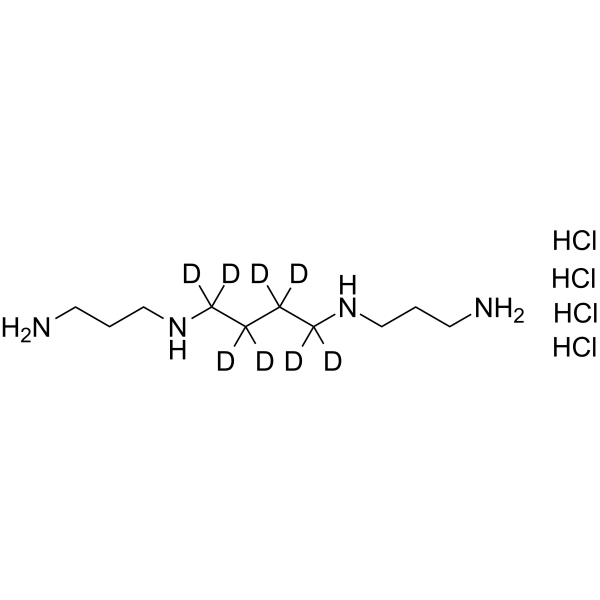
Spermine-d8 (tetrahydrochloride) is the deuterium labeled Spermine tetrahydrochloride. Spermine tetrahydrochloride is a polyamine nitric oxide donor that can provide nitric oxide to platelets and inhibit platelet activation to a certain extent concentration-dependently. Spermine tetrahydrochloride occurs in mammalian tissues, plants, bacteria, ribosomes and bacteriophage. Spermine tetrahydrochloride inhibits primary human embryo lung fibroblasts in vitro. Spermine is a natural antioxidant and anti-inflammatory agent. Spermine is known to inhibit some bacterial cultures, especially strains of Staphylococcus aureus. Spermine induces neurotoxicity in the striarum dose-dependently. Spermine can reversibly inhibits DNA synthetic response, mixed lymphocyte response and the induction of cytolytic lymphocyte response in primary cultures of murine spleen cells .
loading...
    loading...
Cat. No.: HY-N21878
CAS No.: 474328-38-6
Muraymycin D2 is a peptidyl nucleoside natural product derived from Streptomyces spp., possessing competitive translocase I (MraY) inhibitory activity and antibacterial activity. Muraymycin D2 competitively binds to the nucleotide-binding pocket of the MraY substrate via its nucleoside moiety, and upon binding, induces a conformational change in MraY, blocking lipid I synthesis and inhibiting peptidoglycan biosynthesis. Muraymycin D2 exhibits a Ki of 7.6 nM against Bacillus subtilis and an IC50 of 0.39 nM against Staphylococcus aureus. Muraymycin D2 shows antibacterial activity against Escherichia coli and is capable of breaking persistence in chlamydial infection. Muraymycin D2 can be used for research on bacterial infection-related studies, such as chlamydial infection .
loading...
    loading...
Cat. No.: HY-P11220
Research Areas:  

Infection

Hs02 is a cationic amphiphilic antibacterial peptide derived from human proteins, and it is the membrane-active module of the core chimeric peptide Chim2. Hs02 exhibits broad-spectrum and potent antibacterial activity against various human pathogenic bacteria with the MIC for Staphylococcus aureus and Escherichia coli of as low as 2 μM, and the MBC is 2-4 μM. Hs02 primarily kills bacteria by disrupting the integrity of the bacterial cell membrane, and it has a relatively low selectivity for eukaryotic cell membranes. Hs02 induces the release of IL-12 but does not induce the release of IL-6, indicating its potential for pro-inflammatory or immune activation. Hs02 can be used in antibacterial and immunomodulatory research .
loading...
    loading...
Cat. No.: HY-P11657
CAS No.: 1805781-73-0
Target:  

Bacterial

Research Areas:  

Infection

GN-2 peptoid is a 9-mer cationic amphipathic peptoid and bactericidal agent with an overall net charge of +4, broad-spectrum antimicrobial activity, and low hemolytic and cytotoxic activity against mammalian cells. GN-2 peptoid exerts bactericidal action against Escherichia coli in a concentration-dependent manner. GN-2 peptoid exhibits antimicrobial activity against Gram-positive Staphylococcus aureus and Gram-negative Escherichia coli, Pseudomonas aeruginosa strains. GN-2 peptoid shows low toxicity against human red blood cells and HeLa cells. GN-2 peptoid maintains antimicrobial activity in the presence of 50% human blood plasma. GN-2 peptoid can be used for the research of bacterial infections .
loading...
    loading...
Cat. No.: HY-P5642A
Synonyms: RC-101 TFA
Retrocyclin-101 (RC-101) TFA is an artificially synthesized, cyclic-structured θ-defensin, a broad-spectrum agent with antimicrobial (covering viruses, bacteria, and fungi) activity and anti-inflammatory activity. Retrocyclin-101 TFA can inhibit the serine protease activity of ZIKV NS2B-NS3, with an IC50 of 7.20 μM. Retrocyclin-101 TFA has significant inhibitory activity against HIV, SARS-CoV-2, flaviviruses, influenza viruses, HSV-1/2, Staphylococcus aureus, etc. Retrocyclin-101 TFA inhibits the signal transduction mediated by TLR4 and TLR2, reducing the expression of pro-inflammatory cytokines .
loading...
    loading...
Cat. No.: HY-U00265
CAS No.: 20073-24-9
Synonyms: 3-Carbethoxypsoralen; 3-Ethoxycarbonylpsoralen
Target:  

Bacterial

Research Areas:  

Infection

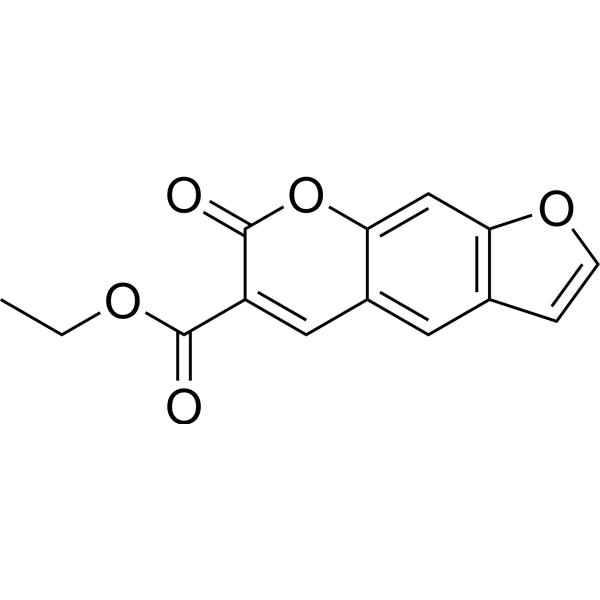
3-CPs is a monofunctional furanocoumarin and a photoprotective agent targeting Staphylococcus aureus DNA, possessesing anti-UVB lethal activity. 3-CPs competitively intercalates into DNA, forming exclusively 4',5'-furan-side mono-adducts upon UVB irradiation, and irreversibly inhibits the formation of cyclobutane pyrimidine dimers. 3-CPs prevents UVB-induced DNA damage by preferentially binding to strong (AT)n sites within the DNA, without inducing lethal interstrand DNA cross-links; the limited number of mono-adducts it induces can be efficiently repaired by bacteria. 3-CPs holds potential for use in the development of photoprotective formulations for skin diseases, as well as in studies investigating bacterial DNA photodamage repair mechanisms and the optimization of photochemotherapy safety .
loading...
    loading...
Cat. No.: HY-103249
CAS No.: 303957-69-9
Purity:  98.08%
Synonyms: Reutericycline
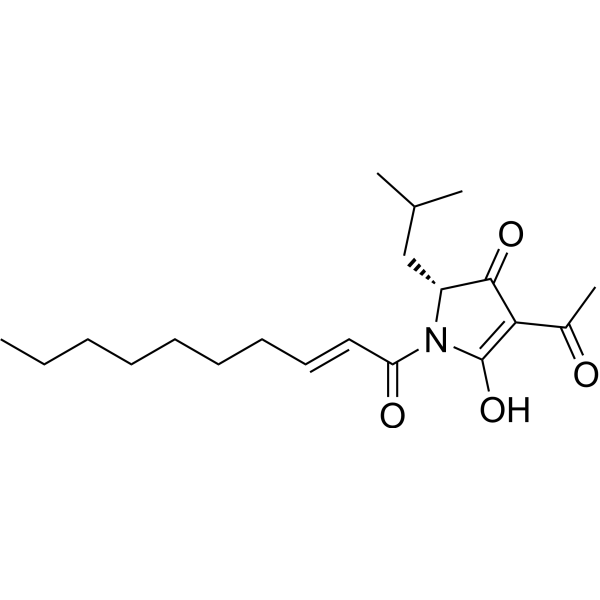
Reutericyclin (Reutericycline) is an orally active antibacterial and anti-obesity agent that selectively inhibits Gram-positive bacteria. By selectively dissipating transmembrane potential, Reutericyclin exerts non-lytic bactericidal or bacteriostatic activity against pathogens such as Clostridium difficile and Staphylococcus aureus, and rapidly kills vegetative cells and spores of Clostridium difficile. Reutericyclin possesses favorable properties including resistance to enzymatic hydrolysis, iron-chelating function, and poor absorption by colonic epithelium. Reutericyclin not only eradicates staphylococcal biofilms and inhibits drug-resistant strains, but also counteracts Risperidone (HY-11018)-induced weight gain by inducing changes in gut microbiota composition and restoring energy utilization efficiency. Reutericyclin can be used in research related to Clostridium difficile infection, Risperidone-induced weight gain, and staphylococcal superficial skin infections .
loading...
    loading...
Cat. No.: HY-178949
Research Areas:  

Infection

MRSA antibiotic 3 (Compound C8) is a small-molecule antibiotic active against Methicillin (HY-121544)-resistant Staphylococcus aureus (MRSA), showing a MIC of 0.5 μg/mL against the standard S. aureus strain (ATCC 29213). MRSA antibiotic 3 potently inhibits the ATPase activity of S. aureus DNA gyrase with an IC50 of 0.32 μM. MRSA antibiotic 3 exhibits strong inhibitory activity against five clinical MRSA isolates, with MIC values ranging from 0.5 to 1 μg/mL. MRSA antibiotic 3 demonstrates negligible cytotoxicity at effective antibacterial concentrations and causes no hemolysis in erythrocytes even at extremely high concentrations. MRSA antibiotic 3 shows significant protective effects in both Galleria mellonella infection and murine sepsis models .
loading...
    loading...
Cat. No.: HY-178952
Target:  

Bacterial

Research Areas:  

Infection

Anti-infective agent 12 (Compound A09) is a competitive inhibitor of type I signal peptidease (SPase I), with an IC50 of 4.475 μM and a Kd of 16.3 μM. Anti-infective agent 12 has the ability to disrupt bacterial membranes and remove biofilms. Anti-infective agent 12 exhibits potent bactericidal activity against Gram-positive bacteria, with MIC values of 4, 4, 8, and 8 μg/mL for Staphylococcus aureus, Enterococcus faecalis, Enterococcus faecium, and Streptococcus suis, respectively. Anti-infective agent 12 remains effective against multi-drug resistant strains, but has weaker activity against Gram-negative bacteria (such as Escherichia coli and Salmonella), with MIC values > 64 μg/mL. Anti-infective agent 12 has low hemolytic activity and shows significant efficacy in mouse skin infection models .
loading...
    loading...
Cat. No.: HY-189221
Target:  

Bacterial

Research Areas:  

Infection

Antimicrobial agent-56 is an antimicrobial agent that targets the cell membrane of drug-resistant bacteria. Antimicrobial agent-56 disrupts the cell membrane integrity of methicillin-resistant Staphylococcus aureus (MRSA) via membrane targeting, downregulates lipoteichoic acid biosynthesis and two-component system signaling, inhibits MRSA biofilm formation and eradicates mature biofilms, with a MIC of 6.25 μg/mL. Antimicrobial agent-56 hardly induces drug resistance, exhibits low hemolytic activity, inhibits NO production stimulated by LPS (HY-D1056), and retains the anti-inflammatory activity of Resveratrol (HY-16561). Antimicrobial agent-56 loaded in PVA-SA hydrogel promotes the healing of MRSA-infected wounds and suppresses inflammation. Antimicrobial agent-56 can be used in studies related to MRSA infections .
loading...
    loading...
Cat. No.: HY-B0395E
CAS No.: 127254-11-9
Synonyms: (1S,2R,7S)-DU-6859a; DU-6856
Research Areas:  

Infection

(1S,2R,7S)-Sitafloxacin (DU-6856) is an enantiomer of Sitafloxacin (HY-B0395). (1S,2R,7S)-Sitafloxacin is a topoisomerase inhibitor. (1S,2R,7S)-Sitafloxacin is an antibiotic. (1S,2R,7S)-Sitafloxacin has inhibitory activity against Escherichia coli DNA gyrase (IC50 0.18 μg/mL) and Staphylococcus aureus topoisomerase IV. (1S,2R,7S)-Sitafloxacin has antibacterial activity and can be used in the study of various bacterial infections .
loading...
    loading...

