
1098 Results for "

gene expression

" in MedChemExpress (MCE) Product Catalog:
Products (1098)

1098 Results for "gene expression" in MCE Product Catalog:

Cat. No.: HY-181588
NR4A agonist-2 is a selective pan-NR4A agonist designed based on Vidofludimus (HY-14908), with a Kd of 0.10 μM against NR4A1, and EC50 values of 0.098 μM, 0.092 μM and 0.09 μM against Nur77, Nurr1, NOR-1, respectively. NR4A agonist-2 exhibits 47-fold selectivity over DHODH, and shows no cytotoxic activity at concentrations up to 10 μM. By binding to a specific surface pocket in the ligand-binding domain of Nurr1, NR4A agonist-2 inhibits the formation of Nurr1 homodimers, activates response elements such as NBRE, NurRE, DR5, and then potently induces the expression of neuroprotective genes including BDNF, SOD2, thereby exerting neuroprotective activity. NR4A agonist-2 can be used in the research of neurodegenerative diseases such as Parkinson's disease, dementia and multiple sclerosis .
loading...
    loading...
Cat. No.: HY-N0168A
CAS No.: 69097-99-0
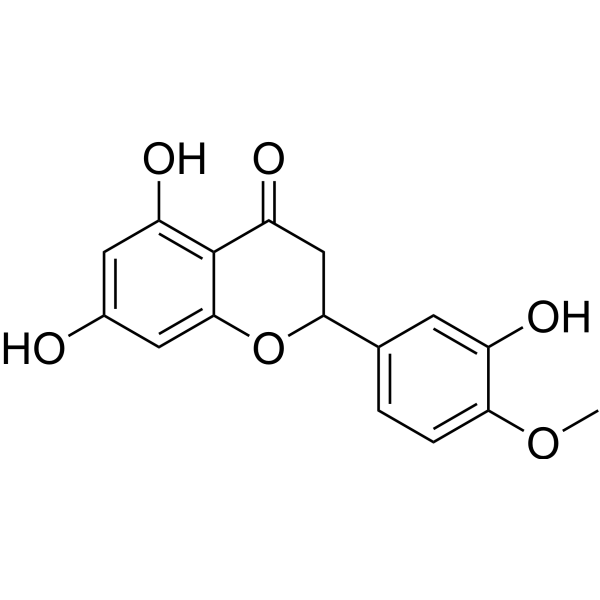
(Rac)-Hesperetin is the racemate of Hesperetin (HY-N0168), an orally active multi-target inhibitor. (Rac)-Hesperetin exhibits significant anti-tumor and anti-inflammatory activities by blocking the TGF-β1-mediated Fyn/RhoA signaling axis and the TLR4-MyD88-NF-κB inflammatory pathway. (Rac)-Hesperetin inhibits the formation of actin stress fibers and the migration and invasion of cancer cells, and is suitable for triple-negative breast cancer research. In inflammation models, (Rac)-Hesperetin effectively alleviates lung injury by reducing the release of pro-inflammatory mediators and regulating the activity of oxidative stress enzymes, and is suitable for acute lung injury research. (Rac)-Hesperetin also interferes with the entry and early replication processes of channel catfish virus, inhibits viral gene expression and progeny virus production, thereby protecting cells from virus-induced cytopathic effects .
loading...
    loading...
Cat. No.: HY-N0390G
CAS No.: 56-85-9
L-Glutamine GMP is L-Glutamine (HY-N0390) produced by using GMP guidelines. GMP small molecules works appropriately as an auxiliary reagent for cell therapy manufacture. L-Glutamine is an orally active nutritional agent and cellular metabolism regulator. L-Glutamine is taken up in a Na +-dependent manner and targets multiple key molecules including glutaminase, mTORC1, NF-κB, STAT-3 and HIF-1α. L-Glutamine enhances glutaminolytic catabolism, drives the conversion of glutamate to α-ketoglutarate, thereby regulating gene expression, integrating metabolic signals, mediating glutamine flux and maintaining redox homeostasis. L-Glutamine also promotes cell proliferation, osteogenic differentiation and fracture healing, exerts neuroprotective and cardioprotective effects, and inhibits osteoarthritis. L-Glutamine can be applied to research related to osteoporosis, osteoarthritis, ischemic stroke and acute cantharidin-induced cardiotoxicity .
loading...
    loading...
Cat. No.: HY-N0390S3
CAS No.: 2123439-02-9
Synonyms: L-Glutamic acid 5-amide-13C5,15N2,d5
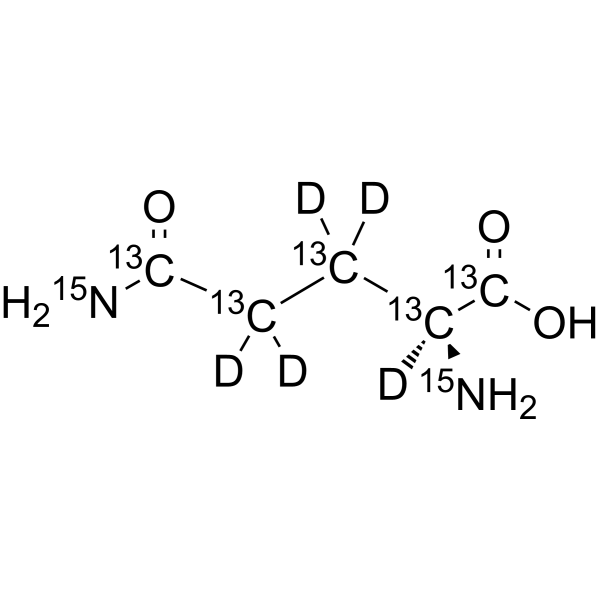
L-Glutamine- 13C5, 15N2,d5 is the deuterium, 13C-, and 15N-labeled L-Glutamine (HY-N0390). L-Glutamine is an orally active nutritional agent and cellular metabolism regulator. L-Glutamine is taken up in a Na +-dependent manner and targets multiple key molecules including glutaminase, mTORC1, NF-κB, STAT-3 and HIF-1α. L-Glutamine enhances glutaminolytic catabolism, drives the conversion of glutamate to α-ketoglutarate, thereby regulating gene expression, integrating metabolic signals, mediating glutamine flux and maintaining redox homeostasis. L-Glutamine also promotes cell proliferation, osteogenic differentiation and fracture healing, exerts neuroprotective and cardioprotective effects, and inhibits osteoarthritis. L-Glutamine can be applied to research related to osteoporosis, osteoarthritis, ischemic stroke and acute cantharidin-induced cardiotoxicity .
loading...
    loading...
Cat. No.: HY-N0390S6
CAS No.: 285978-14-5
Synonyms: L-Glutamic acid 5-amide-13C5,15N2
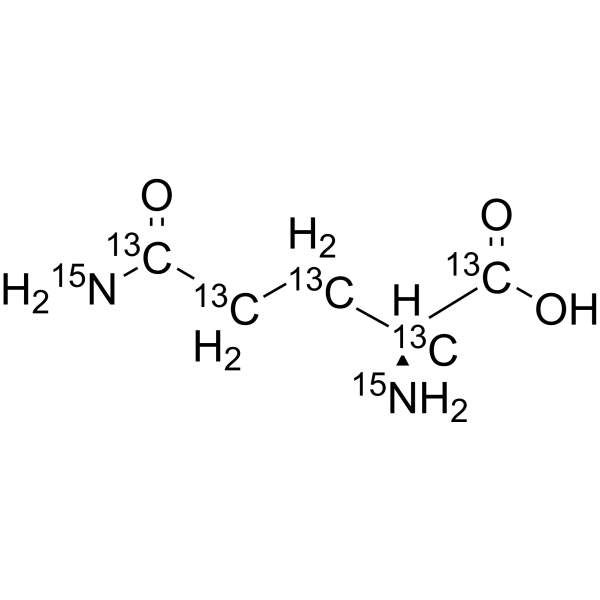
L-Glutamine- 13C5, 15N2 is the 13C- and 15N-labeled L-Glutamine (HY-N0390). L-Glutamine is an orally active nutritional agent and cellular metabolism regulator. L-Glutamine is taken up in a Na +-dependent manner and targets multiple key molecules including glutaminase, mTORC1, NF-κB, STAT-3 and HIF-1α. L-Glutamine enhances glutaminolytic catabolism, drives the conversion of glutamate to α-ketoglutarate, thereby regulating gene expression, integrating metabolic signals, mediating glutamine flux and maintaining redox homeostasis. L-Glutamine also promotes cell proliferation, osteogenic differentiation and fracture healing, exerts neuroprotective and cardioprotective effects, and inhibits osteoarthritis. L-Glutamine can be applied to research related to osteoporosis, osteoarthritis, ischemic stroke and acute cantharidin-induced cardiotoxicity .
loading...
    loading...
Cat. No.: HY-N0390S7
Synonyms: L-Glutamic acid 5-amide-15N2,d5
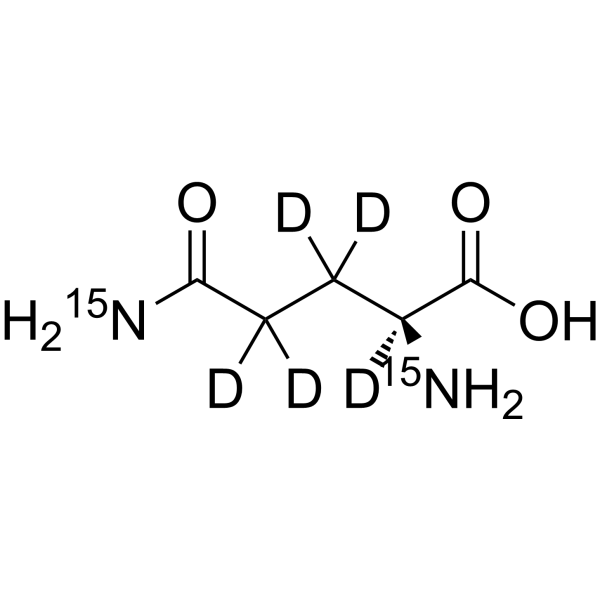
L-Glutamine- 15N2,d5 is the deuterium and 15N-labeled L-Glutamine (HY-N0390). L-Glutamine is an orally active nutritional agent and cellular metabolism regulator. L-Glutamine is taken up in a Na +-dependent manner and targets multiple key molecules including glutaminase, mTORC1, NF-κB, STAT-3 and HIF-1α. L-Glutamine enhances glutaminolytic catabolism, drives the conversion of glutamate to α-ketoglutarate, thereby regulating gene expression, integrating metabolic signals, mediating glutamine flux and maintaining redox homeostasis. L-Glutamine also promotes cell proliferation, osteogenic differentiation and fracture healing, exerts neuroprotective and cardioprotective effects, and inhibits osteoarthritis. L-Glutamine can be applied to research related to osteoporosis, osteoarthritis, ischemic stroke and acute cantharidin-induced cardiotoxicity .
loading...
    loading...
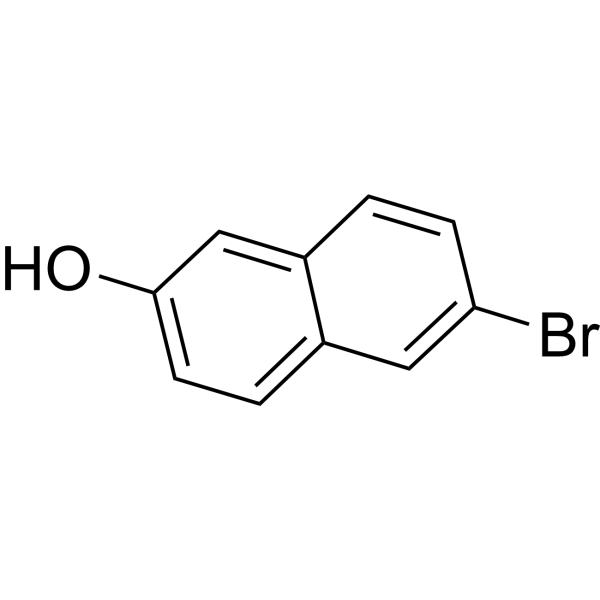
Cat. No.: HY-W001952
CAS No.: 15231-91-1
6-Bromo-2-naphthol is an RTP (real-time polymerase chain reaction) probe that forms a 1:1 or 2:1 complex with β-cyclodextrin (β-CD). 6-Bromo-2-naphthol is capable of real-time monitoring of PCR reactions and quantification of specific nucleic acid sequences. RTP probes are a class of small DNA or RNA sequences labeled with fluorescent dyes and quencher molecules, which can be widely used in gene expression analysis, SNP genotyping, and pathogen detection. 6-Bromo-2-naphthol embeds into the cyclodextrin cavity through hydrophobic interactions, inhibits the oxygen quenching effect, and emits a phosphorescent signal at room temperature. 6-Bromo-2-naphthol can also be used as an intermediate for the synthesis of antibacterial azo dyes, and its derivatives show antibacterial activity against Staphylococcus aureus, Escherichia coli and other bacteria .
loading...
    loading...
Cat. No.: HY-W250308A
Synonyms: Epsilon-polylysine hydrochloride (MV 2000-5000); ε-Polylysine hydrochloride (MV 2000-5000); ε-PL hydrochloride (MV 2000-5000)
ε-Poly-L-lysine (Epsilon-polylysine; ε-Polylysine) hydrochloride (MV 2000-5000) is a polycationic antibacterial agent with broad-spectrum activity against Gram-positive bacteria, Gram-negative bacteria, fungi, yeasts and specific bacteriophages. ε-Poly-L-lysine hydrochloride (MV 2000-5000) exerts bactericidal effects through mechanisms such as disrupting microbial membranes, inducing ROS production, inhibiting metabolism and spore germination. ε-Poly-L-lysine hydrochloride (MV 2000-5000) also regulates the expression of multiple key genes including sodA, oxyR and recA. ε-Poly-L-lysine hydrochloride (MV 2000-5000) exhibits properties such as low eukaryotic cytotoxicity, thermal stability and pH stability, and supports tissue regeneration and anti-tumor applications. ε-Poly-L-lysine hydrochloride (MV 2000-5000) can be applied in research fields including bacterial and fungal infections, diabetic ulcers, and methicillin-resistant Staphylococcus aureus infections .
loading...
    loading...
Cat. No.: HY-L211
86 compounds

Hormones are a class of biologically active substances secreted by endocrine gland cells, which are transported through the circulatory system to various parts of the body, and precisely act on specific target organs or cells, playing a crucial role in regulating the growth, development, metabolism, and reproduction of organisms. The mechanisms of hormone action are diverse and complex. Some hormones (such as corticosteroids, vitamin D, and thyroid hormones) can enter the cell interior and interact with receptors in the nucleus, thereby regulating gene expression and affecting cell function. Other hormones (such as growth hormone and thyrotropin-releasing hormone) bind directly to receptors on the cell surface, exerting their effects by regulating enzyme activity or influencing the state of ion channels. Additionally, hormones play a key role in the study of endocrine and metabolic diseases, and are closely related to the development of diseases such as diabetes and thyroid diseases.

MCE has included 86 human hormone compounds, which is of great significance for the study of human metabolic pathways, and can also be used to build a metabonomics database.

Cat. No.: HY-158231
Synonyms: F127DA
Polyether F127 Diacrylate (F127DA) is an acrylated polyethylene glycol-polypropylene glycol-polyethylene glycol triblock copolymer. Polyether F127 Diacrylate rapidly crosslinks and cures into a gel under ultraviolet or visible light with the action of a photoinitiator. Polyether F127 Diacrylate exhibits excellent thermogelation properties and favorable biosafety. Polyether F127 Diacrylate can upregulate the Integrin-FAK pathway, enhance collagen production, increase the protein and gene expression levels of COL-1/SCX, and promote fibroblastic differentiation of periodontal ligament stem cells. Polyether F127 Diacrylate promotes periodontal ligament regeneration and reduces abnormal healing in a rat model of delayed replanted teeth . Polyether F127 Diacrylate promotes functional osteochondral regeneration in a rat model of osteoarthritis. Polyether F127 Diacrylate supports adipose tissue survival, rendering it suitable for breast reconstruction applications. Polyether F127 Diacrylate can be used in studies related to periodontal ligament injury, breast defect and osteoarthritis .
loading...
    loading...
Cat. No.: HY-164288
CAS No.: 2287331-29-5
Synonyms: TDI-006570
TDI-6570 (TDI-006570) is a blood-brain barrier-permeable, orally active cGAS inhibitor with an IC50 of 1.64 μM. TDI-6570 exhibits high gastrointestinal absorption and a long brain half-life in mice, and shows no toxicity to primary neurons. By inhibiting the cGAS-STING-IFN signaling pathway, TDI-6570 reduces STING levels and the activation of TBK1, blocks double-stranded DNA-induced cGAS activation and downstream interferon-stimulated gene expression, thereby reducing tau protein spread and improving synaptic loss. TDI-6570 reverses memory deficits, increases the amplitude of long-term potentiation, enhances the MEF2C transcriptional network, restores PSD-95 and vGAT punctate structures, and significantly improves cognitive resilience. TDI-6570 can be applied to the research of Alzheimer's disease, Parkinson's disease, systemic lupus erythematosus, as well as various central nervous system and autoimmune diseases .
loading...
    loading...
Cat. No.: HY-189215
CAS No.: 3087067-85-1
Anti-Influenza agent 12 is an orally active inhibitor of influenza A virus infection. Anti-Influenza agent 12 inhibits RIG-I-mediated innate immune signaling and TLR3-mediated signaling pathways. Anti-Influenza agent 12 inhibits NF-κB phosphorylation and downregulates the expression levels of IRF3, ASC, iNOS, IL-4, IL-6, and IFN-α inflammatory genes. Anti-Influenza agent 12 inhibits viral nucleoprotein (NP) and matrix protein 2 (M2) mRNA transcription and protein synthesis. Anti-Influenza agent 12 inhibits virus-induced apoptosis, reduces ROS and NO production, and maintains mitochondrial membrane potential. Anti-Influenza agent 12 exhibits broad-spectrum activity against H1N1 and H3N2 subtypes, reduces viral load, and alleviates lung tissue damage. Anti-Influenza agent 12 can be used for research on influenza A virus infection .
loading...
    loading...
Cat. No.: HY-B0377A
CAS No.: 125193-62-6
Synonyms: MK-208 hydrochloride
Famotidine hydrochloride (MK-208 hydrochloride) is an orally active and highly selective histamine H2 receptor antagonist. It inhibits gastric acid secretion by blocking the Gs signaling pathway, and regulates intracellular cAMP and ERK pathways. Famotidine hydrochloride inhibits TLR3-mediated inflammatory pathways, and reduces the expression of various inflammatory mediators and interferon-related genes. Famotidine hydrochloride scavenges DPPH and nitric oxide free radicals, alleviates oxidative stress damage in gastric tissue, inhibits proMMP-9, improves vascular endothelial permeability, and restores the normal physiological functions of neutrophils and eosinophils. Famotidine hydrochloride crosses intestinal epithelial cells via facilitated diffusion and passive diffusion, blocks paracellular cation transport, and increases intestinal transepithelial electrical resistance. Famotidine hydrochloride reduces serum levels of transaminases and alkaline phosphatase, exerts analgesic effects and gastric protective effects simultaneously. Famotidine hydrochloride can be used in studies related to COVID-19, liver injury and acute gastric ulcer .
loading...
    loading...
Cat. No.: HY-B1346S
CAS No.: 1217443-24-7
Synonyms: (±)-Glutamine-13C5,15N2,d10; DL-Gl-13C5,15N2,d10
DL-Glutamine- 13C5, 15N2,d10 ((±)-Glutamine- 13C5, 15N2,d10; DL-Gl- 13C5, 15N2,d10) is the 13C, 15N, d10-labeled DL-Glutamine (HY-B1346). DL-Glutamine ((±)-Glutamine; DL-Gl) is an amino acid metabolite. DL-Glutamine is a plasma metabolic biomarker associated with Treg/Th17 balance in an OVA-induced eosinophilic asthma mouse model. DL-glutamine positively correlates with muscle quality parameters such as muscle water-holding capacity and shear force, and negatively correlates with oxidative stress markers and apoptotic gene expression. DL-Glutamine is associated with periodontal pathogens and oral microbial communities in saliva/serum. DL-Glutamine can be used in research related to asthma, muscle quality, and periodontal disease .
loading...
    loading...
Cat. No.: HY-N0168AR
CAS No.: 69097-99-0
(Rac)-Hesperetin (Standard) is the analytical standard of (Rac)-Hesperetin. This product is intended for research and analytical applications. (Rac)-Hesperetin is the racemate of Hesperetin (HY-N0168), an orally active multi-target inhibitor. (Rac)-Hesperetin exhibits significant anti-tumor and anti-inflammatory activities by blocking the TGF-β1-mediated Fyn/RhoA signaling axis and the TLR4-MyD88-NF-κB inflammatory pathway. (Rac)-Hesperetin inhibits the formation of actin stress fibers and the migration and invasion of cancer cells, and is suitable for triple-negative breast cancer research. In inflammation models, (Rac)-Hesperetin effectively alleviates lung injury by reducing the release of pro-inflammatory mediators and regulating the activity of oxidative stress enzymes, and is suitable for acute lung injury research. (Rac)-Hesperetin also interferes with the entry and early replication processes of channel catfish virus, inhibits viral gene expression and progeny virus production, thereby protecting cells from virus-induced cytopathic effects .
loading...
    loading...
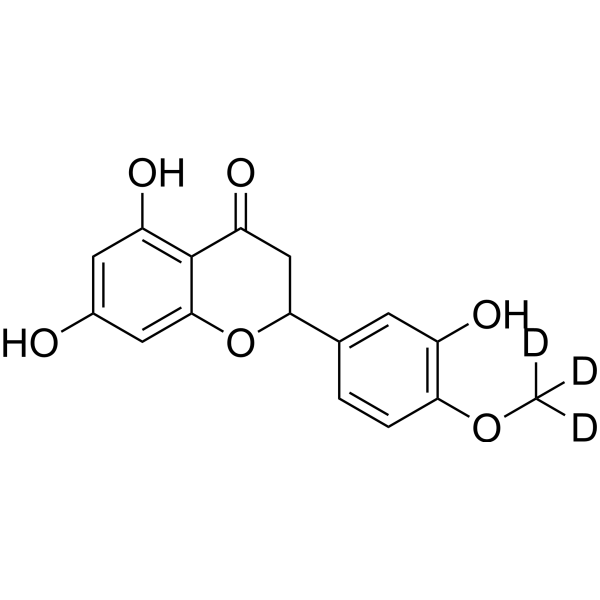
Cat. No.: HY-N0168AS
CAS No.: 1346605-26-2
(Rac)-Hesperetin-d3 is the deuterium labeled (Rac)-Hesperetin. (Rac)-Hesperetin is the racemate of Hesperetin (HY-N0168), an orally active multi-target inhibitor. (Rac)-Hesperetin exhibits significant anti-tumor and anti-inflammatory activities by blocking the TGF-β1-mediated Fyn/RhoA signaling axis and the TLR4-MyD88-NF-κB inflammatory pathway. (Rac)-Hesperetin inhibits the formation of actin stress fibers and the migration and invasion of cancer cells, and is suitable for triple-negative breast cancer research. In inflammation models, (Rac)-Hesperetin effectively alleviates lung injury by reducing the release of pro-inflammatory mediators and regulating the activity of oxidative stress enzymes, and is suitable for acute lung injury research. (Rac)-Hesperetin also interferes with the entry and early replication processes of channel catfish virus, inhibits viral gene expression and progeny virus production, thereby protecting cells from virus-induced cytopathic effects .
loading...
    loading...
Cat. No.: HY-N2473R
CAS No.: 94367-42-7
Methylnissolin-3-O-glucoside (Standard) is the analytical standard of Methylnissolin-3-O-glucoside (HY-N2473). This product is intended for research and analytical applications. Methylnissolin-3-O-glucoside is a flavonoid glycoside derivative of Methylnissolin (HY-N2484). Methylnissolin-3-O-glucoside is isolated from plants of the genus Astragalus (Leguminosae). Methylnissolin-3-O-glucoside effectively induces the expression of AKT/Nrf2 and its downstream target genes HO-1 and NQO1. Methylnissolin-3-O-glucoside inhibits TNF-α-induced phosphorylation of MEK and ERK . Methylnissolin-3-O-glucoside exhibits free radical scavenging activity. Methylnissolin-3-O-glucoside inhibits cell proliferation and cell migration. Methylnissolin-3-O-glucoside is used in research on esophageal squamous cell carcinoma .
loading...
    loading...
Cat. No.: HY-W015815R
CAS No.: 6960-22-1
6-Methylnicotinamide (Standard) is the analytical standard of 6-Methylnicotinamide (HY-W015815). This product is intended for research and analytical applications. 6-Methylnicotinamide is a derivative of Nicotinamide (HY-B0150). 6-Methylnicotinamide coordinates with undercoordinated Pb 2+ ions through its carbonyl group, passivating Pb-related defects. 6-Methylnicotinamide reduces trap density and non-radiative recombination in the perovskite absorber layer while inducing interfacial dipole formation. 6-Methylnicotinamide enhances the hydrophobicity, grain size, and environmental, thermal, and photostability of perovskite films. 6-Methylnicotinamide induces complementation of VP16-deficient HSV-1 replication and stimulates immediate-early gene expression. 6-Methylnicotinamide is upregulated in the acute phase of intracerebral hemorrhage and may exacerbate neurological injury. 6-Methylnicotinamide can be used for research on intracerebral hemorrhage and herpes simplex virus type 1 infection .
loading...
    loading...
Cat. No.: HY-W740027
CAS No.: 1160707-78-7
Synonyms: 5-Methyldeoxycytidine-d3
5-Methyl-2'-deoxycytidine-d3 (5-Methyldeoxycytidine-d3) is the deuterium labeled Methyl-2'-deoxycytidine (HY-W012078). 5-Methyl-2'-deoxycytidine (5mdC) is an endogenous substrate of DNA methyltransferases (such as mammalian 5-C-MTase) and binds to DNA dependent on the formation of DNA stem-loop structures. 5-Methyl-2'-deoxycytidine guides de novo DNA methylation by acting as a methylation mark and activates the methylation of adjacent CpG sites in single-stranded DNA through cis action. 5-Methyl-2'-deoxycytidine regulates DNA methylation patterns by recruiting methyltransferases to specific chromatin regions, affecting chromatin condensation and gene expression. Its distribution in plant cells is related to cell proliferation and differentiation stages. The methylation level of 5-Methyl-2'-deoxycytidine is low in proliferating cells and high in differentiated cells .
loading...
    loading...
Cat. No.: HY-184337
CAS No.: 143111-84-6
Dihydroparadol is a iNOS inhibitor with an IC50 of 7.24 μM, and it is found in ginger. Dihydroparadol partially inhibits the catalytic activity of iNOS, blocks the nuclear translocation of NF-κB p65, reduces NF-κB activity, and attenuates lipopolysaccharide-induced degradation of IκB-α, thereby inhibiting NF-κB-mediated iNOS gene expression and protein production. Dihydroparadol inhibits lipopolysaccharide-induced nitric oxide production in macrophages and exhibits anti-inflammatory activity. Dihydroparadol increases ABCA1 protein abundance by elevating mRNA levels and reducing proteasomal degradation, and also increases ABCG1 protein abundance by enhancing protein stability. Dihydroparadol promotes cholesterol efflux from cholesterol-loaded macrophages via apolipoprotein A1-mediated and plasma-mediated pathways. Dihydroparadol inhibits PDGF-induced vascular smooth muscle cell proliferation, shows no cytotoxicity to vascular smooth muscle cells within the tested concentration range, and does not interfere with endothelial cell proliferation. Dihydroparadol can be used in the research of inflammatory diseases, atherosclerosis and cardiovascular diseases .
loading...
    loading...

