1. Search Result
Search Result
Results for "

Pparδ agonist

" in MedChemExpress (MCE) Product Catalog:

68

Inhibitors & Agonists

1

Natural
Products

4

Isotope-Labeled Compounds

Cat. No. Product Name Target Research Areas Chemical Structure
  • HY-10838
    GW 501516
    25+ Cited Publications

    GW 1516; GSK-516

    PPAR Autophagy Metabolic Disease Cancer
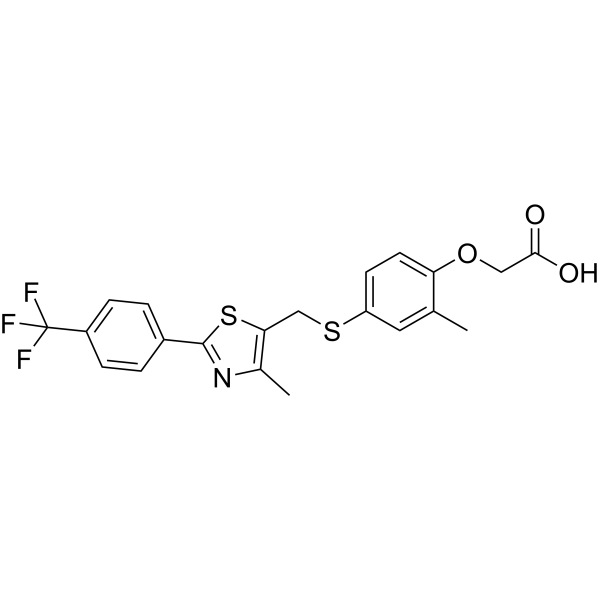
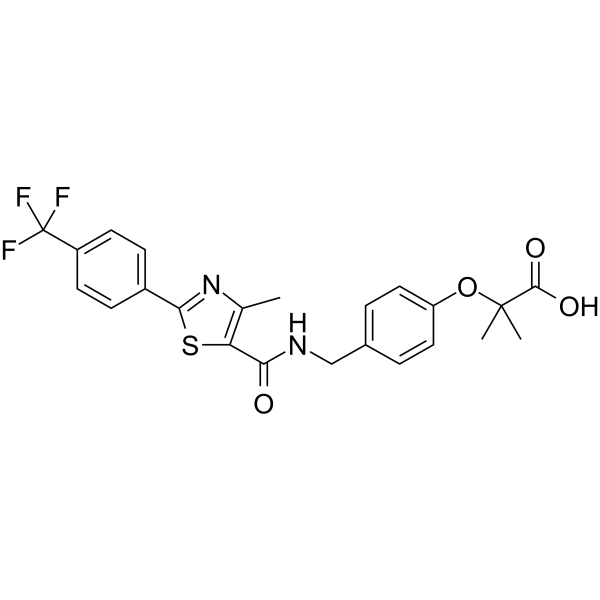
    GW 501516 (GW 1516) is a PPARδ agonist with an EC50 of 1.1 nM .
    GW 501516
  • HY-13861
    GW7647
    20+ Cited Publications

    PPAR Cardiovascular Disease
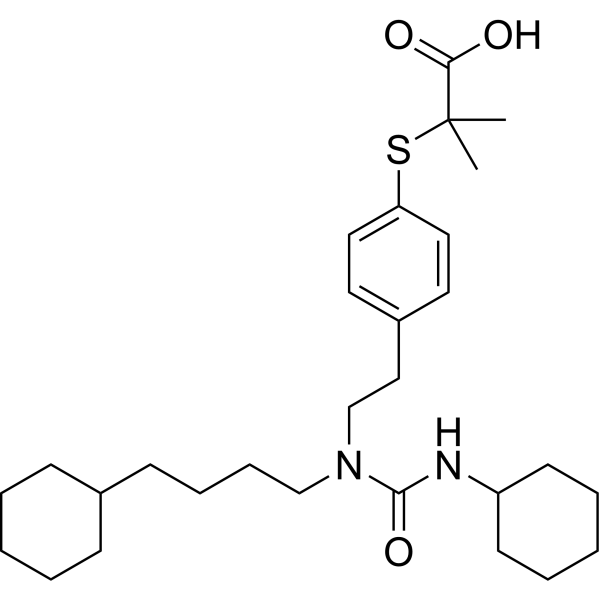
    GW7647 is a potent PPARα agonist, with EC50s of 6 nM, 1.1 μM, and 6.2 μM for human PPARα, PPARγ and PPARδ, respectively.
    GW7647
  • HY-16995
    Pirinixic acid
    Maximum Cited Publications
    33 Publications Verification

    Wy-14643

    PPAR Metabolic Disease Inflammation/Immunology
    Pirinixic acid (Wy-14643) is a potent agonist of PPARα, with EC50s of 0.63 μM, 32 μM for murine PPARα and PPARγ, and 5.0 μM, 60 μM, 35 μM for human PPARα, PPARγ and PPARδ, respectively.
    Pirinixic acid
  • HY-B0637
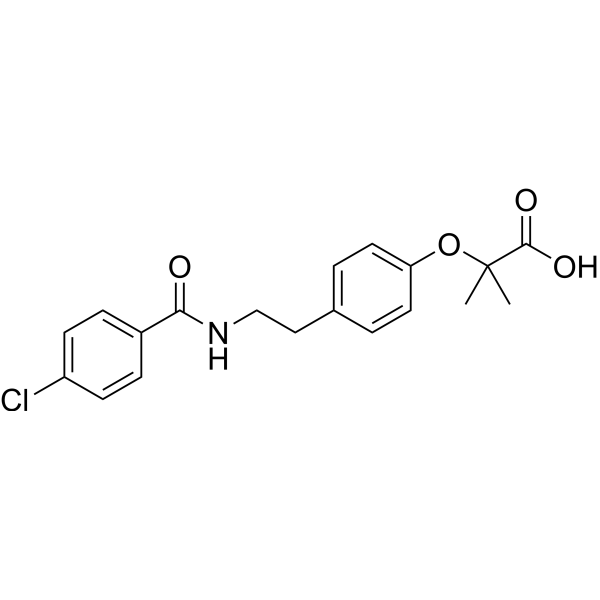
    Bezafibrate
    10+ Cited Publications

    BM15075

    PPAR Cardiovascular Disease Metabolic Disease
    Bezafibrate is an agonist of PPAR, with EC50s of 50 μM, 60 μM, 20 μM for human PPARα, PPARγ and PPARδ, and 90 μM, 55 μM, 110 μM for murine PPARα, PPARγ and PPARδ, respectively; Bezafibrate is used as an hypolipidemic agent.
    Bezafibrate
  • HY-19522
    Seladelpar
    1 Publications Verification

    MBX-8025; RWJ-800025

    PPAR Metabolic Disease
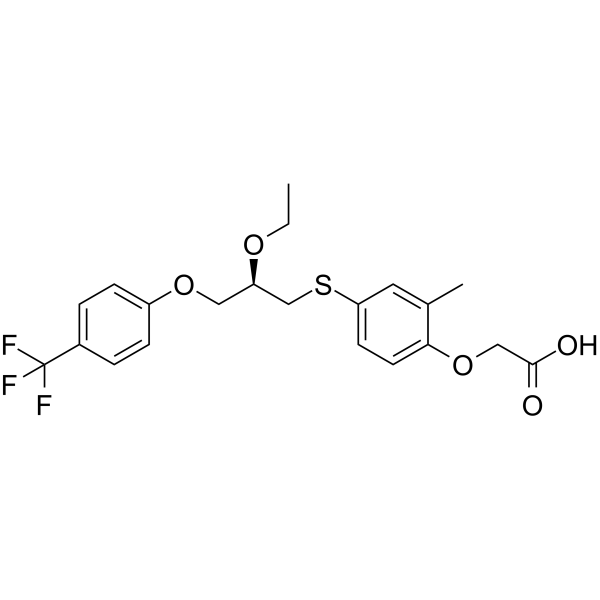
    Seladelpar (MBX-8025) is an orally active, potent and specific PPARδ agonist with an EC50 of 2 nM. Seladelpar shows more than 750-fold and 2500-fold selectivity over the PPARα and PPARγ receptors, respectively. Seladelpar can be used for the study of primary biliary cholangitis .
    Seladelpar
  • HY-13928
    GW0742
    15+ Cited Publications

    GW610742

    PPAR Cardiovascular Disease Metabolic Disease Inflammation/Immunology Cancer
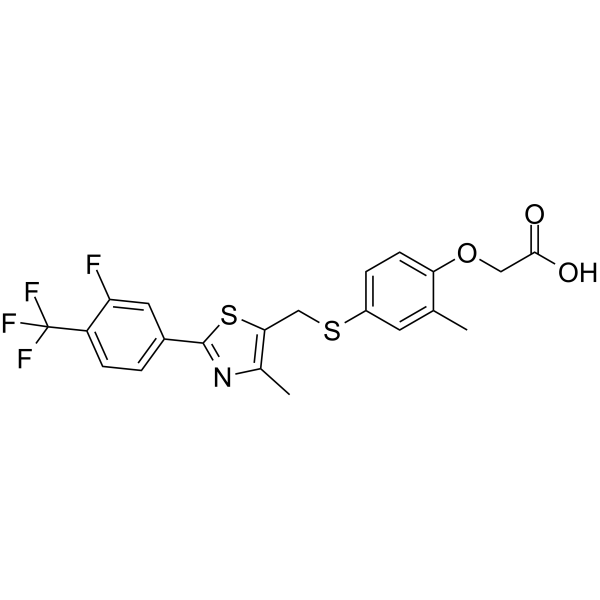
    GW0742 is a potent PPARβ and PPARδ agonist, with an IC50 of 1 nM for human PPARδ in binding assay, and EC50s of 1 nM, 1.1 μM and 2 μM for human PPARδ, PPARα, and PPARγ, respectively.
    GW0742
  • HY-106266
    Chiglitazar
    1 Publications Verification

    Carfloglitazar

    PPAR Metabolic Disease
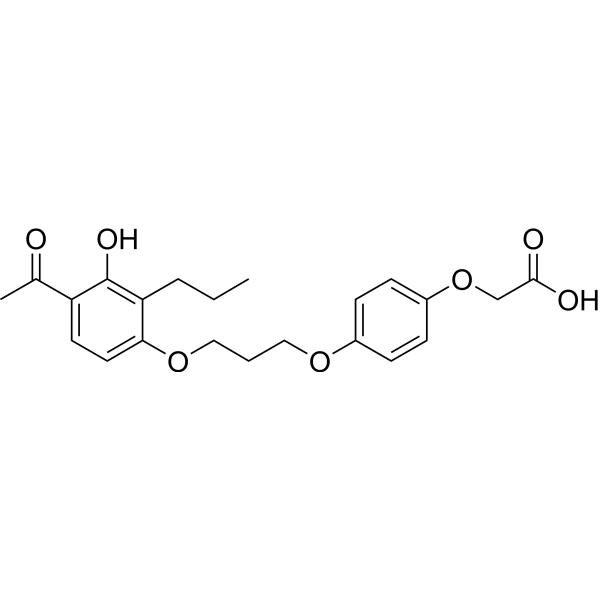
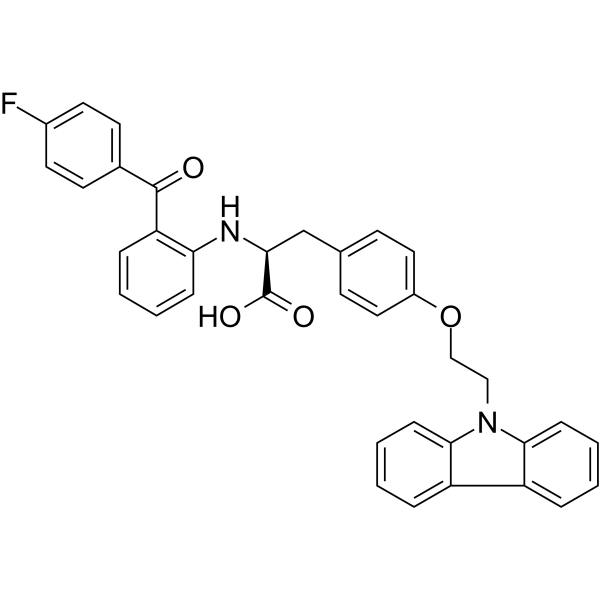
    Chiglitazar (Carfloglitazar) is a PPARα/γ dual agonist, with EC50s of 1.2, 0.08, 1.7 μM for PPARα, PPARγ and PPARδ, respectively.
    Chiglitazar
  • HY-108568
    15-Deoxy-Δ-12,14-prostaglandin J2
    2 Publications Verification

    15d-PGJ2; 15-Deoxy-Δ12,14-PGJ2

    PPAR Endogenous Metabolite Neurological Disease Inflammation/Immunology Cancer
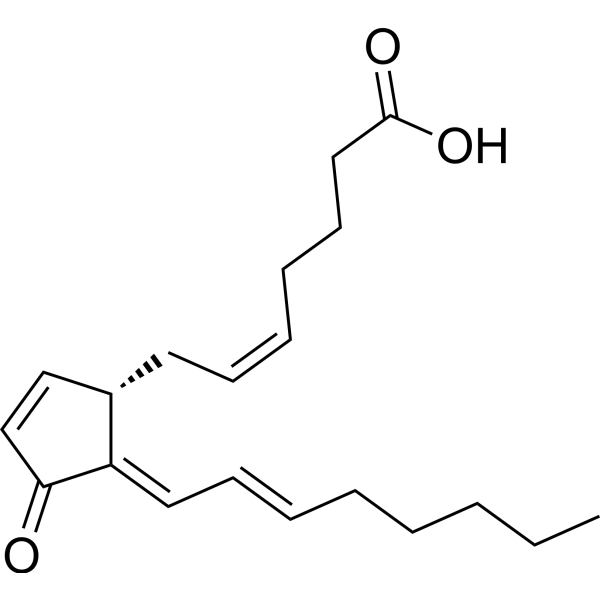
    15-Deoxy-Δ-12,14-prostaglandin J2 (15d-PGJ2) is a cyclopentenone prostaglandin and a metabolite of PGD2. 15-Deoxy-Δ-12,14-prostaglandin J2 is a selective PPARγ (EC50 of 2 µM) and a covalent PPARδ agonist. 15-Deoxy-Δ-12,14-prostaglandin J2 promotes efficient differentiation of C3H10T1/2 fibroblasts to adipocytes with an EC50 of 7 μM .
    15-Deoxy-Δ-12,14-prostaglandin J2
  • HY-112813
    TUG-1375
    4 Publications Verification

    Free Fatty Acid Receptor Metabolic Disease
    TUG-1375 is an agonist of free fatty acid receptor 2 (FFA2/GPR43), with a pKi of 6.69. TUG-1375 is inactive on FFA3, FFA4, PPARα, PPARγ, PPARδ, LXRα or LXRβ .
    TUG-1375
  • HY-20019
    L-165041
    2 Publications Verification

    PPAR Metabolic Disease
    L-165041 is a cell permeable PPARδ agonist, with Kis of 6 nM and appr 730 nM for PPARδ and PPARγ, respectively, and induces adipocyte differentiation in NIH-PPARδ cells.
    L-165041
  • HY-14817

    PPM 204

    PPAR Metabolic Disease
    Indeglitazar (PPM 204) is an orally available PPAR pan-agonist for all three PPARα, PPARδ and PPARγ .
    Indeglitazar
  • HY-U00425

    Ligands for Target Protein for PROTAC Estrogen Receptor/ERR Metabolic Disease Cancer
    PROTAC ERRα ligand 1 is a PROTAC target protein ligand. PROTAC ERRα ligand 1 is an orally active ERRα inverse agonist with IC50 values of 0.6 μM for ERRα. PROTAC ERRα ligand 1 shows no significant activity against a panel of other nuclear receptors, including ERα c, ERRγ, ERβ, PPARα, PPARγ, PPARδ, and RXRα. PROTAC ERRα ligand 1 can provide enhanced insulin sensitivity in vivo. PROTAC ERRα ligand 1 can be used for metabolic diseases research, such as type 2 diabetes and obesity .
    PROTAC ERRα ligand 1
  • HY-112597A

    REN001; HPP593

    PPAR Inflammation/Immunology
    Mavodelpar (REN001) is a selective PPARδ agonist. Mavodelpar suppresses glomerular injury and renal fibrosis. Mavodelpar can be used for the research of primary mitochondrial myopathies (PMM) and long-chain fatty acid oxidation disorders (LC-FAOD) . Mavodelpar is a click chemistry reagent, it contains an Alkyne group and can undergo copper-catalyzed azide-alkyne cycloaddition (CuAAc) with molecules containing Azide groups.
    Mavodelpar
  • HY-106278
    GW 590735
    1 Publications Verification

    PPAR Metabolic Disease
    GW 590735 is a potent and selective PPARα agonist. GW 590735 showsEC50=4 nM on PPARα and at least 500-fold selectivity versus PPARδ and PPARγ. GW 590735 can be used for the research of dyslipidemia .
    GW 590735
  • HY-19522A
    Seladelpar sodium
    1 Publications Verification

    MBX-8025 sodium; RWJ-800025 sodium

    PPAR Metabolic Disease Inflammation/Immunology
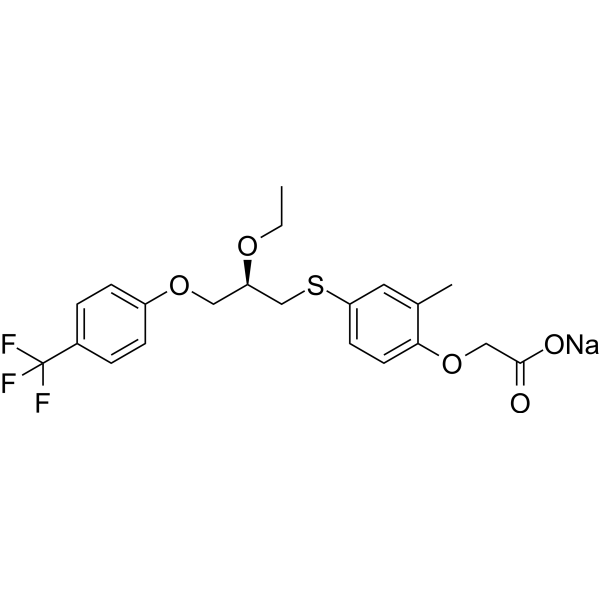
    Seladelpar (MBX-8025) sodium salt is an orally active, potent and specific PPARδ agonist with an EC50 of 2 nM. Seladelpar sodium salt shows more than 750-fold and 2500-fold selectivity over the PPARα and PPARγ receptors, respectively. Seladelpar sodium salt hydrochloride can be used for the study of primary biliary cholangitis .
    Seladelpar sodium
  • HY-168049

    PPAR Akt Metabolic Disease
    ZLY06 is an orally active dual agonist of peroxisome proliferator-activated receptor (PPAR) δ and γ (PPAR δ: EC50=341 nM; PPAR γ: EC50=237 nM). ZLY06 induces hepatic lipid accumulation by inhibiting the phosphorylation of AKT1, mediating the upregulation of CD36. In addition, ZLY06 significantly improves glucose and lipid metabolism without increasing body weight, and alleviates fatty liver by promoting β-oxidation of fatty acids and inhibiting hepatic lipogenesis .
    ZLY06
  • HY-144111

    PPAR Inflammation/Immunology
    PPARα/δ agonist 1 is a potent PPARα/PPARδ dual agonist (PPARα EC50=7.0 nM; PPARδ EC50=8.4 nM). PPARα/δ agonist 1 is a high selectivity over PPARγ (PPARγ EC50=1316.1 nM). PPARα/δ agonist 1 has the potential for the research of nonalcoholic steatohepatitis .
    PPARα/δ agonist 1
  • HY-B0637S

    PPAR Cardiovascular Disease Metabolic Disease
    Bezafibrate-d6 is the deuterium labeled Bezafibrate. Bezafibrate is an agonist of PPAR, with EC50s of 50 μM, 60 μM, 20 μM for human PPARα, PPARγ and PPARδ, and 90 μM, 55 μM, 110 μM for murine PPARα, PPARγ and PPARδ, respectively; Bezafibrate is used as an hypolipidemic agent.
    Bezafibrate-d6
  • HY-10838R

    GW 1516 (Standard); GSK-516 (Standard)

    Reference Standards PPAR Autophagy Metabolic Disease Cancer
    GW 501516 (Standard) is the analytical standard of GW 501516. This product is intended for research and analytical applications. GW 501516 (GW 1516) is a PPARδ agonist with an EC50 of 1.1 nM .
    GW 501516 (Standard)
  • HY-130120

    Free Fatty Acid Receptor PPAR Metabolic Disease
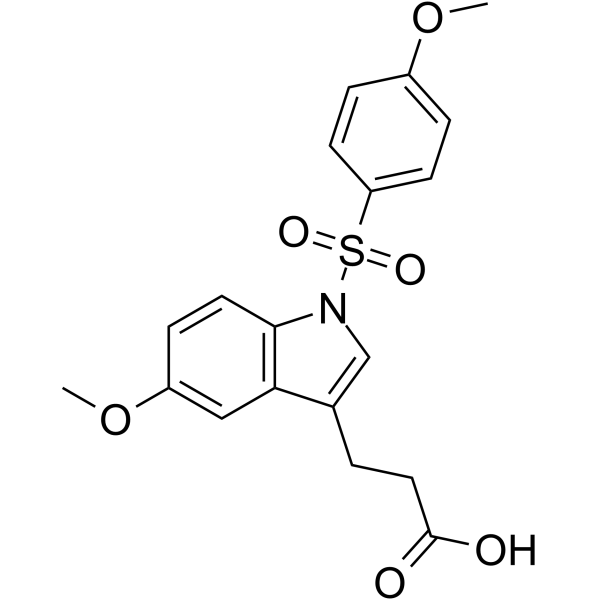
    HWL-088 is a highly potent and orally active free fatty acid receptor 1 (FFA1/GPR40) agonist (EC50 of 18.9 nM) with moderate PPARδ activity (EC50 of 570.9 nM) . HWL-088 improves glucose and lipid metabolism, and has anti-diabetic effects .
    HWL-088
  • HY-19522C
    Seladelpar (lysine dihydrate)
    1 Publications Verification

    MBX-8025 (lysine dihydrate); RWJ-800025 (lysine dihydrate)

    PPAR Interleukin Related Cardiovascular Disease Metabolic Disease Inflammation/Immunology
    Seladelpar Lysine dihydrate (MBX-8025 lysine dihydrate) is an orally active, selective PPAR-δ agonist with an EC50 of 2 nM against hPPAR-δ. Seladelpar Lysine dihydrate reduces serum IL-31 and bile acid levels. It alleviates pruritus symptoms. Seladelpar Lysine dihydrate enhances insulin sensitivity, normalizes levels of hyperglycemia, hyperinsulinemia, glucose disposal capacity, serum lipids and hepatic free cholesterol. It reduces steatosis, hepatic inflammation and improves liver fibrosis. Seladelpar Lysine dihydrate reverses the pathological changes of non-alcoholic steatohepatitis (NASH). It is applicable to research related to primary biliary cholangitis and non-alcoholic steatohepatitis (NASH) .
    Seladelpar (lysine dihydrate)
  • HY-107901

    PPAR Cardiovascular Disease Metabolic Disease
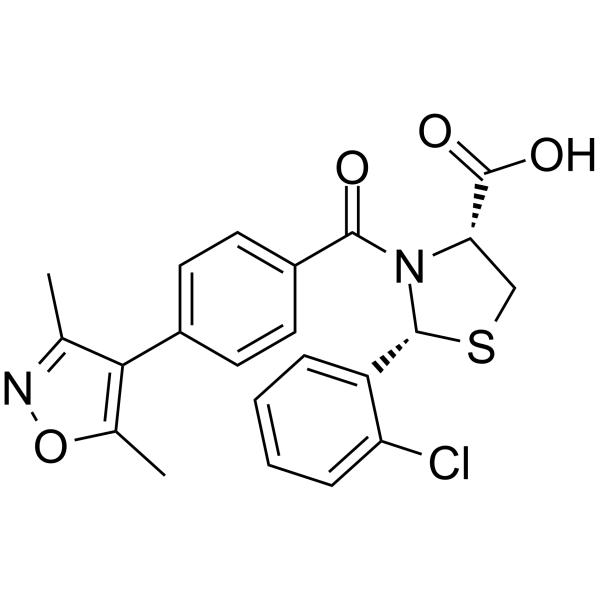
    Pparδ agonist 1 is a PPAR-δ agonist, with an EC50 of 5.06 nM, used in the research of PPAR-delta related diseases, such as mitochondrial diseases, muscular diseases, vascular diseases, demyelinating diseases and metabolic diseases.
    Pparδ agonist 1
  • HY-143862

    PPAR Metabolic Disease
    Pparδ agonist 7 is a potent agonist of Pparδ. The peroxisome proliferator-activated receptor (PPAR) is a member of the intranuclear receptor transcription factor superfamily that plays a key role in the regulation of metabolic homeostasis, inflammation, cell growth and differentiation in vivo. Pparδ agonist 7 has the potential for the research of non-alcoholic fatty liver disease (NAFLD) (extracted from patent WO2019105234A1, compound TM4) .
    Pparδ agonist 7
  • HY-120596

    PPAR Neurological Disease
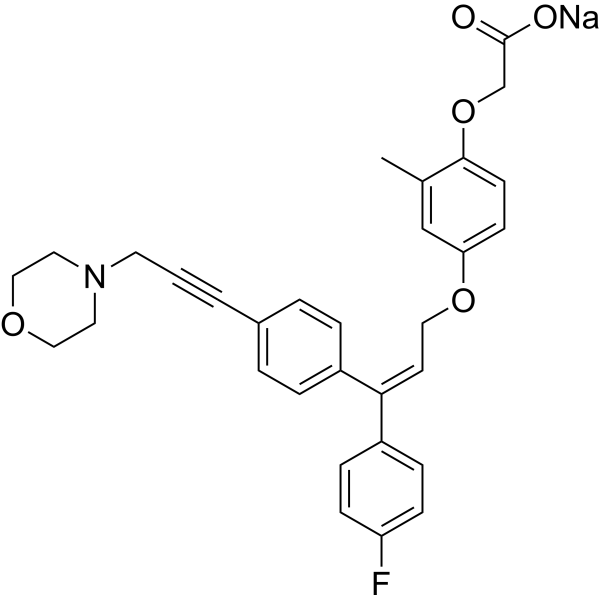
    PPARδ/γ agonist 1 sodium is a chemically unique and brain penetrant dual PPAR delta/gamma agonist. PPARδ/γ agonist 1 sodium can be used for the research of Alzheimer’s disease .
    PPARδ/γ agonist 1 sodium
  • HY-17633

    NPS-005; SJP-0035

    PPAR Neurological Disease
    Fonadelpar is a PPARδ agonist, used in the research of neuroparalytic keratopathy.
    Fonadelpar
  • HY-111068

    PPAR Metabolic Disease
    KD-3010 is a potent, orally active, and selective PPARδ agonist.
    KD-3010
  • HY-Y1624

    ADDP; SR 4077

    Free Fatty Acid Receptor PPAR Metabolic Disease
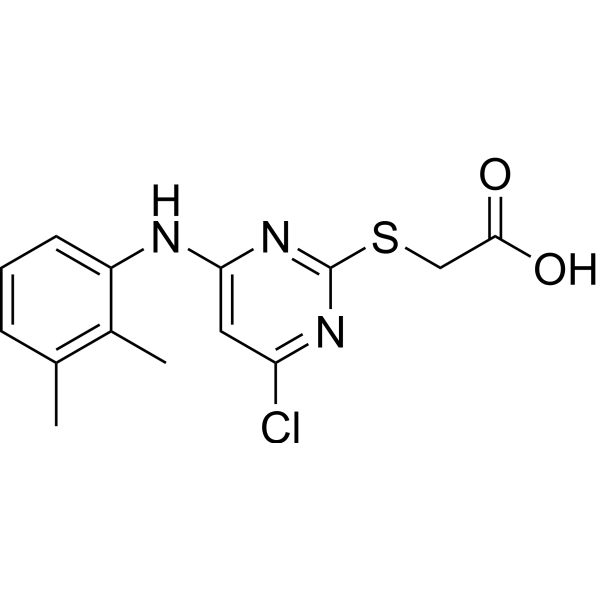
    1,1'-(Azodicarbonyl)-dipiperidine (ADDP) can be used in the condensation reaction of alcohols with acidic compounds. 1,1'-(Azodicarbonyl)-dipiperidine can also be used in the synthesis of GPR120 agonists with antidiabetic activity, as well as the synthesis of triple agonists for PPARα, PPARγ, and PPARδ. 1,1'-(Azodicarbonyl)-dipiperidine can be used in metabolic disease research .
    1,1'-(Azodicarbonyl)-dipiperidine
  • HY-100120

    PPAR Metabolic Disease
    Pparδ agonist 2 is a PPARδ agonist extracted from patent WO 2016057656 A1.
    Pparδ agonist 2
  • HY-121542

    PPAR Metabolic Disease
    PPARδ agonist 10 (compound 7) is an orally active, selective, and partial agonist of PPARδ, with EC50 values of 0.053 μM and 0.30 µM for hPPARδ(LBD)-GAL4 and mPPARδ, respectively. PPARδ agonist 10 is a partial PPARδ agonist in transactivation assay but a full agonist on free fatty acids (FFA) oxidation in muscle cells both in vitro and in vivo. PPARδ agonist 10 can be used for dyslipidemia research .
    PPARδ agonist 10
  • HY-174278

    PPAR NO Synthase Inflammation/Immunology
    PPARδ agonist 12 (compound 25) is a PPARδ agonist that inhibits the production of inflammatory factors and nitric oxide. PPARδ agonist 12 can also effectively prevent macrophages from infiltrating inflammatory sites and can be used in inflammation research .
    PPARδ agonist 12
  • HY-175516

    FXR PPAR Inflammation/Immunology
    dual FXR/PPARδ agonist-2 is a FXR/PPARδ dual agonist through hybridation of FXR agonist GW-4064 and PPARδ agonist GW-0742.dual FXR/PPARδ agonist-2 displays potent dual-target activities with a FXR agonistic EC50 of 12.28 nM and 69 % PPARδ activation at 100 nM. dual FXR/PPARδ agonist-2 shows anti-fibrotic effects in pulmonary fibrosis mouse model .
    dual FXR/PPARδ agonist-2
  • HY-162963

    PPAR Inflammation/Immunology
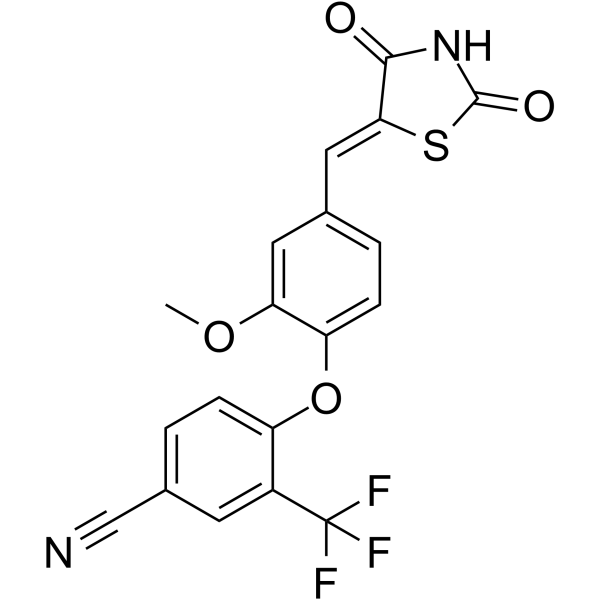
    PPARδ agonist 11 (Compound 11) is a selective agonist for PPARδ with an EC50 of 20 nM. PPARδ agonist 11 reduces the levels of nitrite oxide (NO), proinflammatory cytokines TNFα and IL-6 in LPS (HY-D1056)-stimulated RAW264.7 cell, and exhibits anti-inflammatory efficacy via NF-κB pathway. PPARδ agonist 11 exhibits good stability in human liver microsomes and plasma. PPARδ agonist 11 ameliorates Carrageenan (HY-125474)-induced foot edema .
    PPARδ agonist 11
  • HY-149429

    PPAR Metabolic Disease
    PPARδ agonist 9 (compound 21) is a PPARδ agonist (EC50: 3.6 nM). PPARδ agonist 9 has in vivo efficacy, reducing serum levels of MCP-1 in mice and significantly inhibiting atherosclerosis progression in the LDLr-KO model (inhibition rate: 50-60%) .
    PPARδ agonist 9
  • HY-143863

    PPAR Metabolic Disease
    Pparδ agonist 8 is a potent agonist of Pparδ. The peroxisome proliferator-activated receptor (PPAR) is a member of the intranuclear receptor transcription factor superfamily that plays a key role in the regulation of metabolic homeostasis, inflammation, cell growth and differentiation in vivo. Pparδ agonist 8 has the potential for the research of non-alcoholic fatty liver disease (NAFLD) (extracted from patent WO2021169769A1, compound TM2) .
    PPARδ agonist 8
  • HY-141494

    PPAR Metabolic Disease
    Pparδ agonist 5, an orally active PPARδ-selective agonist (EC50=0.335 μM), is much greater than that of the prototypical standard GW0742. Pparδ agonist 5 promotes improvements in bone density and microarchitecture in vivo .
    Pparδ agonist 5
  • HY-124244

    Pparδagonist 1

    PPAR Neurological Disease
    DB-959 (PPARδ/γ agonist 1) is a potent PPAR agonist targeting PPARδ/γ. DB-959 improves spatial learning and memory in mice induced by Streptozotocin (HY-13753) and has the potential to improve Alzheimer's disease (AD). .
    DB-959
  • HY-116257

    PPAR PDHK Carnitine Palmitoyltransferase (CPT) Others
    GSK-7227 (compound 32) is a PPARδ partial agonist with the activity of regulating the expression of related genes. GSK-7227 has partial agonist effects on PPARδ target genes CPT1a and PDK4 in skeletal muscle cells.
    GSK-7227
  • HY-13928R

    GW610742 (Standard)

    PPAR Reference Standards Cardiovascular Disease Metabolic Disease Inflammation/Immunology Cancer
    GW0742 (Standard) is the analytical standard of GW0742. This product is intended for research and analytical applications. GW0742 is a potent PPARβ and PPARδ agonist, with an IC50 of 1 nM for human PPARδ in binding assay, and EC50s of 1 nM, 1.1 μM and 2 μM for human PPARδ, PPARα, and PPARγ, respectively.
    GW0742 (Standard)
  • HY-147757

    PPAR Metabolic Disease
    PPARγ/δ modulator 1 (compound 3e) is a potent PPAR modulator. PPARγ/δ modulator 1 is a PPARδ antagonist and a PPARγ partial agonist , with Ki values of 14.4 nM and 5.31 μM, respectively. PPARγ/δ modulator 1 has the EC50 of 7.3 and 12.6 μM for PPARδ corepression and adiponectin production, respectively .
    PPARγ/δ modulator 1
  • HY-106266B
    Chiglitazar sodium
    1 Publications Verification

    Carfloglitazar sodium

    PPAR Metabolic Disease
    Chiglitazar (Carfloglitazar) is a PPARα/γ dual agonist, with EC50s of 1.2, 0.08, 1.7 μM for PPARα, PPARγ and PPARδ, respectively.
    Chiglitazar sodium
  • HY-162320

    PPAR Metabolic Disease
    PPARγ agonist 12 (compound 9i) is a potent and selective PPARγ agonist with EC50s of 3.98 and 15.42 μM against PPARγ and PPARδ, respectively. PPARγ agonist 12 improves insulin secretion and has anti-diabetic effect .
    PPARγ agonist 12
  • HY-19522B
    Seladelpar (lysine)
    1 Publications Verification

    MBX-8025 (lysine); RWJ-800025 (lysine)

    PPAR Metabolic Disease
    Seladelpar (MBX-8025) lysine is an orally active, potent and specific PPARδ agonist with an EC50 of 2 nM. Seladelpar lysine shows more than 750-fold and 2500-fold selectivity over the PPARα and PPARγ receptors, respectively. Seladelpar lysine can be used for the study of primary biliary cholangitis .
    Seladelpar (lysine)
  • HY-19425

    PPAR Metabolic Disease
    NS-220 is an orally active PPARα agonist with high subtype selectivity, with EC50 values of 1.9×10 -8 M, 9.6×10 -6 M and >10 -4 M for PPARα, PPAR γ and PPARδ, respectively. NS-220 is used in the research for hyperlipidemia or metabolic disorders in type-2 diabetes .
    NS-220
  • HY-19522R

    MBX-8025 (Standard); RWJ-800025 (Standard)

    PPAR Reference Standards Metabolic Disease
    Seladelpar (Standard) is the analytical standard of Seladelpar. This product is intended for research and analytical applications. Seladelpar (MBX-8025) is an orally active, potent and specific PPARδ agonist with an EC50 of 2 nM. Seladelpar shows more than 750-fold and 2500-fold selectivity over the PPARα and PPARγ receptors, respectively. Seladelpar can be used for the study of primary biliary cholangitis .
    Seladelpar (Standard)
  • HY-178958

    PPAR Adenosine Receptor Fatty Acid Synthase (FASN) Endogenous Metabolite Metabolic Disease Inflammation/Immunology Endocrinology
    PPAR agonist 7 is an orally active pan-PPAR agonist, demonstrating potent activation of all three subtypes, PPARα (EC50 = 1.51 μM), PPARδ (EC50 = 1.11 μM), and PPARγ (EC50 = 3.14 μM). PPAR agonist 7 significantly enhances glucose uptake in adipocytes while exhibiting minimal adipogenic activity. PPAR agonist 7 can suppress PPARγ Ser273 phosphorylation in white adipose tissue and upregulate insulin-sensitizing genes. PPAR agonist 7 does not cause weight gain or fluid retention in high-fat diet (HFD)/ Streptozotocin (HY-13753) (STZ)-induced type 2 diabetes mellitus (T2DM) models. PPAR agonist 7 has selective modulation of PPAR signaling pathways without activation of adipogenic gene programs. PPAR agonist 7 can be used for the study of diabetes .
    PPAR agonist 7
  • HY-112597

    REN001 free acid; HPP593 free acid; Pparδ agonist

    PPAR Metabolic Disease
    Mavodelpar free acid is a PPARδ agonist extracted from patent US20180071304, compound example 10. Mavodelpar (free acid) is a click chemistry reagent, it contains an Alkyne group and can undergo copper-catalyzed azide-alkyne cycloaddition (CuAAc) with molecules containing Azide groups.
    Mavodelpar free acid
  • HY-108568S

    15d-PGJ2-d4; 15-Deoxy-Δ12,14-PGJ2-d4

    Isotope-Labeled Compounds PPAR Endogenous Metabolite Neurological Disease Inflammation/Immunology Cancer
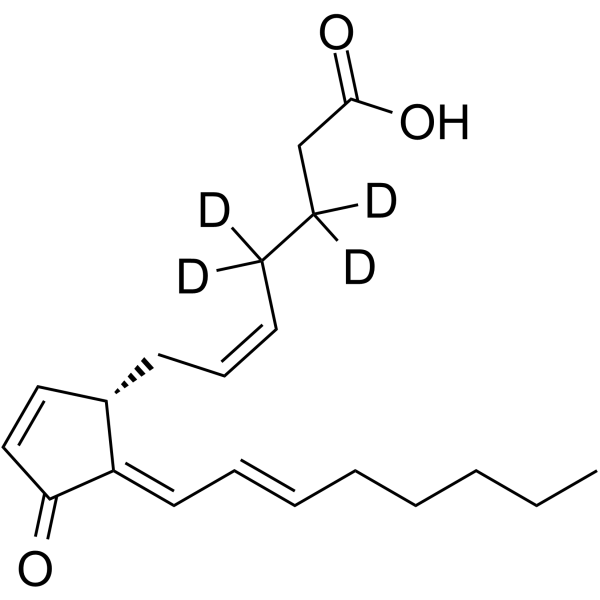
    15-Deoxy-Δ-12,14-prostaglandin J2-d4 is the deuterium labeled 15-Deoxy-Δ-12,14-prostaglandin J2. 15-Deoxy-Δ-12,14-prostaglandin J2 (15d-PGJ2) is a cyclopentenone prostaglandin and a metabolite of PGD2. 15-Deoxy-Δ-12,14-prostaglandin J2 is a selective PPARγ (EC50 of 2 μM) and a covalent PPARδ agonist. 15-Deoxy-Δ-12,14-prostaglandin J2 promotes efficient differentiation of C3H10T1/2 fibroblasts to adipocytes with an EC50 of 7 μM .
    15-Deoxy-Δ-12,14-prostaglandin J2-d4
  • HY-181652

    PPAR Endocrinology
    PPARδ agonist 13 is a potent, selective and orally active PPARδ agonist with an EC50 values of 0.50 nM. PPARδ agonist 13 binds to the PPARδ ligand-binding pocket and upregulates PPARδ target gene expression. PPARδ agonist 13 inhibits renal fibroblast activation, restores fatty acid oxidation, and attenuates TGF-β1-induced renal fibroblast activation. PPARδ agonist 13 exhibits anti-renal fibrosis effects in a mouse model of unilateral ureteral obstruction. PPARδ agonist 13 can be used for the research of renal fibrosis .
    PPARδ agonist 13
  • HY-20019R

    PPAR Metabolic Disease
    L-165041 (Standard) is the analytical standard of L-165041. This product is intended for research and analytical applications. L-165041 is a cell permeable PPARδ agonist, with Kis of 6 nM and appr 730 nM for PPARδ and PPARγ, respectively, and induces adipocyte differentiation in NIH-PPARδ cells.
    L-165041 (Standard)
  • HY-176243

    Drug Derivative Endogenous Metabolite PPAR Neurological Disease Inflammation/Immunology Cancer
    15-Deoxy-Δ12,14-Prostaglandin J2-2-glyceryl ester is a derivate of 15-Deoxy-Δ-12,14-prostaglandin J2 (HY-108568). 15-Deoxy-Δ-12,14-prostaglandin J2 (15d-PGJ2) is a cyclopentenone prostaglandin and a metabolite of PGD2. 15-Deoxy-Δ-12,14-prostaglandin J2 is a selective PPARγ (EC50 of 2 µM) and a covalent PPARδ agonist. 15-Deoxy-Δ-12,14-prostaglandin J2 promotes efficient differentiation of C3H10T1/2 fibroblasts to adipocytes with an EC50 of 7 μM .
    15-Deoxy-Δ12,14-Prostaglandin J2-2-glyceryl ester

Inquiry Online

Your information is safe with us. * Required Fields.

Salutation


Country or Region *

Applicant Name *


Organization Name *

Department *


Email Address *


Product Name *

Cat. No.


Requested quantity *

Phone Number *


Remarks

Inquiry Online

Inquiry Information

Product Name:
Cat. No.:
Quantity:
MCE Japan Authorized Agent:

