1. Search Result
Search Result
Results for "

1c

" in MedChemExpress (MCE) Product Catalog:

469

Inhibitors & Agonists

1

Screening Libraries

3

Fluorescent Dyes

5

Biochemical Assay Reagents

27

Peptides

12

Inhibitory Antibodies

36

Natural
Products

139

Recombinant Proteins

68

Isotope-Labeled Compounds

214

Antibodies

8

Click Chemistry

64

Oligonucleotides

Cat. No. Product Name Target Research Areas Chemical Structure
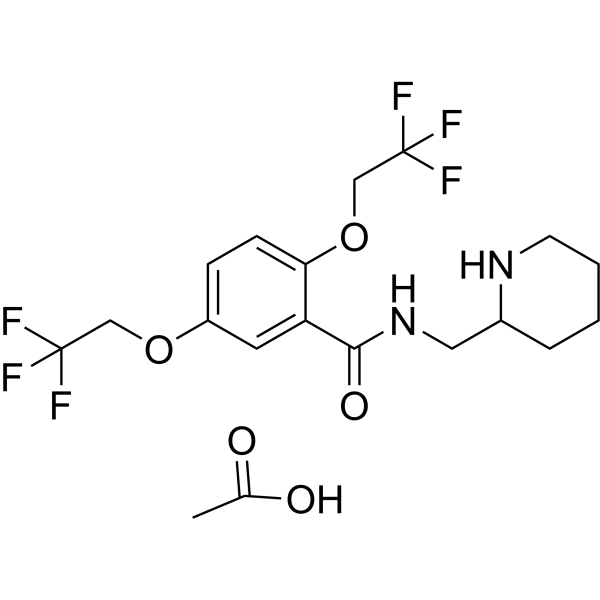
  • HY-17429
    Flecainide acetate
    3 Publications Verification

    R-818

    Sodium Channel Cardiovascular Disease
    Flecainide acetate (R-818) is a class 1C antiarrhythmic agent especially used for the management of supraventricular arrhythmia; works by blocking the Nav1.5 sodium channel in the heart, causing prolongation of the cardiac action potential.
    Flecainide acetate
  • HY-19806A
    Ceftolozane sulfate
    2 Publications Verification

    CXA-101; FR264205

    Bacterial Infection
    Ceftolozane (CXA-101) sulfate is an antipseudomonal cephalosporin. Ceftolozane binds to P. aeruginosa essential PBPs (1b, 1c, 2 and 3) with high affinity. Ceftolozane inhibits cell wall synthesis by binding the PBPs. Ceftolozane sulfate inhibits P. aeruginosa and Enterobacteriaceae [1] .
    Ceftolozane sulfate
  • HY-W015924

    Endogenous Metabolite Metabolic Disease
    2-Hydroxyisobutyric acid (2-HIBA) is a selective modulator of the Insulin/IGF-1 pathway and the p38 MAPK pathway, which reduces reactive oxygen species (ROS) and fat accumulation in Caenorhabditis elegans. 2-Hydroxyisobutyric acid promotes β-oxidation and inhibits fatty acid synthesis by upregulating SKN-1/NRF2 and downregulating SREBP-1c transcription factors. 2-Hydroxyisobutyric acid has anti-aging and lipid-lowering effects, and can be used to study metabolic diseases such as obesity and diabetes. 2-Hydroxyisobutyric acid is also a renewable precursor of methacrylate through 2-HIB-CoA mutase-mediated biosynthesis[1][2].
    2-Hydroxyisobutyric acid
  • HY-139598
    LFHP-1c
    3 Publications Verification

    Phospholipase Cardiovascular Disease
    LFHP-1c is an PGAM5 inhibitor with neuroprotective activity in brain ischemic stroke. LFHP-1c protects blood-brain barrier integrity from ischemia-induced injury. LFHP-1c binds to endothelial PGAM5 to inhibit the activity of PGAM5 phosphatase and the interaction of PGAM5 with NRF2. LFHP-1c exhibits in vitro and in vivo protection [1].
    LFHP-1c
  • HY-148087
    AZD5462
    1 Publications Verification

    RXFP Receptor Cardiovascular Disease
    AZD5462 is a RXFP1 modulator, can be used for heart failure research. RXFP1 is the cognate receptor for human relaxin, belongs to GPCR family 1c number with anti-fibrotic and anti-inflammatory properties [1].
    AZD5462
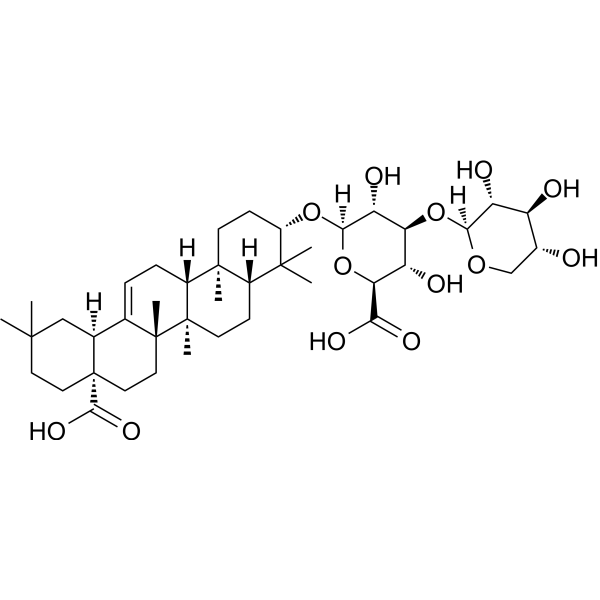
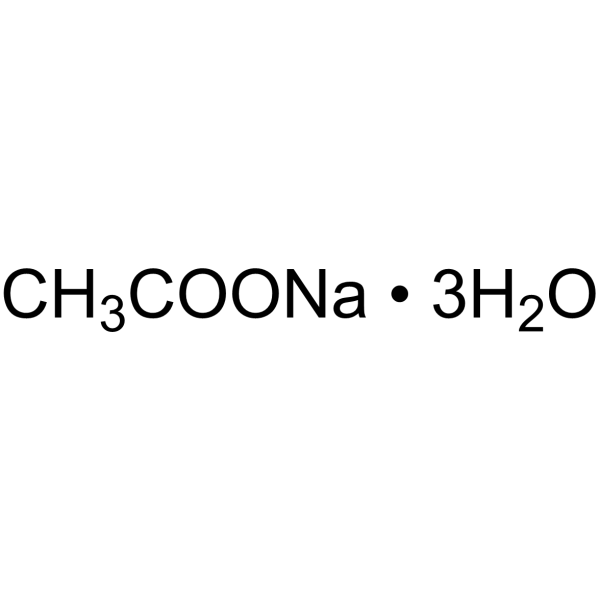
  • HY-Y1325H

    Environmental Pollutants Fungal Endogenous Metabolite Caspase PPAR AMPK Reactive Oxygen Species (ROS) Neurological Disease Metabolic Disease Inflammation/Immunology Cancer
    Sodium acetate trihydrate is a carboxylic acid and short-chain fatty acid (SCFAs). Sodium acetate trihydrate activates AMPK, increases ROS, cleaved caspase 9, PPARα, downregulates SREBP-1c, ChREBP expression. Sodium acetate trihydrate exhibits antifungal activity against Saccharomyces cerevisiae W303-1A. Sodium acetate trihydrate regulates energy metabolism. Sodium acetate trihydrate has anticancer activity against gastric cancer. Sodium acetate trihydrate induces writhing reaction and ulcerative colitis. Sodium acetate trihydrate can be used in the researches for gastric cancer, ulcerative colitis, hepatic steatosis, and pain [1] .
    Sodium acetate trihydrate, meets analytical specification of Ph. Eur. BP USP FCC E262, ≤0.00002% Al
  • HY-N0853
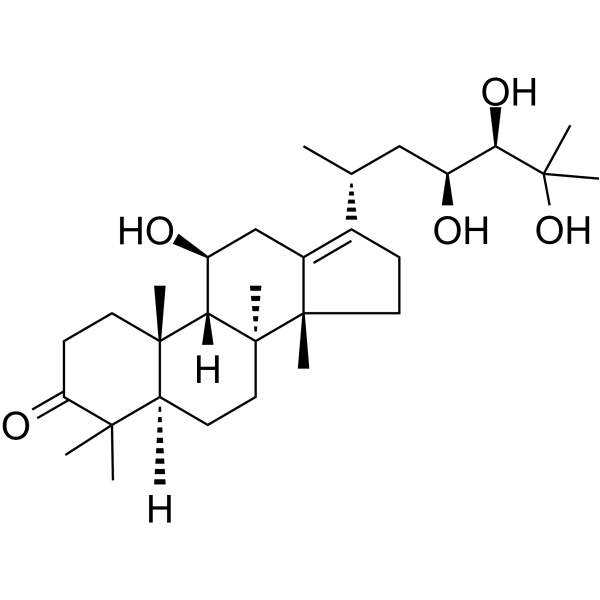
    Alisol A
    5 Publications Verification

    AMPK Acetyl-CoA Carboxylase PPAR MMP Interleukin Related Infection Cardiovascular Disease Neurological Disease Metabolic Disease Inflammation/Immunology Cancer
    Alisol A is an orally active tetracyclic triterpenoid compound of the prototerpane type. Alisol A can be extracted from the rhizome of Alisma orientale. Alisol A activates AMPK/ACC/SREBP-1c, SIRT1, PPARα, inhibits MMP-2/-9, decreases inflammatory cytokine expression (IL-1β, IL-6, IL-8). Alisol A has anti-tumor activity against breast cancer and colorectal cancer. Alisol A has anti-obesity and anti-atherosclerotic activities. Alisol A can be used in the research of hepatitis B, breast cancer, colorectal cancer, atherosclerosis, and obesity [1] .
    Alisol A
  • HY-N2392
    Kukoamine A
    1 Publications Verification

    Parasite Lipoxygenase Opioid Receptor Apoptosis Autophagy Reactive Oxygen Species (ROS) Interleukin Related TNF Receptor PGE synthase COX Infection Neurological Disease Metabolic Disease Inflammation/Immunology Cancer
    Kukoamine A, a spermine alkaloid, is an orally active and brain-penetrant component found in the root barks of Lycium chinense (L. chinense) Miller. Kukoamine A inhibits purified Crithidia fasciculata trypanothione reductase and soybean lipoxygenase, activates μ-opioid receptor. Kukoamine A can inhibt cancer cell proliferation, migration and invasion, cause G0/G1 phase cell cycle arrest and induce apoptosis. Kukoamine A exerts neuroprotective effect and can induce autophagy . Kukoamine A inhibits LPS (HY-D1056)-induced NO, ROS, PGE2, TNF-α, IL-1β, IL-6 production and COX-2 activity. Kukoamine A reverses palmitic acid-induced insulin resistance, lipid accumulation, and oxidative stress via downregulation of Srebp-1c. Kukoamine A can be used for the research of cancer, infection, inflammation, metabolic and neurological disease, such as glioblastoma and Parkinson's disease [1] .
    Kukoamine A
  • HY-P99614

    BFKB8488A; RG-7992; RO-7040551

    FGFR Metabolic Disease
    Fazpilodemab (BFKB8488A) is a humanized bispecific IgG1 antibody that selectively targets and activates fibroblast growth factor receptor 1c (FGFR1c) and Klothoβ. Fazpilodemab can be used for the research of type 2 diabetes mellitus (T2DM) or nonalcoholic fatty liver disease (NAFLD) [1].
    Fazpilodemab
  • HY-N1967

    PNPLA3 Metabolic Disease
    Dihydrocurcumin, a major metabolites of curcumin, reduces lipid accumulation and oxidative stress. Dihydrocurcumin regulates mRNA and protein expression levels of SREBP-1C, PNPLA3 and PPARα, increases protein expression levels of pAKT and PI3K, and reduced the levels of cellular NO and ROS via Nrf2 signaling pathways [1].
    Dihydrocurcumin
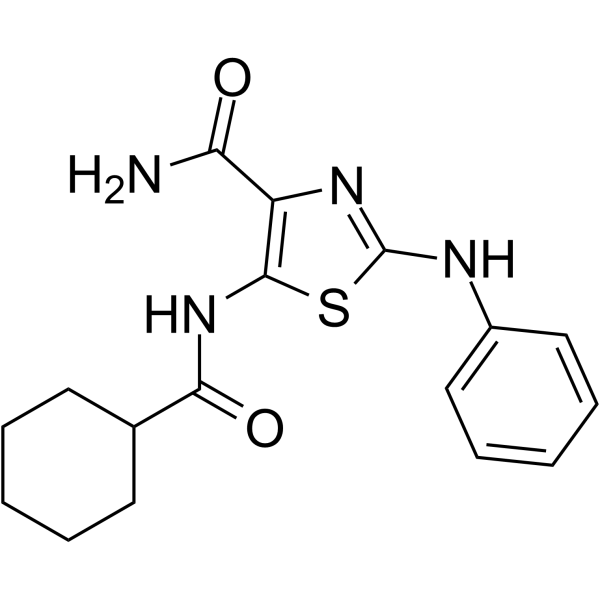
  • HY-111820

    Casein Kinase p38 MAPK Cardiovascular Disease
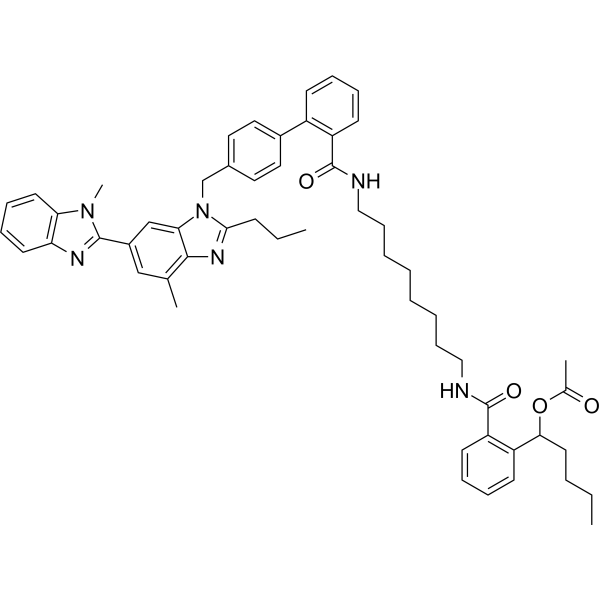
    CK1-IN-1 (Compound 1c) is a casein kinase 1 (CK1) inhibitor with IC50 values of 15 nM and 16 nM for CK1δ and CK1ε, respectively. CK1-IN-1 inhibits p38α MAPK with an IC50 of 73 nM. CK1-IN-1 can be used to study cardiomyogenesis [1].
    CK1-IN-1
  • HY-Y0319G

    Endogenous Metabolite AMPK Reactive Oxygen Species (ROS) Caspase Fungal PPAR Infection Neurological Disease Metabolic Disease Inflammation/Immunology Cancer
    Magnesium acetate tetrahydrate is a carboxylic acid and short-chain fatty acid (SCFAs). Magnesium acetate tetrahydrate activates AMPK, increases ROS, cleaved caspase 9, PPARα, downregulates SREBP-1c, ChREBP expression. Magnesium acetate tetrahydrate exhibits antifungal activity against Saccharomyces cerevisiae W303-1A. Magnesium acetate tetrahydrate regulates energy metabolism. Magnesium acetate tetrahydrate has anticancer activity against gastric cancer. Magnesium acetate tetrahydrate induces writhing reaction and ulcerative colitis. Magnesium acetate tetrahydrate can be used in the researches for gastric cancer, ulcerative colitis, hepatic steatosis, and pain [1] .
    Magnesium acetate tetrahydrate
  • HY-114009
    AKR1C1-IN-1
    2 Publications Verification

    Aldose Reductase Neurological Disease
    AKR1C1-IN-1 is a potent and selective inhibitor of human 20α-hydroxysteroid dehydrogenase (AKR1C1), with a Ki value of 4 nM for AKR1C1 [1].
    AKR1C1-IN-1
  • HY-107379
    AKR1C3-IN-1
    1 Publications Verification

    17β-HSD Others
    AKR1C3-IN-1 is a potent, highly selective inhibitor of AKR1C3, with an IC50 of 13 nM.
    AKR1C3-IN-1
  • HY-162275

    Histone Demethylase Histone Methyltransferase STAT Cancer
    JMJD1C-IN-1 is an orally active and selective inhibitor of JMJD1C (IC50 = 0.59 μM, Kd = 1.96 μM). JMJD1C-IN-1 inhibits the binding of JMJD1C to H3K9me2 peptide substrate in the HTRF assay (IC50 = 1.47 μM). JMJD1C-IN-1 disrupts intratumoral regulatory T (Treg) cell fitness by dual mechanisms: promoting H3K9me2 accumulation to downregulate PD1 expression and reducing STAT3 demethylation to enhance STAT3 activation. JMJD1C-IN-1 demonstrates dose-dependent antitumor efficacy in multiple mouse tumor models (MCA205 fibrosarcoma, B16-F10 melanoma, LLC lung cancer, Hepa1-6 hepatocellular carcinoma, CT26 colorectal cancer). JMJD1C-IN-1 can be used for the study of tumor immunotherapy by selectively targeting intratumoral Treg cells [1].
    JMJD1C-IN-1
  • HY-123402
    GSK3987
    2 Publications Verification

    LXR Metabolic Disease
    GSK3987 is a pan LXRα/β agonist with EC50s of 50 nM, 40 nM for LXRα-SRC1 and LXRβ-SRC1, respectively. GSK3987 increases the expression of ABCA1 and SREBP-1c. GSK3987 induces cellular cholesterol efflux and triglyceride accumulation [1].
    GSK3987
  • HY-136569

    Phosphodiesterase (PDE) Neurological Disease
    DSR-141562 is a novel, orally active, and selective brain-penetrant phosphodiesterase 1 (PDE1) inhibitor. DSR-141562 shows preferential selectivity for human PDE1B with an IC50 of 43.9 nM, and the IC50 values for human PDE1A and 1C are 97.6 and 431.8 nM, respectively. DSR-141562 can be used for the study of positive symptoms, negative symptoms and cognitive impairments associated with schizophrenia [1] .
    DSR-141562
  • HY-N0853A
    Alisol A 24-acetate
    1 Publications Verification

    Alisol A 24-monoacetate; Alisol A monoacetate

    AMPK Carnitine Palmitoyltransferase (CPT) Acyltransferase Fatty Acid Synthase (FASN) Acetyl-CoA Carboxylase Bcl-2 Family PPAR Nuclear Factor of activated T Cells (NFAT) PI3K Akt PKA ERK Apoptosis Autophagy Cardiovascular Disease Infection Neurological Disease Metabolic Disease Endocrinology
    Alisol A 24-acetate (Alisol A monoacetate) is an orally active derivative of protostane-type tetracyclic triterpenoid. Alisol A 24-acetate upregulates the expression of adiponectin, AMPKα, CPT1, and ACOX1; downregulates the expression of SREBP-1c, ACC, FAS, Bcl-2, Bcl-xl, PPAR-γ, perilipin A, and NFATc1; inhibits the activity of PI3K/Akt/mTOR and HMGR; and activates the PKA and ERK signaling pathways. Alisol A 24-acetate regulates cell apoptosis (apoptosis), autophagy (Autophagy, hepatic lipid accumulation, inflammatory response, neuroprotection, MRSA membrane integrity, and osteoclast differentiation. Alisol A 24-acetate can be used in research related to non-alcoholic fatty liver disease, nephrotoxicity, obesity, global cerebral ischemia-reperfusion injury, bacterial infection, and osteoporosis [1] .
    Alisol A 24-acetate
  • HY-P3982

    CCR Inflammation/Immunology
    CKLF1-C19 is the C-terminal peptide of human chemokine-like factor 1 (CKLF1). CKLF1-C19 interacts with CCR4, and inhibits chemotaxis induced by both CKLF1 and CCL17. CKLF1-C19 can suppress allergic lung inflammation via inhibiting chemotaxis mediated by CCR3 and CCR4 [1].
    CKLF1-C19
  • HY-138557

    17β-HSD Cancer
    AKR1C3-IN-4 is a potent and selective aldo-keto reductase 1C3 (AKR1C3) inhibitor with an IC50 of 0.56 μM. AKR1C3-IN-4 has the potential for castrate resistant prostate cancer (CRPC) research [1].
    AKR1C3-IN-4
  • HY-W006398S

    Anhydrous sodium acetate-d3

    Isotope-Labeled Compounds Neurological Disease Inflammation/Immunology Cancer
    Acetic acid-d3 sodium is the deuterium labeled Acetic acid (HY-Y0319) [1]. Acetic acid is a carboxylic acid and short-chain fatty acid (SCFAs). Acetic acid activates AMPK, increases ROS, cleaved caspase 9, PPARα, downregulates SREBP-1c, ChREBP expression. Acetic acid exhibits antifungal activity against Saccharomyces cerevisiae W303-1A. Acetic acid regulates energy metabolism. Acetic acid has anticancer activity against gastric cancer. Acetic acid induces writhing reaction and ulcerative colitis. Acetic acid can be used in the researches for gastric cancer, ulcerative colitis, hepatic steatosis, and pain.
    Acetic acid-d3 sodium
  • HY-W587772

    MEHHTP

    Drug Metabolite Metabolic Disease
    Mono (2-ethyl-5-hydroxyhexyl) terephthalate (MEHHTP), a hydroxyl metabolite of the phthalate alternative Di-2-ethylhexyl terephthalate (DEHTP), is a liver X receptor α (LXRα) agonist with a binding energy of -7.41 kcal/mol. Mono (2-ethyl-5-hydroxyhexyl) terephthalate upregulates LXRα downstream targets such as SREBP-1c and FASN and increases lipogenic enzyme activity in hepatocytes, and elevating triglyceride (TG) levels. Mono (2-ethyl-5-hydroxyhexyl) terephthalate is promising for research of nonalcoholic fatty liver disease (NAFLD) [1].
    Mono(2-ethyl-5-hydroxyhexyl) terephthalate
  • HY-Y0319D

    Endogenous Metabolite AMPK Reactive Oxygen Species (ROS) Caspase Fungal PPAR Infection Neurological Disease Metabolic Disease Inflammation/Immunology Cancer
    Acetic acid lead is a carboxylic acid and short-chain fatty acid (SCFAs). Magnesium acetate tetrahydrate activates AMPK, increases ROS, cleaved caspase 9, PPARα, downregulates SREBP-1c, ChREBP expression. Acetic acid lead exhibits antifungal activity against Saccharomyces cerevisiae W303-1A. Acetic acid lead regulates energy metabolism. Acetic acid lead has anticancer activity against gastric cancer. Acetic acid lead induces writhing reaction and ulcerative colitis. Acetic acid lead can be used in the researches for gastric cancer, ulcerative colitis, hepatic steatosis, and pain [1] .
    Acetic acid lead
  • HY-P3418

    CCR ERK Inflammation/Immunology
    CKLF1-C27, a C-terminal peptide of CKLF1, binds to CCR4 receptor and activates ERK1/2 pathway. CKLF1-C27 can abrogate the effect of CKLF1 on cells by competing for CCR4 receptor. CKLF1-C27 shows great effect on promoting proliferation on HUVECs. CKLF1-C27 has the potential for psoriasis research [1].
    CKLF1-C27
  • HY-160267

    HIV DNA/RNA Synthesis Infection Neurological Disease Cancer
    iPAF1C is a inhibitor of the polymerase-associated factor 1 complex (PAF1C) with specific targeting to the PAF1 binding groove of CTR9 (a key subunit of PAF1C). iPAF1C disrupts PAF1C assembly by interfering with the PAF1-CTR9 interaction. iPAF1C selectively impairs BRD4-mediated recruitment of PAF1 to chromatin at hypoxia-responsive genes and inhibits RNA polymerase II (RNAPII) pause release. iPAF1C increases the population of HIV-1 NL4.3 Nef-IRES-GFP infected primary human CD4 +T cells in a dose-dependent manner. PAF1C can be used for the study of infection and diseases associated with abnormal hypoxic adaptation (e.g., cancers, neurological disorders) [1] .
    iPAF1C
  • HY-P10655

    Proton Pump Calcium Channel Cardiovascular Disease
    Caloxin 1C2 is a specific PMCA (plasma-membrane Ca 2+-ATPases) inhibitor. Caloxin 1C2 is selective for PMCA4 over PMCA1, 2 and 3. The Ki values of Caloxin 1C2 are 2.3 μM for PMCA4 and 21 μM for PMCA1. Caloxin 1C2 dose not cause any significant effects on total Ca 2+ transfer. Caloxin 1C2 affects coronary contractility [1] .
    Caloxin 1C2
  • HY-140009

    PROTAC Linkers Cancer
    Azido-PEG1-C2-acid is a PEG-based PROTAC linker that can be used in the synthesis of PROTACs [1]. Azido-PEG1-C2-acid is a click chemistry reagent, it contains an Azide group and can undergo copper-catalyzed azide-alkyne cycloaddition reaction (CuAAc) with molecules containing Alkyne groups. It can also undergo strain-promoted alkyne-azide cycloaddition (SPAAC) reactions with molecules containing DBCO or BCN groups.
    Azido-PEG1-C2-acid
  • HY-140819

    PROTAC Linkers Cancer
    Bromo-PEG1-C2-azide is a PEG-based PROTAC linker that can be used in the synthesis of PROTACs [1]. Bromo-PEG1-C2-azide is a click chemistry reagent, it contains an Azide group and can undergo copper-catalyzed azide-alkyne cycloaddition reaction (CuAAc) with molecules containing Alkyne groups. It can also undergo strain-promoted alkyne-azide cycloaddition (SPAAC) reactions with molecules containing DBCO or BCN groups.
    Bromo-PEG1-C2-azide
  • HY-141116

    PROTAC Linkers Cancer
    Boc-N-PEG1-C2-NHS ester is a PEG-based PROTAC linker that can be used in the synthesis of PROTACs [1].
    Boc-N-PEG1-C2-NHS ester
  • HY-163476

    PI4P5K Inflammation/Immunology Cancer
    PIP5K1C-IN-1 (Compound 30) is a potent PIP5K1C inhibitor, with an IC50 of 0.80 nM. PIP5K1C-IN-1 exhibits low total clearance in mice and high levels of kinase selectivity. PIP5K1C-IN-1 can be used for the research of cancer and chronic pain [1].
    PIP5K1C-IN-1
  • HY-P99362

    Anti-MUC5AC Reference Antibody (ensituximab); NEO-102

    Mucin Cancer
    Ensituximab (NEO-102; NPC-1C) is a chimeric monoclonal IgG1 antibody targeting a variant of MUC5AC. Ensituximab shows specificity to colorectal and pancreatic cancer [1] .
    Ensituximab
  • HY-148326

    ADC Linker Others
    Glu(OtBu)-Val-Cit-PAB-OH (compound L5-1c) is an non-cleavable ADC linker. Glu(OtBu)-Val-Cit-PAB-OH has been used to synthesis protein-tubulysin conjugates [1].
    Glu(OtBu)-Val-Cit-PAB-OH
  • HY-Y0817R

    Anhydrous sodium acetate (Standard)

    Reference Standards Cancer
    Acetic acid sodium (Standard) (Anhydrous sodium acetate (Standard) is the analytical standard of Anhydrous sodium acetate. This product is intended for research and analytical applications. Acetic acid is a carboxylic acid and short-chain fatty acid (SCFAs). Acetic acid activates AMPK, increases ROS, cleaved caspase 9, PPARα, downregulates SREBP-1c, ChREBP expression. Acetic acid exhibits antifungal activity against Saccharomyces cerevisiae W303-1A. Acetic acid regulates energy metabolism. Acetic acid has anticancer activity against gastric cancer. Acetic acid induces writhing reaction and ulcerative colitis. Acetic acid can be used in the researches for gastric cancer, ulcerative colitis, hepatic steatosis, and pain [1] .
    Acetic acid sodium (Standard)
  • HY-N11537

    Others Others
    2-Methoxy-6-pentadecyl-1,4-benzoquinone (1c) is a pentadecyl derivative that can be isolated from seed oils of different iris plants such as I. pseudacorus, I. missouriensis and I. sibirica [1].
    2-Methoxy-6-pentadecyl-1,4-benzoquinone
  • HY-W015924R

    Reference Standards Endogenous Metabolite Metabolic Disease
    2-Hydroxyisobutyric acid (Standard) is the analytical standard of 2-Hydroxyisobutyric acid. This product is intended for research and analytical applications. 2-Hydroxyisobutyric acid (2-HIBA) is a selective modulator of the Insulin/IGF-1 pathway and the p38 MAPK pathway, which reduces reactive oxygen species (ROS) and fat accumulation in Caenorhabditis elegans. 2-Hydroxyisobutyric acid promotes β-oxidation and inhibits fatty acid synthesis by upregulating SKN-1/NRF2 and downregulating SREBP-1c transcription factors. 2-Hydroxyisobutyric acid has anti-aging and lipid-lowering effects, and can be used to study metabolic diseases such as obesity and diabetes. 2-Hydroxyisobutyric acid is also a renewable precursor of methacrylate through 2-HIB-CoA mutase-mediated biosynthesis[1][2].
    2-Hydroxyisobutyric acid (Standard)
  • HY-152188

    Aldose Reductase Cancer
    AKR1C3-IN-9 is a selective inhibitor of Aldo-keto Reductase 1C3 (AKR1C3) with an IC50 value of 8.92 nM. AKR1C3-IN-9 significantly reverses the Doxorubicin (HY-15142A) (DOX) resistance in a resistant breast cancer cell line [1].
    AKR1C3-IN-9
  • HY-140013

    PROTAC Linkers Cancer
    Fmoc-NH-PEG1-C2-acid is a PEG-based PROTAC linker that can be used in the synthesis of PROTACs [1].
    Fmoc-NH-PEG1-C2-acid
  • HY-42429

    Target Protein Ligand-Linker Conjugates Epigenetic Reader Domain Cancer
    CPI-203-PEG1-C3-O-COOH is a conjugate of the BRD4 ligand (HY-78695) and the linker (HY-42427). CPI-203-PEG1-C3-O-COOH can be used for synthesizing PROTAC BRD4 degrader ARV-771 (HY-100972) [1].
    CPI-203-PEG1-C3-O-COOH
  • HY-175229

    PSMA Cancer
    PSMA ligand 1 (Compound 1c) is a PSMA ligand with an IC50 of 26.74 nM. The [ 18F]-labeled PSMA ligand 1 can serve as a PSMA PET tracer and is used in research on the diagnosis of prostate cancer [1].
    PSMA ligand 1
  • HY-169159

    Sirtuin Metabolic Disease
    SIRT6 activator 2 (compound 31) is a sirtuin 6 activator with anti-lipid accumulation properties. SIRT6 activator 2 significantly downregulates LXR, SREBP-1c, and their target genes associated with lipogenesis, and can be used for research related to lipid metabolism-related diseases [1].
    SIRT6 activator 2
  • HY-N13953

    Antibiotic Bacterial Infection
    Pyralomicin 1c is an antibiotic with antibacterial activity [1].
    Pyralomicin 1c
  • HY-Y0319G1

    Biochemical Assay Reagents Others
    Magnesium acetate tetrahydrate, for molecular biology is a carboxylic acid and short-chain fatty acid (SCFAs). Magnesium acetate tetrahydrate, for molecular biology activates AMPK, increases ROS, cleaved caspase 9, PPARα, downregulates SREBP-1c, ChREBP expression. Magnesium acetate tetrahydrate, for molecular biology exhibits antifungal activity against Saccharomyces cerevisiae W303-1A. Magnesium acetate tetrahydrate, for molecular biology regulates energy metabolism. Magnesium acetate tetrahydrate, for molecular biology has anticancer activity against gastric cancer. Magnesium acetate tetrahydrate, for molecular biology induces writhing reaction and ulcerative colitis. Magnesium acetate tetrahydrate, for molecular biology can be used in the researches for gastric cancer, ulcerative colitis, hepatic steatosis, and pain [1] .
    Magnesium acetate tetrahydrate, for molecular biology
  • HY-141364

    PROTAC Linkers Cancer
    Bromo-PEG1-C2-Boc is a PEG-based PROTAC linker that can be used in the synthesis of PROTACs [1].
    Bromo-PEG1-C2-Boc
  • HY-N17673

    Biochemical Assay Reagents Others
    Avenanthramide 1c is a free radical scavenger and antioxidant. Avenanthramide 1c scavenges DPPH free radicals. Avenanthramide 1c inhibits azo-initiated linoleic acid peroxidation. Avenanthramide 1c exerts antioxidant effects. Avenanthramide 1c exhibits an antagonistic interaction with Avenanthramide 2f in the DPPH free radical scavenging system [1].
    Avenanthramide 1c
  • HY-113567

    FXR Metabolic Disease
    GSK2324 (Compd 1c) is a FXR agonist for diabetes study, with an EC50 of 120 nM. GSK2324 exhibits t1/2 values of 84 min (mouse), 170 min (rat), 110 min (beagle) and 120 min (cyno), respectively [1].
    GSK2324
  • HY-17429S

    R-818-d4

    Sodium Channel Cardiovascular Disease
    Flecainide-d4 (acetate) is the deuterium labeled Flecainide acetate. Flecainide acetate (R-818) is a class 1C antiarrhythmic agent especially used for the management of supraventricular arrhythmia; works by blocking the Nav1.5 sodium channel in the heart, causing prolongation of the cardiac action potential [1] .
    Flecainide-d4 acetate
  • HY-N7521

    Procyanidine C2

    Acetyl-CoA Carboxylase Fatty Acid Synthase (FASN) Stearoyl-CoA Desaturase (SCD) PPAR AMPK mTOR JNK Inflammation/Immunology
    Procyanidin C2 (Procyanidine C2) is a lipid metabolism regulator and antioxidant with free radical scavenging activity. Procyanidin C2 down-regulates ACC, SREBP-1c, FAS, SCD-1 and PPARγ. Procyanidin C2 increases the level of phosphorylated AMPKα and inhibits the level of phosphorylated mTOR. Procyanidin C2 reduces lipid accumulation, alleviates oxidative stress, enhances fatty acid oxidation and improves mitochondrial function. Procyanidin C2 can be used in the research of non-alcoholic fatty liver disease [1].
    Procyanidin C2
  • HY-U00374

    Phosphodiesterase (PDE) Neurological Disease
    Sch59498 is a potent inhibitor of phosphodiesterase 1c (Pde1c).
    Sch59498
  • HY-186028

    Olfactory Receptor Metabolic Disease
    HOR1-C59 is a highly selective Or5v1/Olfr110 agonist with an EC50 of 7.12 nM. HOR1-C59 can improve glucose homeostasis, alleviate obesity and insulin resistance. HOR1-C59 is applicable for obesity-related research [1].
    HOR1-C59
  • HY-146573

    Aldose Reductase 17β-HSD Cancer
    AKR1C3-IN-6 (Compound 1) is a potent, selective AKR1C3 inhibitor with IC50 values of 0.31 μM and 73.23 μM against AKR1C3 and AKR1C2, respectively. AKR1C3-IN-6 shows antitumor activity [1].
    AKR1C3-IN-6

Inquiry Online

Your information is safe with us. * Required Fields.

Salutation


Country or Region *

Applicant Name *


Organization Name *

Department *


Email Address *


Product Name *

Cat. No.


Requested quantity *

Phone Number *


Remarks

Inquiry Online

Inquiry Information

Product Name:
Cat. No.:
Quantity:
MCE Japan Authorized Agent:

