748 Results for "

Amyloid

" in MedChemExpress (MCE) Product Catalog:
Products (748)

748 Results for "Amyloid" in MCE Product Catalog:

172
172 Publications Verification
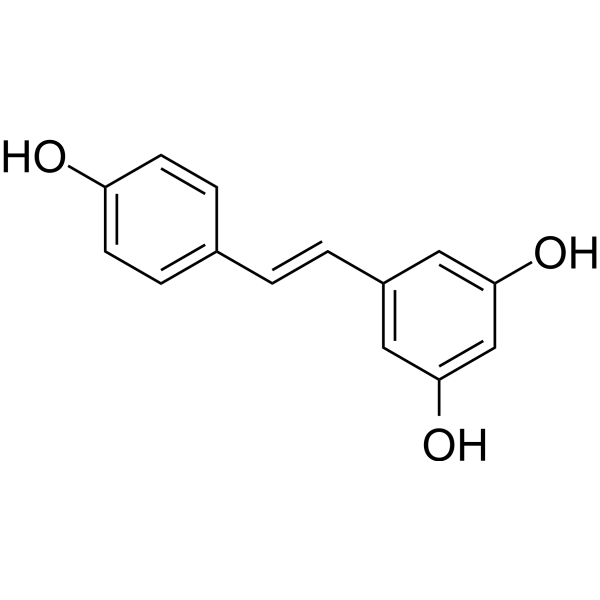
製品番号: HY-16561
CAS 番号: 501-36-0
別名: trans-Resveratrol; SRT501
Resveratrol (trans-Resveratrol; SRT501) is a CNS-penetrant natural polyphenolic phytoalexin that possesses anti-oxidant, anti-inflammatory, cardioprotective, and anti-cancer properties. Resveratrol (SRT 501) has a wide spectrum of targets including mTOR, JAK, β-amyloid, Adenylyl cyclase, IKKβ, DNA polymerase. Resveratrol also is a specific SIRT1 activator . Resveratrol is a potent pregnane X receptor (PXR) inhibitor . Resveratrol is an Nrf2 activator, ameliorates aging-related progressive renal injury in mice model . Resveratrol increases production of NO in endothelial cells .
loading...
    loading...
169
169 Cited Publications
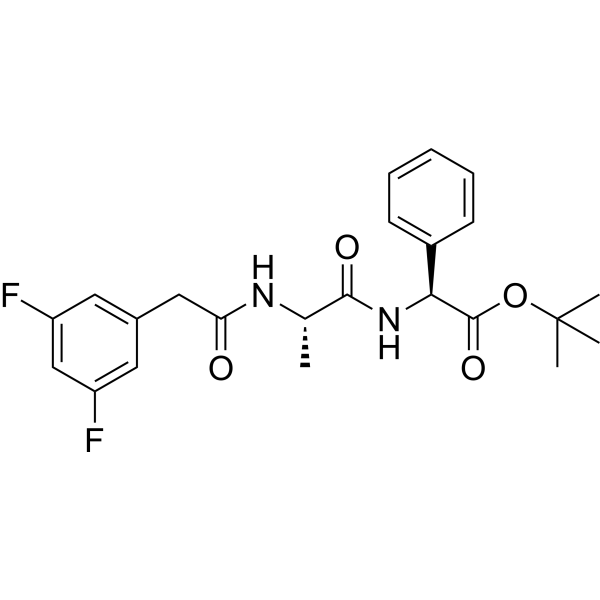
製品番号: HY-13027
CAS 番号: 208255-80-5
純度:  99.97%
別名: GSI-IX
DAPT (GSI-IX) is a potent and orally active γ-secretase inhibitor with IC50s of 115 nM and 200 nM for total amyloid-β (Aβ) and 42, respectively. DAPT inhibits the activation of Notch 1 signaling and induces cell differentiation. DAPT also induces autophagy and apoptosis. DAPT has neuroprotection activity and has the potential for autoimmune and lymphoproliferative diseases, degenerative disease and cancers treatment .
loading...
    loading...
45
45 Cited Publications
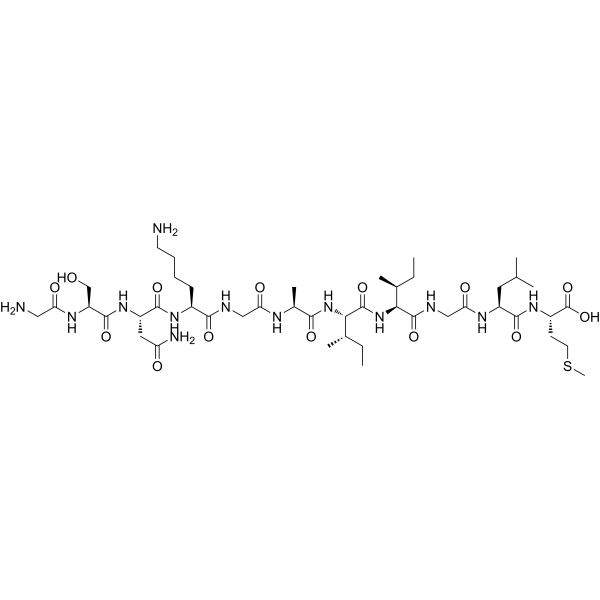
製品番号: HY-P0128
CAS 番号: 131602-53-4
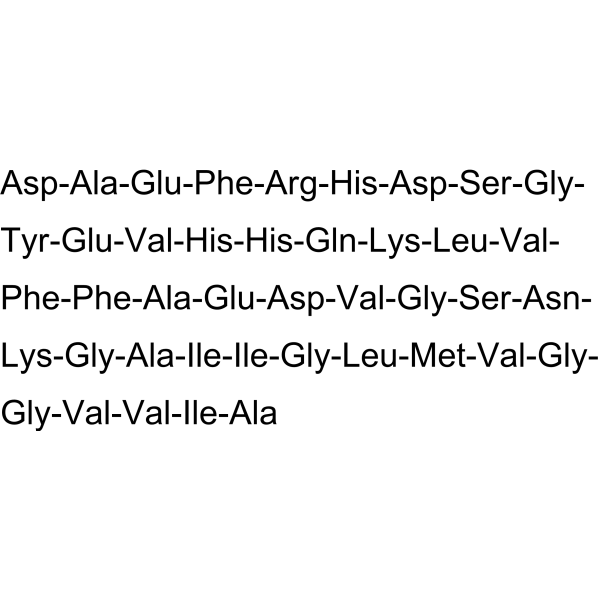
別名: Amyloid beta-peptide (25-35); Aβ25-35; β-Amyloid peptide (25-35)
Target:  

Amyloid-β

研究分野:  

Neurological Disease

β-Amyloid (25-35) (Amyloid beta-peptide (25-35)) is the fragment Aβ(25-35) of the Alzheimer's amyloid β-peptide, has shown neurotoxic activities in cultured cells .
loading...
    loading...
45
45 Cited Publications
製品番号: HY-P0128A
CAS 番号: 131602-53-4
別名: Amyloid beta-peptide (25-35), HFIP-treated; Aβ25-35, HFIP-treated; β-Amyloid peptide (25-35), HFIP-treated
Target:  

Amyloid-β

研究分野:  

Neurological Disease

β-Amyloid (25-35) (Amyloid beta-peptide (25-35)), HFIP-treated is a β-Amyloid (25-35) (HY-P0128) treated with HFIP. β-Amyloid (25-35) (Amyloid beta-peptide (25-35)) is the fragment Aβ(25-35) of the Alzheimer's amyloid β-peptide, has shown neurotoxic activities in cultured cells .
loading...
    loading...
32
32 Cited Publications
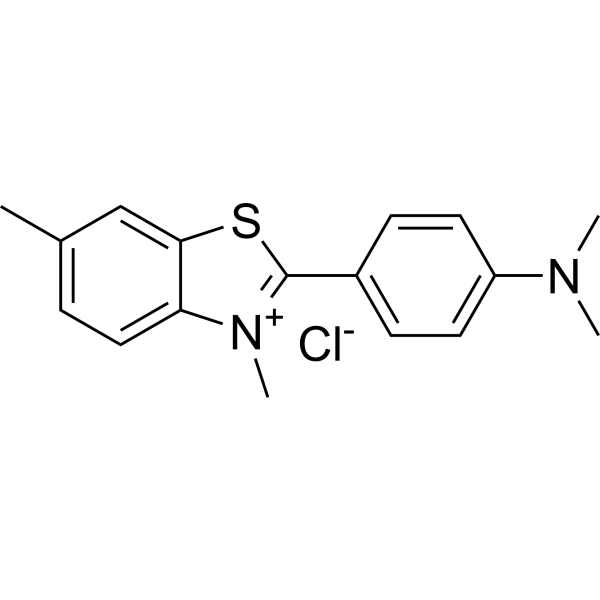
製品番号: HY-D0218
CAS 番号: 2390-54-7
別名: Basic Yellow 1
Thioflavin T is a cationic Benzothiazole dye that shows enhanced fluorescence upon binding to amyloid in tissue sections. Excitation max.: ~385 nm (free); ~450 nm (bound); Emission max.: ~445 nm (free); ~485 nm (bound) .
loading...
    loading...
27
27 Cited Publications
製品番号: HY-P1363A
CAS 番号: 107761-42-2
別名: Amyloid β-peptide (1-42) (human)
Target:  

Amyloid-β

研究分野:  

Neurological Disease

β-Amyloid (1-42) (Amyloid β-peptide (1-42)), human, a 42-amino acid peptide that has not been treated with HFIP, is a brain-penetrant amyloid protein fragment, which can be used in research on Alzheimer's disease and Down’s syndrome. β-Amyloid (1-42), human remaining as a monomer exhibits antioxidant and neuroprotective effects. β-Amyloid (1-42), human, after being monomericized by HFIP and dissolved in DMSO to form the stock solution, on the one hand, can form soluble oligomers (AβOs) when incubated at 4 °C, which have synaptic toxicity and neurotoxicity; on the other hand, it can be incubated at 37 °C to form insoluble fibrils, with lower neurotoxicity, and participating in the oxidative damage process. Aβ42 oligomers bind to various neuronal surface receptors (such as PrPc, mGluR5, NMDA receptors, etc.), triggering oxidative stress, calcium homeostasis imbalance, and synaptic toxicity via activating downstream signaling pathways, leading to neuronal dysfunction and death .
loading...
    loading...
27
27 Cited Publications
製品番号: HY-P1363
別名: Amyloid β-peptide (1-42) (human) TFA
Target:  

Amyloid-β

研究分野:  

Neurological Disease

β-Amyloid (1-42) (Amyloid β-peptide (1-42), human TFA, a 42-amino acid peptide that has not been treated with HFIP, is a brain-penetrant amyloid protein fragment, which can be used in research on Alzheimer's disease and Down’s syndrome. β-Amyloid (1-42), human TFA remaining as a monomer exhibits antioxidant and neuroprotective effects. β-Amyloid (1-42), human TFA, after being monomericized by HFIP and dissolved in DMSO to form the stock solution, on the one hand, can form soluble oligomers (AβOs) when incubated at 4 °C, which have synaptic toxicity and neurotoxicity; on the other hand, it can be incubated at 37 °C to form insoluble fibrils, with lower neurotoxicity, and participating in the oxidative damage process. Aβ42 oligomers bind to various neuronal surface receptors (such as PrPc, mGluR5, NMDA receptors, etc.), triggering oxidative stress, calcium homeostasis imbalance, and synaptic toxicity via activating downstream signaling pathways, leading to neuronal dysfunction and death .
loading...
    loading...
27
27 Cited Publications
製品番号: HY-P1363B
CAS 番号: 107761-42-2
Target:  

Amyloid-β

研究分野:  

Neurological Disease

β-Amyloid (1-42), human, HFIP-treated, a 42-amino acid peptide that has been treated with HFIP from β-Amyloid (1-42), human (HY-P1363A), is a brain-penetrant amyloid protein fragment, which can be used in research on Alzheimer's disease and Down’s syndrome. β-Amyloid (1-42), human, HFIP-treated remaining as a monomer exhibits antioxidant and neuroprotective effects. β-Amyloid (1-42), human, HFIP-treated, after being dissolved in DMSO to form the stock solution, on the one hand, can form soluble oligomers (AβOs) when incubated at 4°C, which have synaptic toxicity and neurotoxicity; on the other hand, it can be incubated at 37°C to form insoluble fibrils, with lower neurotoxicity, and participating in the oxidative damage process. Aβ42 oligomers bind to various neuronal surface receptors (such as PrPc, mGluR5, NMDA receptors, etc.), triggering oxidative stress, calcium homeostasis imbalance, and synaptic toxicity via activating downstream signaling pathways, leading to neuronal dysfunction and death .
loading...
    loading...
23
23 Cited Publications
製品番号: HY-16659
CAS 番号: 754240-09-0
Target:  

Ras

研究分野:  

Neurological Disease Cancer

EHT 1864 is an inhibitor of Rac family small GTPases. EHT 1864 directly binds and impairs the ability of this small GTPase to engage critical downstream effectors required for growth transformation. The Kd values are 40, 50, 60, and 230 nM for Rac1, Rac1b, Rac2 and Rac3, respectively. EHT 1864 also potently inhibits other Rac-dependent transformation processes, Tiam1- and Ras-mediated growth transformation. EHT 1864 prevents Aβ 40 and Aβ 42 production in vivo. EHT 1864 dependently suppresses the release of migrasomes from podocytes induced by LPS, PAN, or HG .
loading...
    loading...
22
22 Cited Publications
製品番号: HY-N0931
CAS 番号: 1477949-42-0
別名: CAY-10683
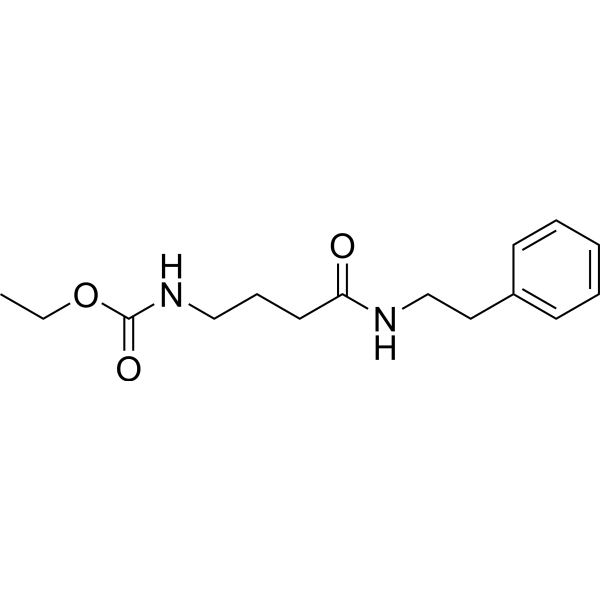
Santacruzamate A (CAY-10683, STA) is a potent and selective HDAC2 inhibitor with an IC50 of 119 pM. STA also exerts neuroprotective property against amyloid-β protein fragment 25–35. STA can be used for cancer and neurological disease research .
loading...
    loading...
19
19 Cited Publications
製品番号: HY-16900
CAS 番号: 61413-54-5
別名: (R,S)-Rolipram; (±)-Rolipram; ZK 62711
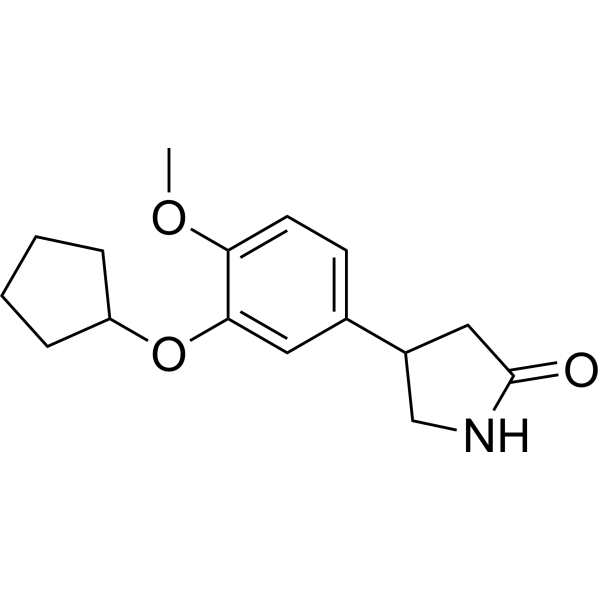
Rolipram is a PDE4 inhibitor, with blood-brain barrier permeability, that reverses β-amyloid-induced learning and memory impairment in rats. Rolipram elevates intracellular cAMP and clevels and regulates the cAMP/CREB signaling pathway, thereby alleviating neuroinflammation and apoptotic responses. Rolipram promotes neuronal differentiation of human bone marrow mesenchymal stem cells and inhibits Methamphetamine- and morphine-induced hyperlocomotion in mice. Rolipram also reduces the viability of glioblastoma stem-like cells and enhances Bevacizumab (HY-P9906)-induced cell death. Rolipram inhibits the expression of proinflammatory cytokines and enhances central noradrenergic transmission. Rolipram is mainly used in studies related to various central nervous system diseases including Alzheimer's disease, major depressive disorder, glioblastoma multiforme, and multiple sclerosis .
loading...
    loading...
18
18 Cited Publications
製品番号: HY-14176
CAS 番号: 209986-17-4
純度:  99.97%
別名: γ-Secretase-IN-1
Target:  

γ-secretase

研究分野:  

Cancer

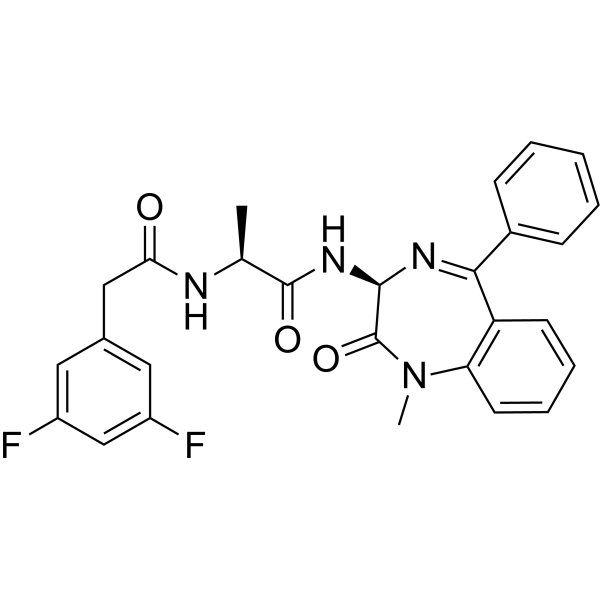
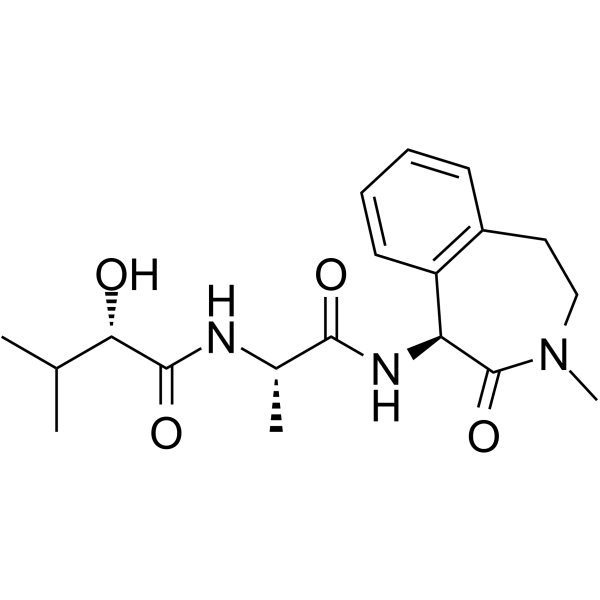
Compound E is a γ-secretase inhibitor. Compound E blocks β-amyloid(40), β-amyloid(42), and Notch γ-secretase cleavage with IC50s of 0.24, 0.37, 0.32 nM, respectively.
loading...
    loading...
17
17 Cited Publications
製品番号: HY-12452
CAS 番号: 1428-67-7
純度:  99.66%
別名: Diarylpropionitrile
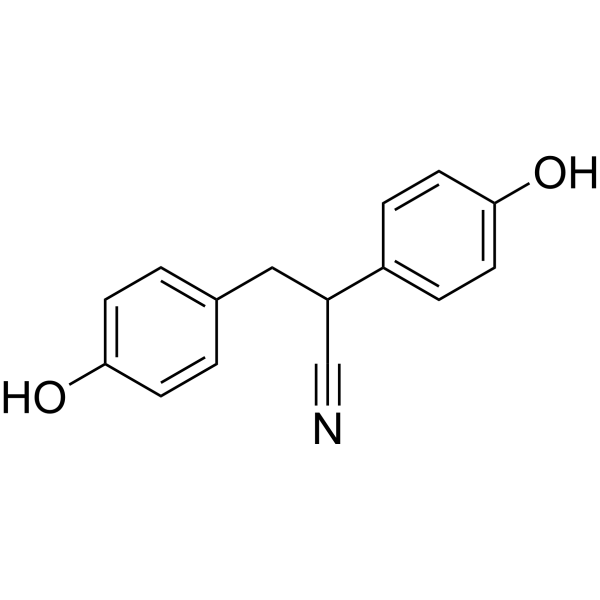
DPN (Diarylpropionitrile) is a non-steroidal estrogen receptor β (ERβ) selective ligand, with an EC50 of 0.85 nM. DPN has neuroprotective effects in a number of neurological diseases .
loading...
    loading...
14
14 Cited Publications
製品番号: HY-12688A
CAS 番号: 864167-45-3
純度:  ≥98.0%
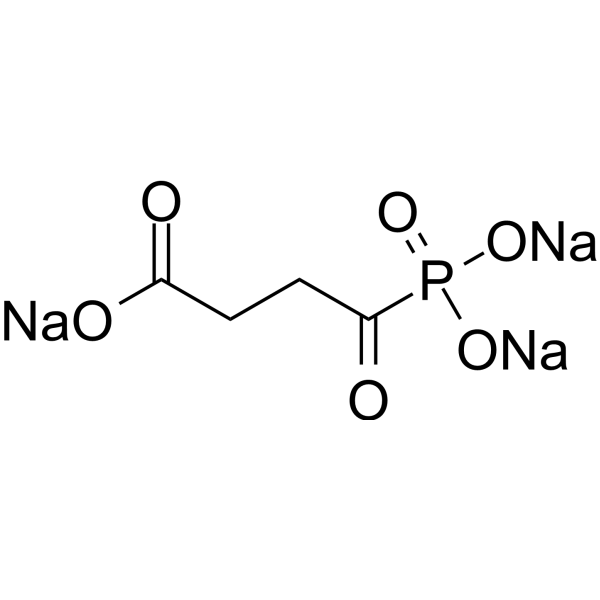
Succinyl phosphonate trisodium salt is a α-Ketoglutarate Dehydrogenase Complex (KGDHC) modulator with neuroprotective activity. Succinyl phosphonate trisodium salt protects this complex, reduces cellular succinyl-CoA concentration, downregulates protein succinylation levels, and inhibits the activity of the α-ketoglutarate dehydrogenase complex. Succinyl phosphonate trisodium salt corrects hypoxic or ethanol-induced behavioral impairments, modulates exploratory behavior and emotional stress responses, and improves hypoxia tolerance. Succinyl phosphonate trisodium salt reduces glutamate excitotoxicity, restores the activity of the α-ketoglutarate dehydrogenase complex, reverses the changes in glutamate dehydrogenase and glutamine synthetase activities induced by β-amyloid (Amyloid-β), modulates cognitive function, and prevents β-amyloid-induced neuronal damage. Succinyl phosphonate trisodium salt improves microglial senescence, alleviates neuroinflammation, reactive oxygen species (ROS) production, lipid peroxidation, and the expression of proinflammatory cytokines. Succinyl phosphonate trisodium salt can be used in the research of Alzheimer's disease, aging-related neuroinflammation, and Parkinson's disease .
loading...
    loading...
14
14 Cited Publications
製品番号: HY-P1119
CAS 番号: 878557-55-2
研究分野:  

Neurological Disease

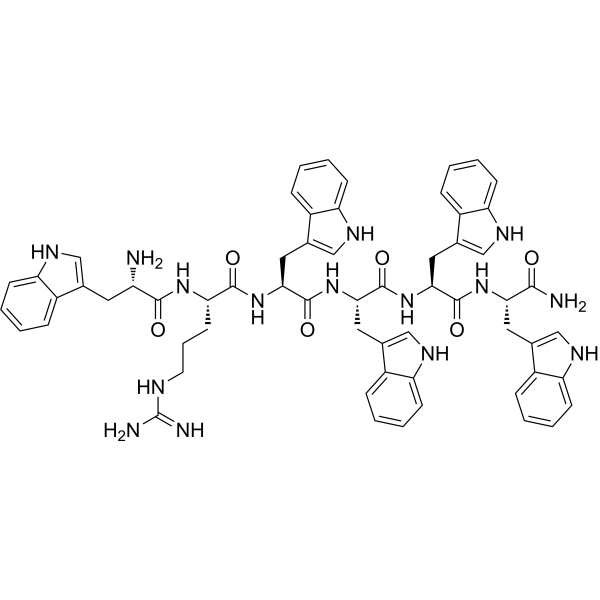
WRW4, a specific formyl peptide receptor-like 1 (FPRL1) antagonist, inhibits WKYMVm binding to FPRL1 with an IC50 of 0.23 μM. WRW4 specifically inhibits the increase in intracellular calcium by the FPRL1 agonists MMK-1, amyloid beta42 (Abeta42) peptide, and F peptide .
loading...
    loading...
12
12 Cited Publications
製品番号: HY-10009
CAS 番号: 425386-60-3
純度:  98.89%
別名: LY450139
研究分野:  

Neurological Disease

Semagacestat is a γ-secretase inhibitor, inhibits β-amyloid (Aβ42), Aβ38 and Aβ40 with IC50s of 10.9, 12 and 12.1 nM, respectively; also inhibits Notch signaling with IC50 of 14.1 nM. Semagacestat can be used for the research of alzheimer's disease .
loading...
    loading...
12
12 Cited Publications
製品番号: HY-N0373
CAS 番号: 58749-23-8
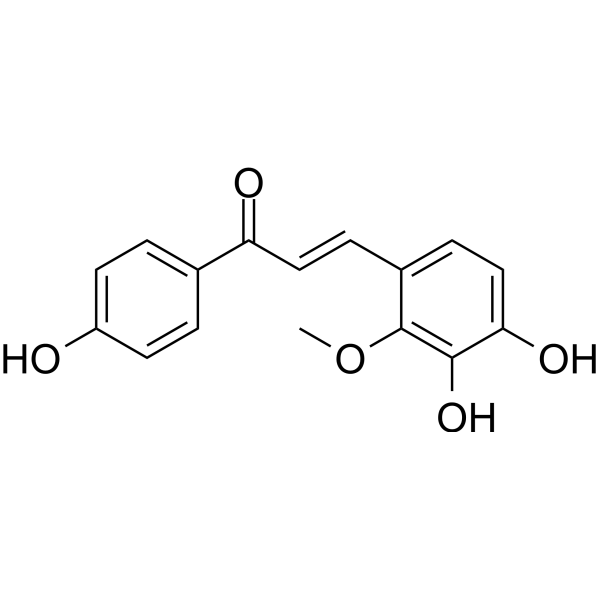
Licochalcone B is an extract from the root of Glycyrrhiza uralensis. Licochalcone B inhibits amyloid β (42) self-aggregation (IC50=2.16 μM) and disaggregate pre-formed Aβ42 fibrils, reduce metal-induced Aβ42 aggregation through chelating metal ionsLicochalcone B inhibits phosphorylation of NF-κB p65 in LPS signaling pathway. Licochalcone B inhibits growth and induces apoptosis of NSCLC cells. Licochalcone B specifically inhibits the NLRP3 inflammasome by disrupting NEK7‐NLRP3 interaction .
loading...
    loading...
11
11 Cited Publications
製品番号: HY-P0265A
別名: Amyloid β-Peptide (1-40) (human) TFA; Aβ40 (human) TFA; Aβ(1-40) (human) TFA
Target:  

Amyloid-β

研究分野:  

Neurological Disease

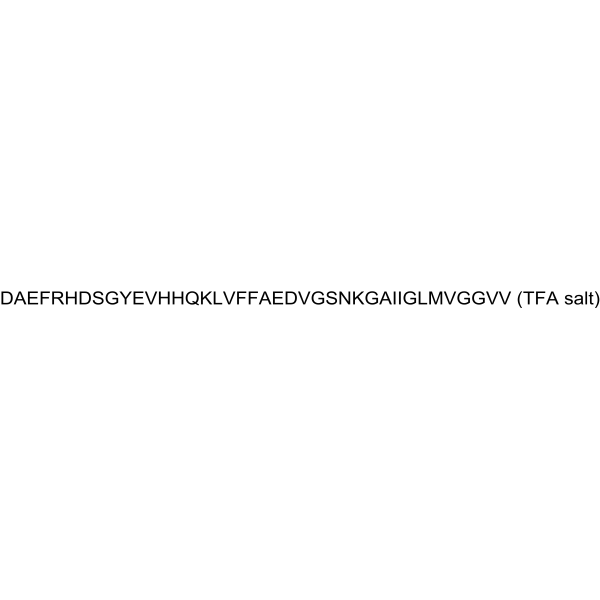
β-Amyloid (1-40) TFA is a primary protein in plaques found in the brains of patients with Alzheimer's disease .
loading...
    loading...
11
11 Cited Publications
製品番号: HY-P0265C
Target:  

Amyloid-β

研究分野:  

Neurological Disease

β-Amyloid (1-40), HFIP-treated is a β-Amyloid (1-40) (HY-P0265A) treated with HFIP. β-Amyloid (1-40) is a primary protein in plaques found in the brains of patients with Alzheimer's disease .
loading...
    loading...
10
10 Cited Publications
製品番号: HY-B1588
CAS 番号: 5697-56-3
Carbenoxolone is a blood-brain barrier-permeable Pannexin1 inhibitor, gap junction (Gap junction) blocker, and β-amyloid 42 inhibitor. Carbenoxolone modulates voltage-gated currents of wild-type and mutant Panx1, and inhibits stimulus-activated Panx1 channel function. Carbenoxolone interacts with stable residues of β-amyloid 42 peptides, fibrils and oligomers, thereby inhibiting their aggregation. Carbenoxolone alleviates liver fibrosis. Carbenoxolone exerts neuroprotective and nootropic effects. Carbenoxolone can be used in studies related to Alzheimer's disease and liver fibrosis .
loading...
    loading...

