

1. Search Result
Search Result
Results for "

Bactericidal effect

" in MedChemExpress (MCE) Product Catalog:

47

Inhibitors & Agonists

8

Peptides

1

Natural
Products

1

Isotope-Labeled Compounds

Cat. No. Product Name Target Research Areas Chemical Structure
  • HY-P4744
    LL-37 amide
    2 Publications Verification

    Formyl Peptide Receptor (FPR) Bacterial Infection Cancer
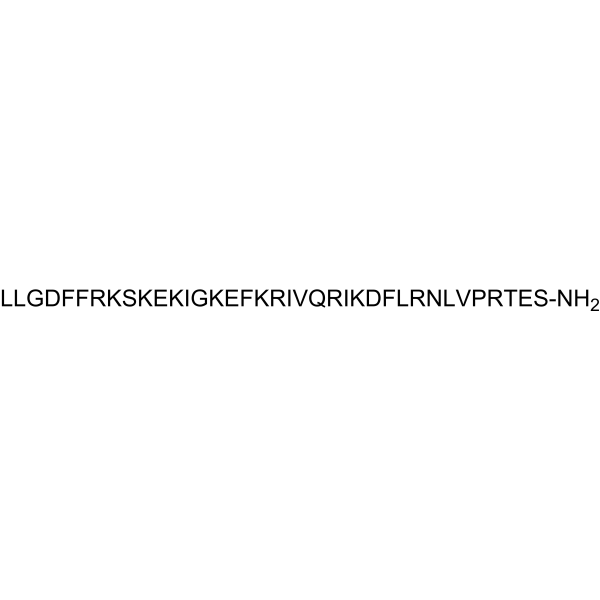
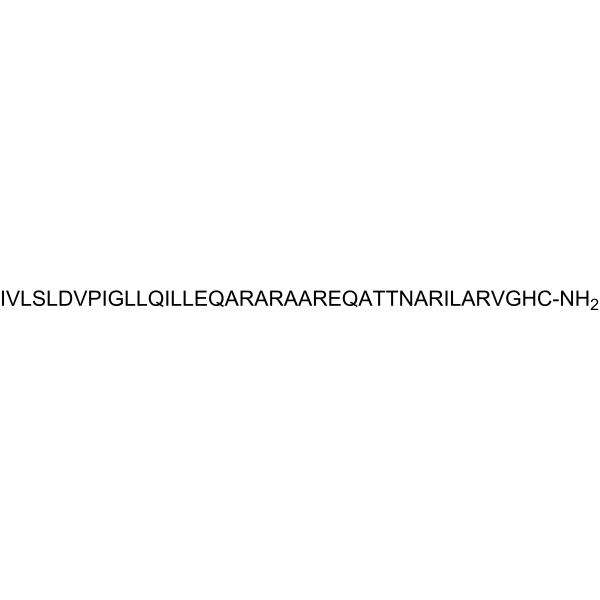
    LL-37 amide is a selective agonist of formyl peptide receptor-like FPRL1, effectively inhibiting periodontal pathogens (ED99=8.5-8.7 μg/mL). LL-37 amide exerts its bactericidal effect by activating FPRL1-mediated immune cell chemotaxis and disrupting bacterial cell membrane integrity. It can also regulate inflammatory responses (inhibiting the release of factors such as TNF-α) and promote angiogenesis. Amidation modification reduces its sensitivity to serum inhibition and improves its stability. LL-37 amide possesses key activities in bactericidal action, immunomodulation, and wound healing, and is mainly used in research on infection-related diseases such as periodontal disease and deep tissue injuries (pressure ulcers), and wound healing .
    LL-37 amide
  • HY-P1752

    CRFR Bacterial Parasite NF-κB ERK Metabolic Disease
    Urocortin II, human is a selective endogenous peptide agonist of type-2 corticotropin-releasing factor (CRF2) receptor. Urocortin II, human has an effect of promoting satiet and neuroprotective effect. Urocortin II, human also has bactericidal, antiparasitic and pro-inflammation activity. Urocortin II, human can activate NF-κB pathway and ERK1/2 MAP kinase. Urocortin II, human can reduce pulmonary arterial hypertension and shows cardiac protection effect. Urocortin II, human can be used for the researches of infection, inflammation, metabolic, neurological and cardiovascular disease .
    Urocortin II, human
  • HY-B1831A
    Oritavancin diphosphate
    2 Publications Verification

    LY333328 diphosphate

    Bacterial Antibiotic Infection Inflammation/Immunology
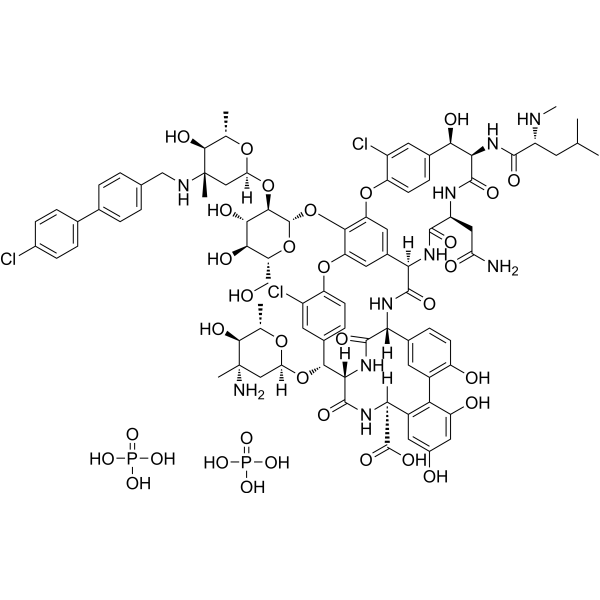
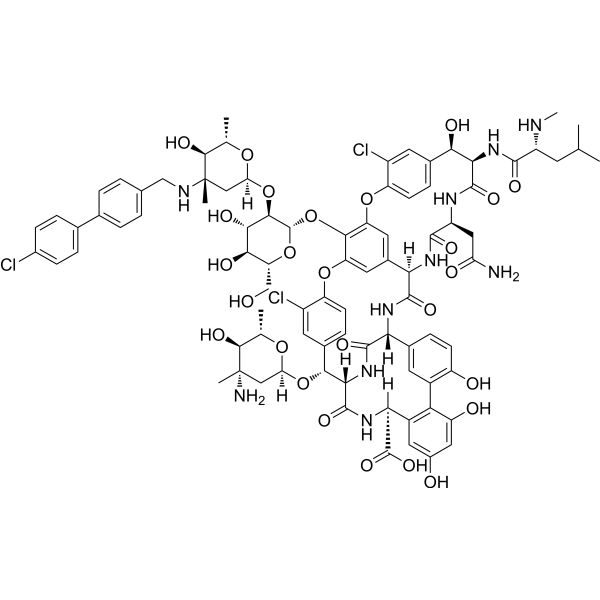
    Oritavancin diphosphate (LY333328 diphosphate), a semisynthetic derivative of Vancomycin (HY-B0671), is an orally active glycopeptide antibiotic with bactericidal activity against gram-positive organisms. Oritavancin diphosphate shows antibacterial effect against B. anthracis, such as Ames strain with a MIC value of 0.015 g/mL. Oritavancin diphosphate inhibits cell wall synthesis and disrupts the membrane potential. Oritavancin diphosphate inhibits ArlS kinase activity thereby interfering the signal transduction. Oritavancin diphosphate enters cells by adsorptive endocytosis, which drives it to lysosomes, where it exerts antibiotic activity .
    Oritavancin diphosphate
  • HY-12903
    Macozinone
    5 Publications Verification

    PBTZ169

    Bacterial Antibiotic Infection
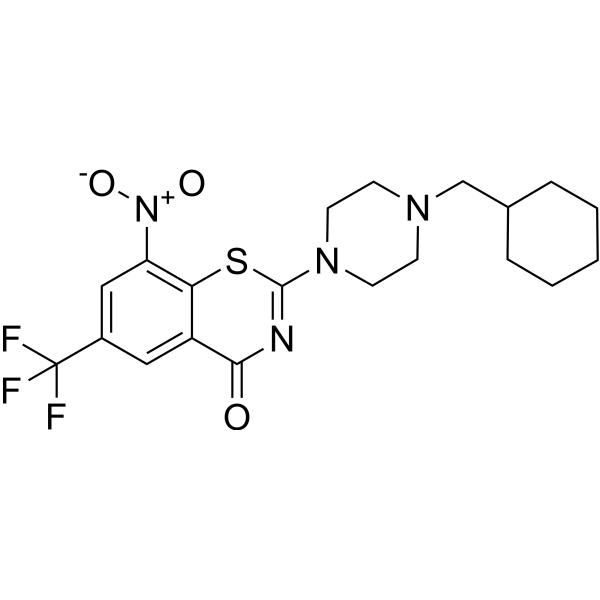
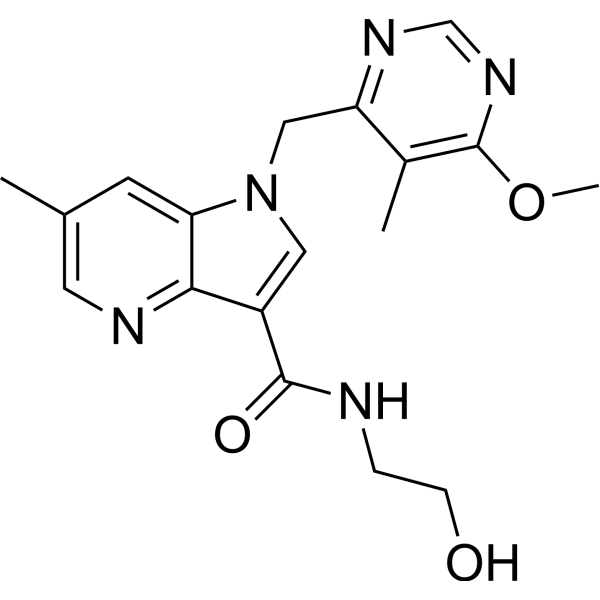
    Macozinone (PBTZ169) is a bactericidal benzothiazinone and a potent DprE1 (decaprenylphosphoryl-β-d-ribose 2′-oxidase) inhibitor. Macozinone inhibits the essential flavoprotein DprE1 by forming a covalent bond with the active-site Cys387 residue. Macozinone has antituberculosis effect .
    Macozinone
  • HY-125785A

    Bacterial Infection
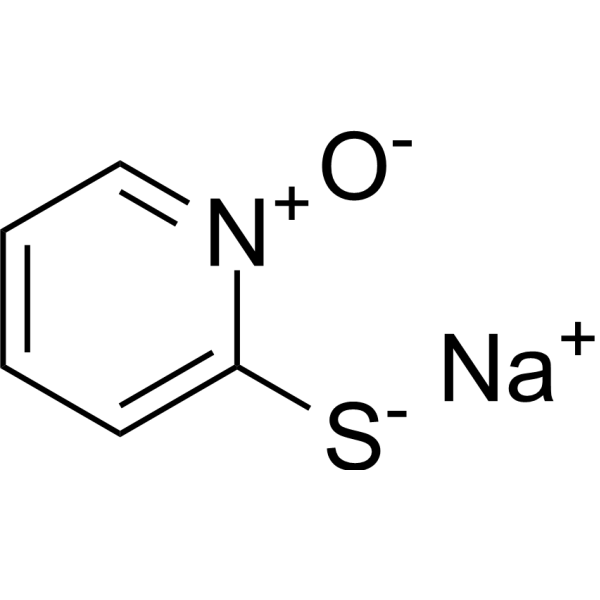
    2-Mercaptopyridine N-oxide sodium has bactericidal effect and is against a standard strain of Mycobacterium tuberculosis H37Rv (ATCC 27294) with MIC90 of 7.20 μM. 2-Mercaptopyridine N-oxide sodium and its complex with iron, gallium, and bismuth have good anti-M. tuberculosis activity. 2-Mercaptopyridine N-oxide sodium has potential for the treatment of tuberculosis .
    2-Mercaptopyridine N-oxide sodium
  • HY-P1068
    Lysozyme
    Maximum Cited Publications
    8 Publications Verification

    Muramidase

    Bacterial TNF Receptor Interleukin Related TGF-β Receptor Infection Inflammation/Immunology
    Lysozyme (Muramidase) is a conserved antimicrobial protein. Lysozyme exerts its bactericidal effect by hydrolyzing bacterial cell wall peptidoglycan (PG). Lysozyme plays an important role in limiting bacterial growth on mucosal surfaces and other sites, not only controlling potential pathogens but also limiting overgrowth of microbiota to prevent dysbiosis. Extracellular lysozyme can also degrade polymeric PG into soluble fragments, activate NOD receptors in mucosal epithelial cells, and lead to the secretion of chemokines and activating factors by neutrophils and macrophages .
    Lysozyme
  • HY-W753375

    Environmental Pollutants Fungal Succinate Dehydrogenase Infection
    Fluindapyr is a broad-spectrum pyrazolamide chiral fungicide of succinate dehydrogenase inhibitor (SDHIs) with broad bactericidal spectrum and good efficacy. Fluopimomide is effective against M. incognita in vitro and application of fuopimomide shows some growth promotion effect in cucumber .
    Fluindapyr
  • HY-B0330D
    (R)-Ofloxacin
    1 Publications Verification

    Dextrofloxacin

    Bacterial Antibiotic Infection
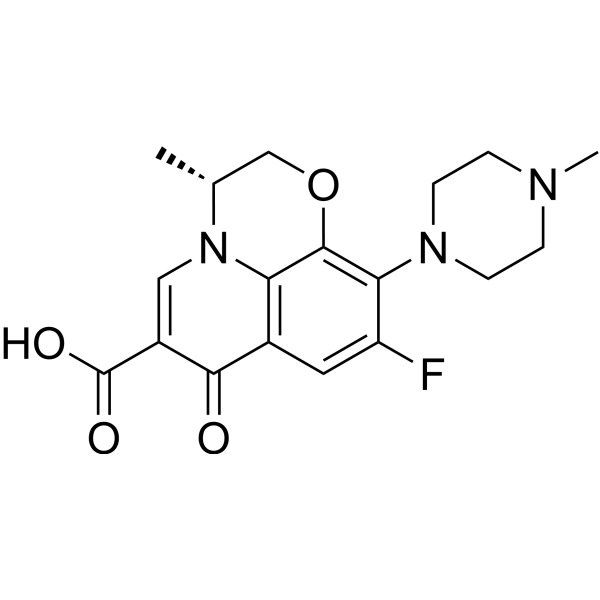
    (R)-Ofloxacin is the dextrorotatory enantiomer of Ofloxacin (HY-B0125) and is an orally effective fluoroquinolone antibiotic. (R)-Ofloxacin can inhibit the activity of bacterial DNA topoisomerase II, interfere with bacterial DNA replication and repair, and exert a bactericidal effect. (R)-Ofloxacin has a broad-spectrum antibacterial activity and has inhibitory effects on both Gram-negative and Gram-positive bacteria .
    (R)-Ofloxacin
  • HY-19750
    TBA-7371
    1 Publications Verification

    Bacterial Infection
    TBA-7371 is an orally active and non-covalent inhibitor of Decaprenylphosphoryl-β-D-ribose oxidase (DprE1) of Mycobacterium tuberculosis (MIC=0.64 μg/mL). TBA-7371 can block the synthesis of arabinose in the bacterial cell wall, resulting in cell wall structural defects, thereby exerting an anti-tuberculosis effect. TBA-7371 can be used in the research of anti-tuberculosis drugs and has a synergistic bactericidal effect with Bedaquiline (HY-14881) and other drugs .
    TBA-7371
  • HY-B1048

    Paraniazide; Pasiniazide; Isonicotinic acid hydrazide p-aminosalicylate

    Bacterial Infection
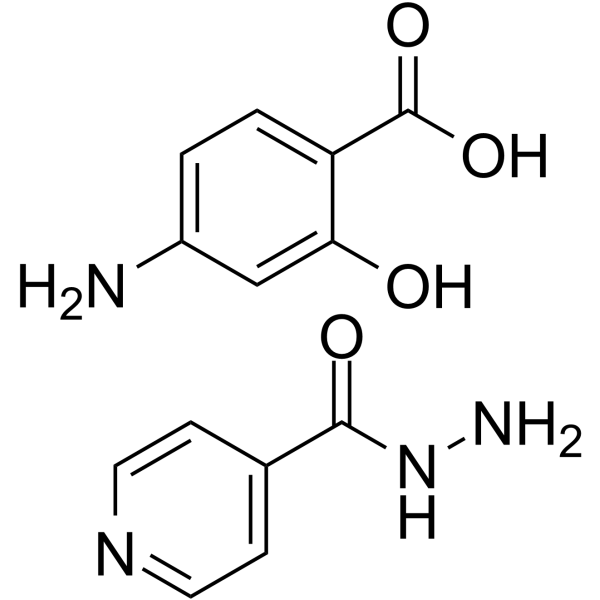
    Pasiniazid is a chemical complex formed by Isoniazid (HY-B0329) and Para-aminosalicylic acid in a 1:1 molar ratio. Pasiniazid is an antibacterial agent. Pasiniazid is rapidly decomposed into isoniazid and para-aminosalicylic acid in the gastrointestinal tract. Isoniazid exerts a bactericidal effect, while para-aminosalicylic acid delays the acetylation process of isoniazid. Pasiniazid has antibacterial activity against Mycobacterium tuberculosis. Pasiniazid can be used in tuberculosis research .
    Pasiniazid
  • HY-133825

    IKF-916

    Environmental Pollutants OAT Oct3/4 Infection
    Cyazofamid exerts its bactericidal effect by impairing ATP production. Cyazofamid inhibits organic cation transporter 3 (OCT3) and OAT1, with IC50 values ​​of 1.54 and 17.3 μM, respectively .
    Cyazofamid
  • HY-P4744A
    LL-37 amide TFA
    2 Publications Verification

    Formyl Peptide Receptor (FPR) Bacterial Infection Cancer
    LL-37 amide TFA is a selective agonist of formyl peptide receptor-like FPRL1, effectively inhibiting periodontal pathogens (ED99=8.5-8.7 μg/mL). LL-37 amide TFA exerts its bactericidal effect by activating FPRL1-mediated immune cell chemotaxis and disrupting bacterial cell membrane integrity. It can also regulate inflammatory responses (inhibiting the release of factors such as TNF-α) and promote angiogenesis. Amidation modification reduces its sensitivity to serum inhibition and improves its stability. LL-37 amide TFA possesses key activities in bactericidal action, immunomodulation, and wound healing, and is mainly used in research on infection-related diseases such as periodontal disease and deep tissue injuries (pressure ulcers), and wound healing .
    LL-37 amide TFA
  • HY-P11085

    Bacterial Infection
    WLBU2 is a engineered cationic antimicrobial peptide (eCAP) that overcomes the environmental sensitivity of natural antimicrobial peptides (AMPs). WLBU2 exhibits rapid bactericidal effect, with the MIC values of ≤ 10 μM against both Gram-negative and Gram-positive bacteria including MRSA, vancomycin-resistant enterococci, K. pneumoniae, E.aerogenes, E. cloacae, Escherichia coli, et, al. WLBU2 prevents P. aeruginosa biofilm growth and retains its activity in an environment rich in mucus, low pH and high salt concentrations without negative effects on human airway epithelial cells. WLBU2 can be used for the studies of cystic fibrosis (CF) and Pseudomonas aeruginosa infections .
    WLBU2
  • HY-128866

    Bacterial Infection
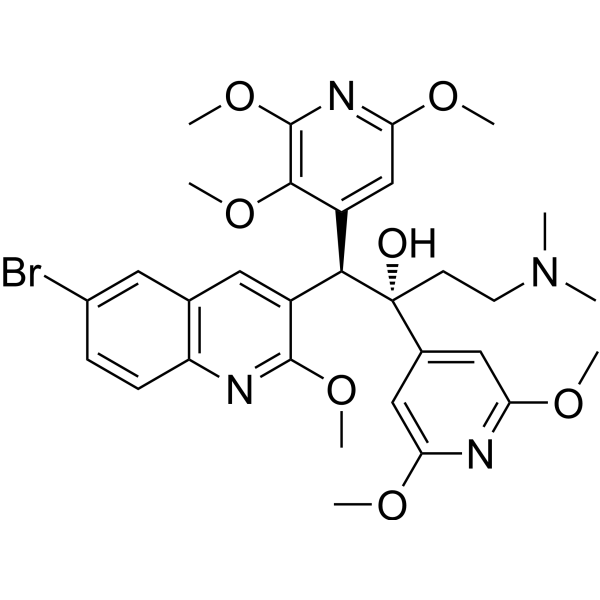
    TBAJ-876 is an orally active diarylquinoline anti-Mycobacterium agent. TBAJ-876 regulates energy metabolism by targeting the c and ε subunits of Mycobacterium tuberculosis F-ATP synthase, exerts bactericidal activity against replicating Mycobacterium tuberculosis, and retains activity against strains carrying the Rv0678 mutation. TBAJ-876 undergoes N-demethylation in vivo to form its major active metabolite TBAJ-876-M3, which has lower lipophilicity and hERG potassium channel binding affinity. TBAJ-876 is well tolerated in BALB/c mice and significantly reduces the colony-forming units of Mycobacterium tuberculosis in the lungs. In addition, TBAJ-876 exhibits inhibitory activity against Mycobacterium abscessus, reduces bacterial loads in the lungs and spleens of infected mice, and shows no antagonistic effect when used in combination with common antibiotics. TBAJ-876 can be used in studies related to tuberculosis and Mycobacterium abscessus pulmonary diseases .
    TBAJ-876
  • HY-P11211A

    Bacterial Infection Cancer
    D2A21 TFA is an antimicrobial peptide with significant antimicrobial activity against Pseudomonas and bactericidal effect on burn scabs. D2A21 TFA has antitumor activity and can be used in prostate cancer research .
    D2A21 TFA
  • HY-P1752B

    CRFR Bacterial Parasite NF-κB ERK Metabolic Disease
    Urocortin II, human acetate is a selective endogenous peptide agonist of type-2 corticotropin-releasing factor (CRF2) receptor. Urocortin II, human acetate has an effect of promoting satiet and neuroprotective effect. Urocortin II, human acetate also has bactericidal, antiparasitic and pro-inflammation activity. Urocortin II, human acetate can activate NF-κB pathway and ERK1/2 MAP kinase. Urocortin II, human acetate can reduce pulmonary arterial hypertension and shows cardiac protection effect. Urocortin II, human acetate can be used for the researches of infection, inflammation, metabolic, neurological and cardiovascular disease .
    Urocortin II, human acetate
  • HY-B1831

    LY 333328; Orbactiv

    Antibiotic Bacterial Infection Inflammation/Immunology
    Oritavancin (LY 333328), a semisynthetic derivative of Vancomycin (HY-B0671), is an orally active glycopeptide antibiotic with bactericidal activity against gram-positive organisms. Oritavancin shows antibacterial effect against B. anthracis, such as Ames strain with a MIC value of 0.015 g/mL. Oritavancin inhibits cell wall synthesis and disrupts the membrane potential. Oritavancin inhibits ArlS kinase activity thereby interfering the signal transduction. Oritavancin enters cells by adsorptive endocytosis, which drives it to lysosomes, where it exerts antibiotic activity .
    Oritavancin
  • HY-18999

    Antibiotic Infection
    4-epi-Chlortetracycline hydrochloride is an epimetabolite of Chlortetracycline hydrochloride. Chlortetracycline hydrochloride is an orally active, potent and selective inhibitor of methanogenic bacteria with bactericidal effect .
    4-epi-Chlortetracycline hydrochloride
  • HY-106095

    Antibiotic Bacterial Penicillin-binding protein (PBP) Infection
    DQ 2556 is a semi-synthetic cephalosporin antibiotic. DQ-2556 exhibits significant activity against both Gram-positive and Gram-negative bacteria, particularly Gram-positive bacteria and Enterobacteriaceae infections. DQ 2556 exerts its bactericidal effect by interfering with cell division. DQ-2556 has a strong affinity for the penicillin-binding proteins (PBPs) of Escherichia coli: PBP1A/1B (IC₅₀ = 0.57-0.73 μg/mL) and PBP3 (IC₅₀ = 0.088 μg/mL). DQ-2556 demonstrates significant in vivo protective effects. DQ-2556 can be used in the development of injectable cephalosporins .
    DQ 2556
  • HY-173054

    Bacterial Infection
    FtsZ-IN-12 (Compound 16e) is the inhibitor for filamentous temperature-sensitive mutant Z (FtsZ) that promotes the polymerization of FtsZ protein, inhibits its GTPase activity, thereby interfering with bacterial cell division process. FtsZ-IN-12 exhibits boardspectrum antibacterial activity that inhibits B. subtilis ATCC9372, B. pumilus CMCC63202, S. aureus ATCC25923, E. coli BW25113 and A. baumannii ATCC19606 with MIC of 0.062-1 μg/mL. FtsZ-IN-12 inhibits the formation of bacterial biofilms and exhibits a clearing effect on mature biofilms. FtsZ-IN-12 exhibits bactericidal activity without hemolytic toxicity to mammalian red blood cells (15 mg/kg) .
    FtsZ-IN-12
  • HY-106575

    Bacterial Infection
    Nifurzide, a nitrofuran derivative, is used as an intestinal antiinfectious agent. Nifurzide shows strong bactericidal effect .
    Nifurzide
  • HY-152495

    Bacterial Infection
    MenA IN-1 is an effective inhibitor of 1,4-dihydroxy-2-naphthoate isoprenyltransferase (MenA) from Mycobacterium tuberculosis (MTB) with an IC50 value of 13 µM and an GIC50 value of 8 µM. MenA IN-1 can be used to curb the continuous spread of tuberculosis .
    MenA-IN-1
  • HY-123175

    Bacterial Others
    Chinfloxacin is a compound with antibacterial activity. It is active against a variety of clinical isolates in vitro. Its antibacterial activity is similar to that of moxifloxacin, and it has a bactericidal effect in a concentration-dependent manner.
    Chinfloxacin
  • HY-170488

    ROS Kinase Bacterial Infection Cancer
    CM-728 is a oxazepine-naphthoquinone that has cytotoxic and bactericidal effect. CM-728 is a human peroxiredoxin-1 inhibitor. CM-728 is an oxidative stressor that affects mitochondrial function .
    CM-728
  • HY-106668

    Sch 21420

    Antibiotic Bacterial Infection
    Isepamicin (Sch 21420) is an aminoglycoside antibacterial. Isepamicin has better activity against strains producing type I 6'-acetyltransferase. Isepamicin’s antibacterial spectrum includes Enterobacteriaceae and staphylococci. Anaerobes, Neisseriaceae and streptococci are resistant. Isepamicin exhibits a strong concentration-dependent bactericidal effect, a long post-antibiotic effect (several hours) and induces adaptive resistance .
    Isepamicin
  • HY-124408

    Fungal Infection
    Mepronil, a compound belonging to the carboxyamine group of fungicides, has a particularly strong bactericidal effect on basidiomycete fungi. Mepronil acts as a single point inhibitor of the succinate ubiquinone reductase or succinate dehydrogenase complex. Mepronil can be used in the study of cross resistance and biological infection .
    Mepronil
  • HY-N7066R

    A-56619 hydrochloride (Standard)

    Reference Standards Bacterial Antibiotic Infection
    Difloxacin (hydrochloride) (Standard) is the analytical standard of Difloxacin (hydrochloride). This product is intended for research and analytical applications. Difloxacin hydrochloride is a broad-spectrum antibacterial agent. Difloxacin hydrochloride inhibits bacterial DNA gyrase and exhibits a concentration-dependant bactericidal effect by interference with the activity of DNA gyrase and topoisomerase IV .
    Difloxacin hydrochloride (Standard)
  • HY-12903R

    PBTZ169 (Standard)

    Reference Standards Bacterial Antibiotic Infection
    Macozinone (Standard) is the analytical standard of Macozinone. This product is intended for research and analytical applications. Macozinone (PBTZ169) is a bactericidal benzothiazinone and a potent DprE1 (decaprenylphosphoryl-β-d-ribose 2′-oxidase) inhibitor. Macozinone inhibits the essential flavoprotein DprE1 by forming a covalent bond with the active-site Cys387 residue. Macozinone has antituberculosis effect[1][2].
    Macozinone (Standard)
  • HY-N0666BR

    Calcium L-aspartate (Standard)

    Reference Standards Endogenous Metabolite Cardiovascular Disease
    4-epi-Chlortetracycline (hydrochloride) (Standard) is the analytical standard of 4-epi-Chlortetracycline (hydrochloride). This product is intended for research and analytical applications. 4-epi-Chlortetracycline hydrochloride is an epimetabolite of Chlortetracycline hydrochloride. Chlortetracycline hydrochloride is an orally active, potent and selective inhibitor of methanogenic bacteria with bactericidal effect .
    Aspartic acid calcium (Standard)
  • HY-18999R

    Reference Standards Antibiotic Infection
    4-epi-Chlortetracycline (hydrochloride) (Standard) is the analytical standard of 4-epi-Chlortetracycline (hydrochloride). This product is intended for research and analytical applications. 4-epi-Chlortetracycline hydrochloride is an epimetabolite of Chlortetracycline hydrochloride. Chlortetracycline hydrochloride is an orally active, potent and selective inhibitor of methanogenic bacteria with bactericidal effect .
    4-epi-Chlortetracycline hydrochloride (Standard)
  • HY-120777

    Bacterial Others
    GSK729 is a THPP inhibitor with the activity of inhibiting EchA6 and inhibiting Mycobacterium tuberculosis. GSK729 can selectively pull down EchA6 in a stereospecific manner, inhibit its activity, inhibit fatty acid synthesis of Mycobacterium tuberculosis, and has a bactericidal effect in a mouse chronic tuberculosis infection model.
    GSK729
  • HY-108021

    Bacterial Infection
    HT-61 is a quinolone antibacterial agent. HT-61 exhibits bactericidal activity against gram-positive bacteria including methicillin-susceptible Staphylococcus aureus (MSSA) and methicillin-resistant Staphylococcus aureus (MRSA). HT-61 can enhance the effect of Tobramycin (HY-B0441) against Pseudomonas aeruginosa .
    HT-61
  • HY-124408R

    Reference Standards Fungal Infection
    Mepronil (Standard) is the analytical standard of Mepronil. This product is intended for research and analytical applications. Mepronil, a compound belonging to the carboxyamine group of fungicides, has a particularly strong bactericidal effect on basidiomycete fungi. Mepronil acts as a single point inhibitor of the succinate ubiquinone reductase or succinate dehydrogenase complex. Mepronil can be used in the study of cross resistance and biological infection .
    Mepronil (Standard)
  • HY-B0276A

    2-Ethylthioisonicotinamide hydrochloride

    Bacterial Infection
    Ethionamide hydrochloride (2-Ethylthioisonicotinamide hydrochloride) is an antituberculosis drug with mycobacterial activity. Ethionamide hydrochloride interferes with the bacterial cell wall synthesis process by inhibiting the synthesis of fatty acids in the bacterial cell wall. Ethionamide hydrochloride may have bacteriostatic or bactericidal effects, depending on the concentration of the drug at the site of infection and the susceptibility of the associated microorganisms. Ethionamide hydrochloride combines with NAD+ to form an adduct, thereby exerting its antibacterial effect .
    Ethionamide hydrochloride
  • HY-106940

    Bacterial DNA/RNA Synthesis Infection
    DV-7751A is a new Fluoroquinolone and antibacterial agent. DV-7751A inhibits the supercoiling activity of DNA gyrases. DV-7751A exhibits antimicrobial activity against Streptococcus pneumonae, Streptococcus pyogenes, and Peptostreptococcus spp. DV-7751A has a rapid bactericidal effect against S. aureus, Escherichia coli, and P. aeruginosa .
    DV-7751A
  • HY-125533

    Bacterial Infection
    TXA497 is a potent local topical bactericide. TXA497 exerts its bactericidal effect by interfering with the polymerization kinetics of the bacterial cell division protein FtsZ, rather than inhibiting it. TXA497 shows strong activity against various Staphylococcus aureus strains, including MRSA and MSSA, with an MIC value ranging from 1.0 to 2.0 μg/mL. TXA497 skin deposition is concentration-dependent in its formulation, consistent with Fick's first law. TXA497 has limited systemic permeability through the lipid pathway of the stratum corneum and is easily absorbed through this route. TXA497 can be used for research on topical bactericidal agents .
    TXA497
  • HY-P1752A

    CRFR Bacterial Parasite NF-κB ERK Metabolic Disease
    Urocortin II, human TFA is a selective endogenous peptide agonist of type-2 corticotropin-releasing factor (CRF2) receptor. Urocortin II, human TFA has an effect of promoting satiet and neuroprotective effect. Urocortin II, human TFA also has bactericidal, antiparasitic and pro-inflammation activity. Urocortin II, human TFA can activate NF-κB pathway and ERK1/2 MAP kinase. Urocortin II, human TFA can reduce pulmonary arterial hypertension and shows cardiac protection effect. Urocortin II, human TFA can be used for the researches of infection, inflammation, metabolic, neurological and cardiovascular disease .
    Urocortin II, human TFA
  • HY-155060

    Bacterial DNA/RNA Synthesis Infection
    Antibacterial agent 144 (compound 8e) is an antibacterial agent,with better effect against multi-resistant Staphylococcus aureus than Chloromycin and Amoxicillin (HY-B0467A). Antibacterial agent 144 destroys the cytoplasmic membrane of bacteria,and inhibits the biofilms formation. Antibacterial agent 144 binds to HSA (Kd=13.2 μM),and exerts bactericidal efficacy. Antibacterial agent 144 also binds with DNA to for supramolecular complex to obstruct DNA replications .
    Antibacterial agent 144
  • HY-B0330DS

    Isotope-Labeled Compounds Bacterial Antibiotic Infection
    (R)-Ofloxacin-d3 is the deuterium labeled (R)-Ofloxacin. (R)-Ofloxacin is the dextrorotatory enantiomer of Ofloxacin (HY-B0125) and is an orally effective fluoroquinolone antibiotic. (R)-Ofloxacin can inhibit the activity of bacterial DNA topoisomerase II, interfere with bacterial DNA replication and repair, and exert a bactericidal effect. (R)-Ofloxacin has a broad-spectrum antibacterial activity and has inhibitory effects on both Gram-negative and Gram-positive bacteria .
    (R)-Ofloxacin-d3
  • HY-B0330DR

    Dextrofloxacin (Standard)

    Reference Standards Bacterial Antibiotic Infection
    (R)-Ofloxacin (Standard) is the analytical standard of (R)-Ofloxacin (HY-B0330D). (R)-Ofloxacin is the dextrorotatory enantiomer of Ofloxacin (HY-B0125) and is an orally effective fluoroquinolone antibiotic. (R)-Ofloxacin can inhibit the activity of bacterial DNA topoisomerase II, interfere with bacterial DNA replication and repair, and exert a bactericidal effect. (R)-Ofloxacin has a broad-spectrum antibacterial activity and has inhibitory effects on both Gram-negative and Gram-positive bacteria .
    (R)-Ofloxacin (Standard)
  • HY-B1831AR

    LY333328 diphosphate (Standard)

    Reference Standards Bacterial Antibiotic Infection Inflammation/Immunology
    Oritavancin (diphosphate) (Standard) is the analytical standard of Oritavancin (diphosphate). Oritavancin diphosphate (Standard), a semisynthetic derivative of Vancomycin (HY-B0671), is an orally active glycopeptide antibiotic with bactericidal activity against gram-positive organisms. Oritavancin diphosphate (Standard) shows antibacterial effect against B. anthracis, such as Ames strain with a MIC value of 0.015 g/mL. Oritavancin diphosphate (Standard) inhibits cell wall synthesis and disrupts the membrane potential. Oritavancin diphosphate (Standard) inhibits ArlS kinase activity thereby interfering the signal transduction. Oritavancin diphosphate (Standard) enters cells by adsorptive endocytosis, which drives it to lysosomes, where it exerts antibiotic activity .
    Oritavancin diphosphate (Standard)
  • HY-179038

    Bacterial Infection
    PYO12 is a 3-phenyl-4-phenoxypyrazole type antibacterial compound. PYO12 exhibits selective activity against Gram-positive bacteria with MIC for S. aureus, B. subtilis, S. pneumoniae, and MRSA of 1, 1, 1, and 4 μg/mL respectively. PYO12 has no activity against Gram-negative bacteria. PYO12 can significantly increase bacterial membrane permeability and significantly upregulate cell wall stress-related genes, possibly by binding to the C55-PP part of lipid II. PYO12 shows a concentration-dependent bactericidal effect, has low toxicity to mammalian cells, and does not cause hemolysis. PYO12 can be used to develop new antibiotics targeting bacterial cell wall synthesis .
    PYO12
  • HY-179670

    Bacterial Infection
    Antibacterial agent 304 (Compound 3a) is an antibacterial agent with a minimum inhibitory concentration (MIC) of 8 μg/mL against S. aureus and P. aeruginosa. This antibacterial agent has a bactericidal effect and can disrupt the integrity of the cell wall. Antibacterial agent 304 has the potential to be a sustainable organic photocatalyst .
    Antibacterial agent 304
  • HY-180672

    Fungal Infection
    Antifungal agent 145 (Compound 14') is a highly effective fungicide. Antifungal agent 145 exhibits MICs against Candida albicans, Candida tropicalis, and Cryptococcus neoformans of 4, 8, and 8 μg/mL respectively. Antifungal agent 145 exerts a potent and rapid bactericidal effect by disrupting the fungal cell membrane, and can effectively inhibit and destroy biofilms. Antifungal agent 145 has improved safety and can be used in antifungal research .
    Antifungal agent 145
  • HY-179383

    Bacterial Infection
    DprE1-IN-14 (Compound 77) is a DprE1 inhibitor, with an IC50 value of 2.5 nM for M. tb. DprE1-IN-14 exhibits anti-tuberculosis activity, with an MIC₉₀ of 0.3 μM for the M. tb mc26230 strain. DprE1-IN-14 mainly shows bacteriostatic activity, demonstrating a time-dependent bactericidal effect at 10-fold MIC concentrations. DprE1-IN-14 can be used in anti-tuberculosis research .
    DprE1-IN-14
  • HY-P11085A

    Bacterial Infection
    WLBU2 acetate is a engineered cationic antimicrobial peptide (eCAP) that overcomes the environmental sensitivity of natural antimicrobial peptides (AMPs). WLBU2 acetate exhibits rapid bactericidal effect, with the MIC values of ≤ 10 μM against both Gram-negative and Gram-positive bacteria including MRSA, vancomycin-resistant enterococci, K. pneumoniae, E.aerogenes, E. cloacae, Escherichia coli, et, al. WLBU2 acetate prevents P. aeruginosa biofilm growth and retains its activity in an environment rich in mucus, low pH and high salt concentrations without negative effects on human airway epithelial cells. WLBU2 acetate can be used for the studies of cystic fibrosis (CF) and Pseudomonas aeruginosa infections .
    WLBU2 acetate
  • HY-125459

    Fungal Infection
    L-705589 is a semi-synthetic penicillin-type antifungal agent. L-705589 exerts its antifungal effect by inhibiting the 1,3-β-D-glucan synthase in the fungal cell wall. L-705589 exhibits potent bactericidal activity against various Candida species (such as Candida albicans, Candida glabrata, Candida krusei, etc.) (MFC: 0.06 - 8 μg/mL), but has relatively weak activity against Cryptococcus neoformans (MFC: 32 - 64 μg/mL). L-705589 remains active against drug-resistant Candida strains and is not prone to inducing drug resistance. L-705589 significantly improves survival rates in the model of minor invasive aspergillosis .
    L 705589

Inquiry Online

Your information is safe with us. * Required Fields.

Salutation


Country or Region *

Applicant Name *


Organization Name *

Department *


Email Address *


Product Name *

Cat. No.


Requested quantity *

Phone Number *


Remarks

Inquiry Online

Inquiry Information

Product Name:
Cat. No.:
Quantity:
MCE Japan Authorized Agent:

