26 Results for "

Bioenergetics

" in MedChemExpress (MCE) Product Catalog:
Products (26)

26 Results for "Bioenergetics" in MCE Product Catalog:

28
28 Publications Verification
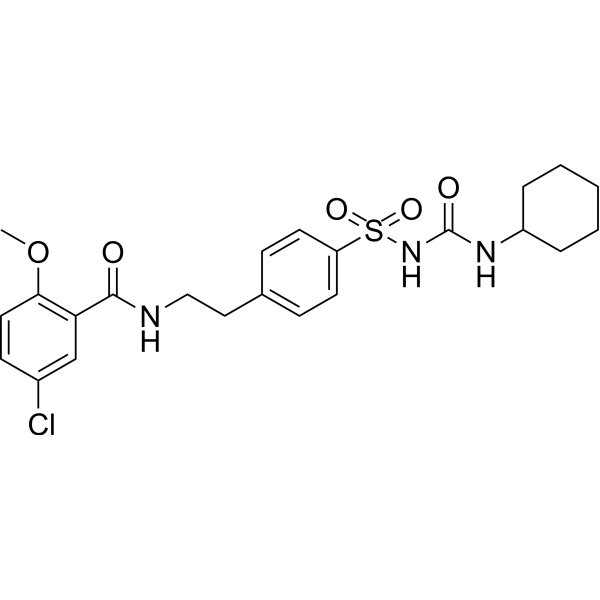
Cat. No.: HY-15206
CAS No.: 10238-21-8
Purity:  99.94%
Synonyms: Glyburide
Glibenclamide (Glyburide) is an orally active ATP-sensitive K + channel (KATP) inhibitor and can be used for the research of diabetes and obesity . Glibenclamide inhibits P-glycoprotein. Glibenclamide directly binds and blocks the SUR1 subunits of KATP and inhibits the cystic fibrosis transmembrane conductance regulator protein (CFTR) . Glibenclamide interferes with mitochondrial bioenergetics by inducing changes on membrane ion permeability . Glibenclamide can induce autophagy .
loading...
    loading...
4
4 Cited Publications
Cat. No.: HY-110339
CAS No.: 1782109-09-4
Purity:  98.01%
Target:  

ROCK Apoptosis

연구분야:  

Cancer

RKI 1447 dihydrochloride is a potent and selective ROCK inhibitor with IC50s of 14.5 and 6.2 nM for ROCK1 and ROCK2, respectively . RKI 1447 dihydrochloride suppresses colorectal carcinoma cell growth and promotes apoptosis .
loading...
    loading...
3
3 Cited Publications
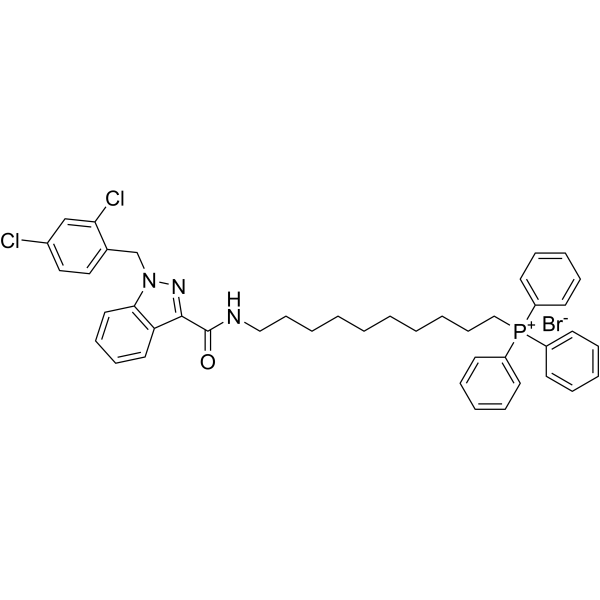
Cat. No.: HY-134832
CAS No.: 2361564-49-8
Purity:  ≥97.0%
Synonyms: Mito-Lonidamine
Mito-LND (Mito-Lonidamine) is an orally active and mitochondria-targeted inhibitor of oxidative phosphorylation (OXPHOS). Mito-LND inhibits mitochondrial bioenergetics, stimulates the formation of reactive oxygen species, and induces autophagic cell death in lung cancer cells .
loading...
    loading...
2
2 Cited Publications
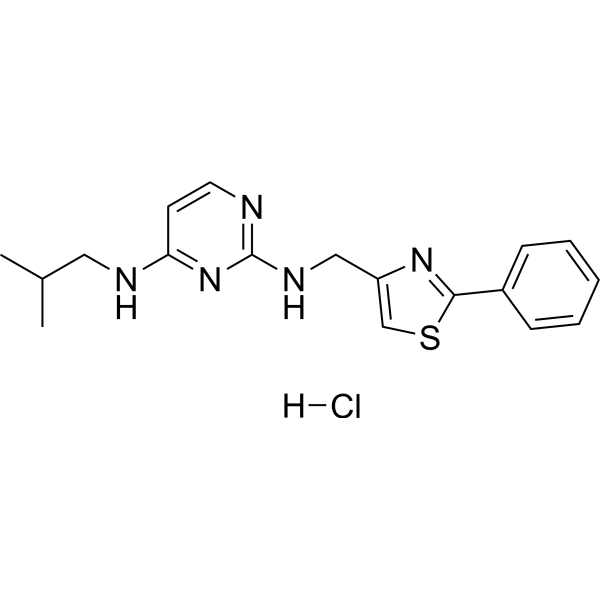
Cat. No.: HY-10996A
CAS No.: 1784282-12-7
Purity:  99.65%
KHS101 is a blood-brain barrier-penetrant anticancer agent that primarily functions by inhibiting HSPD1 (IC50 = 14.4 μM) and TACC3 across different cellular backgrounds. KHS101 promotes the aggregation of HSPD1 with client proteins, destabilizes TACC3, and reduces the levels of TACC3, Aurora A and PLK1. KHS101 induces autophagy, apoptosis, cell cycle exit and neuronal differentiation; it suppresses cancer cell growth, motility, EMT and stemness; it also impairs mitochondrial bioenergetics and glycolysis in glioblastoma cells. KHS101 can be used in research related to glioblastoma multiforme and breast cancer .
loading...
    loading...
1
1 Cited Publications
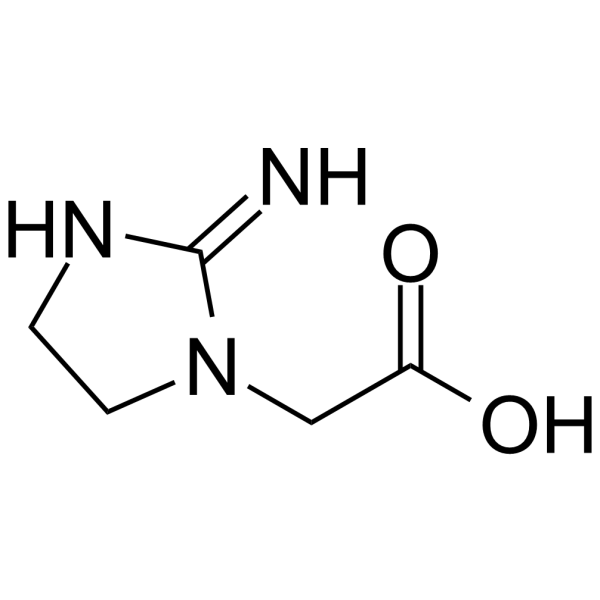
Cat. No.: HY-W017540
CAS No.: 35404-50-3
Cyclocreatine, a creatine analogue, acts as a brain-penetrant and potent bioenergetic protective agent by providing high levels of ATP. Cyclocreatine can be phosphorylated and dephosphorylated by creatine kinases. Cyclocreatine suppresses creatine metabolism ameliorating the cognitive, autistic and epileptic phenotype in a mouse model of creatine transporter defciency. Cyclocreatine protects against ischemic injury and enhances cardiac recovery during early reperfusion in dogs and rats. Cyclocreatine decreases plaque-adjacent neuronal dystrophy in TREM2-deficient mice with amyloid-β pathology. Cyclocreatine is proming for research of ischemic heart disease, cardiovascular diseases, Alzheimer’s disease and other neurodegenerative diseases associated with microglial dysfunction, prostate cancer .
loading...
    loading...
Cat. No.: HY-N3383
CAS No.: 35897-92-8
Synonyms: Ligstroside
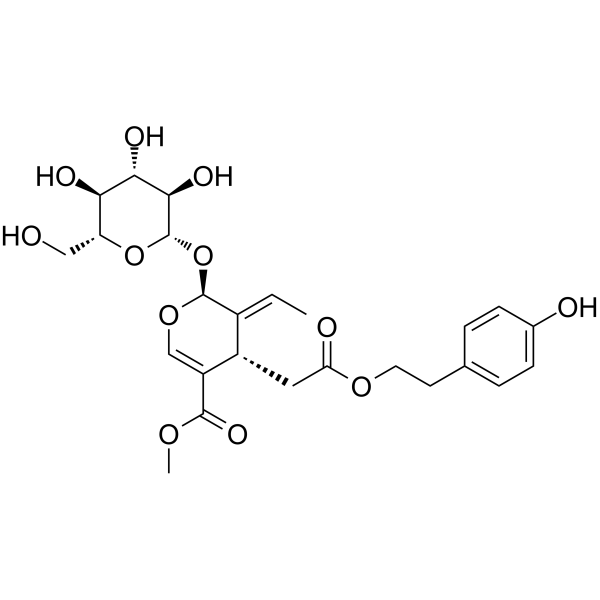
Ligustroside (Ligstroside), a secoiridoid derivative, has outstanding performance on mitochondrial bioenergetics in models of early Alzheimer's disease (AD) and brain ageing by mechanisms that may not interfere with Aβ production. Ligustroside significantly inhibits nitric oxide production in lipopolysaccharide-activated RAW264.7 macrophages .
loading...
    loading...
Cat. No.: HY-15206S1
CAS No.: 1219803-02-7
Purity:  99.24%
Synonyms: Glyburide-d3
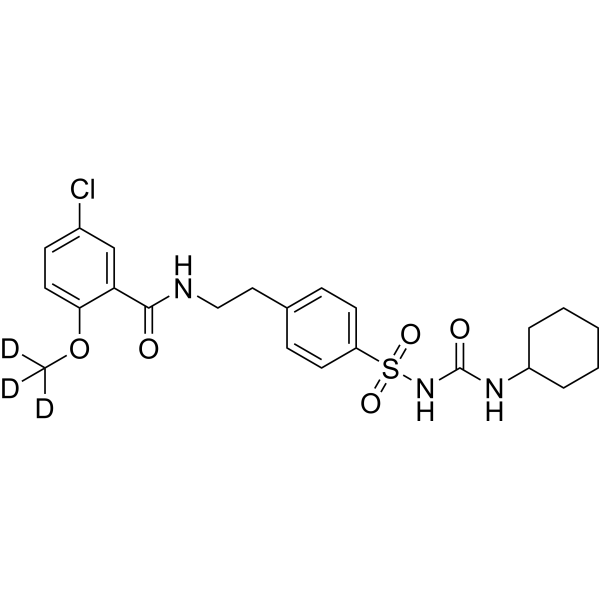
Glyburide-d3 is the deuterium labeled Glibenclamide. Glibenclamide (Glyburide) is an orally active ATP-sensitive K+ channel (KATP) inhibitor and can be used for the research of diabetes and obesity[1]. Glibenclamide inhibits P-glycoprotein. Glibenclamide directly binds and blocks the SUR1 subunits of KATP and inhibits the cystic fibrosis transmembrane conductance regulator protein (CFTR)[3]. Glibenclamide interferes with mitochondrial bioenergetics by inducing changes on membrane ion permeability[4]. Glibenclamide can induce autophagy[5].
loading...
    loading...
Cat. No.: HY-101998
CAS No.: 412940-35-3
Purity:  98.00%
연구분야:  

Metabolic Disease

CTP inhibitor (Compound 792949) is a potent and selective CTP inhibitor. CTP inhibitor inhibits the plasma membrane citrate transporter (PMCT) .
loading...
    loading...
Cat. No.: HY-178329
CAS No.: 2978687-02-2
Target:  

Endogenous Metabolite

연구분야:  

Metabolic Disease

ProAX is an AXP prodrug which enhances intracellular ATP levels without inducing cytotoxicity. ProAX can be metabolized by intracellular enzymes such as esterases and phosphoamidases, resulting in the conversion to AMP, ADP, and ATP. ProAX has potential applications in the research of bioenergetic-molecule therapeutics .
loading...
    loading...
Cat. No.: HY-15206S
CAS No.: 1189985-02-1
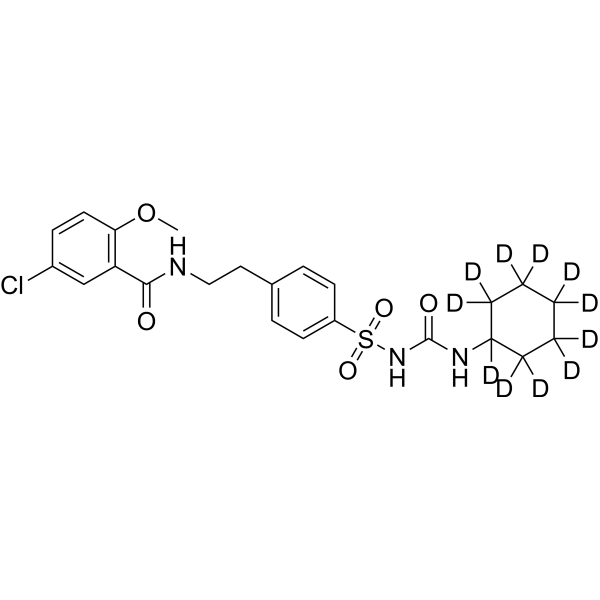
Glyburide-d11 is the deuterium labeled Glibenclamide. Glibenclamide (Glyburide) is an orally active ATP-sensitive K+ channel (KATP) inhibitor and can be used for the research of diabetes and obesity . Glibenclamide inhibits P-glycoprotein. Glibenclamide directly binds and blocks the SUR1 subunits of KATP and inhibits the cystic fibrosis transmembrane conductance regulator protein (CFTR) . Glibenclamide interferes with mitochondrial bioenergetics by inducing changes on membrane ion permeability . Glibenclamide can induce autophagy .
loading...
    loading...
Cat. No.: HY-W010989
CAS No.: 72957-37-0
Gly-His-Lys acetate is a natural, circulating regulatory and antimicrobial tripeptide derived from extracellular matrix proteins. Gly-His-Lys acetate binds Cu 2+ to support copper enzyme activation, antioxidant processes, cellular bioenergetics, and the synthesis of elastin, collagen and catecholamines. Gly-His-Lys acetate regulates cell growth, differentiation and tissue repair, and exerts regenerative, anxiolytic, anti-inflammatory, analgesic and immunosuppressive activities. Gly-His-Lys acetate induces liver degenerative changes. Gly-His-Lys acetate can be used for the research of infections, anxiety, pain-related behaviors and immune-associated liver diseases .
loading...
    loading...
Cat. No.: HY-175673
CAS No.: 2211175-99-2
LCB-2151 (Compound 2), a nucleoside analogue, is an anticancer agent. LCB-2151 disrupts the two primary sources of ATP production (glycolysis and mitochondrial oxidative phosphorylation), reducing the bioenergetic capacity of KRAS-mutated pancreatic cancer cells and inducing ROS formation. LCB-2151 effectively inhibits key enzymes (such as CACT and CPT2) in glycolysis, the TCA cycle and fatty acid β-oxidation. LCB-2151 has significant cytotoxicity and induces cells apoptosis. LCB-2151 can be used for radiation therapy of cancers research .
loading...
    loading...
Cat. No.: HY-157538
CAS No.: 1616752-12-5
Target:  

PDHK

연구분야:  

Cardiovascular Disease

PDK4-IN-2 (compound 8) is a pyruvate dehydrogenase kinase 4 (PDK4) inhibitor with an IC50 of 46 µM. PDK4-IN-2 improves ejection fraction of failing hearts by regulating bioenergetics via activation of the tricarboxylic acid cycle .
loading...
    loading...
Cat. No.: HY-15206R
CAS No.: 10238-21-8
Synonyms: Glyburide (Standard)
Glibenclamide (Standard) is the analytical standard of Glibenclamide. This product is intended for research and analytical applications. Glibenclamide (Glyburide) is an orally active ATP-sensitive K + channel (KATP) inhibitor and can be used for the research of diabetes and obesity . Glibenclamide inhibits P-glycoprotein. Glibenclamide directly binds and blocks the SUR1 subunits of KATP and inhibits the cystic fibrosis transmembrane conductance regulator protein (CFTR) . Glibenclamide interferes with mitochondrial bioenergetics by inducing changes on membrane ion permeability . Glibenclamide can induce autophagy .
loading...
    loading...
18:0 Cardiolipin
0 Images
Octadecanoic acid, 5,8,11-trihydroxy-5,11-dioxido-4,6,10,12-tetraoxa-5,11-diphosphapentadecane-1,2,14,15-tetrayl ester, disodium salt, [R-(R*,R*)]-
Cat. No.: HY-160203
CAS No.: 64069-64-3
18:0 Cardiolipin (CL) is a polyglycerophospholipid synthesized in mitochondria, playing a crucial role in mitochondrial bioenergetics and signaling. Exclusively found in the inner mitochondrial membrane of eukaryotes, 18:0 CL exhibits a complex structure characterized by its unique chain length and degree of saturation, along with the specific arrangements of its four fatty acid substituents.
loading...
    loading...
Cat. No.: HY-10996
CAS No.: 1262770-73-9
KHS101 is a blood-brain barrier-penetrant anticancer agent that primarily functions by inhibiting HSPD1 (IC50 = 14.4 μM) and TACC3 across different cellular backgrounds. KHS101 promotes the aggregation of HSPD1 with client proteins, destabilizes TACC3, and reduces the levels of TACC3, Aurora A and PLK1. KHS101 induces autophagy, apoptosis, cell cycle exit and neuronal differentiation; it suppresses cancer cell growth, motility, EMT and stemness; it also impairs mitochondrial bioenergetics and glycolysis in glioblastoma cells. KHS101 can be used in research related to glioblastoma multiforme and breast cancer .
loading...
    loading...
Cat. No.: HY-W017540R
CAS No.: 35404-50-3
Cyclocreatine, a creatine analogue, acts as a brain-penetrant and potent bioenergetic protective agent by providing high levels of ATP. Cyclocreatine can be phosphorylated and dephosphorylated by creatine kinases. Cyclocreatine suppresses creatine metabolism ameliorating the cognitive, autistic and epileptic phenotype in a mouse model of creatine transporter defciency. Cyclocreatine protects against ischemic injury and enhances cardiac recovery during early reperfusion in dogs and rats. Cyclocreatine decreases plaque-adjacent neuronal dystrophy in TREM2-deficient mice with amyloid-β pathology. Cyclocreatine is proming for research of ischemic heart disease, cardiovascular diseases, Alzheimer’s disease and other neurodegenerative diseases associated with microglial dysfunction, prostate cancer .
loading...
    loading...
Cat. No.: HY-P5315
CAS No.: 2769088-82-4
Target:  

NO Synthase

연구분야:  

Others

eNOS pT495 decoy peptide is a specific decoy peptide to prevent T495 phosphorylation reduced eNOS uncoupling and mitochondrial redistribution. eNOS pT495 decoy peptide is used in ventilator-induced lung injury research .
loading...
    loading...
Cat. No.: HY-156109
CAS No.: 3032446-61-7
연구분야:  

Cancer

PDK-IN-2 (Compound 1F) is a PDK inhibitor (IC50: 68 nM). PDK-IN-2 inhibits the cellular expression of PDK1 and PDK4. PDK-IN-2 enhances mitochondrial bioenergetics, attenuates glycolytic phenotypes, and induces cell apoptosis in the mitochondrial pathway. PDK-IN-2 inhibits tumor growth in 4T1 syngeneic mice model .
loading...
    loading...
Cat. No.: HY-162028
CAS No.: 2568607-82-7
Target:  

Bacterial

연구분야:  

Infection

GaMF1.39 is an antimycobacterial compound, targeting the F-ATP synthase subunit γ. GaMF1.39 displays enhanced anti-tuberculosis activity in combination with ETC inhibitors .
loading...
    loading...

