

123 Results for "

CD1

" in MedChemExpress (MCE) Product Catalog:
Products (123)

123 Results for "CD1" in MCE Product Catalog:

5
5 Cited Publications
Cat. No.: HY-18768
CAS No.: 1802088-50-1
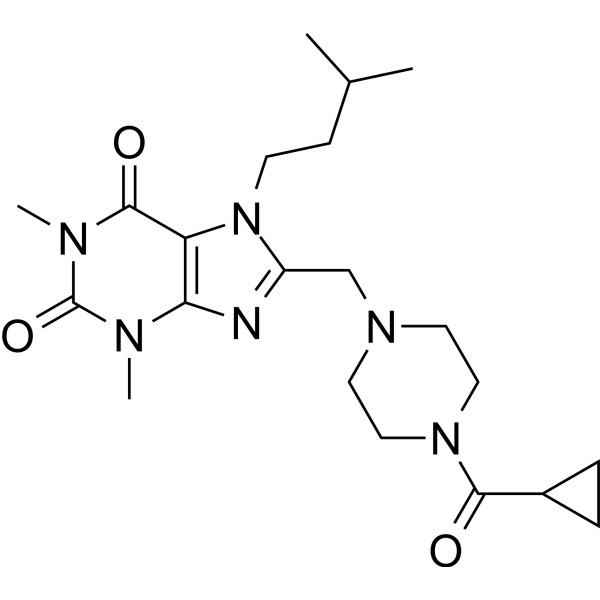
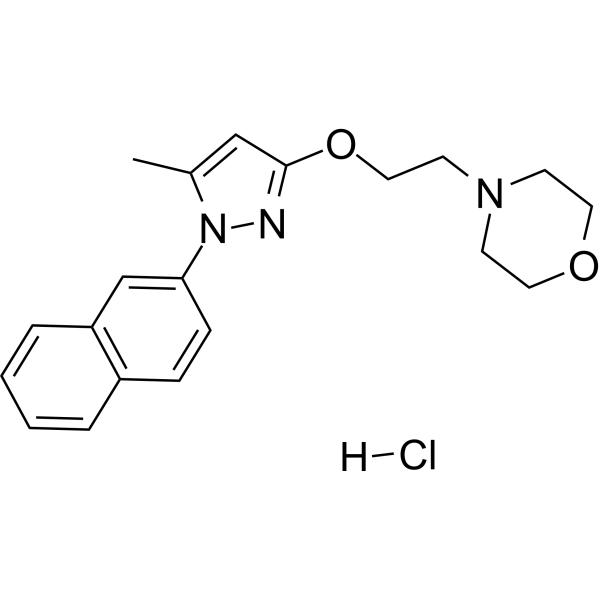
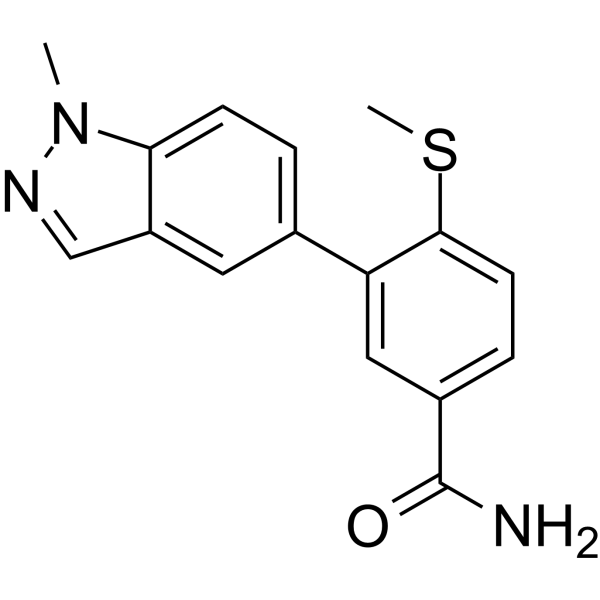
NCT-501 is a reversible, non-competitive, selective, blood-brain barrier-permeable ALDH1A1 inhibitor with an IC50 of 40 nM. NCT-501 inhibits the AKT-β-catenin signaling pathway, induces necroptosis in nasopharyngeal carcinoma cells, suppresses their proliferation and inhibits stem cell spheroid formation. NCT-501 can be used in research related to nasopharyngeal carcinoma, esophageal squamous cell carcinoma and malignant tumors [1] .
loading...
    loading...
4
4 Cited Publications
Cat. No.: HY-102022
CAS No.: 158021-47-7
Purity:  95.59%
Synonyms: α-GalCer; KRN7000
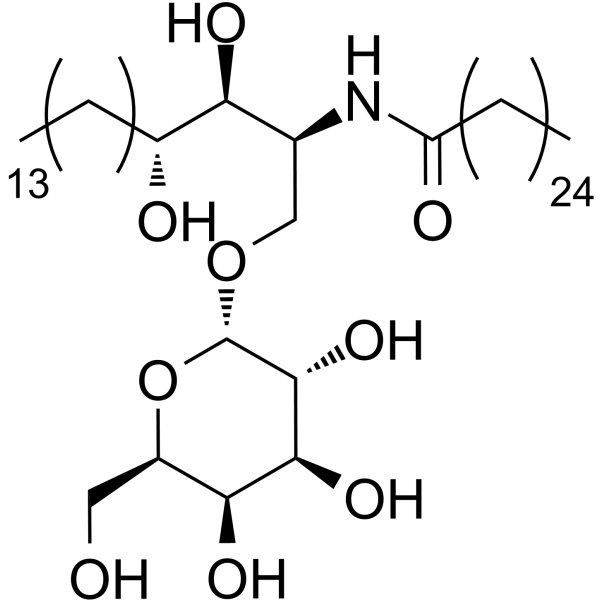
α-Galactosylceramide (α-GalCer) is a synthetic glycolipid with antitumorial and immunostimulatory. α-Galactosylceramide is a very potent NKT cell agonist and binds effectively to CD1d. The complex of α-Galactosylceramide plus CD1d binds the NKT cell TCR (T cell antigen receptor) [1] .
loading...
    loading...
3
3 Cited Publications
Cat. No.: HY-151462
CAS No.: 2832047-80-8
Purity:  99.88%
Target:  

DNA/RNA Synthesis

Research Areas:  

Cancer

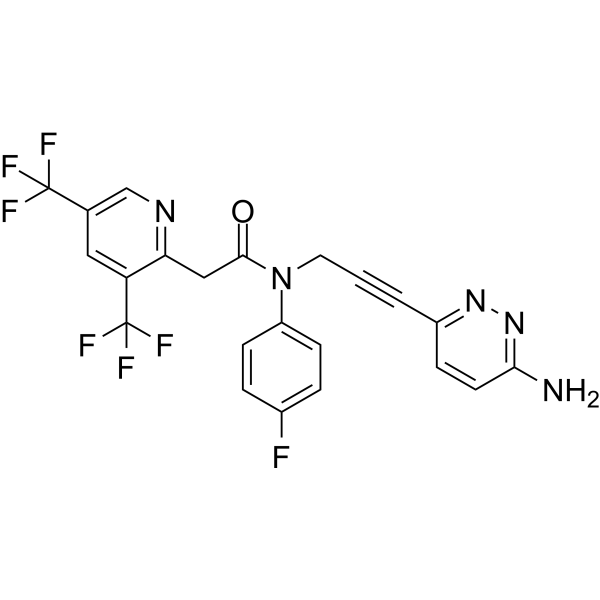
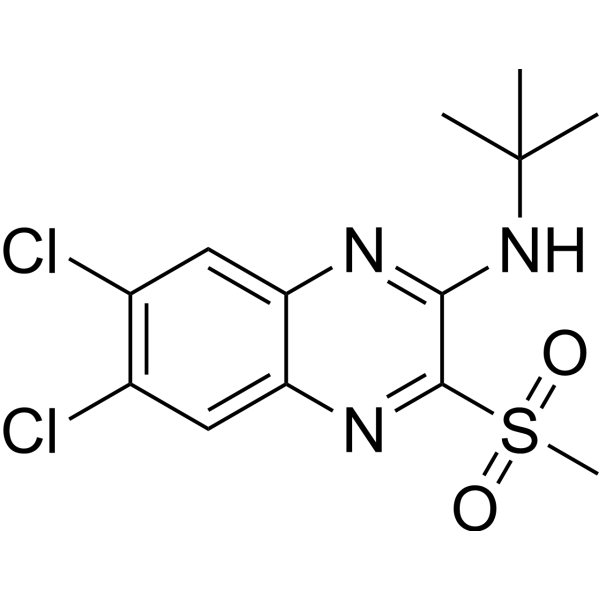
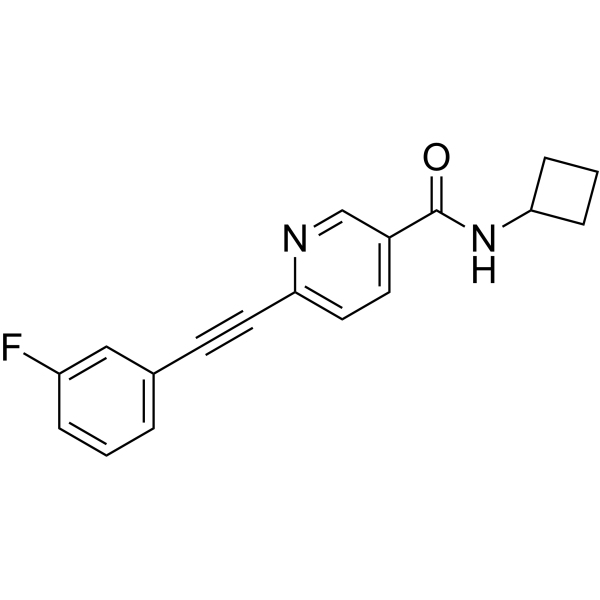
RP-6685 is a potent, selective and orally active DNA polymerase theta (Polθ) inhibitor with an IC50 value of 5.8 nM (PicoGreen assay). RP-6685 shows antitumor efficacy in mouse tumor xenograft model [1]. RP-6685 is a click chemistry reagent, it contains an Alkyne group and can undergo copper-catalyzed azide-alkyne cycloaddition (CuAAc) with molecules containing Azide groups.
loading...
    loading...
3
3 Cited Publications
Cat. No.: HY-128879A
CAS No.: 1281681-33-1
Purity:  98.01%
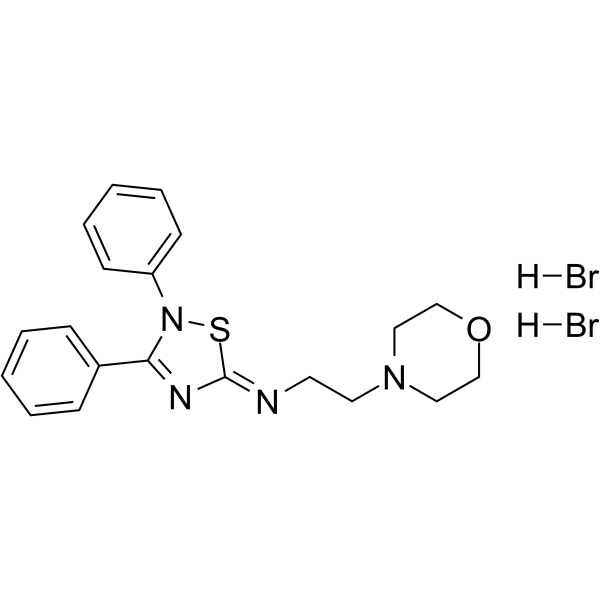
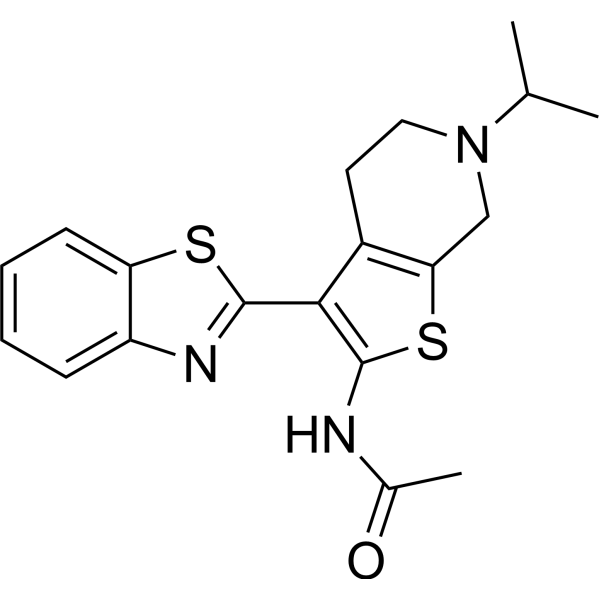
VP3.15 dihydrobromide is a highly potent, orally bioavailable, and CNS-penetrant PDE7-GSK3 dual inhibitor, with IC50 values of 1.59 μM and 0.88 μM against PDE7 and GSK3, respectively . VP3.15 dihydrobromide elevates intracellular cAMP levels, suppresses immune responses, enhances remyelination, limits excessive tau phosphorylation, and alleviates neuroinflammation and neuronal loss. VP3.15 dihydrobromide promotes oligodendrocyte precursor cell differentiation, improves in vivo remyelination, inhibits autoimmune encephalomyelitis, and mitigates germinal matrix-intraventricular hemorrhage-related brain injury, cerebral atrophy, ventricular enlargement, and cognitive impairment. VP3.15 dihydrobromide can be used in research related to multiple sclerosis and germinal matrix-intraventricular hemorrhage [1] .
loading...
    loading...
3
3 Cited Publications
Cat. No.: HY-18099A
CAS No.: 1265917-14-3
Synonyms: E-52862 hydrochloride
Research Areas:  

Neurological Disease

S1RA (E-52862) hydrochloride is an orally active and selective sigma-1 receptor (σ1R) antagonist with a Ki value of 17 nM. S1RA hydrochloride shows good selectivity against σ2R (Ki >1000 nM). S1RA hydrochloride is a human 5-HT2B receptor antagonist with an IC50 value of 4.7 μM. S1RA hydrochloride inhibits neuropathic pain and activity-induced spinal sensitization [1] .
loading...
    loading...
1
1 Cited Publications
Cat. No.: HY-A0277
CAS No.: 94361-06-5
Research Areas:  

Others

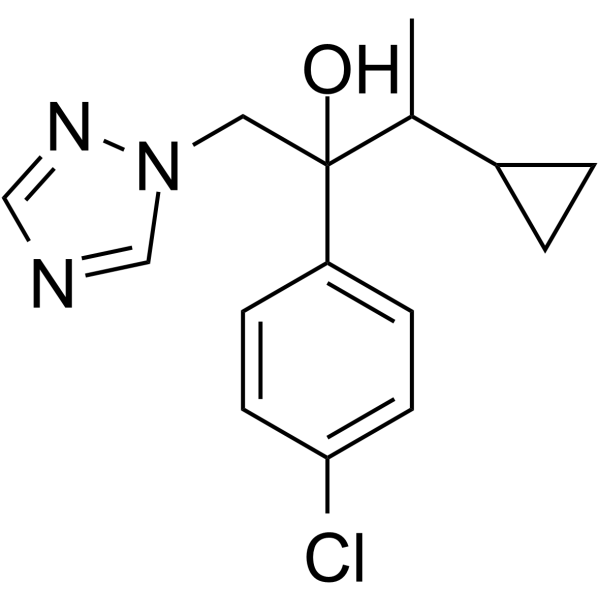
Cyproconazole is a triazole fungicide used to protect crops, fruits and vegetables against a wide range of fungal pathogens. Cyproconazole can cause hepatocellular adenomas and carcinomas in CD-1 mice. Cyproconazole also exhibits low toxicity to zebrafish embryos and affects locomotor activity [1] .
loading...
    loading...
1
1 Cited Publications
Cat. No.: HY-P990006
CAS No.: 2750005-84-4
Synonyms: TEV-48574; SAR-447189; TEV-574

Target:  

TNF Receptor

Research Areas:  

Inflammation/Immunology Cancer

Duvakitug (TEV-48574) is a humanized IgG1-λ2 monoclonal antibody targeting to TNFSF15/TL1A. Duvakitug' main expression system is CHOK1SV cells endogenously expressing glutamine synthetase (GS). Duvakitug can be used in the study of Crohn's Disease (CD) .
loading...
    loading...
Cat. No.: HY-121835
CAS No.: 281209-71-0
Purity:  99.94%
Target:  

GCGR

Research Areas:  

Metabolic Disease

GLP-1R agonist 2 (compound 2) is an effective GLP-1R agonist that exerts its activating effect by forming hydrogen bonds with the Tyr42, Cys71, and Ser84 residues of GLP-1R. GLP-1R agonist 2 has the potential for research in metabolic diseases such as type 2 diabetes and obesity [1].
loading...
    loading...
Cat. No.: HY-W002199
CAS No.: 647-42-7
Synonyms: 6:2 FTOH; 1H,1H,2H,2H-Perfluoro-1-octanol; 2-(Perfluorohexyl)ethanol
6:2 Fluorotelomer alcohol (6:2 FTOH) is an orally active, blood-brain barrier-permeable modulator of cyclin D1 and ETS1. 6:2 Fluorotelomer alcohol downregulates cyclin D1 expression, upregulates ETS1 via the TNF-α/ERK 1/2 pathway, impairs mitochondrial membrane potential and respiratory function, increases reactive oxygen species levels, disrupts calcium homeostasis and activates endoplasmic reticulum stress markers, and induces cell proliferation inhibition and endothelial-mesenchymal transition. Furthermore, 6:2 Fluorotelomer alcohol induces morphological abnormalities in zebrafish embryos and liver developmental damage, while disrupting the brain immune microenvironment in mice, causing systemic toxicity and delayed pup maturation in CD-1 mice. 6:2 Fluorotelomer alcohol also induces cortical neuron apoptosis, glial cell activation, synaptic abnormalities, colonic barrier damage, intestinal dysbiosis and autism spectrum disorder-like symptoms in mice. 6:2 Fluorotelomer alcohol shows no mutagenic, clastogenic, primary skin/eye irritation or skin sensitizing effects, exhibits no selective reproductive toxicity in CD-1 mice, and is classified as GHS Category 4 for acute oral toxicity. 6:2 Fluorotelomer alcohol can be used in studies of neurodevelopmental disorders and autism spectrum disorders [1] .
loading...
    loading...
Cat. No.: HY-136731
CAS No.: 524708-03-0
Purity:  99.52%
Target:  

DNA/RNA Synthesis

Research Areas:  

Cancer

APE1-IN-1 is a potent and blood-brain barrier (BBB) penetrant apurinic/apyrimidinic (AP) endonuclease 1 (APE1) inhibitor with an IC50 value of 2 μM. APE1-IN-1 can potentiate the cytotoxicity of the alkylating agents Methylmethane sulfonate and Temozolomide (HY-17364) to cancer cells [1].
loading...
    loading...
Cat. No.: HY-102013
CAS No.: 1912399-75-7
Purity:  98.36%
Synonyms: BT-11
Omilancor (BT-11) is an orally active lanthionine synthetase cyclase-like receptor 2 (LANCL2) activator. Omilancor can be used for the study of psoriasis, inflammatory bowel disease (IBD), and Crohn's disease (CD) .
loading...
    loading...
Cat. No.: HY-153508
CAS No.: 2098490-06-1
Target:  

Chloride Channel

Research Areas:  

Others

ANO1-IN-4 (Compound 10bm) is a reversible inhibitor for calcium-activated chloride channel transmembrane protein 16A (TMEM16A, also known as ANO1) with an IC50 of 0.030 µM. ANO1-IN-4 exhibits good metabolic stability in rat liver microsomes. ANO1-IN-4 inhibits spontaneous contraction in mouse isolated ileum [1].
loading...
    loading...
Cat. No.: HY-155478
CAS No.: 3016437-05-8
Purity:  98.07%
Target:  

Androgen Receptor

Research Areas:  

Cancer

Androgen receptor-IN-6 (compound 16) is an orally available androgen receptor (Androgen Receptor) potent inhibitor (IC50=0.12 μM in vitro), targeting the disordered N-terminal domain (NTD). Androgen receptor-IN-6 has good Caco2 cell membrane permeability and has an oral activity (F/%) of 16% in male CD-1 mice [1].
loading...
    loading...
Cat. No.: HY-120589
CAS No.: 1310012-12-4
Purity:  98.07%
Target:  

mGluR

Research Areas:  

Neurological Disease

VU0360172 is a potent and selective mGlu5 receptor positive allosteric modulator with an EC50 value of 16 nM and a Ki of 195 nM, respectively. VU0360172 stimulates polyphosphoinositide (PI) hydrolysis in vivo, which is abrogated in mGlu5 receptors gene deleted mice [1]. VU0360172 is a click chemistry reagent, it contains an Alkyne group and can undergo copper-catalyzed azide-alkyne cycloaddition (CuAAc) with molecules containing Azide groups.
loading...
    loading...
Cat. No.: HY-P1302
CAS No.: 178249-41-7
Target:  

Opioid Receptor

Research Areas:  

Neurological Disease

Orphanin FQ(1-11), a orphanin FQ or nociceptin (OFQ/N) fragment, is a potent NOP receptor (ORL-1; OP4) agonist, with a Ki of 55 nM. Orphanin FQ(1-11) has no affinity for μ, δ, κ1 and κ3 receptors (Ki>1000 nM). Orphanin FQ(1-11) is analgesic in CD-1 mice [1] .
loading...
    loading...
Cat. No.: HY-144012A
CAS No.: 474922-84-4
Synonyms: 16:0 PEG350 PE; 1,2-Dipalmitoyl-sn-glycero-3-phosphoethanolamine-N-[methoxy(polyethylene glycol)-350] ammonium
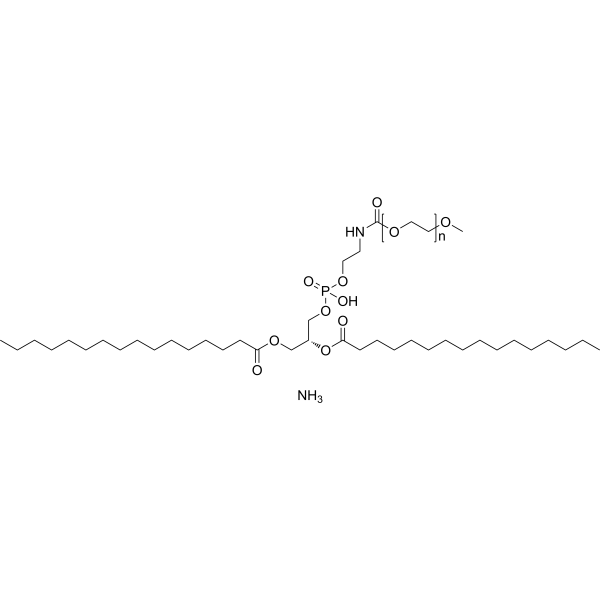
DPPE-PEG350 is a CD1d-dependent lipid antagonist thus blocking the ERK phosphorylation pathway in iNKT cells [1] . DPPE-PEG350 is a PEG lipid functional end group used in the synthesis of liposomes (LPs) for the design of conjugated polymer nanoparticles.
loading...
    loading...
Cat. No.: HY-B0430B
CAS No.: 599-54-2
Synonyms: (±)-Pantothenate; (±)-Vitamin B5
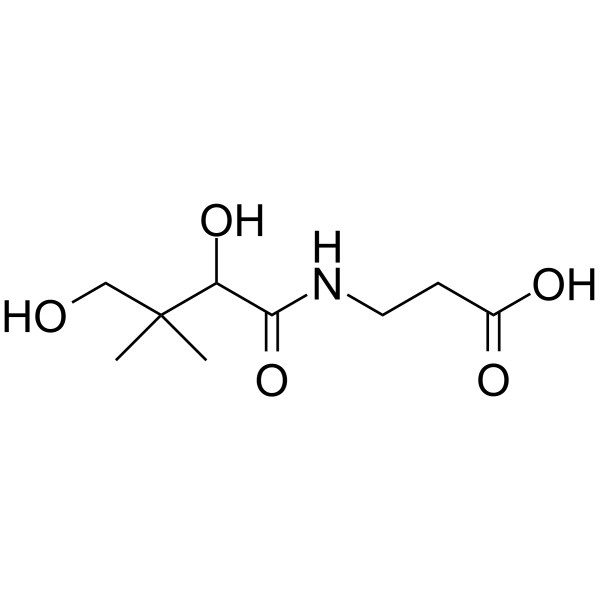
(±)-Pantothenic acid ((±)-Pantothenate), a B-vitamin, is an essential vitamin required for the biosynthesis of coenzyme A (CoA) in mammalian cells. Pantothenic acid has protective activity against valproic acid (VPA)-induced neural tube defects (NTD) in CD-1 mice [1].
loading...
    loading...
Cat. No.: HY-W010396
CAS No.: 599-04-2
D-(-)-Pantolactone is an important intermediate that can be used in the synthesis of other active compounds, such as the molluscicide Cyanolide A. D-(-)-Pantolactone is also a calibrant for circular dichroism (CD) .
loading...
    loading...
Cat. No.: HY-162484
CAS No.: 3089845-68-8
Target:  

SARS-CoV Virus Protease

Research Areas:  

Infection

GZNL-P36 is an orally active inhibitor for SARS-CoV-2 papain-like protease (PL pro), with an IC50 of 6.45 nM. GZNL-P36 inhibits SARS-CoV and its variants with EC50 range from 58.2 nM to 2.66 μM. GZNL-P36 exhibits a peak plasma concentration Cmax of 549 ng/mL, a half-life T1/2 of 1.45 h and a bioavailability of 74.7% in CD-1 mouse. GZNL-P36 exhibits antiviral activity in SARS-CoV-2 XXB.1 infection in mouse [1].
loading...
    loading...
Cat. No.: HY-P990287

Target:  

CD1

Research Areas:  

Inflammation/Immunology

Anti-Mouse CD1d Antibody (19G11) is a rat-derived IgG1 type antibody inhibitor, targeting to mouse CD1d. Anti-Mouse CD1d Antibody (19G11) can neutralize CD1d and inhibit the activation of invariant natural killer T (iNKT) cells. Anti-Mouse CD1d Antibody (19G11) can be used for the researches of inflammation and immunology, such as colitis [1] .
loading...
    loading...

