33 Results for "

CYP1A

" in MedChemExpress (MCE) Product Catalog:
Products (33)

33 Results for "CYP1A" in MCE Product Catalog:

21
21 Cited Publications
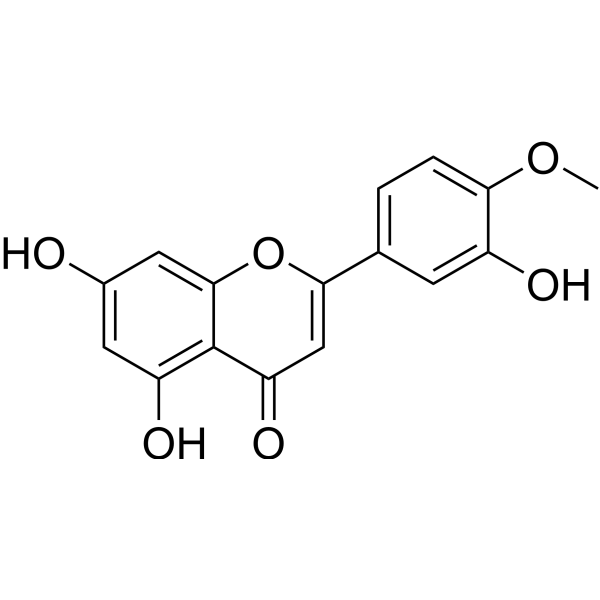
Cat. No.: HY-N0125
CAS No.: 520-34-3
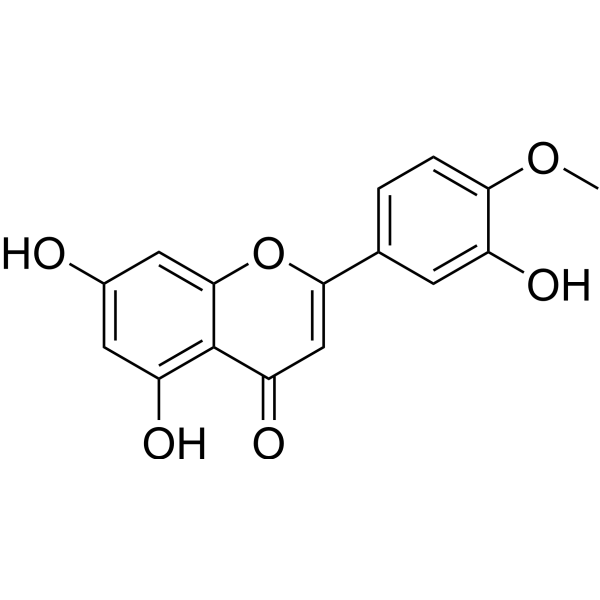
Diosmetin is a natural flavonoid which inhibits human CYP1A enzyme activity with an IC50 of 40 μM in HepG2 cell.
loading...
    loading...
1
1 Cited Publications
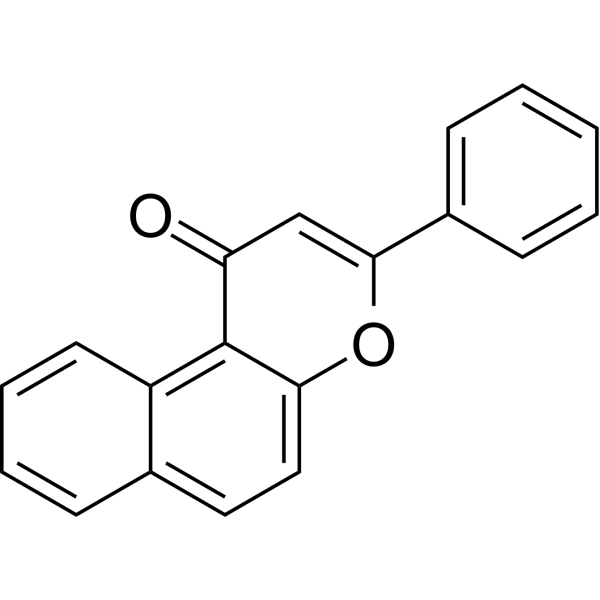
Cat. No.: HY-114740
CAS No.: 6051-87-2
Purity:  99.95%
Synonyms: 5,6-Benzoflavone; beta-NF
β-Naphthoflavone is an exogenous aryl hydrocarbon receptor (AHR) ligand. β-Naphthoflavone can activate AHR to participate in various biological processes, including cell growth, differentiation, apoptosis, and metabolism. β-Naphthoflavone has antioxidant activity and can exert its antioxidant function by regulating the activity of antioxidant enzymes. β-Naphthoflavone is also a non-carcinogenic CYP1A inducer and can be used to study aristolochic acid (AAI) induced renal injury [1] .
loading...
    loading...
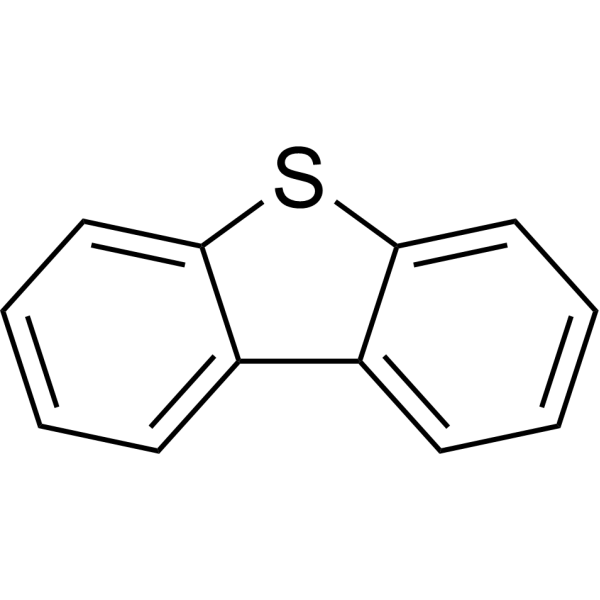
Cat. No.: HY-B0973
CAS No.: 132-65-0
Synonyms: DBT; Diphenylene sulfide
Dibenzothiophene is an orally active and a noncompetitive CYP1A inhibitor. Dibenzothiophene inhibits CYP1A-mediated EROD activity with a Km of 0.592 μM. Dibenzothiophene interacts with the AHR pathway. Dibenzothiophene enhances the embryotoxicity of β-naphthoflavone (HY-114740). Dibenzothiophene shows acute toxicity in mice. Dibenzothiophene is mainly used for the study of the mechanism of developmental toxicity in organisms [1] .
loading...
    loading...
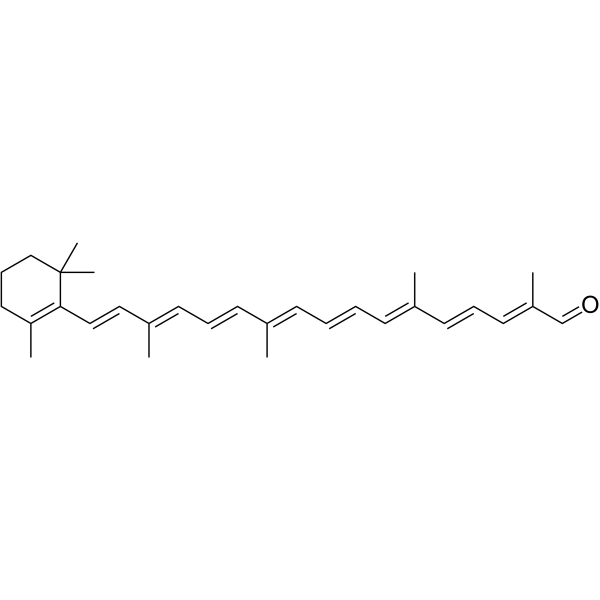
Cat. No.: HY-N6677
CAS No.: 1107-26-2
Synonyms: Apocarotenal
β-Apo-8'-carotenal (Apocarotenal), an orally active provitamin A carotenoid. β-Apo-8'-carotenal can induce the expression of CYP1A through the Ah receptor-dependent pathway. β-Apo-8'-carotenal can induce cancer cells DNA strand breaks and lipid peroxidation. β-Apo-8'-carotenal can be used for the researches of cancer and metabolic disease [1] .
loading...
    loading...
Cat. No.: HY-34464
CAS No.: 136630-39-2
Synonyms: 2,7-DBCZ
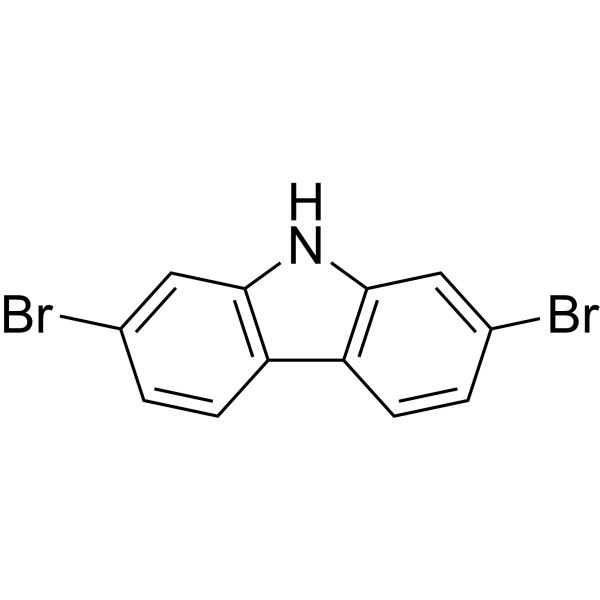
2,7-Dibromocarbazole (2,7-DBCZ) is an orally active AhR agonist and MAOB inhibitor that can cross the blood-brain barrier. 2,7-Dibromocarbazole induces CYP1A/CYP1B1, developmental toxicity and oxidative toxicity, Akt phosphorylation, apoptosis, mitochondrial depolarization, and calcium elevation. 2,7-Dibromocarbazole disrupts dopamine homeostasis, promotes α-synuclein aggregation and transcriptomic dysregulation, leading to hepatic lipid accumulation, liver lesions, brain injury, and angiogenesis/energy metabolism disorders, while activating ERα and inhibiting GRα. 2,7-Dibromocarbazole can be used in research on cardiotoxicity and Parkinson's disease [1] .
loading...
    loading...
Cat. No.: HY-120377
CAS No.: 1821136-07-5
Target:  

HBV

Research Areas:  

Cancer

CYP1A1 inhibitor 8a is a compound that potently and selectively inhibits the CYP1A1 enzyme and has the potential to prevent cancer. CYP1A1 inhibitor 8a exhibits more than 10-fold selectivity for CYP1A1 and more than 100-fold selectivity over other enzymes in the CYP1 subfamily. CYP1A1 inhibitor 8a can effectively antagonize B[a]P-mediated activation of the aryl hydrocarbon receptor (AhR) in yeast cells and protect human cells from CYP1A1-mediated B[a]P toxicity. CYP1A1 inhibitor 8a has the potential to be developed as a cancer chemopreventive agent [1].
loading...
    loading...
Cat. No.: HY-114740R
CAS No.: 6051-87-2
Synonyms: 5,6-Benzoflavone (Standard); beta-NF (Standard)
β-Naphthoflavone (Standard) is the analytical standard of β-Naphthoflavone. This product is intended for research and analytical applications. β-Naphthoflavone is an exogenous aryl hydrocarbon receptor (AHR) ligand. β-Naphthoflavone can activate AHR to participate in various biological processes, including cell growth, differentiation, apoptosis, and metabolism. β-Naphthoflavone has antioxidant activity and can exert its antioxidant function by regulating the activity of antioxidant enzymes. β-Naphthoflavone is also a non-carcinogenic CYP1A inducer and can be used to study aristolochic acid (AAI) induced renal injury [1] .
loading...
    loading...
Cat. No.: HY-121213
CAS No.: 504-84-7
Target:  

Cytochrome P450

Research Areas:  

Cancer

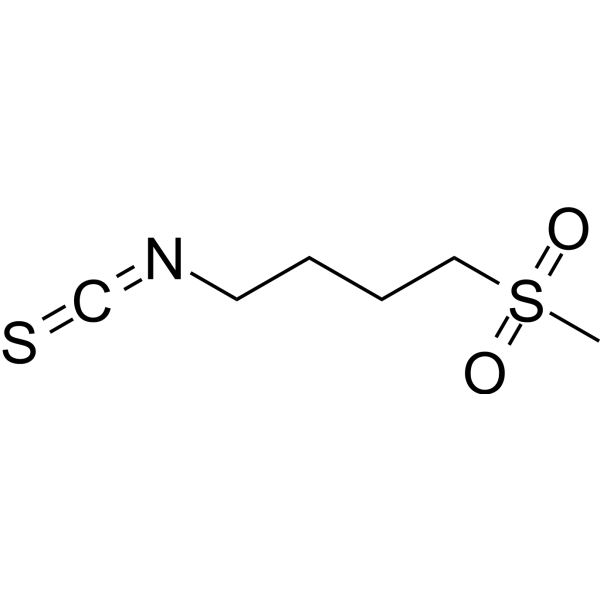
Erysolin is a CYP1A inhibitor with antigenic toxicity. Erysolin reduces benzo(a)pyrene-induced genotoxicity [1].
loading...
    loading...
Cat. No.: HY-N0125R
CAS No.: 520-34-3
Diosmetin (Standard) is the analytical standard of Diosmetin. This product is intended for research and analytical applications. Diosmetin is a natural flavonoid which inhibits human CYP1A enzyme activity with an IC50 of 40 μM in HepG2 cell.
loading...
    loading...
Cat. No.: HY-W012278
CAS No.: 56-55-3
Synonyms: Tetraphene
Benz[a]anthracene (Tetraphene) is a polycyclic aromatic hydrocarbon pollutant and also a ligand of aryl hydrocarbon receptor 2 (AHR2), with a pIC50 of 7.319. Benz[a]anthracene can be detected in spruce needles near aluminum smelters. Exposure to Benz[a]anthracene during zebrafish embryonic stage activates the AHR-CYP1A signaling pathway and induces AHR2 expression, leading to social behavioral deficits that persist into adulthood, accompanied by impaired neuro-immune interaction, while anxiety levels remain unaffected. Benz[a]anthracene can be used in studies related to PAH environmental toxicology, developmental neurotoxicity and biodegradation [1] .
loading...
    loading...
Cat. No.: HY-118216
CAS No.: 55179-31-2
Synonyms: Biloxazol
Target:  

Fungal Cytochrome P450

Research Areas:  

Infection

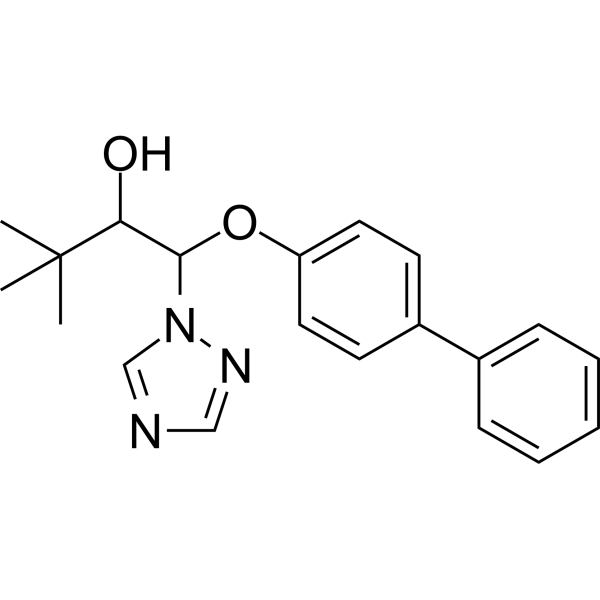
Bitertanol (Biloxazol) is a potent antifungal agent. Bitertanol also is an CYP1A1, CYP2B, and CYP3A inducer in vivo and an CYP1A inhibitor in vitro [1] .
loading...
    loading...
Cat. No.: HY-B0973S
CAS No.: 33262-29-2
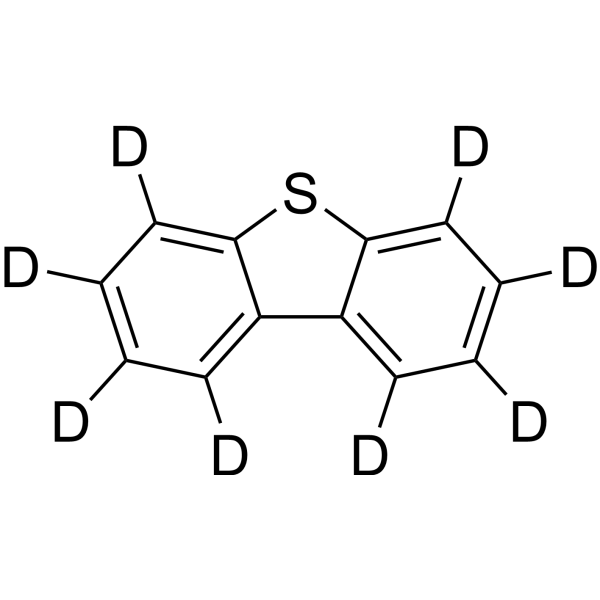
Dibenzothiophene-d8 is the deuterium labeled Dibenzothiophene (HY-B0973). Dibenzothiophene is an orally active and a noncompetitive CYP1A inhibitor. Dibenzothiophene inhibits CYP1A-mediated EROD activity with Km of 0.592 μM. Dibenzothiophene interacts with the AHR pathway. Dibenzothiophene enhances the embryotoxicity of β-naphthoflavone (HY-114740). Dibenzothiophene shows acute toxicity in mice. Dibenzothiophene is mainly used for the study of the mechanism of developmental toxicity in organisms [1] .
loading...
    loading...
Cat. No.: HY-B0973R
CAS No.: 132-65-0
Synonyms: DBT (Standard); Diphenylene sulfide (Standard)
Dibenzothiophene (Standard) is the analytical standard of Dibenzothiophene (HY-B0973). This product is intended for research and analytical applications. Dibenzothiophene is an orally active and a noncompetitive CYP1A inhibitor. Dibenzothiophene inhibits CYP1A-mediated EROD activity with Km of 0.592 μM. Dibenzothiophene interacts with the AHR pathway. Dibenzothiophene enhances the embryotoxicity of β-naphthoflavone (HY-114740). Dibenzothiophene shows acute toxicity in mice. Dibenzothiophene is mainly used for the study of the mechanism of developmental toxicity in organisms [1] .
loading...
    loading...
Cat. No.: HY-N0125S
CAS No.: 1189728-54-8
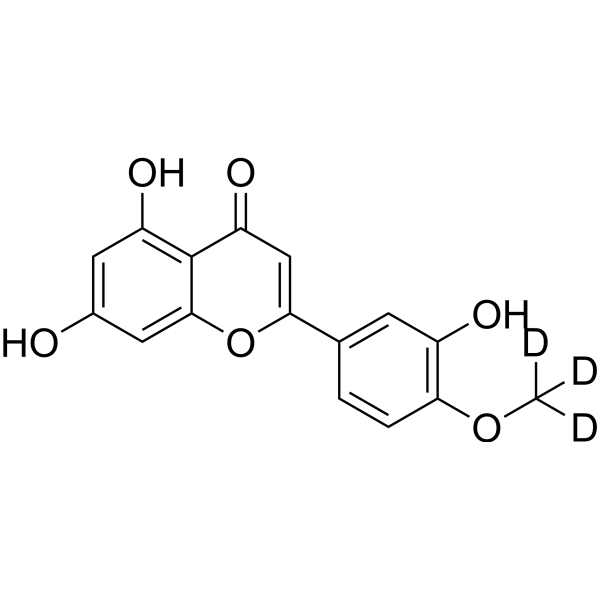
Diosmetin-d3 is the deuterium labeled Diosmetin. Diosmetin is a natural flavonoid which inhibits human CYP1A enzyme activity with an IC50 of 40 μM in HepG2 cell.
loading...
    loading...
Cat. No.: HY-W401407
CAS No.: 152503-50-9
Research Areas:  

Metabolic Disease

Diosmetin-3-O-glucuronide is a major circulating metabolite of Diosmetin (HY-N0125) in plasma and in urine. Diosmetin is a natural flavonoid which inhibits human CYP1A enzyme activity [1].
loading...
    loading...
Cat. No.: HY-118216R
CAS No.: 55179-31-2
Synonyms: Biloxazol (Standard)
Research Areas:  

Infection

Bitertanol (Standard) is the analytical standard of Bitertanol. This product is intended for research and analytical applications. Bitertanol (Biloxazol) is a potent antifungal agent. Bitertanol also is an CYP1A1, CYP2B, and CYP3A inducer in vivo and an CYP1A inhibitor in vitro [1] .
loading...
    loading...
Cat. No.: HY-W110138
CAS No.: 23833-97-8
Research Areas:  

Cancer

Chloroxoquinoline is an anticancer agent. Chloroxoquinoline damages the DNA templates of cancer cells, inducing DNA breaks and cell death, and inhibits cell invasion via down-regulating Rho/Rho kinase signaling pathway. Chloroxoquinoline enhances the radiation sensitivity of Lewis lung cancer cells and xenograft tumors in tumor-bearing mouse models but decreases efficacy after long term exposure in rat models by auto-induction effects on CYP1A and CYP3A. Chloroxoquinoline has a broad-spectrum anticancer activity, such as non-small-cell lung carcinoma (NSCLC), breast cancer and gastric cancer [1].
loading...
    loading...
Cat. No.: HY-W012278S
CAS No.: 1718-53-2
Synonyms: Tetraphene-d12
Benz[a]anthracene-d12 (Tetraphene-d12) is the deuterated-labeled Benz[a]anthracene (HY-W012278). Benz[a]anthracene (Tetraphene) is a polycyclic aromatic hydrocarbon pollutant and also a ligand of aryl hydrocarbon receptor 2 (AHR2), with a pIC50 of 7.319. Benz[a]anthracene can be detected in spruce needles near aluminum smelters. Exposure to Benz[a]anthracene during zebrafish embryonic stage activates the AHR-CYP1A signaling pathway and induces AHR2 expression, leading to social behavioral deficits that persist into adulthood, accompanied by impaired neuro-immune interaction, while anxiety levels remain unaffected. Benz[a]anthracene can be used in studies related to PAH environmental toxicology, developmental neurotoxicity and biodegradation [1] .
loading...
    loading...
Cat. No.: HY-148595
CAS No.: 1422527-87-4
Target:  

Cytochrome P450

Research Areas:  

Cancer

CYP1A1-IN-2 (Compound 14) is a competitive inhibitor of CYP1A1 (Ki: 1.4 μM). CYP1A1-IN-2 exhibits potent antimitotic activity and arrests cell in the G2/M phase. CYP1A1-IN-2 disrupts the microtubule and the cytoskeleton in CYP1A1-expressing breast cancer cells [1].
loading...
    loading...
Cat. No.: HY-174333
CAS No.: 3065926-17-9
Research Areas:  

Infection Cardiovascular Disease

CYP1A1-IN-1 (Compound 47) is a small-molecule cytochrome P4501A1 (CYP1A1) inhibitor. CYP1A1-IN-1 reduces the bacterial loads of methicillin-resistant Staphylococcus aureus (MRSA) and Acinetobacter baumannii by enhancing macrophage phagocytosis. CYP1A1-IN-1 is promising for research of sepsis caused by multidrug-resistant (MDR) bacteria [1].
loading...
    loading...