1. Search Result
Search Result
Isoforms Recommended: CDK5
Results for "

Cdk5

" in MedChemExpress (MCE) Product Catalog:

104

Inhibitors & Agonists

4

Peptides

5

Natural
Products

5

Recombinant Proteins

8

Antibodies

11

Oligonucleotides

Targets Recommended:
Cat. No. Product Name Target Research Areas Chemical Structure
  • HY-10492
    Dinaciclib
    Maximum Cited Publications
    54 Publications Verification

    SCH 727965

    CDK Apoptosis Cancer
    Dinaciclib (SCH 727965) is a potent inhibitor of CDK, with IC50s of 1 nM, 1 nM, 3 nM, and 4 nM for CDK2, CDK5, CDK1, and CDK9, respectively .
    Dinaciclib
  • HY-30237
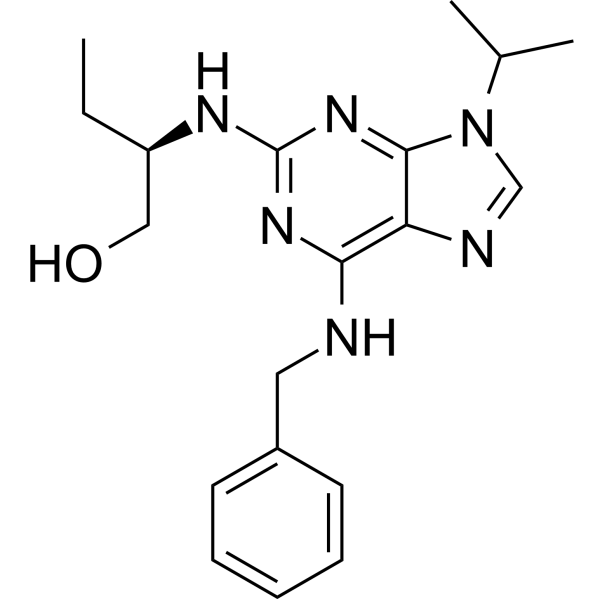
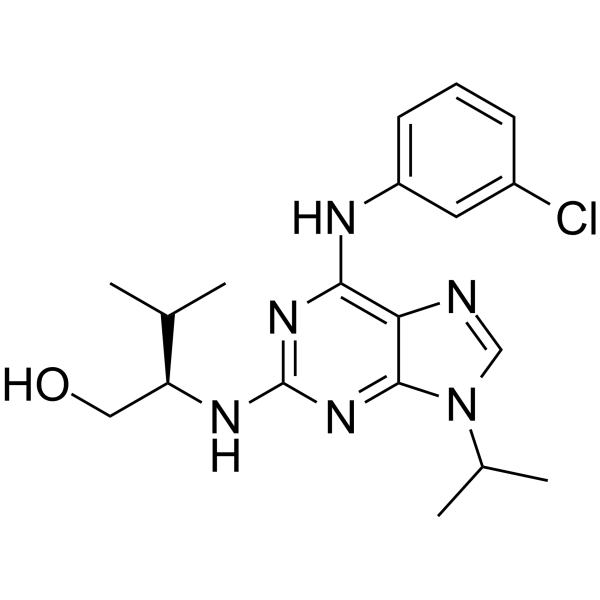
    (R)-Roscovitine
    30+ Cited Publications

    Seliciclib; CYC202

    CDK Neurological Disease Metabolic Disease Cancer
    (R)-Roscovitine (Seliciclib) is an orally bioavailable, selective and BBB-permeable CDKs inhibitor with IC50s of 0.2 μM, 0.65 μM, and 0.7 μM for CDK5, Cdc2, and CDK2, respectively.
    (R)-Roscovitine
  • HY-10580
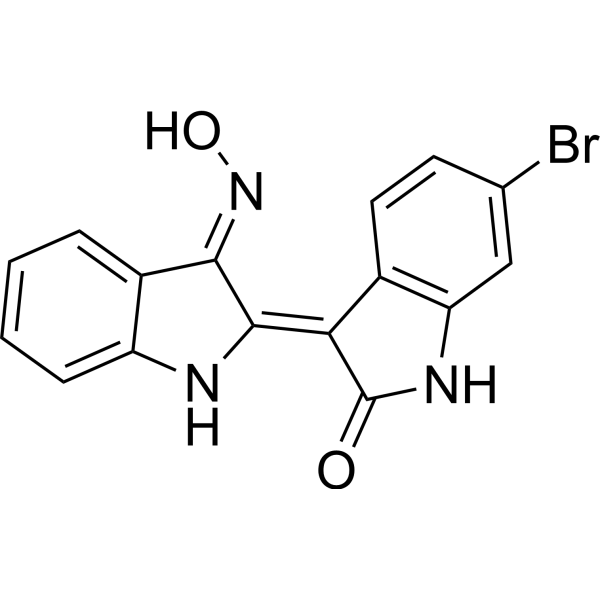
    GSK 3 Inhibitor IX
    15+ Cited Publications

    6-Bromoindirubin-3'-oxime; BIO; MLS 2052

    GSK-3 CDK Apoptosis Cancer
    GSK 3 Inhibitor IX (6-Bromoindirubin-3'-oxime; BIO) is a potent, selective, reversible and ATP-competitive inhibitor of GSK-3α/β and CDK1-cyclinB complex with IC50s of 5 nM/320 nM/80 nM for (GSK-3α/β)/CDK1/CDK5, respectively.
    GSK 3 Inhibitor IX
  • HY-10012
    AZD-5438
    10+ Cited Publications

    CDK Cancer
    AZD-5438 is a potent CDK1, CDK2, and CDK9 inhibitor, with IC50s of 16 nM, 6 nM, and 20 nM in cell-free assays, respectively. AZD-5438 shows less inhibition activity against GSK3β, CDK5 and CDK6 .
    AZD-5438
  • HY-103712A
    Samuraciclib hydrochloride
    10+ Cited Publications

    CT7001 hydrochloride; ICEC0942 hydrochloride

    CDK Apoptosis Cancer
    Samuraciclib hydrochloride (CT7001 hydrochloride) is a potent, selective, ATP-competitive and orally active CDK7 inhibitor, with an IC50 of 41 nM. Samuraciclib hydrochloride displays 45-, 15-, 230- and 30-fold selectivity over CDK1, CDK2 (IC50 of 578 nM), CDK5 and CDK9, respectively. Samuraciclib hydrochloride inhibits the growth of breast cancer cell lines with GI50 values between 0.2-0.3 µM. Samuraciclib hydrochloride has anti-tumor effects .
    Samuraciclib hydrochloride
  • HY-18340
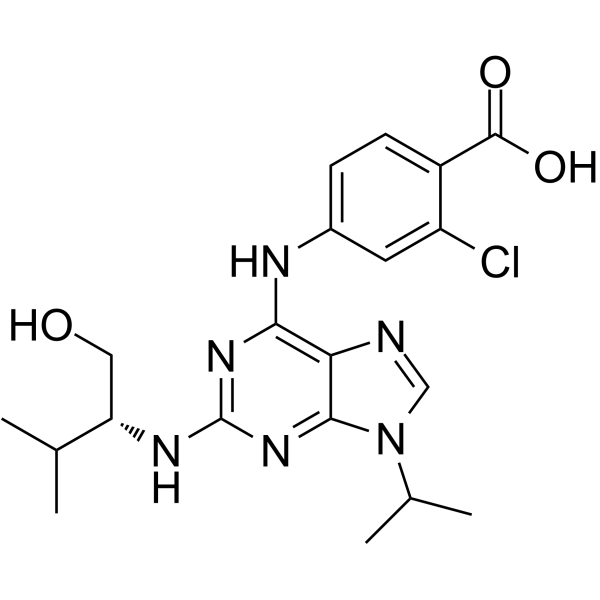
    (R)​-​CR8
    1 Publications Verification

    CR8, (R)-Isomer

    Molecular Glues CDK Apoptosis Neurological Disease Cancer
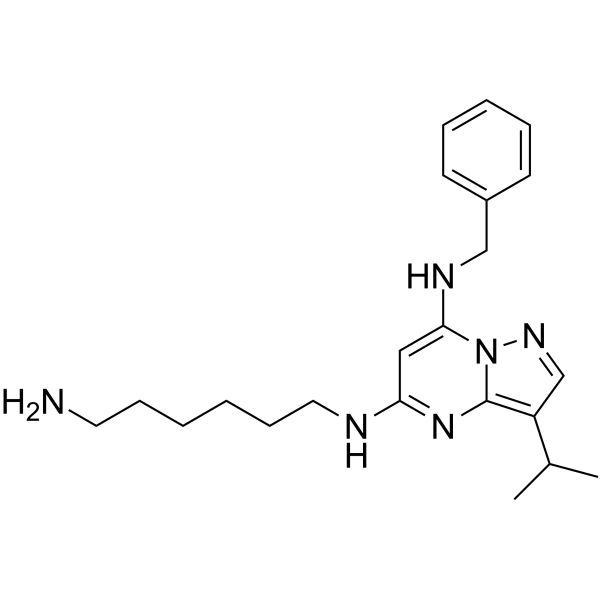
    (R)-CR8, a second-generation analog of Roscovitine, is a potent CDK1/2/5/7/9 inhibitor. (R)-CR8 inhibits CDK1/cyclin B (IC50=0.09 μM), CDK2/cyclin A (0.072 μM), CDK2/cyclin E (0.041 μM), CDK5/p25 (0.11 μM), CDK7/cyclin H (1.1 μM), CDK9/cyclin T (0.18 μM) and CK1δ/ε (0.4 μM). (R)-CR8 induces apoptosis and has neuroprotective effect . (R)-CR8 acts as a molecular glue degrader that depletes cyclin K .
    (R)​-​CR8
  • HY-144117

    CDK Metabolic Disease
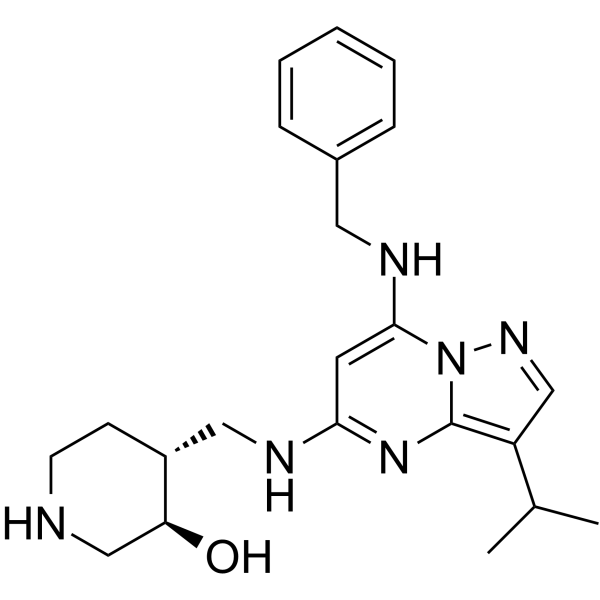
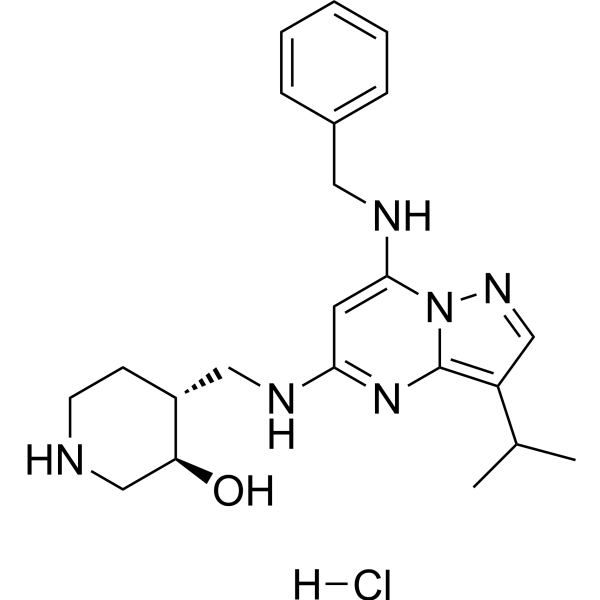
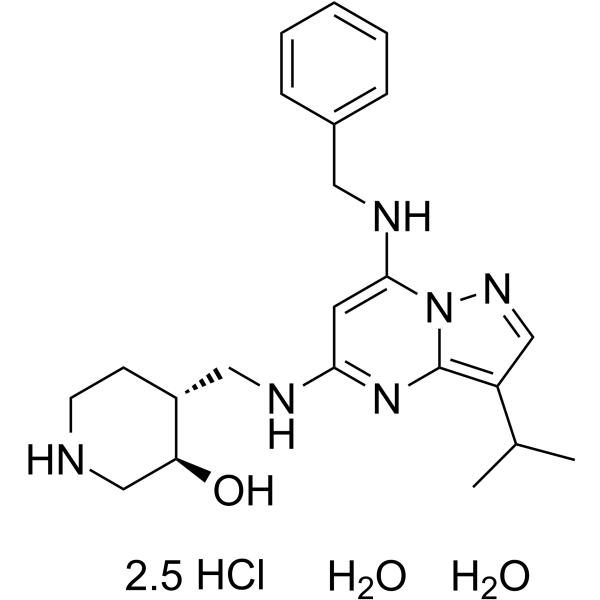
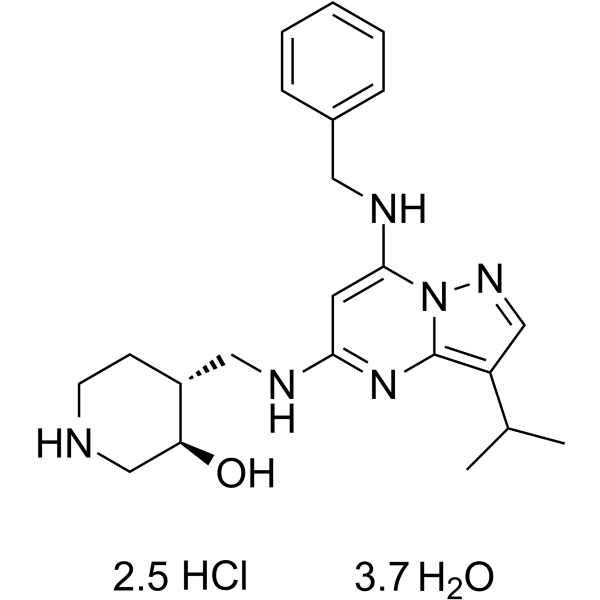
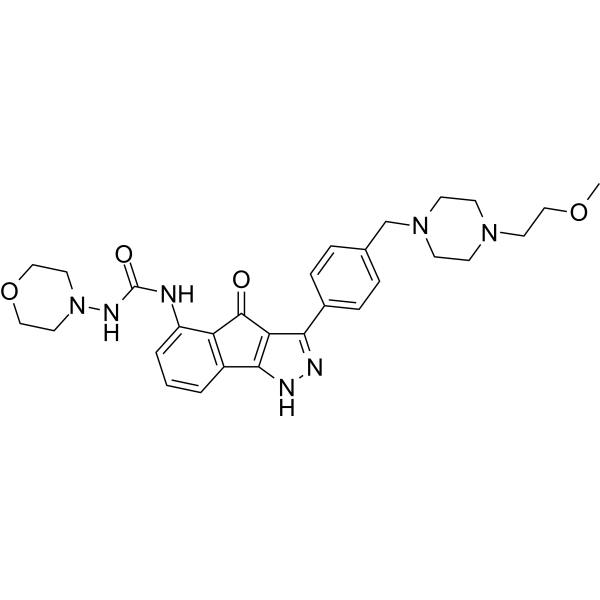
    GFB-12811 is a high selective CDK5 inhibitor with an IC50 of 2.3 nM .
    GFB-12811
  • HY-12302
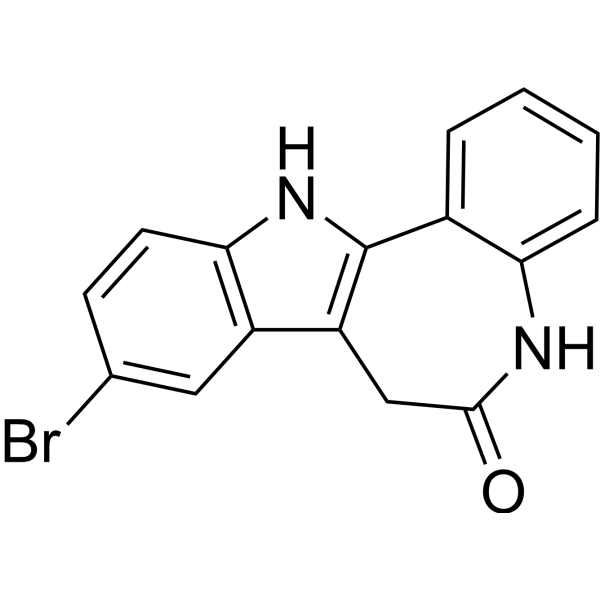
    Kenpaullone
    10+ Cited Publications

    9-Bromopaullone; NSC-664704

    CDK GSK-3 Cancer
    Kenpaullone is a potent inhibitor of CDK1/cyclin B and GSK-3β, with IC50s of 0.4 μM and 23 nM, and also inhibits CDK2/cyclin A, CDK2/cyclin E, and CDK5/p25 with IC50s of 0.68 μM, 7.5 μM, 0.85 μM, respectively. Kenpaullone, a small molecule inhibitor of KLF4, reduces self-renewal of breast cancer stem cells and cell motility in vitro.
    Kenpaullone
  • HY-103712
    Samuraciclib
    10+ Cited Publications

    CT7001; ICEC0942

    CDK Apoptosis Cancer
    Samuraciclib (CT7001) is a potent, selective, ATP-competitive and orally active CDK7 inhibitor, with an IC50 of 41 nM. Samuraciclib displays 45-, 15-, 230- and 30-fold selectivity over CDK1, CDK2 (IC50 of 578 nM), CDK5 and CDK9, respectively. Samuraciclib inhibits the growth of breast cancer cell lines with GI50 values between 0.2-0.3 μM. Samuraciclib has anti-tumor effects .
    Samuraciclib
  • HY-108359
    Alsterpaullone
    1 Publications Verification

    9-Nitropaullone; NSC 705701

    CDK GSK-3 Apoptosis Cancer
    Alsterpaullone (9-Nitropaullone) is a potent CDK inhibitor, with IC50s of 35 nM, 15 nM, 200 nM and 40 nM for CDK1/cyclin B, CDK2/cyclin A, CDK2/cyclin E and CDK5/p35, respectively. Alsterpaullone also competes with ATP for binding to GSK-3alpha/GSK-3beta with IC50s of both 4 nM. Alsterpaullone has antitumor activity, and possesses potential for the study in neurodegenerative and proliferative disorders . Alsterpaullone induces apoptosis in leukemia cell line .
    Alsterpaullone
  • HY-18299A
    Purvalanol A
    4 Publications Verification

    NG-60

    CDK Autophagy Apoptosis Cancer
    Purvalanol A is a potent CDK inhibitor, which inhibits cdc2-cyclin B, cdk2-cyclin A, cdk2-cyclin E, cdk4-cyclin D1, and cdk5-p35 with IC50s of 4, 70, 35, 850, 75 nM, resepctively.
    Purvalanol A
  • HY-19807
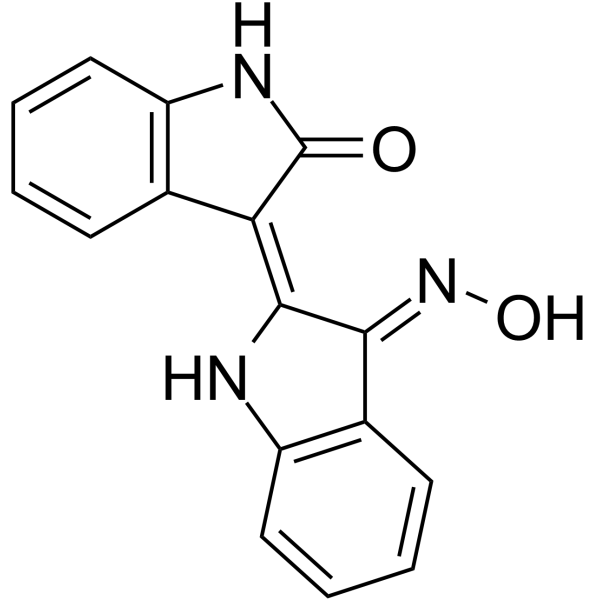
    Indirubin-3'-monoxime
    4 Publications Verification

    Indirubin-3'-oxime

    GSK-3 CDK Lipoxygenase Cancer
    Indirubin-3'-monoxime is a potent GSK-3β inhibitor, and weakly inhibits 5-Lipoxygenase, with IC50s of 22 nM and 7.8-10 µM, respectively; Indirubin-3'-monoxime also shows inhibitory activities against CDK5/p25 and CDK1/cyclin B, with IC50s of 100 and 180 nM.
    Indirubin-3'-monoxime
  • HY-15504A
    RGB-286638 free base
    3 Publications Verification

    CDK GSK-3 MEK JAK Cancer
    RGB-286638 is a CDK inhibitor that inhibits the kinase activity of cyclin T1-CDK9, cyclin B1-CDK1, cyclin E-CDK2, cyclin D1-CDK4, cyclin E-CDK3, and p35-CDK5 with IC50s of 1, 2, 3, 4, 5 and 5 nM, respectively; also inhibits GSK-3β, TAK1, Jak2 and MEK1, with IC50s of 3, 5, 50, and 54 nM.
    RGB-286638 free base
  • HY-11009
    CGP60474
    5+ Cited Publications

    CDK PKC Cancer
    CGP60474, a highly potent anti-endotoxemic agent, is a potent cyclin-dependent kinase (CDK) inhibitor (IC50 values are 26, 3, 4, 216, 10, 200 and 13 nM for CDK1/B, CDK2/E, CDK2/A, CDK4/D, CDK5/p25, CDK7/H and CDK9/T, respectively). CGP60474 is a selective and ATP-competitive PKC inhibitor .
    CGP60474
  • HY-15504
    RGB-286638
    3 Publications Verification

    CDK GSK-3 MEK JAK Cancer
    RGB-286638 is a CDK inhibitor that inhibits the kinase activity of cyclin T1-CDK9, cyclin B1-CDK1, cyclin E-CDK2, cyclin D1-CDK4, cyclin E-CDK3, and p35-CDK5 with IC50s of 1, 2, 3, 4, 5 and 5 nM, respectively; also inhibits GSK-3β, TAK1, Jak2 and MEK1, with IC50s of 3, 5, 50, and 54 nM.
    RGB-286638
  • HY-123772
    CDK5 inhibitor 20-223
    1 Publications Verification

    CP668863

    CDK Cancer
    CDK5 inhibitor 20-223 is a potent CDK2 and CDK5 inhibitor with IC50s of 6.0 and 8.8 nM, respectively. CDK5 inhibitor 20-223 is an effective anti-colorectal cancer (CRC) agent .
    CDK5 inhibitor 20-223
  • HY-P10440

    CDK Neurological Disease
    Cdk5i peptide is a CDK5 inhibitory peptide with high binding affinity for Cdk5/p25 (Kd of 0.17 μM), which can block the interaction between CDK5 and p25 and reduce the kinase activity of CDK5/p25. Cdk5i peptide can be used in the stud y of neurodegenerative diseases .
    Cdk5i peptide
  • HY-12483

    PPAR Metabolic Disease
    SR1664 is a PPARγ antagonist. SR1664 binds to PPARγ and potently inhibits Cdk5-mediated PPARγ phosphorylation (IC50=80 nM; Ki= 28.67 nM) .
    SR1664
  • HY-18299
    Purvalanol B
    2 Publications Verification

    NG 95

    CDK Parasite Infection Cancer
    Purvalanol B (NG 95) is a potent, selective, reversible and ATP-competitive inhibitor CDK, with IC50s of 6 nM, 6 nM, 9 nM, 6 nM for cdc2-cyclin B, CDK2-cyclin A, CDK2-cyclin E and CDK5-p35, respectively. Purvalanol B shows selectivity for CDK over a range of other protein kinases (IC50>1000 nM). Purvalanol B inhibits the growth a chloroquine-resistant strain of P. falciparum .
    Purvalanol B
  • HY-108348

    CDK Neurological Disease
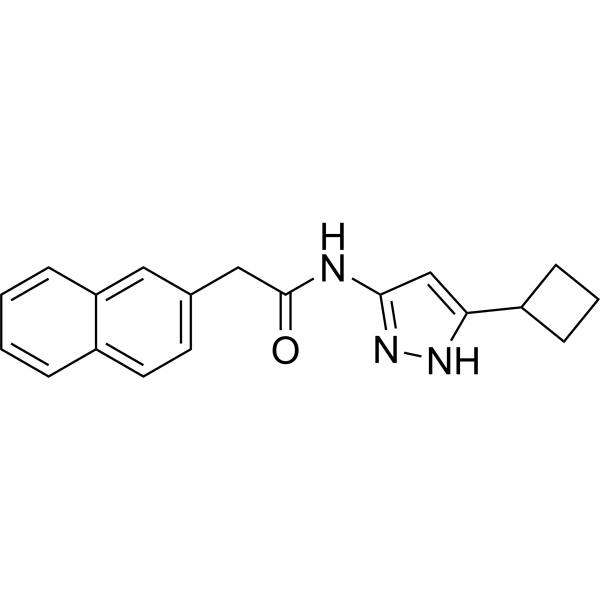
    BML-259 is a potent cyclin-dependent kinase 5 (Cdk5) inhibitor, with IC50s of 64 and 98 nM for Cdk5 and Cdk2, respectively .
    BML-259
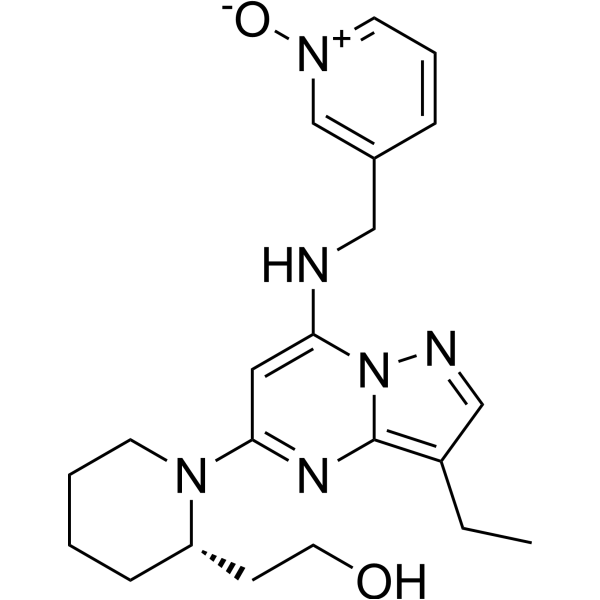
  • HY-162683

    CDK E1/E2/E3 Enzyme Neurological Disease
    (S)-PHA533533 is a CDK2 and CDK5 inhibitor with blood-brain barrier permeability, with IC50 values of 37 nM and 55 nM, respectively. (S)-PHA533533 effectively restores UBE3A expression by downregulating UBE3A-ATS and relieving the epigenetic silencing of paternal UBE3A in mature neurons. (S)-PHA533533 can be used for the research of Angelman syndrome .
    (S)-PHA533533
  • HY-111254

    PPAR NF-κB JNK Inflammation/Immunology
    GQ-16 is an orally active PPARγ partial agonist with an IC50 of 1.84 μM and a Ki of 160 nM against human PPARγ. GQ-16 inhibits Cdk5-mediated Ser-273 phosphorylation. GQ-16 improves insulin sensitivity and glucose tolerance in obese and diabetic mice. GQ-16 also exhibits certain cytotoxicity against tumor cells. GQ-16 can be used in research related to obesity, diabetes and cancer .
    GQ-16
  • HY-145694

    CDK Others
    CDK5-IN-3 (compound 11) is a potent CDK5 inhibitor, with IC50s of 0.6 nM and 18 nM for CDK5/p25 and CDK2/CycA, respectively. CDK5-IN-3 can be used for the research of autosomal dominant polycystic kidney disease (ADPKD) .
    CDK5-IN-3
  • HY-111930

    GSK-3 CDK Cancer
    5-Iodo-indirubin-3'-monoxime is a potent GSK-3β, CDK5/P25 and CDK1/cyclin B inhibitor, competing with ATP for binding to the catalytic site of the kinase, with IC50s of 9, 20 and 25 nM, respectively .
    5-Iodo-indirubin-3'-monoxime
  • HY-121035

    7-Bromoindirubin-3-Oxime

    CDK GSK-3 Neurological Disease
    7BIO (7-Bromoindirubin-3-Oxime) is the derivate of indirubin. 7BIO (7-Bromoindirubin-3-Oxime) has inhibitory effects against cyclin-dependent kinase-5 (CDK5) and glycogen synthase kinase-3β (GSK3β). 7BIO (7-Bromoindirubin-3-Oxime) inhibits Aβ oligomer-induced neuroinflammation, synaptic impairments, tau hyper-phosphorylation, activation of astrocytes and microglia, and attenuates Aβ oligomer-induced cognitive impairments in mice [1].
    7BIO
  • HY-150082

    CDK DNA/RNA Synthesis Cancer
    CP681301 is a potent CDK5 inhibitor. CP681301 shows antiproliferative activity. CP681301 decreases the expression of CD133, OLIG2, SOX2, KI67, pCDK5 protein level in GSCs (Glioma stem cells). CP681301 reduces self-renewal in mouse glioma xenografts. CP681301 shows anti-tumor activity in Drosophila .
    CP681301
  • HY-151071

    Ligands for Target Protein for PROTAC CDK Cancer
    TMX-3013 is a CDK inhibitor capable of inhibiting the activity of CDK1, CDK2, CDK4, CDK5, and CDK6, with IC50 values of 0.9 nM, <0.5 nM, 24.5 nM, 0.5 nM, and 15.6 nM, respectively. TMX-3013 can be used as a target protein ligand, conjugated with the PROTAC linker and the CRBN ligand Thalidomide (HY-14658) for the synthesis of PROTAC TMX-2138 (HY-164906). TMX-3013 can also act as an effector ligand, binding to target proteins HaloTag or FKBP, and can be used in the synthesis of regulated induced proximity targeting chimeras (RIPTACs) .
    TMX-3013
  • HY-136726

    CINK4

    CDK Cancer
    GP-82996 (CINK4) is a pharmacological inhibitor of CDK4/6. GP-82996 has IC50s of 1.5, 5.6 and 25 μM for CDK4/cyclin D1, CDK6/cyclin D1 and Cdk5/p35, respectively. GP-82996 induces the apoptosis of cancer cells U2OS. GP-82996 can be used in the research of cancer .
    CGP-82996
  • HY-155218

    PROTACs CDK Cancer
    TMX-2172 is a selective bivalent cereblon-recruiting PROTAC-based dual CDK2 and CDK5 degrader with IC50 values of 6.5 nM and 6.8 nM, respectively. TMX-2172 shows selectivity for CDK2 and CDK5 over other cell cycle CDKs (CDK1, CDK4, and CDK6) and transcriptional CDKs (CDK7 and CDK9). TMX-2172 inhibits CDK2/CDK5 enzymatic activity, induces their proteasomal degradation, reduces ASCL1 protein levels and half-life, induces cancer cell death, and exerts antiproliferative effects. TMX-2172 can be used for the research of ovarian cancer and small cell lung cancer [5].
    TMX-2172
  • HY-145693

    CDK Others
    CDK5-IN-2 (compound 15) is a highly selective CDK5 inhibitor with IC50s of 0.2 and 23 for CDK5/p25 and CDK2/CycA, respectively .
    CDK5-IN-2
  • HY-139725
    CDK5-IN-1
    1 Publications Verification

    CDK Metabolic Disease
    CDK5-IN-1 is a potent CDK5 inhibitor with an IC50 less than 10 nM. CDK5-IN-1 is greater than 100-fold more active against CDK5 than CDK2. CDK5-IN-1 is used for kidney diseases research .
    CDK5-IN-1
  • HY-154852

    GSK-3 CDK Neurological Disease
    GSK-3 inhibitor 4 is an orally active and brain-penetrant inhibitor of GSK-3, CDK2, and CDK5, with IC50 values of 0.56 nM (GSK-3β), 0.45 nM (GSK-3α), 0.47 μM, and 0.68 μM, respectively. GSK-3 inhibitor 4 effectively reduces the phosphorylation level of Tau protein. GSK-3 inhibitor 4 can be used in Alzheimer's disease (AD) studies .
    GSK-3 inhibitor 4
  • HY-117025A
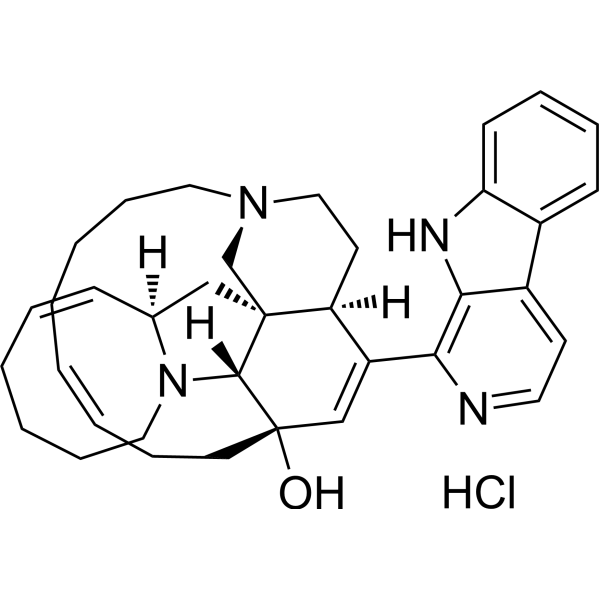
    Manzamine A hydrochloride
    2 Publications Verification

    Keramamine A hydrochloride

    GSK-3 CDK Parasite Proton Pump HSV Autophagy Infection Neurological Disease Cancer
    Manzamine A hydrochloride, an orally active beta-carboline alkaloid, inhibits specifically GSK-3β and CDK-5 with IC50s of 10.2 μM and 1.5 μM, respectively. Manzamine A hydrochloride targets vacuolar ATPases and inhibits autophagy in pancreatic cancer cells. Manzamine A hydrochloride has antimalarial and anticancer activities. Manzamine A hydrochloride also shows potent activity against HSV-1 .
    Manzamine A hydrochloride
  • HY-117025

    Keramamine A

    GSK-3 CDK Parasite Proton Pump HSV Autophagy Infection Neurological Disease Cancer
    Manzamine A, an orally active beta-carboline alkaloid, inhibits specifically GSK-3β and CDK-5 with IC50s of 10.2 μM and 1.5 μM, respectively. Manzamine A targets vacuolar ATPases and inhibits autophagy in pancreatic cancer cells. Manzamine A has antimalarial and anticancer activities. Manzamine A also shows potent activity against HSV-1 .
    Manzamine A
  • HY-14372

    CDK Cancer
    BS-194 is an orally active, selective and potent CDK inhibitor. BS-194 inhibits CDK2, CDK1, CDK5, CDK7, CDK9 (IC50s: 3, 30, 30, 250, and 90 nM respectively). BS-194 potently inhibits cancer cells proliferation. BS-194 can be used in the research of cancers like breast cancer, colon cancer .
    BS-194
  • HY-103712C

    CT7001 hydrochloride hydrate; ICEC0942 hydrochloride hydrate

    CDK Apoptosis Cancer
    Samuraciclib (CT7001) hydrochloride hydrate is a potent, selective, ATP-competitive and orally active CDK7 inhibitor, with an IC50 of 41 nM. Samuraciclib hydrochloride hydrate displays 45-, 15-, 230- and 30-fold selectivity over CDK1, CDK2 (IC50 of 578 nM), CDK5 and CDK9, respectively. Samuraciclib hydrochloride hydrate inhibits the growth of breast cancer cell lines with GI50 values between 0.2-0.3 μM. Samuraciclib hydrochloride hydrate has anti-tumor effects .
    Samuraciclib hydrochloride hydrate
  • HY-103712B

    CT7001 hydrochloride dihydrate; ICEC0942 hydrochloride dihydrate

    CDK Apoptosis Cancer
    Samuraciclib (CT7001) hydrochloride hydrate is a potent, selective, ATP-competitive and orally active CDK7 inhibitor, with an IC50 of 41 nM. Samuraciclib hydrochloride hydrate displays 45-, 15-, 230- and 30-fold selectivity over CDK1, CDK2 (IC50 of 578 nM), CDK5 and CDK9, respectively. Samuraciclib hydrochloride hydrate inhibits the growth of breast cancer cell lines with GI50 values between 0.2-0.3 μM. Samuraciclib hydrochloride hydrate has anti-tumor effects .
    Samuraciclib hydrochloride dihydrate
  • HY-119715

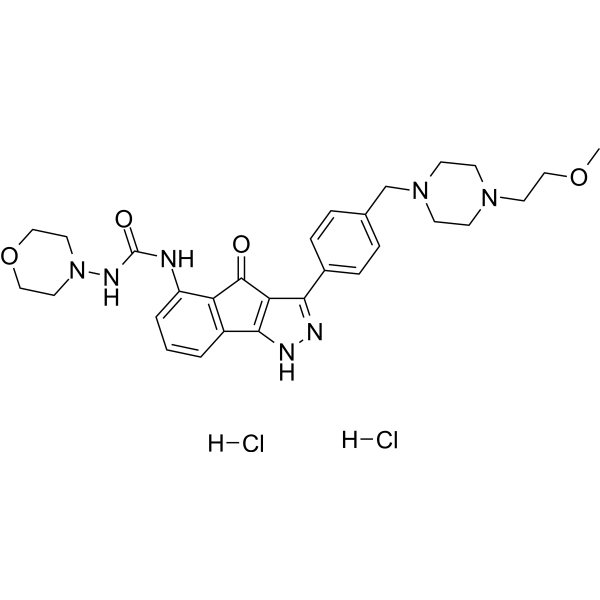
    CDK Apoptosis Inflammation/Immunology Cancer
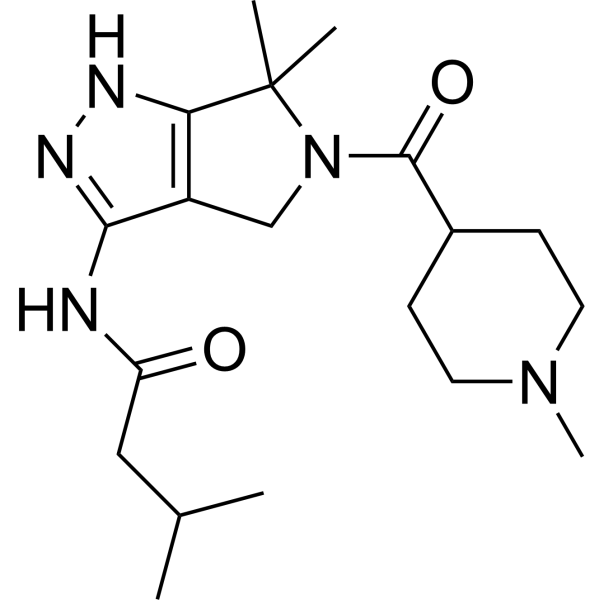
    AG-012986 is a pan-CDK inhibitor with Ki values of 44 nM (CDK1), 9.2 nM (CDK4), 94 nM (CDK2), and IC50 values of 22 nM (CDK5), 4 nM (CDK9). AG-012986 causes apoptosis of T-cells by targeting upstream kinases in the p38 Mitogen-activated protein kinase (MAPK) pathway and impairing cellular survival. AG-012986 induces cell cycle arrest, retinoblastoma protein hypophosphorylation, and reduces Ki-67 expression. AG-012986 exerts antiproliferative activity in tumor cells, demonstrates antitumor efficacy in human xenograft models, and causes retinal and peripheral neurotoxicity, plus immune cell toxicity. AG-012986 can be used for the research of colon carcinoma, non-small cell lung carcinoma, lung carcinoma, breast carcinoma, ovarian tumor, pancreatic carcinoma, osteosarcoma, lymphoma, leukemia, retinotoxicity .
    AG-012986
  • HY-112468

    CDK Cancer
    PNU112455A hydrochloride is an ATP-competitive CDK2 and CDK5 inhibitor. PNU112455A hydrochloride binds to the ATP site of CDK2 and CDK5 with Kms of 3.6 and 3.2 μM, respectively .
    PNU112455A hydrochloride
  • HY-134622

    CDK GSK-3 Neurological Disease Cancer
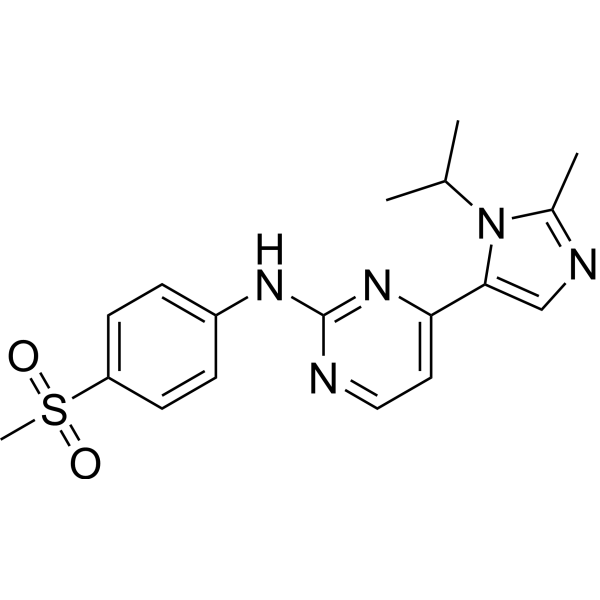
    GSK-3/CDK5/CDK2-IN-1, an imidazole derivative, is an inhibitor of cdk5, cdk2, and GSK-3 extracted from patent WO2002010141A1, example 9a. GSK-3/CDK5/CDK2-IN-1 can be used for the research of cancer, and neurodegenerative diseases .
    GSK-3/CDK5/CDK2-IN-1
  • HY-103381

    CDK GSK-3 Cancer
    NSC693868 is a selective inhibitor of CDK1 and CDK5 with IC50s of 600 nM and 400 nM, respectively. NSC693868 less potently inhibits GSK3β with an IC50 of 1 µM) and does not block CDC25 activity. NSC693868 is used to help define the roles of CDK1 and CDK5 in various signaling pathways .
    NSC693868
  • HY-114903

    GSK-​3 Inhibitor X

    GSK-3 CDK Neurological Disease Metabolic Disease Cancer
    (E/Z)-BIO-acetoxime (GSK-3 Inhibitor X) is a potent and selective GSK-3α/β inhibitor, with an IC50 of 10 nM. (E/Z)-BIO-acetoxime shows more than 200-flod selectivity over CDK5/p25, CDK2/cyclin A and CDK1/cyclin B (IC50=2.4, 4.3, 63 μM) .
    (E/Z)-BIO-acetoxime
  • HY-151069

    Ligands for Target Protein for PROTAC CDK Cancer
    TMX-2039 is a pan-CDK inhibitor for both cell cycle CDKs (CDK1, CDK2, CDK4, CDK5 and CDK6) and transcriptional CDKs (CDK7 and CDK9), with IC50s of 2.6, 1.0, 52.1, 0.5, 35.0, 32.5 and 25 nM, respectively. TMX-2039 acts as a Ligands for Target Protein for PROTACs .
    TMX-2039
  • HY-173347

    CDK Neurological Disease
    BLINK11 is a BBB-penetrant CDK5 inhibitor. BLINK11 lowers CDK5 activity for both complexes CDK5/p35 (IC50 = 17.09 nM) and CDK5/p25 (IC50 = 14.69 nM). BLINK11 offers anti-diabetic and neuroprotective benefits. BLINK11 lowers blood glucose, enhances cognition, and reduces neurodegeneration in T2D mice .
    BLINK11
  • HY-13266

    CDK Apoptosis Cancer
    BS-181 is a potent and selective CDK7 inhibitor (IC50=21 nM) than Seliciclib (HY-30237). BS-181 is also against CDK2, CDK5 and CDK9 with IC50 values of 880, 3000 and 4200 nM, respectively (fails to block CDK1, 4 and 6). BS-181 inhibits a panel of cancer cells growth (IC50=11.5 μM-37.3 μM) and induces cell apoptosis. BS-181 has the potential for the research of cancer therapy .
    BS-181
  • HY-RS02385

    Small Interfering RNA (siRNA) CDK Others

    Cdk5 Mouse Pre-designed siRNA Set A contains three designed siRNAs for Cdk5 gene (Mouse), as well as a negative control, a positive control, and a FAM-labeled negative control.

    Cdk5 Mouse Pre-designed siRNA Set A
    Cdk5 Mouse Pre-designed siRNA Set A
  • HY-RS02384

    Small Interfering RNA (siRNA) CDK Others

    CDK5 Human Pre-designed siRNA Set A contains three designed siRNAs for CDK5 gene (Human), as well as a negative control, a positive control, and a FAM-labeled negative control.

    CDK5 Human Pre-designed siRNA Set A
    CDK5 Human Pre-designed siRNA Set A
  • HY-RS02386

    Small Interfering RNA (siRNA) CDK Others

    Cdk5 Rat Pre-designed siRNA Set A contains three designed siRNAs for Cdk5 gene (Rat), as well as a negative control, a positive control, and a FAM-labeled negative control.

    Cdk5 Rat Pre-designed siRNA Set A
    Cdk5 Rat Pre-designed siRNA Set A
  • HY-P1906

    CDK Neurological Disease
    [pThr3]-CDK5 Substrate is an effective Phospho-Thr3CDK5 Substrate. [pThr3]-CDK5 Substrate is derived from the sequence of the histone H1 peptide that docks in the active site of CDK5. [pThr3]-CDK5 Substrate is phosphorylated by CDK5 with a Km value of 6 µM .
    [pThr3]-CDK5 Substrate
  • HY-112336

    CDK GSK-3 Neurological Disease
    Aloisine RP106 (compound 38) is a potent inhibitor of Cdk1/cyclin B, Cdk5/p25, and GSK3 with IC50s of 0.70µM, 1.5µM, 0.92 µM, respectively .
    Aloisine RP106

Inquiry Online

Your information is safe with us. * Required Fields.

Salutation


Country or Region *

Applicant Name *


Organization Name *

Department *


Email Address *


Product Name *

Cat. No.


Requested quantity *

Phone Number *


Remarks

Inquiry Online

Inquiry Information

Product Name:
Cat. No.:
Quantity:
MCE Japan Authorized Agent:

