
1. Search Result
Search Result
Results for "

Chemotherapeutic

" in MedChemExpress (MCE) Product Catalog:

109

Inhibitors & Agonists

2

Screening Libraries

1

Fluorescent Dyes

1

Biochemical Assay Reagents

2

Peptides

2

Inhibitory Antibodies

14

Natural
Products

11

Isotope-Labeled Compounds

5

Oligonucleotides

Cat. No. Product Name Target Research Areas Chemical Structure
  • HY-14596
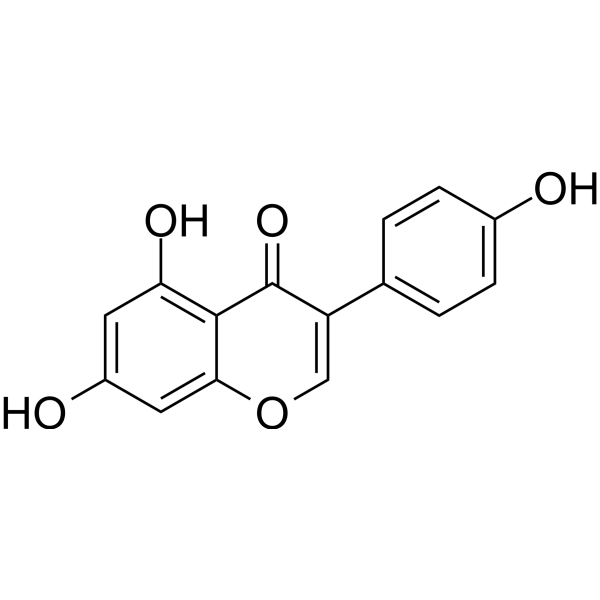
    Genistein
    Maximum Cited Publications
    88 Publications Verification

    NPI 031L

    EGFR Autophagy Apoptosis Endogenous Metabolite Cancer
    Genistein, a soy isoflavone, is a multiple tyrosine kinases (e.g., EGFR) inhibitor which acts as a chemotherapeutic agent against different types of cancer, mainly by altering apoptosis, the cell cycle, and angiogenesis and inhibiting metastasis.
    Genistein
  • HY-B0245
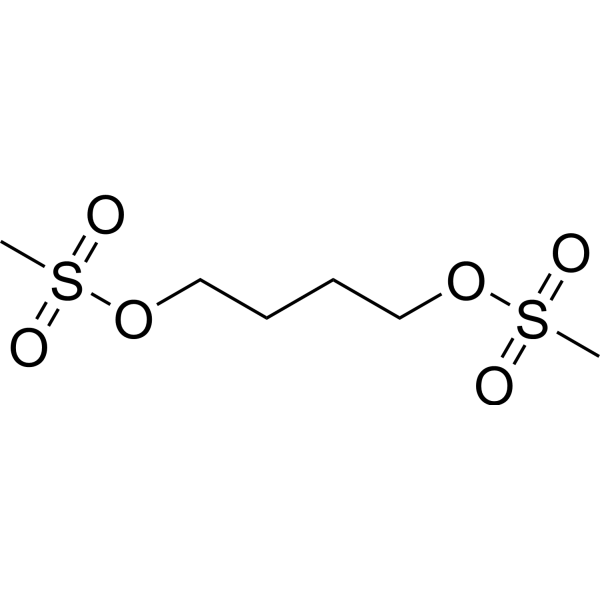
    Busulfan
    15+ Cited Publications

    DNA Alkylator/Crosslinker Apoptosis Infection Neurological Disease Inflammation/Immunology Cancer
    Busulfan is a potent alkylating antineoplastic agent. Busulfan causes DNA damage by cross-linking DNAs and DNA and proteins. Busulfan inhibits thioredoxin reductase. Busulfan induces apoptosis. Busulfan is an immunosuppressive and myeloablative chemotherapeutic agent .
    Busulfan
  • HY-19543
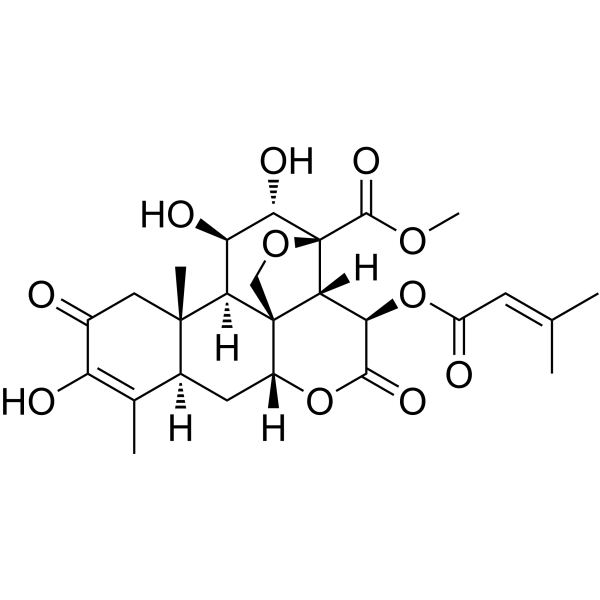
    Brusatol
    35+ Cited Publications

    NSC 172924

    Keap1-Nrf2 Apoptosis Cancer
    Brusatol (NSC 172924) is a unique inhibitor of the Nrf2 pathway that sensitizes a broad spectrum of cancer cells to Cisplatin and other chemotherapeutic agents. Brusatol enhances the efficacy of chemotherapy by inhibiting the Nrf2-mediated defense mechanism. Brusatol can be developed into an adjuvant chemotherapeutic agent . Brusatol increases cellular apoptosis .
    Brusatol
  • HY-130751
    DODAP
    1 Publications Verification

    Liposome Inflammation/Immunology
    DODAP is a cationic lipid utilized as the lipid component in liposomes (pKa = 5.59 in TNS binding tests). DODAP is employed for encapsulating siRNA and delivering immunostimulated chemotherapeutic agents both in vitro and in vivo. DODAP holds great promise for research in vaccines and inflammation .
    DODAP
  • HY-19824
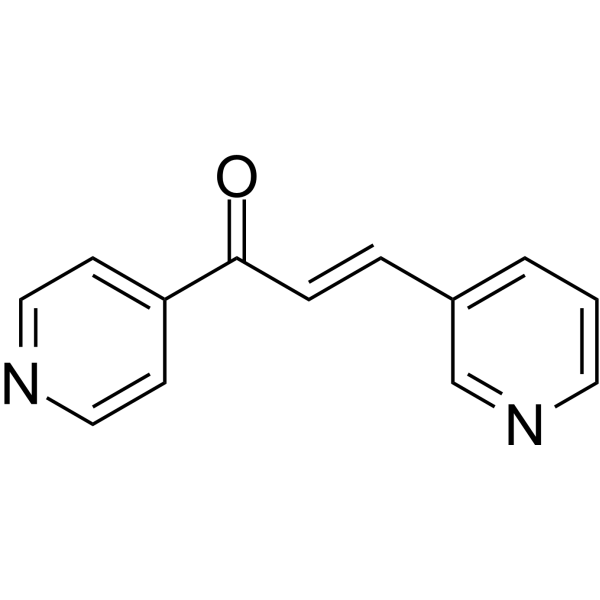
    3PO
    25+ Cited Publications

    Autophagy Cancer
    3PO is an inhibitor of PFKFB3. 3PO attenuates the proliferation of several cancer cell lines with IC50s of 1.4-24 μmol/L. 3PO suppresses glucose uptake and decreases the intracellular concentration of Fru-2,6-BP, lactate, ATP, NAD + and NADH. 3PO can be used for the research of cancer .
    3PO
  • HY-113914
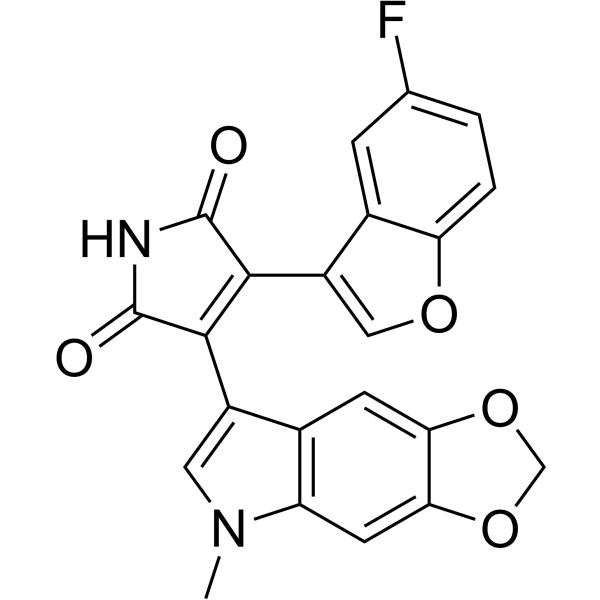
    9-ING-41
    5+ Cited Publications

    Elraglusib

    GSK-3 Apoptosis Autophagy Cancer
    9-ING-41 (Elraglusib) is a maleimide-based ATP-competitive and selective glycogen synthase kinase-3β (GSK-3β) inhibitor with an IC50 of 0.71 μM. 9-ING-41 significantly leads to cell cycle arrest, autophagy and apoptosis in cancer cells. 9-ING-41 has anticancer activity and has the potential for enhancing the antitumor effects of chemotherapeutic agents .
    9-ING-41
  • HY-17400
    Tegafur
    2 Publications Verification

    FT 207; NSC 148958

    Nucleoside Antimetabolite/Analog Cancer
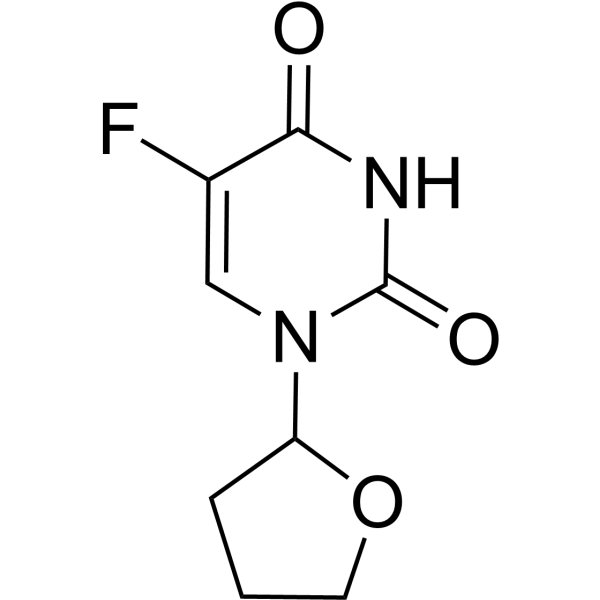
    Tegafur (FT 207; NSC 148958) is a chemotherapeutic 5-FU proagent used in the treatment of cancers; is a component of tegafur-uracil.
    Tegafur
  • HY-B0896

    Glyceryl triacetate; 1,2,3-Triacetoxypropane

    Environmental Pollutants Fungal Endogenous Metabolite Cancer
    Triacetin (Glyceryl triacetate) is a synthetic compound that is a triester of glycerol and acetic acid, orally active. Triacetin increases acetate bioavailability in glioma cells. Triacetin induces glioma cell growth arrest and Apoptosis. Triacetin freely crosses the blood brain barrier/plasma membrane. Triacetin increases histone acetylation and enhances Temozolomide (HY-17364) (TMZ) chemotherapeutic efficacy .
    Triacetin
  • HY-13585
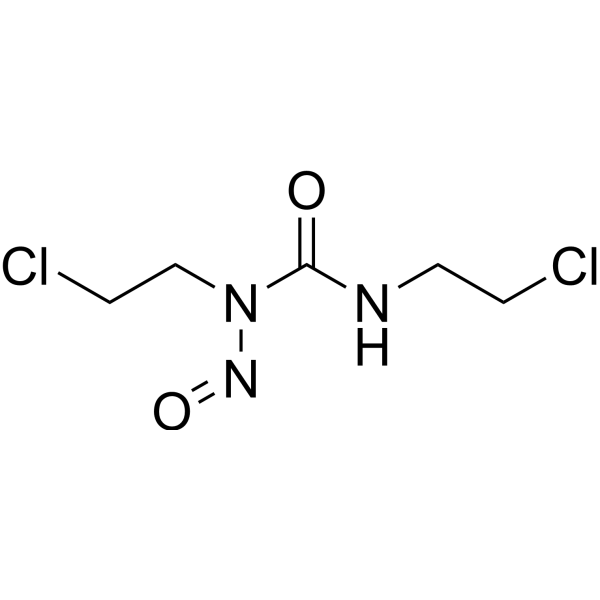
    Carmustine
    5+ Cited Publications

    BCNU

    DNA Alkylator/Crosslinker Cancer
    Carmustine is an antitumor chemotherapeutic agent, which works by akylating DNA and RNA.
    Carmustine
  • HY-13761
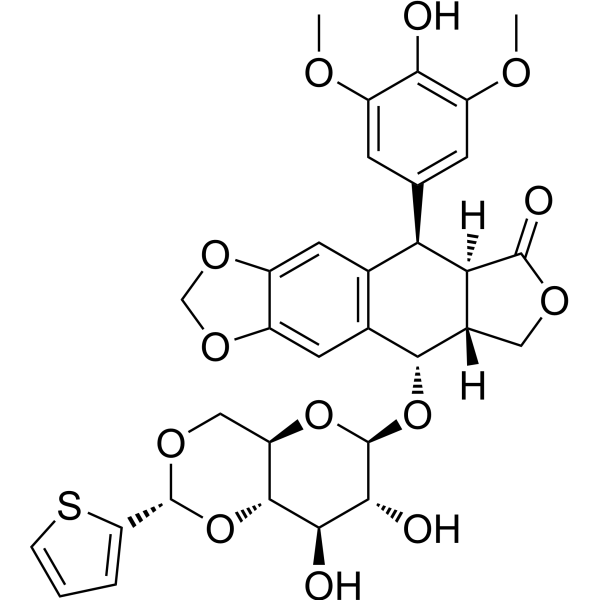
    Teniposide
    10+ Cited Publications

    VM26

    Topoisomerase Cancer
    Teniposide is a podophyllotoxin derivative, acts as a topoisomerase II inhibitor, and used as a chemotherapeutic agent.
    Teniposide
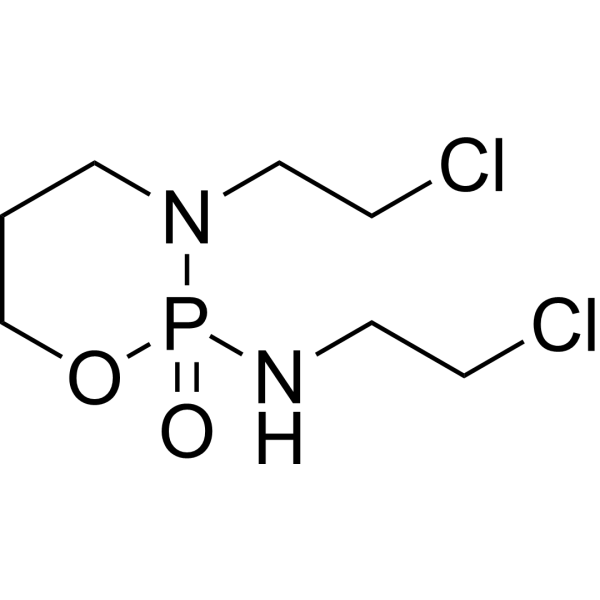
  • HY-17419
    Ifosfamide
    5+ Cited Publications

    DNA Alkylator/Crosslinker Neurological Disease Cancer
    Ifosfamide is a CNS-penetrant alkylating chemotherapeutic agent with activity against a wide range of tumors.
    Ifosfamide
  • HY-147271

    Drug-Linker Conjugates for ADC Topoisomerase Cancer
    Mal-PEG8-Val-Ala-PAB-Exatecan (Compound 9b) is an antibody-drug conjugate linker (ADC linker) that binds to Nectin-4 polypeptides conjugated to chemotherapeutic agents. Mal-PEG8-Val-Ala-PAB-Exatecan can be used for cancer research .
    Mal-PEG8-Val-Ala-PAB-Exatecan
  • HY-W014233
    L-Histidinol dihydrochloride
    1 Publications Verification

    Endogenous Metabolite Aminoacyl-tRNA Synthetase Cancer
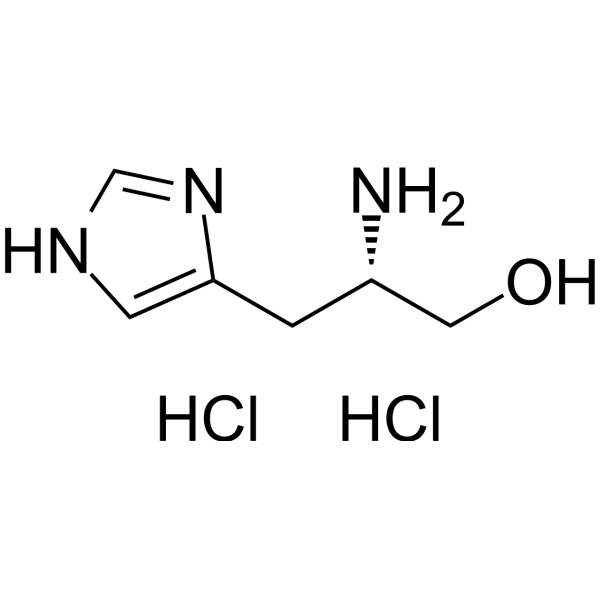
    L-Histidinol dihydrochloride is an orally active histidyl-tRNA synthetase inhibitor. L-Histidinol dihydrochloride interferes with the initiation stage of protein synthesis, thus affecting cell proliferation and metabolism. L-Histidinol dihydrochloride has the effect of modulating the sensitivity of tumor cells to chemotherapeutic agents. L-Histidinol dihydrochloride reduces the toxicity of certain chemotherapeutic agents to normal tissues and enhance the sensitivity of tumor cells to chemotherapeutic agents .
    L-Histidinol dihydrochloride
  • HY-10426
    XCT790
    5+ Cited Publications

    Estrogen Receptor/ERR Autophagy Cancer
    XCT-790 is a potent and selective inverse agonist for ERRα with an IC50 value of 0.37 μM. XCT-790 induces cell death in chemotherapeutic resistant cancer cells. XCT-790 (Compound 12) is inactive against ERRγ and the estrogen receptors ERα and ERβ .
    XCT790
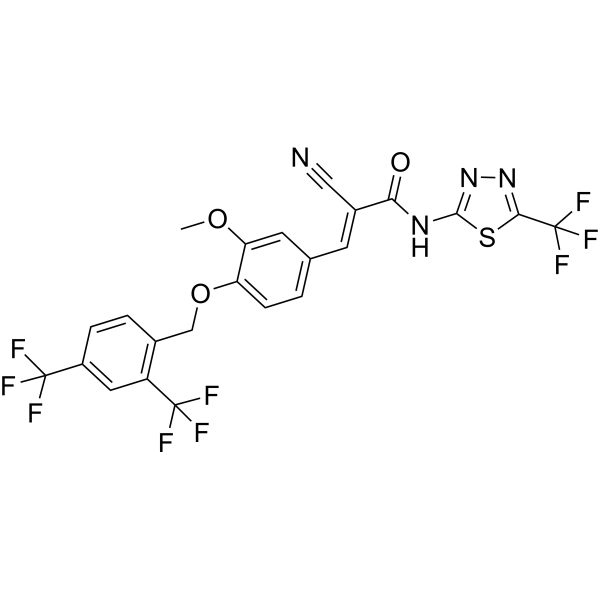
  • HY-111126
    K67
    1 Publications Verification

    p62 Keap1-Nrf2 Cancer
    K67 is a selective the interaction between Keap1 and S349 phosphorylated p62 inhibitor, with an IC50 of 1.5 μM. K67 has a weaker inhibitory effect on the interaction between Keap1 and Nrf2 (IC50 is 6.2 μM). K67 competitively binds to the binding site of Keap1 with p-p62, blocking the abnormal activation of the p62-dependent Nrf2 pathway. K67 inhibits tumor cell proliferation and enhances the sensitivity of hepatocellular carcinoma (HCC) to chemotherapeutic drugs by restoring Keap1-mediated ubiquitination and degradation of Nrf2 .
    K67
  • HY-W017316

    4-Carvomenthenol

    Environmental Pollutants Endogenous Metabolite Bacterial Fungal Infection Inflammation/Immunology Cancer
    Terpinen-4-ol (4-Carvomenthenol) is a naturally occurring monoterpene, and can be extracted from a variety of aromatic plants. Terpinen-4-ol is a potent bactericidal agent which possess antifungal , anti-inflammatory and antitumor properties as well, suggesting Terpinen-4-ol to be used for relevant research .
    Terpinen-4-ol
  • HY-106634
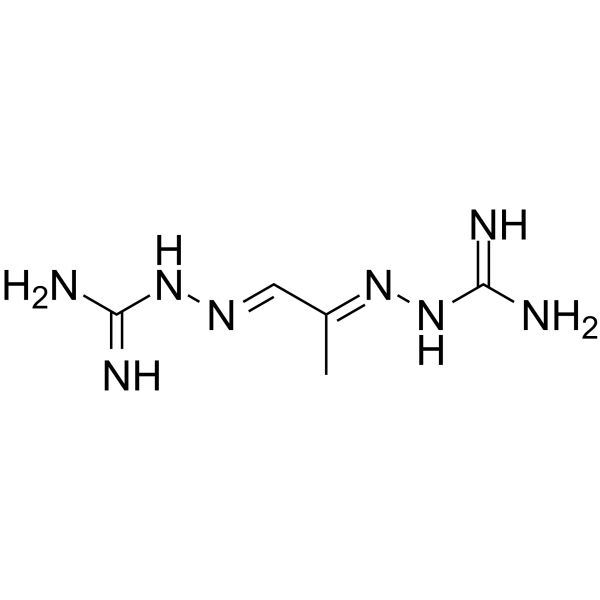
    Mitoguazone
    5 Publications Verification

    Methylglyoxal-bis(guanylhydrazone); MGBG; Methyl-GAG

    HIV Apoptosis Infection Cancer
    Mitoguazone (Methylglyoxal-bis(guanylhydrazone)) is a synthetic polycarbonyl derivative with potent antineoplastic activity. Mitoguazone is a brain-penetrant and competitive S-adenosyl-methionine decarboxylase (SAMDC) inhibitor that disrupts polyamine biosynthesis. Mitoguazone induces cell apoptosis. Mitoguazone inhibits HIV DNA integration into the cellular DNA in both monocytes and macrophages. Mitoguazone has the potential for acute leukemia, Hodgkin's and non-Hodgkin's lymphoma treatment .
    Mitoguazone
  • HY-17013
    Dofequidar
    2 Publications Verification

    MS-209 free base

    P-glycoprotein Cancer
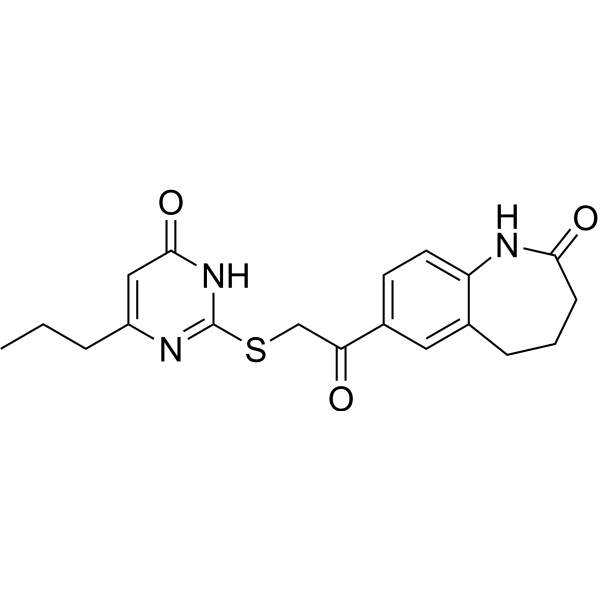
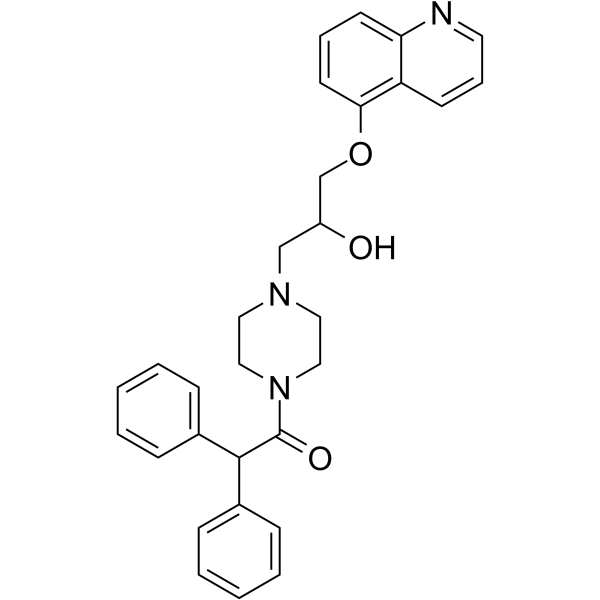
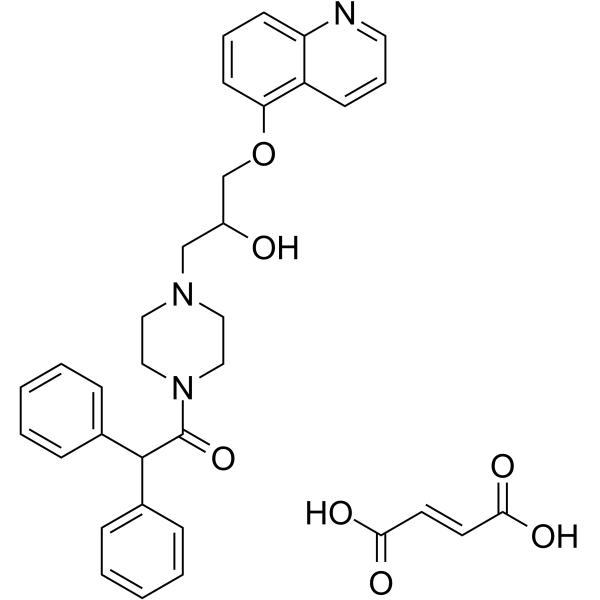
    Dofequidar (MS-209 free base) is an orally active quinoline compoundthat blocks P-glycoprotein (P-gp) and multidrug resistance-associated protein-1 (MDR-1). Dofequidar has highly potent reversing effect on multidrug-resistant tumor cells. Dofequidar competitively inhibits ABCB1/P-gp, ABCC1/MRP-1, blocks the efflux of chemotherapeutic agents, increases the drug concentration in cancer cells, and enhances the chemotherapeutic effect .
    Dofequidar
  • HY-14596S

    NPI 031L-d4

    EGFR Autophagy Apoptosis Endogenous Metabolite Cancer
    Genistein-d4 is the deuterium labeled Genistein. Genistein, a soy isoflavone, is a multiple tyrosine kinases (e.g., EGFR) inhibitor which acts as a chemotherapeutic agent against different types of cancer, mainly by altering apoptosis, the cell cycle, and angiogenesis and inhibiting metastasis .
    Genistein-d4
  • HY-14596R
    Genistein (Standard)
    Maximum Cited Publications
    88 Publications Verification

    NPI 031L (Standard)

    Reference Standards EGFR Autophagy Apoptosis Endogenous Metabolite Cancer
    Genistein (Standard) is the analytical standard of Genistein. This product is intended for research and analytical applications. Genistein, a soy isoflavone, is a multiple tyrosine kinases (e.g., EGFR) inhibitor which acts as a chemotherapeutic agent against different types of cancer, mainly by altering apoptosis, the cell cycle, and angiogenesis and inhibiting metastasis.
    Genistein (Standard)
  • HY-B1946
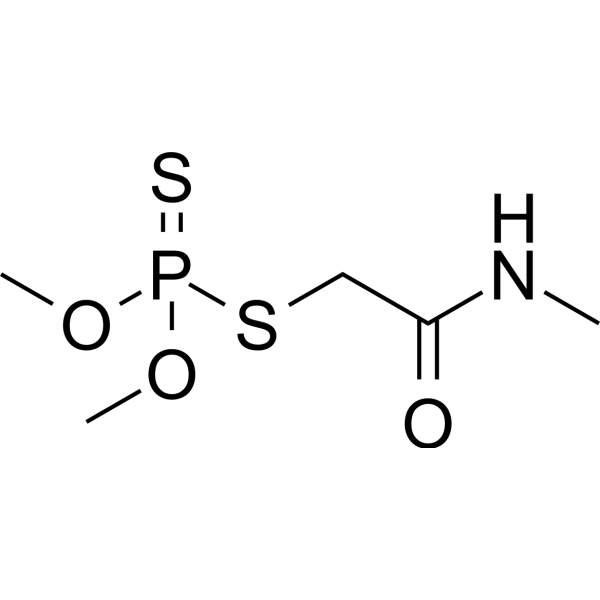
    Dimethoate
    5 Publications Verification

    Environmental Pollutants Apoptosis Cholinesterase (ChE) Insecticide Reactive Oxygen Species (ROS) Inflammation/Immunology
    Dimethoate is an organophosphate insecticide and acaricide. Dimethoate is an orally active acetylcholinesterase inhibitor. Dimethoate induces reactive oxygen species (ROS). Dimethoate induces DNA damage and cell apoptosis in vivo. Dimethoate affect immune system in mice .
    Dimethoate
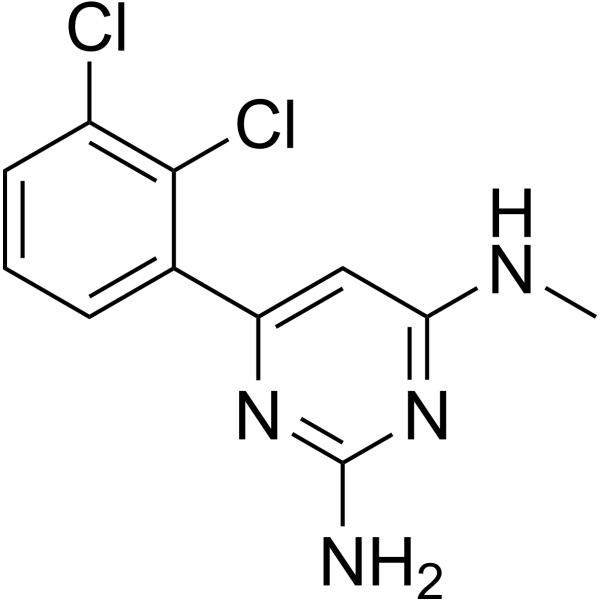
  • HY-16965
    TH287
    3 Publications Verification

    DNA/RNA Synthesis Cancer
    TH287 is a potent and selective inhibitor of MTH1, with an IC50 of 0.8 nM. TH287 is highly selective towards MTH1, with no relevant inhibition of MTH2, NUDT5, NUDT12, NUDT14, NUDT16, dCTPase, dUTPase and ITPA at 100 μM. TH287 could act as a chemotherapeutic agent for cancer research .
    TH287
  • HY-15134

    OC 144-093; OC 144093

    P-glycoprotein Infection Cancer
    ONT-093 (OC 144-093) is a potent and orally active inhibitor of P-glycoprotein pump. ONT-093 inhibits P-gp-mediated ATPase activity with an IC50 of 0.16 μM. ONT-093 can inhibit drug efflux and increase bioavailability. ONT-093 reverses cancer cells multidrug resistance to chemotherapeutic drugs. ONT-093 can be used for the researches of cancer and infection, such as colon cancer and malarial .
    ONT-093
  • HY-150644
    S07-2010
    1 Publications Verification

    Aldose Reductase Cancer
    S07-2010 is a potent pan-AKR1C (aldo-keto reductase family 1 member C) inhibitor, with IC50 values of 0.19, 0.36, 0.47, and 0.73 μM for AKR1C3, AKR1C4, AKR1C1 and AKR1C2, respectively. S07-2010 induces apoptosis in A549/DDP cells. S07-2010 strengthens the cytotoxicity of chemotherapeutic agents in drug-resistant cells. S07-2010 significantly inhibits the proliferation of drug-resistant cells .
    S07-2010
  • HY-B0245S

    DNA Alkylator/Crosslinker Apoptosis Inflammation/Immunology Cancer
    Busulfan-d8 is a deuterium labeled Busulfan. Busulfan is a potent alkylating antineoplastic agent. Busulfan causes DNA damage by cross-linking DNAs and DNA and proteins. Busulfan inhibits thioredoxin reductase. Busulfan induces apoptosis. Busulfan is an immunosuppressive and myeloablative chemotherapeutic agent .
    Busulfan-d8
  • HY-108391

    N-Octanoyl-D-erythro-sphingosine

    Apoptosis PKC Autophagy Inflammation/Immunology Cancer
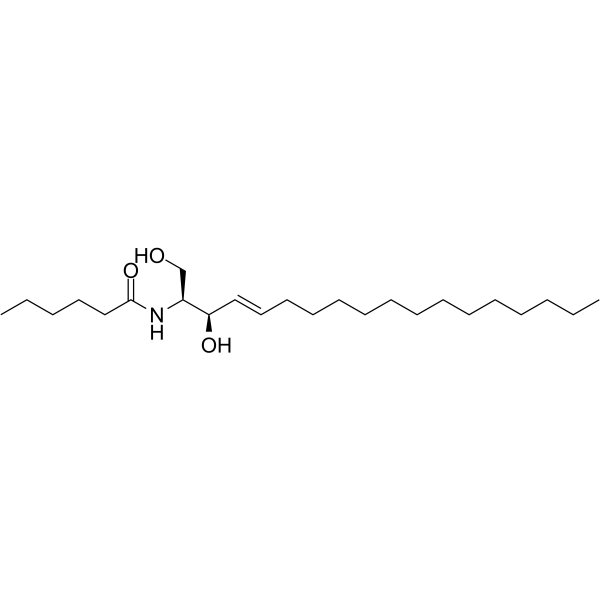
    C8-Ceramide (N-Octanoyl-D-erythro-sphingosine) is a cell-permeable analog of naturally occurring ceramides. C8-Ceramide has anti-proliferation properties and acts as a potent chemotherapeutic agent. C8-Ceramide stimulates dendritic cells to promote T cell responses upon virus infections. C8-Ceramide induces slight activation of protein kinase (PKC) in vitro .
    C8-Ceramide
  • HY-17013A
    Dofequidar fumarate
    2 Publications Verification

    MS-209

    P-glycoprotein Cancer
    Dofequidar fumarate (MS-209) is an orally active quinoline compoundthat blocks P-glycoprotein (P-gp) and multidrug resistance-associated protein-1 (MDR-1). Dofequidar fumarate has highly potent reversing effect on multidrug-resistant tumor cells. Dofequidar fumarate competitively inhibits ABCB1/P-gp, ABCC1/MRP-1, blocks the efflux of chemotherapeutic agents, increases the drug concentration in cancer cells, and enhances the chemotherapeutic effect .
    Dofequidar fumarate
  • HY-W048495

    Nucleoside Antimetabolite/Analog Cancer
    2'-O-(2-Methoxyethyl)-uridine is a synthetic oligonucleotide conversed from uridine. 2'-O-(2-Methoxyethyl)-uridine has the potential for chemotherapeutic agents development .
    2'-O-(2-Methoxyethyl)-uridine
  • HY-108315

    6-Chrysenamine

    Drug Derivative Inflammation/Immunology Cancer
    6-Aminochrysene (6-Aminochrysene) is an aromatic amine used as a chemotherapeutic agent in the treatment of splenomegaly, myeloid leukemia, and breast cancer. 6-Aminochrysene is activated by CYP450 in rat liver .
    6-Aminochrysene
  • HY-124325

    DNA Alkylator/Crosslinker Cancer
    PIP-199 is a selective inhibitor of RMI (RecQ-mediated genome instability protein) core complex/MM2 interaction, with an IC50 of 36 μM. PIP-199 can be used for the research of sensitizing resistant tumors to DNA crosslinking chemotherapeutics .
    PIP-199
  • HY-B0245R

    DNA Alkylator/Crosslinker Apoptosis Reference Standards Inflammation/Immunology Cancer
    Busulfan (Standard) is the analytical standard of Busulfan. This product is intended for research and analytical applications. Busulfan is a potent alkylating antineoplastic agent. Busulfan causes DNA damage by cross-linking DNAs and DNA and proteins. Busulfan inhibits thioredoxin reductase. Busulfan induces apoptosis. Busulfan is an immunosuppressive and myeloablative chemotherapeutic agent .
    Busulfan (Standard)
  • HY-13747
    Semustine
    1 Publications Verification

    DNA Alkylator/Crosslinker Cancer
    Semustine is a DNA alkylator, binds to DNA, and acts as a cancer chemotherapeutic agent .
    Semustine
  • HY-138084

    Separase Mitosis Cancer
    SIC5-6 is a potent Separase inhibitor. Separase, a large cysteine protease, involves in chromosome segregation during mitosis and meiosis, DNA damage repair, centrosome disengagement and duplication, spindle stabilization and elongation. Separase is highly overexpressed in many solid cancers, serves as an attractive chemotherapeutic target .
    SIC5-6
  • HY-152246

    DNA/RNA Synthesis Cancer
    ZIM, a norbornene derived from 4-Aminoantipyrine, is a potent inducer of DNA damage, causing genomic and chromosomal damage as well as inducing cell death and activating phagocytosis. ZIM has chemotherapeutic potential for use in cancer research .
    ZIM
  • HY-118982

    Reactive Oxygen Species (ROS) Cancer
    CT-2584 is a chemotherapeutic compound that reduces the expression of NKEF-B in several tumor cell types and kills tumor cells by inducing the production of ROS in mitochondria, commonly used in cancer research .
    CT-2584
  • HY-D1504

    Fluorescent Dye Others
    IR-797 chloride is a near-infrared (NIR) dye. IR 797 has absorption maxima near 700 nm. IR-797 shows some aggregation-induced-emission (AIE) properties. IR-797 shows shows cytotoxic .
    IR-797 chloride
  • HY-148413
    Aprinocarsen sodium
    1 Publications Verification

    ISIS 3521 sodium

    PKC Cancer
    Aprinocarsen (ISIS 3521) sodium, a specific antisense oligonucleotide inhibitor of protein kinase C-alpha (PKC-α). Aprinocarsen sodium is a 20-mer oligonucleotide, it regulates cell differentiation and proliferation. Aprinocarsen sodium inhibits the growth of human tumor cell lines in nude mice. Aprinocarsen sodium shows the value as a chemotherapeutic compound of human cancers .
    Aprinocarsen sodium
  • HY-B1080A
    Tilorone
    2 Publications Verification

    Influenza Virus Akt Infection Neurological Disease Metabolic Disease Inflammation/Immunology Cancer
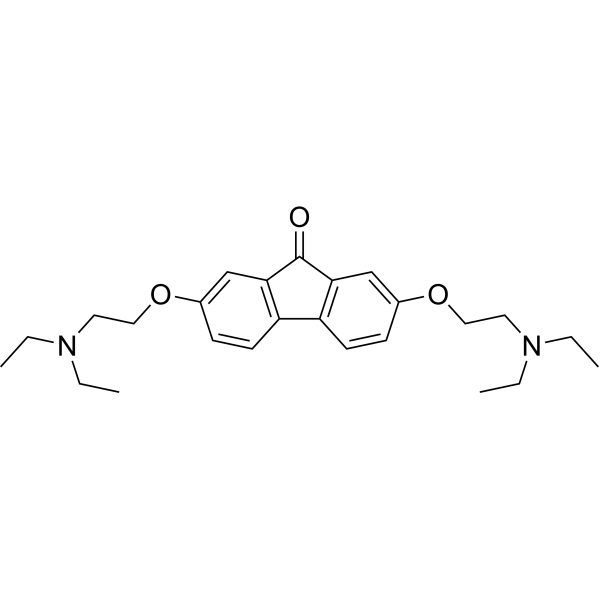
    Tilorone is an orally active antiviral agent and interferon inducer that also has potential antineoplastic, immunomodulatory, and metabolic modulating effects. Tilorone induces an abnormally delayed interferon response and primarily stimulates interferon production in lymphoid tissue. Thus, Tilorone exerts antiviral effects and can be used as a chemotherapeutic agent. Tilorone has the potential to inhibit type 2 diabetes by increasing glucose uptake in vivo and in skeletal muscle cells by enhancing Akt2/AS160 signaling and glucose transporter levels .
    Tilorone
  • HY-W048496

    Nucleoside Antimetabolite/Analog Cancer
    2'-O-(2-Methoxyethyl)-cytidine is a synthetic oligonucleotide derived from uridine. 2'-O-(2-Methoxyethyl)-cytidine has good hybridization properties and high stability, and can be used in the research of oligonucleotide chemotherapeutic agents .
    2'-O-(2-Methoxyethyl)-cytidine
  • HY-162022

    Enterovirus Virus Protease Infection
    BTA-188, a pyridazinyl oxime ether, is an orally active, potent inhibitor of rhinoviruses (HRV) and enterovirus (EV) 71 in vitro. BTA-188 inhibits HRV-2 replication with an IC50 of 0.8 nM and an IC90 of 11 nM. BTA-188 inhibits enterovirus with an IC50 of 82 and an IC90 of 109 nM. BTA-188 is a potential chemotherapeutic agent for infections caused by the viruses in the Picornaviridae .
    BTA-188
  • HY-17419S1

    Isotope-Labeled Compounds DNA Alkylator/Crosslinker Cancer
    Ifosfamide-d4 is the deuterium labeled Ifosfamide. Ifosfamide is an alkylating chemotherapeutic agent with activity against a wide range of tumors .
    Ifosfamide-d4
  • HY-N7029

    Others Cancer
    3',4',5',5,7-Pentamethoxyflavone, a natural flavonoid extracted from Rutaceae plants, sensitizes chemoresistant cancer cells to chemotherapeutic agents by inhibition of Nrf2 pathway .
    3',​4',​5',​5,​7-​Pentamethoxyflavone
  • HY-B1946R

    Insecticide Reference Standards Reactive Oxygen Species (ROS) Apoptosis Cholinesterase (ChE) Inflammation/Immunology
    Dimethoate (Standard) is the analytical standard of Dimethoate. This product is intended for research and analytical applications. Dimethoate is an organophosphate insecticide and acaricide. Dimethoate is an orally active acetylcholinesterase inhibitor. Dimethoate induces reactive oxygen species (ROS). Dimethoate induces DNA damage and cell apoptosis in vivo. Dimethoate affect immune system in mice.
    Dimethoate (Standard)
  • HY-136327

    DNA Alkylator/Crosslinker Cancer
    Phenylacetic acid mustard is the major metabolite of the cancer chemotherapeutic agent Chlorambucil (HY-13593). Chlorambucil is an alkylating agent with antitumor activity .
    Phenylacetic acid mustard
  • HY-19542S1

    C6-Cer-d11; N-Hexanoylsphingosine-d11

    Apoptosis Isotope-Labeled Compounds Cancer
    C6 Ceramide-d11 is deuterated labeled C6 Ceramide (HY-19542). C6-ceramide, a ceramide pathway activator, shows activity against a variety of cancer cell lines. C6-ceramide can be used as an adjuvant for chemotherapeutic agents, to enhance anti-tumor effects .
    C6 Ceramide-d11
  • HY-N9451

    NF-κB Cardiovascular Disease Inflammation/Immunology Cancer
    Ginger extract exhibits anti-cancer, anti-inflammatory and chemotherapeutic effects in vivo .
    Ginger extract
  • HY-B1782

    Bacterial Antibiotic Infection
    Sulfamoxole is a broad- spectrum chemotherapeutic antimicrobial agent. Sulfamoxole can be used for the study of pediatric infections .
    Sulfamoxole
  • HY-119172

    Bacterial Infection Inflammation/Immunology Cancer
    NSC-60339, an efflux pump inhibitor and a substrate of AcrAB-TolC, is a polybasic terephthalic acid derivative studied as a potential cancer chemotherapeutic agent .
    NSC-60339
  • HY-17400R

    FT 207 (Standard); NSC 148958 (Standard)

    Reference Standards Nucleoside Antimetabolite/Analog Cancer
    Tegafur (Standard) is the analytical standard of Tegafur. This product is intended for research and analytical applications. Tegafur (FT 207; NSC 148958) is a chemotherapeutic 5-FU proagent used in the treatment of cancers; is a component of tegafur-uracil.
    Tegafur (Standard)
  • HY-P11053

    HSP Cancer
    A17 peptide is a Hsp70-targeting peptide. A17 peptide binds to the ATP-binding domains of Hsp70. A17 peptide specifically inhibits the chaperone activity, thereby increasing the cells' sensitivity to apoptosis induced by chemotherapeutic agents, such as Cisplatin (HY-17394). A17 peptide can be used for anticancer chemotherapy research, such multiple myeloma .
    A17 peptide

Inquiry Online

Your information is safe with us. * Required Fields.

Salutation


Country or Region *

Applicant Name *


Organization Name *

Department *


Email Address *


Product Name *

Cat. No.


Requested quantity *

Phone Number *


Remarks

Inquiry Online

Inquiry Information

Product Name:
Cat. No.:
Quantity:
MCE Japan Authorized Agent:

