Search Result
Results for "
Glyceryl
" in MedChemExpress (MCE) Product Catalog:
8
Biochemical Assay Reagents
16
Isotope-Labeled Compounds
| Cat. No. |
Product Name |
Target |
Research Areas |
Chemical Structure |
-
- HY-B0264
-
|
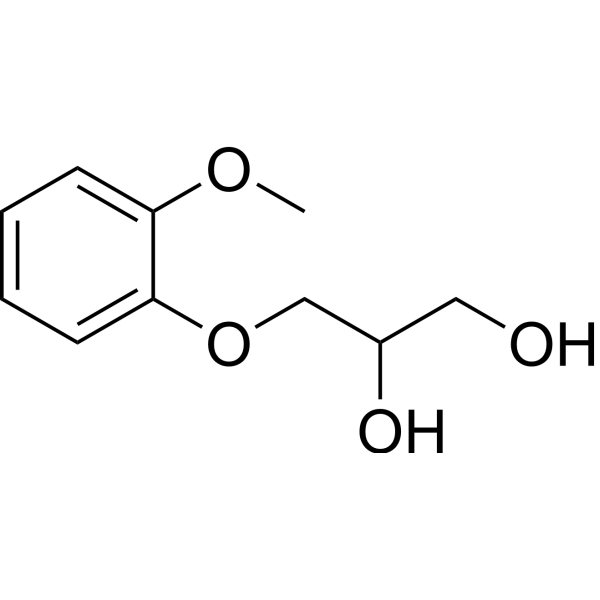
Guaiacol Glyceryl ether; Guaiphenesin; Glycerol guaiacolate
|
Mucin
|
Neurological Disease
Inflammation/Immunology
|
|
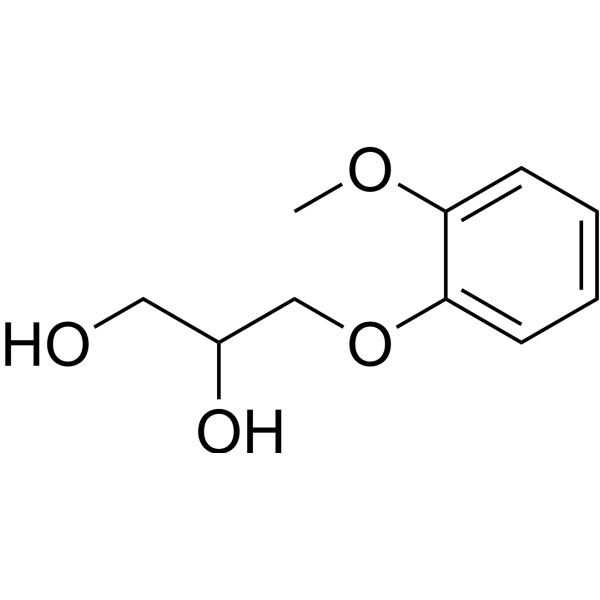
Guaifenesin (Guaiacol glyceryl ether), a constituent of guaiac resin from the wood of Guajacum officinale Linné, is an expectorant. Guaifenesin can alleviate cough discomfortby increasing sputum volume and decreasing its viscosity, thereby promoting effective cough .
|
-
-
- HY-B0896
-
|
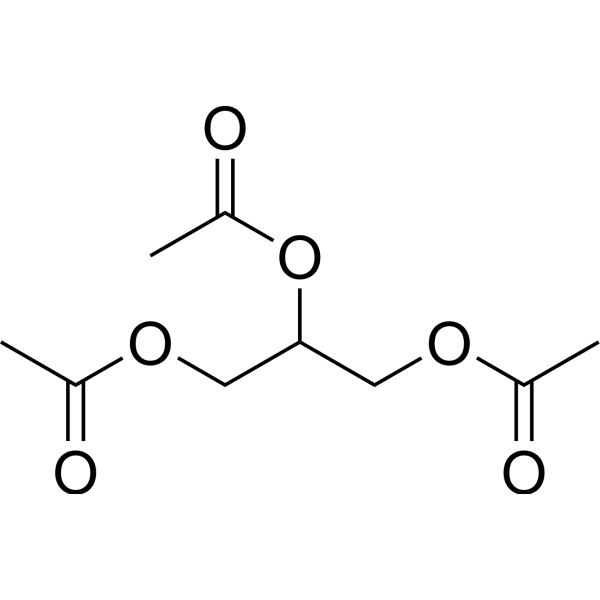
Glyceryl triacetate; 1,2,3-Triacetoxypropane
|
Environmental Pollutants
Fungal
Endogenous Metabolite
|
Cancer
|
|
Triacetin (Glyceryl triacetate) is a synthetic compound that is a triester of glycerol and acetic acid, orally active. Triacetin increases acetate bioavailability in glioma cells. Triacetin induces glioma cell growth arrest and Apoptosis. Triacetin freely crosses the blood brain barrier/plasma membrane. Triacetin increases histone acetylation and enhances Temozolomide (HY-17364) (TMZ) chemotherapeutic efficacy .
|
-
-
- HY-W011404
-
|
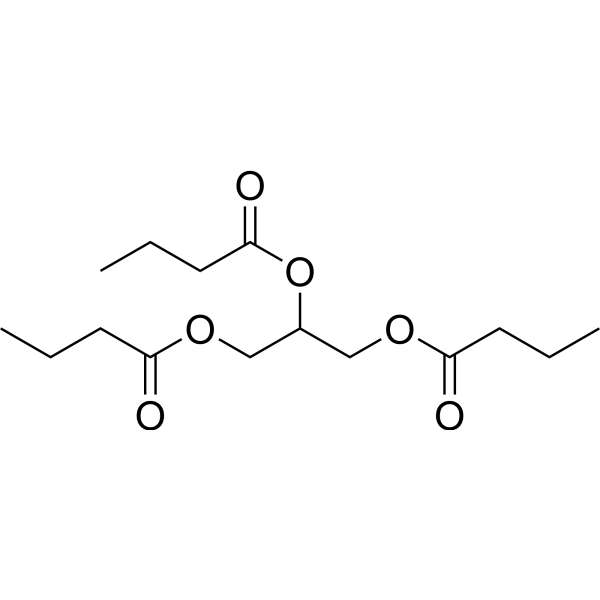
Glyceryl tributyrate
|
Apoptosis
TNF Receptor
Interleukin Related
|
Metabolic Disease
Cancer
|
|
Tributyrin (Glyceryl tributyrate), a neutral short-chain fatty acid triglyceride, is a stable and rapidly absorbed proagent of Butyric Acid. Tributyrin diffuses through biological membranes and is metabolized by intracellular lipases, releasing effective butyrate directly into the cell in vivo. Tributyrin has potent antiproliferative, proapoptotic and differentiation-inducing effects .
|
-
-
- HY-177451
-
-
-
- HY-151226
-
|
GMS
|
Environmental Pollutants
Liposome
|
Others
|
|
Glyceryl monostearate (GMS) is a type of monoglyceride. Glyceryl monostearateGlyceryl monostearate can serve as a core lipid material for constructing solid lipid nanoparticles in the field of drug delivery. Glyceryl monostearate can be used as a gelling agent to structure liquid vegetable oils into semi-solid oleogels, so as to replace animal fat in meat products .
|
-
-
- HY-138650
-
|
Glyceryl monocaprylate; Sefsol 318
|
Environmental Pollutants
Bacterial
|
Inflammation/Immunology
|
|
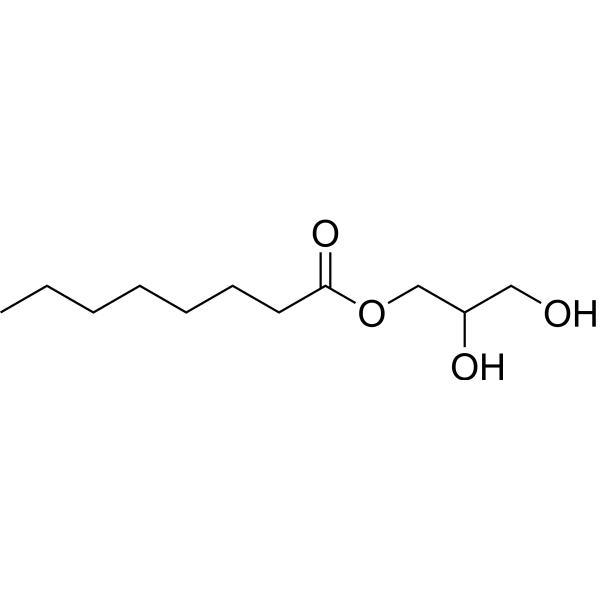
Monocaprylin (Glyceryl monocaprylate), a monoglyceride of caprylic acid, exhibits an excellent antibacterial activity. Monocaprylin inhibits a variety of foodborne pathogenic and spoilage microorganisms and has the potential for an alternative food preservative research .
|
-
-
- HY-W009141
-
|
Glyceryl palmitate
|
P-glycoprotein
IAP
PI3K
Akt
Caspase
Apoptosis
|
Cancer
|
|
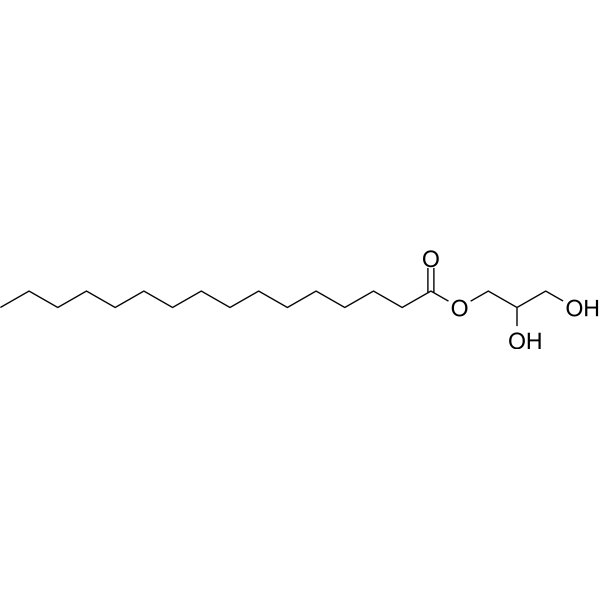
1-Monopalmitin (Glyceryl palmitate) is an activator of the PI3K/Akt pathway and an inhibitor of P-glycoprotein (P-gp). 1-Monopalmitin can induce G2/M arrest and caspase-dependent apoptosis in cancer cells, while inhibiting IAPs protein expression. 1-Monopalmitin can increase drug accumulation by inhibiting P-gp activity in intestinal Caco-2 cells. 1-Monopalmitin has the ability to induce protective autophagy and apoptosis of lung cancer cells (IC50=50-58 μg/mL), with low toxicity to normal cells .
|
-
-
- HY-N6660
-
|
Tricaprin; Glyceryl tridecanoate
|
Endogenous Metabolite
Androgen Receptor
|
Cardiovascular Disease
Metabolic Disease
|
|
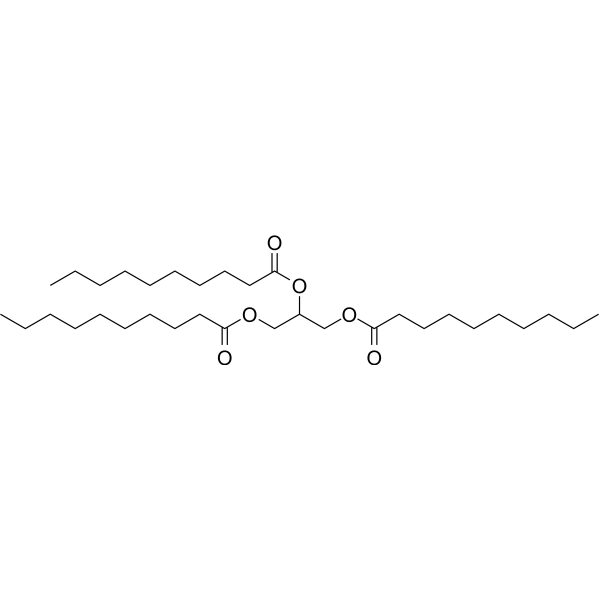
Trisdecanoin (Tricaprin; Glyceryl tridecanoate) is an orally available precursor of decanoic acid (DA precursor) that can be hydrolyzed to decanoic acid. Trisdecanoin and its metabolite capric acid not only provide the body with a quick source of energy, but can also affect lipid metabolism. Trisdecanoin is a major component of medium chain triglycerides (MCT), which has preventive or inhibitory properties for abdominal aortic aneurysms (AAA), inhibition of cardiovascular disease, and anti-androgen (NSAA) and anti-hyperglycemic properties. Trisdecanoin can be used as an additive in food, medicine and cosmetics .
|
-
-
- HY-W012444
-
|
|
Antibiotic
Fungal
|
Infection
|
|
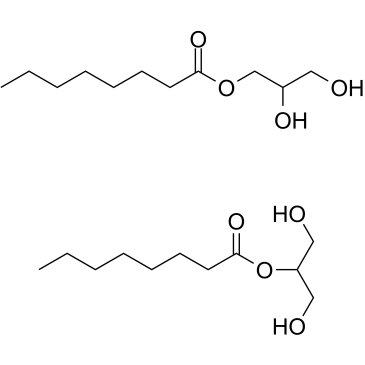
Glyceryl 1-monooctanoate is a glycerol monolaurate derivative. Glyceryl 1-monooctanoate is a broad-spectrum antimicrobial, suppresses the growth of pathogenic yeast (Candida albicans and Candida parapsilosis), as well as Gram-positive (Staphylococcus aureus) and Gram-negative (Escherichia coli, Klebsiella pneumoniae) bacteria .
|
-
-
- HY-B1804
-
|
Trioctanoin; Glyceryl trioctanoate
|
Endogenous Metabolite
|
Neurological Disease
Inflammation/Immunology
|
|
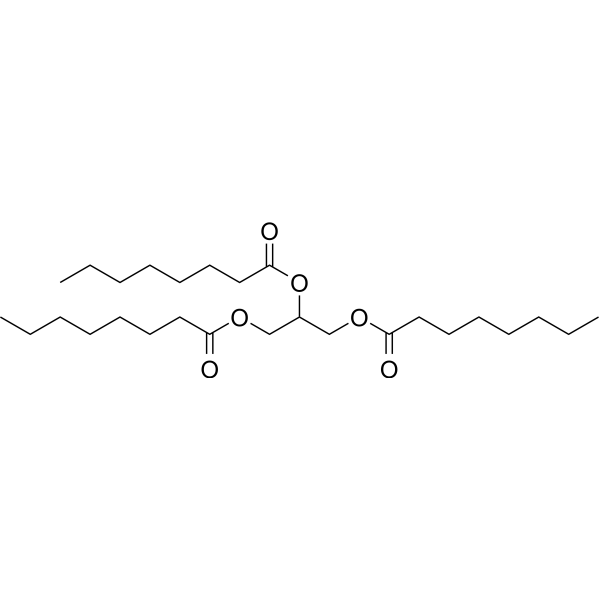
Tricaprilin (Trioctanoin) is an orally active and well tolerated ketogenic agent that safely induces ketosis. Tricaprilin restores brain electrical activity and metabolism to help counteract neuroinflammation in migraine. Tricaprilin is promising for research of migraine prevention and Alzheimer’s disease (AD). Tricaprilin is a pure C8 medium chain triglyceride (MCT) .
|
-
-
- HY-165613
-
|
Dipalmitoyl-S-Glyceryl-cysteine; S-[2,3-Bis(palmitoyloxy)propyl]cysteine
|
Toll-like Receptor (TLR)
Influenza Virus
NF-κB
|
Infection
Inflammation/Immunology
|
|
Pam2Cys (Dipalmitoyl-S-glyceryl-cysteine; S-[2,3-Bis(palmitoyloxy)propyl]cysteine) is a TLR2 agonist and immunostimulant. Pam2Cys binds to TLR2 to activate dendritic cells and trigger the TLR2-dependent NF-κB signaling pathway. Pam2Cys also induces dendritic cell maturation by upregulating the expression of cell surface MHC II molecules. Pam2Cys activates innate immune signaling pathways, drives pro-inflammatory and antimicrobial responses, enhances the expression of macrophage activation markers, increases phagocytic activity, induces the release of IL-12 and pro-inflammatory cytokines, and polarizes macrophages into a pro-inflammatory, antimicrobial phenotype without interfering with IL-10-induced macrophage polarization. Pam2Cys also serves as the lipid moiety in synthetic lipopeptide vaccines and possesses self-adjuvant properties. Pam2Cys enhances the immunogenicity of conjugated peptide segments and induces cellular and humoral immune responses. However, it does not activate CD4 T cells in mouse splenocyte cultures when used alone. Pam2Cys activates pulmonary TLR2 signaling pathways, triggers innate immune responses, recruits neutrophils and macrophages, induces the secretion of various cytokines, alleviates symptoms and damages associated with influenza A virus infection in mice without impairing adaptive immunity. Pam2Cys can be used in studies related to tuberculosis and influenza A virus infection .
|
-
-
- HY-152899
-
|
|
Endogenous Metabolite
|
Cardiovascular Disease
|
|
Selachyl alcohol is an orally active antihypertensive agent. Selachyl alcohol has similar activities with antihypertensive neutral renomedullary lipid (ANRL). Selachyl alcohol is an alkylglycerol compound in shark liver oil mixture with properties that reduce lung metastasis. Selachyl alcohol can be used for cardiovascular disease research .
|
-
-
- HY-W337335
-
|
1-P-GPA sodium salt
|
Liposome
|
Metabolic Disease
Inflammation/Immunology
|
|
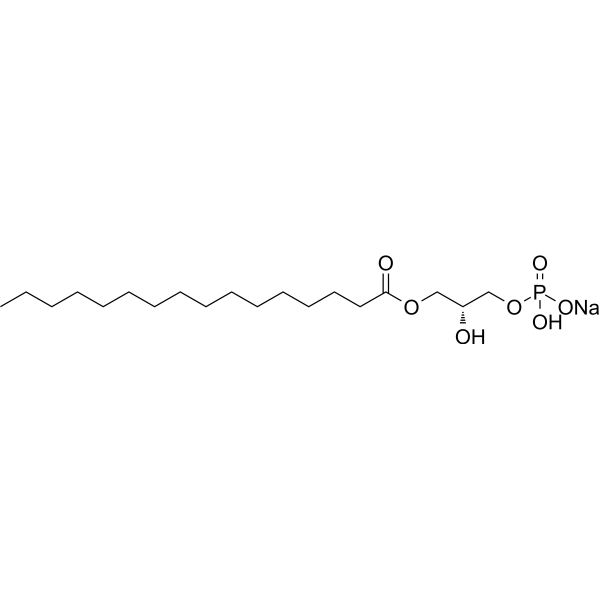
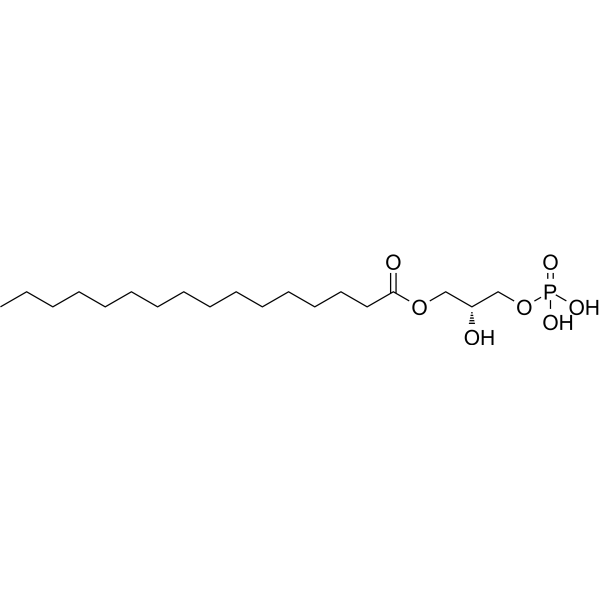
Palmitoyl-sn-glycerol 3-phosphate (1-P-GPA) sodium salt is a type of phospholipid and a precursor of lipid membranes. 1-Palmitoyl-sn-glycerol 3-phosphate sodium salt can be incorporated into POPC liposomes, resulting in significant changes in membrane curvature. 1-Palmitoyl-sn-glycerol 3-phosphate sodium salt can induce platelet aggregation, but its activity is 30 times lower than that of 1-hexadecyl-sn-glyceryl-3-phosphate .
|
-
-
- HY-138822
-
|
2,3-DPG pentasodium salt
|
Endogenous Metabolite
|
Cardiovascular Disease
|
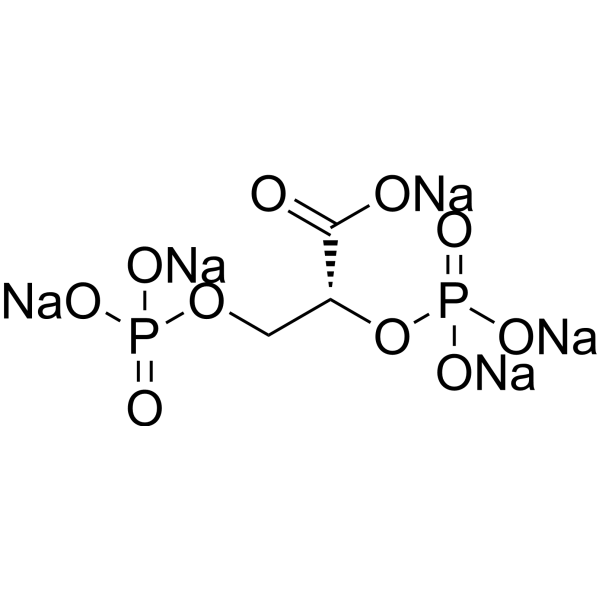
2,3-Diphospho-D-glyceric acid (2,3-DPG) pentasodium salt is a hemoglobin binder and vascular calcification inhibitor that reduces the oxygen affinity of hemoglobin. 2,3-Diphospho-D-glyceric acid pentasodium salt also specifically delays the transformation of colloidal calciprotein particles into crystalline forms, thereby effectively inhibiting vascular smooth muscle cell calcification without affecting the normal formation of osteoid nodules in osteoblast-like cells. 2,3-Diphospho-D-glyceric acid pentasodium salt shows no cytotoxicity to tested cell lines and only weakly interferes with β-hematin formation mediated by glyceryl monopalmitate. 2,3-Diphospho-D-glyceric acid pentasodium salt can be used to study the pathological mechanisms of vascular calcification and malaria-related conditions .
|
-
-
- HY-Y1039
-
|
1-Monostearin; 2,3-Dihydroxypropyl stearate
|
Environmental Pollutants
Biochemical Assay Reagents
|
Others
|
|
Stearic acid 1-monoglyceride is an ester composed of stearic acid and glycerin, commonly known as glyceryl monostearate. 1-Monoglyceride stearate has unique chemical properties that make it an important ingredient in a variety of industrial processes, including food production, cosmetics, and pharmaceuticals. It acts as an emulsifier, stabilizer and thickener in these products, enhancing their texture and shelf life.
|
-
-
- HY-B1804S
-
|
Trioctanoin-13C3; Glyceryl trioctanoate-13C3
|
Isotope-Labeled Compounds
Endogenous Metabolite
|
Neurological Disease
Inflammation/Immunology
|
|
Tricaprilin- 13C3 (Trioctanoin- 13C3) is a 13C-labeled Tricaprilin (HY-B1804) . Tricaprilin is an orally active and well tolerated ketogenic agent that safely induces ketosis. Tricaprilin restores brain electrical activity and metabolism to help counteract neuroinflammation in migraine. Tricaprilin is promising for research of migraine prevention and Alzheimer’s disease (AD). Tricaprilin is a pure C8 medium chain triglyceride (MCT) .
|
-
-
- HY-B0264R
-
|
Guaiacol Glyceryl ether(Standard); Guaiphenesin(Standard); Glycerol guaiacolate (Standard)
|
Reference Standards
Others
|
Neurological Disease
Inflammation/Immunology
|
|
Guaifenesin (Standard) is the analytical standard of Guaifenesin. This product is intended for research and analytical applications. Guaifenesin (Guaiacol glyceryl ether), a constituent of guaiac resin from the wood of Guajacum officinale Linné, is an expectorant. Guaifenesin can alleviate cough discomfortby increasing sputum volume and decreasing its viscosity, thereby promoting effective cough .
|
-
-
- HY-126967A
-
|
1-P-GPA
|
Liposome
|
Cardiovascular Disease
|
|
1-Palmitoyl-sn-glycerol 3-phosphate (1-P-GPA) is a phospholipid and lipid membrane precursor. 1-Palmitoyl-sn-glycerol 3-phosphate integrates into POPC liposomes, causing significant changes in membrane curvature. 1-Palmitoyl-sn-glycerol 3-phosphate induces platelet aggregation, but its activity is 30-fold lower than that of 1-hexadecyl-sn-glyceryl-3-phosphate .
|
-
-
- HY-W702781
-
|
1,3-Distearoyl glycerol; Glyceryl 1,3-distearate; DG(18:0/0:0/18:0)
|
Drug Intermediate
|
Inflammation/Immunology
|
|
1,3-Distearin (1,3-Distearoyl glycerol) is an intermediate for synthesizing non-steroidal anti-inflammatory agents, and can be used in the synthesis of Ibuprofen (HY-78131), Naproxen (HY-15030), Diclofenac (HY-15036), and other non-steroidal anti-inflammatory agents .
|
-
-
- HY-W127588
-
|
Glyceryl 1,3-dimyristate
|
Biochemical Assay Reagents
|
Others
|
|
1,3-Dimyristoyl-glycerol is a biochemical reagent that can be used as a biological material or organic compound for life science related research.
|
-
-
- HY-B0896R
-
|
Glyceryl triacetate (Standard); 1,2,3-Triacetoxypropane (Standard)
|
Endogenous Metabolite
Fungal
Reference Standards
|
Others
|
|
Triacetin (Standard) is the analytical standard of Triacetin. This product is intended for research and analytical applications. Triacetin is a synthetic compound that is a triester of glycerol and acetic acid.
|
-
-
- HY-W127357
-
|
|
Biochemical Assay Reagents
|
Others
|
|
Glyceryl trinonanoate is a triacylglycerol containing nonanoic acid at the sn-1, sn-2 and sn-3 positions. It has been found in Schizochytrium biomass. 1 1,2,3-Trinonanoyl-rac-glycerol increases blood levels of the ketone body D-(-)-3-hydroxybutyrate in neonatal rhesus monkeys. 2|1. Mioso, R., Toledo Marante, FJ, González, JE, et al. Schizochytrium sp. metabolite analysis. Oleaginous microbial sources of biodiesel by GC-MS. braz. J. Microbiology. 45(2), 403-409 (2014).|2. Tetrick, MA, Greer, FR and Benevenga, NJ Blood D- ( )-3-Hydroxybutyric acid concentration. Compare. medicine. 60(6), 486-490 (2010).
|
-
-
- HY-W709553
-
|
Triglyceride
|
Endogenous Metabolite
|
Cardiovascular Disease
Inflammation/Immunology
|
|
Glyceryl Triformate (Triglyceride) is the major form of storage and transport of fatty acids within cells and in the plasma. Glyceryl Triformate forms lipoproteins with cholesterol ester, and participates in the blood circulation. Glyceryl Triformate can lead to hypertriglyceridemia (HTG), which increases the risk of atherosclerotic cardiovascular disease (ASCVD) and pancreatitis .
|
-
-
- HY-135117R
-
-
-
- HY-114695
-
-
-
- HY-W011404R
-
|
Glyceryl tributyrate (Standard)
|
Apoptosis
Reference Standards
TNF Receptor
Interleukin Related
|
Metabolic Disease
Cancer
|
|
Tributyrin (Glyceryl tributyrate), a neutral short-chain fatty acid triglyceride, is a stable and rapidly absorbed proagent of Butyric Acid. Tributyrin diffuses through biological membranes and is metabolized by intracellular lipases, releasing effective butyrate directly into the cell in vivo. Tributyrin has potent antiproliferative, proapoptotic and differentiation-inducing effects .
|
-
-
- HY-105544
-
|
Glyceryl tribehenate; Glyceryl tridocosanoate
|
Biochemical Assay Reagents
|
Others
|
|
Tribehenin is a biochemical reagent that can be used as a biological material or organic compound for life science related research.
|
-
-
- HY-116250
-
-
-
- HY-114695S
-
-
-
- HY-114826
-
|
PGE2-1-glyceyl ester
|
Cannabinoid Receptor
|
Metabolic Disease
Cancer
|
Prostaglandin E2-1-glyceryl ester, a Prostaglandin Glycerol Ester, is an endocannabinoid ligand for the CB1 receptor. Prostaglandin E2-1-glyceryl ester induces rapid, transient elevation of intracellular free Ca 2+ .
|
-
-
- HY-N6660R
-
|
Tricaprin (Standard); Glyceryl tridecanoate (Standard)
|
Reference Standards
Endogenous Metabolite
Androgen Receptor
|
Metabolic Disease
|
|
Trisdecanoin (Standard) is the analytical standard of Trisdecanoin. This product is intended for research and analytical applications. Trisdecanoin (Tricaprin; Glyceryl tridecanoate) is an orally available precursor of decanoic acid (DA precursor) that can be hydrolyzed to decanoic acid. Trisdecanoin and its metabolite capric acid not only provide the body with a quick source of energy, but can also affect lipid metabolism. Trisdecanoin is a major component of medium chain triglycerides (MCT), which has preventive or inhibitory properties for abdominal aortic aneurysms (AAA), inhibition of cardiovascular disease, and anti-androgen (NSAA) and anti-hyperglycemic properties. Trisdecanoin can be used as an additive in food, medicine and cosmetics .
|
-
-
- HY-W704076
-
|
GMS-d5
|
Isotope-Labeled Compounds
Liposome
|
Cancer
|
|
Glyceryl monostearate-d5 (GMS-d5) is deuterium labeled Glyceryl monostearate. Glyceryl monostearate (GMS) is a single-tailed lipidic monoglyceride that can be used to synthesize nanoliposomes for drug delivery .
|
-
-
- HY-172019
-
-
-
- HY-114826S
-
|
PGE2-1-glyceyl ester-d5
|
Isotope-Labeled Compounds
Cannabinoid Receptor
|
Metabolic Disease
Cancer
|
Prostaglandin E2-1-glyceryl ester-d5 (PGE2-1-glyceyl ester-d5) is deuterium labeled Prostaglandin E2-1-glyceryl ester. Prostaglandin E2-1-glyceryl ester, a Prostaglandin Glycerol Ester, is an endocannabinoid ligand for the CB1 receptor. Prostaglandin E2-1-glyceryl ester induces rapid, transient elevation of intracellular free Ca 2+ .
|
-
-
- HY-W923154
-
-
-
- HY-W336094
-
|
1,3-Dilinolein
|
Biochemical Assay Reagents
|
Metabolic Disease
|
|
1,3-Glyceryl dilinoleate (Compound 8, 1,3-Dilinolein) is an unsaturated diacylglycerol with Linoleic acid (HY-N0729) (18:2) side-chains attached at both the C-1 and C-3 positions, which can be used for lipid research .
|
-
-
- HY-115702S
-
|
(Rac)-PAF (C16)-d4
|
Isotope-Labeled Compounds
|
Others
|
|
1-Palmityl-2-O-acetyl-3-glyceryl phosphorylcholine-d4 is the deuterium labeled 1-Palmityl-2-O-acetyl-3-glyceryl phosphorylcholine .
|
-
-
- HY-W127733
-
|
2-O-(2,3-Dihydroxypropyl)-L-ascorbic Acid
|
Biochemical Assay Reagents
|
Others
|
|
Glyceryl Ascorbate is a biochemical reagent that can be used as a biological material or organic compound for life science related research.
|
-
-
- HY-W009141R
-
|
Glyceryl palmitate (Standard)
|
Reference Standards
Apoptosis
P-glycoprotein
PI3K
IAP
Caspase
Akt
|
Cancer
|
|
1-Monopalmitin (Glyceryl palmitate) (Standard) is the analytical standard of 1-Monopalmitin (HY-W009141). This product is intended for research and analytical applications. 1-Monopalmitin (Glyceryl palmitate) is an activator of the PI3K/Akt pathway and an inhibitor of P-glycoprotein (P-gp). 1-Monopalmitin can induce G2/M arrest and caspase-dependent apoptosis in cancer cells, while inhibiting IAPs protein expression. 1-Monopalmitin can increase drug accumulation by inhibiting P-gp activity in intestinal Caco-2 cells. 1-Monopalmitin has the ability to induce protective autophagy and apoptosis of lung cancer cells (IC50=50-58 μg/mL), with low toxicity to normal cells .
|
-
-
- HY-B0896S2
-
|
Glyceryl triacetate-d9; 1,2,3-Triacetoxypropane-d9
|
Fungal
Endogenous Metabolite
|
Others
|
|
Glyceryl Triacetate-d9 is the deuterium labeled Triacetin . Triacetin is an artificial chemical compound, is the triester of glycerol and acetic acid, and is the second simplest fat after triformin.
|
-
-
- HY-176243
-
|
|
Drug Derivative
Endogenous Metabolite
PPAR
|
Neurological Disease
Inflammation/Immunology
Cancer
|
|
15-Deoxy-Δ12,14-Prostaglandin J2-2-glyceryl ester is a derivate of 15-Deoxy-Δ-12,14-prostaglandin J2 (HY-108568). 15-Deoxy-Δ-12,14-prostaglandin J2 (15d-PGJ2) is a cyclopentenone prostaglandin and a metabolite of PGD2. 15-Deoxy-Δ-12,14-prostaglandin J2 is a selective PPARγ (EC50 of 2 µM) and a covalent PPARδ agonist. 15-Deoxy-Δ-12,14-prostaglandin J2 promotes efficient differentiation of C3H10T1/2 fibroblasts to adipocytes with an EC50 of 7 μM .
|
-
-
- HY-B0264S
-
|
Guaiacol Glyceryl ether-d3; Guaiphenesin-d3; Glycerol guaiacolate-d3
|
Isotope-Labeled Compounds
|
Neurological Disease
Inflammation/Immunology
|
|
Guaifenesin-d3 is the deuterium labeled Guaifenesin. Guaifenesin (Guaiacol glyceryl ether), a constituent of guaiac resin from the wood of Guajacum officinale Linné, is an expectorant. Guaifenesin can alleviate cough discomfortby increasing sputum volume and decreasing its viscosity, thereby promoting effective cough .
|
-
-
- HY-133948
-
|
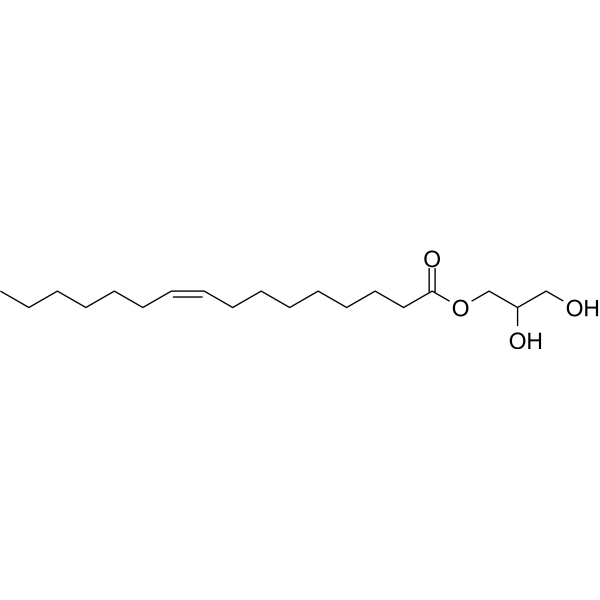
Glyceryl palmitoleate
|
Biochemical Assay Reagents
|
Others
|
|
1-Palmitoleoyl glycerol is a biologically active monoacylglycerol. It increases daunomycin accumulation, shown to inhibit P-glycoprotein in Caco-2 cells. 1-Palmitoleoyl glycerol induces thymocyte apoptosis.
|
-
-
- HY-N7845
-
|
2,3-Dihydroxypropyl hexacosanoate
|
Others
|
Others
|
|
Glyceryl hexacosanoate (2,3-Dihydroxypropyl hexacosanoate) is a monoglyceride that can be isolated from the lipophilic extractives of Triticum aestivum straw .
|
-
-
- HY-B0264S1
-
|
|
Isotope-Labeled Compounds
|
Neurological Disease
Inflammation/Immunology
|
|
Guaifenesin-d5 is the deuterium labeled Guaifenesin. Guaifenesin (Guaiacol glyceryl ether), a constituent of guaiac resin from the wood of Guajacum officinale Linné, is an expectorant. Guaifenesin can alleviate cough discomfortby increasing sputum volume and decreasing its viscosity, thereby promoting effective cough. Guaifenesin also has narcotic effect .
|
-
-
- HY-B1804S1
-
|
Trioctanoin-d50; Glyceryl trioctanoate-d50
|
Isotope-Labeled Compounds
Endogenous Metabolite
|
Neurological Disease
Inflammation/Immunology
|
|
Tricaprilin-d50 (Trioctanoin-d50) is the deuterium labeled Tricaprilin (HY-B1804). Tricaprilin is an orally active and well tolerated ketogenic agent that safely induces ketosis. Tricaprilin restores brain electrical activity and metabolism to help counteract neuroinflammation in migraine. Tricaprilin is promising for research of migraine prevention and Alzheimer’s disease (AD). Tricaprilin is a pure C8 medium chain triglyceride (MCT) .
|
-
-
- HY-B1804S2
-
|
Trioctanoin-d15; Glyceryl trioctanoate-d15
|
Isotope-Labeled Compounds
Endogenous Metabolite
|
Neurological Disease
Inflammation/Immunology
|
|
Tricaprilin-d15 (Trioctanoin-d15) is the deuterium labeled Tricaprilin (HY-B1804). Tricaprilin is an orally active and well tolerated ketogenic agent that safely induces ketosis. Tricaprilin restores brain electrical activity and metabolism to help counteract neuroinflammation in migraine. Tricaprilin is promising for research of migraine prevention and Alzheimer’s disease (AD). Tricaprilin is a pure C8 medium chain triglyceride (MCT) .
|
-
-
- HY-159802
-
|
|
Adrenergic Receptor
|
Endocrinology
|
|
Tolamolol is a selective beta-adrenergic antagonist with significant activity in reducing exercise-induced ST-segment depression. Tolamolol is clinically equivalent to propranolol in suppressing angina and exhibits greater cardiac selectivity. Tolamolol is effective in reducing the frequency of angina attacks and the amount of glyceryl trinitrate used. Tolamolol is effective in lowering blood pressure and has a positive effect on increasing the amount of exercise that can be performed before angina attacks. The use of Tolamolol also helps improve the suppression of arrhythmias .
|
-
-
- HY-B0896S1
-
|
Glyceryl triacetate-d5; 1,2,3-Triacetoxypropane-d5
|
Isotope-Labeled Compounds
Fungal
Endogenous Metabolite
|
Others
|
|
Triacetin-d5 is the deuterium labeled Triacetin. Triacetin is an artificial chemical compound, is the triester of glycerol and acetic acid, and is the second simplest fat after triformin.
|
-
-
- HY-128792S
-
|
Glyceryl 1,3-dipalmitate-d6; 1,3-Dipalmitoyl-glycerol-d6; Glycerol 1,3-Dipalmitate-d62
|
Isotope-Labeled Compounds
Biochemical Assay Reagents
|
Others
|
|
1,3-Dipalmitin-d6 (1,3-Dipalmitoylglycerol-d6) is deuterium labeled 1,3-Dipalmitin (HY-128792). 1,3-Dipalmitin (1,3-Dipalmitoylglycerol) is a diacylglycerol compound that can be found in the tuberous roots of Typhonium giganteum Engl. 1,3-Dipalmitin acts as an adsorption inhibitor for 1,3-diglycerides and β-carotene .
|
-
- HY-W745574
-
-
- HY-W717626
-
-
- HY-W012444S
-
|
|
Isotope-Labeled Compounds
Antibiotic
Fungal
|
Infection
|
|
Glyceryl 1-monooctanoate-d15 is the deuterium labeled Glyceryl 1-monooctanoate (HY-W012444). Glyceryl 1-monooctanoate is a glycerol monolaurate derivative. Glyceryl 1-monooctanoate is a broad-spectrum antimicrobial, suppresses the growth of pathogenic yeast (Candida albicans and Candida parapsilosis), as well as Gram-positive (Staphylococcus aureus) and Gram-negative (Escherichia coli, Klebsiella pneumoniae) bacteria .
|
-
- HY-W704402
-
|
|
Isotope-Labeled Compounds
Antibiotic
Fungal
|
Infection
|
|
Glyceryl 1-monooctanoate-d5 is the deuterium labeled Glyceryl 1-monooctanoate (HY-W012444). Glyceryl 1-monooctanoate is a glycerol monolaurate derivative. Glyceryl 1-monooctanoate is a broad-spectrum antimicrobial, suppresses the growth of pathogenic yeast (Candida albicans and Candida parapsilosis), as well as Gram-positive (Staphylococcus aureus) and Gram-negative (Escherichia coli, Klebsiella pneumoniae) bacteria .
|
-
- HY-115702
-
|
(Rac)-PAF (C16)
|
Endogenous Metabolite
Platelet-activating Factor Receptor (PAFR)
|
Inflammation/Immunology
|
|
1-Palmityl-2-O-acetyl-3-glyceryl phosphorylcholine ((Rac)-PAF (C16)) is an endogenous inflammatory lipid mediator. 1-Palmityl-2-O-acetyl-3-glyceryl phosphorylcholine acts as a high-affinity agonist for PAFR (GPCR), inducing platelet aggregation, vascular permeability, and leukocyte chemotaxis at extremely low concentrations. 1-Palmityl-2-O-acetyl-3-glyceryl phosphorylcholine exerts its effects via cell surface receptors to regulate inflammation .
|
-
- HY-W009141S
-
|
Glyceryl palmitate-d31
|
Isotope-Labeled Compounds
P-glycoprotein
PI3K
Apoptosis
Caspase
IAP
Akt
|
Cancer
|
|
1-Monopalmitin-d31 (Glyceryl palmitate-d31) is the deuterium labeled 1-Monopalmitin (HY-W009141). 1-Monopalmitin (Glyceryl palmitate) is an activator of the PI3K/Akt pathway and an inhibitor of P-glycoprotein (P-gp). 1-Monopalmitin can induce G2/M arrest and caspase-dependent apoptosis in cancer cells, while inhibiting IAPs protein expression. 1-Monopalmitin can increase drug accumulation by inhibiting P-gp activity in intestinal Caco-2 cells. 1-Monopalmitin has the ability to induce protective autophagy and apoptosis of lung cancer cells (IC50=50-58 μg/mL), with low toxicity to normal cells .
|
-
- HY-172633
-
|
15-Deoxy-Δ12,14-PGJ2 serinol amide
|
Drug Derivative
|
Others
|
|
15-Deoxy-Δ12,14-prostaglandin J2 serinol amide (15-Deoxy-Δ12,14-PGJ2 serinol amide) is a derivative of 15-deoxy-Δ12,14-PGJ2-2-glyceryl ester .
|
-
- HY-151993S
-
-
- HY-W482407
-
|
(S)-2,3-Bis(hexadecyloxy)propan-1-ol
|
Biochemical Assay Reagents
|
Metabolic Disease
|
|
1,2-O-Dihexadecyl-sn-glycerol ((S)-2,3-Bis(hexadecyloxy)propan-1-ol) is a saturated dialkyl glyceryl ether with hexadecyl groups at the sn-1 and sn-2 positions that mimics the structure of diacylglycerol.
|
-
- HY-Y1039R
-
|
1-Monostearin (Standard); 2,3-Dihydroxypropyl stearate (Standard)
|
Biochemical Assay Reagents
Reference Standards
|
Others
|
|
1-Stearoyl-rac-glycerol (Standard) is the analytical standard of 1-Stearoyl-rac-glycerol. This product is intended for research and analytical applications. Stearic acid 1-monoglyceride is an ester composed of stearic acid and glycerin, commonly known as glyceryl monostearate. 1-Monoglyceride stearate has unique chemical properties that make it an important ingredient in a variety of industrial processes, including food production, cosmetics, and pharmaceuticals. It acts as an emulsifier, stabilizer and thickener in these products, enhancing their texture and shelf life.
|
-
| Cat. No. |
Product Name |
Type |
-
- HY-Y1039
-
|
1-Monostearin; 2,3-Dihydroxypropyl stearate
|
Biochemical Assay Reagents
|
|
Stearic acid 1-monoglyceride is an ester composed of stearic acid and glycerin, commonly known as glyceryl monostearate. 1-Monoglyceride stearate has unique chemical properties that make it an important ingredient in a variety of industrial processes, including food production, cosmetics, and pharmaceuticals. It acts as an emulsifier, stabilizer and thickener in these products, enhancing their texture and shelf life.
|
-
- HY-W127588
-
|
Glyceryl 1,3-dimyristate
|
Biochemical Assay Reagents
|
|
1,3-Dimyristoyl-glycerol is a biochemical reagent that can be used as a biological material or organic compound for life science related research.
|
-
- HY-W127357
-
|
|
Biochemical Assay Reagents
|
|
Glyceryl trinonanoate is a triacylglycerol containing nonanoic acid at the sn-1, sn-2 and sn-3 positions. It has been found in Schizochytrium biomass. 1 1,2,3-Trinonanoyl-rac-glycerol increases blood levels of the ketone body D-(-)-3-hydroxybutyrate in neonatal rhesus monkeys. 2|1. Mioso, R., Toledo Marante, FJ, González, JE, et al. Schizochytrium sp. metabolite analysis. Oleaginous microbial sources of biodiesel by GC-MS. braz. J. Microbiology. 45(2), 403-409 (2014).|2. Tetrick, MA, Greer, FR and Benevenga, NJ Blood D- ( )-3-Hydroxybutyric acid concentration. Compare. medicine. 60(6), 486-490 (2010).
|
-
- HY-105544
-
|
Glyceryl tribehenate; Glyceryl tridocosanoate
|
Biochemical Assay Reagents
|
|
Tribehenin is a biochemical reagent that can be used as a biological material or organic compound for life science related research.
|
-
- HY-W923154
-
|
1,2,3-Trinonadecanoyl glycerol
|
Biochemical Assay Reagents
|
|
Glyceryl trinonadecanoate (1,2,3-Trinonadecanoyl glycerol) is a biochemical assay reagent.
|
-
- HY-W127733
-
|
2-O-(2,3-Dihydroxypropyl)-L-ascorbic Acid
|
Biochemical Assay Reagents
|
|
Glyceryl Ascorbate is a biochemical reagent that can be used as a biological material or organic compound for life science related research.
|
-
- HY-133948
-
|
Glyceryl palmitoleate
|
Biochemical Assay Reagents
|
|
1-Palmitoleoyl glycerol is a biologically active monoacylglycerol. It increases daunomycin accumulation, shown to inhibit P-glycoprotein in Caco-2 cells. 1-Palmitoleoyl glycerol induces thymocyte apoptosis.
|
-
- HY-Y1039R
-
|
1-Monostearin (Standard); 2,3-Dihydroxypropyl stearate (Standard)
|
Biochemical Assay Reagents
|
|
1-Stearoyl-rac-glycerol (Standard) is the analytical standard of 1-Stearoyl-rac-glycerol. This product is intended for research and analytical applications. Stearic acid 1-monoglyceride is an ester composed of stearic acid and glycerin, commonly known as glyceryl monostearate. 1-Monoglyceride stearate has unique chemical properties that make it an important ingredient in a variety of industrial processes, including food production, cosmetics, and pharmaceuticals. It acts as an emulsifier, stabilizer and thickener in these products, enhancing their texture and shelf life.
|
| Cat. No. |
Product Name |
Category |
Target |
Chemical Structure |
-
- HY-B0264
-
-
-
- HY-B0896
-
-
-
- HY-W009141
-
|
Glyceryl palmitate
|
Plants
Source Classification
|
P-glycoprotein
IAP
PI3K
Akt
Caspase
Apoptosis
|
|
1-Monopalmitin (Glyceryl palmitate) is an activator of the PI3K/Akt pathway and an inhibitor of P-glycoprotein (P-gp). 1-Monopalmitin can induce G2/M arrest and caspase-dependent apoptosis in cancer cells, while inhibiting IAPs protein expression. 1-Monopalmitin can increase drug accumulation by inhibiting P-gp activity in intestinal Caco-2 cells. 1-Monopalmitin has the ability to induce protective autophagy and apoptosis of lung cancer cells (IC50=50-58 μg/mL), with low toxicity to normal cells .
|
-
-
- HY-N6660
-
|
Tricaprin; Glyceryl tridecanoate
|
Ketones, Aldehydes, Acids
umbellularia californica
Metabolic Disease
Plants
Lauraceae
Disease Research Fields
Source Classification
|
Endogenous Metabolite
Androgen Receptor
|
|
Trisdecanoin (Tricaprin; Glyceryl tridecanoate) is an orally available precursor of decanoic acid (DA precursor) that can be hydrolyzed to decanoic acid. Trisdecanoin and its metabolite capric acid not only provide the body with a quick source of energy, but can also affect lipid metabolism. Trisdecanoin is a major component of medium chain triglycerides (MCT), which has preventive or inhibitory properties for abdominal aortic aneurysms (AAA), inhibition of cardiovascular disease, and anti-androgen (NSAA) and anti-hyperglycemic properties. Trisdecanoin can be used as an additive in food, medicine and cosmetics .
|
-
-
- HY-B1804
-
-
-
- HY-152899
-
-
-
- HY-W337335
-
-
-
- HY-B0264R
-
-
-
- HY-126967A
-
-
-
- HY-B0896R
-
-
-
- HY-N6660R
-
|
Tricaprin (Standard); Glyceryl tridecanoate (Standard)
|
Ketones, Aldehydes, Acids
umbellularia californica
Plants
Lauraceae
Source Classification
|
Reference Standards
Endogenous Metabolite
Androgen Receptor
|
|
Trisdecanoin (Standard) is the analytical standard of Trisdecanoin. This product is intended for research and analytical applications. Trisdecanoin (Tricaprin; Glyceryl tridecanoate) is an orally available precursor of decanoic acid (DA precursor) that can be hydrolyzed to decanoic acid. Trisdecanoin and its metabolite capric acid not only provide the body with a quick source of energy, but can also affect lipid metabolism. Trisdecanoin is a major component of medium chain triglycerides (MCT), which has preventive or inhibitory properties for abdominal aortic aneurysms (AAA), inhibition of cardiovascular disease, and anti-androgen (NSAA) and anti-hyperglycemic properties. Trisdecanoin can be used as an additive in food, medicine and cosmetics .
|
-
-
- HY-W009141R
-
|
Glyceryl palmitate (Standard)
|
Plants
Source Classification
|
Reference Standards
Apoptosis
P-glycoprotein
PI3K
IAP
Caspase
Akt
|
|
1-Monopalmitin (Glyceryl palmitate) (Standard) is the analytical standard of 1-Monopalmitin (HY-W009141). This product is intended for research and analytical applications. 1-Monopalmitin (Glyceryl palmitate) is an activator of the PI3K/Akt pathway and an inhibitor of P-glycoprotein (P-gp). 1-Monopalmitin can induce G2/M arrest and caspase-dependent apoptosis in cancer cells, while inhibiting IAPs protein expression. 1-Monopalmitin can increase drug accumulation by inhibiting P-gp activity in intestinal Caco-2 cells. 1-Monopalmitin has the ability to induce protective autophagy and apoptosis of lung cancer cells (IC50=50-58 μg/mL), with low toxicity to normal cells .
|
-
-
- HY-N7845
-
-
| Cat. No. |
Product Name |
Chemical Structure |
-
- HY-B1804S
-
|
|
|
Tricaprilin- 13C3 (Trioctanoin- 13C3) is a 13C-labeled Tricaprilin (HY-B1804) . Tricaprilin is an orally active and well tolerated ketogenic agent that safely induces ketosis. Tricaprilin restores brain electrical activity and metabolism to help counteract neuroinflammation in migraine. Tricaprilin is promising for research of migraine prevention and Alzheimer’s disease (AD). Tricaprilin is a pure C8 medium chain triglyceride (MCT) .
|
-
-
- HY-114695S
-
|
|
|
Prostaglandin F2α-1-glyceryl ester-d5 is the deuterium labeled Prostaglandin F2α-1-glyceryl ester .
|
-
-
- HY-W704076
-
|
|
|
Glyceryl monostearate-d5 (GMS-d5) is deuterium labeled Glyceryl monostearate. Glyceryl monostearate (GMS) is a single-tailed lipidic monoglyceride that can be used to synthesize nanoliposomes for drug delivery .
|
-
-
- HY-114826S
-
|
|
Prostaglandin E2-1-glyceryl ester-d5 (PGE2-1-glyceyl ester-d5) is deuterium labeled Prostaglandin E2-1-glyceryl ester. Prostaglandin E2-1-glyceryl ester, a Prostaglandin Glycerol Ester, is an endocannabinoid ligand for the CB1 receptor. Prostaglandin E2-1-glyceryl ester induces rapid, transient elevation of intracellular free Ca 2+ .
|
-
-
- HY-115702S
-
|
|
|
1-Palmityl-2-O-acetyl-3-glyceryl phosphorylcholine-d4 is the deuterium labeled 1-Palmityl-2-O-acetyl-3-glyceryl phosphorylcholine .
|
-
-
- HY-B0896S2
-
|
|
|
Glyceryl Triacetate-d9 is the deuterium labeled Triacetin . Triacetin is an artificial chemical compound, is the triester of glycerol and acetic acid, and is the second simplest fat after triformin.
|
-
-
- HY-B0264S
-
|
|
|
Guaifenesin-d3 is the deuterium labeled Guaifenesin. Guaifenesin (Guaiacol glyceryl ether), a constituent of guaiac resin from the wood of Guajacum officinale Linné, is an expectorant. Guaifenesin can alleviate cough discomfortby increasing sputum volume and decreasing its viscosity, thereby promoting effective cough .
|
-
-
- HY-B0264S1
-
|
|
|
Guaifenesin-d5 is the deuterium labeled Guaifenesin. Guaifenesin (Guaiacol glyceryl ether), a constituent of guaiac resin from the wood of Guajacum officinale Linné, is an expectorant. Guaifenesin can alleviate cough discomfortby increasing sputum volume and decreasing its viscosity, thereby promoting effective cough. Guaifenesin also has narcotic effect .
|
-
-
- HY-B1804S1
-
|
|
|
Tricaprilin-d50 (Trioctanoin-d50) is the deuterium labeled Tricaprilin (HY-B1804). Tricaprilin is an orally active and well tolerated ketogenic agent that safely induces ketosis. Tricaprilin restores brain electrical activity and metabolism to help counteract neuroinflammation in migraine. Tricaprilin is promising for research of migraine prevention and Alzheimer’s disease (AD). Tricaprilin is a pure C8 medium chain triglyceride (MCT) .
|
-
-
- HY-B1804S2
-
|
|
|
Tricaprilin-d15 (Trioctanoin-d15) is the deuterium labeled Tricaprilin (HY-B1804). Tricaprilin is an orally active and well tolerated ketogenic agent that safely induces ketosis. Tricaprilin restores brain electrical activity and metabolism to help counteract neuroinflammation in migraine. Tricaprilin is promising for research of migraine prevention and Alzheimer’s disease (AD). Tricaprilin is a pure C8 medium chain triglyceride (MCT) .
|
-
-
- HY-B0896S1
-
|
|
|
Triacetin-d5 is the deuterium labeled Triacetin. Triacetin is an artificial chemical compound, is the triester of glycerol and acetic acid, and is the second simplest fat after triformin.
|
-
-
- HY-128792S
-
|
|
|
1,3-Dipalmitin-d6 (1,3-Dipalmitoylglycerol-d6) is deuterium labeled 1,3-Dipalmitin (HY-128792). 1,3-Dipalmitin (1,3-Dipalmitoylglycerol) is a diacylglycerol compound that can be found in the tuberous roots of Typhonium giganteum Engl. 1,3-Dipalmitin acts as an adsorption inhibitor for 1,3-diglycerides and β-carotene .
|
-
-
- HY-W012444S
-
|
|
|
Glyceryl 1-monooctanoate-d15 is the deuterium labeled Glyceryl 1-monooctanoate (HY-W012444). Glyceryl 1-monooctanoate is a glycerol monolaurate derivative. Glyceryl 1-monooctanoate is a broad-spectrum antimicrobial, suppresses the growth of pathogenic yeast (Candida albicans and Candida parapsilosis), as well as Gram-positive (Staphylococcus aureus) and Gram-negative (Escherichia coli, Klebsiella pneumoniae) bacteria .
|
-
-
- HY-W704402
-
|
|
|
Glyceryl 1-monooctanoate-d5 is the deuterium labeled Glyceryl 1-monooctanoate (HY-W012444). Glyceryl 1-monooctanoate is a glycerol monolaurate derivative. Glyceryl 1-monooctanoate is a broad-spectrum antimicrobial, suppresses the growth of pathogenic yeast (Candida albicans and Candida parapsilosis), as well as Gram-positive (Staphylococcus aureus) and Gram-negative (Escherichia coli, Klebsiella pneumoniae) bacteria .
|
-
-
- HY-W009141S
-
|
|
|
1-Monopalmitin-d31 (Glyceryl palmitate-d31) is the deuterium labeled 1-Monopalmitin (HY-W009141). 1-Monopalmitin (Glyceryl palmitate) is an activator of the PI3K/Akt pathway and an inhibitor of P-glycoprotein (P-gp). 1-Monopalmitin can induce G2/M arrest and caspase-dependent apoptosis in cancer cells, while inhibiting IAPs protein expression. 1-Monopalmitin can increase drug accumulation by inhibiting P-gp activity in intestinal Caco-2 cells. 1-Monopalmitin has the ability to induce protective autophagy and apoptosis of lung cancer cells (IC50=50-58 μg/mL), with low toxicity to normal cells .
|
-
-
- HY-151993S
-
|
|
|
2-Hydroxypropane-1,3-diyl distearate-d75 is deuterium labeled Glyceryl 1,3-distearate .
|
-
| Cat. No. |
Product Name |
|
Classification |
-
- HY-151226
-
|
GMS
|
|
Phospholipids
|
|
Glyceryl monostearate (GMS) is a type of monoglyceride. Glyceryl monostearateGlyceryl monostearate can serve as a core lipid material for constructing solid lipid nanoparticles in the field of drug delivery. Glyceryl monostearate can be used as a gelling agent to structure liquid vegetable oils into semi-solid oleogels, so as to replace animal fat in meat products .
|
Your information is safe with us. * Required Fields.
Inquiry Information
- Product Name:
- Cat. No.:
- Quantity:
- MCE Japan Authorized Agent:

