142 Results for "

HCL

" in MedChemExpress (MCE) Product Catalog:
Products (142)

142 Results for "HCL" in MCE Product Catalog:

494
494 Publications Verification
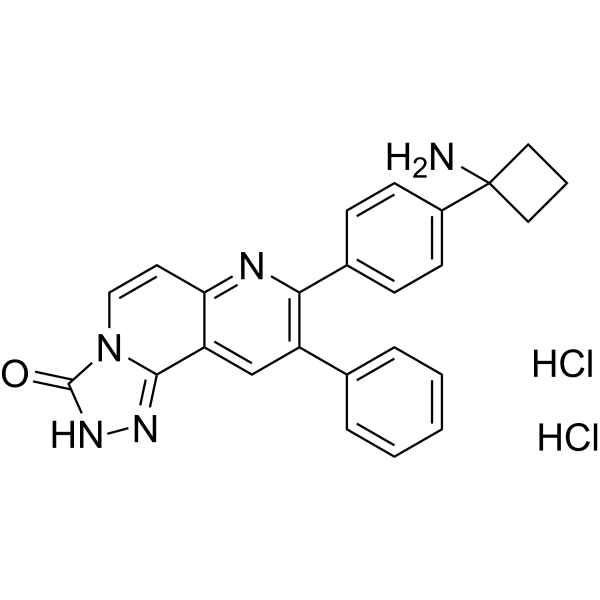
Cat. No.: HY-10358
CAS No.: 1032350-13-2
Purity:  99.94%
Synonyms: MK-2206 (2HCL)
MK-2206 dihydrochloride (MK-2206 2HCl) is an orally active pan-AKT inhibitor, with IC50 values of 8 nM, 12 nM and 65 nM against AKT1, AKT2 and AKT3, respectively. MK-2206 dihydrochloride inhibits the Akt/mTOR signaling pathway and reduces the levels of downstream GSK3β and Mcl-1 via proteasomal degradation. MK-2206 dihydrochloride induces G1-phase cell cycle arrest, apoptosis, epithelial-mesenchymal transition, fibroblast activation and extracellular matrix deposition. MK-2206 dihydrochloride causes transient hyperglycemia and hyperinsulinemia in animals. MK-2206 dihydrochloride can be used in research related to solid tumors, renal fibrosis and hypercholesterolemia .
loading...
    loading...
43
43 Cited Publications
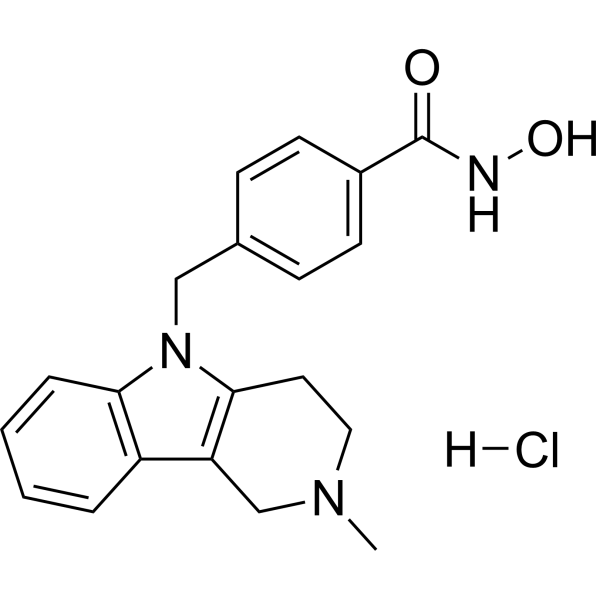
Cat. No.: HY-13271
CAS No.: 1310693-92-5
Purity:  99.29%
Synonyms: Tubastatin A HCL; TSA HCL
Research Areas:  

Cancer

Tubastatin A Hydrochloride (Tubastatin A HCl) is a potent and selective HDAC6 inhibitor with IC50 of 15 nM in a cell-free assay, and is selective (1000-fold more) against all other isozymes except HDAC8 (57-fold more). Tubastatin A Hydrochloride also inhibits HDAC10 and metallo-β-lactamase domain-containing protein 2 (MBLAC2).
loading...
    loading...
6
6 Cited Publications
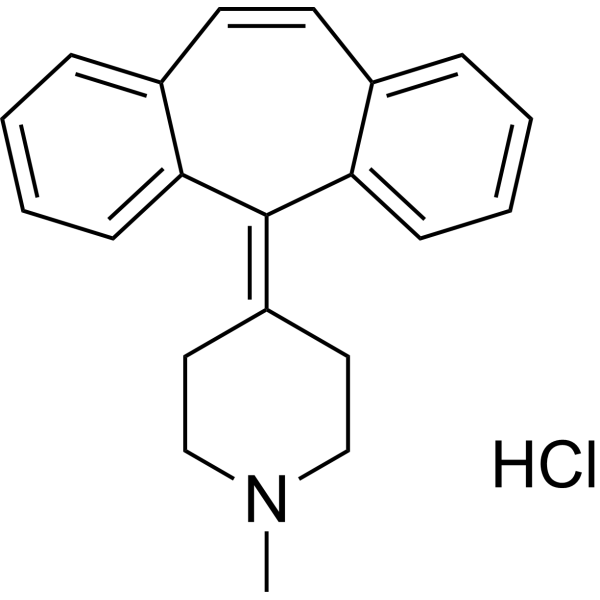
Cat. No.: HY-B0366A
CAS No.: 969-33-5
Synonyms: Cyproheptadine HCL
Cyproheptadine hydrochloride (Cyproheptadine HCl) acts as a p38 MAP kinase activator, CHK2 activator, histamine H1 receptor inhibitor and serotonin receptor inhibitor. Cyproheptadine hydrochloride mediates cell cycle arrest via G1 phase arrest, G1/S transition arrest, G0/G1 phase arrest, reduced expression of cyclins D1/D2/D3, upregulated expression of HBP1, p16, p21, p27, and decreased phosphorylation of retinoblastoma protein. Cyproheptadine hydrochloride induces Apoptosis by increasing PARP and cleaved PARP, as well as activating the mitochondrial caspase pathway. Cyproheptadine hydrochloride inhibits tumor growth with extremely low toxicity to normal cells. Cyproheptadine hydrochloride can be used in research related to hepatocellular carcinoma, multiple myeloma and acute myeloid leukemia .
loading...
    loading...
6
6 Cited Publications
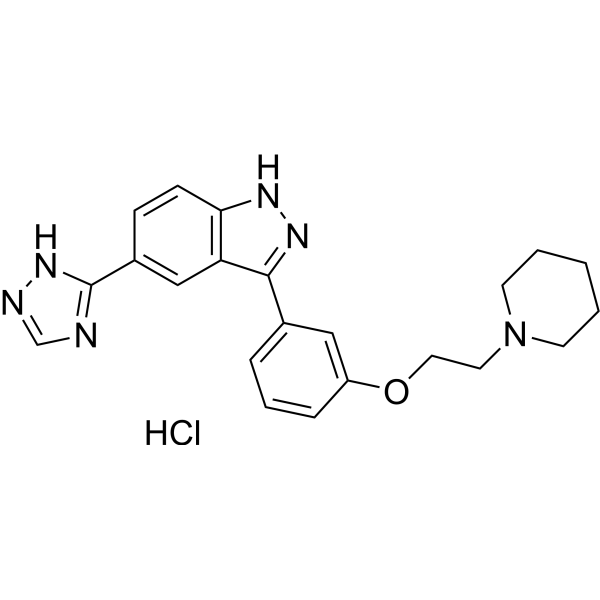
Cat. No.: HY-13022
CAS No.: 1438391-30-0
Purity:  99.35%
Synonyms: CC401 HCL
Target:  

JNK

Research Areas:  

Cancer

CC-401 hydrochloride is a potent inhibitor of all three forms of JNK with Ki of 25 to 50 nM.
loading...
    loading...
4
4 Cited Publications
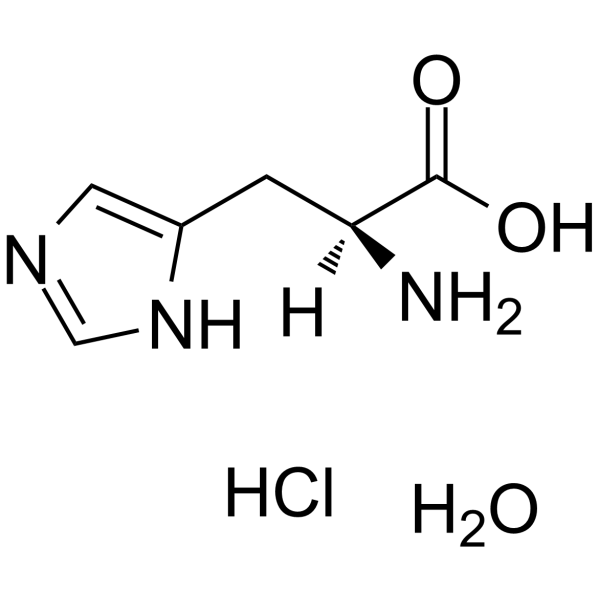
Cat. No.: HY-W014423
CAS No.: 5934-29-2
Synonyms: H-His-OH.HCL.H2O
L-Histidine hydrochloride hydrate is an endogenous metabolite. L-Histidine hydrochloride hydrate scavenges hydroxyl radicals and singlet oxygen, regulate the absorption of zinc, copper and iron, exhibits anti-inflammatory and antioxidant activities. L-Histidine hydrochloride hydrate is blood brain barrier penetrable .
loading...
    loading...
3
3 Cited Publications
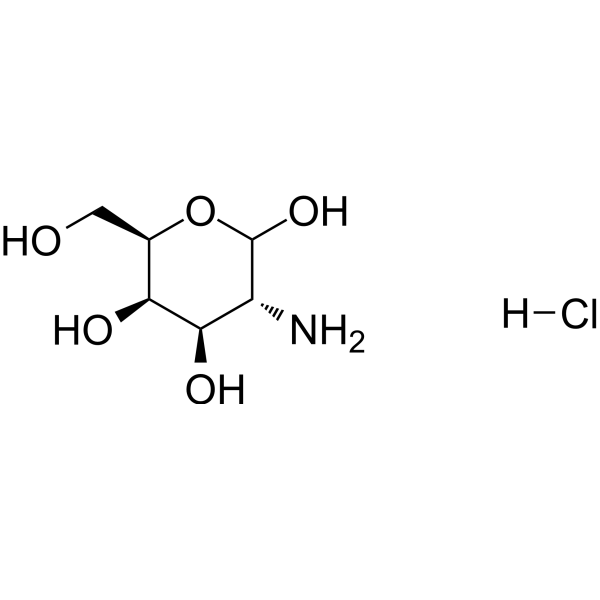
Cat. No.: HY-42682
CAS No.: 1772-03-8
Synonyms: D-Galactosamine HCL
D(+)-Galactosamine (D-Galactosamine) hydrochloride, which is an established experimental toxin, primarily causes liver injury by the generation of free radicals and depletion of UTP nucleotides. D(+)-Galactosamine hydrochloride intoxication also induces renal dysfunction thus, renal failure is often associated with the end-stage of the liver damage. Lipopolysaccharide/D(+)-Galactosamine-induced acute liver injury is a known animal model of fulminant hepatic failure .
loading...
    loading...
3
3 Cited Publications
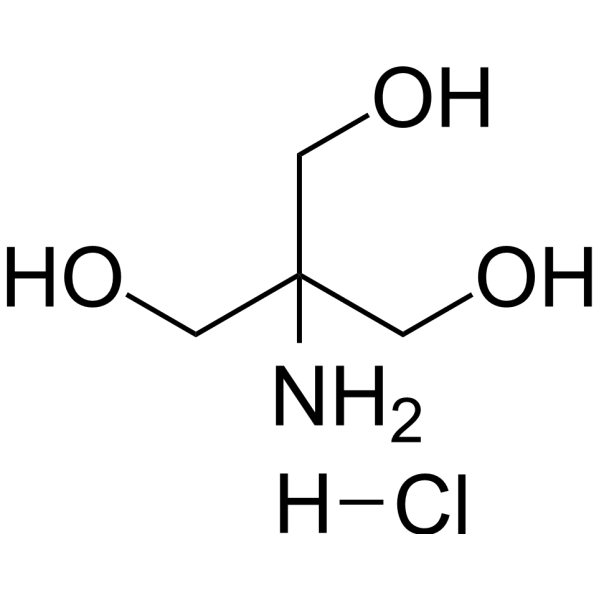
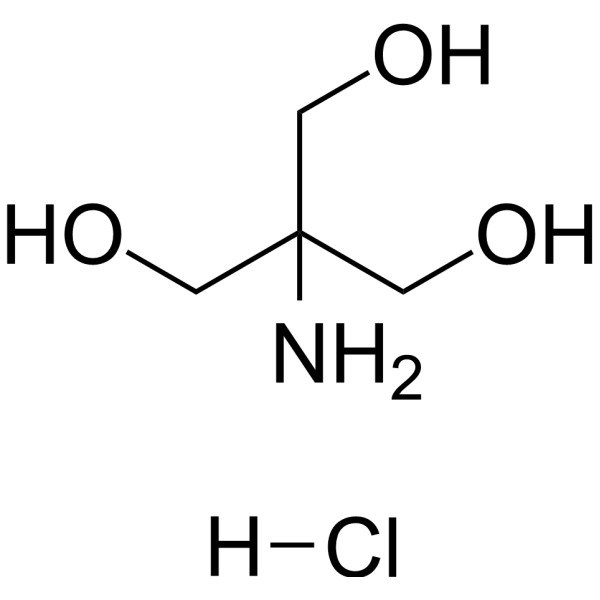
Cat. No.: HY-D0227A
CAS No.: 1185-53-1
Synonyms: Tris HCL; Tris(hydroxymethyl)aminomethane hydrochloride
Research Areas:  

Metabolic Disease Cancer

THAM hydrochloride (Tris HCl) is a biologically inert amino alcohol of low toxicity, which buffers carbon dioxide and acids in vitro and in vivo. THAM hydrochloride is an effective amine compound for pH control in the physiological range .
loading...
    loading...
2
2 Cited Publications
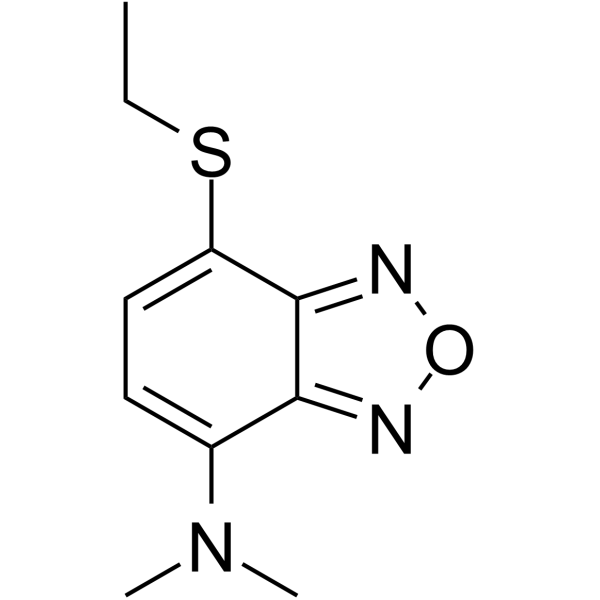
Cat. No.: HY-D1265
CAS No.: 2929446-76-2
Synonyms: HCLO-green
EtS-DMAB (HClO-green) is a fluorescent probe, which can selectively detect hypochlorous acid (HOCl) (λex=440 nm, λem=610 nm). EtS-DMAB is applied to image exogenous and endogenous HOCl in live cells .
loading...
    loading...
2
2 Cited Publications
Cat. No.: HY-D0227F
CAS No.: 1185-53-1
Synonyms: Tris HCL (≥99%, reagent grade); Tris hydrochloride (≥99%, reagent grade)
THAM hydrochloride (≥99%, reagent grade), also known as Tris-HCl, is a buffer commonly used in various biochemical and molecular biology applications to maintain a stable pH environment. Tris-HCl has unique chemical properties that allow it to resist changes in pH when acidic or basic substances are added, which makes it useful for stabilizing biological samples or reagents. It is commonly used in electrophoresis and protein purification procedures.
loading...
    loading...
2
2 Cited Publications
Cat. No.: HY-D0227J
CAS No.: 1185-53-1
Synonyms: Tris HCL (≥99%, for cell culture); Tris hydrochloride (≥99%, for cell culture)
THAM hydrochloride (≥99%, for cell culture) is a low-toxicity amino alcohol buffer, a specific CO2-consuming proton acceptor that buffers carbon dioxide and acid both in vitro and in vivo. THAM hydrochloride (≥99%, for cell culture) binds protons to form bicarbonate, reduces PaCO2, and induces intracellular alkalization, thereby ameliorating hypercapnia-induced elevation of pulmonary blood vessels and pulmonary arterial pressure. THAM hydrochloride (≥99%, for cell culture) may cause PaCO2 rebound, hypoglycemia, and respiratory depression. THAM hydrochloride (≥99%, for cell culture) removes amniotic epithelium and preserves the basement membrane, but depletes extracellular matrix and reduces the adhesion rate of limbal epithelial cells. THAM hydrochloride (≥99%, for cell culture) can act as a CO2 carrier to enhance the productivity and carbon utilization rate of Scenedesmus obliquus. THAM hydrochloride (≥99%, for cell culture) is a key component of buffer solutions used in various biological, cell culture, biochemical, and molecular biology applications .
loading...
    loading...
1
1 Cited Publications
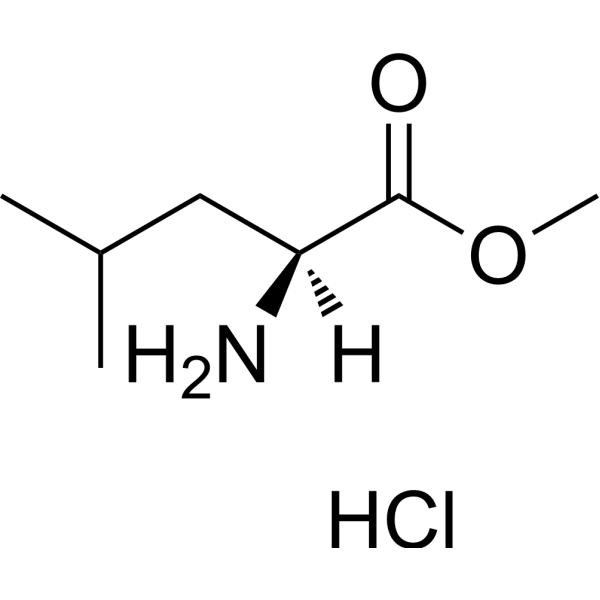
Cat. No.: HY-W016427
CAS No.: 7517-19-3
Research Areas:  

Others

H-Leu-OMe.HCl is a leucine derivative .
loading...
    loading...
1
1 Cited Publications
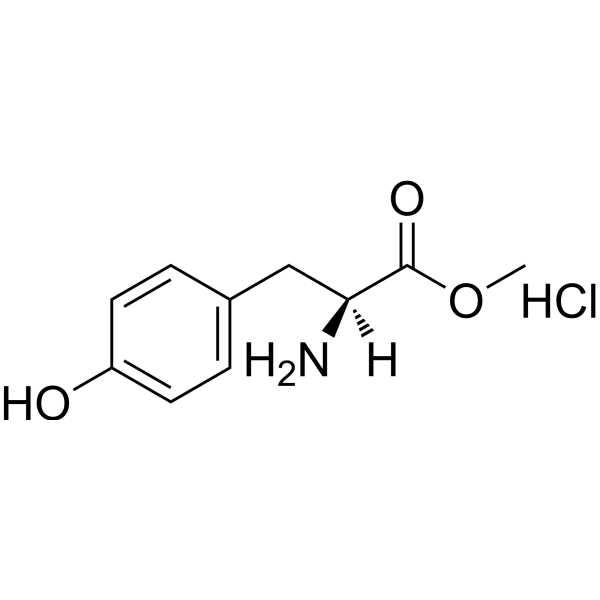
Cat. No.: HY-W012228
CAS No.: 3417-91-2
Research Areas:  

Others

H-Tyr-OMe.HCl is an amino acid derivative and also a coordinating ligand for Cu II ions. H-Tyr-OMe.HCl can serve as a surface functionalization reagent for carbon dots, and is used to prepare fluorescent probes for biothiol sensing. H-Tyr-OMe.HCl is oxidized to quinone under the catalysis of Tyrosinase via its phenolic hydroxyl group, which quenches the fluorescence of carbon dots. H-Tyr-OMe.HCl contains potential coordination sites, including carboxyl, amino and phenolic hydroxyl groups .
loading...
    loading...
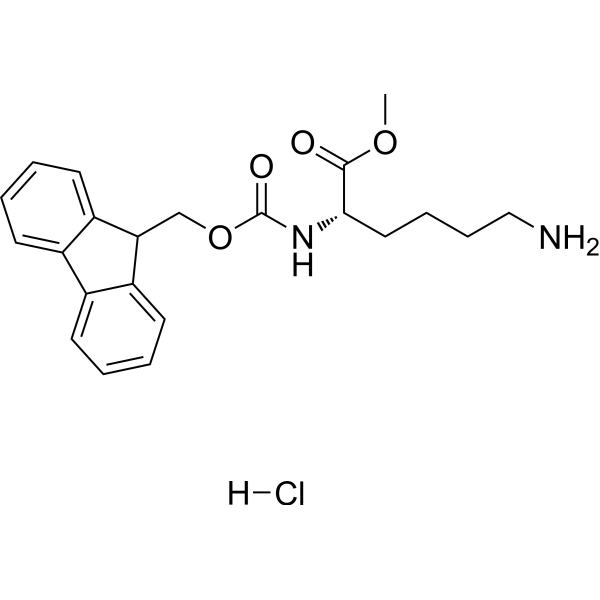
Cat. No.: HY-W019028
CAS No.: 847658-45-1
Research Areas:  

Others

Fmoc-Lys-OMe.HCl is a lysine derivative .
loading...
    loading...
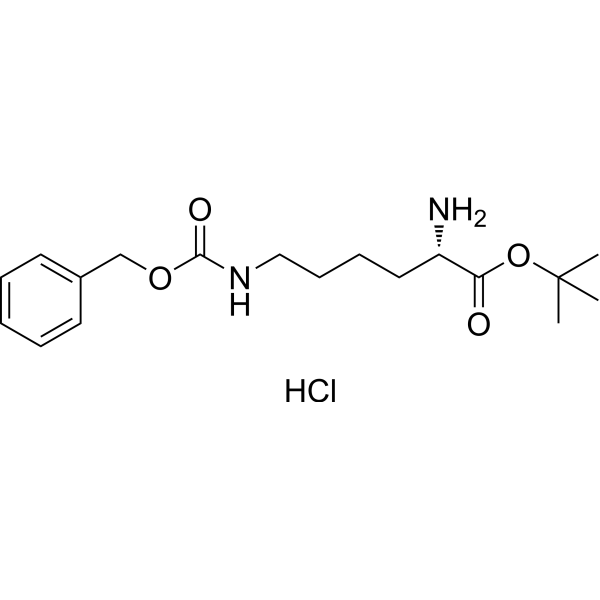
Cat. No.: HY-W008029
CAS No.: 5978-22-3
Research Areas:  

Others

H-Lys(Z)-OtBu.HCl is a lysine derivative .
loading...
    loading...
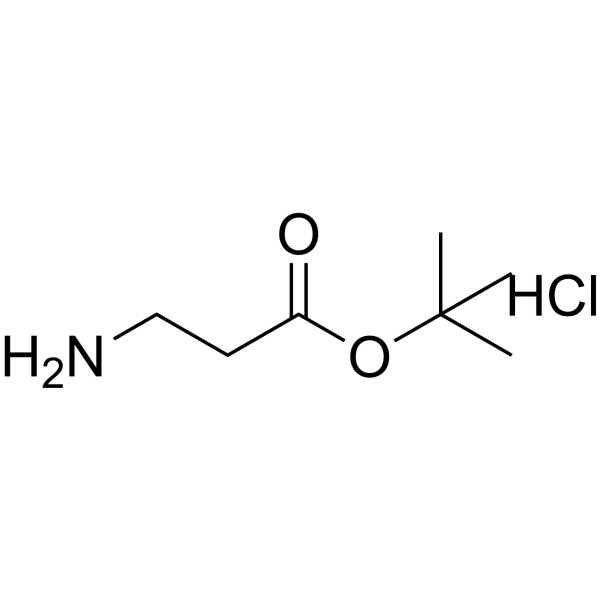
Cat. No.: HY-W007578
CAS No.: 58620-93-2
Research Areas:  

Others

H-β-Ala-OtBu.HCl is an alanine derivative .
loading...
    loading...
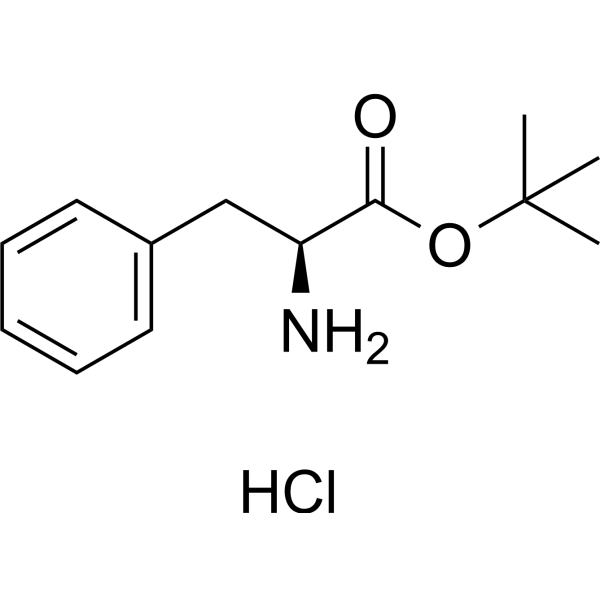
Cat. No.: HY-W011830
CAS No.: 15100-75-1
Research Areas:  

Others

H-Phe-OtBu.HCl is a phenylalanine derivative .
loading...
    loading...
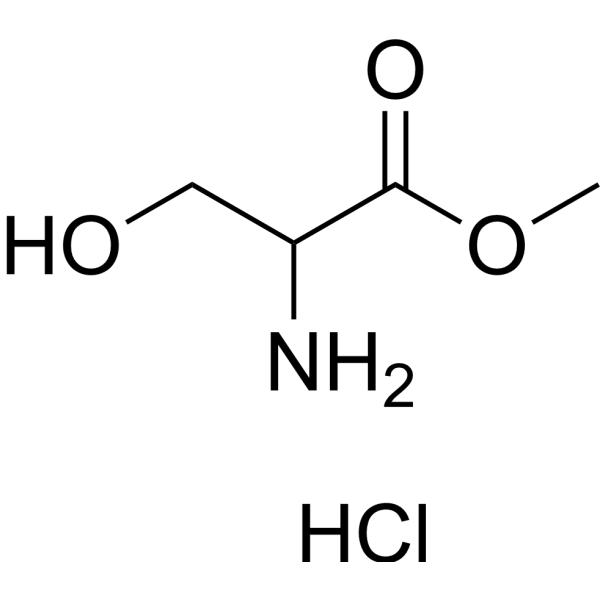
Cat. No.: HY-W013622
CAS No.: 5619-04-5
Research Areas:  

Others

H-DL-Ser-OMe.HCl is a serine derivative .
loading...
    loading...
Cat. No.: HY-W007020
CAS No.: 815619-80-8
Research Areas:  

Others

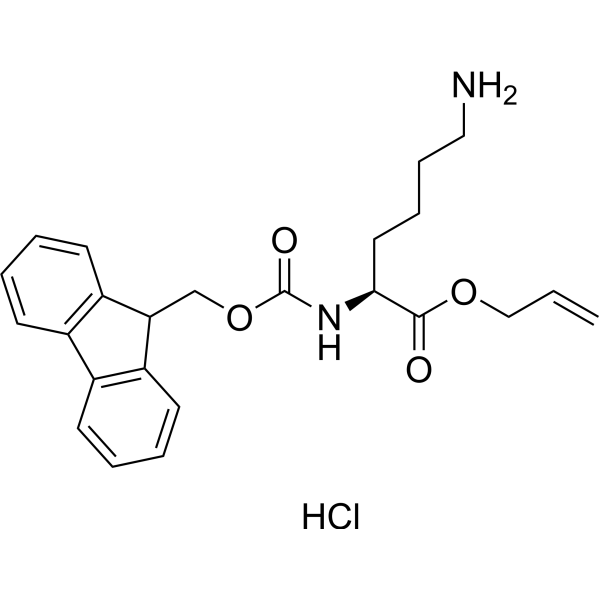
Fmoc-Lys-OAll.HCl is a lysine derivative .
loading...
    loading...
Cat. No.: HY-W009562
CAS No.: 91183-71-0
Research Areas:  

Others

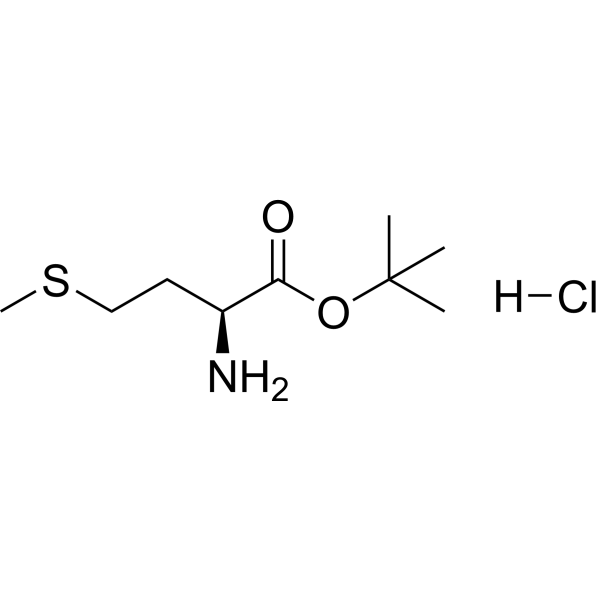
H-Met-OtBu.HCl is a Methionine (HY-13694) derivative .
loading...
    loading...
Cat. No.: HY-W012451
CAS No.: 138165-77-2
Research Areas:  

Others

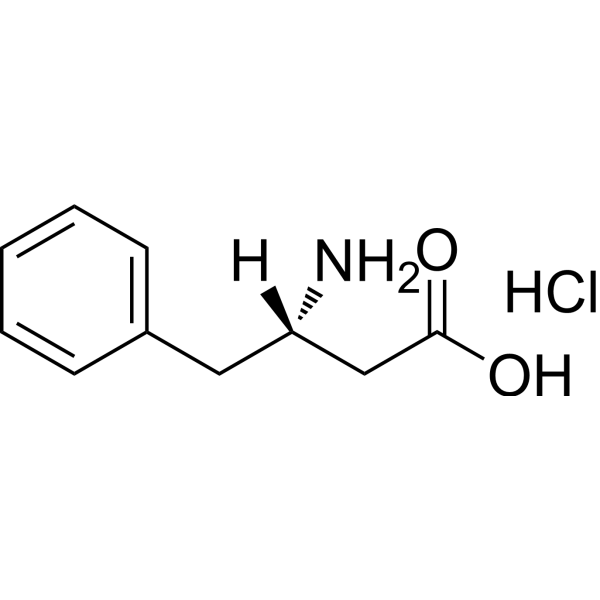
H-β-HoPhe-OH.HCl is a phenylalanine derivative .
loading...
    loading...

