Search Result
Results for "
HK-2 cells
" in MedChemExpress (MCE) Product Catalog:
1
Biochemical Assay Reagents
| Cat. No. |
Product Name |
Target |
Research Areas |
Chemical Structure |
-
- HY-155008
-
|
|
PROTACs
Hexokinase
|
Cancer
|
|
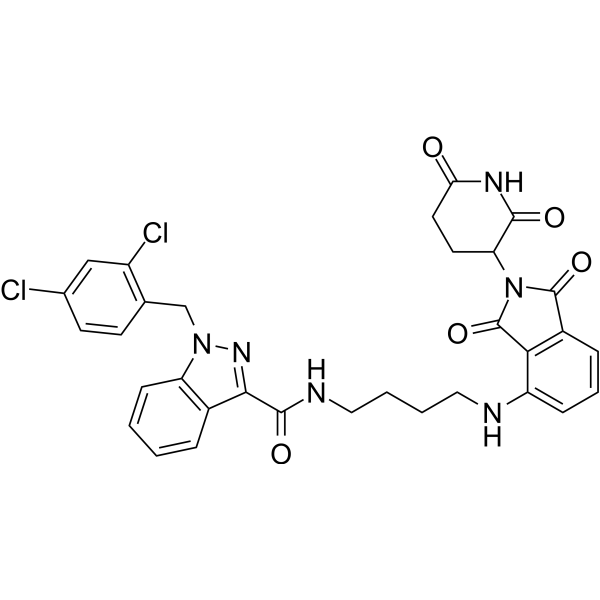
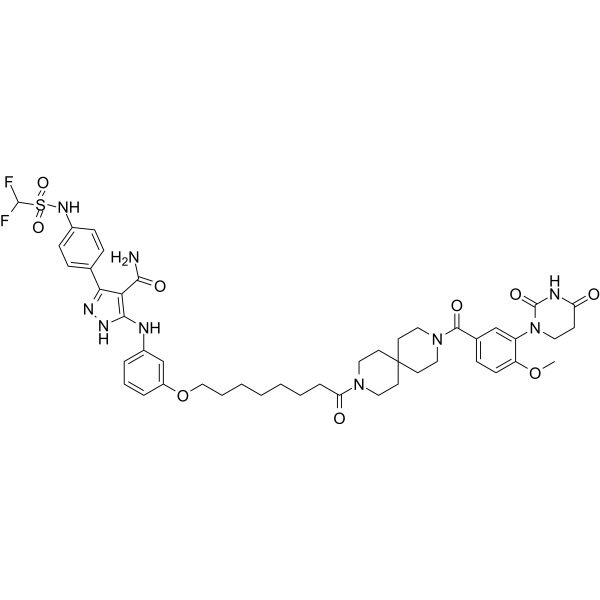
PROTAC HK2 Degrader-1 is a PROTAC consisting of Lonidamine (HY-B0486) as a target protein Hexokinase 2 (HK2) inhibitor and Thalidomide (HY-14658) as a CRBN ligand-linked PROTAC. PROTAC HK2 Degrader-1 selectively inhibits the proliferation of breast cancer cells by forming a ternary complex through the ubiquitin-proteasome system to degrade Hexokinase 2 (HK2) protein leading to mitochondrial damage and cell death. PROTAC HK2 Degrader-1 effectively inhibits breast tumor growth and reduces the colonic side effects of cisplatin for breast cancer research .
|
-
-
- HY-N7675
-
|
|
NF-κB
TGF-beta/Smad
Syk
|
Cardiovascular Disease
Neurological Disease
Metabolic Disease
|
|
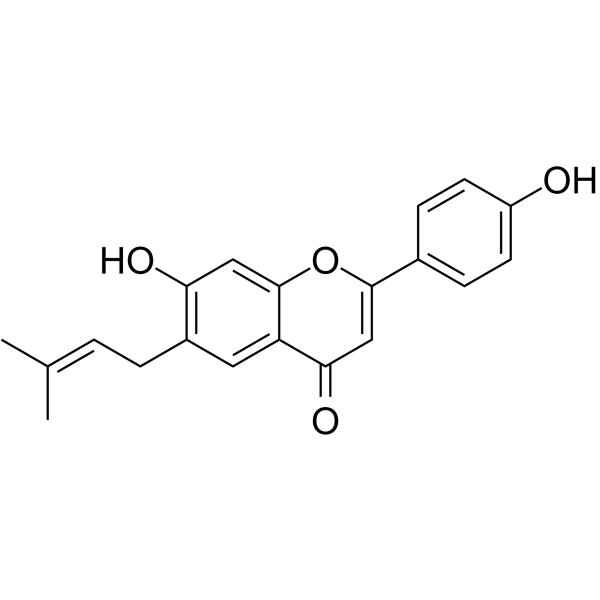
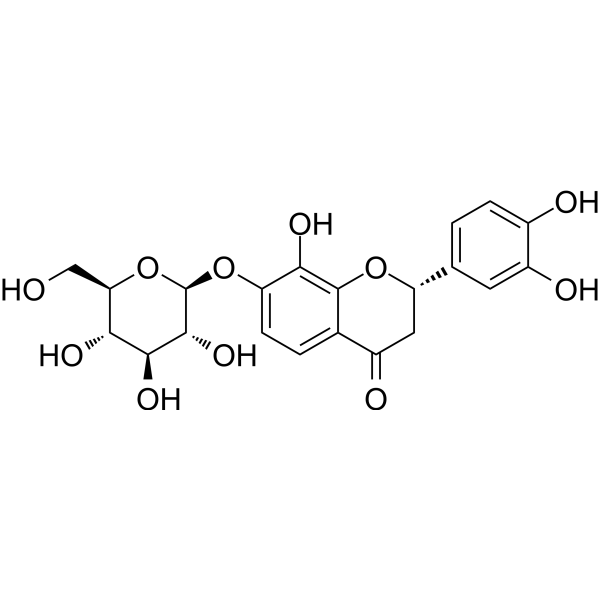
Flavanomarein is a substance with cytoprotective, anti-inflammatory and antioxidant activities, with a Ka of 3.064e-5 M against human Syk. Flavanomarein enhances the phosphorylation level of AKT, regulates the expression of PKC-δ, P85α, PKC-β1, Sirt1, Bcl-2 and ICAD, and inhibits the nuclear translocation of NF-κB p65. Flavanomarein regulates EMT marker proteins, promotes the proliferation of HK-2 cells, and protects neuronal cells from 6-OHDA-induced neurotoxic damage. Flavanomarein can be used in studies related to Parkinson's disease and diabetic nephropathy.
|
-
-
- HY-N0493
-
|
|
COX
Lipoxygenase
NF-κB
p38 MAPK
ERK
HIF/HIF Prolyl-Hydroxylase
Keap1-Nrf2
PI3K
Apoptosis
Autophagy
|
Neurological Disease
Inflammation/Immunology
Cancer
|
|
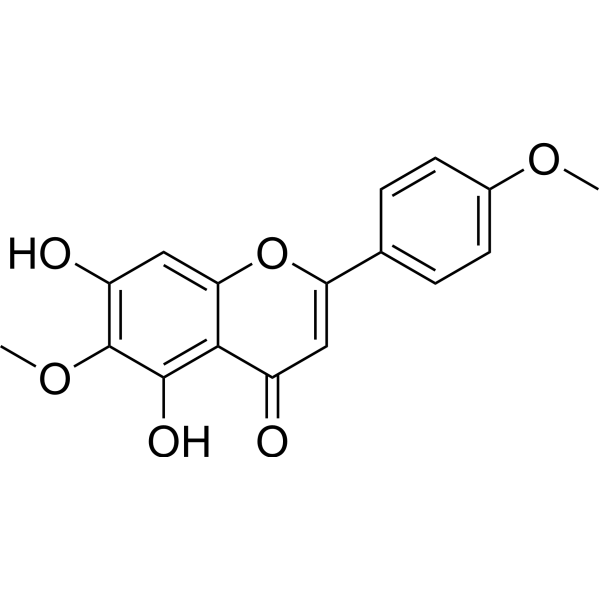
Pectolinarigenin is an orally active dual inhibitor of COX-2/5-LOX with anti-inflammatory, antioxidant, antitumor and neuroprotective activities. Pectolinarigenin exerts neuroprotective and anti-inflammatory effects on astrocyte inflammation via the NFκB and MAPK pathways. Pectolinarigenin inhibits LPS-induced phosphorylation of ERK1/2, N-FκB and p38MAPK, directly inhibits the enzymatic activity or binding of COX-2, 5-LOX and HIF-1α, and reduces the level of XIAP. Pectolinarigenin modifies Keap1 to promote nuclear accumulation of Nrf2, induces ARE-mediated antioxidant enzyme expression, and possesses direct free radical scavenging activity. Pectolinarigenin reduces the release of NO, proinflammatory mediators and leukotrienes, and increases the level of IL-10. Pectolinarigenin induces G2/M cell cycle arrest, apoptosis (Apoptosis) and autophagy (Autophagy) via the PI3K/AKT/mTOR signaling pathway. Pectolinarigenin reduces renal crystal deposition and inhibits melanin synthesis. Pectolinarigenin inhibits inflammation and alleviates allergy in mouse models of inflammation. Pectolinarigenin alleviates renal injury, inflammation and oxidative stress in mice by inhibiting HIF-1α activity. Pectolinarigenin can be used for the research of neurodegenerative diseases, inflammatory/allergic diseases, calcium oxalate nephrocalcinosis, gastric cancer, melasma, post-inflammatory diseases and chloasma .
|
-
-
- HY-175035
-
|
|
Hexokinase
|
Inflammation/Immunology
Cancer
|
|
HK-2-IN-1 is a Hexokinase 2 (HK-2) inhibitor. HK-2-IN-1 exhibits a non-activating effect on human recombinant HK-2 enzyme. HK-2-IN-1 has anti-tumor activity, affecting immune cells in the tumor microenvironment. HK-2-IN-1 has immunomodulatory effects and is potentially useful in the study of cancers such as colon cancer, liver cancer, and breast cancer .
|
-
-
- HY-N2445
-
|
|
Apoptosis
Akt
JNK
PERK
Caspase
PARP
MDM-2/p53
IAP
Reactive Oxygen Species (ROS)
SOD
FABP
Autophagy
AMPK
mTOR
GLUT
EGFR
PI3K
HSP
VEGFR
FAK
|
Cancer
|
|
Flavokawain C is an orally active natural chalcone. Flavokawain C inhibits the proliferation of various cancer cells. Flavokawain C upregulates GADD153 in cancer cells, inhibits the phosphorylation of Akt and JNK, suppresses early ERK phosphorylation, activates late ERK phosphorylation, activates caspase related subtypes, induces PARP-1 cleavage, causes upregulation of p21 and p27, downregulation of mutant p53 and anti-apoptotic IAP proteins, elevates intracellular ROS levels, reduces SOD activity, and induces apoptosis. Flavokawain C downregulates FABP4, induces autophagy in cancer cells, and activates the AMPK/mTOR pathway . Flavokawain C decreases the expression of glycolysis-related proteins GLUT1 and HK2, and inhibits glycolysis in nasopharyngeal carcinoma cells. Flavokawain C inhibits the activation of the EGFR/PI3K/Akt/mTOR signaling pathway and reduces the expression of HSP90B1. Flavokawain C inhibits angiogenesis by decreasing the expression of angiogenic proteins Ang-1 and VEGF in human umbilical vein endothelial cells. Flavokawain C increases γ-H2AX levels in cells, inhibits the phosphorylation of FAK, PI3K and AKT in cells, and induces DNA damage in cells. Flavokawain C exerts anti-tumor activity in multiple tumor xenograft mouse models. Flavokawain C is applicable to research related to colorectal cancer, colon adenocarcinoma, nephroblastoma, nasopharyngeal carcinoma and liver cancer .
|
-
-
- HY-172942
-
-
-
- HY-120371
-
|
|
Keap1-Nrf2
Apoptosis
Reactive Oxygen Species (ROS)
NF-κB
|
Inflammation/Immunology
|
|
CPUY192018 is a potent inhibitor of the Keap1-Nrf2 protein-protein interaction, with an IC50 of 0.63 µM. CPUY192018 exhibits anti-inflammatory and antioxidant activities. CPUY192018 can activate the Nrf2-dependent antioxidant pathway and inhibit the NF-κB-related inflammatory response. CPUY192018 can be used in the research of inflammation-related diseases .
|
-
-
- HY-155751
-
-
-
- HY-N0909
-
|
20(S)-Notoginsenoside R2; Ginsenoside Ng-R2
|
Apoptosis
MEK
ERK
Reactive Oxygen Species (ROS)
Caspase
COX
β-catenin
Src
MDM-2/p53
JAK
STAT
|
Neurological Disease
Metabolic Disease
Inflammation/Immunology
|
|
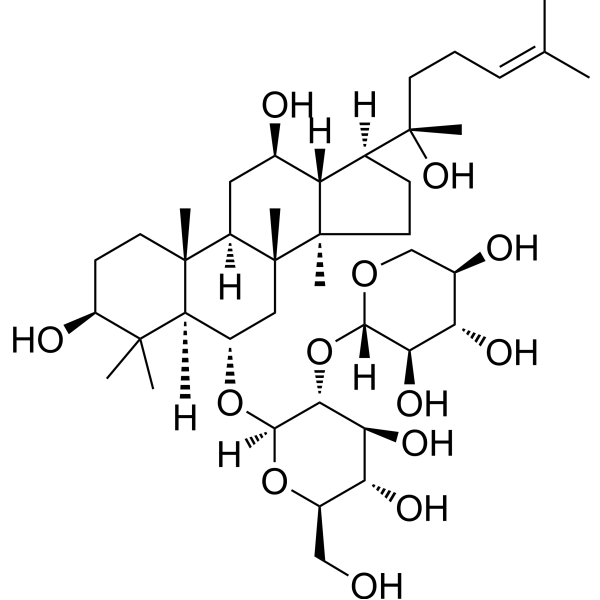
Notoginsenoside R2 (20(S)-Notoginsenoside R2; Ginsenoside Ng-R2) is an orally active notoginsenoside . Notoginsenoside R2 activates P90RSK and Nrf2 via the MEK1/2-ERK1/2 pathway to inhibit 6-OHDA-induced apoptotic damage in nerve cells. Notoginsenoside R2 upregulates SOX8/β-catenin by reducing miR-27a, thereby suppressing Aβ25-35-induced neuronal apoptosis and inflammatory responses . Notoginsenoside R2 alleviates lipid accumulation and mitochondrial dysfunction in diabetic nephropathy by inhibiting c-Src. Notoginsenoside R2 alleviates hepatic fibrosis by inducing hepatic stellate cell senescence and inhibiting the inflammatory microenvironment via JAK/STAT3 suppression . Notoginsenoside R2 can be used in research related to Parkinson's disease, Alzheimer's disease, diabetic nephropathy and hepatic fibrosis .
|
-
-
- HY-W002942
-
|
1,2,3,4-Tetrahydroquinolin-8-ol; 8-hydroxy-1,2,3,4-tetrahydroquinoline
|
Ferroptosis
Reactive Oxygen Species (ROS)
|
Inflammation/Immunology
|
|
Ferroptosis-IN-21 is a ferroptosis inhibitor that protects against renal I/R injury by suppressing ferroptosis and directly scavenging peroxyl radicals. Ferroptosis-IN-21 displays broad-spectrum anti-ferroptotic efficacy across multiple inducers in renal tubular epithelial cells, with nanomolar potency and robust suppression of lipid Reactive Oxygen Species (ROS). Ferroptosis-IN-21 significantly ameliorates renal I/R injury in mice, reducing histological damage, functional impairment, and inflammatory cytokine expression, while decreasing lipid peroxidation biomarkers such as 4-hydroxynonenal. Ferroptosis-IN-12 can be used for research in the field of ferroptosis-targeted drug development .
|
-
-
- HY-125938
-
|
Cycloartenol ferulate; Cycloartenol ferulic acid ester
|
Drug Derivative
Apoptosis
Reactive Oxygen Species (ROS)
JAK
STAT
|
Inflammation/Immunology
Cancer
|
|
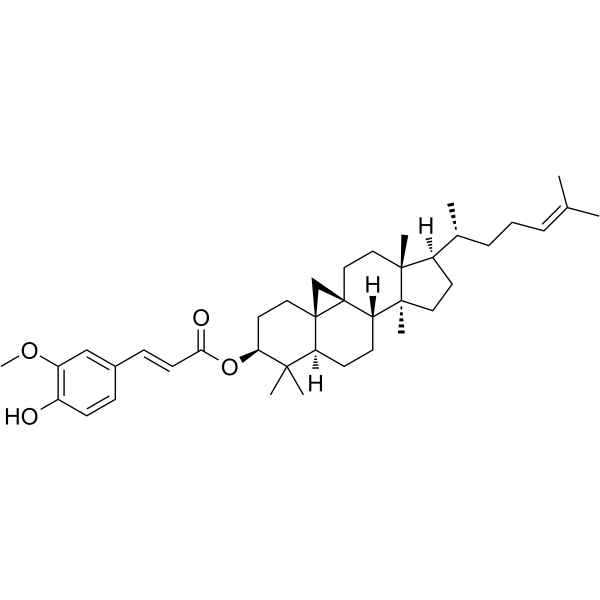
Cycloartenyl ferulate (Cycloartenol ferulate; Cycloartenol ferulic acid ester) is a derivative of γ-oryzanol (HY-B2194) with multiple biological activities including antioxidant, anti-inflammatory, and anti-tumor properties. Cycloartenyl ferulate selectively binds to IFNγR1 (binding affinity Kd = 0.5 μM) to activate the canonical JAK1/2-STAT1 signaling pathway. Cycloartenyl ferulate inhibits paraquat (PQ)-triggered apoptosis and ROS in HK2 cells. Cycloartenyl ferulate enhances the activation and cytolytic activity of natural killer (NK) cells by upregulating the expression of NK cell activation receptors (NKG2D, NKp30, NKp44) and the release of cytotoxic molecules and cytokine IFNγ. Cycloartenyl ferulate exerts anti-cancer effects in tumor mice models. Cycloartenyl ferulate can be used for the study of cancer and allergic inflammation intervention .
|
-
-
- HY-173414
-
|
|
PROTACs
STING
NF-κB
|
Inflammation/Immunology
|
|
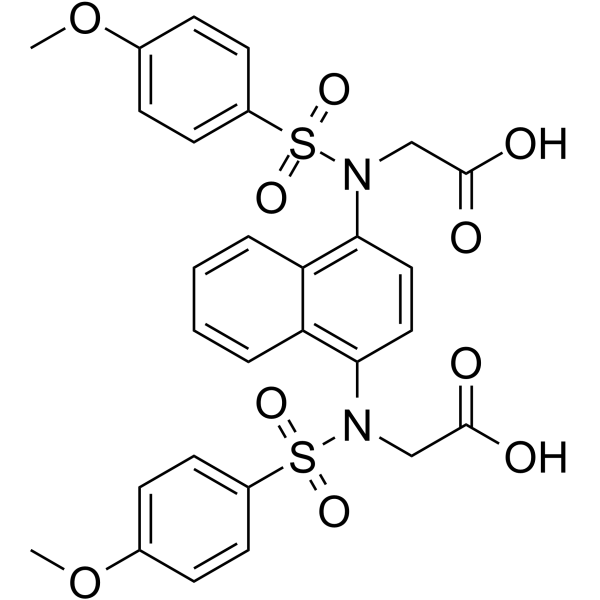
PROTAC STING degrader-3 is a STING PROTAC degrader (DC50: 0.62 μM). PROTAC STING degrader-3 induces STING degradation via the ubiquitin-proteasome pathway. PROTAC STING degrader-3 exerts anti-inflammatory effects by inhibiting STING/TBK1/NF-κB signaling. PROTAC STING degrader-3 has renal protective effects and can be used in the study of acute kidney injury (AKI) .
|
-
-
- HY-N0853A
-
|
Alisol A 24-monoacetate; Alisol A monoacetate
|
AMPK
Carnitine Palmitoyltransferase (CPT)
Acyltransferase
Fatty Acid Synthase (FASN)
Acetyl-CoA Carboxylase
Bcl-2 Family
PPAR
Nuclear Factor of activated T Cells (NFAT)
PI3K
Akt
PKA
ERK
Apoptosis
Autophagy
|
Cardiovascular Disease
Infection
Neurological Disease
Metabolic Disease
Endocrinology
|
|
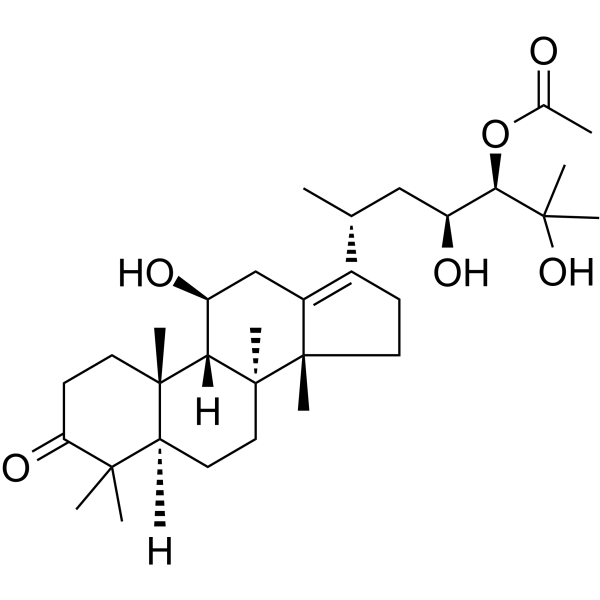
Alisol A 24-acetate (Alisol A monoacetate) is an orally active derivative of protostane-type tetracyclic triterpenoid. Alisol A 24-acetate upregulates the expression of adiponectin, AMPKα, CPT1, and ACOX1; downregulates the expression of SREBP-1c, ACC, FAS, Bcl-2, Bcl-xl, PPAR-γ, perilipin A, and NFATc1; inhibits the activity of PI3K/Akt/mTOR and HMGR; and activates the PKA and ERK signaling pathways. Alisol A 24-acetate regulates cell apoptosis (apoptosis), autophagy (Autophagy, hepatic lipid accumulation, inflammatory response, neuroprotection, MRSA membrane integrity, and osteoclast differentiation. Alisol A 24-acetate can be used in research related to non-alcoholic fatty liver disease, nephrotoxicity, obesity, global cerebral ischemia-reperfusion injury, bacterial infection, and osteoporosis .
|
-
-
- HY-168717
-
|
|
Hexokinase
Microtubule/Tubulin
Reactive Oxygen Species (ROS)
|
Cancer
|
|
HK2-IN-2 (Compound 26) is a Hexokinase 2 inhibitor that demonstrates significant anti-tumor activity by targeting microtubules and Hexokinase 2, with an IC50 value of 0.764 μM against MD-MBA-231 cells. HK2-IN-2 effectively inhibits the activity of Hexokinase 2, leading to the accumulation of Reactive Oxygen Species and dysfunction of the mitochondrial membrane potential (MMP), thereby promoting apoptosis and blocking the cell cycle .
|
-
-
- HY-130437
-
|
|
MDM-2/p53
TGF-β Receptor
Caspase
|
Infection
Metabolic Disease
|
|
p-nitro-Pifithrin-α, a cell-permeable analog of pifithrin-α, is a potent p53 inhibitor. p-nitro-Pifithrin-α suppresses p53-mediated TGF-β1 expression in HK-2 cells. p-nitro-Pifithrin-α inhibits the activation of caspase-3 by Zika virus (ZIKV) strains. p-nitro-Pifithrin-α attenuates steatosis and liver injury in mice fed a high-fat diet [4].
non-alcoholic fatty liver disease .
|
-
-
- HY-126710
-
-
-
- HY-156277
-
|
|
PPAR
|
Metabolic Disease
|
|
SP4f is an activator ofPPAR-γ, with the EC50 of 826 nM in HK-2 cells. SP4f reduces the blood glucose levels and lipid peroxidation, and increases glutathione levels and catalase activityin the Swiss albino mice .
|
-
-
- HY-N2891
-
|
Aristololactam A II
|
Parasite
COX
|
Infection
|
|
Aristolactam A II (Aristololactam A II) is a weak COX inhibitor with cytotoxic and anti-plasmodial activities. Aristolactam A II exhibits inhibitory activity against Chloroquine (HY-17589A)-sensitive strains, and exerts its inhibitory effect on Plasmodium falciparum growth by inducing cell membrane damage marked by LDH release. Aristolactam A II can be applied to the research of malaria-related mechanisms .
|
-
-
- HY-156368
-
|
|
RIP kinase
|
Inflammation/Immunology
|
|
RIPK3-IN-4 (Compound 42) is a RIPK3 inhibitor. RIPK3-IN-4 inhibits HK-2 cell damage, necroptosis and inflammatory responses. RIPK3-IN-4 reduces Cisplatin (HY-17394)- and I/R-induced kidney damage, inflammatory response and necroptosis in acute kidney injury .
|
-
-
- HY-N0401B
-
-
-
- HY-156276
-
|
|
PPAR
|
Metabolic Disease
|
|
SP4e is an activator of PPAR-γ, with the EC50 of 739 nM in HK-2 cells. SP4e reduces the blood glucose levels and lipid peroxidation, and increases glutathione levels and catalase activityin the Swiss albino mice .
|
-
-
- HY-179378
-
|
|
DYRK
TGF-beta/Smad
NF-κB
Wnt
β-catenin
MDM-2/p53
Notch
|
Inflammation/Immunology
|
|
XRF-1021 is an orally active HIPK2 inhibitor (IC50 = 0.18 μM). XRF-1021 reduces the expression of fibrotic markers in TGF-β1 stimulated NRK-49F and HK-2 cells, including Fibronectin, Collagen I and α-SMA. XRF-1021 blocks TGF-β, NF-κB, p53, Wnt/β-catenin, and Notch signaling. XRF-1021 reduces renal injury and fibrosis in vivo. XRF-1021 can be used for the research of chronic kidney disease .
|
-
-
- HY-182243
-
|
|
Hexokinase
VDAC
Apoptosis
AMPK
Bcl-2 Family
|
Cancer
|
|
HK2-IN-4 is a selective hexokinase 2 (HK2) inhibitor with an IC50 value of 0.79 μM and a Kd value of 0.41 μM. HK2-IN-4 blocks the interaction between HK2 and voltage-dependent anion channel 1 (VDAC1). HK2-IN-4 reduces lactate and ATP levels in cancer cells. HK2-IN-4 induces the production of apoptosis (apoptosis) markers in cancer cells, including increased p-AMPK/AMPK ratio and Bax levels, as well as decreased Bcl2 levels. HK2-IN-4 inhibits the proliferation of cancer cells with high HK2 expression. HK2-IN-4 can be used in research related to colorectal cancer and non-small cell lung cancer .
|
-
-
- HY-180805
-
|
|
Hexokinase
Mitophagy
Apoptosis
GLUT
|
Cancer
|
|
HK2-IN-3 (compound 12) is a potent hexokinase 2 (HK2) inhibitor with an IC50 of 56.4 nM. HK2-IN-3 reduces glucose uptake and downregulated GLUT1/GLUT4 in oral squamous cell carcinoma (OSCC). HK2-IN-3 induces mitophagy and apoptosis. HK2-IN-3 suppresses tumor growth and angiogenesis in OSCC xenograft mouse models. HK2-IN-3 can be used for OSCC research .
|
-
-
- HY-P991808
-
-
-
- HY-172600
-
|
|
TRP Channel
|
Inflammation/Immunology
|
|
TRPC6 antagonist-1 (X26) is a TRPC6 antagonist with IC50 values of 0.97 μM, 3.93 μM, 5.77 μM and 4.37 μM for TRPC6, TRPC3, TRPC5 and TRPC7, respectively. TRPC6 antagonist-1 inhibits TGF-β1-induced myofibroblast differentiation, and attenuates renal fibrosis .
|
-
-
- HY-151544
-
|
|
Fluorescent Dye
|
Others
|
|
PNE-Lyso is a activatable fluorescent probe. PNE-Lyso can be used to detect intracellular pH and hexosaminidases with two kinds of fluorescence signals. PNE-Lyso can be used to distinguish apoptosis from necrosis through visualizing lysosome morphology. PNE-Lyso is capable of investigating the agent-induced cell death process .
|
-
-
- HY-162584
-
|
|
TRP Channel
|
Others
|
|
TRPC5-IN-6 (Compound 12) is an orally effective transient receptor potential (TRPC5) inhibitor with a IC50 value of 81 nM. TRPC5-IN-6 has good biosafety and low liver and kidney toxicity, and is expected to play an important role in the treatment of chronic kidney disease (CKD) .
|
-
-
- HY-163748
-
|
|
GSK-3
|
Inflammation/Immunology
|
|
GSK-3β inhibitor 17 (compound 5 n) is a potent GSK-3β inhibitor. GSK-3β inhibitor 17 decreases cisplatin (HY-17394) induced p-p65, KIM-1 protein and mRNA expression. GSK-3β inhibitor 17 decreases cisplatin induced TNF-α, IL-1β, IL-6 and MCP-1 mRNA expression. GSK-3β inhibitor 17 shows anti-inflammation effect and has the potential for the research of acute kidney injury .
|
-
-
- HY-15947G
-
|
GDC-0994
|
ERK
c-Myc
Hexokinase
Lactate Dehydrogenase
|
Cancer
|
|
Ravoxertinib GMP is Ravoxertinib (HY-15947) produced by using GMP guidelines. GMP small molecules works appropriately as an auxiliary reagent for cell therapy manufacture. Ravoxertinib (GDC-0994) is an orally active ERK1/2 inhibitor. Ravoxertinib inhibits the ERK1/2 MAPK signaling pathway and reduces the expression levels of c-Myc, HK2 and LDHA. Ravoxertinib decreases mammosphere formation, and exerts additive and/or superadditive cytotoxicity when combined with Ipatasertib (HY-15186) in 3D tumor sphere models. Ravoxertinib can be used in research related to various cancers including breast cancer, melanoma, head and neck cancer, non-small cell lung cancer, ovarian cancer and Merkel cell carcinoma .
|
-
-
- HY-P11623
-
|
|
Interleukin Related
Collagen
|
Inflammation/Immunology
|
|
4L2-P13D is an IL-11 antagonist with an IC50 of 2.8 μM. 4L2-P13D has a KD of 11 nM for hIL-11. 4L2-P13D exhibits antifibrotic and renoprotective activities. 4L2-P13D can be used in the research of renal fibrosis .
|
-
-
- HY-P11609
-
|
|
TGF-beta/Smad
|
Metabolic Disease
|
|
TGFβ1-IN-4 is a TGF-β1 inhibitor. TGFβ1-IN-4 inhibits myofibroblast activation and epithelial-mesenchymal transition in vitro. TGFβ1-IN-4 alleviates renal fibrosis in a mouse model of renal fibrosis. TGFβ1-IN-4 can be used for research on fibrotic diseases such as renal fibrosis .
|
-
-
- HY-P11607
-
|
|
Bacterial
|
Infection
|
|
CyLip-10 is a microbial-derived cyclic-lipid antimicrobial peptide. CyLip-10 has broad-spectrum antimicrobial efficacy, low hemolytic activity, and excellent stability. CyLip-10 can disrupt membrane integrity, inhibit biofilm formation and induce membrane permeabilization and bacterial cell death. CyLip-10 reduces bacterial load, promotes wound healing, and alleviates inflammatory responses in a mouse Methicillin (HY-121544)-resistant Staphylococcus aureus skin wound infection model. CyLip-10 can be used for the bacterial infection .
|
-
-
- HY-181485
-
|
|
GPR68
TNF Receptor
Interleukin Related
|
Inflammation/Immunology
|
|
GPR68 antagonist 1 is a GPR68 antagonist with an IC50 of 81 nM. GPR68 antagonist 1 inhibits the mouse GPR68-mediated cAMP signaling pathway with an IC50 of 179 nM. GPR68 antagonist 1 alleviates disease symptoms in a dextran sulfate sodium (DSS) (HY-116282C)-induced mouse model of inflammatory bowel disease. GPR68 antagonist 1 is applicable to research related to inflammatory bowel disease .
|
-
-
- HY-N17639
-
|
|
TGF-beta/Smad
TGF-β Receptor
|
Others
|
|
Regiafuran C is a compound with both TGF-βRI inhibitory and anti-fibrotic activities. Regiafuran C effectively inhibits renal fibrosis by binding to TGF-βRI and interfering with the TGF-β/Smad and Wnt/β-catenin signaling pathways. Regiafuran C also exhibits free radical scavenging activity, but shows no anti-inflammatory activity in PGE2 competitive enzyme immunoassays. The ability of Regiafuran C to specifically block the Smad3-TGF-βRII interaction and inhibit fibrotic processes allows its use in renal fibrosis research .
|
-
-
- HY-181489
-
|
|
SARS-CoV
|
Infection
Cancer
|
|
SARS-CoV-2 3CLpro-IN-35 is a SARS-CoV-2 3CLpro inhibitor with an IC50 of 0.15 μM. SARS-CoV-2 3CLpro-IN-35 inhibits the proliferation of bladder cancer cells, exerts anti-SARS-CoV-2 activity, and exhibits low cytotoxicity in fibroblasts. SARS-CoV-2 3CLpro-IN-35 is applicable to research related to SARS-CoV-2 infection and bladder cancer .
|
-
-
- HY-182009
-
|
|
DNA Methyltransferase
Apoptosis
Caspase
Mitochondrial Metabolism
|
Cancer
|
|
DNMT-IN-6 is a DNA methyltransferase inhibitor with activity against DNMT1, DNMT3A, and DNMT3B. DNMT-IN-6 drives demethylation, and restores TMS1 tumor suppressor gene expression. DNMT-IN-6 induces apoptosis, causes G2/M phase arrest, disrupts mitochondrial integrity, and activates the intrinsic caspase cascade (3/7/9). DNMT-IN-6 inhibits tumor growth, and improves survival in xenograft models. DNMT-IN-6 can be used for the research of cancer, such as diffuse large B-cell lymphoma .
|
-
-
- HY-182382
-
|
|
Apoptosis
MDM-2/p53
Caspase
|
Cancer
|
|
Anticancer agent 311 is an apoptosis inducer and p53 modulator. Anticancer agent 311 increases p53 levels, activates cleaved caspase-3, reduces p-Cdc25C levels, and disrupts p-p44/42 MAPK phosphorylation. Anticancer agent 311 induces G2/M phase arrest, inhibits cancer cell viability in a concentration- and time-dependent manner, and exhibits low toxicity to non-cancer cells. Anticancer agent 311 prevents tumor growth and angiogenesis in mouse xenograft models without detectable toxicity. Anticancer agent 311 can be used for the research of lung cancer .
|
-
-
- HY-181430
-
|
|
TGF-beta/Smad
|
Metabolic Disease
Inflammation/Immunology
|
|
PXS 25 is a cation-independent mannose 6-phosphate receptor (CI-M6PR) inhibitor that inhibits CI-M6PR-mediated activation of latent TGF-β1. PXS 25 inhibits conversion of high glucose-induced latent TGF-β1 to active TGF-β1 in proximal tubule cells under normoxic conditions. PXS 25 suppresses high glucose-induced fibronectin, collagen IV production, and phosphorylated Smad 2 in proximal tubule cells under normoxic conditions. PXS 25 has antifibrotic properties in skin fibroblasts. PXS 25 can be used for the research of diabetic nephropathy .
|
-
| Cat. No. |
Product Name |
Type |
-
- HY-151544
-
|
|
Fluorescent Dyes
|
|
PNE-Lyso is a activatable fluorescent probe. PNE-Lyso can be used to detect intracellular pH and hexosaminidases with two kinds of fluorescence signals. PNE-Lyso can be used to distinguish apoptosis from necrosis through visualizing lysosome morphology. PNE-Lyso is capable of investigating the agent-induced cell death process .
|
-
- HY-15947G
-
|
GDC-0994
|
Fluorescent Dyes
|
|
Ravoxertinib GMP is Ravoxertinib (HY-15947) produced by using GMP guidelines. GMP small molecules works appropriately as an auxiliary reagent for cell therapy manufacture. Ravoxertinib (GDC-0994) is an orally active ERK1/2 inhibitor. Ravoxertinib inhibits the ERK1/2 MAPK signaling pathway and reduces the expression levels of c-Myc, HK2 and LDHA. Ravoxertinib decreases mammosphere formation, and exerts additive and/or superadditive cytotoxicity when combined with Ipatasertib (HY-15186) in 3D tumor sphere models. Ravoxertinib can be used in research related to various cancers including breast cancer, melanoma, head and neck cancer, non-small cell lung cancer, ovarian cancer and Merkel cell carcinoma .
|
| Cat. No. |
Product Name |
Type |
-
- HY-15947G
-
|
GDC-0994
|
Biochemical Assay Reagents
|
|
Ravoxertinib GMP is Ravoxertinib (HY-15947) produced by using GMP guidelines. GMP small molecules works appropriately as an auxiliary reagent for cell therapy manufacture. Ravoxertinib (GDC-0994) is an orally active ERK1/2 inhibitor. Ravoxertinib inhibits the ERK1/2 MAPK signaling pathway and reduces the expression levels of c-Myc, HK2 and LDHA. Ravoxertinib decreases mammosphere formation, and exerts additive and/or superadditive cytotoxicity when combined with Ipatasertib (HY-15186) in 3D tumor sphere models. Ravoxertinib can be used in research related to various cancers including breast cancer, melanoma, head and neck cancer, non-small cell lung cancer, ovarian cancer and Merkel cell carcinoma .
|
| Cat. No. |
Product Name |
Target |
Research Area |
-
- HY-P11623
-
|
|
Interleukin Related
Collagen
|
Inflammation/Immunology
|
|
4L2-P13D is an IL-11 antagonist with an IC50 of 2.8 μM. 4L2-P13D has a KD of 11 nM for hIL-11. 4L2-P13D exhibits antifibrotic and renoprotective activities. 4L2-P13D can be used in the research of renal fibrosis .
|
-
- HY-P11609
-
|
|
TGF-beta/Smad
|
Metabolic Disease
|
|
TGFβ1-IN-4 is a TGF-β1 inhibitor. TGFβ1-IN-4 inhibits myofibroblast activation and epithelial-mesenchymal transition in vitro. TGFβ1-IN-4 alleviates renal fibrosis in a mouse model of renal fibrosis. TGFβ1-IN-4 can be used for research on fibrotic diseases such as renal fibrosis .
|
-
- HY-P11607
-
|
|
Bacterial
|
Infection
|
|
CyLip-10 is a microbial-derived cyclic-lipid antimicrobial peptide. CyLip-10 has broad-spectrum antimicrobial efficacy, low hemolytic activity, and excellent stability. CyLip-10 can disrupt membrane integrity, inhibit biofilm formation and induce membrane permeabilization and bacterial cell death. CyLip-10 reduces bacterial load, promotes wound healing, and alleviates inflammatory responses in a mouse Methicillin (HY-121544)-resistant Staphylococcus aureus skin wound infection model. CyLip-10 can be used for the bacterial infection .
|
| Cat. No. |
Product Name |
Target |
Research Area |
Image |
| Cat. No. |
Product Name |
Category |
Target |
Chemical Structure |
-
- HY-N7675
-
|
|
Cardiovascular Disease
Structural Classification
Classification of Application Fields
Cercis chinensis Bunge
Metabolic Disease
Plants
Compositae
Flavonoids
other families
Flavonones
Phenols
Polyphenols
Disease Research Fields
Source Classification
|
NF-κB
TGF-beta/Smad
Syk
|
|
Flavanomarein is a substance with cytoprotective, anti-inflammatory and antioxidant activities, with a Ka of 3.064e-5 M against human Syk. Flavanomarein enhances the phosphorylation level of AKT, regulates the expression of PKC-δ, P85α, PKC-β1, Sirt1, Bcl-2 and ICAD, and inhibits the nuclear translocation of NF-κB p65. Flavanomarein regulates EMT marker proteins, promotes the proliferation of HK-2 cells, and protects neuronal cells from 6-OHDA-induced neurotoxic damage. Flavanomarein can be used in studies related to Parkinson's disease and diabetic nephropathy.
|
-
-
- HY-N0493
-
|
|
Structural Classification
Flavonoids
Classification of Application Fields
Flavones
Campylotropis hirtella (Franch.) Schindl.
Phenols
Polyphenols
Plants
Compositae
Inflammation/Immunology
Disease Research Fields
Source Classification
|
COX
Lipoxygenase
NF-κB
p38 MAPK
ERK
HIF/HIF Prolyl-Hydroxylase
Keap1-Nrf2
PI3K
Apoptosis
Autophagy
|
|
Pectolinarigenin is an orally active dual inhibitor of COX-2/5-LOX with anti-inflammatory, antioxidant, antitumor and neuroprotective activities. Pectolinarigenin exerts neuroprotective and anti-inflammatory effects on astrocyte inflammation via the NFκB and MAPK pathways. Pectolinarigenin inhibits LPS-induced phosphorylation of ERK1/2, N-FκB and p38MAPK, directly inhibits the enzymatic activity or binding of COX-2, 5-LOX and HIF-1α, and reduces the level of XIAP. Pectolinarigenin modifies Keap1 to promote nuclear accumulation of Nrf2, induces ARE-mediated antioxidant enzyme expression, and possesses direct free radical scavenging activity. Pectolinarigenin reduces the release of NO, proinflammatory mediators and leukotrienes, and increases the level of IL-10. Pectolinarigenin induces G2/M cell cycle arrest, apoptosis (Apoptosis) and autophagy (Autophagy) via the PI3K/AKT/mTOR signaling pathway. Pectolinarigenin reduces renal crystal deposition and inhibits melanin synthesis. Pectolinarigenin inhibits inflammation and alleviates allergy in mouse models of inflammation. Pectolinarigenin alleviates renal injury, inflammation and oxidative stress in mice by inhibiting HIF-1α activity. Pectolinarigenin can be used for the research of neurodegenerative diseases, inflammatory/allergic diseases, calcium oxalate nephrocalcinosis, gastric cancer, melasma, post-inflammatory diseases and chloasma .
|
-
-
- HY-N2445
-
|
|
Structural Classification
Classification of Application Fields
Piperaceae
Plants
Chalcones
Flavonoids
other families
Phenols
Polyphenols
Piper methysticum G.Forst.
Disease Research Fields
Source Classification
Cancer
|
Apoptosis
Akt
JNK
PERK
Caspase
PARP
MDM-2/p53
IAP
Reactive Oxygen Species (ROS)
SOD
FABP
Autophagy
AMPK
mTOR
GLUT
EGFR
PI3K
HSP
VEGFR
FAK
|
|
Flavokawain C is an orally active natural chalcone. Flavokawain C inhibits the proliferation of various cancer cells. Flavokawain C upregulates GADD153 in cancer cells, inhibits the phosphorylation of Akt and JNK, suppresses early ERK phosphorylation, activates late ERK phosphorylation, activates caspase related subtypes, induces PARP-1 cleavage, causes upregulation of p21 and p27, downregulation of mutant p53 and anti-apoptotic IAP proteins, elevates intracellular ROS levels, reduces SOD activity, and induces apoptosis. Flavokawain C downregulates FABP4, induces autophagy in cancer cells, and activates the AMPK/mTOR pathway . Flavokawain C decreases the expression of glycolysis-related proteins GLUT1 and HK2, and inhibits glycolysis in nasopharyngeal carcinoma cells. Flavokawain C inhibits the activation of the EGFR/PI3K/Akt/mTOR signaling pathway and reduces the expression of HSP90B1. Flavokawain C inhibits angiogenesis by decreasing the expression of angiogenic proteins Ang-1 and VEGF in human umbilical vein endothelial cells. Flavokawain C increases γ-H2AX levels in cells, inhibits the phosphorylation of FAK, PI3K and AKT in cells, and induces DNA damage in cells. Flavokawain C exerts anti-tumor activity in multiple tumor xenograft mouse models. Flavokawain C is applicable to research related to colorectal cancer, colon adenocarcinoma, nephroblastoma, nasopharyngeal carcinoma and liver cancer .
|
-
-
- HY-N0909
-
-
-
- HY-125938
-
|
Cycloartenol ferulate; Cycloartenol ferulic acid ester
|
Triterpenes
Monophenols
other families
Classification of Application Fields
Terpenoids
Phenols
Plants
Inflammation/Immunology
Disease Research Fields
Source Classification
|
Drug Derivative
Apoptosis
Reactive Oxygen Species (ROS)
JAK
STAT
|
|
Cycloartenyl ferulate (Cycloartenol ferulate; Cycloartenol ferulic acid ester) is a derivative of γ-oryzanol (HY-B2194) with multiple biological activities including antioxidant, anti-inflammatory, and anti-tumor properties. Cycloartenyl ferulate selectively binds to IFNγR1 (binding affinity Kd = 0.5 μM) to activate the canonical JAK1/2-STAT1 signaling pathway. Cycloartenyl ferulate inhibits paraquat (PQ)-triggered apoptosis and ROS in HK2 cells. Cycloartenyl ferulate enhances the activation and cytolytic activity of natural killer (NK) cells by upregulating the expression of NK cell activation receptors (NKG2D, NKp30, NKp44) and the release of cytotoxic molecules and cytokine IFNγ. Cycloartenyl ferulate exerts anti-cancer effects in tumor mice models. Cycloartenyl ferulate can be used for the study of cancer and allergic inflammation intervention .
|
-
-
- HY-N0853A
-
|
Alisol A 24-monoacetate; Alisol A monoacetate
|
Triterpenes
Structural Classification
Alisma plantago-aquatica Linn.
Classification of Application Fields
Terpenoids
Other Diseases
Alismataceae
Plants
Disease Research Fields
Source Classification
|
AMPK
Carnitine Palmitoyltransferase (CPT)
Acyltransferase
Fatty Acid Synthase (FASN)
Acetyl-CoA Carboxylase
Bcl-2 Family
PPAR
Nuclear Factor of activated T Cells (NFAT)
PI3K
Akt
PKA
ERK
Apoptosis
Autophagy
|
|
Alisol A 24-acetate (Alisol A monoacetate) is an orally active derivative of protostane-type tetracyclic triterpenoid. Alisol A 24-acetate upregulates the expression of adiponectin, AMPKα, CPT1, and ACOX1; downregulates the expression of SREBP-1c, ACC, FAS, Bcl-2, Bcl-xl, PPAR-γ, perilipin A, and NFATc1; inhibits the activity of PI3K/Akt/mTOR and HMGR; and activates the PKA and ERK signaling pathways. Alisol A 24-acetate regulates cell apoptosis (apoptosis), autophagy (Autophagy, hepatic lipid accumulation, inflammatory response, neuroprotection, MRSA membrane integrity, and osteoclast differentiation. Alisol A 24-acetate can be used in research related to non-alcoholic fatty liver disease, nephrotoxicity, obesity, global cerebral ischemia-reperfusion injury, bacterial infection, and osteoporosis .
|
-
-
- HY-N2891
-
-
-
- HY-N0401B
-
-
-
- HY-N17639
-
|
|
Structural Classification
Phenols
Polyphenols
Plants
Moraceae
Morus alba Linn.
Source Classification
|
TGF-beta/Smad
TGF-β Receptor
|
|
Regiafuran C is a compound with both TGF-βRI inhibitory and anti-fibrotic activities. Regiafuran C effectively inhibits renal fibrosis by binding to TGF-βRI and interfering with the TGF-β/Smad and Wnt/β-catenin signaling pathways. Regiafuran C also exhibits free radical scavenging activity, but shows no anti-inflammatory activity in PGE2 competitive enzyme immunoassays. The ability of Regiafuran C to specifically block the Smad3-TGF-βRII interaction and inhibit fibrotic processes allows its use in renal fibrosis research .
|
-
| Cat. No. |
Product Name |
Target |
Research Areas |
Chemical Structure |
-
- HY-15947G
-
|
GDC-0994
|
ERK
c-Myc
Hexokinase
Lactate Dehydrogenase
|
Cancer
|
|
Ravoxertinib GMP is Ravoxertinib (HY-15947) produced by using GMP guidelines. GMP small molecules works appropriately as an auxiliary reagent for cell therapy manufacture. Ravoxertinib (GDC-0994) is an orally active ERK1/2 inhibitor. Ravoxertinib inhibits the ERK1/2 MAPK signaling pathway and reduces the expression levels of c-Myc, HK2 and LDHA. Ravoxertinib decreases mammosphere formation, and exerts additive and/or superadditive cytotoxicity when combined with Ipatasertib (HY-15186) in 3D tumor sphere models. Ravoxertinib can be used in research related to various cancers including breast cancer, melanoma, head and neck cancer, non-small cell lung cancer, ovarian cancer and Merkel cell carcinoma .
|
-
Your information is safe with us. * Required Fields.
Inquiry Information
- Product Name:
- Cat. No.:
- Quantity:
- MCE Japan Authorized Agent:

