Search Result
Results for "
Human primary hepatocytes
" in MedChemExpress (MCE) Product Catalog:
1
Biochemical Assay Reagents
| Cat. No. |
Product Name |
Target |
Research Areas |
Chemical Structure |
-
- HY-N2334
-
|
Chenodeoxycholylglycine
|
Endogenous Metabolite
Apoptosis
STAT
BCL6
Interleukin Related
Caspase
|
Metabolic Disease
Cancer
|
|
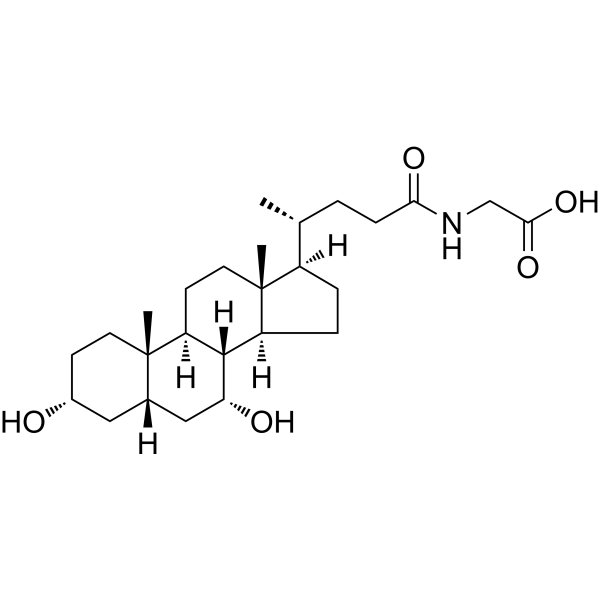
Glycochenodeoxycholic acid (Chenodeoxycholylglycine) is a relatively toxic bile salt generated in the liver from chenodeoxycholic acid and glycine. Glycochenodeoxycholic acid inhibits Autophagosome formation and impairs lysosomal function by inhibiting lysosomal proteolysis and increasing lysosomal pH in human normal liver cells, leading to the Apoptosis of human hepatocyte cells. Glycochenodeoxycholic acid induces stemness and chemoresistance via activating STAT3 signaling pathway in hepatocellular carcinoma cells (HCC). Glycochenodeoxycholic acid is promising for research in the field of cholestasis desease, hepatocellular carcinoma and primary sclerosing cholangitis (PSC) .
|
-
-
- HY-N2334A
-
|
Chenodeoxycholylglycine sodium salt; Sodium glycochenodeoxycholate
|
Endogenous Metabolite
Apoptosis
STAT
BCL6
Interleukin Related
Caspase
|
Metabolic Disease
Cancer
|
|
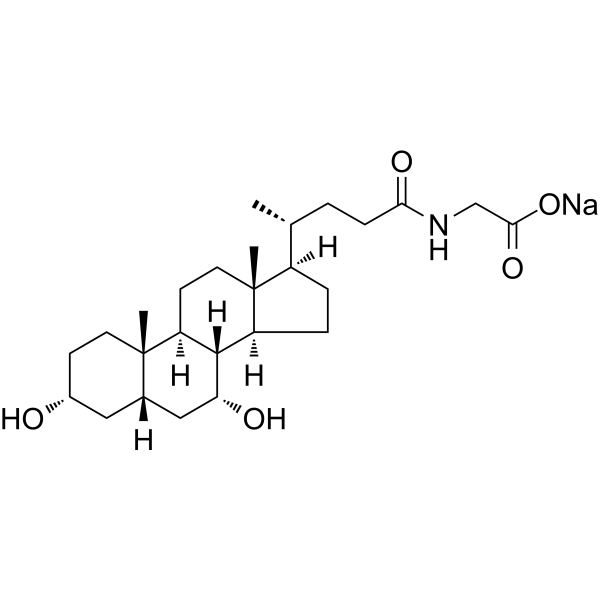
Glycochenodeoxycholic acid sodium salt (Sodium glycochenodeoxycholate) is a relatively toxic bile salt generated in the liver from chenodeoxycholic acid and glycine. Glycochenodeoxycholic acid sodium salt inhibits Autophagosome formation and impairs lysosomal function by inhibiting lysosomal proteolysis and increasing lysosomal pH in human normal liver cells, leading to the Apoptosis of human hepatocyte cells. Glycochenodeoxycholic acid sodium salt induces stemness and chemoresistance via activating STAT3 signaling pathway in hepatocellular carcinoma cells (HCC). Glycochenodeoxycholic acid sodium salt is promising for research in the field of cholestasis desease, hepatocellular carcinoma and primary sclerosing cholangitis (PSC) .
|
-
-
- HY-125913
-
|
|
Ser/Thr Protease
|
Inflammation/Immunology
|
Benzamidine is a competitive protease inhibitor that blocks the hydrolytic cleavage of glucagon by plasmin, trypsin and thrombin. Benzamidine effectively inhibits the degradation of glucagon by relevant proteases during the collection, storage and analysis of human plasma and blood samples. During in vivo metabolism, Benzamidine undergoes N-hydroxylation and produces multiple metabolites, exhibiting characteristics of delayed excretion or biphasic elimination. Benzamidine only induces slight single-strand DNA breaks at high concentrations and shows no significant genotoxic potential overall. Benzamidine may interfere with the detection of some glucagon antisera, but does not affect key antigen-antibody affinity at specific concentrations. Benzamidine can be used as a stabilizer in glucagon radioimmunoassays to ensure the accuracy and recovery rate of detection results .
|
-
-
- HY-177022
-
|
|
HBV
|
Infection
|
|
ALG-001075, a capsid assembly modulator (CAM), is an orally active HBV inhibitor. ALG-001075 effectively blocks not only HBV DNA production but also extracellular HBsAg/HBeAg and intracellular HBV RNA in primary human hepatocytes. ALG-001075 shows pronounced reductions of circulating HBV DNA in the AAV-HBV mouse model. ALG-001075 can be used for the study of Chronic hepatitis B (CHB) .
|
-
-
- HY-12281
-
-
-
- HY-18056
-
|
|
11β-HSD
|
Metabolic Disease
|
|
PF-915275 is a potent, selective and orally active human 11β-hydroxysteroid dehydrogenase type 1 (11βHSD1) inhibitor with a Ki of 2.3 nM and an EC50 of 15 nM (in HEK293 cells). The dose-dependent effect of PF-915275 on conversion of cortisone to cortisol in primary human and monkey hepatocytes, with an EC50 of 20 and 100 nM, respectively .
|
-
-
- HY-12784A
-
|
Chlorguanide triazine hydrochloride
|
Antifolate
Parasite
DNA/RNA Synthesis
STAT
|
Infection
Cancer
|
|
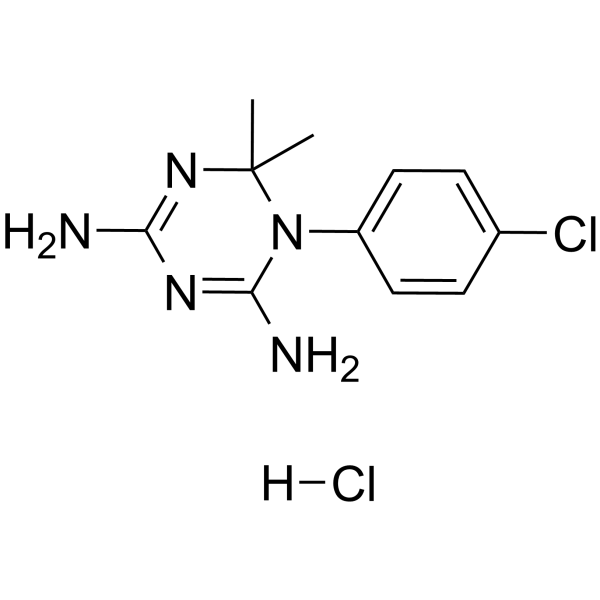
Cycloguanil (Chlorguanide triazine) hydrochloride is a dihydrofolate reductase (DHFR) inhibitor with an IC50 of 10.8 μM against human DHFR. Cycloguanil hydrochloride blocks the folate metabolic pathway, thereby affecting nucleotide synthesis and interfering with DNA replication. Cycloguanil inhibits DHFR in Plasmodium and is thus used in malaria research. Cycloguanil hydrochloride also potently inhibits DHFR in human cancer cells and blocks the transcriptional activity of STAT3, thereby exhibiting anticancer activity .
|
-
-
- HY-155108B
-
|
|
Arginase
|
Cancer
|
|
OATD-02 hydrochloride is the hydrochloride salt form of OATD-02 (HY-155108). OATD-02 hydrochloride an orally active, competitive, reversible, noncovalent dual inhibitor of Arginase1 and Arginase2. OATD-02 hydrochloride is a slow offset inhibitor, blocking intracellular arginases with IC50s of 20 nM (hARG1), 39 nM (hARG2), 39 nM (mARG1), and 28 nM (rARG1), respectively. OATD-02 hydrochloride bolishes tumor immunosuppression induced by both arginases. OATD-02 hydrochloride can be used for melanoma study .
|
-
-
- HY-D1078
-
|
|
Fluorescent Dye
Reactive Oxygen Species (ROS)
P-glycoprotein
|
Others
|
|
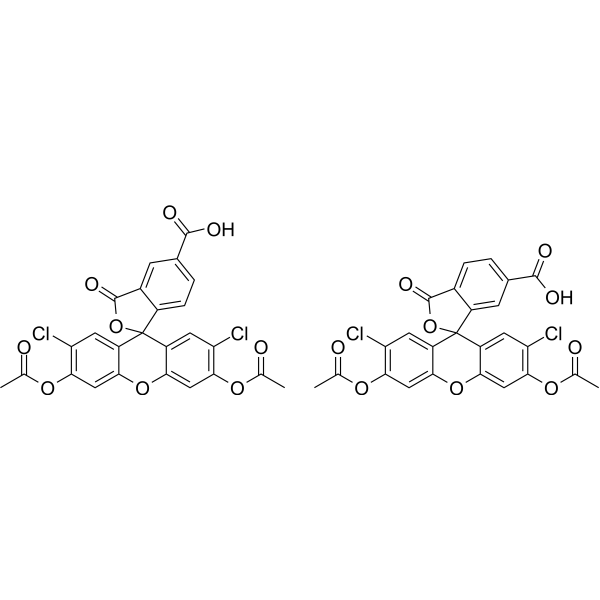
5 (6)-Carboxy-2',7'-dichlorofluorescein diacetate is a fluorescein-based reactive oxygen species (ROS) probe and also a MRP2 substrate. 5 (6)-Carboxy-2',7'-dichlorofluorescein diacetate serves as a substrate for intracellular esterases, which cleave its acetate groups to generate a fluorescent product capable of detecting intracellular ROS. 5 (6)-Carboxy-2',7'-dichlorofluorescein diacetate is ATP-dependent and is transported via a single MRP2 binding site; it competes with LTC4 for MRP2 binding sites and inhibits MRP2-mediated LTC4 transport (Ex/Em = 496/525 nm) .
|
-
-
- HY-B1309
-
|
AMAP
|
Drug Derivative
Mitochondrial Metabolism
|
Infection
Cancer
|
|
Metacetamol (AMAP) is an analog of Acetaminophen (HY-66005). Metacetamol induces dose-dependent necrosis in primary hepatocytes via glutathione depletion, mitochondrial damage, and formation of mitochondrial protein adducts. Metacetamol derivatives act as anticancer and antibacterial agents. Metacetamol can be used in studies related to breast cancer, bacterial infections, and fungal infections (candidiasis) .
|
-
-
- HY-G0007
-
|
Omeprazole sulphone
|
Drug Metabolite
Cytochrome P450
Aryl Hydrocarbon Receptor
|
Inflammation/Immunology
|
|
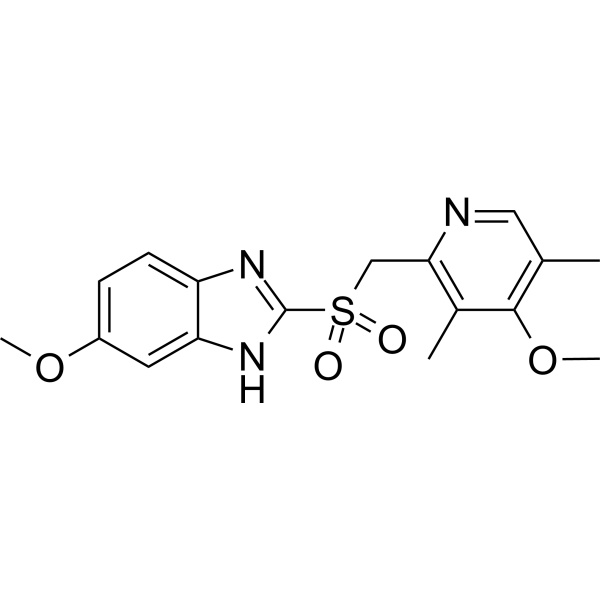
Omeprazole sulfone (Omeprazole sulphone) is one of the major circulating metabolites of Omeprazole (HY-B0113) in vivo, and belongs to class 4 non-mutagenic impurities. Omeprazole sulfone does not bind to the aryl hydrocarbon receptor (AhR), nor does it induce the expression of CYP1A1 or CYP1A2. However, Omeprazole sulfone promotes the migration of gastric epithelial cells under basal conditions and reverses the inhibitory effect of Indomethacin (HY-14397) on cell migration. Omeprazole sulfone does not promote cell proliferation, nor does it upregulate COX-2 expression or activate signaling pathways such as ERK, P38 MAPK and PI3K. Omeprazole sulfone maintains basal ulcer healing under non-acid-dependent conditions and can be used in studies related to gastric ulcer repair .
|
-
-
- HY-P991200
-
|
|
HCV
Claudin
|
Infection
|
|
OM-7D3-B3 is an antibody-based antiviral agent targeting the tight junction protein CLDN1 (Kd=4 nM). By binding to the first extracellular domain of CLDN1, OM-7D3-B3 disrupts the formation of the CLDN1-CD81 co-receptor complex, thereby effectively inhibiting the entry of hepatitis C virus (HCV). OM-7D3-B3 not only prevents de novo and chronic HCV infections in humanized liver chimeric mice and uPA-SCID mice transplanted with human livers, but also exhibits favorable safety with no toxic effects observed. OM-7D3-B3 serves as a critical tool for research on HCV infection mechanisms and antiviral drug development .
|
-
-
- HY-G0006
-
|
Ufiprazole
|
Drug Metabolite
Aryl Hydrocarbon Receptor
Bacterial
|
Infection
Metabolic Disease
|
|
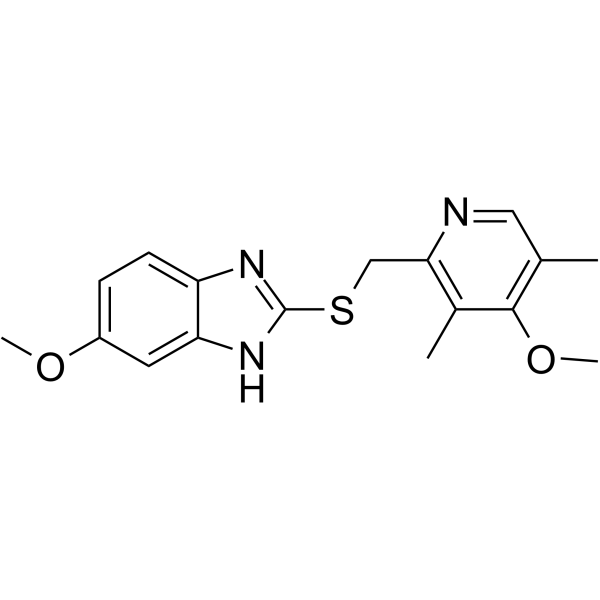
Omeprazole sulfide (Ufiprazole) is a metabolic degradation product of Omeprazole (HY-B0113). Omeprazole sulfide acts as a modulator of AhR. Omeprazole sulfide in cells with low CYP3A4 expression, functions as an AhR antagonist; however, in cells with high CYP3A4 expression, it is rapidly metabolized to Omeprazole, thereby acting as an AhR agonist. Omeprazole sulfide exhibits antibacterial activity when conjugated with silver nanoparticles (AgNPs). Omeprazole sulfide can be used in research on acid suppression and bacterial infections .
|
-
-
- HY-137967
-
|
Genistein 7-O-glucuronide
|
Drug Metabolite
|
Metabolic Disease
|
|
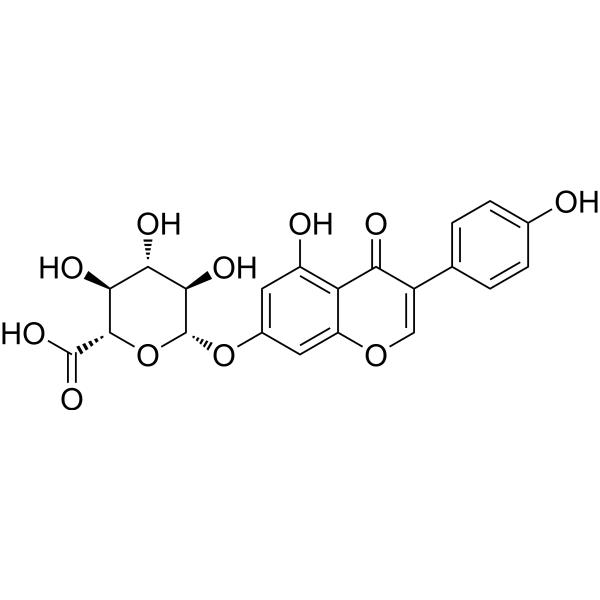
Genistein 7-β-D-Glucuronide (Genistein 7-O-glucuronide) is the primary phase II metabolite of Genistein (HY-14596) in human and rat hepatocytes. Genistein 7-β-D-Glucuronide undergoes distinct deconjugation in different functional assays. Genistein 7-β-D-Glucuronide is produced via hepatic microsomal glucuronidation and shows a mild age-related increase in intrinsic clearance in male F344 rats. Genistein 7-β-D-Glucuronide can be used for research on metabolism .
|
-
-
- HY-P10031
-
|
|
GLP Receptor
GCGR
|
Metabolic Disease
|
|
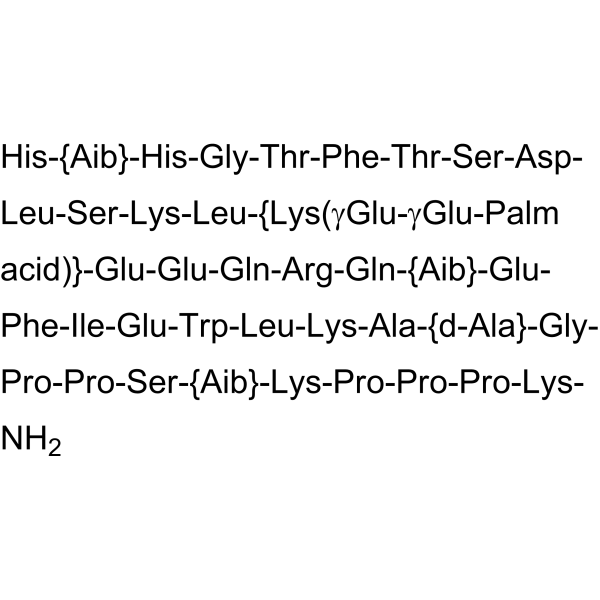
SAR441255 is a GLP-1R/GCGR/GIPR agonist, with human EC50 values of 1.03 pM, 1.01 pM, and 0.73 pM, respectively. SAR441255 stimulates receptor activity and drives cAMP accumulation. SAR441255 can be used for the research of type 2 diabetes, obesity .
|
-
-
- HY-148560A
-
|
|
HBV
DNA/RNA Synthesis
|
Infection
|
|
trans-ccc_R08 (Compound 1-B) is a cccDNA inhibitor with anti-HBV activity, with an IC50 of 0.14 μM for HBeAg and an IC50 of 0.08 μM for HBsAg in in vitro assays. trans-ccc_R08 inhibits covalently closed circular DNA (cccDNA). trans-ccc_R08 is applicable to research related to hepatitis B virus infection .
|
-
-
- HY-100590
-
|
BRD6125
|
Cytochrome P450
|
Others
|
|
FPH1(BRD-6125) increases the number and activity of primary human hepatocytes in vitro and promotes the differentiation of iPS cells towards a hepatic lineage .
|
-
-
- HY-155108
-
|
|
Arginase
|
Cancer
|
|
OATD-02 is an orally active, competitive, reversible, noncovalent dual inhibitor of Arginase1 and 2. OATD-02 is a slow offset inhibitor, blocking intracellular arginases with IC50s of 20 nM (hARG1), 39 nM (hARG2), 39 nM (mARG1), and 28 nM (rARG1), respectively. OATD-02 abolishes tumor immunosuppression induced by both arginases. OATD-02 can be used for melanoma study .
|
-
-
- HY-147645
-
|
|
FBPase
|
Metabolic Disease
|
|
FBPase-IN-2 (Compound HS36) is a covalent FBPase inhibitor with an IC50 value of 0.15 μM for wild-type FBPase. FBPase-IN-2 inhibits glucose production in primary mouse hepatocytes via gluconeogenesis modulation. FBPase-IN-2 can be used for the research of type 2 diabetes mellitus .
|
-
-
- HY-137397
-
|
8-OH-EFV
|
Apoptosis
JNK
|
Cancer
|
|
8-Hydroxyefavirenz (8-OH-EFV) is a primary metabolite of (HY-10572). 8-Hydroxyefavirenz induces apoptosis via a JNK- and BimEL-dependent mechanism in primary human hepatocytes. 8-Hydroxyefavirenz can be used in research of cancer . 8-Hydroxyefavirenz is a click chemistry reagent, it contains an Alkyne group and can undergo copper-catalyzed azide-alkyne cycloaddition (CuAAc) with molecules containing Azide groups.
|
-
-
- HY-P991674
-
|
BJT-778
|
HBV
|
Infection
Inflammation/Immunology
|
|
Brelovitug (BJT-778) is a humanized IgG1 neutralizing monoclonal antibody targeting hepatitis B surface antigen (HBsAg). Brelovitug binds with high affinity to HBsAg purified from HBV serotypes ad and ay, with Kd values of 0.22 nM and 0.39 nM, respectively. Brelovitug binds with high affinity to HBsAg of HBV genotypes A, B, C and D, with IC50 values of 0.07, 0.02, 0.02 and 0.07 nM, respectively. Brelovitug can be used in research related to chronic hepatitis B and chronic hepatitis D .
|
-
-
- HY-N2334R
-
|
Chenodeoxycholylglycine (Standard)
|
Reference Standards
Endogenous Metabolite
Apoptosis
STAT
BCL6
Interleukin Related
Caspase
|
Metabolic Disease
Cancer
|
|
Glycochenodeoxycholic acid (Standard) is the analytical standard of Glycochenodeoxycholic acid. This product is intended for research and analytical applications. Glycochenodeoxycholic acid (Chenodeoxycholylglycine) is a relatively toxic bile salt generated in the liver from chenodeoxycholic acid and glycine. Glycochenodeoxycholic acid inhibits Autophagosome formation and impairs lysosomal function by inhibiting lysosomal proteolysis and increasing lysosomal pH in human normal liver cells, leading to the Apoptosis of human hepatocyte cells. Glycochenodeoxycholic acid induces stemness and chemoresistance via activating STAT3 signaling pathway in hepatocellular carcinoma cells (HCC). Glycochenodeoxycholic acid is promising for research in the field of cholestasis desease, hepatocellular carcinoma and primary sclerosing cholangitis (PSC)[1][2][3][4].
|
-
-
- HY-N2334AR
-
|
Chenodeoxycholylglycine sodium salt (Standard); Sodium glycochenodeoxycholate (Standard)
|
Reference Standards
Endogenous Metabolite
Apoptosis
STAT
BCL6
Interleukin Related
Caspase
|
Metabolic Disease
Cancer
|
|
Glycochenodeoxycholic acid sodium salt (Standard) is the analytical standard of Glycochenodeoxycholic acid sodium salt. This product is intended for research and analytical applications. Glycochenodeoxycholic acid sodium salt (Sodium glycochenodeoxycholate) is a relatively toxic bile salt generated in the liver from chenodeoxycholic acid and glycine. Glycochenodeoxycholic acid sodium salt inhibits Autophagosome formation and impairs lysosomal function by inhibiting lysosomal proteolysis and increasing lysosomal pH in human normal liver cells, leading to the Apoptosis of human hepatocyte cells. Glycochenodeoxycholic acid sodium salt induces stemness and chemoresistance via activating STAT3 signaling pathway in hepatocellular carcinoma cells (HCC). Glycochenodeoxycholic acid sodium salt is promising for research in the field of cholestasis desease, hepatocellular carcinoma and primary sclerosing cholangitis (PSC) .
|
-
-
- HY-149056
-
|
|
MAP4K
Interleukin Related
|
Cancer
|
|
GNE-6893 is an orally active, selective HPK1 inhibitor with a Ki < 0.02 nM. GNE-6893 enhances T cell receptor signaling in primary human T cells. GNE-6893 increases IL2 production in stimulated primary human T cells. GNE-6893 can be used for the research of chronic refractory cancers .
|
-
-
- HY-113820
-
|
|
PPAR
|
Metabolic Disease
|
|
AZD4619 is an orally active, selective peroxisome proliferator-activated receptor α (PPARα) agonist. AZD4619 increases alanine aminotransferase 1 (ALT1) protein expression in a dose-dependent manner in human, but not in rat primary hepatocytes. AZD4619 is a lipid-lowering drug .
|
-
-
- HY-14391
-
|
GS-558093
|
HCV
|
Infection
|
|
PSI-353661 (GS-558093) is a purine nucleotide NS5B polymerase inhibitor against HCV infection. PSI-353661 shows EC90s of 8 nM and 11 nM for wild type and S282T resistant replicons of HCV. PSI-353661 can produce high concentrations of the active triphosphate in primary human hepatocytes .
|
-
-
- HY-148781
-
|
|
HBV
|
Infection
|
|
HBV-IN-30 (ex44), a flavone derivative, is a potent covalently closed circular DNA (cccDNA) inhibitor. cccDNA serves as the template for viral RNA transcription and subsequent viral DNA generation. HBV-IN-30 has the potential for the research of HBV infection .
|
-
-
- HY-P10031A
-
|
|
GLP Receptor
GCGR
|
Metabolic Disease
|
|
SAR441255 TFA is a GLP-1R/GCGR/GIPR agonist, with human EC50 values of 1.03 pM, 1.01 pM, and 0.73 pM, respectively. SAR441255 TFA stimulates receptor activity and drives cAMP accumulation. SAR441255 TFA can be used for the research of type 2 diabetes, obesity .
|
-
-
- HY-173465
-
-
-
- HY-108614
-
|
|
Phosphorylase
|
Metabolic Disease
|
|
GPi688 is a potent and orally active glycogen phosphorylase (GPa) inhibitor with IC50s of 19 nM, 61 nM and 12 nM for human liver GPa, rat liver GPa and human skeletal muscle GPa, respectively . GPi688 can inhibit glucagons-mediated glucose output in rat primary hepatocytes. GPi688 can be used for researching glucagon-mediated hyperglycaemia .
|
-
-
- HY-12784
-
|
Chlorguanide triazine
|
Antifolate
DNA/RNA Synthesis
STAT
Parasite
|
Infection
Cancer
|
|
Cycloguanil (Chlorguanide triazine) is a dihydrofolate reductase (DHFR) inhibitor with an IC50 of 10.8 μM against human DHFR. Cycloguanil blocks the folate metabolic pathway, thereby affecting nucleotide synthesis and interfering with DNA replication. Cycloguanil inhibits DHFR in Plasmodium and is thus used in malaria research. Cycloguanil also potently inhibits DHFR in human cancer cells and blocks the transcriptional activity of STAT3, thereby exhibiting anticancer activity .
|
-
-
- HY-173391
-
|
4-HNE-GSH TFA
|
Drug Metabolite
|
Metabolic Disease
|
|
4-Hydroxy nonenal glutathione (4-HNE-GSH) TFA is the primary metabolite of 4-Hydroxy-2-nonenal. 4-Hydroxy nonenal glutathionea TFA is a marker of oxidative stress in rat liver and hepatocytes. 4-Hydroxy nonenal glutathione TFA efficiently prevents formation of DNA adducts with 4-Hydroxy-2-nonenal in human cells .
|
-
-
- HY-174443
-
|
|
PROTACs
Epoxide Hydrolase
|
Neurological Disease
Inflammation/Immunology
|
|
PROTAC sEH degrader-2 is a PROTAC targeting degradation agent for soluble epoxide hydrolase (sEH) with pIC50 values of the catalytic domain of 8.37 (human sEH-H) and 7.12 (mouce sEH-H). PROTAC sEH degrader-2 can be used for the research related to inflammation and neuroinflammation, such as Alzheimer's disease . (Structure Note: Pink: sEH-H ligand (HY-174225); Blue: CRBN Ligand (HY-103597); Black: linker; E3 + linker (HY-141011))
|
-
-
- HY-173033
-
|
|
Pregnane X Receptor (PXR)
Constitutive Androstane Receptor
Cytochrome P450
|
Metabolic Disease
|
|
MI-883 is the orally active agonist for Constitutive Androstane Receptor (CAR, EC50=73 nM) and the antagonist for Pregnane X Receptor (PXR, IC50=0.1 μM). MI-883 stimulates CAR LBD assembly (EC50=0.38 µM) and CAR3 variant activation (EC50=0.074 µM), induces CYP2B6 mRNA expression in HepaRG and primary human hepatocytes. MI-883 inhibits basal PXR activity IC50=2.03 µM) in transiently transfected HepG2 cells, blocks CYP3A4 mRNA expression in HepG2. MI-883 regulates cholesterol metabolism and bile acid excretion, improves hypercholesterolemia in mouse models .
|
-
-
- HY-136855
-
|
|
Sirtuin
AMPK
PGC-1α
Apoptosis
Reactive Oxygen Species (ROS)
|
Metabolic Disease
|
|
MitoPBN is a AMPK/SIRT3/PGC-1α axis modulator, reactive oxygen species scavenger and mitochondrial function enhancer. MitoPBN increases the phosphorylation level of AMPK, restores SIRT3 expression and reverses the down-regulation of PGC-1α, thereby promoting mitochondrial biogenesis. MitoPBN regulates glucose metabolism, reduces blood glucose by inhibiting hepatic gluconeogenesis and increasing hepatic glucose uptake, while scavenging mitochondrial superoxide anion/hydrogen peroxide, maintaining membrane potential and increasing ATP production. MitoPBN also reduces cell apoptosis, improves sperm motility, survival rate and membrane integrity, but may induce reductive stress in cryopreserved sperm at high concentrations. MitoPBN is widely applicable to research related to diabetes and type 2 diabetes .
|
-
-
- HY-110134
-
|
|
Constitutive Androstane Receptor
|
Metabolic Disease
|
|
S07662 is a human constitutive androstane receptor (hCAR) inhibitor with an IC50 of 0.7 μM. S07662 recruits the corepressor NCoR in cell-based assays and attenuate the expression of CYP2B6 mRNA in human primary hepatocytes induced by phenytoin (HY-B0448) and CITCO (HY-103244) .
|
-
-
- HY-173278
-
|
|
HBV
Potassium Channel
|
Infection
|
|
AIC263282 is a potent Hepatitis B Virus (HBV) capsid assembly modulator with an EC50 of 3.8 nM. AIC263282 shows an IC50 of 61 nM for hERG. AIC263282 exhibits activity against viral replication and hepatitis B surface antigen (HBsAG) on primary human hepatocytes .
|
-
-
- HY-18056R
-
|
|
11β-HSD
|
Metabolic Disease
|
|
PF-915275 (Standard) is the analytical standard of PF-915275. This product is intended for research and analytical applications. PF-915275 is a potent, selective and orally active human 11β-hydroxysteroid dehydrogenase type 1 (11βHSD1) inhibitor with a Ki of 2.3 nM and an EC50 of 15 nM (in HEK293 cells). The dose-dependent effect of PF-915275 on conversion of cortisone to cortisol in primary human and monkey hepatocytes, with an EC50 of 20 and 100 nM, respectively .
|
-
-
- HY-138813R
-
|
SU-12662 hydrochloride (Standard)
|
Reference Standards
Drug Metabolite
|
Cancer
|
|
Glycochenodeoxycholic acid sodium salt (Standard) is the analytical standard of Glycochenodeoxycholic acid sodium salt. This product is intended for research and analytical applications. Glycochenodeoxycholic acid sodium salt (Sodium glycochenodeoxycholate) is a relatively toxic bile salt generated in the liver from chenodeoxycholic acid and glycine. Glycochenodeoxycholic acid sodium salt inhibits Autophagosome formation and impairs lysosomal function by inhibiting lysosomal proteolysis and increasing lysosomal pH in human normal liver cells, leading to the Apoptosis of human hepatocyte cells. Glycochenodeoxycholic acid sodium salt induces stemness and chemoresistance via activating STAT3 signaling pathway in hepatocellular carcinoma cells (HCC). Glycochenodeoxycholic acid sodium salt is promising for research in the field of cholestasis desease, hepatocellular carcinoma and primary sclerosing cholangitis (PSC) .
|
-
-
- HY-148780
-
|
|
HBV
|
Infection
|
|
HBV-IN-29 (ex8), a flavone derivative, is a potent covalently closed circular DNA (cccDNA) inhibitor. cccDNA serves as the template for viral RNA transcription and subsequent viral DNA generation. HBV-IN-29 has the potential for the research of HBV infection .
|
-
-
- HY-100590R
-
|
BRD6125 (Standard)
|
Cytochrome P450
Reference Standards
|
Others
|
|
FPH1 (Standard) is the analytical standard of FPH1 (HY-100590). This product is intended for research and analytical applications. FPH1(BRD-6125) increases the number and activity of primary human hepatocytes in vitro and promotes the differentiation of iPS cells towards a hepatic lineage .
|
-
-
- HY-182928
-
|
|
LRRK2
Mps1
|
Neurological Disease
|
|
LRRK2-IN-21 is a selective, blood-brain barrier-permeable LRRK2 kinase inhibitor with an IC50 of 0.35 nM. LRRK2-IN-21 inhibits TTK kinase with an IC50 of 70 nM. LRRK2-IN-21 is applicable to the research of Parkinson's disease .
|
-
-
- HY-181348
-
|
|
HBV
|
Infection
|
|
HBV-IN-56 is an orally active HBsAg production inhibitor. HBV-IN-56 inhibits HBsAg production both in vitro and in vivo. HBV-IN-56 can be used for the research of chronic hepatitis B virus infection .
|
-
-
- HY-183888
-
|
|
Carbamoyl Phosphate Synthetase (CPS)
|
Cancer
|
|
H3B-616 is a selective carbamoyl phosphate synthetase 1 (CPS1) inhibitor with a human IC50 of 66 nM. H3B-616 binds to an allosteric pocket in the CPS1 integrating domain to exert target engagement and inhibit enzyme activity. H3B-616 can be used for the research of nonsmall cell lung cancer and gastric cancer .
|
-
-
- HY-182905
-
|
|
Somatostatin Receptor
G protein-coupled Bile Acid Receptor 1
|
Metabolic Disease
|
|
SSTR5/TGR5-modulator-1 is an orally active and dual-target small molecule, balanced in vitro activity at human TGR5 and human SSTR5. SSTR5/TGR5-modulator-1 activates human TGR5 to promote cAMP accumulation. SSTR5/TGR5-modulator-1 blocks human SSTR5 to inhibit agonist-induced calcium mobilization. SSTR5/TGR5-modulator-1 improves glucose tolerance in mice. SSTR5/TGR5-modulator-1 alleviates gallbladder filling in mice at pharmacologically relevant doses. SSTR5/TGR5-modulator-1 has suboptimal physicochemical and metabolic properties.SSTR5/TGR5-modulator-1 can be used for the research of type 2 diabetes mellitus .
|
-
-
- HY-182014
-
|
|
LXR
|
Cardiovascular Disease
Metabolic Disease
|
|
TLC-2716 is an orally available, gut- and liver-restricted inhibitor against LXRα and LXRβ, with EC50 values of 7 nM and 15 nM, respectively. TLC-2716 represses LXRα/β transcriptional activity, downregulates genes involved in lipogenesis, lipid absorption and lipoprotein metabolism, and preserves peripheral reverse cholesterol transport. TLC-2716 reduces lipid accumulation, suppresses inflammation and fibrotic gene expression, enhances triglyceride-rich lipoprotein clearance, and improves glucose homeostasis and insulin sensitivity. TLC-2716 lowers serum and hepatic triglycerides, plasma cholesterol and other atherogenic lipid profiles in experimental models and humanized liver mice. TLC-2716 can be used for the research of dyslipidemia and related cardiometabolic disorders .
|
-
-
- HY-183260
-
|
|
HBV
Cytochrome P450
|
Infection
|
|
HBV-IN-57 is an orally active HBV inhibitor with pan-genotypic efficacy against HBV genotypes B/C. HBV-IN-57 inhibits HBV DNA replication and HBV capsid assembly. HBV-IN-57 can be used for the research of chronic hepatitis B .
|
-
-
- HY-149043
-
|
|
NF-κB
|
Metabolic Disease
|
|
NIK-IN-1 (Compound 2) is an inhibitor of NF-κB-inducing kinase (NIK). NIK-IN-1 is used for research on hepatic inflammatory diseases and acute liver injury .
|
-
-
- HY-N13285
-
|
(-)-EGC-4'-O-ME
|
Drug Derivative
|
Metabolic Disease
Inflammation/Immunology
|
|
(-)-Epigallocatechin-4'-O-methylether ((-)-EGC-4'-O-ME) is an orally active natural phenolic catechin with antioxidant, free radical-scavenging and hepatoprotective activities. (-)-Epigallocatechin-4'-O-methylether interferes with radiation-induced free radical formation, scavenges DPPH free radicals, inhibits carbon tetrachloride-induced increases in serum GOT and GPT, suppresses carbon tetrachloride-induced TBA-RS formation, and counteracts carbon tetrachloride-induced hepatocyte toxicity. (-)-Epigallocatechin-4'-O-methylether binds specifically to human serum albumin. (-)-Epigallocatechin-4'-O-methylether can be used in studies related to liver injury .
|
-
-
- HY-182456
-
|
|
KMO
|
Neurological Disease
|
|
CHDI-340246 is an orally active kynurenine monooxygenase (KMO) inhibitor. CHDI-340246 blocks KMO activity, alters the metabolic flux of the kynurenine pathway, inhibits the production of 3-hydroxykynurenine and quinolinic acid, elevates the levels of kynurenine and kynurenic acid, and restores electrophysiological abnormalities in transgenic mouse models of Huntington's disease. CHDI-340246 can be used in studies related to Huntington's disease .
|
-
| Cat. No. |
Product Name |
Type |
-
- HY-D1078
-
|
|
Fluorescent Dyes
|
|
5 (6)-Carboxy-2',7'-dichlorofluorescein diacetate is a fluorescein-based reactive oxygen species (ROS) probe and also a MRP2 substrate. 5 (6)-Carboxy-2',7'-dichlorofluorescein diacetate serves as a substrate for intracellular esterases, which cleave its acetate groups to generate a fluorescent product capable of detecting intracellular ROS. 5 (6)-Carboxy-2',7'-dichlorofluorescein diacetate is ATP-dependent and is transported via a single MRP2 binding site; it competes with LTC4 for MRP2 binding sites and inhibits MRP2-mediated LTC4 transport (Ex/Em = 496/525 nm) .
|
| Cat. No. |
Product Name |
Type |
-
- HY-D1078
-
|
|
Biochemical Assay Reagents
|
|
5 (6)-Carboxy-2',7'-dichlorofluorescein diacetate is a fluorescein-based reactive oxygen species (ROS) probe and also a MRP2 substrate. 5 (6)-Carboxy-2',7'-dichlorofluorescein diacetate serves as a substrate for intracellular esterases, which cleave its acetate groups to generate a fluorescent product capable of detecting intracellular ROS. 5 (6)-Carboxy-2',7'-dichlorofluorescein diacetate is ATP-dependent and is transported via a single MRP2 binding site; it competes with LTC4 for MRP2 binding sites and inhibits MRP2-mediated LTC4 transport (Ex/Em = 496/525 nm) .
|
| Cat. No. |
Product Name |
Target |
Research Area |
-
- HY-P10031
-
|
|
GLP Receptor
GCGR
|
Metabolic Disease
|
|
SAR441255 is a GLP-1R/GCGR/GIPR agonist, with human EC50 values of 1.03 pM, 1.01 pM, and 0.73 pM, respectively. SAR441255 stimulates receptor activity and drives cAMP accumulation. SAR441255 can be used for the research of type 2 diabetes, obesity .
|
-
- HY-P10031A
-
|
|
GLP Receptor
GCGR
|
Metabolic Disease
|
|
SAR441255 TFA is a GLP-1R/GCGR/GIPR agonist, with human EC50 values of 1.03 pM, 1.01 pM, and 0.73 pM, respectively. SAR441255 TFA stimulates receptor activity and drives cAMP accumulation. SAR441255 TFA can be used for the research of type 2 diabetes, obesity .
|
-
- HY-K3030
-
|
|
|
Ham’s F-12K Medium was originally designed for the culture of primary human hepatocytes and differentiated rat and chicken cells. It is particularly suitable for single-cell cloning of Chinese hamster ovary (CHO) cells under serum-free conditions. When supplemented with serum, it can also be used for the culture of various other mammalian cell types, including chondrocytes and rat prostate epithelial cells.
|
| Cat. No. |
Product Name |
Target |
Research Area |
Image |
-
- HY-P991200
-
|
|
HCV
Claudin
|
Infection
|
|
OM-7D3-B3 is an antibody-based antiviral agent targeting the tight junction protein CLDN1 (Kd=4 nM). By binding to the first extracellular domain of CLDN1, OM-7D3-B3 disrupts the formation of the CLDN1-CD81 co-receptor complex, thereby effectively inhibiting the entry of hepatitis C virus (HCV). OM-7D3-B3 not only prevents de novo and chronic HCV infections in humanized liver chimeric mice and uPA-SCID mice transplanted with human livers, but also exhibits favorable safety with no toxic effects observed. OM-7D3-B3 serves as a critical tool for research on HCV infection mechanisms and antiviral drug development .
|
-
(5)
-
- HY-P991674
-
|
BJT-778
|
HBV
|
Infection
Inflammation/Immunology
|
|
Brelovitug (BJT-778) is a humanized IgG1 neutralizing monoclonal antibody targeting hepatitis B surface antigen (HBsAg). Brelovitug binds with high affinity to HBsAg purified from HBV serotypes ad and ay, with Kd values of 0.22 nM and 0.39 nM, respectively. Brelovitug binds with high affinity to HBsAg of HBV genotypes A, B, C and D, with IC50 values of 0.07, 0.02, 0.02 and 0.07 nM, respectively. Brelovitug can be used in research related to chronic hepatitis B and chronic hepatitis D .
|
-
(5)
| Cat. No. |
Product Name |
Category |
Target |
Chemical Structure |
-
- HY-N2334
-
-
-
- HY-N2334A
-
|
Chenodeoxycholylglycine sodium salt; Sodium glycochenodeoxycholate
|
Classification of Application Fields
Endogenous metabolite
Disease Research Fields
Steroids
Source Classification
Cancer
|
Endogenous Metabolite
Apoptosis
STAT
BCL6
Interleukin Related
Caspase
|
|
Glycochenodeoxycholic acid sodium salt (Sodium glycochenodeoxycholate) is a relatively toxic bile salt generated in the liver from chenodeoxycholic acid and glycine. Glycochenodeoxycholic acid sodium salt inhibits Autophagosome formation and impairs lysosomal function by inhibiting lysosomal proteolysis and increasing lysosomal pH in human normal liver cells, leading to the Apoptosis of human hepatocyte cells. Glycochenodeoxycholic acid sodium salt induces stemness and chemoresistance via activating STAT3 signaling pathway in hepatocellular carcinoma cells (HCC). Glycochenodeoxycholic acid sodium salt is promising for research in the field of cholestasis desease, hepatocellular carcinoma and primary sclerosing cholangitis (PSC) .
|
-
-
- HY-B1309
-
-
-
- HY-N2334R
-
|
Chenodeoxycholylglycine (Standard)
|
Structural Classification
Microorganisms
Endogenous metabolite
Steroids
Source Classification
|
Reference Standards
Endogenous Metabolite
Apoptosis
STAT
BCL6
Interleukin Related
Caspase
|
|
Glycochenodeoxycholic acid (Standard) is the analytical standard of Glycochenodeoxycholic acid. This product is intended for research and analytical applications. Glycochenodeoxycholic acid (Chenodeoxycholylglycine) is a relatively toxic bile salt generated in the liver from chenodeoxycholic acid and glycine. Glycochenodeoxycholic acid inhibits Autophagosome formation and impairs lysosomal function by inhibiting lysosomal proteolysis and increasing lysosomal pH in human normal liver cells, leading to the Apoptosis of human hepatocyte cells. Glycochenodeoxycholic acid induces stemness and chemoresistance via activating STAT3 signaling pathway in hepatocellular carcinoma cells (HCC). Glycochenodeoxycholic acid is promising for research in the field of cholestasis desease, hepatocellular carcinoma and primary sclerosing cholangitis (PSC)[1][2][3][4].
|
-
-
- HY-N2334AR
-
|
Chenodeoxycholylglycine sodium salt (Standard); Sodium glycochenodeoxycholate (Standard)
|
Structural Classification
Endogenous metabolite
Steroids
Source Classification
|
Reference Standards
Endogenous Metabolite
Apoptosis
STAT
BCL6
Interleukin Related
Caspase
|
|
Glycochenodeoxycholic acid sodium salt (Standard) is the analytical standard of Glycochenodeoxycholic acid sodium salt. This product is intended for research and analytical applications. Glycochenodeoxycholic acid sodium salt (Sodium glycochenodeoxycholate) is a relatively toxic bile salt generated in the liver from chenodeoxycholic acid and glycine. Glycochenodeoxycholic acid sodium salt inhibits Autophagosome formation and impairs lysosomal function by inhibiting lysosomal proteolysis and increasing lysosomal pH in human normal liver cells, leading to the Apoptosis of human hepatocyte cells. Glycochenodeoxycholic acid sodium salt induces stemness and chemoresistance via activating STAT3 signaling pathway in hepatocellular carcinoma cells (HCC). Glycochenodeoxycholic acid sodium salt is promising for research in the field of cholestasis desease, hepatocellular carcinoma and primary sclerosing cholangitis (PSC) .
|
-
-
- HY-N13285
-
|
(-)-EGC-4'-O-ME
|
Structural Classification
Ouratea Aubl.
Phenols
Polyphenols
Plants
Source Classification
|
Drug Derivative
|
|
(-)-Epigallocatechin-4'-O-methylether ((-)-EGC-4'-O-ME) is an orally active natural phenolic catechin with antioxidant, free radical-scavenging and hepatoprotective activities. (-)-Epigallocatechin-4'-O-methylether interferes with radiation-induced free radical formation, scavenges DPPH free radicals, inhibits carbon tetrachloride-induced increases in serum GOT and GPT, suppresses carbon tetrachloride-induced TBA-RS formation, and counteracts carbon tetrachloride-induced hepatocyte toxicity. (-)-Epigallocatechin-4'-O-methylether binds specifically to human serum albumin. (-)-Epigallocatechin-4'-O-methylether can be used in studies related to liver injury .
|
-
Your information is safe with us. * Required Fields.
Inquiry Information
- Product Name:
- Cat. No.:
- Quantity:
- MCE Japan Authorized Agent:

