Search Result
Results for "
Kaempferol
" in MedChemExpress (MCE) Product Catalog:
| Cat. No. |
Product Name |
Target |
Research Areas |
Chemical Structure |
-
- HY-14590
-
-
-
- HY-N0015
-
|
Astragaline; 3-GlucosylKaempferol; Kaempferol 3-β-D-glucopyranoside
|
Apoptosis
NF-κB
|
Infection
Inflammation/Immunology
Cancer
|
|
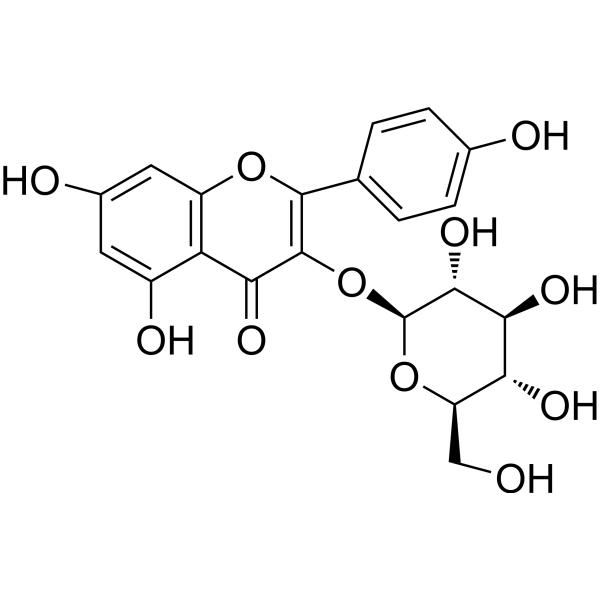
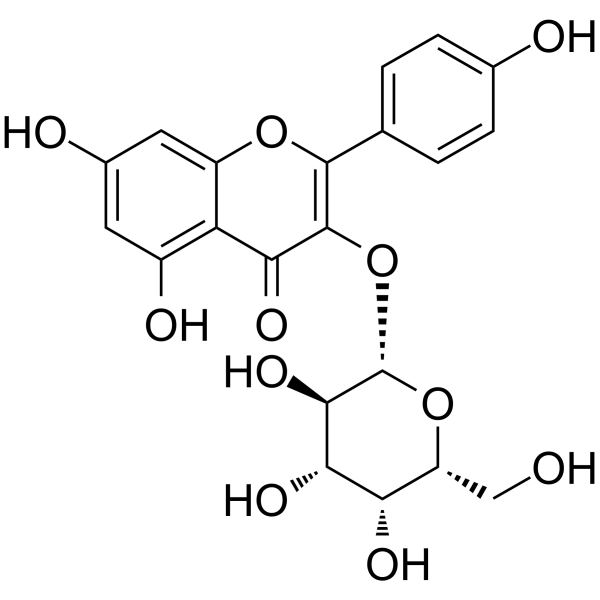
Astragalin (Astragaline) a flavonoid with anti-inflammatory, antioxidant, anticancer, bacteriostatic activity. Astragalin inhibits cancer cells proliferation and migration, induces apoptosis. Astragalin is orally active and provides nerve and heart protection, and resistance against and osteoporosis .
|
-
-
- HY-15449
-
-
-
- HY-14590R
-
|
Kempferol(Standard); Robigenin (Standard)
|
Reference Standards
Estrogen Receptor/ERR
Autophagy
Mitophagy
Apoptosis
HIV
Parasite
Endogenous Metabolite
|
Cancer
|
|
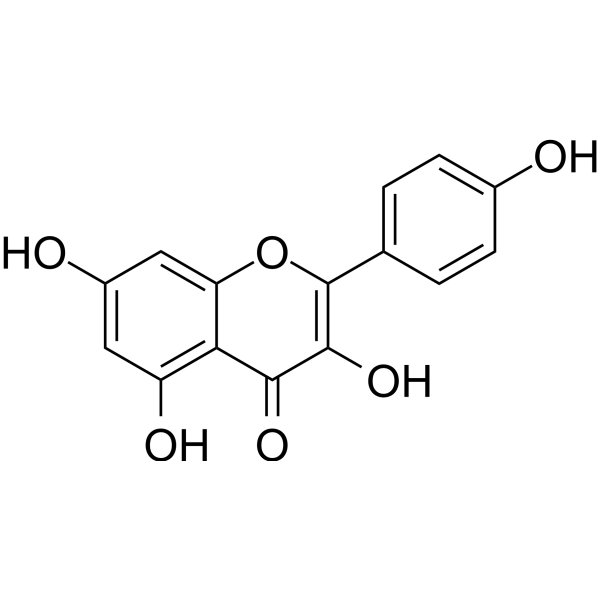
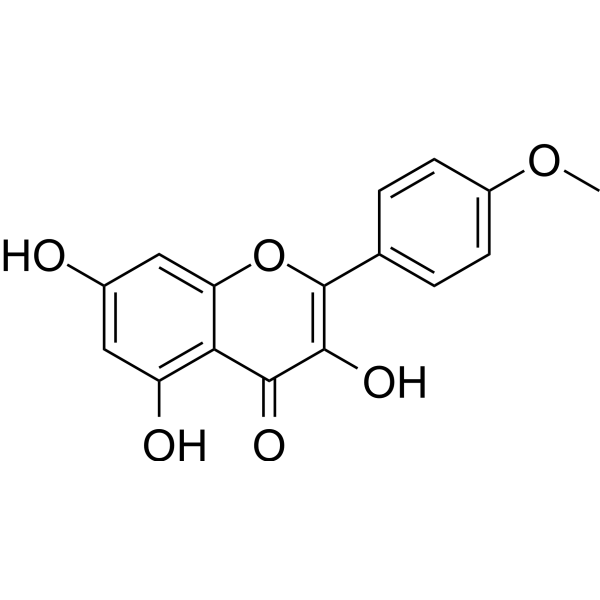
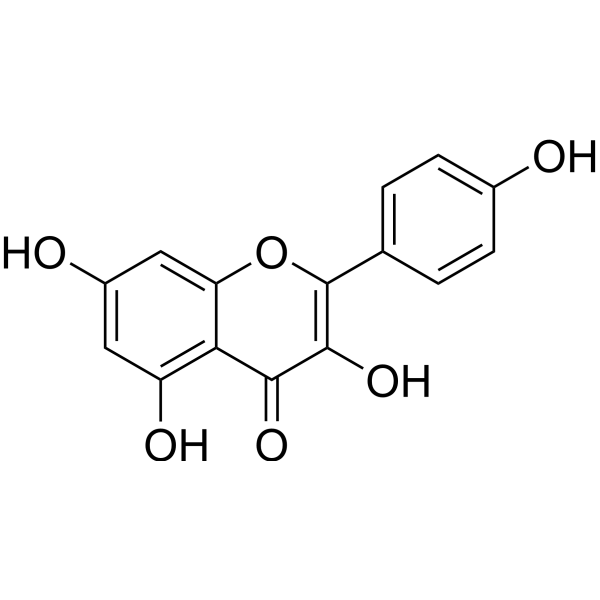
Kaempferol (Standard) is the analytical standard of Kaempferol. This product is intended for research and analytical applications. Kaempferol (Kempferol), a flavonoid found in many edible plants, inhibits estrogen receptor α expression in breast cancer cells and induces apoptosis in glioblastoma cells and lung cancer cells by activation of MEK-MAPK. Kaempferol can be uesd for the research of breast cancer .
|
-
-
- HY-N1441
-
|
Kaempferol-3-O-rhamnoside
|
Mitochondrial Metabolism
PTEN
Autophagy
Bacterial
|
Infection
Cardiovascular Disease
Neurological Disease
Inflammation/Immunology
|
|
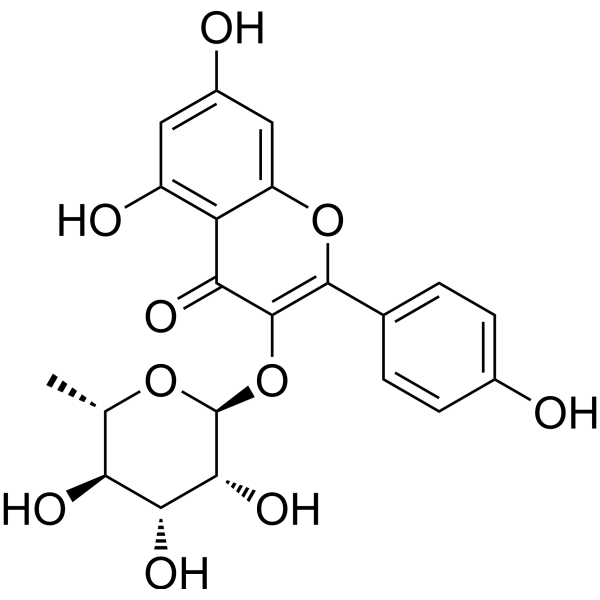
Afzelin (Kaempferol-3-O-rhamnoside)It is a flavonol glycoside that has anti-inflammatory, anti-oxidative stress response, anti-apoptotic, and anti-cardiac cytotoxic effects. AfzelinIt can reduce mitochondrial damage, enhance mitochondrial biosynthesis, and reduce mitochondria-related proteins. Parkinand PTENinduced putative kinase 1 (putative kinase 1)s level. AfzelinCan be improved D-galactosamine(GalN)/LPSSurvival rate of mice treated with doxorubicin prophylaxis (HY-15142A)Induced cardiotoxicity and scopolamine (HY-N0296)-induced neurological injury. AfzelinAlso inhibits asthma and allergies caused by ovalbumin .
|
-
-
- HY-N6605
-
|
Trifolin
|
Apoptosis
|
Cardiovascular Disease
Cancer
|
|
Kaempferol 3-O-β-D-galactopyranoside (Trifolin) is an orally active flavonoid derivative that can be found in the aerial parts of Consolida oliverana. Kaempferol 3-O-β-D-galactopyranoside exhibits antitumor and cardioprotective effects .
|
-
-
- HY-N7176
-
|
Kaempferol-3-glucuronide; Kaempferol-3-O-glucuronide
|
Interleukin Related
|
Metabolic Disease
Inflammation/Immunology
Cancer
|
|
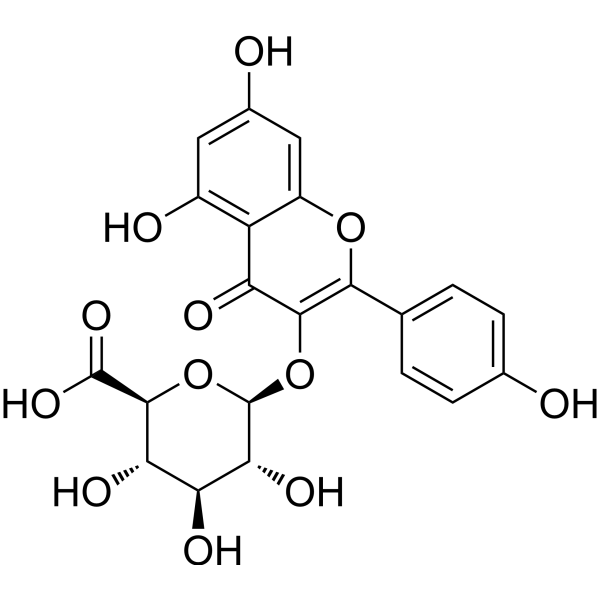
Kaempferol 3-O-β-D-glucuronide (Kaempferol-3-glucuronide) is a metabolite of kaempferol that can be taken orally and has anti-inflammatory properties. Kaempferol 3-O-β-D-glucuronide can activate AKT/GSK3β phosphorylation and improve glucose metabolism .
|
-
-
- HY-N0627
-
|
|
LDLR
|
Others
|
|
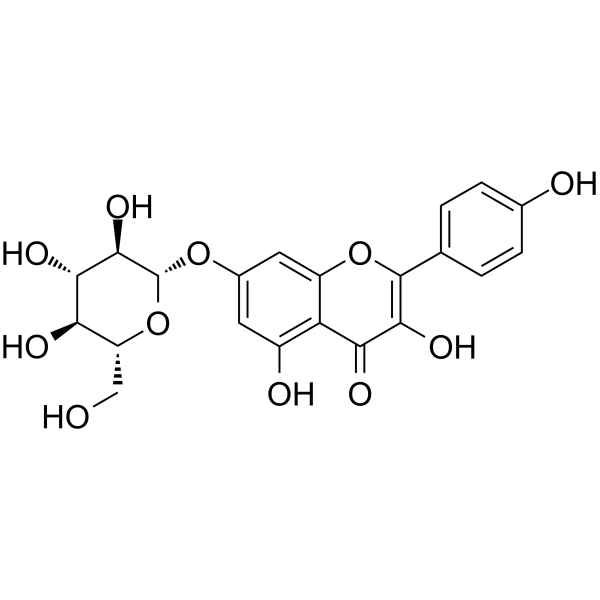
Kaempferol-7-O-β-D-glucopyranoside is a flavonoid glycoside. Kaempferol-7-O-β-D-glucopyranoside exists in the root bark of Cudrania tricuspidata. Kaempferol-7-O-β-D-glucopyranoside inhibits Cu 2+-induced lipid peroxidation of low-density lipoprotein. Kaempferol-7-O-β-D-glucopyranoside possesses antioxidant activity and scavenges DPPH free radicals .
|
-
-
- HY-N2055
-
|
|
Toll-like Receptor (TLR)
NF-κB
TNF Receptor
AMPK
|
Neurological Disease
Inflammation/Immunology
|
|
Kaempferol 3-O-sophoroside is an orally active derivative of Kaempferol. It exhibits anti-inflammatory, analgesic, and antidepressant effects. Kaempferol 3-O-sophoroside is an inhibitor of the cell surface receptor toll-like receptor (TLR) 2/4 for High mobility group box 1 (HMGB1), and it also exerts anti-inflammatory effects by blocking the activation of NF-κB expression and the production of TNF-α. Kaempferol 3-O-sophoroside promotes the production of brain-derived neurotrophic factor (BDNF) and enhances autophagy by binding to AMP-activated protein kinase (AMPK), thereby exerting antidepressant effects. Kaempferol 3-O-sophoroside holds promise for research in the fields of inflammation and neurodegenerative diseases .
|
-
-
- HY-15237
-
|
SL0101
|
Ribosomal S6 Kinase (RSK)
|
Cancer
|
|
SL 0101-1 (SL0101), a kaempferol glycoside, isolated from the tropical plant F. refracta, is a cell-permeable, selective, reversible, ATP-competitive p90 Ribosomal S6 Kinase (RSK) inhibitor, with an IC50 of 89 nM . SL 0101-1 (SL0101) is a selective RSK1/2 inhibitor, with a Ki of 1 μM .
|
-
-
- HY-107207
-
|
Kaempferol 3-O-neohesperidoside
|
Insulin Receptor
PI3K
PKC
|
Metabolic Disease
|
|
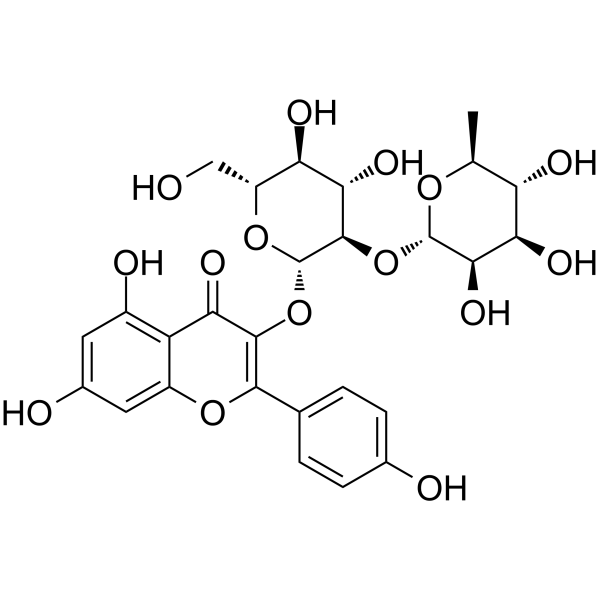
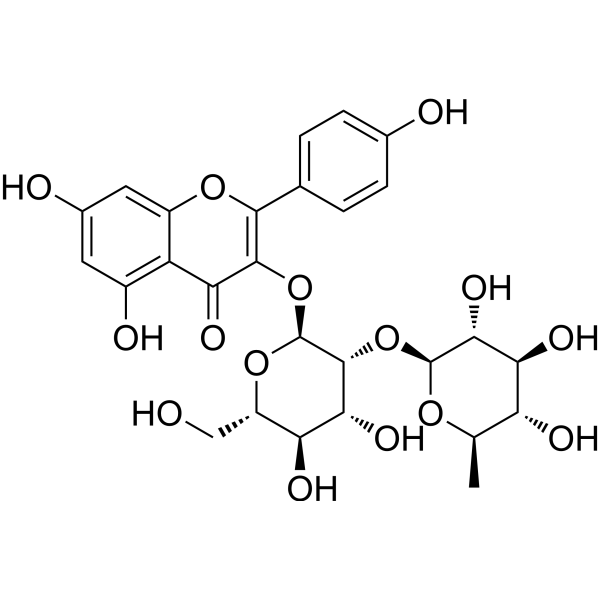
Kaempferol 3-neohesperidoside (Kaempferol 3-O-neohesperidoside) is a flavonoid. Kaempferol 3-neohesperidoside mimics insulin action via the PI3K/PKC pathway, significantly promoting glucose uptake and increasing muscle glycogen content in rat soleus muscles. Kaempferol 3-neohesperidoside also exhibits anti-glycation activity. Kaempferol 3-neohesperidoside binds to albumin through hydrogen bonding and hydrophobic interactions, and inhibits the formation of advanced glycation end products. Kaempferol 3-neohesperidoside can be used in studies of diabetes and its related complications .
|
-
-
- HY-N3431
-
|
|
AMPK
PD-1/PD-L1
FXR
Reactive Oxygen Species (ROS)
|
Cardiovascular Disease
|
|
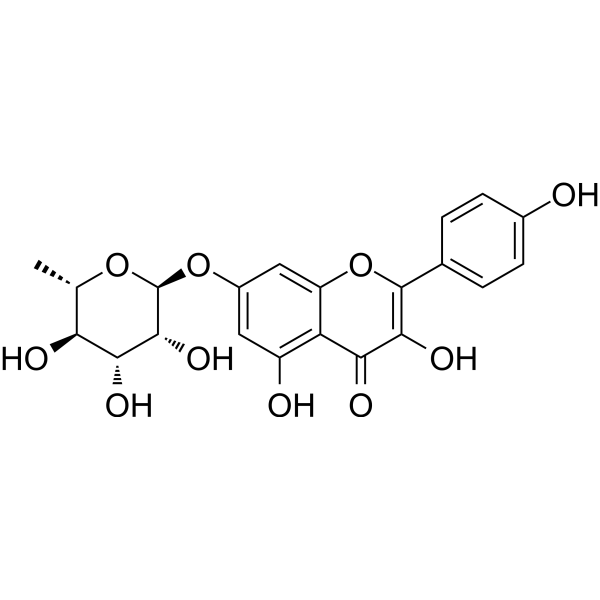
Kaempferol-7-O-rhamnoside is a PD-1/PD-L1 inhibitor and farnesoid X receptor (FXR) agonist. Kaempferol-7-O-rhamnoside demonstrates cardioprotective potential targeting the AMPKα1 signaling pathway. Kaempferol-7-O-rhamnoside significantly upregulates the mRNA expression of AMPKα1 in H9c2 cardiomyocytes. Kaempferol-7-O-rhamnoside reverses APAP-induced reduction of glutathione (GSH) content and increase of ROS production in L02 cells. Kaempferol-7-O-rhamnoside has the potential for heart failure .
|
-
-
- HY-N2938
-
|
Kaempferol 3-O-robinobioside
|
Others
|
Cancer
|
|
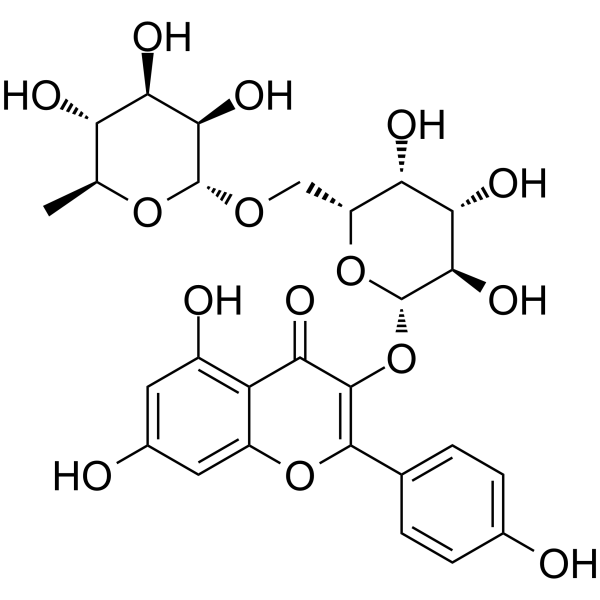
Biorobin (Kaempferol 3-O-robinobioside), a flavonoid, significantly inhibits the human lymphocyte proliferation in vitro .
|
-
-
- HY-N8163
-
|
|
Others
|
Others
|
|
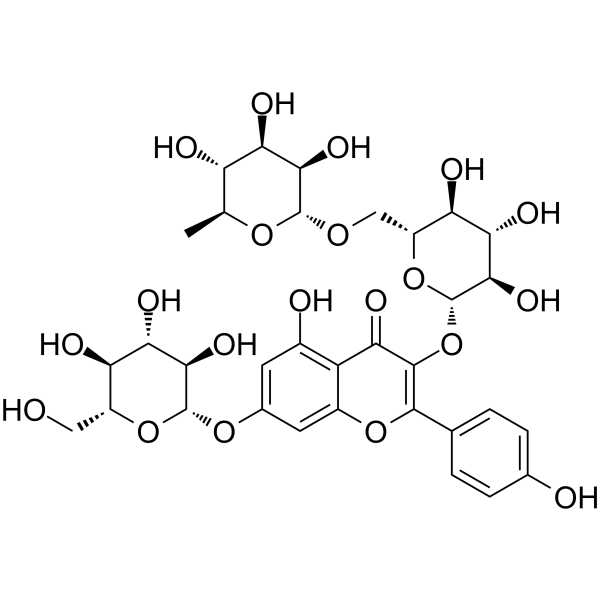
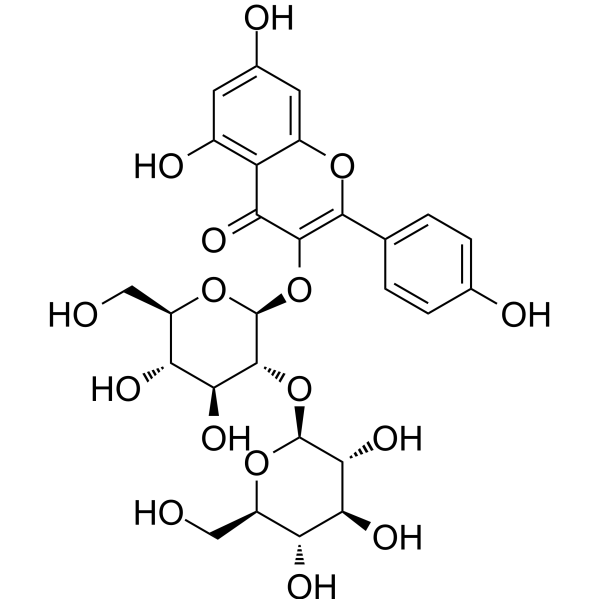
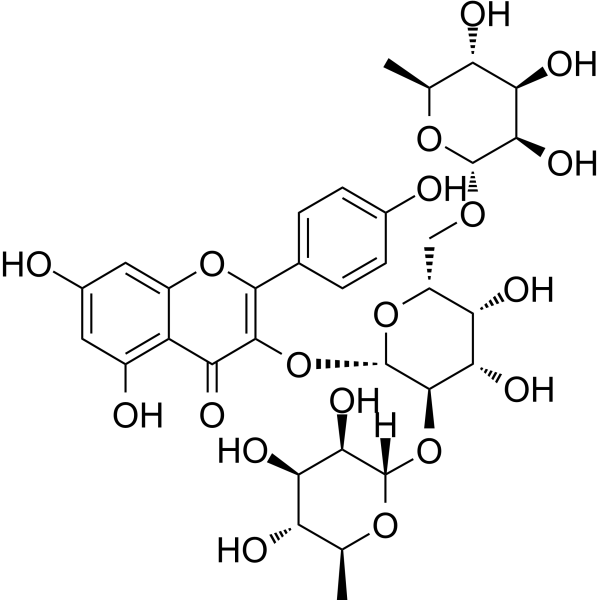
Kaempferol-3-O-α-L-rhamnopyranosyl-(1→6)-β-D-glucopyranosyl-(1→2)-β-D-glucopyranoside is an antioxidant with an IC50 of 26.6 μM (DPPH assay) .
|
-
-
- HY-N5038
-
|
|
Topoisomerase
|
Cardiovascular Disease
Neurological Disease
Metabolic Disease
|
|
Mauritianin is an orally active kaempferol glycoside. Mauritianin can be isolated from the flowers and leaves of Acalypha indica. Mauritianin is a topoisomerase I inhibitor. Mauritianin has hepatoprotective, neuroprotective, and renoprotective activities. Mauritianin increases vascular tone when used in combination with Alcesefoliside (HY-N5049) .
|
-
-
- HY-N0208
-
|
|
p38 MAPK
NF-κB
|
Inflammation/Immunology
|
|
Kaempferol-3-O-glucorhamnoside, a flavonoid derived from plant Thesium chinense Turcz, inhibits inflammatory responses via MAPK and NF-κB pathways in vitro and in vivo .
|
-
-
- HY-N3434
-
|
|
Drug Derivative
Reactive Oxygen Species (ROS)
|
Cancer
|
|
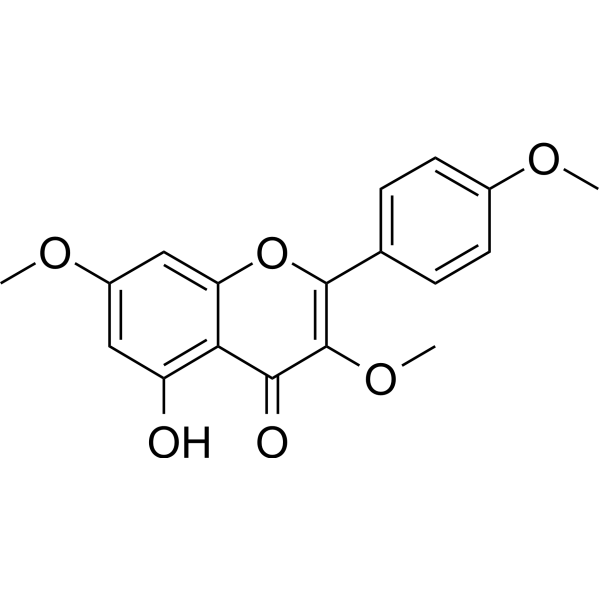
Kaempferol 3,7,4'-trimethyl ether is an O-methylated kaempferol flavonol aglycone distributed in Siparuna gigantotepala, Aframomum arundinaceum and Siparuna guianensis. Kaempferol 3,7,4'-trimethyl ether exhibits antioxidant activity. Kaempferol 3,7,4'-trimethyl ether suppresses the proliferation of leukemia cells and exerts selective cytotoxicity against both drug‑sensitive and multi‑factorial drug‑resistant cancer cells. Kaempferol 3,7,4'-trimethyl ether can be applied in the research of multidrug‑resistant cancers .
|
-
-
- HY-N1510
-
|
|
Glycosidase
Notch
Toll-like Receptor (TLR)
NF-κB
Mucin
Reactive Oxygen Species (ROS)
Bacterial
TGF-beta/Smad
Anaplastic lymphoma kinase (ALK)
|
Infection
Inflammation/Immunology
Cancer
|
|
Kaempferol 3-O-gentiobioside is an orally active flavonoid, with a Ka value of 57 µM against human NOTCH1 and an IC50 value of 50 μM against α-glucosidase. Kaempferol 3-O-gentiobioside inhibits the NOTCH signaling pathway. It downregulates the expression of TLR4 and NLRP3, and suppresses the activation and nuclear translocation of NF-κB. Kaempferol 3-O-gentiobioside inhibits the expression of MUC5AC, reduces nitrite and ROS levels, and attenuates excessive mucus secretion. It exhibits antibacterial activity, reducing the formation and growth of MRSA biofilms. Kaempferol 3-O-gentiobioside blocks the TGF-β/ALK5/Smad signaling pathway and inhibits epithelial-mesenchymal transition. It suppresses the proliferation, migration, invasion and metastatic growth of tumor cells. Kaempferol 3-O-gentiobioside alleviates airway inflammation and mucus hypersecretion in mice with allergic asthma . It reduces the volume of ovarian cancer xenografts in mice. Kaempferol 3-O-gentiobioside can be used in research related to allergic asthma, diabetes, MRSA infection, breast cancer, gastric cancer and ovarian cancer .
|
-
-
- HY-N8165
-
|
|
Others
|
Others
|
|
Kaempferol 3-O-rutinoside 7-O-glucoside is a flavonoid glycoside from red tomato .
|
-
-
- HY-N2054
-
|
Kaempferol 4'-β-glucoside
|
Drug Derivative
|
Others
|
|
Kaempferol 4'-glucoside (Kaempferol 4'-β-glucoside) is a glycosylated form of Kaempferol (HY-14590). Kaempferol 4'-glucoside interacts with SBE-β-CD (HY-17031). Kaempferol 4'-glucoside can be used in the food and active compound industries .
|
-
-
- HY-N8161
-
|
Kaempferol 3,7-diglucoside
|
Glycosidase
Cholinesterase (ChE)
|
Neurological Disease
|
|
Kaempferol-3,7-di-O-β-glucoside (Kaempferol 3,7-diglucoside), a flavonol, possesses enzyme inhibition property towards α-amylase, α-glucosidase and Acetylcholinesterase. Kaempferol-3,7-di-O-β-glucoside protects differentiating neuronal cells, SH-SY5Y from Amyloid β peptide-induced injury. Kaempferol-3,7-di-O-β-glucoside has the potential for Alzheimer's research .
|
-
-
- HY-N1789
-
|
|
Phosphatase
Others
|
Others
|
|
Kaempferol-7,4'-dimethyl ether is a PTP1B inhibitor, and also can inhibit the production of NO. Kaempferol-7,4'-dimethyl ether shows the inhibition rate of 46.1% at 100 μM. Kaempferol-7,4'-dimethyl ether inhibits PTP1B activity with IC50 value of 16.92 μM .
|
-
-
- HY-N10776
-
|
|
HIV
|
Infection
|
|
Kaempferol-3-O-(6′′-galloyl)-β-glucopyranoside is a glucopyranoside. Kaempferol-3-O-(6′′-galloyl)-β-glucopyranoside inhibts HIV-2 RNase H with an IC50 value of 5.19 μM .
|
-
-
- HY-N5119
-
|
|
Others
|
Others
|
|
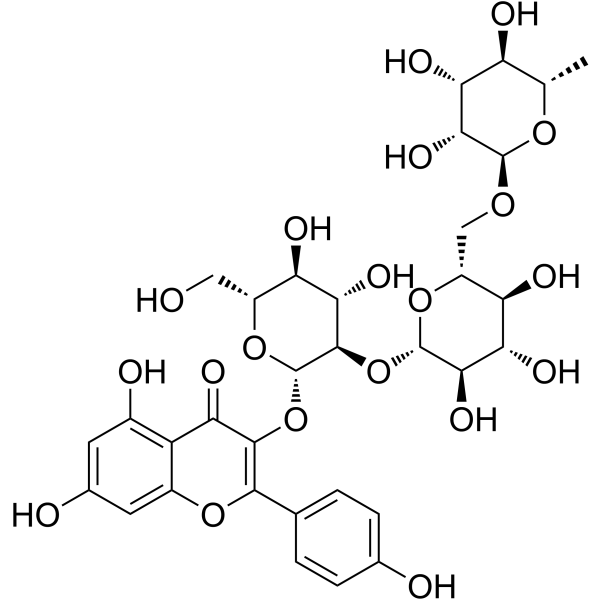
Kaempferol-3-O-(2''-O-β-D-glucopyl)-β-D-rutinoside is a natural glycoside that could be found in Camellia oleifera seeds .
|
-
-
- HY-N9529
-
|
|
Others
|
Others
|
|
Kaempferol 3-O-(2′′-O-α-rhamnosyl-6′′-O-malonyl-β-glucoside) is a flavonoid glycoside compound .
|
-
-
- HY-N3476
-
|
Kaempferol 3-methyl ether; Kaempferol 3-O-methyl ether
|
Others
|
Others
|
|
Isokaempferide is a flavonoid can be isolated from the aerial parts of Genista ephedroides .
|
-
-
- HY-N8167
-
|
Kaempferol 3-O-rhamnosylgentiobioside
|
COX
|
Inflammation/Immunology
|
|
Plantanone B is a moderate antioxidant-agent with an IC50 of 169.8±5.2 μM. Plantanone B shows significant ovine COX-1 and moderate COX-2 inhibitory activities. Plantanone B has the potential for inflammation-related diseases research .
|
-
-
- HY-N0015R
-
|
Astragaline (Standard); 3-GlucosylKaempferol (Standard); Kaempferol 3-β-D-glucopyranoside (Standard)
|
Reference Standards
Apoptosis
NF-κB
|
Infection
Inflammation/Immunology
Cancer
|
|
Astragalin (Standard) is the analytical standard of Astragalin. This product is intended for research and analytical applications. Astragalin (Astragaline) a flavonoid with anti-inflammatory, antioxidant, anticancer, bacteriostatic activity. Astragalin inhibits cancer cells proliferation and migration, induces apoptosis. Astragalin is orally active and provides nerve and heart protection, and resistance against and osteoporosis .
|
-
-
- HY-N3433
-
|
|
Others
|
Others
|
|
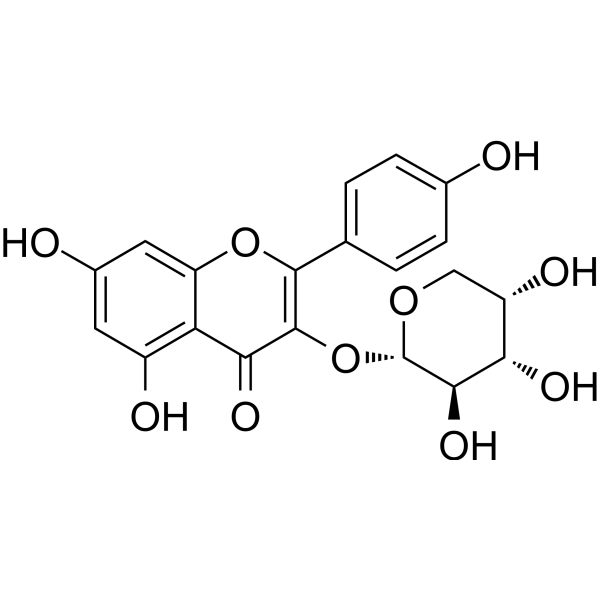
Kaempferol 3-O-arabinoside is an antioxidant flavonoids isolated from ethyl acetate fraction (EAF) obtained from the leaves of Nectandra hihua. Kaempferol 3-O-arabinoside has good antioxidant capacity .
|
-
-
- HY-N2226
-
|
|
Others
|
Others
|
|
Kaempferol 3-sophoroside 7-rhamnoside acts as a potential biomarker .
|
-
-
- HY-N5117
-
|
|
Others
|
Metabolic Disease
|
|
Kaempferol 3-sophoroside-7-glucoside is a bioactive component in roasted Lycium chinense leaves with anti-obesity activity .
|
-
-
- HY-N12317
-
|
|
NO Synthase
|
Others
|
|
Multiflorin B (compound 5) is a kind of kaempferol glycoside. Multiflorin B can be isolated from the root of the fern Neocheiropteris palmatopedata. Multiflorin B inhibits nitric oxide production at a concentration of 20 μg/ml with an inhibition of 52% .
|
-
-
- HY-N2717
-
|
Kaempferol 3-O-(6''-O-acetyl)glucoside
|
Others
|
Others
|
|
Kaempferol-3-O-β-D-6 "-acetylglucoside is a flavonoid glycoside compound that can be isolated from Arnica .
|
-
-
- HY-N16520
-
|
|
Others
|
Others
|
|
Kaempferol 3-O-β-D-glucopyranoside 6′′-(3-hydroxy-3-methylglutarate) is an acylated flavonol glycoside. Kaempferol 3-O-β-D-glucopyranoside 6′′-(3-hydroxy-3-methylglutarate) can be isolated from 10-year-old callus cultures of Mexican lime .
|
-
-
- HY-N1441R
-
|
Kaempferol-3-O-rhamnoside (Standard)
|
Mitochondrial Metabolism
PTEN
Autophagy
Bacterial
Reference Standards
|
Infection
Cardiovascular Disease
Neurological Disease
Inflammation/Immunology
|
|
Afzelin (Standard) is the analytical standard of Afzelin. This product is intended for research and analytical applications. Afzelin (Kaempferol-3-O-rhamnoside)It is a flavonol glycoside that has anti-inflammatory, anti-oxidative stress response, anti-apoptotic, and anti-cardiac cytotoxic effects. AfzelinIt can reduce mitochondrial damage, enhance mitochondrial biosynthesis, and reduce mitochondria-related proteins. Parkinand PTENinduced putative kinase 1 (putative kinase 1)s level. AfzelinCan be improved D-galactosamine(GalN)/LPSSurvival rate of mice treated with doxorubicin prophylaxis (HY-15142A)Induced cardiotoxicity and scopolamine (HY-N0296)-induced neurological injury. AfzelinAlso inhibits asthma and allergies caused by ovalbumin .
|
-
-
- HY-N3430
-
|
AF33
|
Others
|
Cancer
|
|
Kaempferol tetraacetate (AF33) is a natural product. Kaempferol tetraacetate shows cytotoxicity .
|
-
-
- HY-N8954
-
|
|
Others
|
Cancer
|
|
Kaempferol 7-O-neohesperidoside is a ?avonoid glycoside that can be isolated from Litchi chinensis. Kaempferol 7-O-neohesperidoside exhibits significant cytotoxic activity against A549, LAC, Hep-G2, and HeLa cell lines with IC50s of 0.53, 7.93, 0.020, and 0.051 μM, respectively .
|
-
-
- HY-N3435
-
|
|
Others
|
Others
|
|
Kaempferol 3,4',7-triacetate is a natural compound isolated from bud exudate of Gardenia urvillei and Gardenia oudiepe .
|
-
-
- HY-N10784
-
|
|
Insecticide
|
Others
|
|
Kaempferol-3-O-[2″,6″-di-O-E-p-coumaroyl]-β-D-glucopyranoside is a acylated keampferol glucoside. Kaempferol-3-O-[2″,6″-di-O-E-p-coumaroyl]-β-D-glucopyranoside can be isolated from the leaves of O. dentata, acts as a repellent against a fouling organism, the blue mussel M. edulis .
|
-
-
- HY-N16498
-
-
-
- HY-N15577
-
|
|
Drug Derivative
|
Cancer
|
|
Antiproliferative agent-69 (Compound 1) is a prenylated kaempferol derivative found in the fresh bud’s fur of Platanus acerifolia. Antiproliferative agent-69 shows significant antiproliferative effects against human breast cancer cells (MCF-7) and human hepatocellular carcinoma cells (Hep-G2) with IC50 values of 38.2 μM and 39.5 μM, respectively. Antiproliferative agent-69 is promising for research of breast cancer and liver cancer .
|
-
-
- HY-15449R
-
-
-
- HY-107207R
-
|
Kaempferol 3-O-neohesperidoside (Standard)
|
Reference Standards
Others
|
Metabolic Disease
|
|
Kaempferol 3-neohesperidoside (Kaempferol 3-O-neohesperidoside) Standard is the analytical standard of Kaempferol 3-neohesperidoside (HY-107207). This product is intended for research and analytical applications. Kaempferol 3-neohesperidoside (Kaempferol 3-O-neohesperidoside) is a flavonoid. Kaempferol 3-neohesperidoside mimics insulin action via the PI3K/PKC pathway, significantly promoting glucose uptake and increasing muscle glycogen content in rat soleus muscles. Kaempferol 3-neohesperidoside also exhibits anti-glycation activity. Kaempferol 3-neohesperidoside binds to albumin through hydrogen bonding and hydrophobic interactions, and inhibits the formation of advanced glycation end products. Kaempferol 3-neohesperidoside can be used in studies of diabetes and its related complications .
|
-
-
- HY-N9381
-
|
|
Endogenous Metabolite
|
Others
|
|
Kaempferol 3,4'-diglucoside is a flavonol isolated from the aqueous methanolic extract of norway spruce buds. Kaempferol 3,4'-diglucoside is identified in the needles .
|
-
-
- HY-N1510R
-
|
|
Reference Standards
Glycosidase
|
Metabolic Disease
|
|
Kaempferol 3-O-gentiobioside (Standard) is the analytical standard of Kaempferol 3-O-gentiobioside. This product is intended for research and analytical applications. Kaempferol 3-O-gentiobioside is a flavonoid isolated from C. alata leaves with antidiabetic activity. Kaempferol 3-O-gentiobioside possesses activity against α-glucosidase and displays carbohydrate enzyme inhibitory effect with an IC50 of 50.0 μM .
|
-
-
- HY-126422
-
|
|
Others
|
Cancer
|
|
cis-Tiliroside, a kaempferol derivative, is a flavonoid glycoside. cis-Tiliroside exhibits better cytotoxic activity than trans-Tiliroside in A549 cell line .
|
-
-
- HY-N11702
-
|
|
Others
|
Others
|
|
Kaempferol-3-O-robinoside-7-Oglucoside is a double-chain flavonol triglycoside can be extracted from Withania somnifera .
|
-
-
- HY-N13596
-
|
|
Others
|
Others
|
|
Kaempferol 3,5-dimethyl ether is a natural product .
|
-
-
- HY-N6965
-
|
|
Others
|
Metabolic Disease
|
|
Kaempferol-3-O-(6'''-trans-p-coumaroyl-2''-glucosyl)rhamnoside is a natural antioxidant from herbal medicines .
|
-
-
- HY-N12831
-
|
Kaempferol-6-methoxy-3-O-β-D-glucoside
|
Others
|
Others
|
|
6-Methoxykaempferol 3-glucoside (Kaempferol-6-methoxy-3-O-β-D-glucoside) is a natural product .
|
-
- HY-N11910
-
|
|
Biochemical Assay Reagents
|
Others
|
|
Kaempferol-3-O-[(6-caffeoyl)-β-glucopyranosyl (1→3) α-rhamnopyranoside]-7-O-α-rhamnopyranoside (Compound 3) is a wound healing agent with dose-dependent wound healing ability. Kaempferol-3-O-[(6-caffeoyl)-β-glucopyranosyl (1→3) α-rhamnopyranoside]-7-O-α-rhamnopyranoside can be used for wound repair research .
|
-
- HY-N11573
-
|
|
Others
|
Others
|
|
Kaempferol 3,7-bis(α-L-rhamnose-D-glucose) (compound 1) is a flavonoid glycoside that can be found in Euonymus fortune.
|
-
- HY-N12650
-
|
|
Endogenous Metabolite
|
Metabolic Disease
|
|
Kaempferol 3-O-alpha-L-(2, 3-di-Z-p-coumaroyl) rhamnoside (compound 42) is a flavonol that can be isolated from Platanus Occidentalis. Kaempferol 3-O-alpha-L-(2, 3-di-Z-p-coumaroyl) rhamnoside is an inhibitor of alpha-amylase and DPP IV .
|
-
- HY-N7932
-
|
|
Others
|
Others
|
|
Kaempferol 3-O-α-L-rhamnopyranosyl(2,1)-α-L-rhamnopyranoside (compound 23) is a flavonoid isolated from the whole herb of E. wushanense .
|
-
- HY-N9676
-
|
|
Others
|
Others
|
|
Kaempferol 3-O-(2'',4''-di-acetyl-3''-cis-p-coumaroyl-6''-trans-p-coumaroyl)-β-D-glucopyranoside is a flavonoid compound that can be isolated from Quercus dentata. Kaempferol 3-O-(2'',4''-di-acetyl-3''-cis-p-coumaroyl-6''-trans-p-coumaroyl)-β-D-glucopyranoside suppresses the superoxide generation induced by arachidonic acid .
|
-
- HY-N7176R
-
|
Kaempferol-3-glucuronide (Standard); Kaempferol-3-O-glucuronide (Standard)
|
Reference Standards
Interleukin Related
|
Metabolic Disease
Inflammation/Immunology
Cancer
|
|
Prosulfocarb (Standard) is the analytical standard of Prosulfocarb. This product is intended for research and analytical applications. Prosulfocarb is a herbicide with a rapidly growing use trend. Prosulfocarb is used in winter cereals to help address the problem of increasing biotic resistance of weeds to certain pesticides. Environmental and food effects of prosulfocarb have been observed, and its transfer pattern from target crops to non-target areas has been studied. The volatility effect of prosulfocarb is an important factor explaining the inefficiency of isolated area contamination and marginal protection against residue spread .
|
-
- HY-N1742
-
|
2''-O-p-Cumaroyleuglanin; Kaempferol 3-O-[2′′-(E)-p-coumaroyl]-α-L-arabinofuranoside
|
Others
|
Others
|
|
2''-O-Coumaroyljuglanin (2''-O-p-Cumaroyleuglanin) is a flavonoid which can be isolated from the flowers of Prunus spinosa .
|
-
- HY-N17730
-
|
Kaempferol 3-(6-methylglucuronide)
|
Drug Derivative
|
Others
|
|
Kaempferol-3-O-β-D-glucuronopyranosyl methylester (Kaempferol 3-(6-methylglucuronide)) is a flavonoid. Kaempferol-3-O-β-D-glucuronopyranosyl methylester can be isolated from dried Nelumbo nucifera stamens. Kaempferol-3-O-β-D-glucuronopyranosyl methylester shows antioxidant activities .
|
-
- HY-114341
-
|
Kaempferol 5-O-β-D-glucopyranoside
|
Others
|
Inflammation/Immunology
|
|
Kaempferol 5-glucoside (Kaempferol 5-O-β-D-glucopyranoside) is an orally active flavonol glycoside and immunomodulator. Kaempferol 5-glucoside is isolated from the aerial parts of Indigofera aspalathoides Vahl ex DC. Kaempferol 5-glucoside enhances delayed-type hypersensitivity in rats. Kaempferol 5-glucoside increases humoral antibody titers. Kaempferol 5-glucoside is used for the research of autoimmune diseases .
|
-
- HY-N18024
-
-
- HY-N18273
-
|
|
Drug Derivative
|
Others
|
|
Kaempferol-3-glucoside-7-rhamnoside (Compound 11) is a flavonol glycoside. Kaempferol-3-glucoside-7-rhamnoside can be isolated from the pomace of Hippophae rhamnoides .
|
-
- HY-N13068
-
|
5-O-MethylKaempferol
|
Others
|
Others
|
|
Kaempferol 5-methyl ether (5-O-Methylkaempferol) is a flavonoid compound. Kaempferol 5-methyl ether can be isolated from the geopropolis of Melipona subnitida .
|
-
- HY-N18023
-
|
|
Others
|
Others
|
|
Kaempferol-3-O-β-D-Glucose-7-O-β-D-Gentianoside is a kaempferol glycoside found in the seeds of Lepidium apetalum Willd. Kaempferol-3-O-β-D-Glucose-7-O-β-D-Gentianoside shows no obvious inhibitory effect on Sodium oleate (HY-N1446B)-induced triglyceride overloading in liver cells .
|
-
- HY-N8877
-
|
|
Others
|
Others
|
|
Kaempferol 3-O-rhamninoside is a Flavonoids product that can be isolated from the seeds of Patrinia villosa (Thunb.) Juss. .
|
-
- HY-N12271
-
|
|
Others
|
Others
|
|
Antioxidant agent-14 is a kaempferol glycoside isolated from the leaves of Brassica juncea .
|
-
- HY-N17049
-
-
- HY-N13812
-
-
- HY-N11963
-
-
- HY-N19683
-
|
|
Glycosidase
|
Metabolic Disease
|
|
Kaempferol-3-O-a-L-(3'',4''-di-Z-p-coumaroyl)-rhamnopyranoside is a 3-O-(coumaroyl-rhamnopyranosyl)-flavonol compound found in the leaf extract of Machilus philippinense Merr. .
|
-
- HY-N17002
-
-
- HY-N18274
-
|
|
Drug Derivative
|
Others
|
|
Kaempferol 3-O-rhamnoside 7-O-glucoside (Compound 5) is a flavonoid compound that can be isolated from the aerial parts of plants belonging to the genus Raphanus .
|
-
- HY-N17832
-
|
Kaempferol 3-O-4'''-acetylrhamninoside
|
Others
|
Others
|
|
Actinoside F (Kaempferol 3-O-4'''-acetylrhamninoside) is a flavonoid glycoside that exists in the aerial parts of Patrinia villosa (THUNB.) JUSS. and the leaves of Actinidia valvata Dunn .
|
-
- HY-N16897
-
-
- HY-N18025
-
-
- HY-N17833
-
|
Kaempferol 3-O-2,4'''-acetylrhamninoside
|
Reactive Oxygen Species (ROS)
|
Cardiovascular Disease
|
|
Actinoside E (Kaempferol 3-O-2,4'''-acetylrhamninoside) is a flavonoid triglycoside with antioxidant activity. Actinoside E scavenges DPPH, superoxide anion and hydroxyl radicals, and inhibits lipid peroxidation in mouse liver homogenate. Actinoside E can be used in studies related to myocardial ischemia .
|
-
- HY-N17303
-
|
|
Drug Derivative
|
Others
|
|
Capilliposide II is a flavonol glycoside found in the whole herbs of Lysimachia capillipes. Capilliposide II has the structure kaempferol-3-O---β-D-galactopyranoside .
|
-
- HY-N19070
-
|
|
Others
|
Metabolic Disease
|
|
Ginko biloba extract is derived from the leaves of the ginkgo tree, and its main active ingredients include flavonoids (such as quercetin and kaempferol) and terpenoids (such as ginkgolide and ginkgolide).
|
-
- HY-N19074
-
|
|
Bacterial
|
Infection
Inflammation/Immunology
|
|
Psidium guajava extract is rich in flavonoids (such as quercetin and kaempferol), tannins, vitamin C, carotenoids, and phenolic acids, which give it antioxidant, anti-inflammatory, antibacterial, and antiviral properties.
|
-
- HY-N9869
-
|
|
Bacterial
|
Infection
|
|
(E,Z)-Platanoside is a flavonoid glycoside. (E,Z)-Platanoside is a potent and highly selective MRSA inhibitor; it exhibits low activity against other tested strains, including Gram-negative bacteria, intracellular Mycobacterium intracellulare, Candida albicans, Cryptococcus neoformans, and Aspergillus fumigatus. (E,Z)-Platanoside can be used in research on MRSA infections .
|
-
- HY-180803
-
|
|
Phosphodiesterase (PDE)
|
Inflammation/Immunology
|
|
LH17, a Kaempferol (HY-14590) derivative, is a potent and selective PDE4 inhibitor (PDE4D2 IC50 = 73 nM, PDE4B2 IC50 = 190 nM). LH17 exhibits remarkable selectivity (>136-fold) against other PDE isoforms (PDE1B/2A/3A/5A/8A/9A/10A) (IC50 > 10000 nM), with the exception of PDE7A1 (IC50 = 300 nM). LH17 distinctly interacts with PDE4 M-pocket. LH17 demonstrates remarkable anti-fibrotic efficacy in both in vitro and in vivo models. LH17 can be used for idiopathic pulmonary fibrosis (IPF) research .
|
-
| Cat. No. |
Product Name |
Category |
Target |
Chemical Structure |
-
- HY-14590
-
-
-
- HY-N0015
-
-
-
- HY-15449
-
-
-
- HY-14590R
-
-
-
- HY-N1441
-
-
-
- HY-N6605
-
-
-
- HY-N7176
-
-
-
- HY-N0627
-
-
-
- HY-N2055
-
-
-
- HY-15237
-
-
-
- HY-107207
-
-
-
- HY-N3431
-
-
-
- HY-N2938
-
-
-
- HY-N8163
-
-
-
- HY-N5038
-
-
-
- HY-N0208
-
-
-
- HY-N3434
-
-
-
- HY-N1510
-
|
|
Flavonols
Structural Classification
Flavonoids
Sauropus spatulifolius Beille
Classification of Application Fields
Phenols
Polyphenols
Metabolic Disease
Euphorbiaceae
Plants
Disease Research Fields
Source Classification
|
Glycosidase
Notch
Toll-like Receptor (TLR)
NF-κB
Mucin
Reactive Oxygen Species (ROS)
Bacterial
TGF-beta/Smad
Anaplastic lymphoma kinase (ALK)
|
|
Kaempferol 3-O-gentiobioside is an orally active flavonoid, with a Ka value of 57 µM against human NOTCH1 and an IC50 value of 50 μM against α-glucosidase. Kaempferol 3-O-gentiobioside inhibits the NOTCH signaling pathway. It downregulates the expression of TLR4 and NLRP3, and suppresses the activation and nuclear translocation of NF-κB. Kaempferol 3-O-gentiobioside inhibits the expression of MUC5AC, reduces nitrite and ROS levels, and attenuates excessive mucus secretion. It exhibits antibacterial activity, reducing the formation and growth of MRSA biofilms. Kaempferol 3-O-gentiobioside blocks the TGF-β/ALK5/Smad signaling pathway and inhibits epithelial-mesenchymal transition. It suppresses the proliferation, migration, invasion and metastatic growth of tumor cells. Kaempferol 3-O-gentiobioside alleviates airway inflammation and mucus hypersecretion in mice with allergic asthma . It reduces the volume of ovarian cancer xenografts in mice. Kaempferol 3-O-gentiobioside can be used in research related to allergic asthma, diabetes, MRSA infection, breast cancer, gastric cancer and ovarian cancer .
|
-
-
- HY-N8165
-
-
-
- HY-N2054
-
-
-
- HY-N8161
-
-
-
- HY-N1789
-
-
-
- HY-N10776
-
-
-
- HY-N5119
-
-
-
- HY-N9529
-
-
-
- HY-N3476
-
-
-
- HY-N8167
-
-
-
- HY-N0015R
-
-
-
- HY-N3433
-
-
-
- HY-N2226
-
-
-
- HY-N5117
-
-
-
- HY-N12317
-
-
-
- HY-N2717
-
-
-
- HY-N16520
-
-
-
- HY-N1441R
-
|
Kaempferol-3-O-rhamnoside (Standard)
|
Flavonols
Structural Classification
Flavonoids
Saururaceae
Houttuynia cordata Thunb.
Phenols
Polyphenols
Plants
Source Classification
|
Mitochondrial Metabolism
PTEN
Autophagy
Bacterial
Reference Standards
|
|
Afzelin (Standard) is the analytical standard of Afzelin. This product is intended for research and analytical applications. Afzelin (Kaempferol-3-O-rhamnoside)It is a flavonol glycoside that has anti-inflammatory, anti-oxidative stress response, anti-apoptotic, and anti-cardiac cytotoxic effects. AfzelinIt can reduce mitochondrial damage, enhance mitochondrial biosynthesis, and reduce mitochondria-related proteins. Parkinand PTENinduced putative kinase 1 (putative kinase 1)s level. AfzelinCan be improved D-galactosamine(GalN)/LPSSurvival rate of mice treated with doxorubicin prophylaxis (HY-15142A)Induced cardiotoxicity and scopolamine (HY-N0296)-induced neurological injury. AfzelinAlso inhibits asthma and allergies caused by ovalbumin .
|
-
-
- HY-N3430
-
-
-
- HY-N8954
-
-
-
- HY-N3435
-
-
-
- HY-N10784
-
-
-
- HY-N16498
-
-
-
- HY-N15577
-
|
|
Flavonols
Platanus acerifolia Aiton) Willd.
Flavonoids
Platanaceae
Plants
Source Classification
|
Drug Derivative
|
|
Antiproliferative agent-69 (Compound 1) is a prenylated kaempferol derivative found in the fresh bud’s fur of Platanus acerifolia. Antiproliferative agent-69 shows significant antiproliferative effects against human breast cancer cells (MCF-7) and human hepatocellular carcinoma cells (Hep-G2) with IC50 values of 38.2 μM and 39.5 μM, respectively. Antiproliferative agent-69 is promising for research of breast cancer and liver cancer .
|
-
-
- HY-15449R
-
-
-
- HY-107207R
-
|
Kaempferol 3-O-neohesperidoside (Standard)
|
Flavonols
Structural Classification
Flavonoids
Typhaceae
Typha orientalis Presl
Phenols
Polyphenols
Plants
Source Classification
|
Reference Standards
Others
|
|
Kaempferol 3-neohesperidoside (Kaempferol 3-O-neohesperidoside) Standard is the analytical standard of Kaempferol 3-neohesperidoside (HY-107207). This product is intended for research and analytical applications. Kaempferol 3-neohesperidoside (Kaempferol 3-O-neohesperidoside) is a flavonoid. Kaempferol 3-neohesperidoside mimics insulin action via the PI3K/PKC pathway, significantly promoting glucose uptake and increasing muscle glycogen content in rat soleus muscles. Kaempferol 3-neohesperidoside also exhibits anti-glycation activity. Kaempferol 3-neohesperidoside binds to albumin through hydrogen bonding and hydrophobic interactions, and inhibits the formation of advanced glycation end products. Kaempferol 3-neohesperidoside can be used in studies of diabetes and its related complications .
|
-
-
- HY-N9381
-
-
-
- HY-N1510R
-
-
-
- HY-126422
-
-
-
- HY-N11702
-
-
-
- HY-N13596
-
-
-
- HY-N6965
-
-
-
- HY-N12831
-
-
- HY-N11910
-
-
- HY-N11573
-
-
- HY-N12650
-
-
- HY-N7932
-
-
- HY-N9676
-
-
- HY-N7176R
-
|
Kaempferol-3-glucuronide (Standard); Kaempferol-3-O-glucuronide (Standard)
|
Flavonols
Structural Classification
Flavonoids
Microorganisms
other families
Phenols
Polyphenols
Plants
Source Classification
|
Reference Standards
Interleukin Related
|
|
Prosulfocarb (Standard) is the analytical standard of Prosulfocarb. This product is intended for research and analytical applications. Prosulfocarb is a herbicide with a rapidly growing use trend. Prosulfocarb is used in winter cereals to help address the problem of increasing biotic resistance of weeds to certain pesticides. Environmental and food effects of prosulfocarb have been observed, and its transfer pattern from target crops to non-target areas has been studied. The volatility effect of prosulfocarb is an important factor explaining the inefficiency of isolated area contamination and marginal protection against residue spread .
|
-
- HY-N1742
-
-
- HY-N17730
-
-
- HY-114341
-
-
- HY-N18024
-
-
- HY-N18273
-
-
- HY-N13068
-
-
- HY-N18023
-
-
- HY-N8877
-
-
- HY-N12271
-
-
- HY-N17049
-
-
- HY-N13812
-
-
- HY-N11963
-
-
- HY-N19683
-
-
- HY-N17002
-
-
- HY-N18274
-
-
- HY-N17832
-
-
- HY-N16897
-
-
- HY-N18025
-
-
- HY-N17833
-
-
- HY-N17303
-
-
- HY-N19070
-
|
|
Structural Classification
Extract
|
Others
|
|
Ginko biloba extract is derived from the leaves of the ginkgo tree, and its main active ingredients include flavonoids (such as quercetin and kaempferol) and terpenoids (such as ginkgolide and ginkgolide).
|
-
- HY-N19074
-
|
|
Structural Classification
Extract
|
Bacterial
|
|
Psidium guajava extract is rich in flavonoids (such as quercetin and kaempferol), tannins, vitamin C, carotenoids, and phenolic acids, which give it antioxidant, anti-inflammatory, antibacterial, and antiviral properties.
|
-
- HY-N19778
-
-
- HY-N9869
-
-
Your information is safe with us. * Required Fields.
Inquiry Information
- Product Name:
- Cat. No.:
- Quantity:
- MCE Japan Authorized Agent:

