


Search Result
Results for "
LT
" in MedChemExpress (MCE) Product Catalog:
3
Isotope-Labeled Compounds
| Cat. No. |
Product Name |
Target |
Research Areas |
Chemical Structure |
-
- HY-16106
-
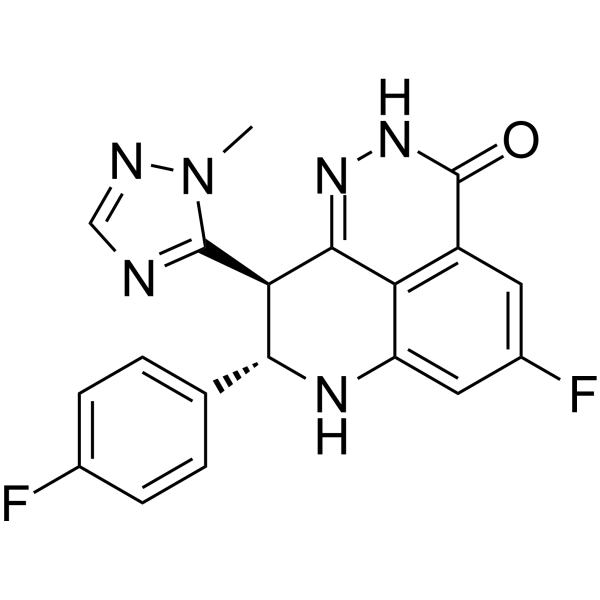
Talazoparib
Maximum Cited Publications
98 Publications Verification
BMN-673; LT-673
|
PARP
|
Cancer
|
|
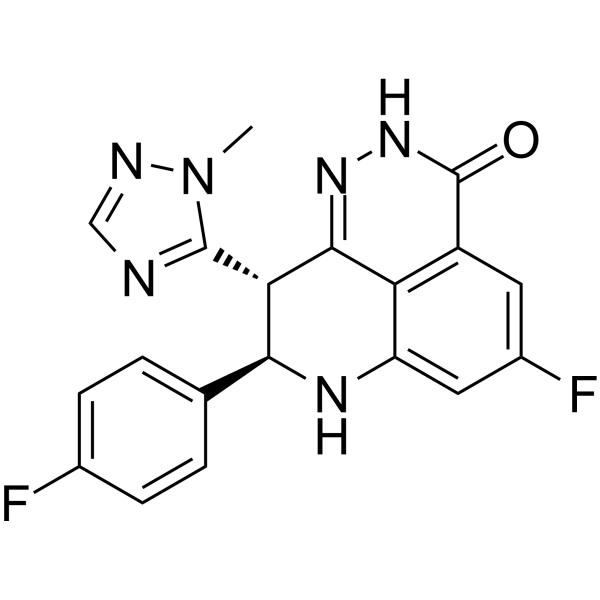
Talazoparib (BMN-673) is a highly potent, orally active PARP1/2 inhibitor.Talazoparib inhibits PARP1 and PARP2 enzyme activity with Kis of 1.2 nM and 0.87 nM, respectively. Talazoparib has antitumor activity .
|
-
-
- HY-16291
-
|
LOR-253; LT-253
|
c-Myc
KLF
Apoptosis
|
Inflammation/Immunology
Cancer
|
|
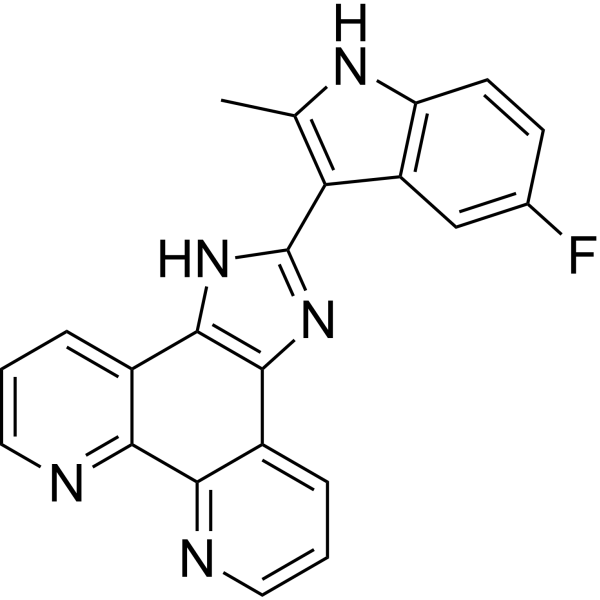
APTO-253 (LOR-253) is a small molecule that inhibits c-Myc expression, stabilizes G-quadruplex DNA, and induces cell cycle arrest and apoptosis in acute myeloid leukemia cells. APTO-253 mediates anticancer activity through induction of the Krüppel-like factor 4 (KLF4) tumor suppressor . APTO-253 has antiarthritic activity .
|
-
-
- HY-N6607
-
-
-
- HY-111361
-
FN-1501
2 Publications Verification
LT-171-861
|
CDK
FLT3
|
Cancer
|
|
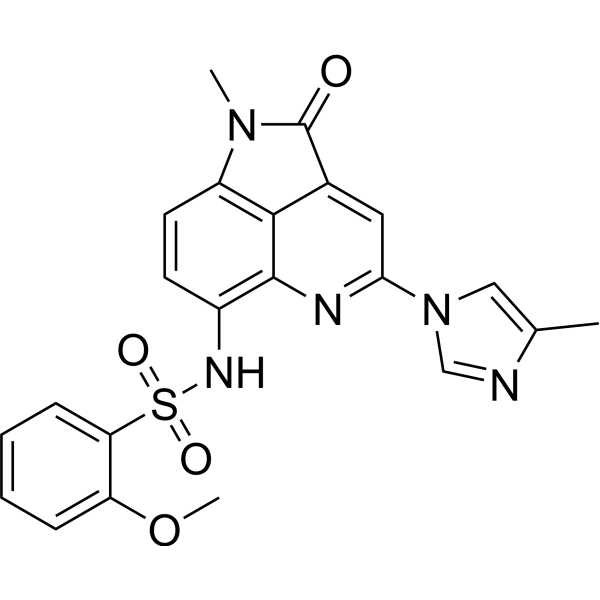
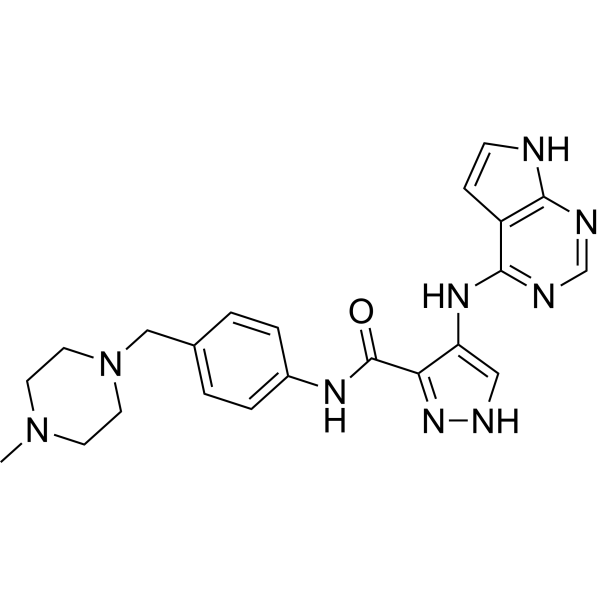
FN-1501 is a potent inhibitor of FLT3 and CDK, with IC50s of 2.47, 0.85, 1.96, and 0.28 nM for CDK2/cyclin A, CDK4/cyclin D1, CDK6/cyclin D1 and FLT3, respectively. FN-1501 has anticancer activity.
|
-
-
- HY-10037
-
|
MK-591
|
FLAP
Apoptosis
|
Inflammation/Immunology
|
|
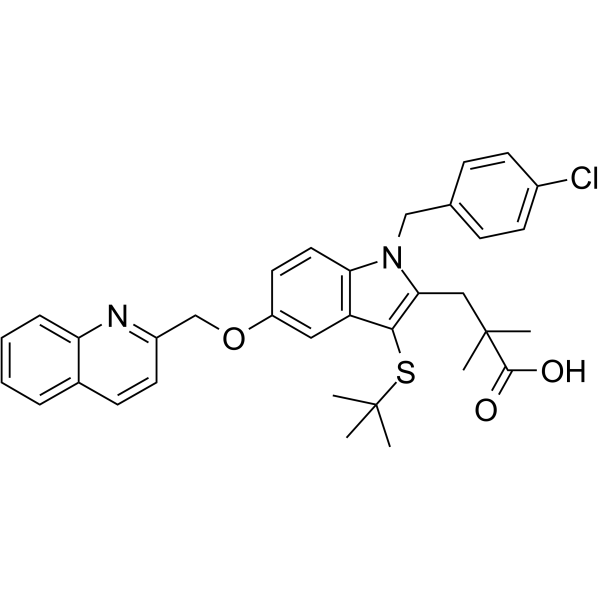
Quiflapon (MK-591) is a selective and specific 5-lipoxygenase-activating protein (FLAP) inhibitor with an IC50 of 1.6 nM in a FLAP binding assay. Quiflapon is also a potent and orally active Leukotriene biosynthesis (LT) inhibitor, shows IC50 values of 3.1 and 6.1 nM in intact human and elicited rat PMNLs, respectively. Quiflapon induces cell apoptosis .
|
-
-
- HY-P11099
-
|
|
Transferrin Receptor
|
Neurological Disease
Cancer
|
|
Cys-LT7 is a transferrin receptor (TfR)-targeting peptide ligand. Cys-LT7 binds to a TfR site distinct from endogenous transferrin, mediates conjugated Doxorubicin (HY-15142A) delivery to TfR-overexpressed tumor cells, and exhibits low toxicity to TfR-low-expressed normal cells. Cys-LT7 is an L-configuration peptide susceptible to proteolytic enzymes, leading to poor biostability in peptide-drug conjugates. Cys-LT7 can be used for the research of glioblastoma, hepatocellular carcinoma, lung carcinoma .
|
-
-
- HY-132828
-
|
LT3001; DHDMIQK(KAP)
|
P-selectin
|
Cardiovascular Disease
Metabolic Disease
Inflammation/Immunology
|
|
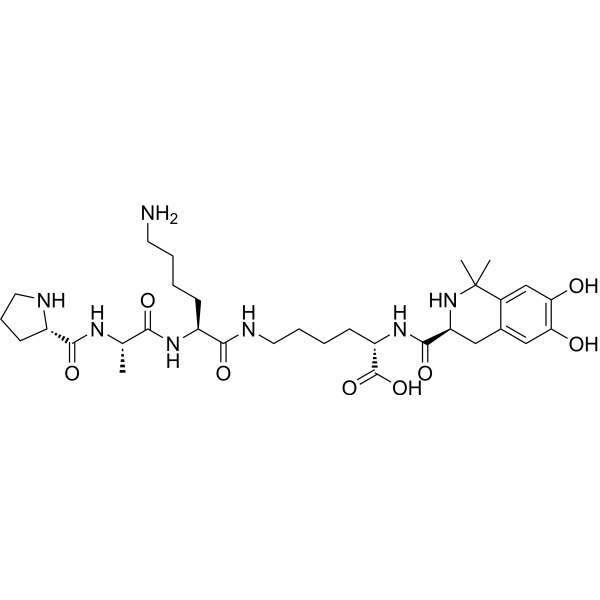
Odatroltide (LT3001; DHDMIQK(KAP)) is a P-selectin inhibitor. Odatroltide is a peptide molecule comprising a tripeptide Pro-Ala-Lys (PAK) and an (S)-6,7-dihydroxy-1,1-dimethyl-1,2,3,4-tetrahydro-isoquinoline-3-carboxylic acid domain. Odatroltide can restore cerebral blood flow, scavenge free radicals, and inhibit leukocyte migration. Odatroltide possesses thrombolytic and anti-thrombotic activities .
|
-
-
- HY-P99459
-
|
BG 9924; TT-47
|
TNF Receptor
CXCR
|
Inflammation/Immunology
|
Baminercept (BG 9924; TT-47) is an Ig fusion protein targeting the lymphotoxin β receptor (LTβR). Baminercept effectively regulates subsets of circulating immune cells by inhibiting LIGHT, LT-α1β2 and their receptors. Baminercept also increases blood lymphocyte counts and reduces plasma CXCL13 levels. Baminercept carries a high risk of hepatotoxicity. Baminercept can be used in research on rheumatoid arthritis and primary Sjögren's syndrome .
|
-
-
- HY-P991400
-
|
|
TNF Receptor
Apoptosis
Interleukin Related
NF-κB
JNK
p38 MAPK
|
Inflammation/Immunology
|
|
GSK1995057 is a human monoclonal antibody (mAb) targeting TNFRSF1A. GSK1995057 selectively binds to TNFR1, blocks the binding of TNF-α and LT-α, and does not interfere with TNFR2 signaling. GSK1995057 inhibits the activation of NF-κB, JNK and MAPK pathways, alleviates apoptosis (apoptosis) and inflammatory responses (inhibiting IL-1β, IL-6, IL-10, TNF-α), and prevents viability loss of human nucleus pulposus cells. GSK1995057 inhibits the expression of cytokines and neutrophil adhesion molecules in human pulmonary microvascular endothelial cell monolayers, and reduces inflammatory responses and lung injury symptoms in non-human primates. GSK1995057 forms complexes with HAVH autoantibodies, thereby activating TNFR1 and triggering the release of cytokines and IL-8 in human cells. GSK1995057 can be used in research related to intervertebral disc degeneration and acute lung injury .
|
-
-
- HY-16106A
-
|
(8R,9S)-BMN-673; (8R,9S)-LT-673
|
PARP
|
Cancer
|
|
(8R,9S)-Talazoparib ((8R,9S)-BMN-673) is an enantiomer of Talazoparib. (8R,9S)-Talazoparib is an PARP1 inhibitor, with an IC50 of 144 nM .
|
-
-
- HY-124801
-
ABMA
1 Publications Verification
|
Flavivirus
Dengue Virus
Bacterial
Parasite
|
Infection
|
|
ABMA is a broad-spectrum inhibitor of intracellular toxins and pathogens. ABMA efficiently protects cells against various toxins and pathogens including viruses, intracellular bacteria and parasite. ABMA selectively acts at host cell late endosomes rather than targeting toxin or pathogen itself. ABMA has broad-spectrum anti-infection activity .
|
-
-
- HY-130622
-
LT052
1 Publications Verification
|
Epigenetic Reader Domain
|
Inflammation/Immunology
|
|
LT052 is a highly selective BET BD1 inhibitor with an IC50 of 87.7 nM. LT052 exhibits nanomolar BRD4 BD1 potency and 138-fold selectivity over BRD4 BD2 (IC50=12.130 μM). LT052 has anti-inflammatory?activity and can be used for acute gout arthritis research .
|
-
-
- HY-P99318
-
|
LT 1009; Anti-Human S1P Recombinant Antibody
|
LPL Receptor
|
Cancer
|
|
Sonepcizumab (LT 1009) is a fully human anti-S1P monoclonal antibody. Sonepcizumab has the potential for the research of metastatic renal cell carcinoma (mRCC) .
|
-
-
- HY-123984
-
|
|
NF-κB
|
Metabolic Disease
|
|
LTβR-IN-1 (Compound 919278) is a potent, selective lymphotoxin β receptor (LTβR) inhibitor. LTβR-IN-1 also selectively inhibits the nuclear translocation of p52 depended on TNF12A, instead of the nuclear translocation of p65 mediated by TNF-α receptor. LTβR-IN-1 regulates the NF-kB signaling pathway IN a ligand-independent manner .
|
-
-
- HY-139997
-
|
|
PROTACs
EGFR
|
Cancer
|
|
DDC-01-163 is an allosteric PROTAC degrader targeting EGFR. DDC-01-163 is dependent on the ubiquitin–proteasome system. DDC-01-163 can selectively inhibit the proliferation of L858R/T790M (L/T) mutant Ba/F3 cells. DDC-01-163 is effective against Osimertinib (HY-15772)-resistant cells with L/T/C797S and L/T/L718Q EGFR mutations. DDC-01-163 exhibits enhanced anti-proliferative activity against L858R/T790M EGFR-Ba/F3 cells when combined with the ATP-site EGFR inhibitor Osimertinib. DDC-01-163 can be used for the study of non-small cell lung cancer .
|
-
-
- HY-121900
-
|
|
PPAR
|
Metabolic Disease
Endocrinology
|
|
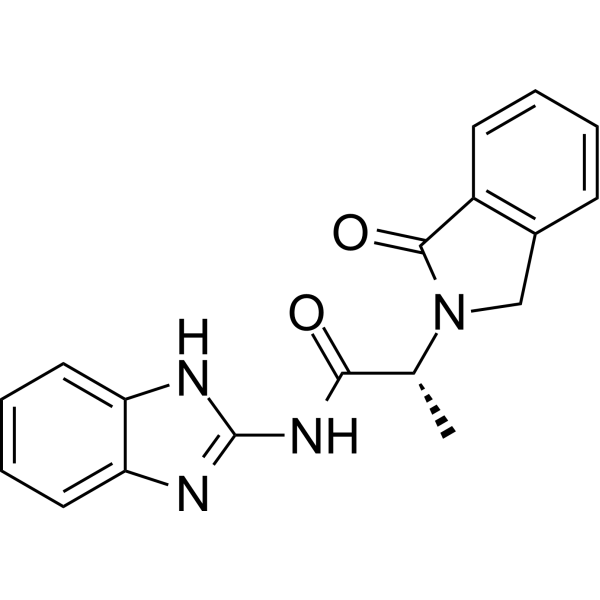
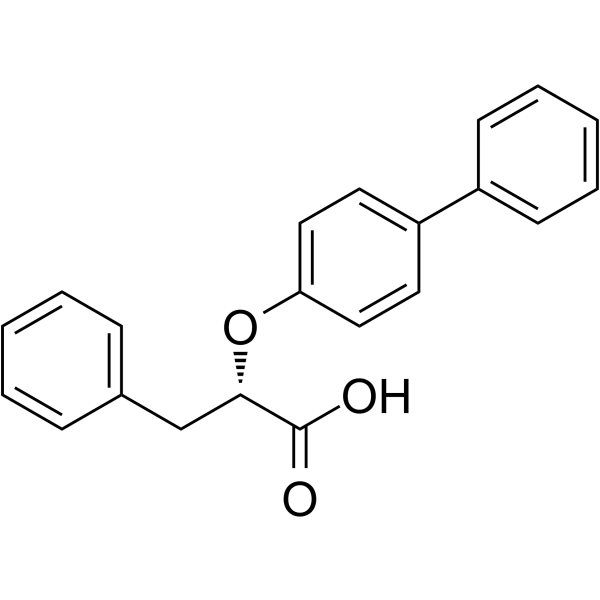
LT175, a dual PPARα/γ ligand, is an orally active partial agonist against PPARγ(hPPARα:EC50=0.22 μm; mPPARα:EC50=0.26 μm; hPPARγ:EC50=0.48 μm). LT175 interacts with PPARγ and affects the recruitment of the coregulators cyclic-AMP response element-binding protein-binding protein and nuclear corepressor 1 (NCoR1). LT175 interacts with PPARγ in a hydrophobic region called “diphenyl pocket”. LT175 has potent insulin-sensitizing effects and reduced adipogenic properties .
|
-
-
- HY-164768
-
|
|
Integrin
|
Cancer
|
|
LT25 (compound 17) is a agonist of α5β1 integrin with EC50 value of 9.9 nM .
|
-
-
- HY-N6607R
-
|
|
Reference Standards
Leukotriene Receptor
NO Synthase
NF-κB
COX
TNF Receptor
Interleukin Related
|
Inflammation/Immunology
Cancer
|
|
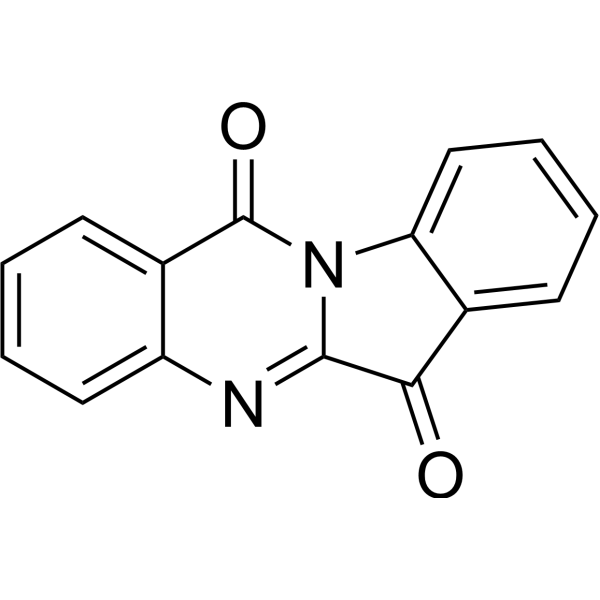
Tryptanthrin (Standard) is the analytical standard of Tryptanthrin. This product is intended for research and analytical applications. Tryptanthrin is an indole quinazoline that could be an alkaloid from indigo-bearing plants. Tryptanthrin is a potent and orally active cellular Leukotriene (LT) biosynthesis inhibitor. Tryptanthrin has anticancer activity. Tryptanthrin suppresses the expression levels of NOS1, COX-2, and NF-κB and regulates the expression levels of IL-2, IL-10, and TNF-α .
|
-
-
- HY-16106S
-
|
BMN-673-13C,d4; LT-673-13C,d4
|
Isotope-Labeled Compounds
|
Others
|
|
Talazoparib- 13C,d4 is 13C and deuterated labeled Talazoparib (HY-16106). Talazoparib is an orally active PARP 1/2 inhibitor with Ki values of 1.2 nM and 0.87 nM for inhibiting PARP1 and PARP2 enzymatic activities, respectively. Has anti-tumor activity.
|
-
-
- HY-16106S1
-
|
BMN-673-d4; LT-673-d4
|
Isotope-Labeled Compounds
PARP
|
Cancer
|
|
Talazoparib-d4 (BMN-673-d4) is deuterium labeled Talazoparib. Talazoparib (BMN-673) is a highly potent, orally active PARP1/2 inhibitor.Talazoparib inhibits PARP1 and PARP2 enzyme activity with Kis of 1.2 nM and 0.87 nM, respectively. Talazoparib has antitumor activity .
|
-
-
- HY-179407
-
|
|
Phosphodiesterase (PDE)
|
Inflammation/Immunology
|
|
LT-104A is a potent PDE4 inhibitor that elevates intracellular cAMP levels (EC50 = 1.9 μM) and inhibits PDE4D3 activity (IC50 = 9.3 μM). LT-104A activates the cAMP-PKA-CREB anti-inflammatory signaling pathway and suppresses NF-κB-related gene expression (Il1b and Nos2). LT-104A can be used for inflammation-related disease research .
|
-
-
- HY-105483
-
|
|
Leukotriene Receptor
|
Inflammation/Immunology
|
|
MDL 43291 is a competitive leukotriene (LT) receptor antagonist. MDL 43291 antagonize LTD4 and LTE4 with pA2 of 6.7. MDL 43291 does not antagonize histamine, carbachol or substance P. MDL 43291 can be used for the researches of inflammation and immunology, such as asthma .
|
-
-
- HY-176735
-
|
|
IRAK
FLT3
Apoptosis
|
Cancer
|
FLT3/IRAK4-IN-1 is a selective FLT3/IRAK4 inhibitor with the remarkable activity towards FLT3-WT (IC50 = 1.95 nM), FLT3-D835Y (IC50 = 3.22 nM) and IRAK4 (IC50 = 53.72 nM). LT3/IRAK4-IN-1 has relatively low toxicity to normal bone marrow cells, can effectively promote cell apoptosis, and has the potential to overcome drug resistance. FLT3/IRAK4-IN-1 can be used for research on acute myeloid leukemia (AML) .
|
-
-
- HY-127110
-
|
|
Phospholipase
|
Others
Neurological Disease
Inflammation/Immunology
|
|
AK106-001616 is a potent and selective inhibitor of cytosolic phospholipase A2 (cPLA2) (IC50=3.8 nmol/L). AK106-001616 is able to reduce the production of prostaglandins (PG) E2 and leukotrienes (LT) B4 by stimulated cells. AK106-001616 can be used in the study of inflammatory diseases, neuropathic pain and pulmonary fibrosis .
|
-
-
- HY-162378
-
-
-
- HY-173466
-
-
-
- HY-155594
-
|
|
FLT3
|
Cancer
|
|
LT-540-717 (compound 32) is a potent FLT3 inhibitor (IC50=0.62 nM) with antiproliferative activity. LT-540-717 also inhibits several acquired FLT3 mutations, FLT3 (ITD, D835V), FLT3 (ITD, F691L), FLT3 (D835Y) and FLT3 (D835V). LT-540-717 has potential to be an anti-AML agent .
|
-
-
- HY-139619
-
|
|
FLT3
|
Cancer
|
|
LT-850-166 is a potent FLT3 inhibitor with the capacity of overcoming a variety of FLT3 mutations.
|
-
-
- HY-P991310
-
|
LT3015; LT-3000
|
LPL Receptor
|
Neurological Disease
Cancer
|
|
Lpathomab (LT3015; LT-3000) is a human IgG1 monoclonal antibody (mAb) targeting LPA. Lpathomab reduces the release of IL-8 and IL-6 cytokines in SKOV3 cells and blocks LPA-triggered tumor cell migration. Lpathomab reduces neovascularization in Matrigel plug and CNV models. Lpathomab inhibits brain injury in the CCI mouse model. Lpathomab can be used in the study of brain injury, ovarian cancer, diabetic neuropathy, and spinal cord injury. Recommended isotype control: Human IgG1 kappa, Isotype Control (HY-P99001) .
|
-
-
- HY-163761
-
|
|
CCR
|
Others
|
|
LT166 is a fluorescent ligand for CC chemokine receptor 1 (CCR1) with a KD of 1.90 μM .
|
-
-
- HY-151619
-
|
|
Epoxide Hydrolase
|
Inflammation/Immunology
|
|
sEH inhibitor-12 (compound 34) is a sEH inhibitor with an IC50 value of 0.7 μM. sEH inhibitor-12 inhibits the 5-lipoxygenase-activating protein (FLAP)-mediated leukotriene (LT) biosynthesis with an IC50 value of 2.9 μM. sEH inhibitor-12 can be used for the research of inflammation .
|
-
-
- HY-19675
-
|
LT-NS 001; MX 1094
|
COX
|
Inflammation/Immunology
|
|
Naproxen etemesil is a lipophilic, non-acidic, inactive proagent of naproxen that is hydrolysed to pharmacologically active Naproxen once absorbed. Naproxen is a COX-1 and COX-2 inhibitor with IC50s of 8.72 and 5.15 μM, respectively in cell assay.
|
-
-
- HY-123571
-
-
-
- HY-RS07868
-
|
|
Small Interfering RNA (siRNA)
|
Others
|
|
LTA Human Pre-designed siRNA Set A contains three designed siRNAs for LTA gene (Human), as well as a negative control, a positive control, and a FAM-labeled negative control.
|
-
LTA Human Pre-designed siRNA Set A
-
- HY-16291A
-
|
LOR-253 hydrochloride; LT-253 hydrochloride
|
c-Myc
|
Inflammation/Immunology
|
|
APTO-253?(LOR-253) hydrochloride is a small molecule that inhibits c-Myc expression, stabilizes G-quadruplex DNA and induces cell cycle arrest and apoptosis in acute myeloid leukemia cells. APTO-253?hydrochloride mediates anticancer activity via induction of Kruppel-like factor 4?(KLF4)?tumor suppressor. APTO-253?hydrochloride exhibits antiarthritic activity .
|
-
-
- HY-14687
-
|
(rac)-BMN-673; (rac)-LT-673
|
PARP
|
Cancer
|
|
(rac)-Talazoparib ((rac)-BMN-673) (Compound 47) is the orally active inhibitor for PARP1/2 with Ki of 1.2 nM and 0.87 nM. (rac)-Talazoparib inhibits cellular PARylation with an EC50 of 2.51 nM. (rac)-Talazoparib causes the accumulation of DNA damage, inhibits proliferation of BRCA1/2-mutated MX-1 cell and Capan-1 cell with IC50 of 0.3 nM and 5 nM. (rac)-Talazoparib exhibits antitumor efficacy in mouse models .
|
-
-
- HY-161709
-
|
|
Ligands for Target Protein for PROTAC
FLT3
CDK
|
Cancer
|
|
FLT3/CDKs ligand-1 (Compound 14) is a ligand for target protein, which promotes the degradation of cyclin-dependent kinase (CDK) and the FMS-like tyrosine kinase 3 (FLT3), inhibits FLT3/CDK related proliferations and survivals of leukemia cells. LT3/CDKs ligand-1 can be used for synthesis of PROTAC FLT3/CDKs degrader-1 (HY-161708) .
|
-
-
- HY-151617
-
-
-
- HY-19161
-
|
|
Leukotriene Receptor
|
Inflammation/Immunology
|
|
Bay-X-7195 is a CYS leukotriene 1 receptor (CYS LT1) antagonist. Bay-X-7195 shows an antagonistic action to LTD4-induced bronchoconstriction in vitro and in vivo. Bay-X-7195 can be used foe the study of allergic and asthmatic .
|
-
-
- HY-RS07869
-
|
|
Small Interfering RNA (siRNA)
|
Others
|
|
Lta Mouse Pre-designed siRNA Set A contains three designed siRNAs for Lta gene (Mouse), as well as a negative control, a positive control, and a FAM-labeled negative control.
|
-
Lta Mouse Pre-designed siRNA Set A
-
- HY-141467S
-
|
|
Isotope-Labeled Compounds
Endogenous Metabolite
|
Metabolic Disease
|
|
Propionyl CoA-d5 is the deuterium labeled Propionyl CoA (HY-141467). Propionyl CoA serves as a common intermediate in the catabolic pathways of 1,2-propanediol and propionate in Salmonella enterica serovar Typhimurium LT2, and also functions as a precursor for 2-methylcitrate. Propionyl CoA is utilized as a substrate for the 2-methylcitrate synthase (PrpC) enzyme to synthesize 2-methylcitrate .
|
-
-
- HY-19042
-
|
YM 638
|
Leukotriene Receptor
|
Inflammation/Immunology
|
YM-16638 is an orally active leukotriene (LT) antagonist. YM-16638 can inhibit the production of LTC4, LTD4, and LTE4 in guinea pig trachea, with IC50 values of 0.05 μM, 0.16 μM, and 0.096 μM, respectively. YM-16638 has a dose-dependent inhibitory effect on antigen-induced early and late respiratory responses in allergic sheep .
|
-
-
- HY-14162
-
|
|
FLAP
|
Inflammation/Immunology
|
AM103 (free acid) is a selective FLAP inhibitor that can block the first step of the LT pathway, which is 5-LO activation. AM103 (free acid) can inhibit the production of LTB4 and cysteinyl leukotrienes (CysLT). AM103 (free acid) has anti-inflammatory activity in a mouse model of chronic lung inflammation and can extend the survival time of mice injected with platelet-activating factor. AM103 (free acid) can be used for research on respiratory diseases such as asthma .
|
-
-
- HY-173409
-
|
|
Androgen Receptor
Ser/Thr Protease
|
Inflammation/Immunology
|
|
AR antagonist 11 (Compound c2) is a selective AR antagonist with an IC50 of 0.019 μM. AR antagonist 11 is also effective against AR F877L/T878A mutant (IC50: 1.03 μM). AR antagonist 11 inhibits LNCaP cell proliferation and reduces PSA protein expression (IC50: 0.54 μM). AR antagonist 11 can be used for research of prostate cancer (PCa) .
|
-
-
- HY-10037R
-
|
MK-591 (Standard)
|
Reference Standards
FLAP
Apoptosis
|
Inflammation/Immunology
|
|
Quiflapon (Standard) is the analytical standard of Quiflapon. This product is intended for research and analytical applications. Quiflapon (MK-591) is a selective and specific 5-lipoxygenase-activating protein (FLAP) inhibitor with an IC50?of 1.6 nM in a FLAP binding assay. Quiflapon is also a potent and orally active?Leukotriene biosynthesis (LT)?inhibitor, shows IC50?values of 3.1 and 6.1 nM in intact human and elicited rat PMNLs, respectively. Quiflapon induces cell apoptosis .
|
-
-
- HY-155408
-
|
|
FLAP
|
Inflammation/Immunology
|
|
ALR-27 is an antagonist of the 5-lipoxygenase (5-LOX) activating protein FLAP and has anti-inflammatory activity. ALR-27 potently inhibits 5-LOX product formation (>80%) in pro-inflammatory M1-MDM, with no significant direct inhibition of 5-LOX. ALR-27 not only reduces prostaglandin and leukotriene (LT) production in neutrophils but also increases the production of specialized prolytic mediators in specific human macrophage phenotypes .
|
-
-
- HY-148302
-
|
|
PARP
|
Cancer
|
|
LT-626 is a potent PARP inhibitor with an IC50 of 1.60 nM. LT-626 inhibits cellular PAR synthesis with an EC50 of 17.9 nM and shows enhanced cytotoxicity in colorectal cancer cells harboring MRE11 mutations. LT-626 exhibits synergistic effects with Cisplatin (HY-17394), Oxaliplatin (HY-17371), and SN-38 (HY-13704) in colorectal cancer cells. LT-626 can be used for colorectal research .
|
-
-
- HY-159922
-
|
|
Androgen Receptor
|
Cancer
|
|
AR antagonist 9 is an orally bioavailable selective androgen receptor (AR) antagonist that exerts anticancer effects by disrupting the dimerization of AR ligand-binding domains, showing potential for overcoming drug resistance in prostate cancer (PCa). Its AR antagonistic activity has an IC50 value of 0.051 μM, comparable to Enzalutamide (HY-70002) (IC50 = 0.060 μM). AR antagonist 9 demonstrated superior efficacy against ARF876L/T877A and ARW741C mutants compared to Enzalutamide (HY-70002). Furthermore, AR antagonist 9 exhibited favorable pharmacokinetic properties, with an oral bioavailability of F = 66.24% in rats. In the LNCaP xenograft mouse model, oral administration of AR antagonist 9 significantly inhibited tumor growth. AR antagonist 9 holds promise for research into overcoming PCa drug resistance .
|
-
-
- HY-117947
-
|
|
Histone Methyltransferase
|
Cancer
|
|
(R)-OR-S1 is an isomer of OR-S1. The dual ZH1/2 inhibitors OR-S1 and OR-S2 exhibit strong inhibitory activity against both EZH1 and EZH2. OR-S1 and OR-S2 are highly selective methyltransferase inhibitors against EZH1 and EZH2, and they have very similar molecular features. Therefore, we investigated the effect of OR-S1 on acute myeloid leukemia (AML). We found that OR-S1 was able to induce cell differentiation and apoptosis in AML cells. These findings encouraged us to investigate whether functional LT-HSCs could survive PRC2-targeted therapy with OR-S1 or OR-S1 combined with cytarabine. The results showed that OR-S1 did not cause significant myelosuppression, and BM cells treated with the combination therapy were able to undergo normal hematopoiesis even 4 months after treatment. Therefore, temporary inhibition of EZH1 and EZH2 is clinically tolerable, making this combination therapy suitable for AML patients. AML is generally believed to originate from myeloid progenitor cells that inherit a large number of biological properties.
|
-
-
- HY-D3291
-
|
|
Fluorescent Dye
|
Others
|
|
IR 680LT Maleimide is a near-infrared low-band fluorescence dye, composed of the IR 680LT dye core and maleimide groups. IR 680LT Maleimide is used for specifically labeling biologically active molecules containing sulfhydryl groups (Ex/Em = 679 nm/694 nm).
|
-
- HY-D3272
-
|
|
Fluorescent Dye
|
Others
|
|
IR 680LT NHS ester is a fluorescent dye with an NHS ester moiety, which can be used to label antibodies, proteins, etc (Ex/Em = 675/694 nm) .
|
-
- HY-P2988E
-
-
- HY-P992151
-
|
LT1002
|
LPL Receptor
Interleukin Related
|
Cardiovascular Disease
Neurological Disease
Inflammation/Immunology
Cancer
|
|
Sphingomab (LT1002) is a mouse-derived IgG1 κ monoclonal antibody and also an inhibitor targeting S1P, with high affinity for S1P and a Kd value of 0.03 ± 0.002 nM. Sphingomab blocks S1P-mediated IL-8 release in ovarian cancer cells. Sphingomab exhibits anti-angiogenic activity in a mouse model of choroidal neovascularization. Sphingomab reduces peripheral blood lymphocyte counts. Sphingomab can be used in the research of ovarian cancer and age-related macular degeneration .
|
-
- HY-178898
-
|
|
NOD-like Receptor (NLR)
Caspase
Insecticide
Ser/Thr Protease
Pyroptosis
|
Infection
|
|
7-Oxogedunin (Compound 7DG; Compound 16) is a small molecule that protects macrophages from cell pyroptosis induced by anthrax lethal toxin (LT). Its target is protein kinase R (PKR). 7-Oxogedunin can widely inhibit the assembly of various inflammasomes (NLRP1 and NLRP3) and the activation of caspase-1 by inhibiting the kinase-independent function of PKR. 7-Oxogedunin has growth inhibitory activity on European corn borer larvae. 7-Oxogedunin can be used for LT toxicity inhibition and pest control research .
|
-
- HY-120580
-
|
|
FLAP
|
Inflammation/Immunology
|
|
L 689037 is a leukotriene biosynthesis (LT) inhibitor and a 5-lipoxygenase-activating protein (FLAP) binder. [ 125I]-L 691,831 serves as a standard probe to precisely locate the key structural domains that determine the binding of inhibitors to FLAP. L 689037 can be used in the research of asthma and inflammatory bowel disease .
|
-
- HY-183287
-
|
|
Androgen Receptor
|
Cancer
|
|
Androgen receptor antagonist-14 (Compound S-94) is a selective antagonist of the T878A mutant androgen receptor (AR) with an IC50 of 0.38 μM. Androgen receptor antagonist-14 selectively antagonizes the transcriptional activity of the AR T878A, AR F877L/T878A and AR H875Y/T878A mutant androgen receptors. Androgen receptor antagonist-14 exhibits anticancer activity against prostate cancer. Androgen receptor antagonist-14 can be used in the research of prostate cancer .
|
-
| Cat. No. |
Product Name |
Type |
-
- HY-D3291
-
|
|
Fluorescent Dyes
|
|
IR 680LT Maleimide is a near-infrared low-band fluorescence dye, composed of the IR 680LT dye core and maleimide groups. IR 680LT Maleimide is used for specifically labeling biologically active molecules containing sulfhydryl groups (Ex/Em = 679 nm/694 nm).
|
-
- HY-D3272
-
|
|
Fluorescent Dyes
|
|
IR 680LT NHS ester is a fluorescent dye with an NHS ester moiety, which can be used to label antibodies, proteins, etc (Ex/Em = 675/694 nm) .
|
| Cat. No. |
Product Name |
Target |
Research Area |
-
- HY-P11099
-
|
|
Transferrin Receptor
|
Neurological Disease
Cancer
|
|
Cys-LT7 is a transferrin receptor (TfR)-targeting peptide ligand. Cys-LT7 binds to a TfR site distinct from endogenous transferrin, mediates conjugated Doxorubicin (HY-15142A) delivery to TfR-overexpressed tumor cells, and exhibits low toxicity to TfR-low-expressed normal cells. Cys-LT7 is an L-configuration peptide susceptible to proteolytic enzymes, leading to poor biostability in peptide-drug conjugates. Cys-LT7 can be used for the research of glioblastoma, hepatocellular carcinoma, lung carcinoma .
|
-
- HY-132828
-
|
LT3001; DHDMIQK(KAP)
|
P-selectin
|
Cardiovascular Disease
Metabolic Disease
Inflammation/Immunology
|
|
Odatroltide (LT3001; DHDMIQK(KAP)) is a P-selectin inhibitor. Odatroltide is a peptide molecule comprising a tripeptide Pro-Ala-Lys (PAK) and an (S)-6,7-dihydroxy-1,1-dimethyl-1,2,3,4-tetrahydro-isoquinoline-3-carboxylic acid domain. Odatroltide can restore cerebral blood flow, scavenge free radicals, and inhibit leukocyte migration. Odatroltide possesses thrombolytic and anti-thrombotic activities .
|
| Cat. No. |
Product Name |
Target |
Research Area |
Image |
-
- HY-P99459
-
|
BG 9924; TT-47
|
TNF Receptor
CXCR
|
Inflammation/Immunology
|
Baminercept (BG 9924; TT-47) is an Ig fusion protein targeting the lymphotoxin β receptor (LTβR). Baminercept effectively regulates subsets of circulating immune cells by inhibiting LIGHT, LT-α1β2 and their receptors. Baminercept also increases blood lymphocyte counts and reduces plasma CXCL13 levels. Baminercept carries a high risk of hepatotoxicity. Baminercept can be used in research on rheumatoid arthritis and primary Sjögren's syndrome .
|
-
(5)
-
- HY-P991400
-
|
|
TNF Receptor
Apoptosis
Interleukin Related
NF-κB
JNK
p38 MAPK
|
Inflammation/Immunology
|
|
GSK1995057 is a human monoclonal antibody (mAb) targeting TNFRSF1A. GSK1995057 selectively binds to TNFR1, blocks the binding of TNF-α and LT-α, and does not interfere with TNFR2 signaling. GSK1995057 inhibits the activation of NF-κB, JNK and MAPK pathways, alleviates apoptosis (apoptosis) and inflammatory responses (inhibiting IL-1β, IL-6, IL-10, TNF-α), and prevents viability loss of human nucleus pulposus cells. GSK1995057 inhibits the expression of cytokines and neutrophil adhesion molecules in human pulmonary microvascular endothelial cell monolayers, and reduces inflammatory responses and lung injury symptoms in non-human primates. GSK1995057 forms complexes with HAVH autoantibodies, thereby activating TNFR1 and triggering the release of cytokines and IL-8 in human cells. GSK1995057 can be used in research related to intervertebral disc degeneration and acute lung injury .
|
-
(5)
-
- HY-P99318
-
|
LT 1009; Anti-Human S1P Recombinant Antibody
|
LPL Receptor
|
Cancer
|
|
Sonepcizumab (LT 1009) is a fully human anti-S1P monoclonal antibody. Sonepcizumab has the potential for the research of metastatic renal cell carcinoma (mRCC) .
|
-
(5)
-
- HY-P990034
-
|
MLTA3698A; RG7415; PRO283698
|
Inhibitory Antibodies
|
Inflammation/Immunology
|
|
Pateclizumab (MLTA3698A) is a humanized antibody against lymphotoxin α (LTα), a transiently expressed cytokine on activated B and T cells (Th1, Th17), which are implicated in rheumatoid arthritis (RA) pathogenesis .
|
-
(5)
-
- HY-P991310
-
|
LT3015; LT-3000
|
LPL Receptor
|
Neurological Disease
Cancer
|
|
Lpathomab (LT3015; LT-3000) is a human IgG1 monoclonal antibody (mAb) targeting LPA. Lpathomab reduces the release of IL-8 and IL-6 cytokines in SKOV3 cells and blocks LPA-triggered tumor cell migration. Lpathomab reduces neovascularization in Matrigel plug and CNV models. Lpathomab inhibits brain injury in the CCI mouse model. Lpathomab can be used in the study of brain injury, ovarian cancer, diabetic neuropathy, and spinal cord injury. Recommended isotype control: Human IgG1 kappa, Isotype Control (HY-P99001) .
|
-
(5)
-
- HY-P992151
-
|
LT1002
|
LPL Receptor
Interleukin Related
|
Cardiovascular Disease
Neurological Disease
Inflammation/Immunology
Cancer
|
|
Sphingomab (LT1002) is a mouse-derived IgG1 κ monoclonal antibody and also an inhibitor targeting S1P, with high affinity for S1P and a Kd value of 0.03 ± 0.002 nM. Sphingomab blocks S1P-mediated IL-8 release in ovarian cancer cells. Sphingomab exhibits anti-angiogenic activity in a mouse model of choroidal neovascularization. Sphingomab reduces peripheral blood lymphocyte counts. Sphingomab can be used in the research of ovarian cancer and age-related macular degeneration .
|
-
(5)
| Cat. No. |
Product Name |
Category |
Target |
Chemical Structure |
| Cat. No. |
Product Name |
Chemical Structure |
-
- HY-16106S
-
|
|
|
Talazoparib- 13C,d4 is 13C and deuterated labeled Talazoparib (HY-16106). Talazoparib is an orally active PARP 1/2 inhibitor with Ki values of 1.2 nM and 0.87 nM for inhibiting PARP1 and PARP2 enzymatic activities, respectively. Has anti-tumor activity.
|
-
-
- HY-16106S1
-
|
|
|
Talazoparib-d4 (BMN-673-d4) is deuterium labeled Talazoparib. Talazoparib (BMN-673) is a highly potent, orally active PARP1/2 inhibitor.Talazoparib inhibits PARP1 and PARP2 enzyme activity with Kis of 1.2 nM and 0.87 nM, respectively. Talazoparib has antitumor activity .
|
-
-
- HY-141467S
-
|
|
|
Propionyl CoA-d5 is the deuterium labeled Propionyl CoA (HY-141467). Propionyl CoA serves as a common intermediate in the catabolic pathways of 1,2-propanediol and propionate in Salmonella enterica serovar Typhimurium LT2, and also functions as a precursor for 2-methylcitrate. Propionyl CoA is utilized as a substrate for the 2-methylcitrate synthase (PrpC) enzyme to synthesize 2-methylcitrate .
|
-
| Cat. No. |
Product Name |
|
Classification |
Your information is safe with us. * Required Fields.
Inquiry Information
- Product Name:
- Cat. No.:
- Quantity:
- MCE Japan Authorized Agent:

