


Search Result
Results for "
Lymphatically
" in MedChemExpress (MCE) Product Catalog:
5
Biochemical Assay Reagents
11
Isotope-Labeled Compounds
| Cat. No. |
Product Name |
Target |
Research Areas |
Chemical Structure |
-
- HY-125854
-
|
|
Liposome
Cholinesterase (ChE)
Monoamine Oxidase
Apoptosis
|
Neurological Disease
Metabolic Disease
Inflammation/Immunology
|
|
Phosphatidylcholines, egg are a type of phosphatidylcholine that can be isolated and extracted from eggs, primarily present in egg yolks. As a major phospholipid component of cell membranes, Phosphatidylcholines, egg play a key role in providing nutrition and protection to the body. Phosphatidylcholines, egg can inhibit oxidative stress and neurotoxicity, exerting neuroprotective effects. Additionally, Phosphatidylcholines, egg can suppress the lymphatic absorption of cholesterol in the intestine and are also used in research on intestinal lipid absorption .
|
-
-
- HY-125665
-
|
|
Apoptosis
|
Cardiovascular Disease
Cancer
|
|
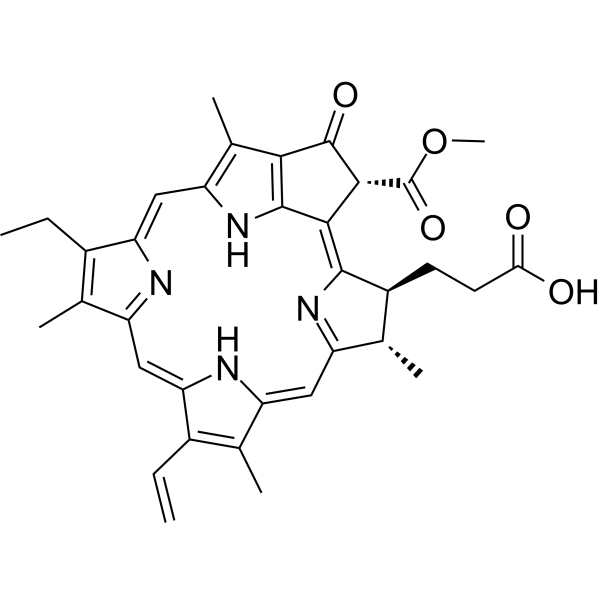
Pheophorbide A is an intermediate product in the chlorophyll degradation pathway. Pheophorbide A can be used as a photosensitizer. Pheophorbide A is a lymphatic vascular activator. Pheophorbide A has antitumor activity. Pheophorbide A can be used for human lymphatic vascular insufficiencies research .
|
-
-
- HY-107212
-
|
|
Parasite
Chloride Channel
P-glycoprotein
Bacterial
|
Infection
|
|
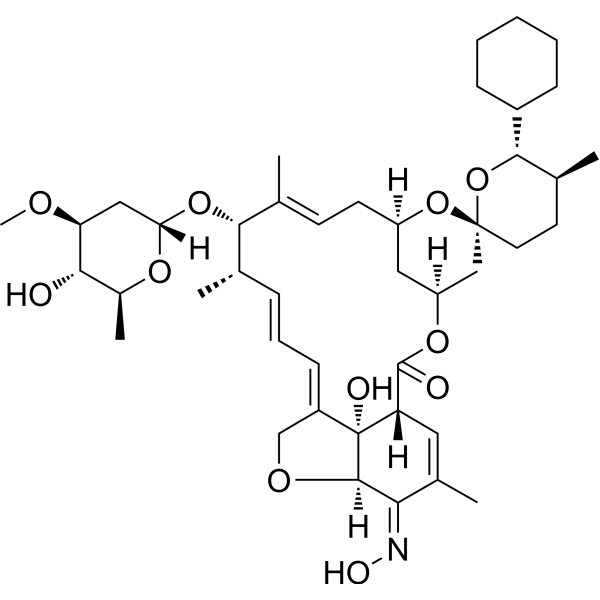
Selamectin, a semi-synthetic macrocyclic lactone, is a potent parasiticide and anthelminthic. Selamectin activates glutamate-gated chloride channels in neurons and pharyngeal muscles to prevent heartworm, Lymphatic filariae, and nematode infection. Selamectin is also a potent P-glycoprotein substrate and a P-glycoprotein inhibitor with an IC50 of 120 nM .
|
-
-
- HY-D1005A6
-
|
PEG-PPG-PEG, 2200 (Average)
|
Environmental Pollutants
Biochemical Assay Reagents
|
Others
|
|
Poloxamer 124 L44 is a block polymer of polyoxyethylene and polyoxypropylene and a hydrophobic surfactant. Poloxamer 124 L44 causes eye irritation and exhibits oral toxicity in albino rats with an LD50 of 5 g/kg. Poloxamer 124 L44 has reversible adverse effects on triglyceride and cholesterol transport in the lymphatic system of rats. Poloxamer 124 L44 can form thermoreversible hydrogels and is used as a food additive and as a drug delivery vehicle in cosmetics, pharmaceuticals, and tissue engineering[1][2][3].
|
-
-
- HY-W013061
-
|
|
Endogenous Metabolite
|
Metabolic Disease
|
|
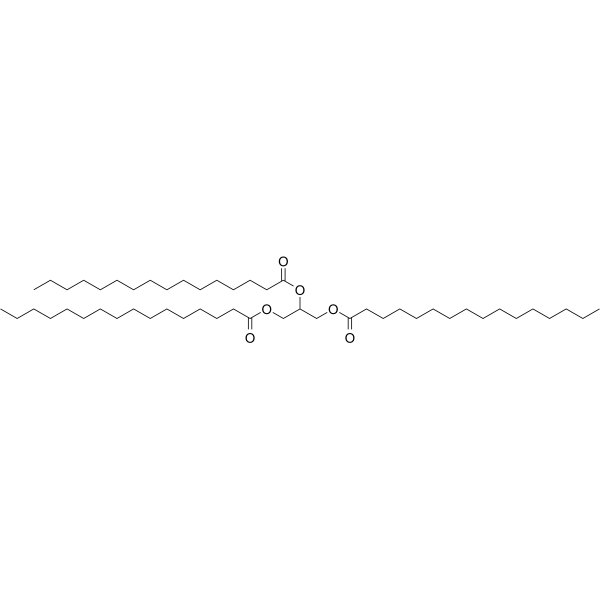
Propane-1,2,3-triyl tripalmitate is a saturated fat. Propane-1,2,3-triyl tripalmitate enhances the lymphatic transport of Glycerol tristearate (HY-127035) .
|
-
-
- HY-12642
-
|
|
Parasite
Bacterial
TNF Receptor
Interleukin Related
|
Infection
Metabolic Disease
Inflammation/Immunology
|
|
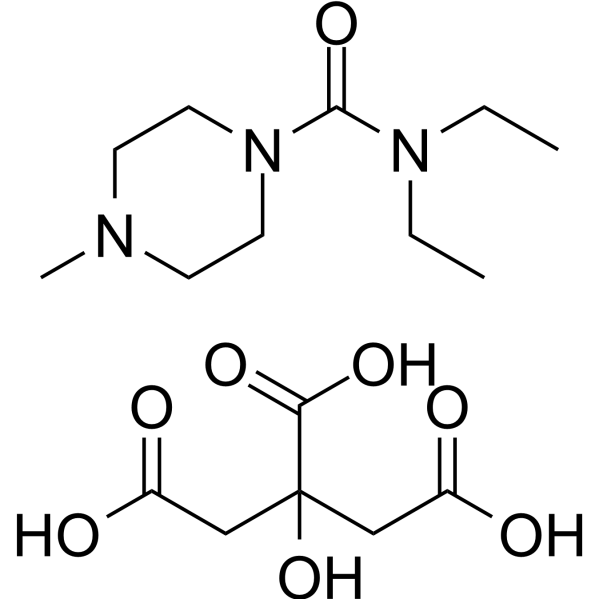
Diethylcarbamazine citrate is an orally active microfilaricidal agent used originally in onchocerciasis and lymphatic filiariasis. Diethylcarbamazine citrate reduces eosinophil trafficking to the lung tissue and exerts anti-allergic effects. Diethylcarbamazine citrate reduces serum levels of leptin, TNF-α, IL-6, MCP-1, glucose, insulin, and triglycerides, and ameliorates insulin resistance without altering body, liver, or adipose tissue weights. Diethylcarbamazine citrate enhances reactive oxygen intermediate expression by polymorphonuclear neutrophils, increases lymphocyte proliferation, and inhibits actinomycetoma lesion development. Diethylcarbamazine citrate can be used for the researches of bronchial asthma, insulin resistance and infection .
|
-
-
- HY-152293
-
|
|
VEGFR
ERK
|
Cancer
|
|
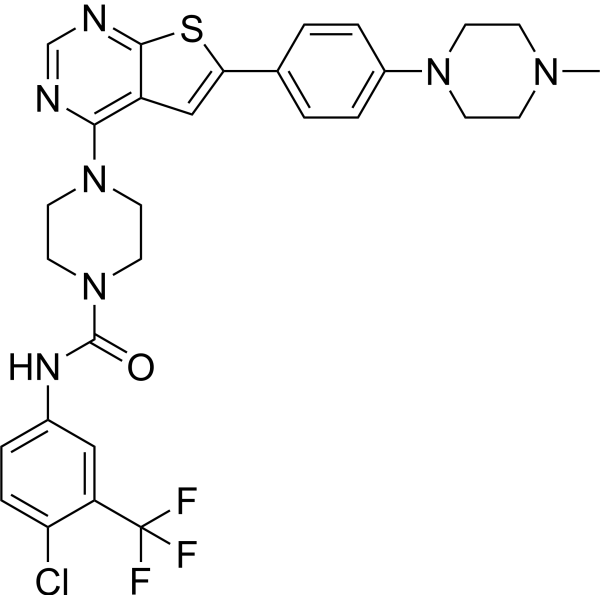
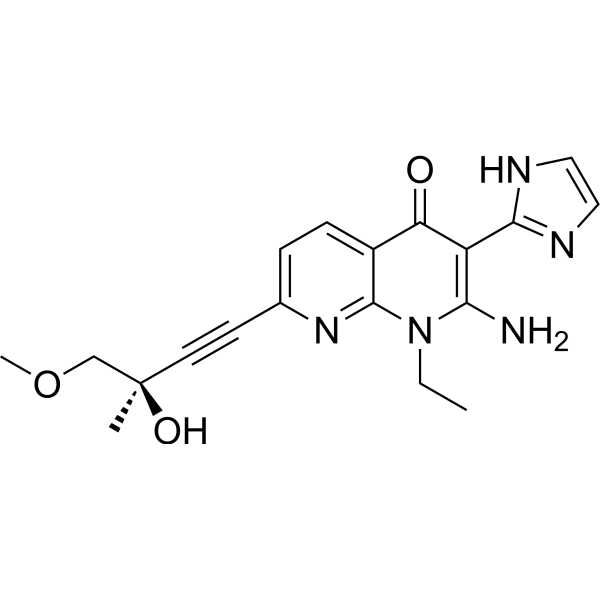
EVT801 is an orally active and selective inhibitor of VEGFR-3 (IC50=11 nM), which has antitumor effects. EVT801 inhibits not only VEGF-C-induced human endothelial cell proliferation, but also tumor (lymphatic) angiogenesis in tumor mouse models. EVT801 can reduce tumor hypoxia, immunosuppressive cytokines (CCL4, CCL5) and myeloid derived suppressor cells (MDSC) production. EVT801 has synergistic effect with immune checkpoint therapy (ICT), which improves ICT response rate and has better inhibitory effect on cancer mouse models . EVT801 is a click chemistry reagent, it contains an Alkyne group and can undergo copper-catalyzed azide-alkyne cycloaddition (CuAAc) with molecules containing Azide groups.
|
-
-
- HY-108011
-
|
|
mGluR
iGluR
Endogenous Metabolite
|
Cardiovascular Disease
|
|
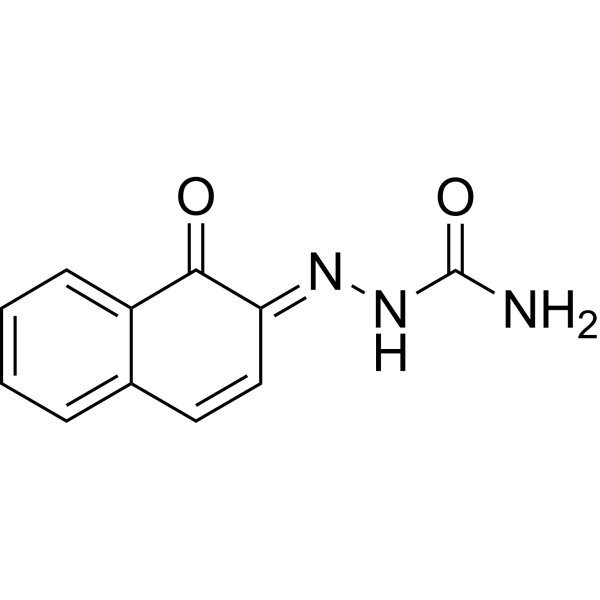
Naftazone is a naphthoquinone derivative, it can be used for the research of venous insufciency. Naftazone protects blood vessels, increases venous tonicity and capillary resistance, and improves lymphatic and venous circulation .
|
-
-
- HY-P1181A
-
|
|
Toll-like Receptor (TLR)
NO Synthase
IKK
Akt
PKC
NF-κB
p38 MAPK
Interleukin Related
|
Cardiovascular Disease
Infection
Inflammation/Immunology
Cancer
|
|
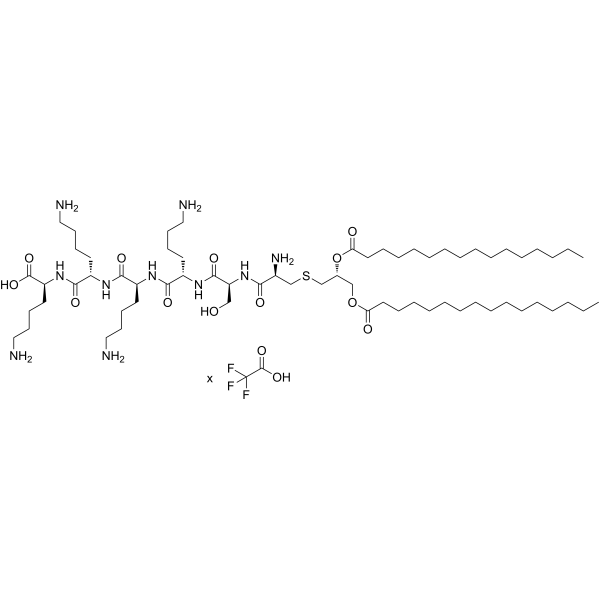
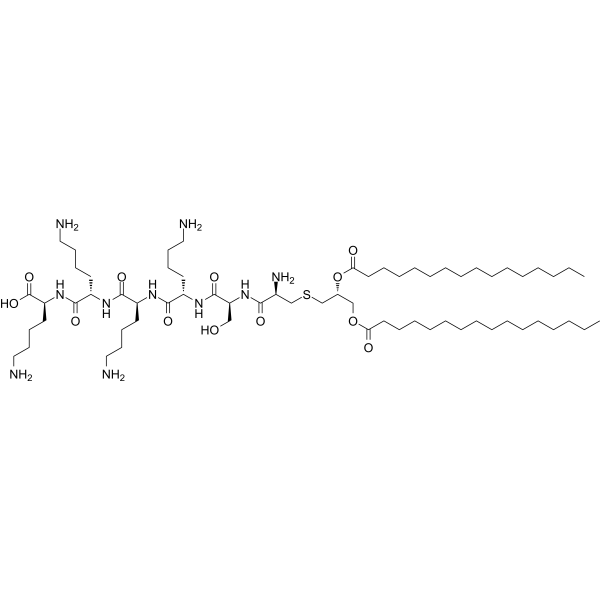
Pam2CSK4 TFA is a TLR2 agonist. Pam2CSK4 TFA induces the expression of iNOS and NO in macrophage cell lines via TBK1 and MyD88 molecules. Pam2CSK4 TFA activates the NF-κB and Bruton's tyrosine kinase signaling pathways in platelets, and promotes platelet-endothelial cell interactions. TLR2 activation triggered by Pam2CSK4 TFA expands myeloid-derived suppressor cells (MDSCs) and suppresses anti-tumor immune responses in the tumor microenvironment. Pam2CSK4 TFA acts as a Th2-polarizing adjuvant in mouse vaccine models against Leishmania major and Brugia malayi. Pam2CSK4 TFA can be used in the research of various diseases, including thromboinflammatory diseases, sepsis, atherosclerosis, heart failure, influenza, lymphoma, melanoma, cutaneous leishmaniasis and lymphatic filariasis .
|
-
-
- HY-D1122
-
|
|
Fluorescent Dye
|
Others
|
|
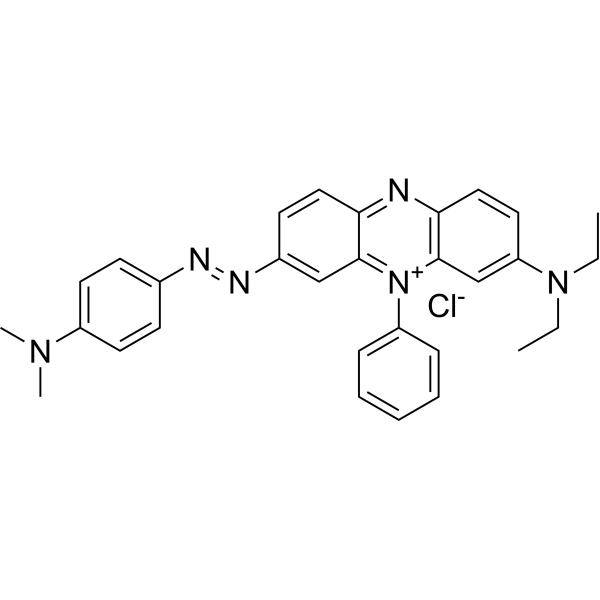
Janus green B is a supravital stain. Janus green B staining reaction is oxygen dependent, and is reversibly inhibited by cyanide. Janus green B has been used for staining peripheral nerves in live insects, lymphatic vessels of rabbits and mitochondria .
|
-
-
- HY-D1005A23
-
|
PEG-PPG-PEG, 4400 (Average)
|
Environmental Pollutants
Biochemical Assay Reagents
P-glycoprotein
|
Inflammation/Immunology
|
|
Poloxamer 401 L121 is a block copolymer of polyethylene oxide and polypropylene oxide with an average molecular weight of 4400. Poloxamer has the ability to inhibit P-gp. Poloxamer 401 inhibits multiagent resistance and adjuvant activity. Poloxamer 401 can be used as a cosmetic ingredient. Poloxamer 401 can be used in nanoparticle engineering (lymphatic targeting particles) research .
|
-
-
- HY-158082B
-
|
Tetramethyl rhodamine isothiocyanate glucan, MW 40000
|
Fluorescent Dye
|
Others
|
|
TRITC-dextran (Tetramethyl rhodamine isothiocyanate glucan), MW 40000 is a TRITC (HY-D0791)-labeled neutral 40 kDa fluorescent polysaccharide probe. TRITC-dextran, MW 40000 forms a membrane layer on the surface of protocells composed of protamine/folate condensates, and is used to assess membrane fluidity via fluorescence recovery after photobleaching. TRITC-dextran, MW 40000 can also be used to evaluate the anti-bacterial invasion ability and colloidal stability of coated condensates, as well as analyze the permeability of vascular and lymphatic endothelial cell layers .
|
-
-
- HY-126395
-
|
|
Fluorescent Dye
|
Others
|
|
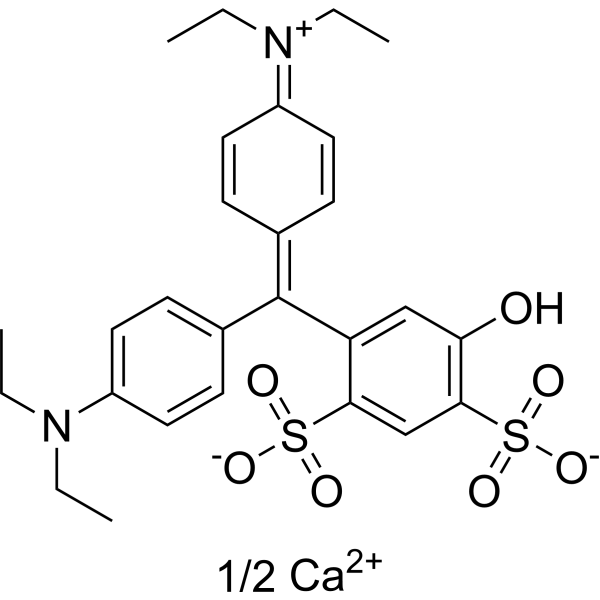
Patent Blue V calcium salt is a triarylmethane dye used for tissue staining and lymphatic tracing, mainly applied by topical injection or eye drops. Patent Blue V calcium salt has affinity for specific tissues (such as corneal endothelium, lymphatic system), and stains the target structure by adsorption or binding, assisting in precise operation during surgery. Patent Blue V calcium salt is mainly used in ophthalmic surgery (such as graft staining for Descemet's membrane endothelial keratoplasty) and lymphatic drainage localization for sentinel lymph node biopsy of tumors .
|
-
-
- HY-P1181
-
|
|
Toll-like Receptor (TLR)
NO Synthase
IKK
Akt
PKC
NF-κB
p38 MAPK
Interleukin Related
|
Cardiovascular Disease
Infection
Inflammation/Immunology
Cancer
|
|
Pam2CSK4 is a TLR2 agonist. Pam2CSK4 induces the expression of iNOS and NO in macrophage cell lines via TBK1 and MyD88 molecules. Pam2CSK4 activates the NF-κB and Bruton's tyrosine kinase signaling pathways in platelets, and promotes platelet-endothelial cell interactions. TLR2 activation triggered by Pam2CSK4 expands myeloid-derived suppressor cells (MDSCs) and suppresses anti-tumor immune responses in the tumor microenvironment. Pam2CSK4 acts as a Th2-polarizing adjuvant in mouse vaccine models against Leishmania major and Brugia malayi. Pam2CSK4 can be used in the research of various diseases, including thromboinflammatory diseases, sepsis, atherosclerosis, heart failure, influenza, lymphoma, melanoma, cutaneous leishmaniasis and lymphatic filariasis .
|
-
-
- HY-132305
-
|
|
VEGFR
|
Cancer
|
|
VEGFR-3-IN-1 is a potent and selective VEGFR3 inhibitor with an IC50 of 110.4 nM. VEGFR-3-IN-1 significantly inhibits proliferation and migration of VEGF-C-induced human dermal lymphatic endothelial cells (HDLEC), MDA-MB-231, and MDA-MB-436 cells by inactivating the VEGFR3 signaling pathway, and also effectively inhibits breast cancer growth .
|
-
-
- HY-P3695
-
|
|
FGFR
|
Cancer
|
|
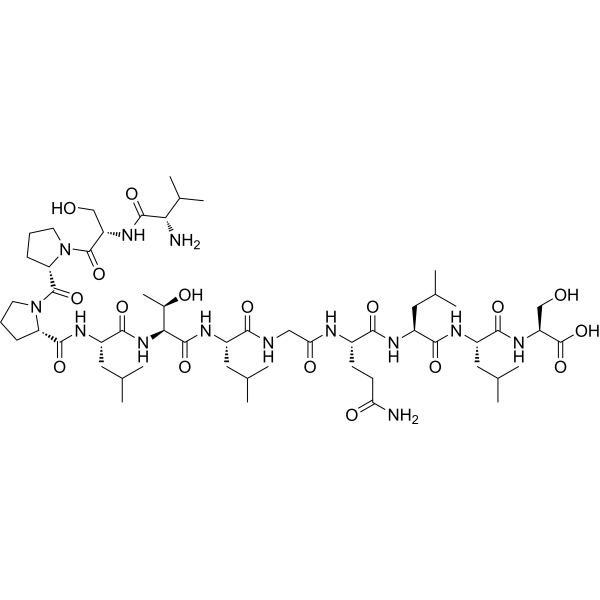
VSPPLTLGQLLS is a small peptide FGFR3 inhibitor, peptide P3, inhibits FGFR3 phosphorylation. VSPPLTLGQLLS inhibits 9-cisRA-induced tracheal lymphangiogenesis and blocks lymphatic endothelial cell (LEC) proliferation, migration, and tubule formation .
|
-
-
- HY-12642A
-
|
|
Parasite
Bacterial
TNF Receptor
Interleukin Related
|
Infection
Metabolic Disease
Inflammation/Immunology
|
|
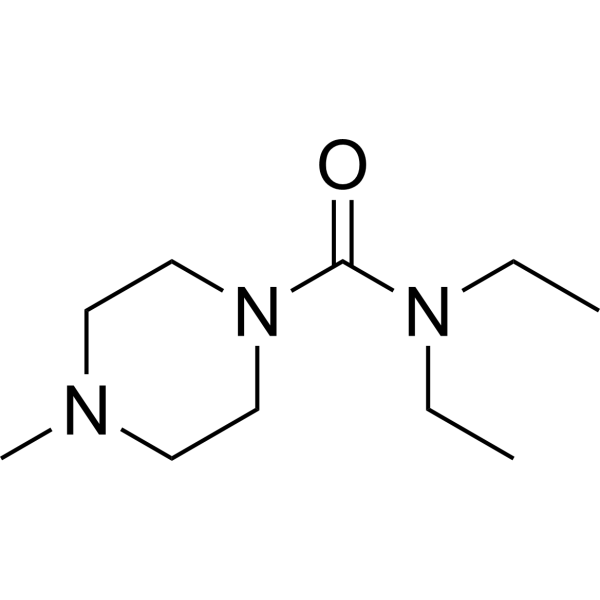
Diethylcarbamazine is an orally active microfilaricidal agent used originally in onchocerciasis and lymphatic filiariasis. Diethylcarbamazine reduces eosinophil trafficking to the lung tissue and exerts anti-allergic effects. Diethylcarbamazine reduces serum levels of leptin, TNF-α, IL-6, MCP-1, glucose, insulin, and triglycerides, and ameliorates insulin resistance without altering body, liver, or adipose tissue weights. Diethylcarbamazine enhances reactive oxygen intermediate expression by polymorphonuclear neutrophils, increases lymphocyte proliferation, and inhibits actinomycetoma lesion development. Diethylcarbamazine can be used for the researches of bronchial asthma, insulin resistance and infection .
|
-
-
- HY-P4091
-
|
|
Biochemical Assay Reagents
|
Cancer
|
|
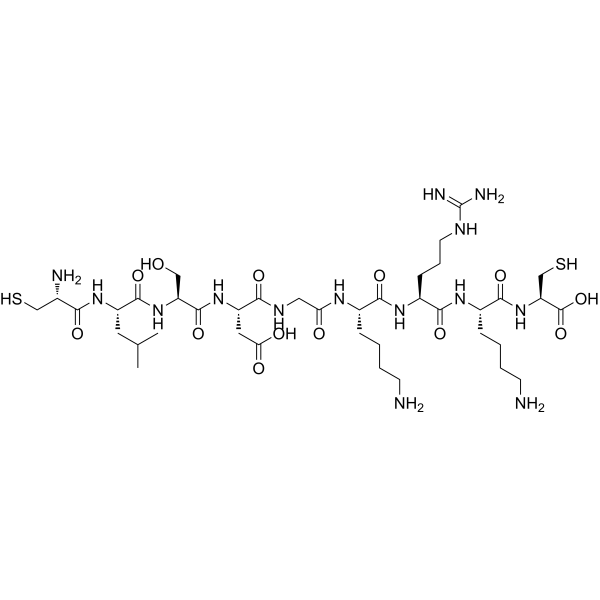
LSD is a peptide. LSD can specifically recognize the lymphatics of C8161 melanoma, but it does not bind to the lymphatics of normal tissues or tumor blood vessels. When conjugated with a proapoptotic peptide, LSD can reduce the number of tumor lymphatics. LSD can be used in the research of targeted therapy and diagnosis of tumor lymphatics .
|
-
-
- HY-100993
-
|
|
5-HT Receptor
|
Cardiovascular Disease
|
|
α-Methylserotonin maleate is a potent and selective agonist of 5-HT2 receptor. α-Methylserotonin maleate is an analogue of serotonin formed in vivo from α-Methyltryptophan. α-Methylserotonin maleate mediates the lymphatic smooth muscle contraction and prevents the up-regulation of serotonin-receptor-mediated phosphoinositide hydrolysis .
|
-
-
- HY-W013061S1
-
|
|
Endogenous Metabolite
Isotope-Labeled Compounds
|
Metabolic Disease
|
|
Propane-1,2,3-triyl tripalmitate- 13C3 is the 13C labeled Propane-1,2,3-triyl tripalmitate (HY-W013061). Propane-1,2,3-triyl tripalmitate is a saturated fat. Propane-1,2,3-triyl tripalmitate enhances the lymphatic transport of Glycerol tristearate (HY-127035) .
|
-
-
- HY-N3968
-
|
GTN; (R)-(+)-Goniothalamin
|
Apoptosis
Insecticide
Bacterial
Fungal
Reactive Oxygen Species (ROS)
|
Infection
Inflammation/Immunology
Cancer
|
|
Goniothalamin (GTN) is a styryl lactone. Goniothalamin exhibits insecticidal, anti-tumor and antibacterial activities. Goniothalamin induces cell cycle arrest and apoptosis in tumor cells. Goniothalamin acts as a larvicide against Culex quinquefasciatus larvae and as a cytotoxin against brine shrimp larvae. Goniothalamin functions as an antibacterial agent against Gram-positive and Gram-negative bacteria, and also acts as an antifungal agent against pathogens including Candida albicans, Trichophyton rubrum and Trichophyton mentagrophytes. Goniothalamin is applicable to research related to breast cancer, lymphatic filariasis, bacterial infections and fungal infections .
|
-
-
- HY-114415
-
|
|
Parasite
|
Infection
|
|
AWZ1066S is a highly potent, specific and orally active anti-Wolbachia agent with EC50 value of 121 nM. AWZ1066S also is a weak CYP2C9 inhibitor and a weak CYP3A4 inducer with IC50 values of 9.7 μM and 37 uM, respectively. AWZ1066S can be used for the research of tropical diseases such as Onchocerciasis (river blindness) and lymphatic filariasis (elephantiasis) .
|
-
-
- HY-111543
-
|
|
Parasite
|
Infection
|
|
AN11251 is a potent and oral active anti-Wolbachia agent with potential for treatment of onchocerciasis and lymphatic filariasis, with EC50 values of 1.5 nM in LDW1 cell lines and 15 nM in C6/36 cell lines .
|
-
-
- HY-W013061S2
-
|
|
Endogenous Metabolite
Isotope-Labeled Compounds
|
Metabolic Disease
|
|
Propane-1,2,3-triyl tripalmitate-d31 is the deuterium labeled Propane-1,2,3-triyl tripalmitate (HY-W013061). Propane-1,2,3-triyl tripalmitate is a saturated fat. Propane-1,2,3-triyl tripalmitate enhances the lymphatic transport of Glycerol tristearate (HY-127035) .
|
-
-
- HY-176248
-
|
|
Histamine Receptor
Serotonin Transporter
|
Neurological Disease
Inflammation/Immunology
|
|
Dimephosphon is an anti-inflammatory agent with antihistamine and antiserotonin activities. Dimephosphon helps maintain the conduction function of the spinal cord and reduces the excitability of spinal motor neurons in the area surrounding the lesion. Dimephosphon directly activates lymphatic vessel movement and improves lymphatic circulation. Dimephosphon can be used for the study of inflammatory edema, acute spinal cord injury and lymphatic circulation disorders .
|
-
-
- HY-123039
-
|
|
CETP
|
Metabolic Disease
|
|
CP-532623 is a CETP inhibitor and elevates high-density lipoprotein cholesterolion. CP-532623 is a close structural analogue of Torcetrapib. CP-532623 has highly lipophilic properties .
|
-
-
- HY-117783
-
|
|
Antibiotic
|
Infection
|
|
Y-05460M-A is a substituted isocoumarin antibiotic. Y-05460M-A exhibits inhibitory activity against Gram-positive and Gram-negative bacteria. Y-05460M-A is cytotoxic against P388 lymphatic leukemia. Y-05460M-A also has antiulcer activity. Y-05460M-A is a one-carbon lower homologue of PM-04128. Y-05460M-A can be achieved from N-Boc-L-valine .
|
-
-
- HY-P4091A
-
|
|
Biochemical Assay Reagents
|
Cancer
|
|
LSD acetate is a peptide. LSD acetate can specifically recognize the lymphatics of C8161 melanoma, but it does not bind to the lymphatics of normal tissues or tumor blood vessels. When conjugated with a proapoptotic peptide, LSD acetate can reduce the number of tumor lymphatics. LSD acetate can be used in the research of targeted therapy and diagnosis of tumor lymphatics .
|
-
-
- HY-108011R
-
|
|
iGluR
Endogenous Metabolite
mGluR
Reference Standards
|
Cardiovascular Disease
|
|
Naftazone (Standard) is the analytical standard of Naftazone. This product is intended for research and analytical applications. Naftazone is a naphthoquinone derivative, it can be used for the research of venous insufciency. Naftazone protects blood vessels, increases venous tonicity and capillary resistance, and improves lymphatic and venous circulation .
|
-
-
- HY-P3695A
-
|
|
FGFR
|
Cancer
|
|
VSPPLTLGQLLS TFA is a small peptide FGFR3 inhibitor, peptide P3, inhibits FGFR3 phosphorylation. VSPPLTLGQLLS TFA inhibits 9-cisRA-induced tracheal lymphangiogenesis and blocks lymphatic endothelial cell (LEC) proliferation, migration, and tubule formation .
|
-
-
- HY-145463
-
|
|
5-HT Receptor
|
Cardiovascular Disease
|
|
α-Methylserotonin is a potent and selective agonist of 5-HT2 receptor. α-Methylserotonin is an analogue of serotonin formed in vivo from α-methyltryptophan. α-Methylserotonin mediates the lymphatic smooth muscle contraction and prevents the up-regulation of serotonin-receptor-mediated phosphoinositide hydrolysis .
|
-
-
- HY-12642AR
-
|
|
Reference Standards
Parasite
Bacterial
TNF Receptor
Interleukin Related
|
Infection
Metabolic Disease
Inflammation/Immunology
|
|
Diethylcarbamazine (Standard) is the analytical standard of Diethylcarbamazine (HY-12642A). This product is intended for research and analytical applications. Diethylcarbamazine is an orally active microfilaricidal agent used originally in onchocerciasis and lymphatic filiariasis. Diethylcarbamazine reduces eosinophil trafficking to the lung tissue and exerts anti-allergic effects. Diethylcarbamazine reduces serum levels of leptin, TNF-α, IL-6, MCP-1, glucose, insulin, and triglycerides, and ameliorates insulin resistance without altering body, liver, or adipose tissue weights. Diethylcarbamazine enhances reactive oxygen intermediate expression by polymorphonuclear neutrophils, increases lymphocyte proliferation, and inhibits actinomycetoma lesion development. Diethylcarbamazine can be used for the researches of bronchial asthma, insulin resistance and infection .
|
-
-
- HY-172271C
-
|
|
Liposome
|
Cancer
|
|
DSPE-PEG3400-LyP-1 is a PEG compound which composed of DSPE and a nine residue peptide (LyP-1) (HY-P2526). LyP-1 targets tumor-associated lymphatic vessels and macrophages .
|
-
-
- HY-107212R
-
|
|
Reference Standards
Parasite
Chloride Channel
P-glycoprotein
Bacterial
|
Infection
|
|
Selamectin (Standard) is the analytical standard of Selamectin. This product is intended for research and analytical applications. Selamectin, a semi-synthetic macrocyclic lactone, is a potent parasiticide and anthelminthic. Selamectin activates glutamate-gated chloride channels in neurons and pharyngeal muscles to prevent heartworm, Lymphatic filariae, and nematode infection. Selamectin is also a potent P-glycoprotein substrate and a P-glycoprotein inhibitor with an IC50 of 120 nM .
|
-
-
- HY-W013061S
-
|
|
Isotope-Labeled Compounds
Endogenous Metabolite
|
Metabolic Disease
|
|
Propane-1,2,3-triyl tripalmitate-d9 is deuterium labeled Propane-1,2,3-triyl tripalmitate (HY-W013061). Propane-1,2,3-triyl tripalmitate is a saturated fat. Propane-1,2,3-triyl tripalmitate enhances the lymphatic transport of Glycerol tristearate (HY-127035) .
|
-
-
- HY-W013061S6
-
|
|
Isotope-Labeled Compounds
Endogenous Metabolite
|
Metabolic Disease
|
|
Propane-1,2,3-triyl tripalmitate-d98 is the deuterium labeled Propane-1,2,3-triyl tripalmitate (HY-W013061). Propane-1,2,3-triyl tripalmitate is a saturated fat. Propane-1,2,3-triyl tripalmitate enhances the lymphatic transport of Glycerol tristearate (HY-127035) .
|
-
-
- HY-W013061S5
-
|
|
Isotope-Labeled Compounds
Endogenous Metabolite
|
Metabolic Disease
|
|
Propane-1,2,3-triyl tripalmitate- 13C2 is the 13C labeled Propane-1,2,3-triyl tripalmitate (HY-W013061). Propane-1,2,3-triyl tripalmitate is a saturated fat. Propane-1,2,3-triyl tripalmitate enhances the lymphatic transport of Glycerol tristearate (HY-127035) .
|
-
-
- HY-W013061S3
-
|
|
Isotope-Labeled Compounds
Endogenous Metabolite
|
Metabolic Disease
|
|
Propane-1,2,3-triyl tripalmitate-d5 is the deuterium labeled Propane-1,2,3-triyl tripalmitate (HY-W013061). Propane-1,2,3-triyl tripalmitate is a saturated fat. Propane-1,2,3-triyl tripalmitate enhances the lymphatic transport of Glycerol tristearate (HY-127035) .
|
-
-
- HY-W013061S10
-
|
|
Endogenous Metabolite
Isotope-Labeled Compounds
|
Metabolic Disease
|
|
Propane-1,2,3-triyl tripalmitate- 13C is the 13C labeled Propane-1,2,3-triyl tripalmitate (HY-W013061). Propane-1,2,3-triyl tripalmitate is a saturated fat. Propane-1,2,3-triyl tripalmitate enhances the lymphatic transport of Glycerol tristearate (HY-127035) .
|
-
-
- HY-W013061R
-
|
|
Reference Standards
Endogenous Metabolite
|
Metabolic Disease
|
|
Propane-1,2,3-triyl tripalmitate (Standard) is the analytical standard of Propane-1,2,3-triyl tripalmitate (HY-W013061). This product is intended for research and analytical applications. Propane-1,2,3-triyl tripalmitate is a saturated fat. Propane-1,2,3-triyl tripalmitate enhances the lymphatic transport of Glycerol tristearate (HY-127035) .
|
-
-
- HY-W013061S4
-
|
|
Isotope-Labeled Compounds
Endogenous Metabolite
|
Metabolic Disease
|
|
Propane-1,2,3-triyl tripalmitate- 13C3-1 is the 13C labeled Propane-1,2,3-triyl tripalmitate (HY-W013061). Propane-1,2,3-triyl tripalmitate is a saturated fat. Propane-1,2,3-triyl tripalmitate enhances the lymphatic transport of Glycerol tristearate (HY-127035) .
|
-
-
- HY-12642R
-
|
|
Reference Standards
Parasite
Bacterial
TNF Receptor
Interleukin Related
|
Infection
Metabolic Disease
Inflammation/Immunology
|
|
Diethylcarbamazine citrate (Standard) is the analytical standard of Diethylcarbamazine citrate (HY-12642). This product is intended for research and analytical applications. Diethylcarbamazine citrate is an orally active microfilaricidal agent used originally in onchocerciasis and lymphatic filiariasis. Diethylcarbamazine citrate reduces eosinophil trafficking to the lung tissue and exerts anti-allergic effects. Diethylcarbamazine citrate reduces serum levels of leptin, TNF-α, IL-6, MCP-1, glucose, insulin, and triglycerides, and ameliorates insulin resistance without altering body, liver, or adipose tissue weights. Diethylcarbamazine citrate enhances reactive oxygen intermediate expression by polymorphonuclear neutrophils, increases lymphocyte proliferation, and inhibits actinomycetoma lesion development. Diethylcarbamazine citrate can be used for the researches of bronchial asthma, insulin resistance and infection .
|
-
-
- HY-174683
-
|
|
mRNA
|
Cancer
|
|
Human FLT4 mRNA encodes the human Fms related receptor tyrosine kinase 4 (FLT4) protein, a tyrosine kinase receptor for vascular endothelial growth factors C and D. FLT4 is thought to be involved in lymphangiogenesis and maintenance of the lymphatic endothelium.
|
-
-
- HY-P991815
-
|
|
Transmembrane Glycoprotein
|
Inflammation/Immunology
|
|
Anti-Mouse CD90.1 Antibody (OX-7) reacts with the mouse and rat CD90.1. CD90 is present on a variety of cell types in murine and rat, including lymphatic vessels, T cells, neurons and fibroblasts. Recommend Isotype Controls: Mouse IgG1 kappa, Isotype Control (HY-P99977) .
|
-
-
- HY-160740
-
|
|
Others
|
Cancer
|
|
Antitumor agent-148 (Example 1) is an anti-cancer agent. Antitumor agent-148 effectively inhibits the growth, migration and invasion of cancer cells. Antitumor agent-148 significantly inhibits the lymphatic metastasis of breast cancer cells in mouse models. Antitumor agent-148 can be used for the study of malignant tumors such as breast cancer, lung cancer and gastric cancer .
|
-
-
- HY-W013061S7
-
|
|
Isotope-Labeled Compounds
Endogenous Metabolite
|
Metabolic Disease
|
|
Propane-1,2,3-triyl tripalmitate-d27 is the deuterium labeled Propane-1,2,3-triyl tripalmitate (HY-W013061). Propane-1,2,3-triyl tripalmitate is a saturated fat. Propane-1,2,3-triyl tripalmitate enhances the lymphatic transport of Glycerol tristearate (HY-127035) .
|
-
-
- HY-W013061S8
-
|
|
Isotope-Labeled Compounds
Endogenous Metabolite
|
Metabolic Disease
|
|
Propane-1,2,3-triyl tripalmitate-d9-1 is the deuterium labeled Propane-1,2,3-triyl tripalmitate (HY-W013061). Propane-1,2,3-triyl tripalmitate is a saturated fat. Propane-1,2,3-triyl tripalmitate enhances the lymphatic transport of Glycerol tristearate (HY-127035) .
|
-
-
- HY-W013061S9
-
|
|
Endogenous Metabolite
Isotope-Labeled Compounds
|
Metabolic Disease
|
|
Propane-1,2,3-triyl tripalmitate-d6 is the deuterium labeled Propane-1,2,3-triyl tripalmitate (HY-W013061). Propane-1,2,3-triyl tripalmitate is a saturated fat. Propane-1,2,3-triyl tripalmitate enhances the lymphatic transport of Glycerol tristearate (HY-127035) .
|
-
-
- HY-178241
-
|
|
Biochemical Assay Reagents
|
Cancer
|
|
3tBu-Crown TFA is a chelator. 3tBu-Crown TFA chelates radiometals and couples to biological targeting moieties to facilitate targeted delivery of chelated radiometals.3tBu-Crown TFA can be used for the research of cancer .
|
-
-
- HY-133849
-
|
|
Sirtuin
|
Cancer
|
|
Aristoforin, a hypericin derivative, inhibits the activities of SIRT1 and SIRT2. Aristoforin induces G1 phase cell cycle arrest, scavenges hydroxyl free radicals, and exhibits protective activity against Fe 2+-induced DNA breakage. Aristoforin can be used in studies related to breast cancer and colon adenocarcinoma .
|
-
-
-
HY-L082
-
|
|
644 compounds
|
|
A parasite is an organism that lives on or in a host organism and gets its food from or at the expense of its host. Parasites of humans include protozoans, helminths, and ecto-parasites (organisms that live on the external surface of a host). They are responsible for many diseases and are transmitted to their hosts most often through the ingestion of contaminated food, water or through the bite of an arthropod (e.g., a fly or tick), which can act as an intermediate host and as a vector. Parasitic diseases of humans are a major global health problem causing significant morbidity and mortality, especially in developing countries. Each year there are hundreds of millions of people infected with disease-causing parasites, particularly in tropical and subtropical regions of the world, resulting in an estimated one million deaths. Therefore, there is a dire need of novel anti-parasitic drugs.
MCE has a unique collection of 644 compounds with validated anti-parasitic activity which offer researchers an opportunity to screen novel anti-parasitic targets.
|
| Cat. No. |
Product Name |
Type |
-
- HY-D1122
-
|
|
Fluorescent Dye
|
|
Janus green B is a supravital stain. Janus green B staining reaction is oxygen dependent, and is reversibly inhibited by cyanide. Janus green B has been used for staining peripheral nerves in live insects, lymphatic vessels of rabbits and mitochondria .
|
| Cat. No. |
Product Name |
Type |
-
- HY-D1005A6
-
|
PEG-PPG-PEG, 2200 (Average)
|
Biochemical Assay Reagents
|
|
Poloxamer 124 L44 is a block polymer of polyoxyethylene and polyoxypropylene and a hydrophobic surfactant. Poloxamer 124 L44 causes eye irritation and exhibits oral toxicity in albino rats with an LD50 of 5 g/kg. Poloxamer 124 L44 has reversible adverse effects on triglyceride and cholesterol transport in the lymphatic system of rats. Poloxamer 124 L44 can form thermoreversible hydrogels and is used as a food additive and as a drug delivery vehicle in cosmetics, pharmaceuticals, and tissue engineering[1][2][3].
|
-
- HY-D1005A23
-
|
PEG-PPG-PEG, 4400 (Average)
|
Biochemical Assay Reagents
|
|
Poloxamer 401 L121 is a block copolymer of polyethylene oxide and polypropylene oxide with an average molecular weight of 4400. Poloxamer has the ability to inhibit P-gp. Poloxamer 401 inhibits multiagent resistance and adjuvant activity. Poloxamer 401 can be used as a cosmetic ingredient. Poloxamer 401 can be used in nanoparticle engineering (lymphatic targeting particles) research .
|
-
- HY-158082B
-
|
Tetramethyl rhodamine isothiocyanate glucan, MW 40000
|
Biochemical Assay Reagents
|
|
TRITC-dextran (Tetramethyl rhodamine isothiocyanate glucan), MW 40000 is a TRITC (HY-D0791)-labeled neutral 40 kDa fluorescent polysaccharide probe. TRITC-dextran, MW 40000 forms a membrane layer on the surface of protocells composed of protamine/folate condensates, and is used to assess membrane fluidity via fluorescence recovery after photobleaching. TRITC-dextran, MW 40000 can also be used to evaluate the anti-bacterial invasion ability and colloidal stability of coated condensates, as well as analyze the permeability of vascular and lymphatic endothelial cell layers .
|
-
- HY-100993
-
|
|
Biochemical Assay Reagents
|
|
α-Methylserotonin maleate is a potent and selective agonist of 5-HT2 receptor. α-Methylserotonin maleate is an analogue of serotonin formed in vivo from α-Methyltryptophan. α-Methylserotonin maleate mediates the lymphatic smooth muscle contraction and prevents the up-regulation of serotonin-receptor-mediated phosphoinositide hydrolysis .
|
-
- HY-172271C
-
|
|
Biochemical Assay Reagents
|
|
DSPE-PEG3400-LyP-1 is a PEG compound which composed of DSPE and a nine residue peptide (LyP-1) (HY-P2526). LyP-1 targets tumor-associated lymphatic vessels and macrophages .
|
| Cat. No. |
Product Name |
Target |
Research Area |
-
- HY-P1181A
-
|
|
Toll-like Receptor (TLR)
NO Synthase
IKK
Akt
PKC
NF-κB
p38 MAPK
Interleukin Related
|
Cardiovascular Disease
Infection
Inflammation/Immunology
Cancer
|
|
Pam2CSK4 TFA is a TLR2 agonist. Pam2CSK4 TFA induces the expression of iNOS and NO in macrophage cell lines via TBK1 and MyD88 molecules. Pam2CSK4 TFA activates the NF-κB and Bruton's tyrosine kinase signaling pathways in platelets, and promotes platelet-endothelial cell interactions. TLR2 activation triggered by Pam2CSK4 TFA expands myeloid-derived suppressor cells (MDSCs) and suppresses anti-tumor immune responses in the tumor microenvironment. Pam2CSK4 TFA acts as a Th2-polarizing adjuvant in mouse vaccine models against Leishmania major and Brugia malayi. Pam2CSK4 TFA can be used in the research of various diseases, including thromboinflammatory diseases, sepsis, atherosclerosis, heart failure, influenza, lymphoma, melanoma, cutaneous leishmaniasis and lymphatic filariasis .
|
-
- HY-P1181
-
|
|
Toll-like Receptor (TLR)
NO Synthase
IKK
Akt
PKC
NF-κB
p38 MAPK
Interleukin Related
|
Cardiovascular Disease
Infection
Inflammation/Immunology
Cancer
|
|
Pam2CSK4 is a TLR2 agonist. Pam2CSK4 induces the expression of iNOS and NO in macrophage cell lines via TBK1 and MyD88 molecules. Pam2CSK4 activates the NF-κB and Bruton's tyrosine kinase signaling pathways in platelets, and promotes platelet-endothelial cell interactions. TLR2 activation triggered by Pam2CSK4 expands myeloid-derived suppressor cells (MDSCs) and suppresses anti-tumor immune responses in the tumor microenvironment. Pam2CSK4 acts as a Th2-polarizing adjuvant in mouse vaccine models against Leishmania major and Brugia malayi. Pam2CSK4 can be used in the research of various diseases, including thromboinflammatory diseases, sepsis, atherosclerosis, heart failure, influenza, lymphoma, melanoma, cutaneous leishmaniasis and lymphatic filariasis .
|
-
- HY-P3695
-
|
|
FGFR
|
Cancer
|
|
VSPPLTLGQLLS is a small peptide FGFR3 inhibitor, peptide P3, inhibits FGFR3 phosphorylation. VSPPLTLGQLLS inhibits 9-cisRA-induced tracheal lymphangiogenesis and blocks lymphatic endothelial cell (LEC) proliferation, migration, and tubule formation .
|
-
- HY-P4091
-
|
|
Biochemical Assay Reagents
|
Cancer
|
|
LSD is a peptide. LSD can specifically recognize the lymphatics of C8161 melanoma, but it does not bind to the lymphatics of normal tissues or tumor blood vessels. When conjugated with a proapoptotic peptide, LSD can reduce the number of tumor lymphatics. LSD can be used in the research of targeted therapy and diagnosis of tumor lymphatics .
|
-
- HY-P4089
-
|
|
Peptides
|
Cancer
|
|
REA is a peptide. REA recognizes lymphatics of a premalignant stage, but not to the tumor lymphatic vessels .
|
-
- HY-P4088
-
|
|
Peptides
|
Cancer
|
|
LyP-2 is a peptide that homes to tumor lymphatics. LyP2 homes to lymphatics of C8161 melanomas and cervical carcinomas and K14-HPV16 skin, but not to MDA-MB435 tumors, showing heterogeneity in the molecular markers of tumor cells and lymphatics .
|
-
- HY-P4091A
-
|
|
Biochemical Assay Reagents
|
Cancer
|
|
LSD acetate is a peptide. LSD acetate can specifically recognize the lymphatics of C8161 melanoma, but it does not bind to the lymphatics of normal tissues or tumor blood vessels. When conjugated with a proapoptotic peptide, LSD acetate can reduce the number of tumor lymphatics. LSD acetate can be used in the research of targeted therapy and diagnosis of tumor lymphatics .
|
-
- HY-P3695A
-
|
|
FGFR
|
Cancer
|
|
VSPPLTLGQLLS TFA is a small peptide FGFR3 inhibitor, peptide P3, inhibits FGFR3 phosphorylation. VSPPLTLGQLLS TFA inhibits 9-cisRA-induced tracheal lymphangiogenesis and blocks lymphatic endothelial cell (LEC) proliferation, migration, and tubule formation .
|
-
- HY-P4085
-
|
|
Peptides
|
Cancer
|
|
AGR is a peptide. AGR recognizes lymphatic vessels in fully developed prostate tumors but not in the pre-malignant lesions .
|
| Cat. No. |
Product Name |
Target |
Research Area |
Image |
-
- HY-P991815
-
|
|
Transmembrane Glycoprotein
|
Inflammation/Immunology
|
|
Anti-Mouse CD90.1 Antibody (OX-7) reacts with the mouse and rat CD90.1. CD90 is present on a variety of cell types in murine and rat, including lymphatic vessels, T cells, neurons and fibroblasts. Recommend Isotype Controls: Mouse IgG1 kappa, Isotype Control (HY-P99977) .
|
-
(5)
| Cat. No. |
Product Name |
Category |
Target |
Chemical Structure |
| Cat. No. |
Product Name |
Chemical Structure |
-
- HY-W013061S1
-
|
|
|
Propane-1,2,3-triyl tripalmitate- 13C3 is the 13C labeled Propane-1,2,3-triyl tripalmitate (HY-W013061). Propane-1,2,3-triyl tripalmitate is a saturated fat. Propane-1,2,3-triyl tripalmitate enhances the lymphatic transport of Glycerol tristearate (HY-127035) .
|
-
-
- HY-W013061S2
-
|
|
|
Propane-1,2,3-triyl tripalmitate-d31 is the deuterium labeled Propane-1,2,3-triyl tripalmitate (HY-W013061). Propane-1,2,3-triyl tripalmitate is a saturated fat. Propane-1,2,3-triyl tripalmitate enhances the lymphatic transport of Glycerol tristearate (HY-127035) .
|
-
-
- HY-W013061S
-
|
|
|
Propane-1,2,3-triyl tripalmitate-d9 is deuterium labeled Propane-1,2,3-triyl tripalmitate (HY-W013061). Propane-1,2,3-triyl tripalmitate is a saturated fat. Propane-1,2,3-triyl tripalmitate enhances the lymphatic transport of Glycerol tristearate (HY-127035) .
|
-
-
- HY-W013061S6
-
|
|
|
Propane-1,2,3-triyl tripalmitate-d98 is the deuterium labeled Propane-1,2,3-triyl tripalmitate (HY-W013061). Propane-1,2,3-triyl tripalmitate is a saturated fat. Propane-1,2,3-triyl tripalmitate enhances the lymphatic transport of Glycerol tristearate (HY-127035) .
|
-
-
- HY-W013061S5
-
|
|
|
Propane-1,2,3-triyl tripalmitate- 13C2 is the 13C labeled Propane-1,2,3-triyl tripalmitate (HY-W013061). Propane-1,2,3-triyl tripalmitate is a saturated fat. Propane-1,2,3-triyl tripalmitate enhances the lymphatic transport of Glycerol tristearate (HY-127035) .
|
-
-
- HY-W013061S3
-
|
|
|
Propane-1,2,3-triyl tripalmitate-d5 is the deuterium labeled Propane-1,2,3-triyl tripalmitate (HY-W013061). Propane-1,2,3-triyl tripalmitate is a saturated fat. Propane-1,2,3-triyl tripalmitate enhances the lymphatic transport of Glycerol tristearate (HY-127035) .
|
-
-
- HY-W013061S10
-
|
|
|
Propane-1,2,3-triyl tripalmitate- 13C is the 13C labeled Propane-1,2,3-triyl tripalmitate (HY-W013061). Propane-1,2,3-triyl tripalmitate is a saturated fat. Propane-1,2,3-triyl tripalmitate enhances the lymphatic transport of Glycerol tristearate (HY-127035) .
|
-
-
- HY-W013061S4
-
|
|
|
Propane-1,2,3-triyl tripalmitate- 13C3-1 is the 13C labeled Propane-1,2,3-triyl tripalmitate (HY-W013061). Propane-1,2,3-triyl tripalmitate is a saturated fat. Propane-1,2,3-triyl tripalmitate enhances the lymphatic transport of Glycerol tristearate (HY-127035) .
|
-
-
- HY-W013061S7
-
|
|
|
Propane-1,2,3-triyl tripalmitate-d27 is the deuterium labeled Propane-1,2,3-triyl tripalmitate (HY-W013061). Propane-1,2,3-triyl tripalmitate is a saturated fat. Propane-1,2,3-triyl tripalmitate enhances the lymphatic transport of Glycerol tristearate (HY-127035) .
|
-
-
- HY-W013061S8
-
|
|
|
Propane-1,2,3-triyl tripalmitate-d9-1 is the deuterium labeled Propane-1,2,3-triyl tripalmitate (HY-W013061). Propane-1,2,3-triyl tripalmitate is a saturated fat. Propane-1,2,3-triyl tripalmitate enhances the lymphatic transport of Glycerol tristearate (HY-127035) .
|
-
-
- HY-W013061S9
-
|
|
|
Propane-1,2,3-triyl tripalmitate-d6 is the deuterium labeled Propane-1,2,3-triyl tripalmitate (HY-W013061). Propane-1,2,3-triyl tripalmitate is a saturated fat. Propane-1,2,3-triyl tripalmitate enhances the lymphatic transport of Glycerol tristearate (HY-127035) .
|
-
| Cat. No. |
Product Name |
|
Classification |
-
- HY-125854
-
|
|
|
Phospholipids
|
|
Phosphatidylcholines, egg are a type of phosphatidylcholine that can be isolated and extracted from eggs, primarily present in egg yolks. As a major phospholipid component of cell membranes, Phosphatidylcholines, egg play a key role in providing nutrition and protection to the body. Phosphatidylcholines, egg can inhibit oxidative stress and neurotoxicity, exerting neuroprotective effects. Additionally, Phosphatidylcholines, egg can suppress the lymphatic absorption of cholesterol in the intestine and are also used in research on intestinal lipid absorption .
|
-
- HY-174683
-
|
|
|
mRNA
|
|
Human FLT4 mRNA encodes the human Fms related receptor tyrosine kinase 4 (FLT4) protein, a tyrosine kinase receptor for vascular endothelial growth factors C and D. FLT4 is thought to be involved in lymphangiogenesis and maintenance of the lymphatic endothelium.
|
Your information is safe with us. * Required Fields.
Inquiry Information
- Product Name:
- Cat. No.:
- Quantity:
- MCE Japan Authorized Agent:

