1. Search Result
Search Result
Isoforms Recommended: Lyn
Results for "

Lyn

" in MedChemExpress (MCE) Product Catalog:

77

Inhibitors & Agonists

1

Fluorescent Dye

1

Biochemical Assay Reagents

2

Peptides

1

Inhibitory Antibodies

5

Natural
Products

2

Recombinant Proteins

2

Isotope-Labeled Compounds

9

Antibodies

2

Click Chemistry

3

Oligonucleotides

1

GMP Molecules

Cat. No. Product Name Target Research Areas Chemical Structure
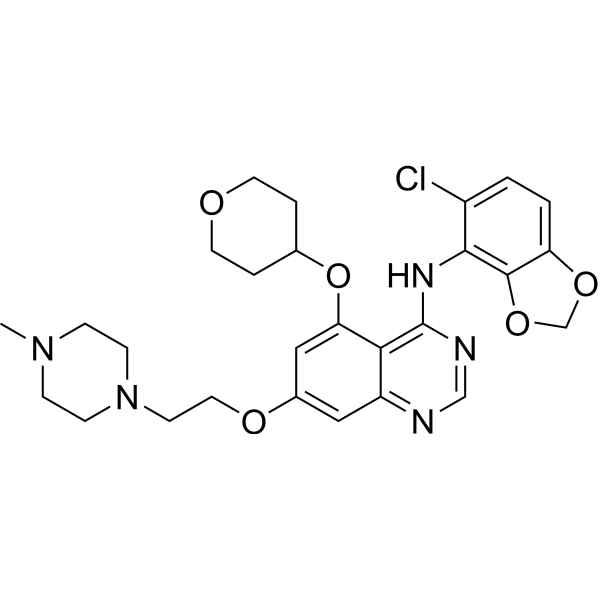
  • HY-10234
    Saracatinib
    Maximum Cited Publications
    39 Publications Verification

    AZD0530

    Src Autophagy Cancer
    Saracatinib (AZD0530) is a potent Src family inhibitor with IC50s of 2.7 to 11 nM for c-Src, Lck, c-YES, Lyn, Fyn, Fgr, and Blk. Saracatinib shows high selectivity over other tyrosine kinases .
    Saracatinib
  • HY-13038A
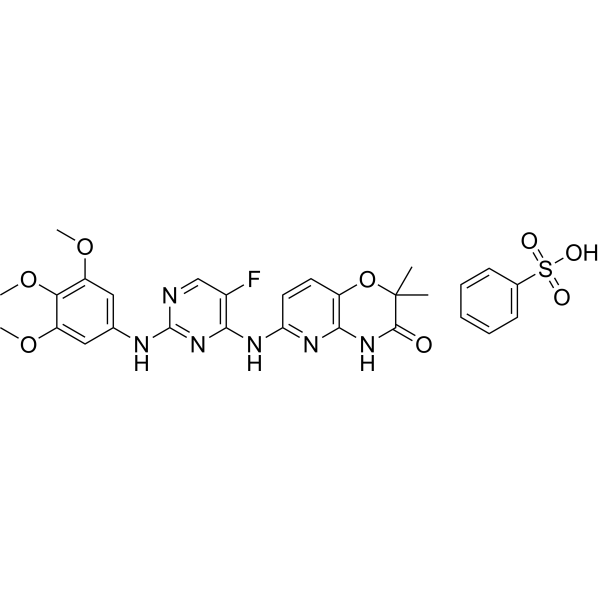
    Fostamatinib
    10+ Cited Publications

    R788

    Syk FLT3 Inflammation/Immunology Cancer
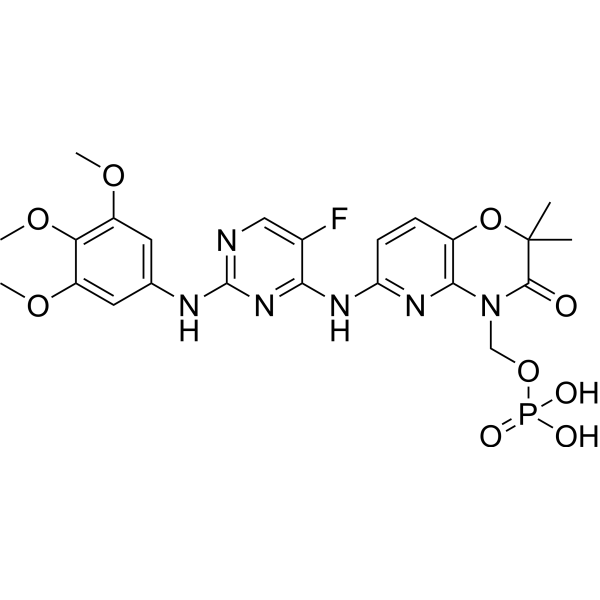
    Fostamatinib (R788) is the oral proagent of the active compound R406 . R406 is an orally available and competitive Syk/FLT3 inhibitor with a Ki of 30 nM and an IC50 of 41 nM . R406 also inhibits Lyn (IC50=63 nM) and Lck (IC50=37 nM) .
    Fostamatinib
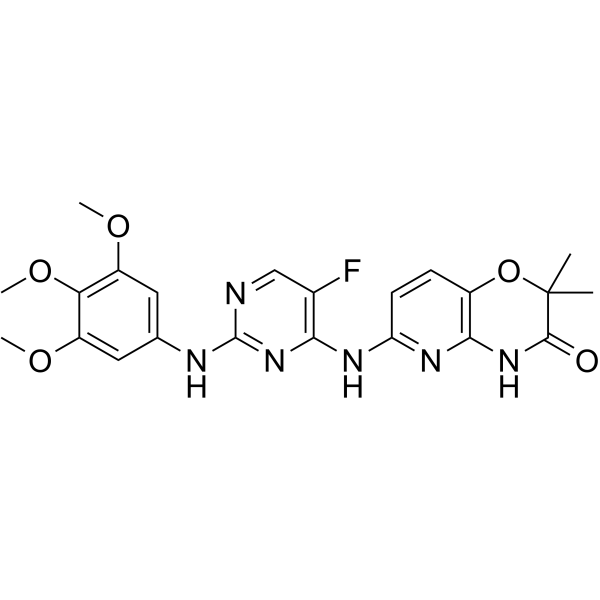
  • HY-12067
    R406
    35+ Cited Publications

    Syk FLT3 Apoptosis Inflammation/Immunology Cancer
    R406 is an orally available and competitive Syk/FLT3 inhibitor for ATP binding with a Ki of 30 nM, potently inhibits Syk kinase activity in vitro with an IC50 of 41 nM, measured at an ATP concentration corresponding to its Km value. R406 reduces immune complex-mediated inflammation . R406 also inhibits Lyn (IC50=63 nM) and Lck (IC50=37 nM) .
    R406
  • HY-10209
    Masitinib
    5+ Cited Publications

    AB1010

    c-Kit PDGFR Src FGFR FAK Apoptosis Cancer
    Masitinib (AB1010) is a potent, orally bioavailable, and selective inhibitor of c-Kit (IC50=200 nM for human recombinant c-Kit). It also inhibits PDGFRα/β (IC50s=540/800 nM), Lyn (IC50= 510 nM for LynB), Lck, and, to a lesser extent, FGFR3 and FAK. Masitinib (AB1010) has anti-proliferative, pro-apoptotic activity and low toxicity .
    Masitinib
  • HY-32736
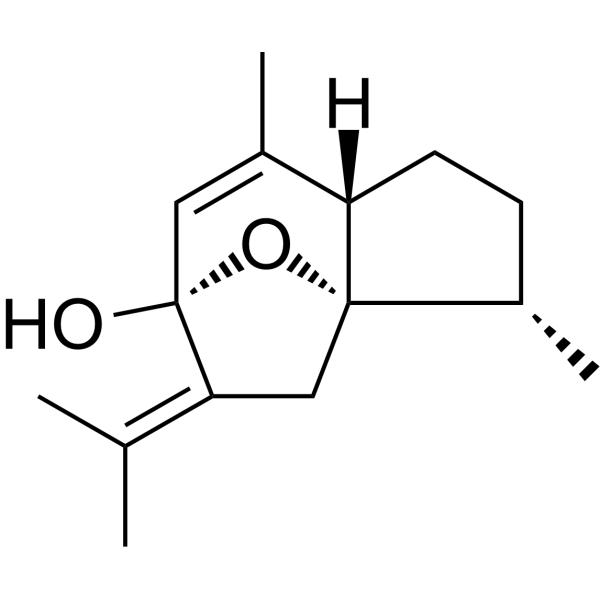
    Triptonide
    3 Publications Verification

    NSC 165677; PG 492

    Wnt β-catenin Apoptosis Autophagy Inflammation/Immunology Cancer
    Triptonide (NSC 165677) is a natural product identified in Tripterygium wilfordii Hook F.. Triptonide is a Wnt signaling inhibitor with an IC50 of appropriately 0.3 nM. Triptonide has immunosuppression, anti-inflammatory, anti-fertility, neuroprotective and anti-lymphoma effects .
    Triptonide
  • HY-10209A
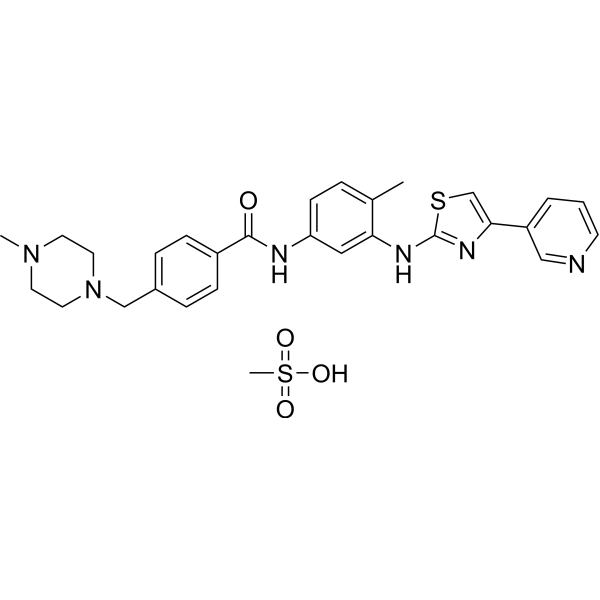
    Masitinib mesylate
    5+ Cited Publications

    AB-1010 mesylate

    c-Kit PDGFR Src FGFR Apoptosis Cancer
    Masitinib mesylate (AB-1010 mesylate) is a potent, orally bioavailable, and selective inhibitor of c-Kit (IC50=200 nM for human recombinant c-Kit). It also inhibits PDGFRα/β (IC50s=540/800 nM), Lyn (IC50= 510 nM for LynB), Lck, and, to a lesser extent, FGFR3 and FAK. Masitinib mesylate (AB-1010 mesylate) has anti-proliferative, pro-apoptotic activity and low toxicity .
    Masitinib mesylate
  • HY-15764
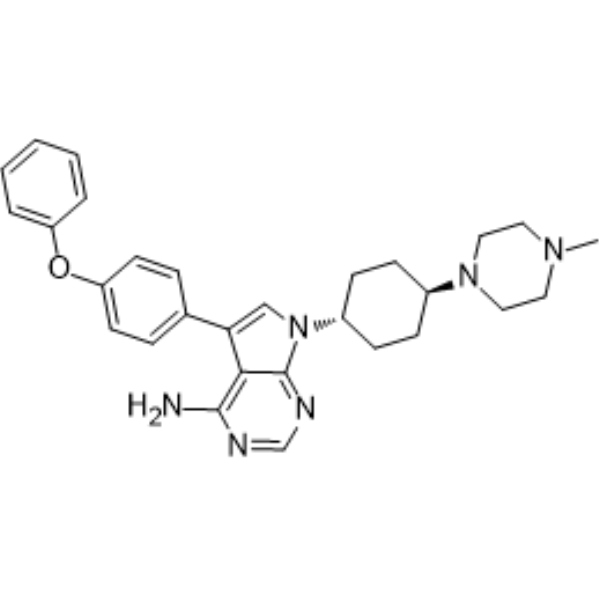
    A 419259
    5+ Cited Publications

    RK-20449

    Src Apoptosis Cancer
    A 419259 is a broad-spectrum pyrrolo-pyrimidine inhibitor, has high selectivity towards the Src family. A 419259 shows inhibitory effect for Src, Lck and Lyn with IC50 of 9 nM, <3 nM and <3 nM, respectively .
    A 419259
  • HY-B0789
    SU6656
    20+ Cited Publications

    Src FAK Akt Cancer
    SU6656 is a Src family kinases inhibitor with IC50s of 280, 20, 130, 170 nM for Src, Yes, Lyn, and Fyn, respectively. SU6656 inhibits FAK phosphorylation at Y576/577, Y925, Y861 sites. SU6656 also inhibits p-AKT.
    SU6656
  • HY-50868
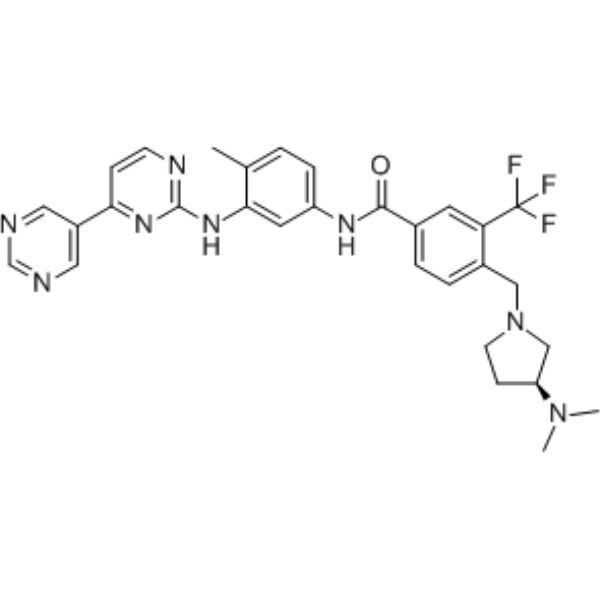
    Bafetinib
    10+ Cited Publications

    INNO-406; NS-187

    Bcr-Abl Src Apoptosis Cancer
    Bafetinib is an orally active Lyn/Bcr-Abl tyrosine kinase inhibitor. Bafetinib enhances the activity of several pro-apoptotic Bcl-2 homology (BH) 3-pure proteins (Bim, Bad, Bmf, and Bik) through intrinsic apoptotic pathways regulated by the Bcl-2 family, and induces apoptosis of Ph + leukemia cells. Bafetinib has antitumor activity .
    Bafetinib
  • HY-112852
    TL02-59
    5+ Cited Publications

    Src Apoptosis Cancer
    TL02-59 is an orally active, selective Src-family kinase Fgr inhibitor with an IC50 of 0.03 nM. TL02-59 inhibits Lyn and Hck with IC50s of 0.1 nM and 160 nM, respectively. TL02-59 potently suppresses acute myelogenous leukemia (AML) cell growth .
    TL02-59
  • HY-13038
    Fostamatinib Disodium
    10+ Cited Publications

    R788Disodium

    Syk FLT3 Inflammation/Immunology Cancer
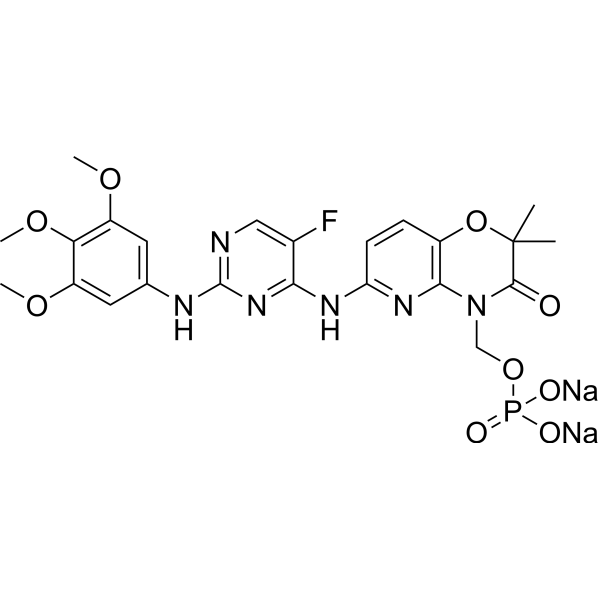
    Fostamatinib Disodium (R788 Disodium) is the oral proagent of the active compound R406 . R406 is an orally available and competitive Syk/FLT3 inhibitor with a Ki of 30 nM and an IC50 of 41 nM . R406 also inhibits Lyn (IC50=63 nM) and Lck (IC50=37 nM) .
    Fostamatinib Disodium
  • HY-101923
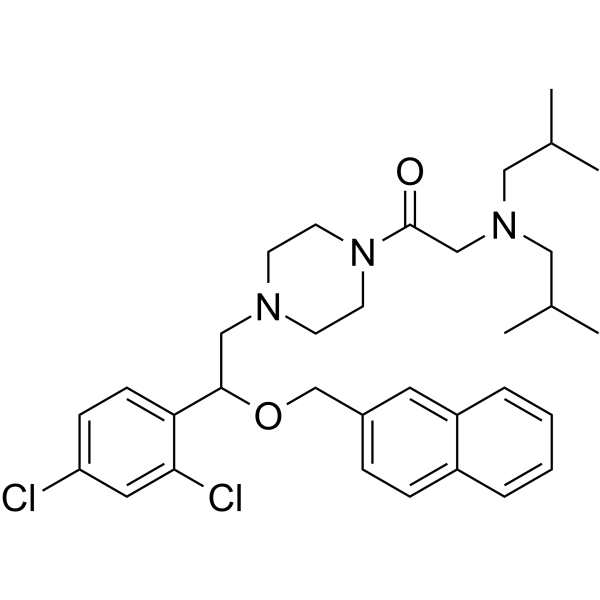
    LYN-1604
    5+ Cited Publications

    ULK Autophagy Apoptosis Cancer
    LYN-1604 is a potent UNC-51-like kinase 1 (ULK1) activator (EC50=18.94 nM) for the research of triple negative breast cancer (TNBC) .
    LYN-1604
  • HY-122113
    PD173952
    1 Publications Verification

    Src Bcr-Abl Apoptosis Wee1 Cancer
    PD173952 is a tyrosine kinases inhibitor with IC50s of 0.3, 1.7 and 6.6 nM against Lyn, Abl and Csk, respectively. PD173952 is also a potent Myt1 kinase inhibitor with a Ki of 8.1 nM. PD173952 induces apoptosis .
    PD173952
  • HY-15764A
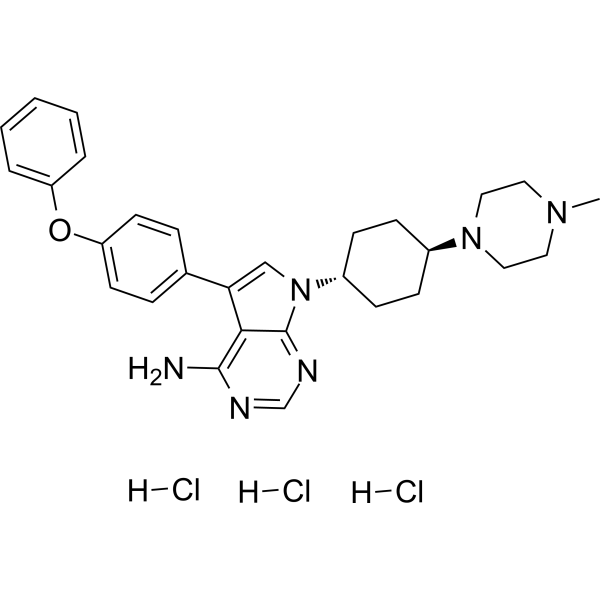
    A 419259 trihydrochloride
    5+ Cited Publications

    RK 20449 trihydrochloride

    Src Apoptosis Cancer
    A 419259 trihydrochloride is a Src family kinases inhibitor with IC50s of 9 nM, 3 nM and 3 nM for Src, Lck and Lyn, respectively .
    A 419259 trihydrochloride
  • HY-11108
    R406 free base
    35+ Cited Publications

    Syk FLT3 Apoptosis Inflammation/Immunology Cancer
    R406 free base is an orally available and competitive Syk/FLT3 inhibitor for ATP binding with a Ki of 30 nM, potently inhibits Syk kinase activity in vitro with an IC50 of 41 nM, measured at an ATP concentration corresponding to its Km value. R406 free base reduces immune complex-mediated inflammation . R406 free base also inhibits Lyn (IC50=63 nM) and Lck (IC50=37 nM) .
    R406 free base
  • HY-101923B
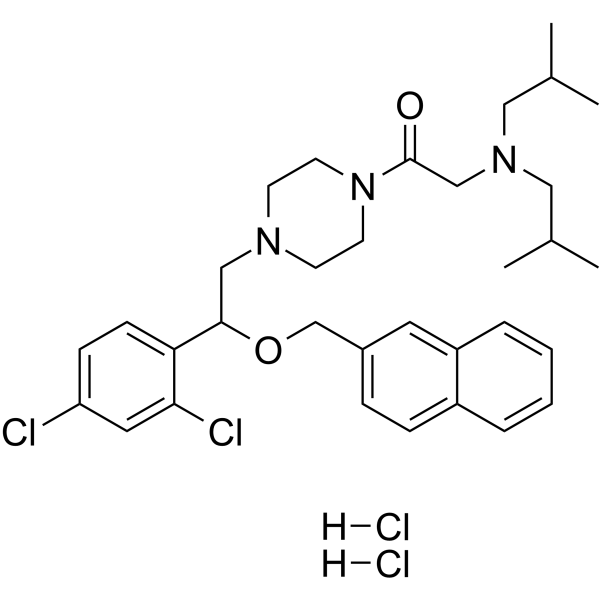
    LYN-1604 dihydrochloride
    5+ Cited Publications

    ULK Autophagy Apoptosis Cancer
    LYN-1604 dihydrochloride is a potent UNC-51-like kinase 1 (ULK1) activator (EC50=18.94 nM) for the research of triple negative breast cancer (TNBC) .
    LYN-1604 dihydrochloride
  • HY-59047
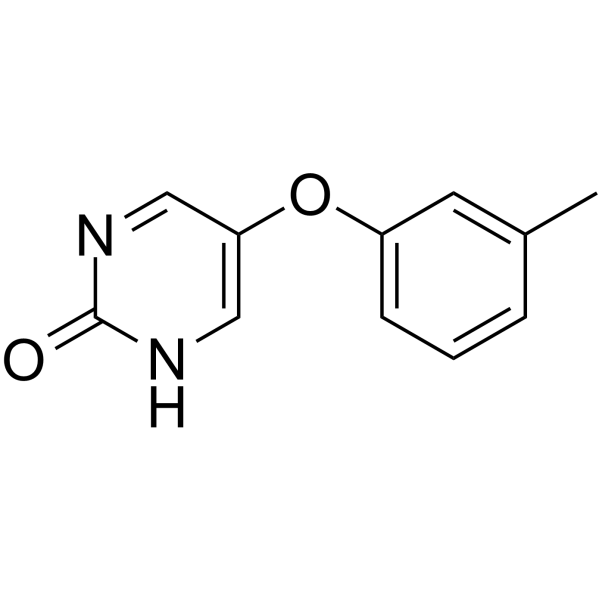
    Tolimidone
    4 Publications Verification

    MLR-1023

    Src Metabolic Disease
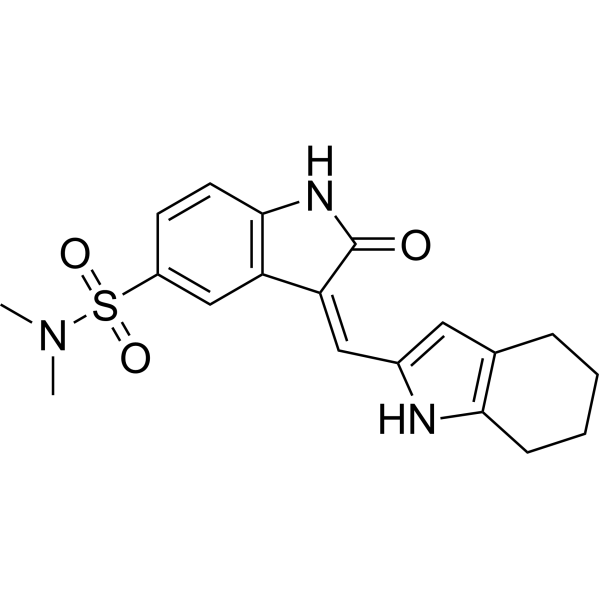
    Tolimidone is a potent and selective allosteric activator of Lyn kinase with an EC50 of 63 nM.
    Tolimidone
  • HY-P1111

    Src Interleukin Related Inflammation/Immunology
    Lyn peptide inhibitor (YGYRLRRKWEEKIPNP-NH2) is a potent, cell-permeable Lyn kinase inhibitor that inhibits Lyn-coupled signaling pathways associated with the IL-5 receptor while preserving the integrity of other signals. Lyn peptide inhibitor blocks the activation of Lyn and inhibits the binding of Lyn tyrosine kinase to the βc subunit of the IL-3/GM-CSF/IL-5 receptor. Lyn peptide inhibitor can be used in the research of eosinophilic diseases such as asthma and allergy .
    Lyn peptide inhibitor
  • HY-13038B

    R788 disodium hexahydrate

    Syk FLT3 Inflammation/Immunology Cancer
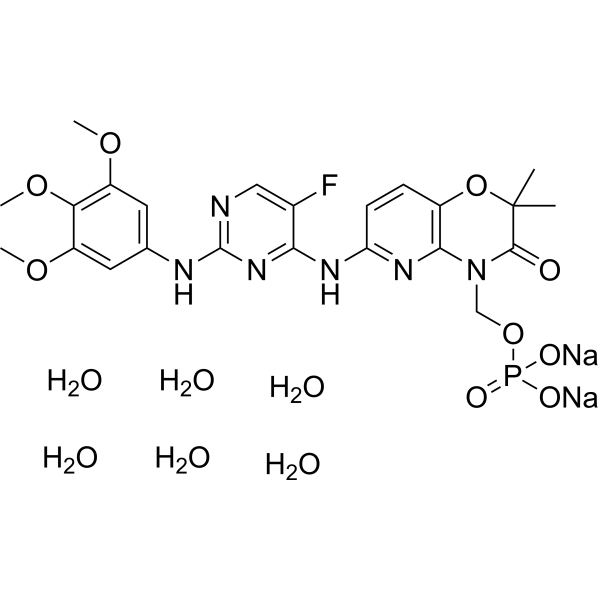
    Fostamatinib (R788) disodium hexahydrate is the oral proagent of the active compound R406 . R406 is an orally available and competitive Syk/FLT3 inhibitor with a Ki of 30 nM and an IC50 of 41 nM . R406 also inhibits Lyn (IC50=63 nM) and Lck (IC50=37 nM) .
    Fostamatinib disodium hexahydrate
  • HY-12072
    Lck Inhibitor
    3 Publications Verification

    Src Inflammation/Immunology
    Lck Inhibitor is a potent, orally active Lck (lymphocyte specific kinase) inhibitor with IC50s of 7, 2.1, 4.2 and 200 nM for Lck, Lyn, Src and Syk kinases, respectively. Lck Inhibitor shows >1000-fold selectivity for Lck over MAPK, CDK and RSK family representatives. Lck Inhibitor inhibits T cell proliferation and in vivo models of arthritis .
    Lck Inhibitor
  • HY-12039

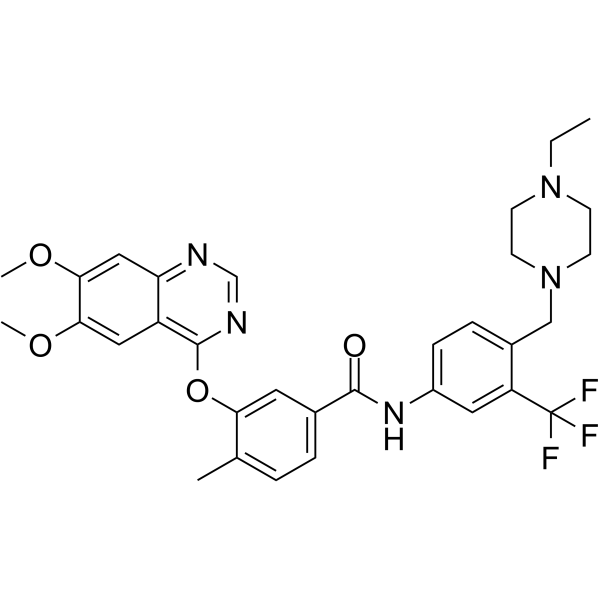
    Bafetinib analog

    Bcr-Abl Cancer
    Lyn-IN-1 (Bafetinib analog) is a Lyn kinase inhibitor for the study of thrombocytopenia .
    Lyn-IN-1
  • HY-137342

    PROTACs Src IRAK Bcr-Abl MAP4K Cyclin G-associated Kinase (GAK) CDK Cancer
    SB1-G-187 is a multi-target kinase PROTAC degrader with activity against various kinases including GCK, YES1, IRAK1 and LYN. SB1-G-187 induces degradation of target kinases via a p97-dependent pathway, and forms ternary complexes with CRBN and specific functional kinases. SB1-G-187 can be used in tumor-related research. (Pink: multi-target kinase ligand (HY-125142); Blue: CRBN ligand (HY-A0003); Black: linker) .
    SB1-G-187
  • HY-15749
    XL228
    4 Publications Verification

    Aurora Kinase Bcr-Abl IGF-1R Src Endocrinology Cancer
    XL228 is a multi-targeted tyrosine kinase inhibitor with IC50s of 5, 3.1, 1.6, 6.1, 2 nM for Bcr-Abl, Aurora A, IGF-1R, Src and Lyn, respectively.
    XL228
  • HY-118144

    Src Bcr-Abl p38 MAPK Cancer
    PD166326 is an orally active tyrosine kinase inhibitor with a IC50 of 8 nM against abl tyrosine kinase and a IC50 of 6 nM against src tyrosine kinase. PD166326 blocks Bcr/Abl kinase activity. PD166326 inhibits Bcr/Abl-dependent proliferation and cell cycle progression. PD166326 reduces peripheral blood granulocytosis, alleviates splenomegaly and prolongs survival in a mouse model of chronic myeloid leukemia. PD166326 can be used in research related to chronic myeloid leukemia .
    PD166326
  • HY-100338

    Btk Cancer
    CNX-500 is a probe consisting of a covalent Btk inhibitor (CC-292) chemically linked to biotin. CNX-500 retains inhibitory activity against Btk (IC50 of 0.5 nM) and the ability to form a covalent bond with Btk. CNX-500 has low inhibitory effects on kinase epidermal growth factor receptor, and upstream Src-family kinases including Syk and Lyn .
    CNX-500
  • HY-10644

    Src Inflammation/Immunology
    Lck inhibitor 2 is a multi-target tyrosine kinase inhibitor with IC50s of 13nM, 9nM, 3nM, 26nM and 2nM for Lck, Btk, Lyn, Btk and Txk respectively.
    Lck inhibitor 2
  • HY-10185
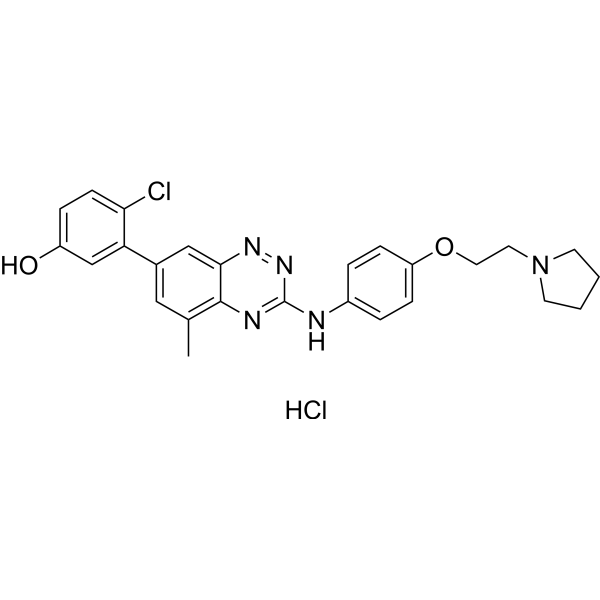
    TG 100572 Hydrochloride
    3 Publications Verification

    Src VEGFR FGFR PDGFR Inflammation/Immunology
    TG 100572 Hydrochloride is a multi-targeted kinase inhibitor which inhibits receptor tyrosine kinases and Src kinases; has IC50s of 2, 7, 2, 16, 13, 5, 0.5, 6, 0.1, 0.4, 1, 0.2 nM for VEGFR1, VEGFR2, FGFR1, FGFR2, PDGFRβ, Fgr, Fyn, Hck, Lck, Lyn, Src, Yes, respectively.
    TG 100572 Hydrochloride
  • HY-153830

    C16 Lactosylceramide (d18:1/16:0)

    Endogenous Metabolite Neurological Disease Metabolic Disease
    LacCer (d18:1/16:0) (C16 Lactosylceramide (d18:1/16:0)) is an endogenous bioactive sphingolipid that can form membrane microdomains with Lyn kinase and the αi subunits of inhibitory G protein-coupled receptors (GPCRs). The levels of LacCer (d18:1/16:0) are elevated in the plasma of insulin-resistant cattle. In a mouse model of Niemann-Pick type C1 disease (a neurodegenerative cholesterol-sphingolipid lysosomal storage disorder), the expression of LacCer (d18:1/16:0) is also upregulated. LacCer (d18:1/16:0) can be used in research on metabolic diseases and neurodegenerative diseases .
    LacCer (d18:1/16:0)
  • HY-160167

    DZD8586

    Src Btk Inflammation/Immunology Cancer
    Birelentinib (DZD8586) is an orally effective, selective, non-covalent inhibitor targeting LYN tyrosine kinase and BTK tyrosine kinase, capable of penetrating the blood-brain barrier. Birelentinib exhibits concentration-dependent antiproliferative effects in RI-1 cells and diffuse large B-cell lymphoma (DLBCL) cell lines carrying BTK resistance mutations (such as C481X, V416L, etc.). Birelentinib blocks both BTK-dependent and independent signaling of the B-cell receptor (BCR), thereby inhibiting tumor cell proliferation and inducing cell death. Birelentinib can be used in research to overcome resistance to existing covalent and non-covalent BTK inhibitors in B-cell non-Hodgkin lymphoma (B-NHL) .
    Birelentinib
  • HY-12291

    HMSL 10017-101-1

    Raf Apoptosis Cancer
    HG6-64-1 (HMSL 10017-101-1) is a B-raf kinase modulator.HG6-64-1 modulates B-raf kinase activity, including the V600E mutant form and the drug-resistant gatekeeper mutation T529I. HG6-64-1 is a germinal center kinase inhibitor. HG6-64-1 induces cell cycle arrest and apoptosis. HG6-64-1 can be used for the research of diffuse large B-cell lymphoma (DLBCL) .
    HG6-64-1
  • HY-10186
    TG 100801
    1 Publications Verification

    VEGFR FGFR PDGFR Src Cancer
    TG 100801 is a proagent that generates TG 100572 by de-esterification in development to treat age-related macular degeneration. TG 100572 is a multi-targeted kinase inhibitor which inhibits receptor tyrosine kinases and Src kinases; has IC50s of 2, 7, 2, 16, 13, 5, 0.5, 6, 0.1, 0.4, 1, 0.2 nM for VEGFR1, VEGFR2, FGFR1, FGFR2, PDGFRβ, Fgr, Fyn, Hck, Lck, Lyn, Src, Yes, respectively.
    TG 100801
  • HY-12736A
    GSK143 dihydrochloride
    1 Publications Verification

    Syk ERK Inflammation/Immunology Cancer
    GSK143 dihydrochloride is an orally active and highly selective spleen tyrosine kinase (SYK) inhibitor with a pIC50 of 7.5. GSK143 dihydrochloride inhibits phosphorylated Erk (pErk: pIC50=7.1) . GSK143 dihydrochloride reduces inflammation and prevents recruitment of immune cells in the intestinal muscularis in mice .
    GSK143 dihydrochloride
  • HY-123450

    Bcr-Abl Apoptosis PDGFR Cancer
    S116836, a potent, orally active BCR-ABL tyrosine kinase inhibitor, blocks both wild-type as well as T315I Bcr-Abl. S116836 arrests the cells in the G0/G1 phase of cell cycle, induces apoptosis, increases ROS production, and decreases GSH production in BaF3/WT and BaF3/T315I cells. S116836 also inhibits SRC, LYN, HCK, LCK and BLK, and receptor tyrosine kinases such as FLT3, TIE2, KIT, PDGFR-β. Antitumor activies . S116836 is a click chemistry reagent, it contains an Alkyne group and can undergo copper-catalyzed azide-alkyne cycloaddition (CuAAc) with molecules containing Azide groups.
    S116836
  • HY-113509B

    15-epi-LXA4

    STAT COX Lipoxygenase JNK Endogenous Metabolite Neurological Disease Inflammation/Immunology
    15 (R)-Lipoxin A4 (15-epi-LXA4) is a specialized pro-resolving mediator and an acetylated derivative of COX2. 15 (R)-Lipoxin A4 is present in neurons. 15 (R)-Lipoxin A4 induces the SPM synthases ALOX12 and ALOX15, as well as the pro-resolving receptor ALX. 15 (R)-Lipoxin A4 inhibits protein kinases, including JNK1/2/3, Lyn, STAT-3 and STAT-6. 15 (R)-Lipoxin A4 enhances the release of pro-resolving mediators. 15 (R)-Lipoxin A4 alleviates the pro-inflammatory phenotype of tendon-derived stromal cells. 15 (R)-Lipoxin A4 promotes the resolution of neuroinflammation. 15 (R)-Lipoxin A4 is applicable to research related to achilles tendinitis, achilles tendon rupture and Alzheimer’s disease .
    15(R)-Lipoxin A4
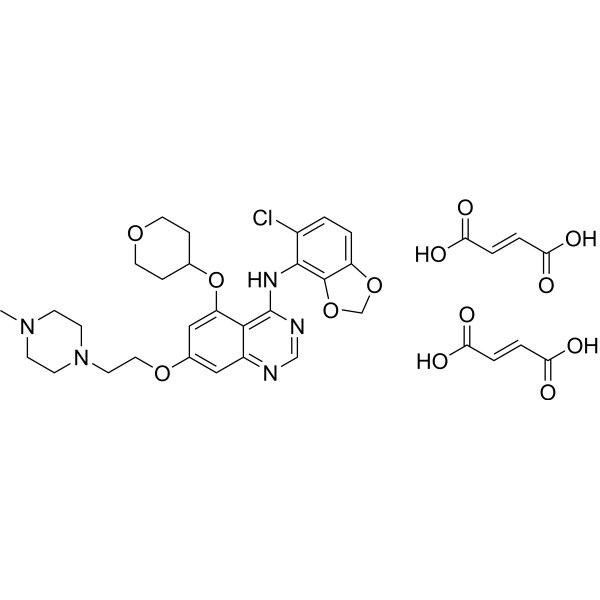
  • HY-10234A
    Saracatinib difumarate
    Maximum Cited Publications
    39 Publications Verification

    AZD0530 difumarate

    Src Cancer
    Saracatinib (AZD0530) difumarate is a potent Src inhibitor with IC50 values of 2.7-11 nM for c-Src, Lck, c-YES, Lyn, Fyn, Fgr and Blk, and is selective for other tyrosine kinases. .
    Saracatinib difumarate
  • HY-10184

    Src VEGFR PDGFR FGFR Cancer
    TG 100572 is a multi-targeted kinase inhibitor which inhibits receptor tyrosine kinases and Src kinases; has IC50s of 2, 7, 2, 16, 13, 5, 0.5, 6, 0.1, 0.4, 1, 0.2 nM for VEGFR1, VEGFR2, FGFR1, FGFR2, PDGFRβ, Fgr, Fyn, Hck, Lck, Lyn, Src, Yes, respectively.
    TG 100572
  • HY-130504
    Propargyl-PEG1-acid
    1 Publications Verification

    PROTAC Linkers Cancer
    Propargyl-PEG1-acid is a PEG-based PROTAC linker can be used in the synthesis of BTK-CRBN PROTACs Ibrutinib(HY-10997)-based PROTAC 4 and PROTAC 5. PROTAC 5 causes the degradation of BTK and induces the degradation of CSK, LYN, and LAT2 at 10 μM . Propargyl-PEG1-acid is a click chemistry reagent, it contains an Alkyne group and can undergo copper-catalyzed azide-alkyne cycloaddition (CuAAc) with molecules containing Azide groups.
    Propargyl-PEG1-acid
  • HY-111781

    WS-413

    Btk Cancer
    Civorebrutinib (WS-413) is a selective, orally active BTK and TEC inhibitor with an IC50 of <100 nM for both targets. Civorebrutinib inhibits B cell activation. Civorebrutinib significantly suppresses the in vivo growth of diffuse large B-cell lymphoma cells. Civorebrutinib can be used for the research of diffuse large B-cell lymphoma .
    Civorebrutinib
  • HY-175437

    Molecular Glues Src Bcr-Abl Inflammation/Immunology Cancer
    MRT-7612 (Compound 4) is a cereblon-based tyrosine kinases molecular glue degrader. MRT-7612 significantly induces HCK and LYN degradation, with week efficacy on LCK. MRT-7612 can be used for cancers like chronic myeloid leukemia, autoimmune and chronic inflammatory diseases research .
    MRT-7612
  • HY-P1111A

    Src Interleukin Related Inflammation/Immunology
    Lyn peptide inhibitor TFA is a potent and cell-permeable inhibitor of Lyn-coupled IL-5 receptor signaling pathway, while keeping other signals intact. Lyn peptide inhibitor TFA blocks Lyn activation and inhibits the binding of Lyn tyrosine kinase to βc subunit of IL-3/GM-CSF/IL-5 receptors. Lyn peptide inhibitor TFA can be used for study of  asthma, allergic, and other eosinophilic disorders .
    Lyn peptide inhibitor TFA
  • HY-15764G

    RK-20449

    Src Apoptosis Cancer
    A 419259 GMP is the GMP grade A 419259 (HY-15764), inducing cell apoptosis. GMP-grade small molecules can be used as auxiliary reagents in cell therapy. A 419259 (RK-20449) is a broad-spectrum pyrrole-pyrimidine inhibitor targeting Src, Lck, and Lyn with IC50s of 9 nM, <3 nM, and <3 nM, respectively .
    A 419259
  • HY-18010
    PCI 29732
    3 Publications Verification

    Btk BCRP Inflammation/Immunology
    PCI 29732 is a potent, orally active, reversible BTK inhibitor with Ki app values of 8.2, 4.6, and 2.5 nM for BTK, Lck and Lyn, respectively. PCI 29732 shows only modest inhibitory activity against Itk, another Tec family kinase. PCI 29732 inhibits the function of ABCG2 by competitively binding to the ATP-binding site of ABCG2 .
    PCI 29732
  • HY-131931

    LysoGM1 potassium

    Src Neurological Disease
    Lysoganglioside-GM1 (LysoGM1) potassium is a derivative of Monosialoganglioside GM1, which lacks a fatty acid. Lysoganglioside-GM1 potassium is also an inhibitor of GM1 aggregation. Lysoganglioside-GM1 potassium can inhibit the activation of Lyn and laminin-1-mediated neurite outgrowth. Lysoganglioside-GM1 potassium can be used in the research of nervous system diseases .
    Lysoganglioside-GM1 potassium
  • HY-10187

    VEGFR FGFR PDGFR Src Cancer
    TG 100801 Hydrochloride is a proagent that generates TG 100572 by de-esterification in development to treat age-related macular degeneration. TG 100572 is a multi-targeted kinase inhibitor which inhibits receptor tyrosine kinases and Src kinases; has IC50s of 2, 7, 2, 16, 13, 5, 0.5, 6, 0.1, 0.4, 1, 0.2 nM for VEGFR1, VEGFR2, FGFR1, FGFR2, PDGFRβ, Fgr, Fyn, Hck, Lck, Lyn, Src, Yes, respectively.
    TG 100801 Hydrochloride
  • HY-12736

    Syk ERK Inflammation/Immunology Cancer
    GSK143 is an orally active and highly selective spleen tyrosine kinase (SYK) inhibitor with a pIC50 of 7.5. GSK143 inhibits phosphorylated Erk (pErk: pIC50=7.1) . GSK143 reduces inflammation and prevents recruitment of immune cells in the intestinal muscularis in mice .
    GSK143
  • HY-101923A

    ULK Autophagy Apoptosis Cancer
    LYN-1604 hydrochloride is a potent UNC-51-like kinase 1 (ULK1) activator (EC50=18.94 nM) for the research of triple negative breast cancer (TNBC) .
    LYN-1604 hydrochloride
  • HY-112852A

    Src Apoptosis Cancer
    TL02-59 dihydrochloride is an orally active, selective Src-family kinase Fgr inhibitor with an IC50 of 0.03 nM. TL02-59 dihydrochloride inhibits Lyn and Hck with IC50s of 0.1 nM and 160 nM, respectively. TL02-59 dihydrochloride potently suppresses acute myelogenous leukemia (AML) cell growth .
    TL02-59 dihydrochloride
  • HY-118105

    Src VEGFR Tie Infection Cancer
    RK-20448 is an ATP-competitive inhibitor of Lck, Src, KDR/VEGF2R and Tie-2 with IC50 values of 0.24, 1.19, 10.74 and 5.85 µM, respectively. RK-20448 also inhibits BLK, Csk, Fyn and Lyn with IC50 values of 0.37, 4.27, 2.03 and 0.43 µM, respectively. RK-20448 is the cis isomer of A-419259 (HY-15764) .
    RK-20448
  • HY-124605

    Syk Btk Apoptosis Cancer
    IQS-019 is a B cell receptor (BCR) kinase inhibitor. IQS-019 can inhibit the de-phosphorylation of constitutive and IgM-activated Syk, Lyn, and Btk. IQS-019 can inhibit cell proliferation, migration and induce apoptosis. IQS-019 exhibits antitumor activity and can be used for the research of cancer, such as B cell lymphoma .
    IQS-019
  • HY-32736R

    NSC 165677 (Standard); PG 492 (Standard)

    Reference Standards Wnt β-catenin Apoptosis Autophagy Inflammation/Immunology Cancer
    Triptonide (Standard) is the analytical standard of Triptonide. This product is intended for research and analytical applications. Triptonide (NSC 165677) is a natural product identified in Tripterygium wilfordii Hook F.. Triptonide is a Wnt signaling inhibitor with an IC50 of appropriately 0.3 nM. Triptonide has immunosuppression, anti-inflammatory, anti-fertility, neuroprotective and anti-lymphoma effects .
    Triptonide (Standard)

Inquiry Online

Your information is safe with us. * Required Fields.

Salutation


Country or Region *

Applicant Name *


Organization Name *

Department *


Email Address *


Product Name *

Cat. No.


Requested quantity *

Phone Number *


Remarks

Inquiry Online

Inquiry Information

Product Name:
Cat. No.:
Quantity:
MCE Japan Authorized Agent:

