1. Search Result
Search Result
Results for "

MAGL

" in MedChemExpress (MCE) Product Catalog:

63

Inhibitors & Agonists

1

Screening Libraries

1

Natural
Products

3

Recombinant Proteins

1

Isotope-Labeled Compounds

1

Antibodies

1

Click Chemistry

3

Oligonucleotides

Targets Recommended:
Cat. No. Product Name Target Research Areas Chemical Structure
  • HY-15249
    JZL 184
    Maximum Cited Publications
    8 Publications Verification

    MAGL Neurological Disease
    JZL 184 is a potent, selective and irreversible MAGL inhibitor that blocks 2-Arachidonoylglycerol (2-AG) hydrolysis in brain membranes (IC50 of 8 nM). JZL 184 displays >300-fold selectivity for MAGL over FAAH .
    JZL 184
  • HY-119283
    CAY10499
    1 Publications Verification

    MAGL-IN-5

    MAGL FAAH SARS-CoV Influenza Virus Infection Metabolic Disease Inflammation/Immunology
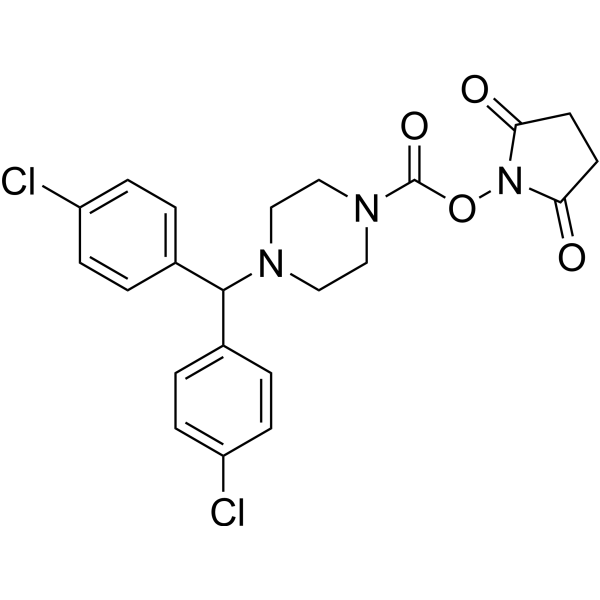
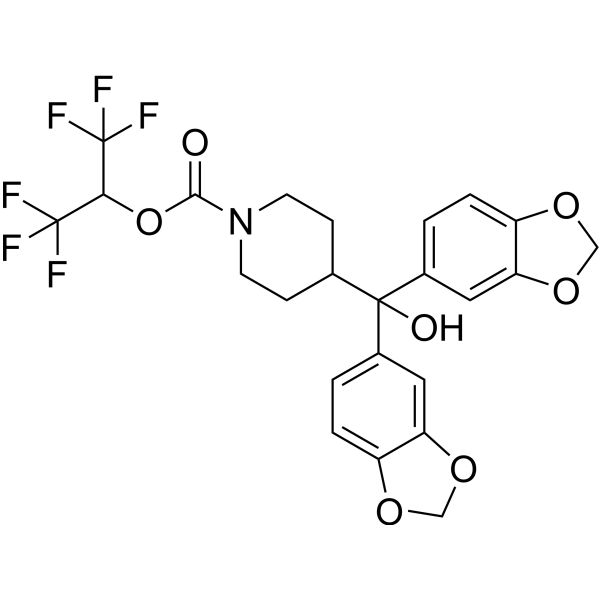
    CAY10499 (MAGL-IN-5) is a non-selective lipase inhibitor with IC50 values of 144 nM and 14 nM for monoacylglycerol lipase (MAGL) and fatty acid amide hydrolase (FAAH), respectively. Additionally, CAY10499 exhibits anti-inflammatory and antiviral activities .
    CAY10499
  • HY-117632
    Elcubragistat
    2 Publications Verification

    ABX-1431

    MAGL Neurological Disease
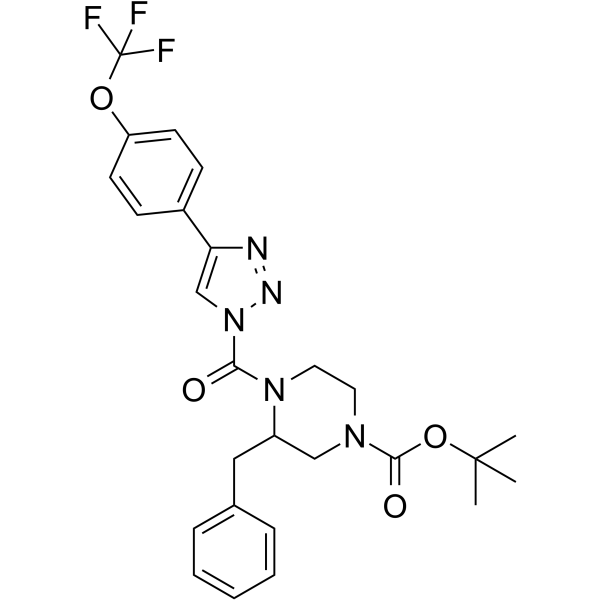
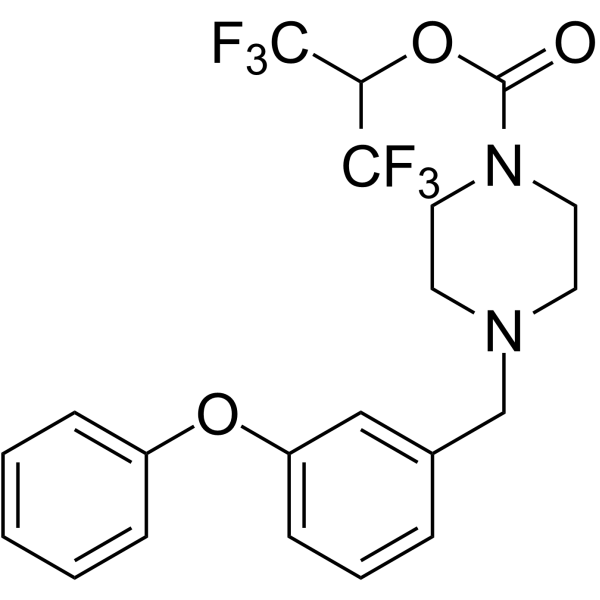
    Elcubragistat (ABX-1431) is a highly effective, selective, orally active, and blood-brain barrier-permeable monoacylglycerol lipase (MAGL) inhibitor, with an IC50 value of 14 nM .
    Elcubragistat
  • HY-117474
    MJN110
    5 Publications Verification

    MAGL Neurological Disease
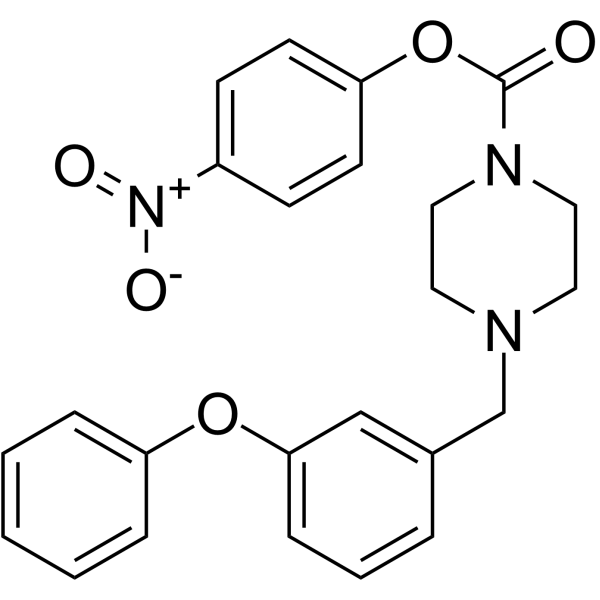
    MJN110 is an orally active and selective monoacylglycerol lipase (MAGL) inhibitor with IC50s of 9.1 nM and 2.1 nM for hMAGL and 2-arachidonoylglycerol (2-AG), respectively . MJN110 produces opioid-sparing effects and displays strong antihyperalgesic activity .
    MJN110
  • HY-15250
    JZL195
    4 Publications Verification

    FAAH MAGL Autophagy Neurological Disease
    JZL195 is a selective and efficacious dual fatty acid amide hydrolase (FAAH) and monoacylglycerol lipase (MAGL) inhibitor with IC50s of 2 and 4 nM, respectively .
    JZL195
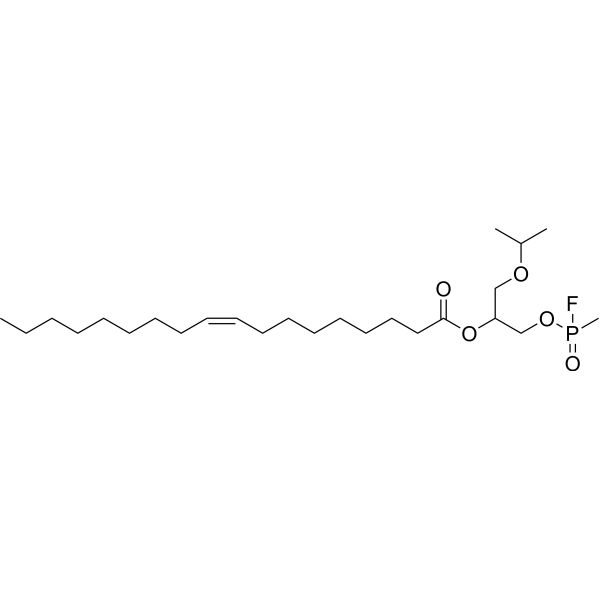
  • HY-117771
    DO34
    5 Publications Verification

    DAGL Neurological Disease Metabolic Disease
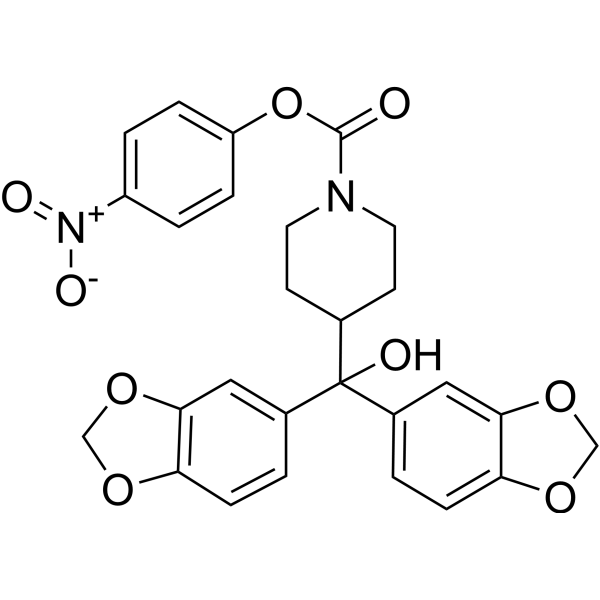
    DO34 is a selective DAGL inhibitor, with an IC50 of 6 nM for DAGLα conversion of SAG to 2-AG. DO34 blocks de novo 2-AG synthesis, and suppresses tonic CB1 receptor activation. DO34 blocks depolarization-induced suppression of excitation and inhibition in the cerebellum and hippocampus. DO34 regulates feeding behavior and locomotor activity in mice. DO34 abolishes AM251-mediated enhancement of parallel fiber-evoked excitatory postsynaptic currents in cerebellar slices from MAGL global knockout mice. DO34 can be used for the research of energy balance disorder and neuroinflammation .
    DO34
  • HY-18977
    KML29
    3 Publications Verification

    MAGL Metabolic Disease Inflammation/Immunology
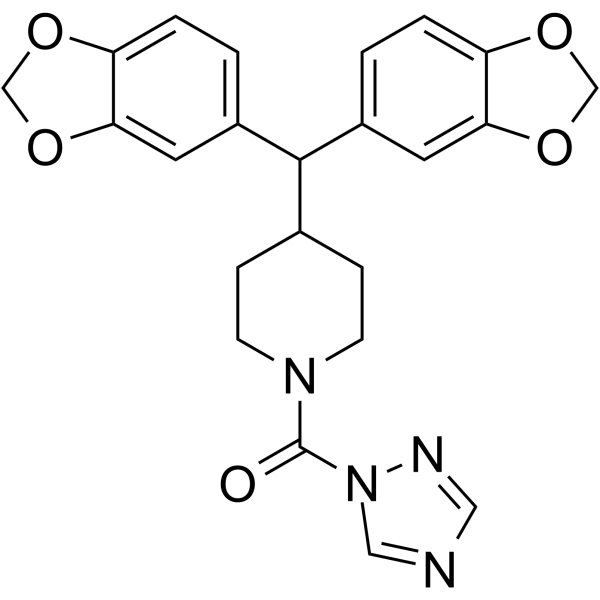
    KML29 is an extremely selective, orally active and irreversible MAGL inhibitor, with IC50 values of 15 nM, 43 nM and 5.9 nM for mouse, rat and human MAGL, respectively. KML29 exhibits minimal cross-reactivity toward other central and peripheral serine hydrolases, including no detectable activity against FAAH .
    KML29
  • HY-108613
    JJKK 048
    2 Publications Verification

    MAGL Neurological Disease Cancer
    JJKK 048 is a highly selective and potent monoacylglycerol lipase (MAGL) inhibitor with IC50 values of 214 pM, 275 pM and 363 pM for human, rat, and mouse MAGL. JJKK 048 displays low cross-reactivity with other endocannabinoid targets. JJKK 048 can be used in the research of diseases such as cancer, neurodegenerative diseases, and pain .
    JJKK 048
  • HY-77491

    FAAH MAGL Neurological Disease
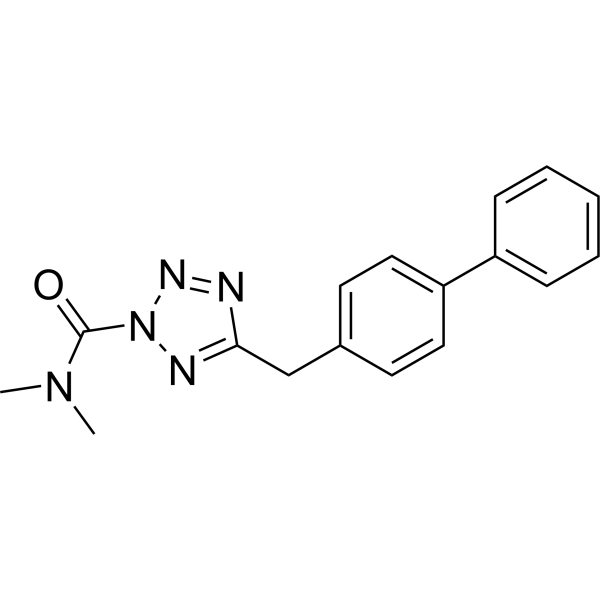
    AM6701 is a potent FAAH/MAGL inhibitor (equipotent inhibitory IC50: 1.2 nM) with neuroprotective effects .
    FAAH/MAGL-IN-5
  • HY-N2512
    1-Monomyristin
    1 Publications Verification

    Environmental Pollutants Endogenous Metabolite FAAH Autophagy Bacterial Fungal Infection Cancer
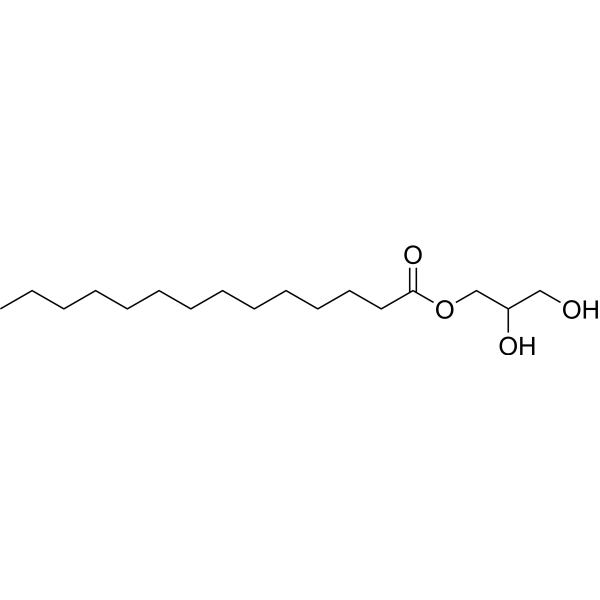
    1-Monomyristin acts as an insecticide, enzyme inhibitor, antibacterial and antifungal agent, with an IC50 of 18 μM against rat FAAH and an IC50 of 32 μM against rat MAGL. 1-Monomyristin inhibits 2-oleoylglycerol hydrolysis via MAGL. 1-Monomyristin suppresses the growth of Staphylococcus aureus, Aggregatibacter actinomycetemcomitans and Candida albicans. 1-Monomyristin is lethal to brine shrimp . 1-Monomyristin exhibits marginal cytotoxicity against prostate cancer cells. 1-Monomyristin is applicable to research related to bacterial infections, fungal infections, renal cancer, prostate adenocarcinoma and pancreatic cancer .
    1-Monomyristin
  • HY-12332
    JW 642
    3 Publications Verification

    MAGL Neurological Disease
    JW 642 is a potent inhibitor of monoacylglycerol lipase (MAGL) that displays IC50 values of 7.6, 14, and 3.7 nM for inhibition of MAGL in mouse, rat, and human brain membranes, respectively.
    JW 642
  • HY-132310

    MAGL Neurological Disease
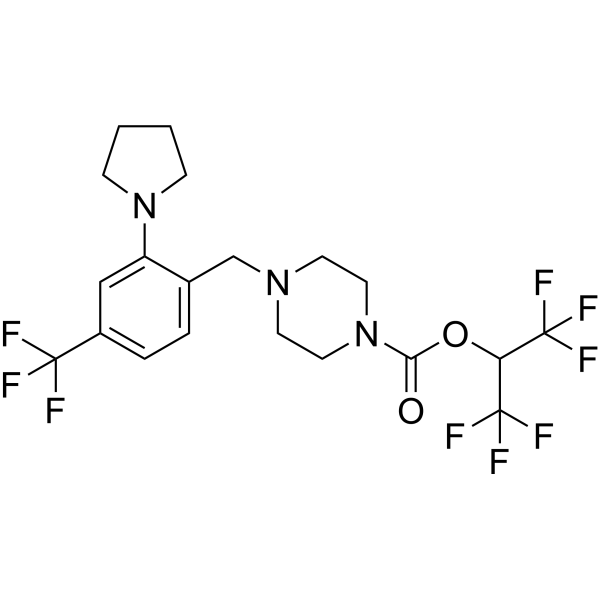
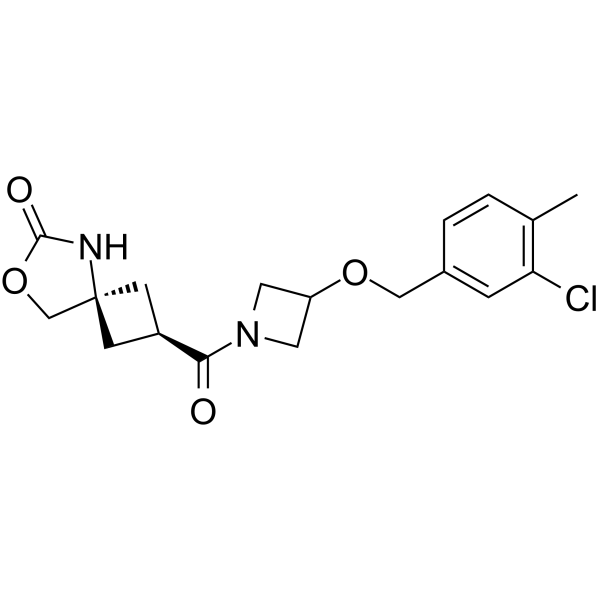
    MAGL-IN-4 is an orally active, selective and reversible monoacylglycerol lipase (MAGL) inhibitor with an IC50 of 6.2 nM. MAGL-IN-4 can penetrate the blood-brain barrier (BBB). MAGL-IN-4 enhances endocannabinoid signaling mostly by the increase in the level of 2-AG via selective MAGL inhibition in the brain .
    MAGL-IN-4
  • HY-116141

    7-HCA; Umbelliferyl Arachidonate; 7-HC-arachidonate

    Phospholipase MAGL Others
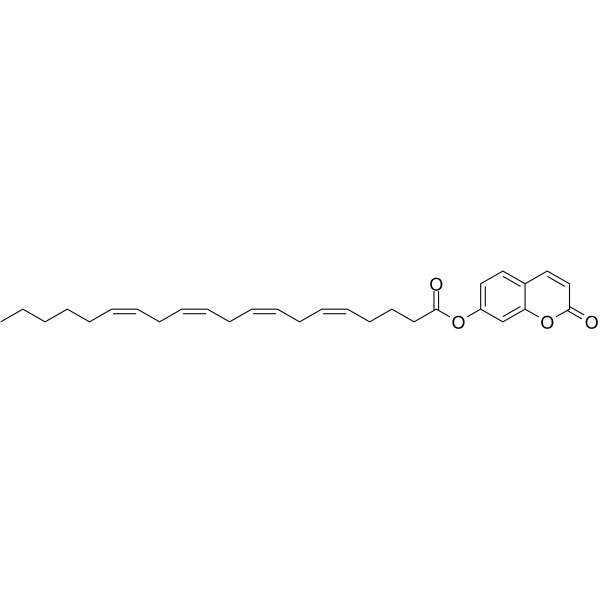
    7-Hydroxycoumarinyl arachidonate (7-HCA) is a fluorogenic substrate of cytosolic phospholipase A2 (PLA2). 7-Hydroxycoumarinyl arachidonate is also a fluorogenic substrate for monoacylglycerol lipase (MAGL). MAGL protein catalyzes the hydrolysis of 7-Hydroxycoumarinyl arachidonat to generate Arachidonic acid (AA) and the highly fluorescent 7-hydroxyl coumarin (7-HC; HY-N0573). Release of 7-HC can be measured using a fluorometer .
    7-Hydroxycoumarinyl arachidonate
  • HY-133130
    JNJ-42226314
    1 Publications Verification

    MAGL Neurological Disease
    JNJ-42226314, a chemical probe, is a competitive, highly selective and reversible non-covalent monoacylglycerol lipase (MAGL) inhibitor. JNJ-42226314 demonstrates dose-dependent enhancement of the major endocannabinoid 2-arachidonoylglycerol (2-AG) as well as efficacy in models of neuropathic and inflammatory pain .
    JNJ-42226314
  • HY-111538
    MAGL-IN-1
    1 Publications Verification

    MAGL Cancer
    MAGL-IN-1 is a potent, selective, reversible and competitive inhibitor of MAGL, with an IC50 of 80 nM. MAGL-IN-1 exhibits anti-proliferative effects against human breast, colorectal, and ovarian cancer cells. MAGL-IN-1 blocks MAGL in cell-based as well as in vivo assays .
    MAGL-IN-1
  • HY-177093

    BMS-986368; CC-97489; ABX-1772

    MAGL FAAH Neurological Disease
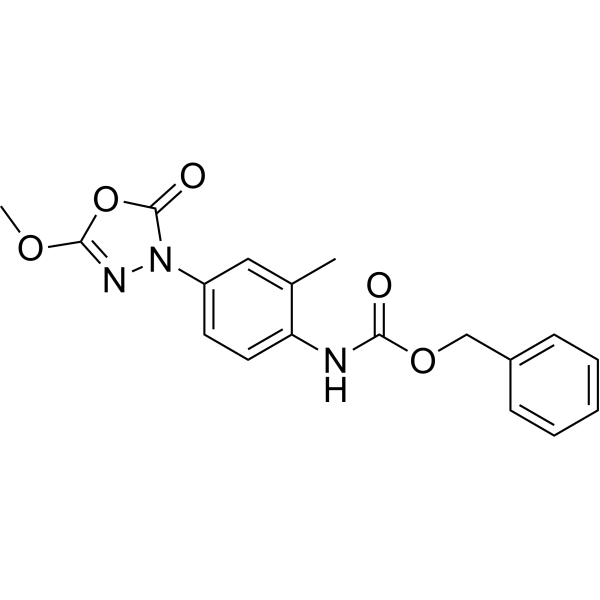
    Irafamdastat (BMS-986368) (Example 74) is a FAAH and MAGL inhibitor, with IC50s ≤ 100 nM (human FAAH) and 100 nM-1 μM (human MAGL) respectively. Irafamdastat has antiepileptic effect .
    Irafamdastat
  • HY-120851

    Cannabinoid Receptor DAGL Metabolic Disease
    O-7460 is a potent and selective DAGLα inhibitor, with an IC50 of 0.69 μM. O-7460 shows selectivity over onoacylglycerol lipase (MAGL), human CB1 and CB2 cannabinoid receptors. O-7460 can decrease HFD-caused an up-regulation of 2-AG levels .
    O-7460
  • HY-118158

    FAAH Neurological Disease
    FAAH/MAGL-IN-4 (Compound 13) is a potent fatty acid amide hydrolase (FAAH) and monoglyceride lipase (MGL) inhibitor with IC50s of 9.1 nM and 7.9 μM, respectively. FAAH/MAGL-IN-4 can be used for the research of pain and CNS disorders .
    FAAH/MAGL-IN-4
  • HY-121422

    MAGL Histamine Receptor Inflammation/Immunology
    JZP-361 is a potent, reversible and selective inhibitor of human recombinant MAGL (hMAGL) with an IC50 of 46 nM. JZP-361 also shows antihistaminergic activities and can be used for asthma research .
    JZP-361
  • HY-111512

    MAGL Neurological Disease Inflammation/Immunology
    PF-06795071 is a potent and selective covalent MAGL inhibitor with an IC50 of 3 nM .
    PF-06795071
  • HY-136562

    MAGL Metabolic Disease
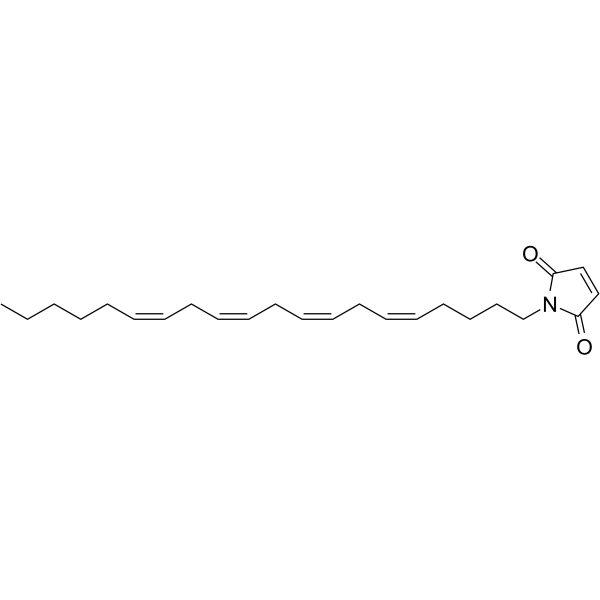
    N-Arachidonyl maleimide is a potent, irreversible inhibitor of monoacylglycerol lipase (MAGL) with an IC50 value of 140 nM .
    N-Arachidonyl maleimide
  • HY-15249R

    MAGL Reference Standards Neurological Disease
    JZL 184 (Standard) is the analytical standard of JZL 184. This product is intended for research and analytical applications. JZL 184 is a potent, selective and irreversible MAGL inhibitor that blocks 2-Arachidonoylglycerol (2-AG) hydrolysis in brain membranes (IC50 of 8 nM). JZL 184 displays >300-fold selectivity for MAGL over FAAH .
    JZL 184 (Standard)
  • HY-117771A

    DAGL Neurological Disease Metabolic Disease
    DO34 analog is a structural analog of DO34 (HY-117771). DO34 is a selective DAGL inhibitor, with an IC50 of 6 nM for DAGLα conversion of SAG to 2-AG. DO34 can be used for the research of energy balance disorder and neuroinflammation .
    DO34 analog
  • HY-163733

    FAAH MAGL Neurological Disease Inflammation/Immunology
    AKU-005 is a FAAH and MAGL dual inhibitor with IC50 values of 63, 389 nM for rat and human FAAH, respectively. AKU-005 has the potential for the research of trigeminal hyperalgesia .
    AKU-005
  • HY-139182

    Endogenous Metabolite Metabolic Disease
    CAY10762 is an inhibitor of monoacylglycerol lipase (MAGL; IC50=34.1 nM). It reduces hydrogen peroxide-induced lactate dehydrogenase (LDH) release from Neuro2a cells when used at a concentration of 1 μM. CAY10762 (10 mg/kg) increases levels of 2-arachidonoyl glycerol in mouse brain.
    MAGL-IN-3
  • HY-150702

    MAGL Neurological Disease Inflammation/Immunology
    MAGLi 432 is a non-covalent, potent, highly selective, and reversible MAGL inhibitor. MAGLi 432 binds with high affinity to the MAGL active site, with IC50 values of 4.2 nM (human enzyme) and 3.1 nM (mouse enzyme). MAGLi 432 can be used in the research of chronic inflammation, blood–brain barrier dysfunction, neurological disorders such as multiple sclerosis, Alzheimer’s disease and Parkinson’s disease .
    MAGLi 432
  • HY-146342

    FAAH MAGL Neurological Disease
    FAAH/MAGL-IN-3 (Compound 10) is an irreversible fatty acid amide hydrolase (FAAH) and monoacylglycerol lipase (MAGL) dual inhibitor with IC50 values of 179 and 759 nM against FAAH and MAGL, respectively. FAAH/MAGL-IN-3 shows low PAMPA (Parallel Artificial Membrane Permeability Assay) permeability .
    FAAH/MAGL-IN-3
  • HY-162315

    MAGL Neurological Disease
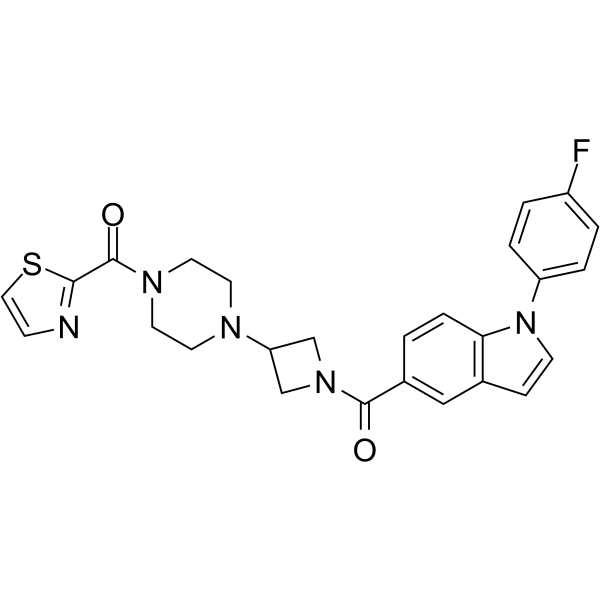
    MAGL-IN-16 (compound 27) is an oral active, selective and reversible MAGL inhibitor with the IC50 value of 10.3 nM. MAGL-IN-16 can increase the level of 2-AG and shows antidepressant effect in mouse depressed model caused by chronic restraint stress .
    MAGL-IN-16
  • HY-143263

    FAAH MAGL Neurological Disease
    FAAH/MAGL-IN-1 (compound SIH 3) is a potent FAAH and MAGL inhibitor with IC50s of 31 nM and 29 nM, respectively. FAAH/MAGL-IN-1 has the potential for the research of neuropathic pain .
    FAAH/MAGL-IN-1
  • HY-143264

    FAAH MAGL Neurological Disease
    FAAH/MAGL-IN-2 is a potent, reversible, orally active, and cross the blood-brain barrier FAAH and MAGL inhibitor with IC50s of 11 nM and 36 nM (Kis of 28 nM and 60 nM), respectively . FAAH/MAGL-IN-2 has the potential to research neuropathic pain without causing locomotion impairment .
    FAAH/MAGL-IN-2
  • HY-168032

    MAGL Inflammation/Immunology
    MAGL-IN-18 (compound 118) is a potent Monoacylglycerol lipase (MAGL) inhibitor with an IC50 of 0.03 nM .
    MAGL-IN-18
  • HY-163202

    MAGL Calcium Channel Neurological Disease Cancer
    MAGL-IN-13 (compound (3R, 4S) - 5v) is a selective, irreversible inhibitor for MAGL,with IC50 values of 0.026, 0.021 and 0.24 nM for mMAGL, hMAGL and rMAGL, respectively. MAGL-IN-13 can penetrant blood brain barrier. .
    MAGL-IN-13
  • HY-157040

    MAGL Inflammation/Immunology
    MAGL-IN-9 (compound 16) is a selective and reversible MAGL inhibitor with IC50 2.7 nM .
    MAGL-IN-9
  • HY-175270

    MAGL Keap1-Nrf2 NF-κB Neurological Disease Inflammation/Immunology Cancer
    MAGL-IN-22 (Compound 40) is a reversible, competitive, selective and BBB-penetrable MAGL inhibitor with an IC50 of 0.34  μM for hMAGL. MAGL-IN-22 has significant antioxidant and anti-inflammatory activity, and activates the Nrf2 pathway and significantly inhibits NFκB-mediated inflammation, without inducing cytotoxic effects. MAGL-IN-22 can be used for neurodegenerative diseases, chronic pain and cancers research .
    MAGL-IN-22
  • HY-103463

    FAAH MAGL Neurological Disease
    SA57 is a potent, selective FAAH inhibitor with IC50s of 3.2 nM and 1.9 nM for mouse and human FAAH. SA57 also inhibits the 2-arachidonoylglycerol hydrolases MAGL (IC50s of 410 nM and 1.4 μM for mouse and human MAGL) and mouse α/β-hydrolase domain-containing protein 6 (mABHD6; IC50 of 850 nM), but not other brain serine hydrolases .
    SA57
  • HY-146341

    FAAH MAGL Neurological Disease
    FAAH-IN-5 (Compound 7) is a relative selective, irreversible fatty acid amide hydrolase (FAAH) inhibitor with an IC50 of 10.5 nM. FAAH-IN-5 shows low PAMPA (Parallel Artificial Membrane Permeability Assay) permeability .
    FAAH-IN-5
  • HY-116143

    MAGL Metabolic Disease
    SAR127303 is an orally active, selective, competitive monoacylglycerol lipase (MAGL) covalent inhibitor with IC50s of 3.8 nM and 29 nM for mouse and human MAGL, respectively. SAR127303 potently elevates hippocampal levels of 2-AG in mice. SAR127303 decreased long term potentiation (LTP) of CA1 synaptic transmission and acetylcholine release in the hippocampus. SAR127303 produces antinociceptive effects in assays of inflammatory and visceral pain. SAR127303 slows down epileptogenesis .
    MAGL-IN-12
  • HY-124378

    MAGL Inflammation/Immunology
    MAGL-IN-17 (Compound ) is an inhibitor for MAGL with a Ki of 0.4 μM. MAGL-IN-17 inhibits mouse MAGL and rat MAGL with IC50 of 0.18 and 0.24 μM. MAGL-IN-17 exhibits anti-inflammatory activity in mouse experimental autoimmune encephalitis models .
    MAGL-IN-17
  • HY-157042

    MAGL Inflammation/Immunology Cancer
    MAGL-IN-11 (compound 29) is a selective and reversible MAGL inhibitor. MAGL-IN-11 has the potential to study inflammation, cancer and antioxidants .
    MAGL-IN-11
  • HY-145945

    MAGL Neurological Disease
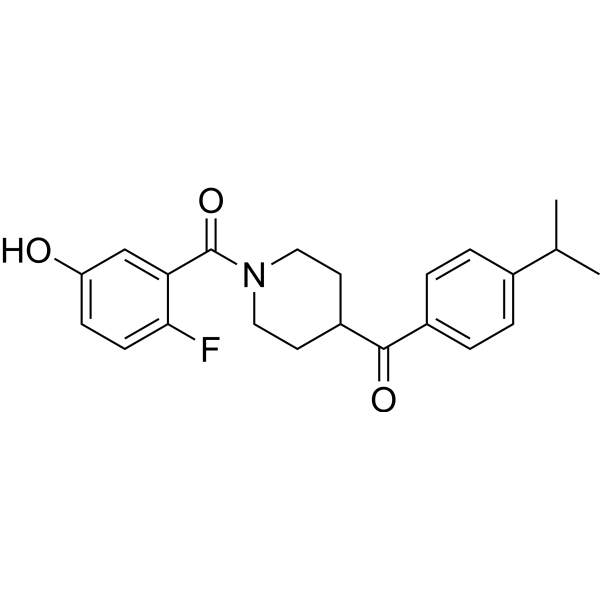
    MAGL-IN-6 is a potent MAGL inhibitor with an IC50 of 4.71 nM. MAGL-IN-6 can be used for neurological disorders research (WO2020065613A1; example 234) .
    MAGL-IN-6
  • HY-168145

    MAGL Cancer
    MAGL-IN-19 (compund 7o) is a highly potent and selective MAGL inhibitor .
    MAGL-IN-19
  • HY-157041

    MAGL Cancer
    MAGL-IN-10 is areversible monoacylglycerol lipase (MAGL) inhibitor with very good ADME properties and low in vivo toxicity.MAGL-IN-10 can be used for the research ofcancer, neurological disorders and inflammatory pathologies .
    MAGL-IN-10
  • HY-168459

    MAGL Neurological Disease
    MAGL-IN-21 (Compound (S)-6) is a selective inhibitor for monoacylglycerol lipase (MAGL) with an IC50 of 1.59 nM .
    MAGL-IN-21
  • HY-157038

    MAGL Inflammation/Immunology
    MAGL-IN-8 (compound 13) is a reversible monoacylglycerol lipase (MAGL) inhibitor, with an IC50 of 2.5 ± 0.4 nM for hMAGL .
    MAGL-IN-8
  • HY-169239

    MAGL Cancer
    MAGL-IN-20 (compound ±34) is a reversible monoacylglycerol lipase (MAGL) inhibitor. MAGL-IN-20 exhibits appreciable antiproliferative activities against several cancer cells, including H460, HT29, CT-26, Huh7 and HCCLM-3. .
    MAGL-IN-20
  • HY-162305

    MAGL Neurological Disease
    MAGL-IN-15 (Compound 6) is a MAGL inhibitor that can be used in the research of diseases and disorders related to the regulation of endocannabinoid system signaling activities .
    MAGL-IN-15
  • HY-173296

    Lipase Cancer
    MAGL-IN-222 (Compound ZQ-7) is a covalent inhibitor targeting monoacylglycerol lipase (MAGL) with an IC50 of 42.31 μM. MAGL-IN-222 can reduce the breakdown of 2-arachidonoylglycerol (2-AG) and increase the intracellular 2-AG level, thereby inhibiting the proliferation and migration of MDA-MB-231 breast cancer cells. MAGL-IN-222 can be used in the research of breast cancer and other related diseases .
    MAGL-IN-222
  • HY-173369

    PROTACs MAGL Cancer
    PROTAC MAGL degrader-1 is an orally active PROTAC agent that simultaneously targets monoacylglycerol lipase (MAGL) and E3 ubiquitin ligase MDM2. PROTAC MAGL degrader-1 degrades MAGL and inhibits the binding of MDM2 to p53. PROTAC MAGL degrader-1 can partially penetrate the blood-brain barrier (BBB). PROTAC MAGL degrader-1 induces glioblastoma stem cells (GSCs) apoptosis. (E3 ligase ligand: HY-128837; target protein ligand + linker: HY-173370; target protein inhibitor: HY-15249) .
    PROTAC MAGL degrader-1
  • HY-162304

    MAGL Neurological Disease
    MAGL-IN-14 (compound 2) is a potent inhibitor of MAGL, with IC50 of 0.00289 μM and 0.002 μM in HEK293 and PC3 cells, respectively .
    MAGL-IN-14
  • HY-173370

    E3 Ligase Ligand-Linker Conjugates Others
    MAGL Ligand-Linker Conjugate 1 is a conjugate of the MAGL ligand and the linker. MAGL Ligand-Linker Conjugate 1 can be used for synthesis of PROTAC degrader PROTAC MAGL degrader-1 (HY-173369) .
    MAGL Ligand-Linker Conjugate 1

Inquiry Online

Your information is safe with us. * Required Fields.

Salutation


Country or Region *

Applicant Name *


Organization Name *

Department *


Email Address *


Product Name *

Cat. No.


Requested quantity *

Phone Number *


Remarks

Inquiry Online

Inquiry Information

Product Name:
Cat. No.:
Quantity:
MCE Japan Authorized Agent:

