Search Result
Results for "
MEFs
" in MedChemExpress (MCE) Product Catalog:
2
Biochemical Assay Reagents
1
Isotope-Labeled Compounds
| Cat. No. |
Product Name |
Target |
Research Areas |
Chemical Structure |
-
- HY-B0988
-
-
-
- HY-B1625
-
-
-
- HY-W187305
-
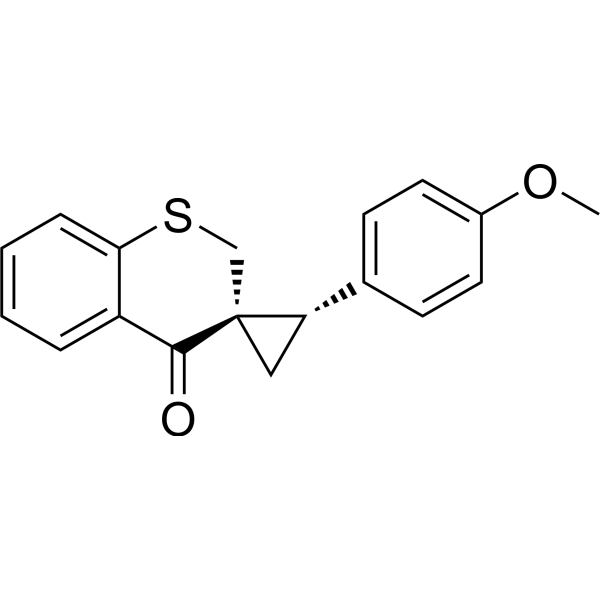
MASM7
5 Publications Verification
|
Mitochondrial Metabolism
|
Others
|
|
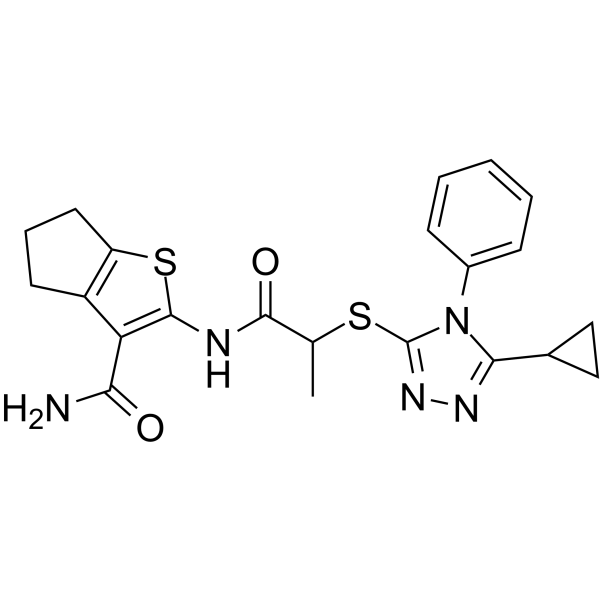
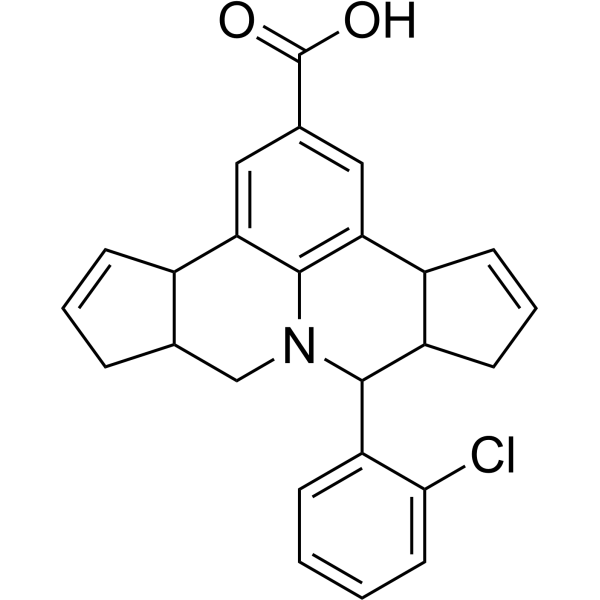
MASM7 is a mitofusin activator, and can achieve mitochondrial fusion via mitofusins. MASM7 can increase Mito AR with an EC50 value of 75 nM in MEFs in concentration-responsively, and can promote mitochondrial fusion by directly activating MFN2 or MFN. MASM7 also demonstrates direct binding to the HR2 domain of MFN2 with Kd value of 1.1 μM .
|
-
-
- HY-124817
-
|
|
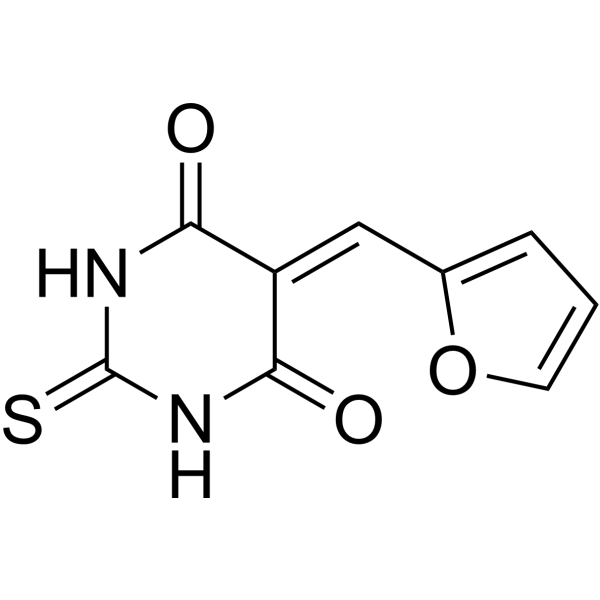
HSP
|
Inflammation/Immunology
|
|
Col003 is a selective and potent inhibitor of Hsp47 and competitively binds to the collagen binding site on Hsp47 (IC50=1.8 μM). Col003 discourages the interaction of Hsp47 with collagen and inhibits collagen secretion by destabilizing the collagen triple helix. Col003 can be used for the investigation of fibrosis
|
-
-
- HY-136386
-
|
|
Reactive Oxygen Species (ROS)
|
Others
|
|
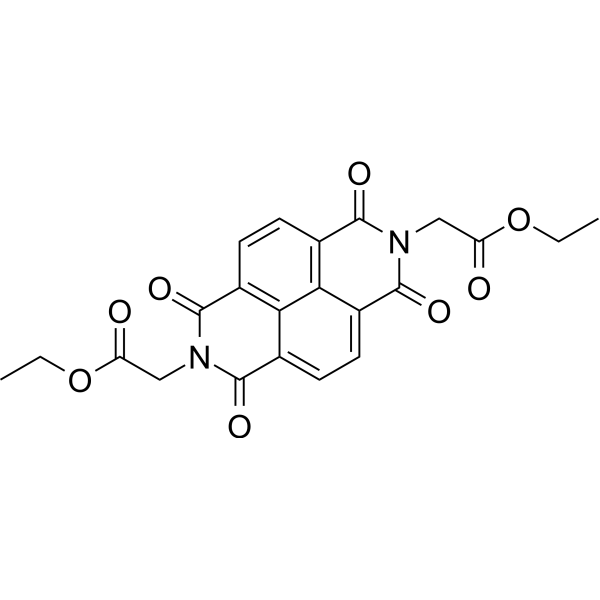
N-Acetyl-D-cysteine has antioxidant activities and scavenges ROS through the reaction with its thiol group, but cannot enter the glutathione metabolic pathway .
|
-
-
- HY-33878
-
|
|
Potassium Channel
Proton Pump
|
Neurological Disease
|
|
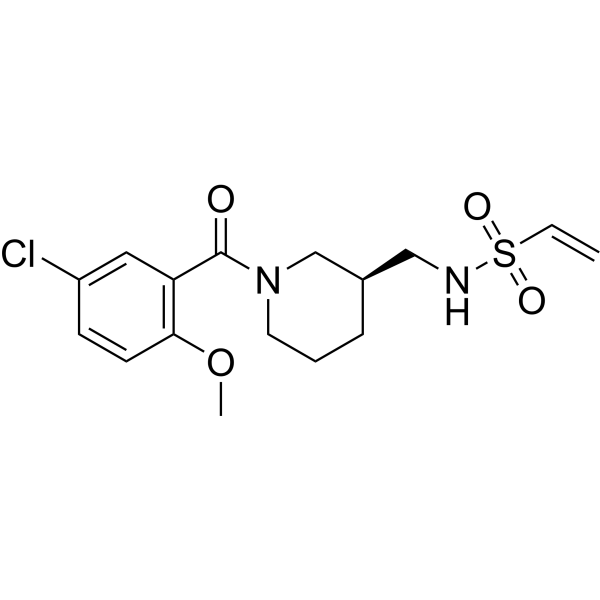
2-PPA is a lysosomal potassium and proton channel TMEM175 pore blocker. 2-PPA binds at a TMEM175 pore site to occlude potassium and proton ion permeation pathways. 2-PPA increases lysosomal macromolecule catabolism, accelerates macropinocytosis. 2-PPA binds to hepatic protein in covalent. 2-PPA can be used for the research of Parkinson's disease .
|
-
-
- HY-115576
-
|
|
p62
Mitophagy
Autophagy
Mitosis
|
Neurological Disease
Cancer
|
|
P62-mediated mitophagy inducer (PMI) is a P62-mediated mitophagy activator. P62-mediated mitophagy inducer activates mitochondrial autophagy without recruitment of Parkin or collapse of the mitochondrial membrane potential and remains active in cells lacking a fully functional PINK1/Parkin pathway. P62-mediated mitophagy inducer serves as a pharmacological tool to study the molecular mechanisms of mitosis, avoiding toxicity and some of the non-specific effects associated with the sudden dissipation of mitochondria lacking membrane potential .
|
-
-
- HY-P1680
-
|
Asterin
|
STING
HSV
|
Infection
Inflammation/Immunology
Cancer
|
|
Astin C (Asterin) is a cyclopeptide that can be extracted from Aster tataricus. Astin C has anti-inflammatory and anti-cancer activities. Astin C can specifically inhibit the cGAS-STING signaling pathway, block the recruitment of IRF3 to the STING signalosome, and thus inhibit the innate inflammatory response. Astin C can be used in the research of autoimmune diseases and cancers .
|
-
-
- HY-125402
-
|
GSK'843
|
RIP kinase
Apoptosis
|
Inflammation/Immunology
|
|
GSK-843 (GSK'843) is a receptor-interacting protein kinase 3 (RIP3 or RIPK3) inhibitor, which binds RIP3 kinase domain with an IC50 of 8.6 nM, and inhibits kinase activity with an IC50 of 6.5 nM. GSK-843 can be used for the research of inflammation .
|
-
-
- HY-30216A
-
|
α-Hydroxyisocaproic acid
|
Drug Metabolite
Hydroxycarboxylic Acid Receptor (HCAR)
AMPK
ERK
|
Metabolic Disease
Inflammation/Immunology
|
|
Leucic acid (α-Hydroxyisocaproic acid) is an orally active end-product of the microbial metabolism of leucine. Leucic acid can bind to HCAR2, alters AMPK and ERK1/2 phosphorylation status, suppresses lipid synthesis, promotes catabolism, reduces adiposity, enhances lean mass and exercise capacity. Leucic acid suppresses pro-inflammatory cytokine secretion, inflammation-related gene mRNA expression. Leucic acid decreases basal protein synthesis, attenuates myotube atrophy. Leucic acid can be used for the research of obesity .
|
-
-
- HY-172262
-
|
|
VDAC
Bcl-2 Family
Apoptosis
|
Cancer
|
|
WEHI-3773 is a VDAC2 ligand and apoptosis modulator. WEHI-3773 directly binds to the β7-β10 region of VDAC2 and disrupts its interaction with BAX and BAK. WEHI-3773 regulates BAX-mediated apoptosis in BAK-deficient cells by modulating conformational activation of BAX, mitochondrial redistribution, and cytochrome c release. WEHI-3773 overcomes Venetoclax (HY-15531) resistance, resensitizes leukemia cells carrying BAX mutations to BH3 mimetics, and enables long-term clonogenic survival of BAK-deficient cells treated with BH3 mimetics. WEHI-3773 is applicable to research related to acute myeloid leukemia .
|
-
-
- HY-19350
-
BML-210
2 Publications Verification
|
HDAC
Apoptosis
|
Cancer
|
|
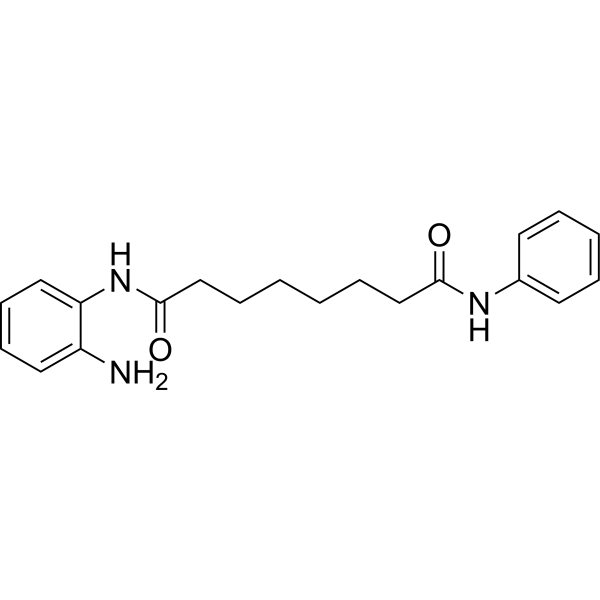
BML-210 is a potent HDAC inhibitor. BML-210 can inhibit the HDAC4-VP16-driven reporter signal with an apparent IC50 of ∼5 µM. BML-210 has a specific disruptive effect on the HDAC4:MEF2 interaction. BML-210 causes an increase in the G0/G1 phase. BML-210 induces apoptosis and displays antitumour activities in orthotopic mammary tumours in mice .
|
-
-
- HY-120877
-
|
|
MARK
Salt-inducible Kinase (SIK)
AMPK
Apoptosis
|
Cancer
|
|
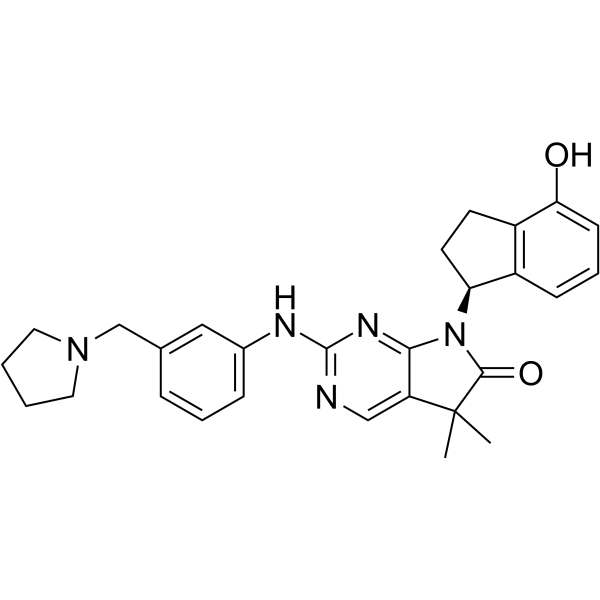
MRT199665 is a potent and ATP-competitive, selective MARK/SIK/AMPK inhibitor with IC50s of 2/2/3/2 nM, 10/10 nM, and 110/12/43 nM for MARK1/MARK2/MARK3/MARK14, AMPKα1/AMPKα2, and SIK1/SIK2/SIK3, respectively . MRT199665 causes apoptosis in MEF2C-activated human acute myeloid leukemias (AML) cells . MRT199665 inhibits the phosphorylation of SIK substrate CRTC3 at S370 .
|
-
-
- HY-128341
-
|
|
ERK
|
Cardiovascular Disease
Cancer
|
|
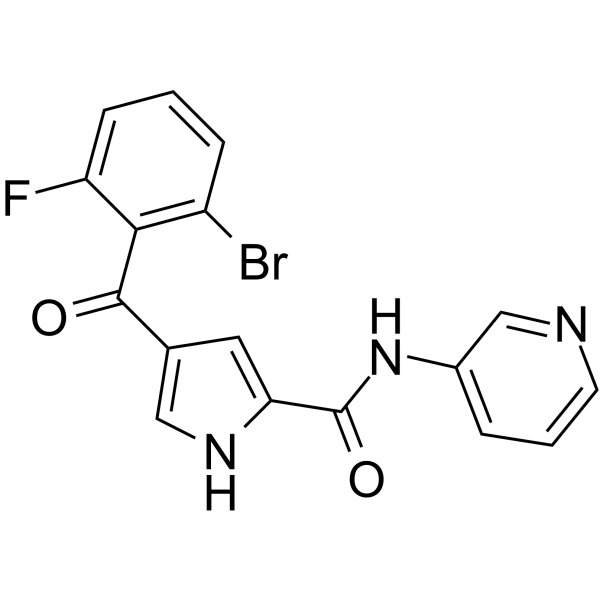
ERK5-IN-2 is an orally active, sub-micromolar, selective ERK5 inhibitor with IC50s of 0.82 μM, 3 μM for ERK5 and ERK5 MEF2D, respectively. ERK5-IN-2 does not interact with the BRD4 bromodomain. ERK5-IN-2 suppresses both tumor xenograft growth and basic fibroblast growth factor (bFGF) driven Matrigel plug angiogenesis .
|
-
-
- HY-W123005
-
|
|
Biochemical Assay Reagents
|
Others
|
|
Dimethyl pimelimidate dihydrochloride is a bifunctional imidoester protein-protein crosslinker used in chromatin immunoprecipitation (ChIP) assays .
|
-
-
- HY-P2726
-
|
Fructose-diphosphate aldolase
|
Fructose-1,6-bisphosphate aldolase
Endogenous Metabolite
|
Metabolic Disease
|
|
Aldolase, Rabbit muscle (Fructose-diphosphate aldolase) is a glycolytic enzyme and glucose availability sensor. Aldolase, Rabbit muscle catalyzes the reversible carbon-carbon cleavage of fructose-1,6-bisphosphate to produce dihydroxyacetone phosphate and glyceraldehyde 3-phosphate. Aldolase, Rabbit muscle is an essential component for v-ATPase activity. Aldolase, Rabbit muscle participates in processes such as gluconeogenesis, the Calvin cycle and glycolysis .
|
-
-
- HY-B0988R
-
|
Desferrioxamine B mesylate (Standard); DFOM (Standard)
|
Reference Standards
Autophagy
HIF/HIF Prolyl-Hydroxylase
Reactive Oxygen Species (ROS)
Apoptosis
Akt
|
Infection
Neurological Disease
Metabolic Disease
Inflammation/Immunology
Cancer
|
|
Deferoxamine (mesylate) (Standard) is the analytical standard of Deferoxamine (mesylate). This product is intended for research and analytical applications. Deferoxamine mesylate (Deferoxamine B mesylate) is an iron chelator (binds to Fe(III) and many other metal cations), is widely used to reduce iron accumulation and deposition in tissues. Deferoxamine mesylate upregulates HIF-1α levels with good antioxidant activity. Deferoxamine mesylate also shows anti-proliferative activity, can induce apoptosis and autophagy in cancer cells. Deferoxamine mesylate can be used in studies of diabetes, neurodegenerative diseases as well as anti-cancer and anti-COVID-19 .
|
-
-
- HY-D1422
-
|
BDNCA-346
|
Fluorescent Dye
|
Others
|
|
ER Tracker Yellow is an endoplasmic reticulum-targeted temperature-visible fluorescent probe. ER Tracker Yellow has high temperature sensitivity (3.9%/°C) and is not affected by pH and Ca 2+ interference. ER Tracker Yellow can be used for real-time monitoring of local temperature changes in the ER area. ER Tracker Yellow maintains its function in fixed cells. ER Tracker Yellow is suitable for various cell lines and primary cells, such as HeLa cells, MEF cells, and other cells .
|
-
-
- HY-141591
-
|
|
Biochemical Assay Reagents
|
Others
|
|
CYT296 is a target chromatin de-condensation compound. CYT296 can improve the induction of induced pluripotent stem cell (iPSCs) mediated by defined factors (OSKM) and induce an open chromatin state in Mouse Embryonic Fibroblast (MEFs) to facilitate somatic cell reprogramming. CYT296 can be used for cell replacement therapies and drug screening research .
|
-
-
- HY-115701
-
|
1-Stearoyl-2-15(S)-HpETE-sn-glycero-3-phosphoethanolamine; 15(S)-HpETE-SAPE; 15(S)-hydroperoxyeicostetraenoic acid-SAPE
|
Ferroptosis
|
Inflammation/Immunology
|
|
1-Stearoyl-2-15(S)-HpETE-sn-glycero-3-Pe is a phospholipid that contains stearic acid (HY-B2219) at the sn-1 position and 15(S)-HpETE at the sn-2 position. It is produced via oxidation of 1-stearoyl-2-arachidonoyl-sn-glycero-3-Pe (SAPE) by 15-lipoxygenase (15-LO). 1-Stearoyl-2-15(S)-HpETE-sn-glycero-3-Pe (0.6 and 0.9 μM) increases ferroptotic cell death in wild-type and Acsl4 knockout Pfa1 mouse embryonic fibroblasts (MEFs) treated with the GPX4 inhibitor RSL3.
|
-
-
- HY-164288
-
|
TDI-006570
|
Cyclic GMP-AMP Synthase
STING
|
Neurological Disease
Inflammation/Immunology
|
|
TDI-6570 (TDI-006570) is a blood-brain barrier-permeable, orally active cGAS inhibitor with an IC50 of 1.64 μM. TDI-6570 exhibits high gastrointestinal absorption and a long brain half-life in mice, and shows no toxicity to primary neurons. By inhibiting the cGAS-STING-IFN signaling pathway, TDI-6570 reduces STING levels and the activation of TBK1, blocks double-stranded DNA-induced cGAS activation and downstream interferon-stimulated gene expression, thereby reducing tau protein spread and improving synaptic loss. TDI-6570 reverses memory deficits, increases the amplitude of long-term potentiation, enhances the MEF2C transcriptional network, restores PSD-95 and vGAT punctate structures, and significantly improves cognitive resilience. TDI-6570 can be applied to the research of Alzheimer's disease, Parkinson's disease, systemic lupus erythematosus, as well as various central nervous system and autoimmune diseases .
|
-
-
- HY-W177546
-
|
|
Phosphodiesterase (PDE)
Apoptosis
Caspase
DNA/RNA Synthesis
|
Cancer
|
|
CD00509 is a tyrosyl-DNA phosphodiesterase (PDE) Tdp1 inhibitor with an IC50 of 0.71 μM. CD00509 increases DNA damage and promotes apoptosis of MCF-7 cells. CD00509 can sensitize breast cancer cells and wild-type murine embryonic fibroblasts (MEFs) to Camptothecin (CPT) (HY-16560). CD00509 can be used for the study of cancers such as breast cancer .
|
-
-
- HY-P3513
-
|
|
ERK
MMP
|
Neurological Disease
|
|
β-Neo-Endorphin is an endogenous opioid peptide. β-Neo-Endorphin is a hypothalamic “big” Leu-enkephalin of porcine origin. β-Neo-Endorphin shows activation of the Erk1/2, MMP-2 and MMP-9 .
|
-
-
- HY-117987
-
|
N-(Hydroxymethyl)thalidomide
|
Nuclear Factor of activated T Cells (NFAT)
NF-κB
Reactive Oxygen Species (ROS)
|
Cancer
|
|
CPS-11 (N-(Hydroxymethyl)thalidomide) a Thalidomide (HY-14658) analogue, is a potent anti-cancer agent. CPS-11 inhibits NF-κB, activates NFAT, and repress cytokine expression through elevated ROS. CPS-11 exhibits a wider activity spectrum and higher potency against MM (multiple myeloma) cell lines .
|
-
-
- HY-147284
-
|
|
PI3K
mTOR
|
Others
|
|
PI3K-IN-37 (Example 84.1) is a PI3K α/β/δ inhibitor with IC50s of 6, 8, 4 nM, respectively. PI3K-IN-37 can also inhibit mTOR (IC50=4 nM) .
|
-
-
- HY-128034
-
|
|
PIN1
|
Cancer
|
|
PPIase-Parvulin inhibitor (compound B) is a cell-permeable inhibitor targeting PPIase Pin1 and Par14, with IC50s of 1.5 and 1.0 µM, respectively. PPIase-Parvulin inhibitor has anticancer activity and inhibits the growth and proliferation of mouse embryonic fibroblasts (MEFs) .
|
-
-
- HY-120904
-
|
|
AMPK
|
Metabolic Disease
|
|
AMPK-IN-1 is an activator of AMPK (EC50: 551 nM for isoform α2β2γ1). AMPK-IN-1 leads to eEF2 phosphorylation in a mTORC1-independent way .
|
-
-
- HY-153413
-
|
|
Ras
|
Cancer
|
|
Kras4B G12D-IN-1 is a Kras4B G12D inhibitor with anticancer effects. Kras4B G12D-IN-1 decreases Kras protein expression in mouse embryonic fibroblasts (MEF) expressing Kras4B G12D (WO2016179558A1, Comp 994566) .
|
-
-
- HY-B1625R
-
|
Deferoxamine B (Standard); Deferriferrioxamine B (Standard); Deferrioxamine (Standard)
|
Reference Standards
HIF/HIF Prolyl-Hydroxylase
Reactive Oxygen Species (ROS)
Apoptosis
Akt
Autophagy
|
Infection
Neurological Disease
Metabolic Disease
Inflammation/Immunology
Cancer
|
|
Deferoxamine (Standard) is the analytical standard of Deferoxamine. This product is intended for research and analytical applications. Deferoxamine (Deferoxamine B) is an iron chelator (binds to Fe(III) and many other metal cations), is widely used to reduce iron accumulation and deposition in tissues. Deferoxamine upregulates HIF-1α levels with good antioxidant activity. Deferoxamine also shows anti-proliferative activity, can induce apoptosis and autophagy in cancer cells. Deferoxamine can be used in studies of diabetes, neurodegenerative diseases as well as anti-cancer and anti-COVID-19 .
|
-
-
- HY-W039939
-
|
2-ADG, 98%
|
Biochemical Assay Reagents
OGT
|
Cancer
|
|
2-Azido-2-deoxy-D-glucose, 98% (2-ADG, 98%) is a substrate of O-GlcNAc transferase (OGT). 2-Azido-2-deoxy-D-glucose, 98% can be transferred from UDP-GlcAz to proteins in vitro via OGT mediation. When delivered as AcGlcAz, 2-Azido-2-deoxy-D-glucose, 98% enables the labeling and investigation of O-GlcNAc-modified nuclear and cytoplasmic proteins in cells. 2-Azido-2-deoxy-D-glucose, 98% undergoes strain-promoted [3+2] azide-alkyne cycloaddition (SPAAC) with technetium- 99m-labeled dibenzocyclooctyne derivatives in vivo. 2-Azido-2-deoxy-D-glucose, 98% can be used in sarcoma-related research .
|
-
-
- HY-110067
-
-
-
- HY-RS08309
-
|
|
Small Interfering RNA (siRNA)
|
Others
|
|
MEF2A Human Pre-designed siRNA Set A contains three designed siRNAs for MEF2A gene (Human), as well as a negative control, a positive control, and a FAM-labeled negative control.
|
-
MEF2A Human Pre-designed siRNA Set A
-
- HY-RS08312
-
|
|
Small Interfering RNA (siRNA)
|
Others
|
|
MEF2D Human Pre-designed siRNA Set A contains three designed siRNAs for MEF2D gene (Human), as well as a negative control, a positive control, and a FAM-labeled negative control.
|
-
MEF2D Human Pre-designed siRNA Set A
-
- HY-RS08311
-
|
|
Small Interfering RNA (siRNA)
|
Others
|
|
MEF2C Human Pre-designed siRNA Set A contains three designed siRNAs for MEF2C gene (Human), as well as a negative control, a positive control, and a FAM-labeled negative control.
|
-
MEF2C Human Pre-designed siRNA Set A
-
- HY-120877A
-
|
|
MARK
Salt-inducible Kinase (SIK)
AMPK
Apoptosis
|
Cancer
|
|
(R)-MRT199665 is an isomer of MRT199665 (HY-120877). MRT199665 is a potent and ATP-competitive, selective MARK/SIK/AMPK inhibitor with IC50s of 2/2/3/2 nM, 10/10 nM, and 110/12/43 nM for MARK1/MARK2/MARK3/MARK14, AMPKα1/AMPKα2, and SIK1/SIK2/SIK3, respectively. MRT199665 causes apoptosis in MEF2C-activated human acute myeloid leukemias (AML) cells. MRT199665 inhibits the phosphorylation of SIK substrate CRTC3 at S370 .
|
-
-
- HY-124514
-
|
|
SOS1
Ras
ERK
|
Cancer
|
|
UC-857993 is a selective SOS1-Ras inhibitor (Kd=14.7 μM, His6-SOS1cat), suppressing catalytic activity. UC-857993 also inhibits ERK and Ras activation, suppresses the growth of mouse embryonic fibroblasts (MEFs) .
|
-
-
- HY-135275
-
|
|
Bcl-2 Family
|
Cancer
|
|
BCL-XL-IN-4 (compound 10) is a potent and selective BCL-XL inhibitor with Ki values of 0.042, 170 nM for BCL-XL, BCL-2, respectively. BCL-XL-IN-4 shows cytotoxicity .
|
-
-
- HY-175210
-
|
|
STING
Interleukin Related
IFNAR
Reactive Oxygen Species (ROS)
Apoptosis
|
Inflammation/Immunology
|
|
STING-IN-16 is a STING inhibitor with IC50 values of 44 nM (human) and 32 nM (mice) for cellular STING inhibition. STING-IN-16 effectively inhibits the activation of the STING axis in both human and murine cells. STING-IN-16 can restore renal mitochondrial function, suppress reactive oxygen species (ROS) production, and reduce cell apoptosis. STING-IN-16 shows robust anti-inflammatory efiicacy in vivo. STING-IN-16 can be used for the study of autoimmune and autoinflammatory diseases .
|
-
-
- HY-10475G
-
|
CD336; NSC608001; Ro 40-6055
|
RAR/RXR
|
Cancer
|
|
AM580 (CD336) (GMP) is AM580= (HY-10475) produced by using GMP guidelines. GMP small molecules works appropriately as an auxiliary reagent for cell therapy manufacture. AM580 is a selective RARα agonist .
|
-
-
- HY-126214S
-
|
|
DNA/RNA Synthesis
|
Cancer
|
|
JH-RE-06-d6 is deuterium labele JH-RE-06. JH-RE-06, a potent REV1-REV7 interface inhibitor (IC50=0.78 μM; Ki=0.42 μM), targets REV1 that interacts with the REV7 subunit of POLζ. JH-RE-06 disrupts mutagenic translesion synthesis (TLS) by preventing recruitment of mutagenic POLζ. JH-RE-06 improves chemotherapy .
|
-
-
- HY-131037
-
|
|
Dynamin
|
Cancer
|
|
MB-0223 is a potent and selective dynamin-related GTPase Drp1 partial inhibitor (IC50=1.3 μM) over other dynamin family members, Opa 1 and dynamin-1 (IC50>100 μM) .
|
-
-
- HY-W010270A
-
-
-
- HY-139062
-
|
C6 Ceramide (d18:1/6:0) Urea; Cer(d18:1/6:0) Urea; D-erythro-Urea-C6-Ceramide
|
Apoptosis
Ceramidase
Autophagy
β-catenin
|
Cancer
|
|
C6 Urea Ceramide (Cer(d18:1/6:0) Urea) is an inhibitor of neutral ceramidase. C6 Urea Ceramide increases total ceramide levels in wild-type mouse embryonic fibroblasts (MEFs) and HT-29 colon cancer cells. C6 Urea Ceramide (5-10 μM) inhibits proliferation of HT-29 cells and induces apoptosis and autophagy, but is not toxic to non-cancerous cells. C6 Urea Ceramide decreases total and phosphorylated β-catenin levels in HT-29 and HCT116 cells, and induces colocalization of β-catenin with the 20S proteasome. C6 Urea Ceramide (1.25, 2.5, and 5 mg/kg) reduced tumor growth and increased C16, C18, C20, and C24 ceramide levels in tumor tissues in the HT-29 mouse xenograft model.
|
-
-
- HY-P5891
-
|
|
PKC
|
Cardiovascular Disease
|
|
TAT-SAMβA is the peptide consist of RNAENFDRF (SAMβA; HY-P3429) conjugated to the cell penetrating TAT protein-derived peptide TAT47–57. TAT-SAMβA is a selective antagonist of Mfn1-βIIPKC association. TAT-SAMβA protects mouse embryonic fibroblast cells (MEFs) against oxidative stress-induced cytotoxicity .
|
-
-
- HY-174583
-
|
|
mRNA
|
Cancer
|
|
Human MEF2C mRNA encodes the human myocyte enhancer factor 2C (MEF2C) protein, a member of the MADS box transcription enhancer factor 2 (MEF2) family. MEF2C has both trans-activating and DNA binding activities and may play a role in maintaining the differentiated state of muscle cells.
|
-
-
- HY-160840
-
|
|
Fluorescent Dye
|
Others
|
|
SPB-AAD is a BFPX probe. SPB-AAD has covalent capture of in vitro assembled MEF2/DNA and NFAT1/DNA complexes .
|
-
-
- HY-RS26209
-
|
|
Small Interfering RNA (siRNA)
|
Others
|
|
Mef2a Rat Pre-designed siRNA Set A contains three designed siRNAs for Mef2a gene (Rat), as well as a negative control, a positive control, and a FAM-labeled negative control.
|
-
Mef2a Rat Pre-designed siRNA Set A
-
- HY-RS23758
-
|
|
Small Interfering RNA (siRNA)
|
Others
|
|
Mef2d Rat Pre-designed siRNA Set A contains three designed siRNAs for Mef2d gene (Rat), as well as a negative control, a positive control, and a FAM-labeled negative control.
|
-
Mef2d Rat Pre-designed siRNA Set A
-
- HY-RS08310
-
|
|
Small Interfering RNA (siRNA)
|
Others
|
|
MEF2B Human Pre-designed siRNA Set A contains three designed siRNAs for MEF2B gene (Human), as well as a negative control, a positive control, and a FAM-labeled negative control.
|
-
MEF2B Human Pre-designed siRNA Set A
-
- HY-170237
-
|
|
Salt-inducible Kinase (SIK)
|
Cancer
|
|
SIK2/3-IN-1 (Compound 7S) is a selectively inhibitory agent of SIK2/3 with oral activity. SIK2/3-IN-1 can significantly inhibit tumor growth (without any body weight loss) in the MV4-11 AML mice CDX model. SIK2/3-IN-1 can be used in the research of MEF2C-dependent acute myeloid leukemia .
|
-
- HY-N12760
-
|
|
Others
|
Cancer
|
|
Lobophorin CR-2 is a lobophorin congener which induces UPR-associated gene expression, inhibits oral squamous cell carcinoma cell growth, and causes UPR-dependent cell death in MEF cells .
|
-
- HY-148052
-
|
|
RIP kinase
|
Cancer
|
|
RIPK3-IN-2 is a RIP3 inhibitor. RIPK3-IN-2 can be used in diseases caused by or associate with activated necrotic pathways research .
|
-
- HY-136386R
-
|
|
Reference Standards
Reactive Oxygen Species (ROS)
|
Others
|
|
N-Acetyl-D-cysteine (Standard) is the analytical standard of N-Acetyl-D-cysteine. This product is intended for research and analytical applications. N-Acetyl-D-cysteine has antioxidant activities and scavenges ROS through the reaction with its thiol group, but cannot enter the glutathione metabolic pathway .
|
-
- HY-149709
-
|
|
ICMT
|
Cancer
|
|
ICMT-IN-35 (compound 10n) is a FTPA-triazole compound and ICMT inhibitor (IC50=0.8 μM). ICMT-IN-35 is taken up by mammalian cells and can prevent K-Ras membrane localization and induce K-Ras mislocalization. Furthermore, ICMT-IN-35 is selectively cytotoxic against ICMT +/+ MEF cells and has low micromolar activity (IC50=0.8 μM) against metastatic pancreatic cancer cell lines .
|
-
- HY-160493
-
|
|
Wnt
β-catenin
|
Cancer
|
|
PTK7/β-catenin-IN-6 (Compound 03653) is an inhibitor for PTK7/β-catenin interaction, which inhibits the Wnt signaling pathway, and exhibits an anticancer activity against colorectal cancer (CRC) .
|
-
- HY-P3513A
-
|
|
ERK
MMP
|
Neurological Disease
|
|
β-Neo-Endorphin acetate is an endogenous opioid peptide. β-Neo-Endorphin acetate is a hypothalamic "big" Leu-enkephalin of porcine origin. β-Neo-Endorphin acetate shows activation of the Erk1/2, MMP-2 and MMP-9 .
|
-
- HY-174479
-
|
|
mRNA
|
Cardiovascular Disease
|
|
Mouse Mef2c mRNA encodes the mouse myocyte enhancer factor 2C (Mef2c) protein, a transcription activator which binds specifically to the MEF2 element present in the regulatory regions of many muscle-specific genes. Mef2c controls cardiac morphogenesis and myogenesis, and is also involved in vascular development, neurogenesis and the development of cortical architecture.
|
-
- HY-174584
-
|
|
mRNA
|
Neurological Disease
|
|
Human MEF2A mRNA encodes the human myocyte enhancer factor 2A (MEF2A) protein, a DNA-binding transcription factor that activates many muscle-specific, growth factor-induced, and stress-induced genes. MEF2A is involved in several cellular processes, including muscle development, neuronal differentiation, cell growth control, and apoptosis.
|
-
- HY-RS19713
-
|
|
Small Interfering RNA (siRNA)
|
Others
|
|
Mef2a Mouse Pre-designed siRNA Set A contains three designed siRNAs for Mef2a gene (Mouse), as well as a negative control, a positive control, and a FAM-labeled negative control.
|
-
Mef2a Mouse Pre-designed siRNA Set A
- HY-RS17303
-
|
|
Small Interfering RNA (siRNA)
|
Others
|
|
Mef2d Mouse Pre-designed siRNA Set A contains three designed siRNAs for Mef2d gene (Mouse), as well as a negative control, a positive control, and a FAM-labeled negative control.
|
-
Mef2d Mouse Pre-designed siRNA Set A
- HY-RS25510
-
|
|
Small Interfering RNA (siRNA)
|
Others
|
|
Mef2c Rat Pre-designed siRNA Set A contains three designed siRNAs for Mef2c gene (Rat), as well as a negative control, a positive control, and a FAM-labeled negative control.
|
-
Mef2c Rat Pre-designed siRNA Set A
- HY-RS19021
-
|
|
Small Interfering RNA (siRNA)
|
Others
|
|
Mef2c Mouse Pre-designed siRNA Set A contains three designed siRNAs for Mef2c gene (Mouse), as well as a negative control, a positive control, and a FAM-labeled negative control.
|
-
Mef2c Mouse Pre-designed siRNA Set A
- HY-19073
-
|
|
Others
|
Neurological Disease
|
|
TS-80 hydrochloride is a Mef2 transcriptional activator, and can be used for research of neurologic conditions .
|
-
- HY-182398
-
|
|
ERK
|
Cancer
|
|
BAY-693 is a highly potent and highly selective ERK5 inhibitor with an IC50 of 6.40 μM. BAY-693 reduces the transcriptional activity of MEF2. BAY-693 is applicable for cancer research .
|
-
- HY-107091R
-
|
DA-DKP (Standard)
|
Reference Standards
MEK
p38 MAPK
IFNAR
TNF Receptor
Ras
JNK
|
Inflammation/Immunology
|
|
Aspartyl-alanyl-diketopiperazine (DA-DKP) (Standard) is the analytical standard of Aspartyl-alanyl-diketopiperazine (HY-107091). This product is intended for research and analytical applications. Aspartyl-alanyl-diketopiperazine is an immunomodulatory molecule and anti-inflammatory agent. Aspartyl-alanyl-diketopiperazine increases the level of active Rap1 in activated human T lymphocytes and reduces the phosphorylation levels of Ras, ATF-2, c-jun, MEK1, MEKK1, ERK1, JNK1,2,3, p38MAPK and MEF-2. Aspartyl-alanyl-diketopiperazine inhibits the production of pro-inflammatory cytokines, including the levels of IFN-γ and TNF-α. Aspartyl-alanyl-diketopiperazine can be used in studies of inflammatory immune responses .
|
-
- HY-D3283
-
|
|
Fluorescent Dye
|
Others
|
|
Ctrl-CCF1 is a control probe for CCF1. Ctrl-CCF1 can be used to distinguish copper-dependent responses from potential dye-dependent variations, such as cellular uptake, retention, subcellular accumulation, and changes in pH, redox or hydrophobic/hydrophilic environments .
|
-
- HY-D3282
-
|
|
Fluorescent Dye
|
Metabolic Disease
|
|
CCF1 is a carbon-rhodol-based turn-on fluorescent copper sensor with high selectivity for Cu + over other biologically relevant metal ions. CCF1 detects changes in labile copper pools in living cells upon copper supplementation and/or depletion. CCF1 identifies elevations in labile copper pools in Atp7a -/ - fibroblast cell models. CCF1 can be used for the research of Menkes disease .
|
-
- HY-181604
-
|
|
Malate Dehydrogenase (MDH)
|
Inflammation/Immunology
|
|
MDH2-IN-2 is an orally active MDH2 inhibitor with an IC50 of 5.9 μM. MDH2-IN-2 reduces the levels of senescence markers and senescence-associated secretory phenotype (SASP) factors in mammalian cell models. MDH2-IN-2 extends the lifespan and improves the healthspan of Caenorhabditis elegans. MDH2-IN-2 alleviates tissue senescence in aged mice, inhibits SASP factors, and restores liver and kidney functions. MDH2-IN-2 is applicable for senescence-related research .
|
-
- HY-185227
-
|
|
Ephrin Receptor
Src
Bcr-Abl
EGFR
|
Cancer
|
|
EphB4-IN-1 is a selective EphB4 tyrosine kinase inhibitor with IC50 values of 0.16-0.30 μM. EphB4-IN-1 binds to the ATP binding site of EphB4 in a DFG-in conformation, forming four stable intermolecular hydrogen bonds. EphB4-IN-1 also inhibits Src, Abl1, Lck, and EGFR kinases. EphB4-IN-1 inhibits EphB4 autophosphorylation. EphB4-IN-1 can be used for the research of cancer, such as non small cell lung cancer .
|
-
- HY-123303
-
|
NZ-28
|
HSP
|
Cancer
|
|
NSC-134754 is a dehydroemetine derivative and heat shock protein induction inhibitor. NSC-134754 acts at the post-transcriptional level, targets Hsp72 and Hsp27, and does not alter general protein synthesis, HSF-1 transcriptional activity, or Hsp mRNA levels. NSC-134754 shows no significant toxicity in preclinical models and sensitizes cancer cells to proteasome and Hsp90 inhibitors. NSC-134754 can be used for the research of multiple myeloma, prostate carcinoma, colon carcinoma .
|
-
- HY-W714212
-
|
|
Herbicide
Microtubule/Tubulin
DNA/RNA Synthesis
Apoptosis
|
Others
|
|
Fluchloralin is a dinitroaniline herbicide that effectively controls annual gramineous and broadleaf weeds primarily by inhibiting tubulin synthesis and cell division . Fluchloralin exhibits cytotoxicity and genotoxicity, and promotes cell apoptosis by activating apoptotic signaling proteins, forming DNA ladder bands, inducing cell shrinkage and nuclear fragmentation .
|
-
- HY-W072962
-
|
|
Histone Methyltransferase
PAK
Bcl-2 Family
KLF
|
Cancer
|
|
WX2-43 is a PRMT5-KLF4 inhibitor (Kd of 11.0 nM). WX2-43 binds to the region between amino acids L400-M500 on PRMT5. WX2-43 efficiently intercepts the interaction between KLF4 and PRMT5, and blocks KLF4 methylation. WX2-43 decreases p21 levels and increases Bax levels. WX2-43 suppresses triple negative breast tumor progression. WX2-43 can be used in the research of triple-negative breast cancer and colorectal cancer .
|
-
- HY-123933
-
|
|
Glutaminase
|
Neurological Disease
Cancer
|
|
TTGM 5826 is a tissue transglutaminase (tTG) inhibitor with an EC50 of 20 μM. TTGM 5826 stabilizes the open conformation of tTG that exhibits protein cross-linking activity, and acts as a competitive inhibitor of tTG-mediated cross-linking activity. TTGM 5826 inhibits the transformed phenotypes of breast cancer cells, brain cancer cells and glioma stem cells. TTGM 5826 can be used in the research of breast cancer, glioblastoma, pancreatic cancer and glioma stem cell-related tumors .
|
-
- HY-D3241
-
|
|
Fluorescent Dye
|
Others
|
|
CD649.2 is a red-emitting copper-targeted acylimidazole-reactive Fluorescent probe and a highly specific Cu 2+ detection reagent. CD649.2 enables visualization of labile Cu 2+ pools and their dynamic changes in living cells .
|
-
- HY-D3179
-
|
|
Fluorescent Dye
BCRP
|
Neurological Disease
|
|
CDg13 is a fluorescent probe that specifically detects living neural stem/progenitor cells. CDg13 localizes to the endoplasmic reticulum via its dihexyl moiety, with no interaction with endoplasmic reticulum biomolecules. CDg13 undergoes selective efflux by active ABCG2 transporters, with increased intracellular accumulation following ABCG2 inhibition or knockdown. CDg13 isolates and enriches self-renewable neural stem/progenitor cells from embryonic mouse brain tissue, stains neural stem/progenitor cells brightly, and sorts ABCG2low cell populations from heterogeneous populations . (Ex/Em = 520/553 nm)
|
-
| Cat. No. |
Product Name |
Type |
-
- HY-D1422
-
|
BDNCA-346
|
Fluorescent Dye
|
|
ER Tracker Yellow is an endoplasmic reticulum-targeted temperature-visible fluorescent probe. ER Tracker Yellow has high temperature sensitivity (3.9%/°C) and is not affected by pH and Ca 2+ interference. ER Tracker Yellow can be used for real-time monitoring of local temperature changes in the ER area. ER Tracker Yellow maintains its function in fixed cells. ER Tracker Yellow is suitable for various cell lines and primary cells, such as HeLa cells, MEF cells, and other cells .
|
-
- HY-10475G
-
|
CD336; NSC608001; Ro 40-6055
|
Fluorescent Dye
|
|
AM580 (CD336) (GMP) is AM580= (HY-10475) produced by using GMP guidelines. GMP small molecules works appropriately as an auxiliary reagent for cell therapy manufacture. AM580 is a selective RARα agonist .
|
-
- HY-D3283
-
|
|
Fluorescent Dye
|
|
Ctrl-CCF1 is a control probe for CCF1. Ctrl-CCF1 can be used to distinguish copper-dependent responses from potential dye-dependent variations, such as cellular uptake, retention, subcellular accumulation, and changes in pH, redox or hydrophobic/hydrophilic environments .
|
-
- HY-D3282
-
|
|
Fluorescent Dye
|
|
CCF1 is a carbon-rhodol-based turn-on fluorescent copper sensor with high selectivity for Cu + over other biologically relevant metal ions. CCF1 detects changes in labile copper pools in living cells upon copper supplementation and/or depletion. CCF1 identifies elevations in labile copper pools in Atp7a -/ - fibroblast cell models. CCF1 can be used for the research of Menkes disease .
|
-
- HY-D3241
-
|
|
Fluorescent Dye
|
|
CD649.2 is a red-emitting copper-targeted acylimidazole-reactive Fluorescent probe and a highly specific Cu 2+ detection reagent. CD649.2 enables visualization of labile Cu 2+ pools and their dynamic changes in living cells .
|
-
- HY-D3179
-
|
|
Fluorescent Dye
|
|
CDg13 is a fluorescent probe that specifically detects living neural stem/progenitor cells. CDg13 localizes to the endoplasmic reticulum via its dihexyl moiety, with no interaction with endoplasmic reticulum biomolecules. CDg13 undergoes selective efflux by active ABCG2 transporters, with increased intracellular accumulation following ABCG2 inhibition or knockdown. CDg13 isolates and enriches self-renewable neural stem/progenitor cells from embryonic mouse brain tissue, stains neural stem/progenitor cells brightly, and sorts ABCG2low cell populations from heterogeneous populations . (Ex/Em = 520/553 nm)
|
| Cat. No. |
Product Name |
Type |
-
- HY-W039939
-
|
2-ADG, 98%
|
Biochemical Assay Reagents
|
|
2-Azido-2-deoxy-D-glucose, 98% (2-ADG, 98%) is a substrate of O-GlcNAc transferase (OGT). 2-Azido-2-deoxy-D-glucose, 98% can be transferred from UDP-GlcAz to proteins in vitro via OGT mediation. When delivered as AcGlcAz, 2-Azido-2-deoxy-D-glucose, 98% enables the labeling and investigation of O-GlcNAc-modified nuclear and cytoplasmic proteins in cells. 2-Azido-2-deoxy-D-glucose, 98% undergoes strain-promoted [3+2] azide-alkyne cycloaddition (SPAAC) with technetium- 99m-labeled dibenzocyclooctyne derivatives in vivo. 2-Azido-2-deoxy-D-glucose, 98% can be used in sarcoma-related research .
|
-
- HY-10475G
-
|
CD336; NSC608001; Ro 40-6055
|
Biochemical Assay Reagents
|
|
AM580 (CD336) (GMP) is AM580= (HY-10475) produced by using GMP guidelines. GMP small molecules works appropriately as an auxiliary reagent for cell therapy manufacture. AM580 is a selective RARα agonist .
|
| Cat. No. |
Product Name |
Target |
Research Area |
-
- HY-P1680
-
|
Asterin
|
STING
HSV
|
Infection
Inflammation/Immunology
Cancer
|
|
Astin C (Asterin) is a cyclopeptide that can be extracted from Aster tataricus. Astin C has anti-inflammatory and anti-cancer activities. Astin C can specifically inhibit the cGAS-STING signaling pathway, block the recruitment of IRF3 to the STING signalosome, and thus inhibit the innate inflammatory response. Astin C can be used in the research of autoimmune diseases and cancers .
|
-
- HY-30216A
-
|
α-Hydroxyisocaproic acid
|
Drug Metabolite
Hydroxycarboxylic Acid Receptor (HCAR)
AMPK
ERK
|
Metabolic Disease
Inflammation/Immunology
|
|
Leucic acid (α-Hydroxyisocaproic acid) is an orally active end-product of the microbial metabolism of leucine. Leucic acid can bind to HCAR2, alters AMPK and ERK1/2 phosphorylation status, suppresses lipid synthesis, promotes catabolism, reduces adiposity, enhances lean mass and exercise capacity. Leucic acid suppresses pro-inflammatory cytokine secretion, inflammation-related gene mRNA expression. Leucic acid decreases basal protein synthesis, attenuates myotube atrophy. Leucic acid can be used for the research of obesity .
|
-
- HY-P3513
-
|
|
ERK
MMP
|
Neurological Disease
|
|
β-Neo-Endorphin is an endogenous opioid peptide. β-Neo-Endorphin is a hypothalamic “big” Leu-enkephalin of porcine origin. β-Neo-Endorphin shows activation of the Erk1/2, MMP-2 and MMP-9 .
|
-
- HY-P5891
-
|
|
PKC
|
Cardiovascular Disease
|
|
TAT-SAMβA is the peptide consist of RNAENFDRF (SAMβA; HY-P3429) conjugated to the cell penetrating TAT protein-derived peptide TAT47–57. TAT-SAMβA is a selective antagonist of Mfn1-βIIPKC association. TAT-SAMβA protects mouse embryonic fibroblast cells (MEFs) against oxidative stress-induced cytotoxicity .
|
| Cat. No. |
Product Name |
Category |
Target |
Chemical Structure |
| Cat. No. |
Product Name |
Chemical Structure |
-
- HY-126214S
-
|
|
|
JH-RE-06-d6 is deuterium labele JH-RE-06. JH-RE-06, a potent REV1-REV7 interface inhibitor (IC50=0.78 μM; Ki=0.42 μM), targets REV1 that interacts with the REV7 subunit of POLζ. JH-RE-06 disrupts mutagenic translesion synthesis (TLS) by preventing recruitment of mutagenic POLζ. JH-RE-06 improves chemotherapy .
|
-
| Cat. No. |
Product Name |
|
Classification |
-
- HY-RS08309
-
|
|
|
siRNAs
Human Pre-designed siRNA Sets
|
|
MEF2A Human Pre-designed siRNA Set A contains three designed siRNAs for MEF2A gene (Human), as well as a negative control, a positive control, and a FAM-labeled negative control.
|
-
- HY-RS08312
-
|
|
|
siRNAs
Human Pre-designed siRNA Sets
|
|
MEF2D Human Pre-designed siRNA Set A contains three designed siRNAs for MEF2D gene (Human), as well as a negative control, a positive control, and a FAM-labeled negative control.
|
-
- HY-RS08311
-
|
|
|
siRNAs
Human Pre-designed siRNA Sets
|
|
MEF2C Human Pre-designed siRNA Set A contains three designed siRNAs for MEF2C gene (Human), as well as a negative control, a positive control, and a FAM-labeled negative control.
|
-
- HY-174583
-
|
|
|
mRNA
Transcription Factors
|
|
Human MEF2C mRNA encodes the human myocyte enhancer factor 2C (MEF2C) protein, a member of the MADS box transcription enhancer factor 2 (MEF2) family. MEF2C has both trans-activating and DNA binding activities and may play a role in maintaining the differentiated state of muscle cells.
|
-
- HY-RS26209
-
|
|
|
siRNAs
Rat Pre-designed siRNA Sets
|
|
Mef2a Rat Pre-designed siRNA Set A contains three designed siRNAs for Mef2a gene (Rat), as well as a negative control, a positive control, and a FAM-labeled negative control.
|
-
- HY-RS23758
-
|
|
|
siRNAs
Rat Pre-designed siRNA Sets
|
|
Mef2d Rat Pre-designed siRNA Set A contains three designed siRNAs for Mef2d gene (Rat), as well as a negative control, a positive control, and a FAM-labeled negative control.
|
-
- HY-RS08310
-
|
|
|
siRNAs
Human Pre-designed siRNA Sets
|
|
MEF2B Human Pre-designed siRNA Set A contains three designed siRNAs for MEF2B gene (Human), as well as a negative control, a positive control, and a FAM-labeled negative control.
|
-
- HY-174479
-
|
|
|
mRNA
Transcription Factors
|
|
Mouse Mef2c mRNA encodes the mouse myocyte enhancer factor 2C (Mef2c) protein, a transcription activator which binds specifically to the MEF2 element present in the regulatory regions of many muscle-specific genes. Mef2c controls cardiac morphogenesis and myogenesis, and is also involved in vascular development, neurogenesis and the development of cortical architecture.
|
-
- HY-174584
-
|
|
|
mRNA
Transcription Factors
|
|
Human MEF2A mRNA encodes the human myocyte enhancer factor 2A (MEF2A) protein, a DNA-binding transcription factor that activates many muscle-specific, growth factor-induced, and stress-induced genes. MEF2A is involved in several cellular processes, including muscle development, neuronal differentiation, cell growth control, and apoptosis.
|
-
- HY-RS19713
-
|
|
|
siRNAs
Mouse Pre-designed siRNA Sets
|
|
Mef2a Mouse Pre-designed siRNA Set A contains three designed siRNAs for Mef2a gene (Mouse), as well as a negative control, a positive control, and a FAM-labeled negative control.
|
-
- HY-RS17303
-
|
|
|
siRNAs
Mouse Pre-designed siRNA Sets
|
|
Mef2d Mouse Pre-designed siRNA Set A contains three designed siRNAs for Mef2d gene (Mouse), as well as a negative control, a positive control, and a FAM-labeled negative control.
|
-
- HY-RS25510
-
|
|
|
siRNAs
Rat Pre-designed siRNA Sets
|
|
Mef2c Rat Pre-designed siRNA Set A contains three designed siRNAs for Mef2c gene (Rat), as well as a negative control, a positive control, and a FAM-labeled negative control.
|
-
- HY-RS19021
-
|
|
|
siRNAs
Mouse Pre-designed siRNA Sets
|
|
Mef2c Mouse Pre-designed siRNA Set A contains three designed siRNAs for Mef2c gene (Mouse), as well as a negative control, a positive control, and a FAM-labeled negative control.
|
| Cat. No. |
Product Name |
Target |
Research Areas |
Chemical Structure |
-
- HY-10475G
-
|
CD336; NSC608001; Ro 40-6055
|
RAR/RXR
|
Cancer
|
|
AM580 (CD336) (GMP) is AM580= (HY-10475) produced by using GMP guidelines. GMP small molecules works appropriately as an auxiliary reagent for cell therapy manufacture. AM580 is a selective RARα agonist .
|
-
Your information is safe with us. * Required Fields.
Inquiry Information
- Product Name:
- Cat. No.:
- Quantity:
- MCE Japan Authorized Agent:

